Whether a Munchkin Can Climb a Cat Tree
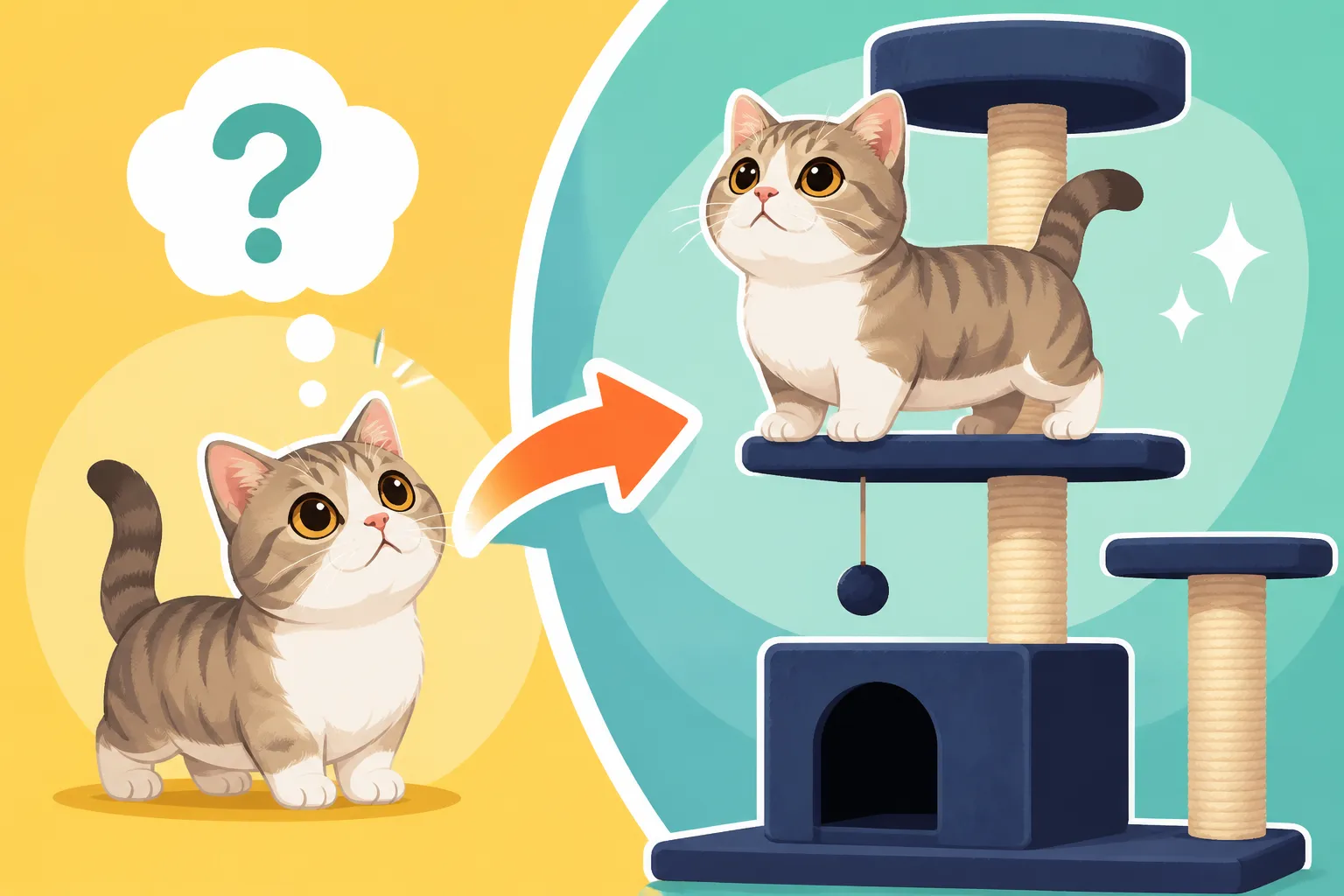
One of the biggest joys of having a cat is watching them explore their world, especially when it involves scaling a magnificent cat tree. But for those of us with Munchkin cats, this aspiration often comes with a dose of worry. You look at those adorable short legs and then at the towering levels of a typical cat tree, and a real question emerges: can my Munchkin truly navigate this vertical playground safely and enjoyably? This guide is here to unravel that very question, offering insights into their unique abilities and practical solutions for providing them with safe, enriching vertical spaces.
Understanding the Munchkin's Vertical Limitations
It’s easy to assume that because a Munchkin has short legs, they can’t jump at all, or that any vertical movement is a struggle. While their physical makeup does present some unique considerations, it doesn’t mean they are completely grounded. Instead, it means we, as their loving human companions, need to understand how they move and adapt their environment accordingly. Their agility often surprises people, but there's a definite ceiling to their vertical prowess.
The Reality of Munchkin Jumping Height
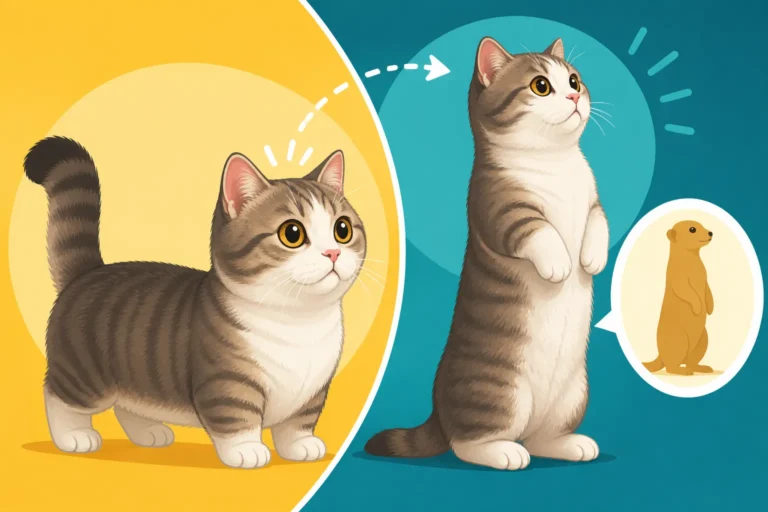
Let's be real, a Munchkin isn't going to effortlessly leap onto your kitchen counter or the top of a seven-foot cat tree with a single bound. Their shortened leg bones, a condition known as pseudoachondroplasia, mean their powerful hind leg muscles have less leverage to propel them upwards compared to a long-legged cat. They're still cats, though, with that innate desire to climb and survey their territory from a high vantage point. They can jump, but their jumps are often more akin to a carefully calculated series of hops or launches.
When a Munchkin approaches a jump, you'll often see them gather themselves, assessing the distance and height. They might launch themselves with surprising force, but their maximum jump height is significantly lower than that of an average domestic cat. Most Munchkins can comfortably manage a jump equivalent to their own body length, maybe a little more on a good day, but anything approaching countertop height is typically out of reach or extremely difficult. This isn't just about getting up; it's also about the repeated impact of landing, which can put strain on their unique skeletal structure over time. You can learn more about this in How Many Inches a Munchkin Can Jump.
Why Coming Down is Harder Than Going Up for a Munchkin
This might sound counterintuitive, but for many cats, and especially for Munchkins, the descent can be more challenging than the ascent. When a cat jumps up, they’re engaging powerful muscles to propel themselves. Coming down, however, relies more on shock absorption, controlled braking, and spatial awareness. For a Munchkin, whose short legs offer less "suspension" and whose spine already carries a specific load due to their conformation, landing from a height can be particularly jarring.
Imagine trying to jump off a step without bending your knees much – it’s uncomfortable, right? A Munchkin’s legs have a similar mechanical disadvantage. They might be able to scramble up a low surface, but jumping down from a significant height can put undue stress on their joints, especially their shoulders and elbows, which take the brunt of the impact. This repeated impact over years can contribute to problems later in life, making it vital to manage their vertical activities from a young age. This is detailed further in Why Coming Down Is Harder Than Going Up for a Munchkin.
Why Standard Cat Trees Fall Short
Most cat trees on the market are designed with a "standard" cat in mind – a cat with long, agile legs that can easily bridge large vertical distances. While these trees look fantastic and offer great enrichment for many felines, they often become more of an obstacle course than a playground for a Munchkin. It’s not just about the height, but the way those heights are structured.
The Problem with Wide Gaps Between Platforms
When you look at a typical cat tree, you'll often see platforms spaced a foot or more apart. For a long-legged cat, this is a fun, easy leap. For a Munchkin, it's a chasm. These wide gaps are the primary reason a standard cat tree is often inaccessible. A Munchkin might be able to jump to the first low platform, but then they're often stranded, looking longingly at the next level which is just a bit too far out of reach.
This isn't just frustrating for them; it can also be dangerous. A determined Munchkin might attempt a jump that's beyond their capability, leading to a fall or an awkward landing that could result in injury. Even if they don't fall, the constant strain of over-reaching and making difficult jumps can take a toll on their joints over time. We want their environment to be challenging in an enriching way, not a physically taxing one.
Unsuitable Materials and Designs
Beyond the spacing, the materials and overall design of many standard cat trees can also be problematic for Munchkins. Think about slick carpeted surfaces or unstable posts. A Munchkin relies heavily on good grip and a stable footing, especially when trying to climb or maneuver. A flimsy, wobbly cat tree, or one with very smooth, low-pile carpeting, can make them feel insecure and even cause them to slip.
Furthermore, some cat trees feature hanging toys that are simply too high for a Munchkin to interact with effectively from a lower platform. The cubbies or hiding spots might also be placed too high up, or have entryways that require a significant jump, effectively making them inaccessible. A truly Munchkin-friendly design needs to consider every aspect, from the ground up, ensuring every feature is within their unique reach and comfort zone. You can check out Which Cat Tree Layout Suits a Munchkin for more tailored ideas.
Adapting Existing Cat Trees for Munchkins
You don't necessarily have to throw out your beloved cat tree if you get a Munchkin, or despair if you already own one. With a bit of creativity and some practical modifications, you can often transform a standard cat tree into a Munchkin-friendly paradise. The key is to bridge those intimidating gaps and provide secure, easy access.
Adding Ramps and Steps to Bridge Gaps
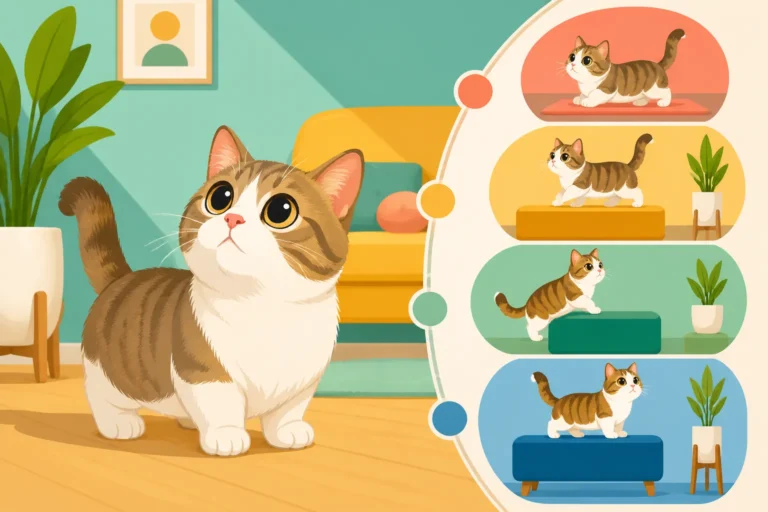
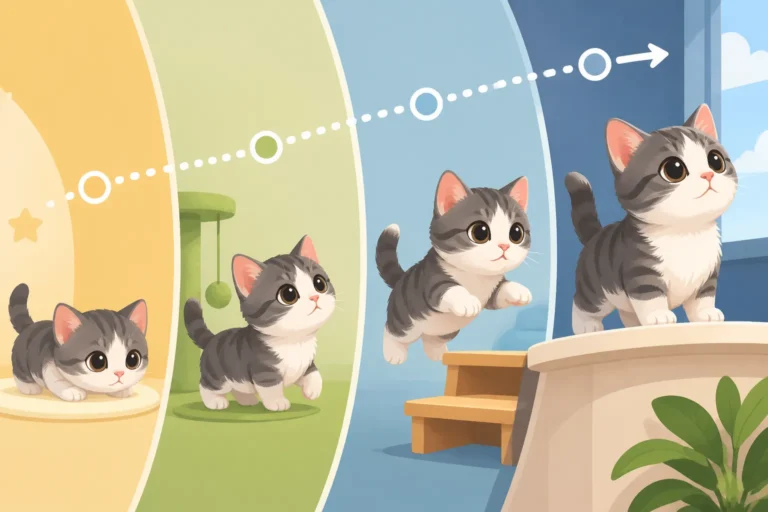
This is probably the most crucial modification you can make. Ramps and steps are a Munchkin's best friend when it comes to vertical access. Instead of forcing them to jump from one platform to another, you create a gentle incline or a series of manageable mini-steps. Think about adding small, sturdy wooden or carpeted steps between platforms, or even a continuous ramp that spirals up the tree. You can often find pet ramps and steps designed for small dogs or older cats on Amazon that can be repurposed.
When adding ramps, ensure the incline isn't too steep – a gradual slope is much easier and safer for their short legs. For steps, make sure they are wide enough for comfortable footing and not too far apart. The goal is to create a seamless "staircase" effect, allowing your Munchkin to walk or hop their way up and down without strain. Securing these additions firmly is paramount to prevent wobbling or collapse, which could startle or injure your cat. How to Teach a Munchkin to Use Steps can offer some great techniques for introduction.
Securing and Stabilizing for Safety
A wobbly cat tree is a hazard for any cat, but especially for a Munchkin who relies on stability for their footing. Before adding any modifications, ensure the entire structure is robust and well-anchored. If your cat tree leans or shakes, you might need to reinforce the base, tighten screws, or even secure it to a nearby wall using brackets. This provides a crucial sense of security for your Munchkin, encouraging them to explore higher levels without fear.
Beyond the main structure, pay attention to the stability of the added ramps and steps. Use strong adhesive, screws, or bolts to attach them securely. You don't want a ramp shifting under their weight as they're halfway up! Consider adding non-slip material to any new surfaces you introduce, such as sisal rope or carpet remnants, to give them extra grip. A confident cat is a safe cat, and stability plays a huge role in building that confidence.
Creating Accessible Resting Spots
Once your Munchkin can reach the higher platforms, you need to ensure those spots are truly comfortable and inviting. Sometimes, the existing platforms might be too small or oddly shaped for a Munchkin to comfortably sprawl out and feel secure. Consider adding soft, padded inserts or even small, low-sided cat beds to the platforms to make them more appealing.
If a platform has a railing that's too high, your Munchkin might feel enclosed or unable to properly survey their kingdom. You might need to adjust or remove such barriers, or simply create an alternative resting spot nearby that offers an open view. Remember, the goal isn't just to get them up there, but to make the elevated space a desirable destination where they can relax and feel safe. Don't forget their inherent desire for a cozy spot, as explored in Why a Munchkin Sleeps Wherever It Can Get To.
Choosing or Building a Munchkin-Friendly Cat Tree
Sometimes, adapting an old tree just isn't enough, or you might be in the market for a brand-new one specifically designed with your short-legged friend in mind. There are options out there, and if you're handy, building one can be incredibly rewarding.
Key Features of a Munchkin-Safe Design
When looking for a new cat tree, prioritize designs that boast closely spaced platforms. Ideally, these platforms should be no more than 6-8 inches apart vertically, allowing for easy, low jumps or comfortable step-ups. Look for models that already incorporate ramps or a "staircase" design. These are becoming more common as pet owners recognize the needs of different breeds and aging cats.
Consider the base: a wide, heavy base is essential for stability. The materials should be durable and provide good grip. Sisal rope on posts for scratching is great, but ensure any carpeted surfaces aren't too slick. Features like enclosed cubbies or hammocks should be at an easily accessible height. Some manufacturers now offer modular cat tree systems, which can be fantastic because you can customize the height and spacing of platforms to perfectly suit your Munchkin's abilities. You can sometimes find options on Amazon specifically marketed for senior cats or those with mobility issues, which often translate well for Munchkins.
Here’s a quick comparison of what to look for:
| Feature | Standard Cat Tree (Typical) | Munchkin-Friendly Cat Tree (Ideal) |
|---|---|---|
| Platform Spacing | Wide gaps (12-18+ inches) requiring significant jumps | Close gaps (6-8 inches), gradual steps, or ramps |
| Stability | Can be top-heavy, may wobble with movement | Wide, heavy base; wall-mountable; sturdy construction for security |
| Surface Material | Plush carpet (can be slick), sometimes bare wood/laminate | Grippy carpet, sisal, or textured fabric on platforms and ramps |
| Entry/Exit | Requires high jumps for access to platforms/cubbies | Easy walk-on access, low step-ups, open entry points |
| Overall Height | Often very tall, aiming for maximum verticality | Prioritizes accessibility over sheer height, uses staggered, accessible levels |
| Features | High perches, hanging toys out of reach | Low cubbies, reachable toys, easy-access hammocks |
DIY Solutions for the Handy Owner
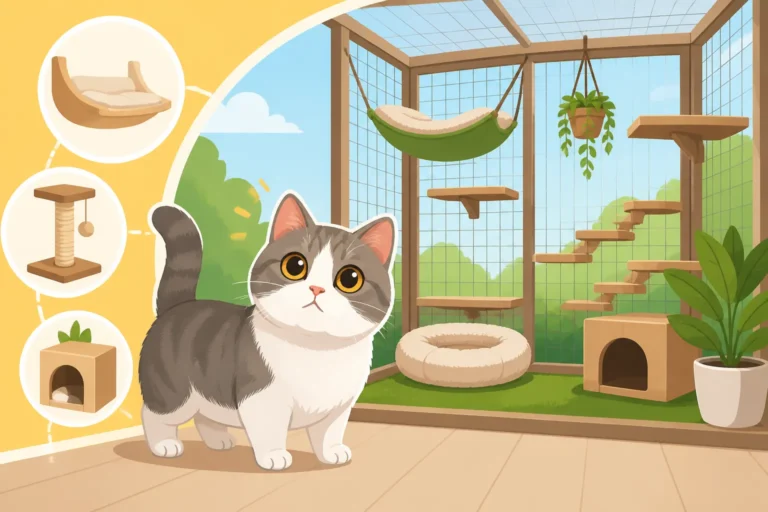
If you enjoy a bit of DIY, building a custom cat tree for your Munchkin can be a fantastic project. This way, you have complete control over every aspect of the design, ensuring it's perfectly tailored to their needs. You can start with a sturdy wooden frame, using wide boards for platforms. Instead of large vertical leaps, design a zig-zag pattern of platforms that allows your Munchkin to essentially walk up and down.
You can incorporate small ramps between levels or even build a series of carpeted steps. Use sisal rope for scratching posts and secure all components with strong screws and wood glue. Consider adding a wide, stable base and reinforcing it further by attaching it to a wall. You can even personalize it with soft fabrics, hammocks, or hiding spots at comfortable heights. This approach ensures maximum safety and accessibility, creating a truly bespoke vertical environment. For more ideas on managing costs, you might want to look at What Building Munchkin Steps Yourself Costs.
Alternative Vertical Enrichment and Safety Considerations
While cat trees are a popular choice, they're not the only way to provide your Munchkin with vertical enrichment. Sometimes, the best solutions are already within your home, or can be added with minimal fuss. The goal is always to provide safe access to elevated spaces without forcing risky jumps or prolonged strain.
Utilizing Furniture and Wall-Mounted Shelves
Your existing furniture can be a goldmine for Munchkin-friendly vertical access. Think about arranging furniture in a "staircase" fashion. A low ottoman next to a sturdy armchair, which then sits near a stable side table, can create a series of manageable steps for your Munchkin to reach a preferred window perch or a higher shelf. How a Munchkin Uses Furniture as a Staircase explores this more deeply.
Wall-mounted cat shelves can also be a fantastic option, provided they are installed correctly and spaced appropriately. Instead of large, isolated shelves, opt for a series of smaller, closely spaced shelves that act like steps. Make sure they are robustly anchored into wall studs to prevent any chance of them detaching. Adding non-slip mats or carpet squares to the shelves will give your Munchkin confidence in their footing. The beauty of wall shelves is that you can design a custom path that exactly matches your cat's abilities, giving them that desired high-up view without relying on jumps.
Monitoring for Strain and Adapting as They Age
Even with the best modifications, it's crucial to constantly observe your Munchkin's interaction with their vertical environment. Watch for any signs of hesitation, difficulty, or discomfort when they're climbing or descending. Are they struggling with a particular step? Do they seem stiff after a play session on the cat tree? These could be subtle indicators of strain or early joint issues.
As your Munchkin ages, their agility and ability to jump will naturally decrease, just like in any cat. What was easy for a young Munchkin might become a challenge for a senior one. Be prepared to adapt their environment over time. You might need to add more ramps, lower existing platforms, or even remove access to some higher areas altogether. Regular vet check-ups that include discussions about their mobility and joint health are paramount. Catching signs of discomfort or arthritis early means you can implement pain management and support to keep them comfortable and active for as long as possible. Understanding What an Old Munchkin Stops Being Able to Do can help you anticipate these changes.
For example, a young Munchkin might easily use a set of three steps to get onto the sofa. By the time they're eight or ten years old, those same steps might be too much, and they'll need a gentler ramp. It’s a continuous process of observation and adjustment to ensure their quality of life remains high. This proactive approach to their care is what makes a huge difference in their long-term comfort and happiness.
Long-Term Considerations for Munchkin Tree Use
Owning a Munchkin means understanding that their unique physiology requires a commitment to lifelong environmental adaptation. Their interaction with vertical spaces isn't just about their kitten years; it's a journey that evolves with them, deeply impacting their joint health and overall well-being as they mature.
The Impact of Repeated Jumps on Joints and Spine
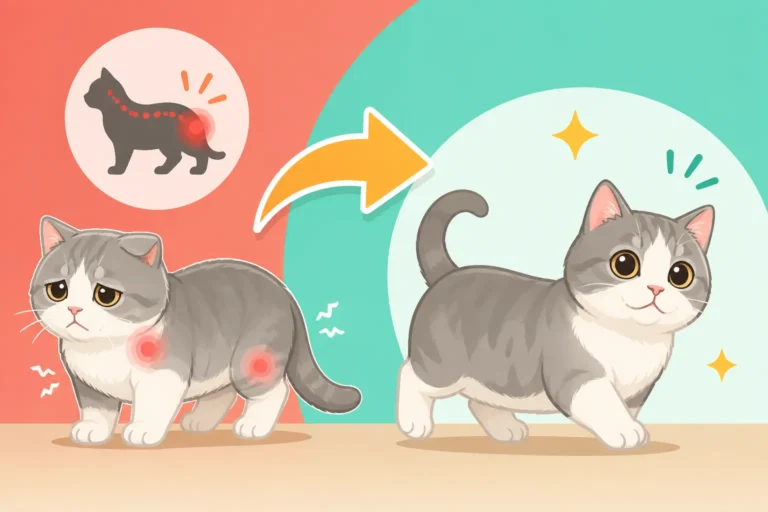
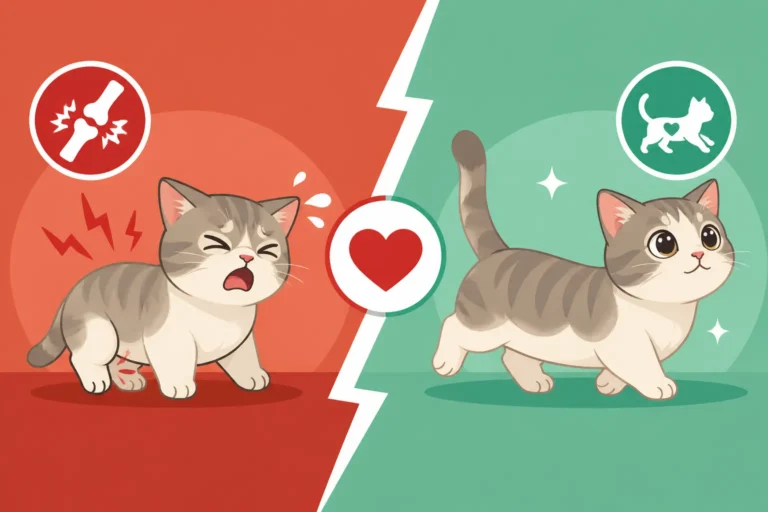
Every time a Munchkin jumps, especially from a height or onto a hard surface, their short legs and unique spinal structure absorb the impact. While cats are incredibly resilient, repeated high-impact landings over many years can contribute to wear and tear on their joints and potentially exacerbate any underlying spinal predispositions. Why a Munchkin's Spine Carries a Load a Normal Cat's Does Not offers a deeper look into this. We're talking about conditions like osteoarthritis, which can manifest as stiffness, reduced mobility, and pain, particularly in their shoulders, elbows, and hips.
The goal is to minimize unnecessary high-impact activities. This doesn't mean preventing them from moving or playing, but rather guiding them towards safer, low-impact ways to satisfy their climbing instincts. Providing ramps, steps, and carefully arranged furniture helps distribute their weight and reduce the shock absorbed by their joints, preserving their comfort and mobility well into their senior years. Think of it as investing in their long-term joint health from day one.
Ensuring Continued Accessibility as They Age
As Munchkins get older, just like us, they might experience a decrease in muscle mass, flexibility, and overall energy. That ramp that was once a breeze might start to feel a bit too steep, or those closely spaced steps might become a slight challenge. Their desire for high places won't necessarily diminish, but their physical ability to reach them will.
This is where thoughtful, ongoing adaptation comes in. You might need to add more ramps, lower platforms, or even consider fully enclosed cat trees with internal ramps that eliminate all jumping. Regularly assess their preferred resting spots and make sure they can still reach them easily. If their favorite window perch requires a jump they can no longer comfortably make, introduce a new, accessible ramp or a stepped piece of furniture leading directly to it. Why an Old Munchkin Needs Its Route Lowered emphasizes the importance of these adjustments. Keeping their environment accessible is a testament to our care, ensuring they continue to enjoy their vertical world without pain or frustration.
Balancing Enrichment with Health
It’s a fine line we walk as Munchkin owners: providing stimulating enrichment that satisfies their natural cat instincts while simultaneously protecting their unique physical health. We want them to be happy, active cats, not confined or restricted. This balance means being proactive and observant.
For example, a Munchkin might still try to jump higher than they should because they're playful and curious. It's our job to provide irresistible alternatives, like enticing toys at floor level, stimulating puzzle feeders they can reach, or a perfectly designed cat tree that makes safe climbing easier than risky jumping. Regularly checking their gait, looking for signs of pain, and consulting with your vet about joint health supplements can also contribute significantly to this balance. By prioritizing their long-term well-being through thoughtful environmental design, we ensure our Munchkins can live full, joyful lives, exploring their world in a way that respects their adorable, short-legged reality.
Disclaimer
This article is for general informational purposes only and does not constitute professional advice. Laws, prices and regulations vary by location and change over time. Consult a qualified professional for guidance on your specific situation.