Whether a Munchkin Uses a Ramp
One of the biggest worries for Munchkin cat owners, or those considering bringing one into their home, is how these adorable short-legged furballs will navigate a world designed for their longer-limbed feline cousins. The truth is, while Munchkins are incredibly agile and adaptable, they do face unique challenges when it comes to getting to those comfy high spots. This guide will dive deep into whether Munchkins truly benefit from and use ramps, how to introduce them successfully, and what other considerations you should keep in mind to ensure your Munchkin lives its happiest, most accessible life.
The Munchkin's Unique Mobility Challenges
It’s easy to look at a Munchkin and assume they just can't jump, but that's not entirely accurate. They absolutely can and do jump! The real issue lies in how they jump and the potential long-term impact of these efforts. Their short legs mean they have to work significantly harder, and often contort their bodies in ways that a normal-legged cat wouldn't, to achieve even modest heights. This isn't just about reaching the top of the bookshelf; it's about navigating everyday furniture that other cats take for granted.
Why Jumping is Different for a Munchkin
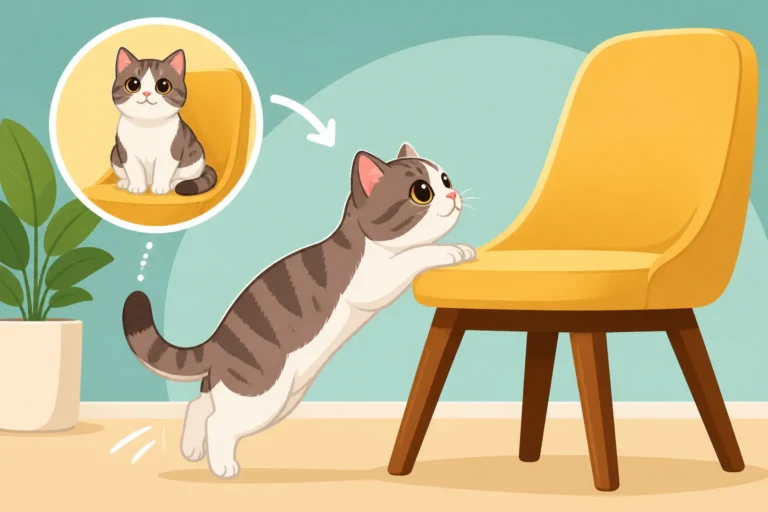
Imagine trying to jump onto a kitchen counter if your legs were only half their usual length – it would be an Olympic feat, wouldn't it? For a Munchkin, every jump is a more calculated, strenuous affair. Their powerful hind legs can propel them, but their short front legs mean they have less leverage and a less stable landing. They might get up there, often with multiple attempts, but the sheer physical demand is much higher. You'll often see them sizing up a jump, perhaps needing a running start or using intermediate steps that a long-legged cat would simply clear in one go. They also tend to "leap" more horizontally than vertically, relying on their lower center of gravity for speed on the flat rather than elevation. It’s a marvel to watch their determination, but as responsible pet parents, we need to consider the cumulative effect of these daily acrobatics. How High a Munchkin Can Actually Jump is a great read if you want to understand the mechanics a bit more.
The Strain of Repeated Jumping
Think about your own knees or back after repeatedly doing something strenuous. The same principle applies to our Munchkin friends. While they might seem perfectly fine in their younger years, constantly pushing their bodies to jump onto sofas, beds, or low window sills can take a toll. Their spine and joints, particularly in the shoulders and elbows, are subjected to greater impact forces upon landing. This isn't to say every jump causes immediate harm, but over years, this repetitive stress can contribute to premature joint wear and tear, potentially leading to discomfort or arthritis much earlier than in a cat with standard leg length. This is a critical area where preventative measures like ramps can make a huge difference in their long-term comfort and mobility. Why a Munchkin's Shoulders Wear First delves deeper into these specific joint concerns.
The "Prairie Dog" Sit as a Clue
One of the most endearing and unique behaviors of a Munchkin cat is their "prairie dog" sit. They'll often stand up on their hind legs, balancing perfectly, to get a better view or simply to observe their surroundings. It's incredibly cute, and it's also a clear indicator of their need to compensate for their shorter stature. They're essentially trying to add a few precious inches to their height, allowing them to survey their territory or interact with things just out of reach. While this behavior itself isn't harmful, it highlights their fundamental desire to be aware of their environment, a desire that is often frustrated by their physical limitations. Providing ramps allows them to gain elevation for exploration and comfort without resorting to strenuous jumps or prolonged upright stances, offering a safe and natural alternative to this adorable but telling posture.
Understanding How Ramps Help
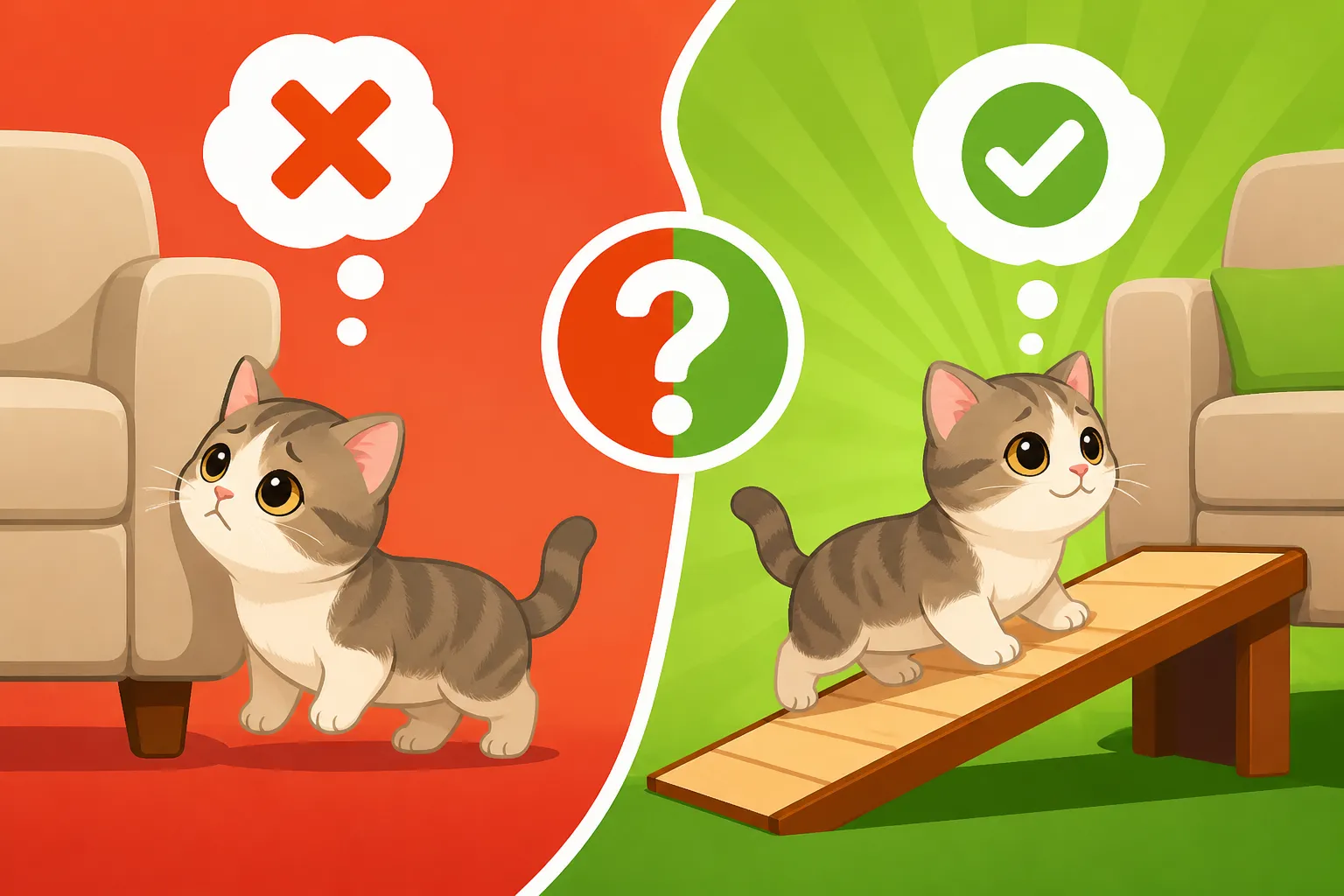
Ramps aren't just a convenience; they're a thoughtfully designed solution that genuinely enhances a Munchkin's quality of life. They offer a gentle gradient, transforming intimidating heights into easily navigable pathways. For a breed that navigates the world differently, ramps provide both physical support and mental reassurance, allowing them to access their favorite spots without stress or strain.
Reducing Joint Impact
This is arguably the most significant benefit of introducing ramps into your Munchkin's environment. Each time a cat jumps down from a height, even a relatively small one like a sofa, there's an impact on their joints. For a standard cat, their longer legs and more flexible spine absorb much of this shock. For a Munchkin, those shorter levers mean less shock absorption, placing greater stress on their elbows, shoulders, and spinal column. A ramp eliminates this jarring impact entirely. Instead of jumping, they can simply walk down, distributing their weight evenly and gradually. Over their lifetime, this reduction in impact can significantly delay the onset of arthritis and alleviate discomfort, allowing them to remain active and playful well into their senior years. It's about proactive care, giving their delicate structures a break from constant stress.
Providing Safe Access to Elevated Spaces
Cats, regardless of leg length, love high vantage points. It's instinctive for them to seek out elevated spots for security, warmth, and observation. A Munchkin is no different in this regard. They want to be on the bed with you, on the window perch to watch the birds, or simply on top of their favorite cat tree. Without ramps, these spaces can become inaccessible or only reachable through risky jumps. Imagine your Munchkin struggling to get onto your lap or join you on the couch. Ramps provide a gentle, secure pathway, ensuring they can reach these beloved spots independently and safely. This independence is huge for a cat's confidence and overall well-being. It means they don't have to wait for you to lift them, fostering a greater sense of autonomy. How a Munchkin Uses Furniture as a Staircase explores their natural inclination to climb if given the right setup.
Preventing Accidents and Falls
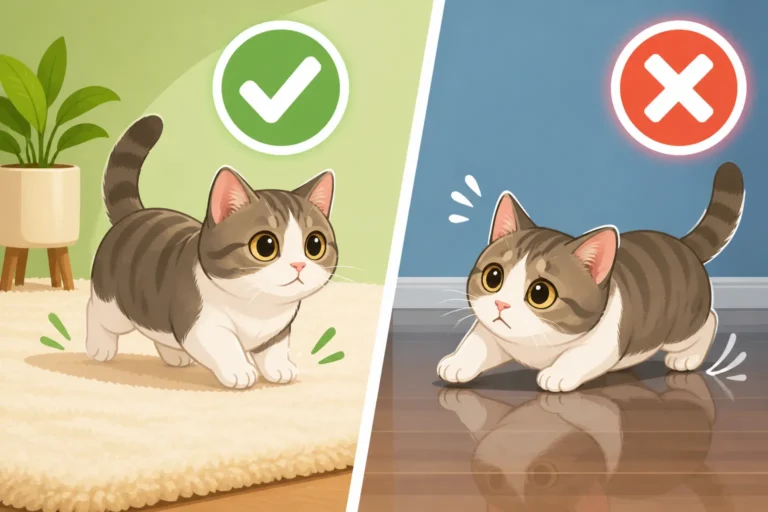
It's not just the long-term joint health we're thinking about; it's also about preventing immediate accidents. A Munchkin attempting to jump onto a slippery surface, misjudging a leap, or losing its footing while climbing can lead to painful falls. These falls can range from minor bumps and bruises to sprains, fractures, or even spinal injuries. Given their unique anatomy, a bad fall could have more severe consequences. Ramps, especially those with non-slip surfaces, provide a stable and predictable path. They eliminate the need for risky maneuvers, giving your Munchkin a consistent, safe route up and down. This peace of mind for you, knowing your furry friend can move around their home without unnecessary danger, is invaluable.
Introducing Ramps to Your Munchkin
Getting your Munchkin to use a ramp might sound straightforward, but like introducing any new piece of furniture to a cat, it requires a little patience, strategy, and positive reinforcement. Cats are creatures of habit, and while a ramp offers an obvious benefit to us, they might need a bit of convincing at first.
Choosing the Right Ramp Design
The market is full of pet ramps, but not all are created equal for a Munchkin. First and foremost, consider the angle. A steep ramp will be just as challenging, if not more so, than a jump for a short-legged cat. Look for ramps with a very gradual incline – the gentler, the better. Next, the surface is crucial. Smooth, slippery plastic or wood ramps are a definite no-go. You need a carpeted surface, ribbed rubber, or some other non-slip material to provide good traction for tiny paws. Thirdly, think about stability. The ramp should be sturdy and not wobble when your cat walks on it; a shaky ramp will quickly deter even the most adventurous Munchkin. Finally, consider the height it needs to reach. If it's for the bed, measure the bed's height. If it's for a window perch, measure that. Companies like Amazon offer a wide variety of pet ramps, so you can often compare features and read reviews to find one that truly meets these criteria. How Steep a Munchkin's Ramp Can Be offers more specific guidance on ideal angles.
Placement and Accessibility
Strategic placement is key to successful ramp adoption. Don't just stick a ramp anywhere; place it where your Munchkin wants to go. Identify their favorite elevated spots: the sofa, your bed, a sunny windowsill, or a specific platform on their cat tree. The ramp should provide a direct and easy path to these locations. If you have multiple popular high spots, consider multiple ramps. Consistency is also important; once a ramp is in place, try not to move it frequently. Your Munchkin needs to learn that this is their reliable pathway. Sometimes, a ramp might be too long for a tight space, so consider modular steps or shorter ramps that can be combined with existing furniture, creating a gradual staircase effect. You want to make the path of least resistance through the ramp, rather than around it.
Positive Reinforcement and Training
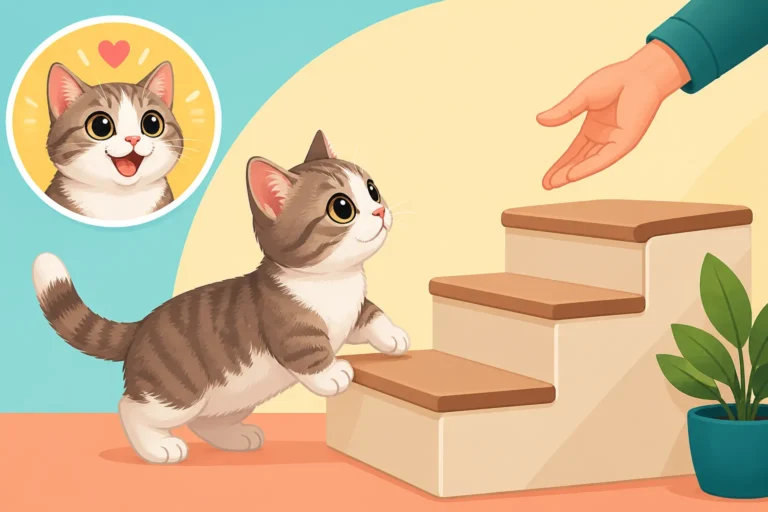
Once you've chosen and placed your ramp, it's time for the introduction. Start by simply letting your Munchkin explore it on their own terms. Don't force them onto it. The best way to encourage use is with positive reinforcement. Entice them with their favorite treats placed along the ramp, starting from the bottom and gradually moving upwards. You can also use a feather wand or their favorite toy to "play" them up the ramp. Praise them lavishly when they take even a single step on it. Consistency is your friend here. Repeat these short training sessions daily, keeping them positive and fun. Many cats respond well to clicker training for this kind of task, associating the click and a treat with the desired behavior of using the ramp. Never scold or punish them if they don't use it immediately; that will only create a negative association. Patience and yummy rewards will eventually win them over. How to Teach a Munchkin to Use Steps shares similar principles that apply perfectly to ramp training.
Common Ramp Challenges and Solutions
Even with the perfect ramp and the best intentions, you might encounter some bumps in the road. Cats are notoriously opinionated, and a new object in their territory can be viewed with suspicion. Understanding these common challenges and having solutions ready will help you ensure your Munchkin embraces their new mobility aid.
Initial Hesitation and Fear
It's completely normal for a Munchkin to be wary of a new ramp, especially if it's large or unfamiliar. They might sniff it, bat at it, or even try to avoid it entirely. This isn't a rejection of the ramp's purpose, but rather a typical feline reaction to change. To overcome this, start by making the ramp part of the furniture. Place their favorite blanket on it, or a toy they love. You can even try rubbing catnip on the surface to make it more appealing. For particularly timid cats, cover the ramp with a sheet or blanket that smells like them or you for a few days to make it feel less "new." Gradual introduction is key; don't expect them to scale it on day one. Remember the treats and toys strategy – making it a positive, rewarding experience will slowly build their confidence.
Ramp Material and Traction Issues
If your Munchkin is trying the ramp but seems to be slipping or hesitating, the surface material might be the problem. Many commercially available pet ramps, while well-intentioned, might have surfaces that are too smooth or not textured enough for a Munchkin's small paws and low center of gravity. Cats rely on their claws for grip, and a smooth surface denies them this natural traction.
Solutions for Traction:
- Add Carpet Runners: If your ramp is wood or plastic, you can purchase thin carpet runners or even pieces of an old carpet remnant and securely glue or staple them to the ramp's surface. Ensure there are no loose edges where paws could get caught.
- Rubber Matting: Non-slip rubber matting, often used in kitchens or workshops, can also be cut to size and adhered to the ramp. Look for options with a low profile so it doesn't create bumps.
- Textured Paint/Tape: For DIY ramps, specialized non-slip paints or adhesive grip tape (like that used on skateboards) can provide a surprisingly effective solution, just ensure it's pet-safe and doesn't have sharp grit.
- Evaluate Ramp Angle: While you've likely chosen a gentle angle, sometimes even a slight increase in steepness can exacerbate traction issues. Double-check that the ramp isn't too steep for your cat's comfort. Which Surface a Munchkin's Ramp Should Have gives more specific material advice.
Maintaining Consistency and Routine
Once your Munchkin starts using the ramp, consistency is crucial to solidify this new behavior. Don't occasionally lift them onto the bed if the ramp is right there – encourage them to use the ramp every time. Make it part of their daily routine. For example, if they always get morning cuddles on the bed, guide them up the ramp for those cuddles. If they have a designated feeding spot on a raised surface, always direct them via the ramp.
Think of it like teaching a child to use stairs. If you constantly carry them, they'll never learn to climb themselves. Similarly, if your Munchkin has an easier "out" (being lifted), they might not bother with the ramp. Make the ramp their primary, and eventually their only, way to reach elevated spots. This consistent reinforcement ensures the ramp becomes a natural and indispensable part of their home navigation. This also helps when they get older, as Why an Old Munchkin Stops Using Its Ramp explains, because the ingrained habit will keep them mobile longer.
Beyond Ramps: Other Accessibility Aids
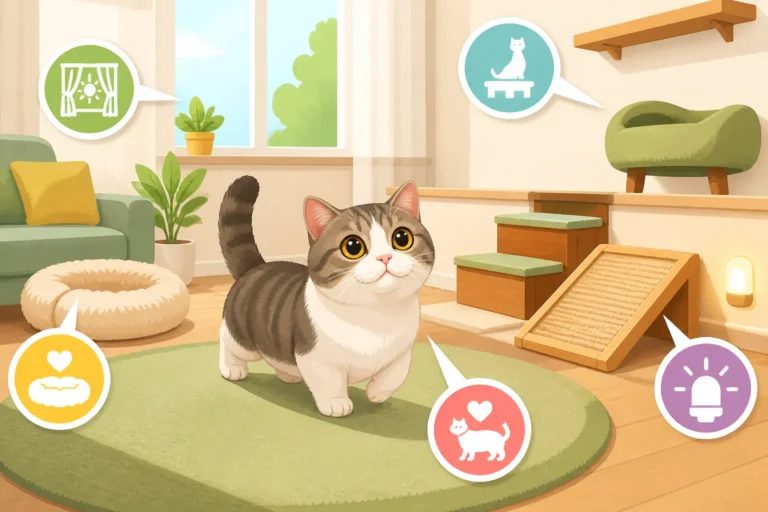
While ramps are fantastic, they're not the only tool in your accessibility arsenal for a Munchkin. Sometimes, a ramp isn't feasible due to space, or your cat might simply prefer alternatives. A holistic approach to making your home Munchkin-friendly often involves a combination of solutions, creating a network of safe and easy pathways.
Steps and Staircases
For certain heights or spaces where a long ramp isn't practical, pet steps can be a brilliant alternative. They function similarly to ramps but break the incline into manageable, bite-sized steps. When choosing pet steps for a Munchkin, the key is the rise – the height of each individual step. Ideally, each step should be relatively low, allowing your Munchkin to ascend and descend without stretching or straining too much. Just like ramps, they need a non-slip surface, like carpet or textured fabric, to provide secure footing.
You can find pre-made pet steps on sites like Amazon, or you can get creative with DIY solutions using sturdy boxes or small pieces of furniture. Arranging cushions or ottomans like a gradual staircase can also work wonders. The goal is to create a series of small, easy "jumps" or walks rather than one large one. These steps are particularly good for beds or sofas where a long ramp might jut out too far into the room. Whether Carpeted Steps Suit a Munchkin and How Many Steps a Munchkin Needs to Reach a Bed offer more detailed advice on integrating steps.
Modified Furniture and Layout
Sometimes, the best accessibility aid isn't something new you buy, but how you arrange what you already have. Look at your home from your Munchkin's perspective. Are there gaps between furniture that prevent them from creating a "staircase" of their own?
Consider these modifications:
- Staggered Surfaces: Arrange furniture in a staggered fashion, creating natural intermediate steps. A low ottoman next to a higher armchair, which is then next to the sofa, can form a perfect ascent.
- Low Bookshelves/Shelves: Install low, sturdy shelves or cubbies on walls, just high enough for a comfortable hop, leading up to a higher window perch.
- Bed Height: If your bed is particularly high, consider a low-profile bed frame or even a mattress directly on the floor. This eliminates the need for an elaborate ramp or steps altogether.
- Cat Trees with Close Platforms: Standard cat trees often have platforms spaced too far apart for a Munchkin. Look for trees specifically designed for small cats or modify an existing one by adding extra shelves or platforms to reduce the vertical distance between each level. How to Rearrange a Room So a Munchkin Can Climb offers more specific creative solutions.
The Importance of a Floor-Level Environment
Ultimately, the most effective "aid" for a Munchkin is often a thoughtful floor-level environment. While ramps and steps provide access to heights, ensure that your Munchkin has everything they need readily available at their natural level.
What to consider for a floor-level environment:
- Food and Water Bowls: These should always be easily accessible on the floor. Some Munchkins even benefit from slightly raised bowls to prevent neck strain, but they should never be so high that they need to stretch uncomfortably.
- Litter Boxes: A low-entry litter box is essential. Many senior cat litter boxes are perfect for Munchkins as they have a front opening that's barely an inch or two off the ground, allowing them to walk in without having to jump over a high lip. Which Litter Box a Munchkin Can Actually Enter is a must-read for this topic.
- Scratching Posts: Provide horizontal scratchers or short, sturdy vertical posts that they can stretch up and use without having to perform acrobatics.
- Beds and Hiding Spots: Ensure there are plenty of cozy beds, tunnels, and hiding spots directly on the floor. These are crucial for their sense of security and comfort.
- Play: Keep most interactive play at floor level. Wand toys, laser pointers, and rolling balls are all excellent for engaging a Munchkin without putting strain on their joints.
By creating a home that caters to their unique needs, you're not just providing physical comfort, but also fostering a sense of security and well-being for your beloved Munchkin. It’s about adapting their world to them, rather than expecting them to constantly adapt to ours.
| Ramp vs. Steps for Munchkins | Ramps | Steps |
|---|---|---|
| Incline | Gradual, continuous slope | Broken into distinct, horizontal levels |
| Joint Impact | Extremely low, smooth transition | Low, but still involves minor "steps" up and down |
| Space Required | Generally more length needed for gentle slope | Can be more compact, fitting tighter spaces |
| Ideal Heights | Lower to mid-height furniture (sofas, low beds) | Mid to higher-height furniture (beds, window sills) |
| Traction Needs | Critical for entire surface | Important for each tread surface |
| Cat Preference | Often preferred by older or less agile cats | Good for cats who are comfortable with minor hops |
| Training Ease | Potentially easier to encourage walking | May require slightly more encouragement per step |
| Aesthetics | Can look bulky in some rooms | Can blend in more like furniture |
Disclaimer
This article is for general informational purposes only and does not constitute professional advice. Laws, prices and regulations vary by location and change over time. Consult a qualified professional for guidance on your specific situation.