How Playful a Munchkin Actually Is
One of the biggest worries new Munchkin cat parents often express is whether their short-legged companions will be able to play and enjoy life like any other cat. It's a valid concern, seeing those little legs, and you might picture them struggling to keep up. But let me reassure you, a Munchkin is very much a normal cat when it comes to curiosity, energy, and the sheer delight of play – they just have their own unique way of doing it, and this guide will show you how.
Understanding the Munchkin's Core Play Ethic
It's easy to assume that a cat with shorter legs might be less energetic or less interested in play, but that's simply not the case for most Munchkins. Their playful spirit is as vibrant as any other feline, driven by instinct and a desire for engagement. The real difference isn't their desire to play, but rather the mechanics of how they satisfy that desire.
The Myth of the Sedentary Short-Legged Cat
Many people, understandably, envision a Munchkin as a less active, more sedentary cat due to their unique physique. They might worry that their cat will just sit around, unable to engage in typical feline antics. However, this is largely a misconception. Munchkins are, at heart, still cats. They retain all the natural hunting instincts, curiosity, and energy levels of their long-legged cousins. If you've ever seen a kitten, you know their energy is boundless, and a Munchkin kitten is no different. They chase, pounce, and wrestle with an enthusiasm that belies their stature. Their genetic mutation affects leg length, not their spirit or desire for activity.
Energy Levels and Hunting Instincts
Despite their unique anatomy, Munchkins typically possess moderate to high energy levels, comparable to many other active domestic breeds. They love to run, dart, and explore their environment. Their short legs might make them look a bit different in motion, but they can be surprisingly quick and agile on level ground. You might even find yourself saying, " How Fast a Munchkin Runs on Level Ground!" This inherent energy fuels their playtime, making interactive sessions a must for their physical and mental well-being. Coupled with this energy is a strong hunting instinct. They're natural predators, even if their prey is just a feather wand or a crinkly ball. This instinct translates into focused, engaging play behaviors where they stalk, ambush, and 'capture' their toys with gusto. They might not climb to the top of the curtains, but they are masters of the ground game.
Floor-Level Fun: Where Their Play Shines
Because their legs are shorter, Munchkins have naturally adapted to excel at ground-based activities. This isn't a limitation as much as it is a redirection of their athletic prowess. They're incredibly adept at navigating low spaces, turning corners sharply, and engaging with toys that stay within their reach.
Chasing and Dashing: Masters of the Ground Game
Watch a Munchkin chase a toy, and you'll quickly realize how nimble they are on their tiny legs. Their low center of gravity actually gives them an advantage in certain types of movement, allowing them to turn on a dime and accelerate quickly across the floor. They love nothing more than a good game of chase, whether it's after a laser pointer dot, a bouncy ball, or a sibling. These bursts of speed and agility are a vital part of their exercise routine, keeping their muscles toned and their minds sharp. They excel at weaving through furniture legs and under low obstacles, making any open floor space a prime playground. It's truly fascinating to observe How a Munchkin Turns a Corner Better Than a Long Legged Cat with such impressive precision.
Wrestling and Pouncing: Interactive Play Styles
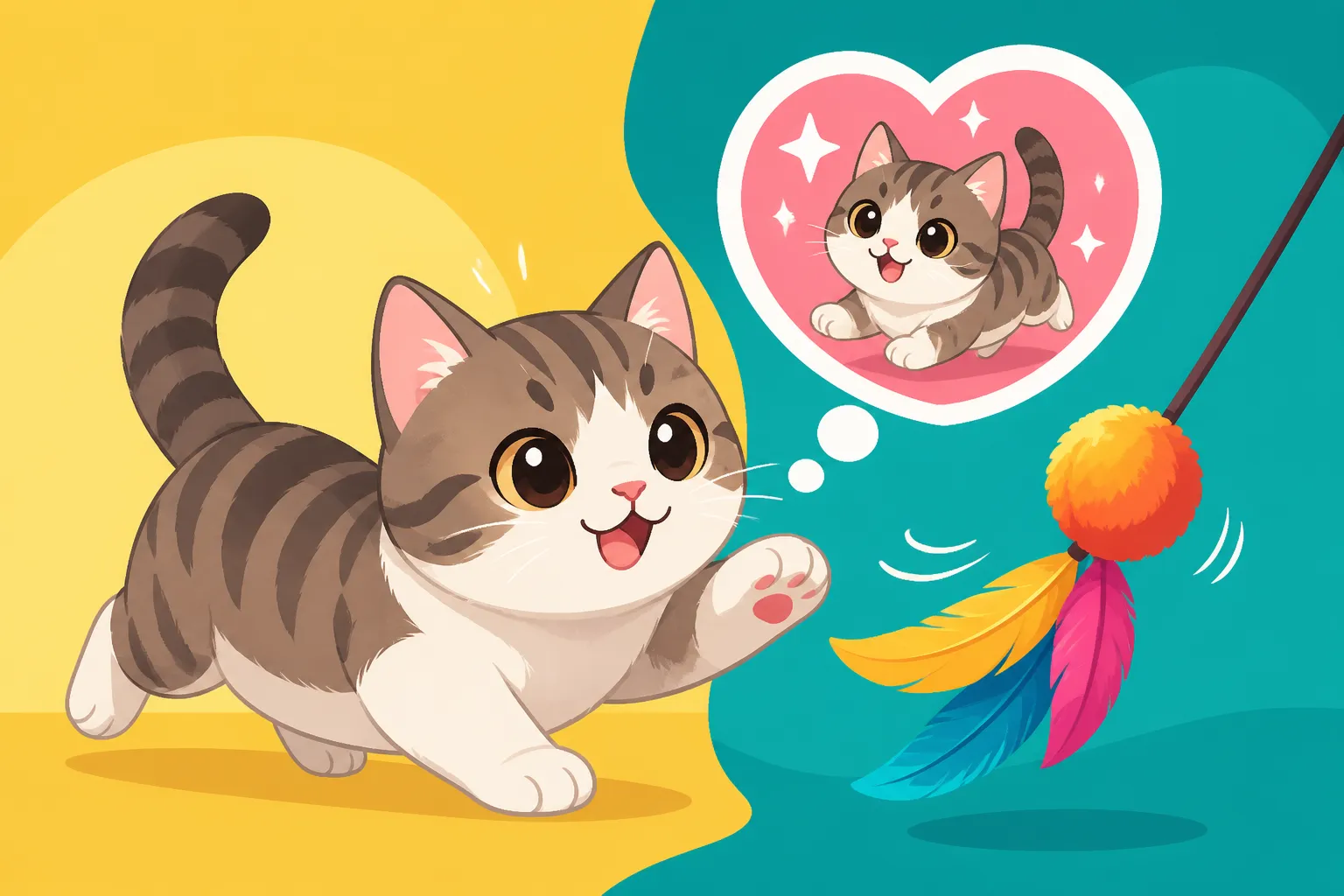
Munchkins are also very fond of wrestling and pouncing, especially when playing with other cats or their human companions. They'll stalk a toy, wriggle their little hindquarters, and then launch themselves forward in a classic cat pounce. Their compact size doesn't hinder their ability to engage in rough-and-tumble play. In fact, it might even make them more endearing as they roll around and bat at toys with enthusiasm. For owners, this means getting down on their level is key to fostering truly engaging play. Using interactive wand toys that stay close to the ground can elicit fantastic pounces and acrobatic flips, showcasing their playful nature. They might not be scaling the heights, but they'll conquer any floor-bound challenge with glee.
The "Prairie Dog" Sit and Its Role in Play
One of the most distinctive and adorable behaviors of a Munchkin cat is their "prairie dog" sit. They'll sit up on their hind legs, paws dangling, often to get a better view of something or to observe their surroundings. This isn't just a cute quirk; it can also be a part of their playful observation strategy. When a toy is slightly out of their immediate horizontal line of sight but not too high, they might pop up into this posture to track its movement before deciding on their next move. While not directly a play action, it’s a preparatory stance that shows their engagement and intelligence, allowing them to survey the 'hunting ground' before launching into action. This unique posture is truly something The Prairie Dog Sit Only a Munchkin Does, and it’s a delightful part of their personality.
Navigating Limitations: What a Munchkin Can't Do (and How to Help)
While Munchkins are incredibly playful, it's essential to acknowledge their physical limitations, primarily their inability to jump and climb to heights that come easily to other cats. Understanding these constraints isn't about pity; it's about providing thoughtful adaptations to ensure they have a rich and stimulating environment.
Limited Vertical Jumping and Climbing
This is the most obvious difference in a Munchkin's physical capabilities. Their short legs mean they simply cannot achieve the same vertical leaps or climb as high as a cat with standard leg length. They won't effortlessly spring onto your kitchen counter, scale a tall bookshelf, or leap onto the top of a traditional cat tree. Why a Munchkin Cannot Make the Kitchen Counter is not due to a lack of desire, but purely physical mechanics. This can be frustrating for them, as their instincts might still tell them to go high, even if their bodies can't follow. It’s crucial for owners to understand this, not to stop them from trying, but to provide alternatives that safely satisfy their urge for elevation.
Adapting Play for Safe Engagement
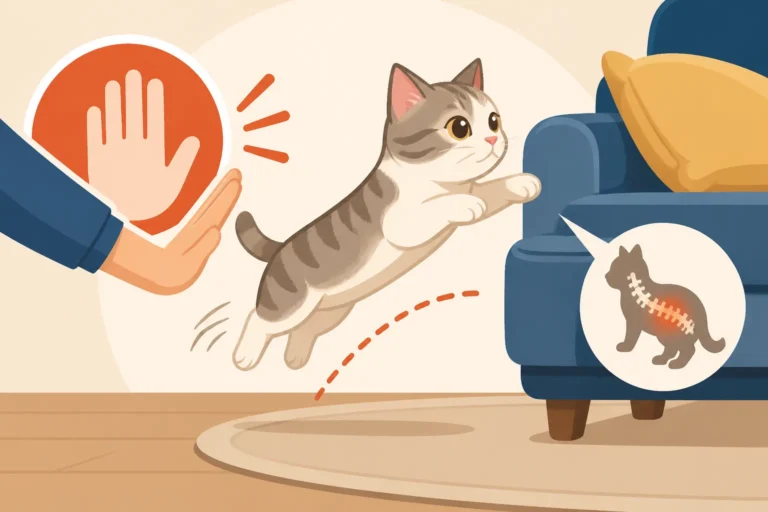
Knowing their jumping limitations means we, as owners, need to be creative in how we play and how we set up their environment. Instead of encouraging vertical jumps, focus on horizontal play. Drag toys along the floor, hide treats in low-lying puzzle feeders, and engage them in games that require chasing and darting rather than leaping. When they do attempt a jump to, say, a low sofa, ensure the landing area is soft and clear to prevent injury, especially as they get older. Redirecting their energy to floor-level games protects their joints and spine from unnecessary strain. Remember, the goal isn't to prevent all jumping, but to ensure any attempts are safe and within their physical capacity.
Choosing the Right Toys for Munchkins
The world of cat toys is vast, but not all are created equal for a Munchkin. Think ground-level and interactive.
- Wand Toys: These are fantastic because you control the height and movement. Keep the "prey" on the floor or just above it to encourage chasing, pouncing, and batting without requiring high jumps. Look for long wands that allow you to engage them without having to bend too low yourself, which is a common complaint for owners who spend a lot of time playing with their Munchkins.
- Small, Rollable Toys: Crinkle balls, lightweight plastic balls, felt mice – anything they can bat around and chase are great. These encourage their natural hunting instincts and provide plenty of exercise as they dart after them.
- Puzzle Feeders: These are wonderful for mental stimulation and keeping them engaged. Choose feeders that allow them to extract treats or kibble by nudging, pawing, or rolling, rather than reaching up high. There are many excellent options available on Amazon that are designed for ground-level interaction.
- Kick Toys: Long, cylindrical toys they can wrestle with, hug, and kick with their hind legs are perfect for satisfying their predatory instincts in a contained way. These are great for solo play sessions.
- Interactive Electronic Toys: Many robot toys or automatic laser pointers operate at floor level, providing continuous entertainment even when you're busy. Just remember to end laser pointer sessions with a real toy they can 'catch' to prevent frustration.
By focusing on these types of toys, you can ensure your Munchkin gets all the physical and mental stimulation they need in a way that aligns with their unique physique.
| Toy Type | Best For | Why it Suits a Munchkin |
|---|---|---|
| Wand Toys | Chasing, pouncing, interactive play | Controlled height, encourages ground-level agility |
| Small Rollable Toys | Batting, stalking, solo chase | Easy to move, satisfies hunting instinct, floor-based |
| Puzzle Feeders | Mental stimulation, slow feeding | Ground-level access, requires cognitive effort |
| Kick Toys | Wrestling, hind-leg kicking, predatory play | Satisfies prey drive, full-body engagement without height |
| Electronic Toys | Solo play, continuous engagement | Often floor-based, provides movement without owner input |
Beyond Physical Play: Mental Enrichment for Your Munchkin
Play isn't just about physical activity; it's also about engaging a cat's mind. For Munchkins, especially given their physical limitations, mental enrichment becomes even more crucial to ensure a well-rounded and happy life. A bored Munchkin can become a destructive Munchkin, or one that develops behavioral quirks out of frustration.
The Importance of Mental Stimulation
Cats are intelligent creatures, and Munchkins are no exception. They thrive on mental challenges and opportunities to "problem-solve." Without adequate mental stimulation, a cat can become lethargic, anxious, or even destructive. For a Munchkin, who might not be able to scale the heights for exploration, other avenues of mental engagement become paramount. This means thinking about how you can stimulate their minds through scent, sound, and cognitive tasks. Remember, A Munchkin Is a Normal Cat That Cannot Reach, but that doesn't mean their brain isn't reaching for new experiences!
Puzzle Toys and Treat Dispensers
This is where puzzle feeders truly shine. As mentioned before, they require your Munchkin to figure out how to get a treat or kibble out, engaging their brain and their paws. There are many different types, from simple treat balls that roll and drop food, to more complex mazes and compartments. Look for options on Amazon that are stable and accessible from ground level. Introducing these slowly, perhaps with their favorite treat, can turn mealtime into a fun, mentally stimulating game. Changing up the puzzle toys or the way you use them keeps things fresh and prevents your clever Munchkin from getting bored with the same challenge.
Training and Interactive Games
Believe it or not, cats can be trained, and Munchkins are often quite keen on it! Positive reinforcement with treats and praise can be used to teach them simple tricks like 'sit,' 'stay,' or even 'fetch.' This isn't just for show; it's a fantastic way to bond with your cat and provide significant mental stimulation. Interactive games that involve hiding treats for them to find, or playing 'hide and seek' with you, can also be very engaging. Remember, they are smart creatures, and giving them tasks to complete keeps their minds sharp and prevents boredom. You could even teach them to use their ramps or steps on cue, turning a necessary adaptation into a fun challenge. How to Teach a Munchkin to Use Steps can definitely be an engaging training exercise.
Adapting Your Home for Optimal Munchkin Play
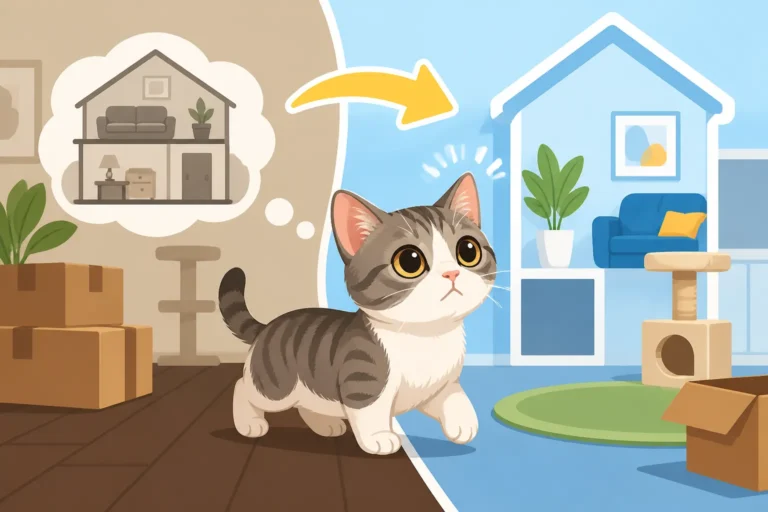
To truly unlock your Munchkin's playful potential, you need to think about your home environment from their perspective. It's not about redesigning your entire house, but rather making thoughtful adaptations that allow them to explore, play, and relax safely and happily.
Creating Accessible Verticality
Since vertical climbing is difficult, you need to provide alternative ways for your Munchkin to reach desired heights. This means ramps, steps, and carefully arranged furniture that acts as a "staircase." Consider using sturdy pet ramps or small sets of steps to allow access to sofas, beds, or even low windowsills. Place them strategically where your Munchkin naturally tries to jump. How a Munchkin Uses Furniture as a Staircase is a common behavior, so embracing this and making it safe is key. Look for ramps with a gentle incline and a non-slip surface to give them confidence. You can find a wide variety of these adaptive aids on Amazon, suitable for different heights and styles.
The Right Cat Trees and Scratchers
Forget the towering cat condos designed for acrobatic climbers. For a Munchkin, a cat tree needs to be designed with close-set platforms and easy access. Look for trees with multiple levels that are low to the ground and have ramps or very shallow steps between platforms. This allows them to "climb" horizontally rather than vertically, satisfying their desire for elevation without straining their short legs. Which Cat Tree Layout Suits a Munchkin is critical for their enjoyment and safety. Similarly, for scratching, while they might use vertical posts, horizontal scratchers or scratching mats placed on the floor are often more comfortable and accessible for them, preventing them from having to stretch awkwardly.
Safe Zones and Exploration Areas
Munchkins, being lower to the ground, can sometimes be at a disadvantage if they encounter larger pets or small children who don't understand their limitations. Create safe zones where your Munchkin can retreat and relax without fear of being accidentally stepped on or cornered. This might involve low-entry beds under tables or small, enclosed cat beds. Ensure they have clear, unobstructed pathways for running and playing on the floor. While they love to explore, their ground-level perspective means they might get into small spaces or under furniture more easily. Regular "Munchkin-level" checks of your home can help you spot potential hazards or discover new areas they like to explore. Make sure there are no small, dangerous objects they might try to hoard and ingest – a common Munchkin trait Why a Munchkin Hoards Small Objects.
The Social Side of Munchkin Play
Munchkin cats are generally very social creatures, and their play often extends to interactions with other pets and their human family. Understanding how they integrate their play into social dynamics can help you foster a harmonious household.
Playing with Other Cats
Munchkins usually get along famously with other cats, whether they are other Munchkins or long-legged companions. When playing with other cats, you'll often see them engage in spirited wrestling, chasing, and mock hunting. Their short legs don't typically hinder their ability to keep up during a game of tag on the floor. In fact, their low profile can sometimes make them surprisingly agile in dodging and weaving through obstacles, or under their taller playmates. They might not be able to play "king of the cat tree" with a Siamese, but they'll absolutely rule the floor. It's important to provide plenty of How Much Floor Level Play a Munchkin Needs for all cats in the household to prevent any feeling of disadvantage for the Munchkin.
Interaction with Humans During Play
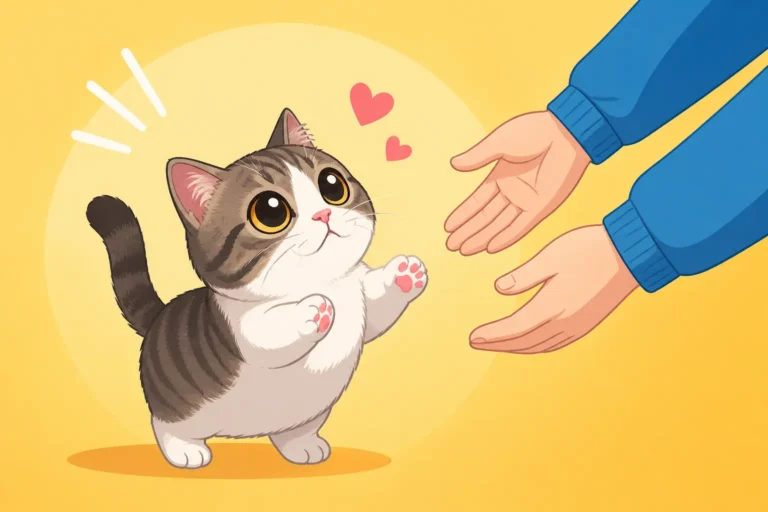
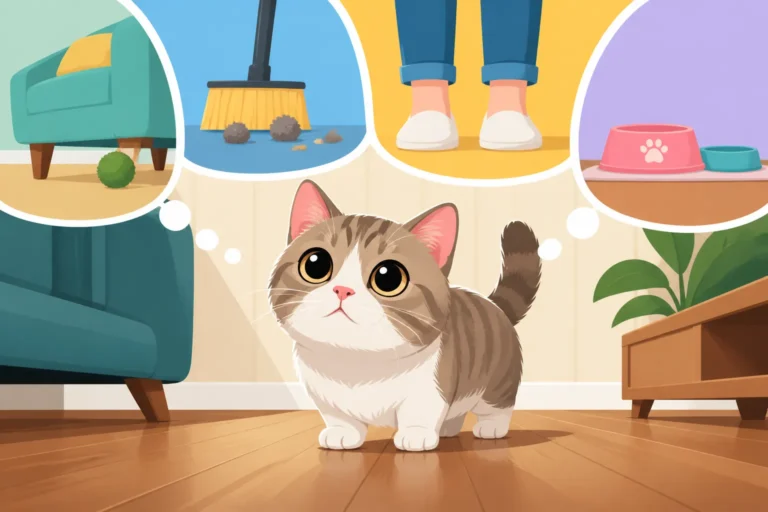
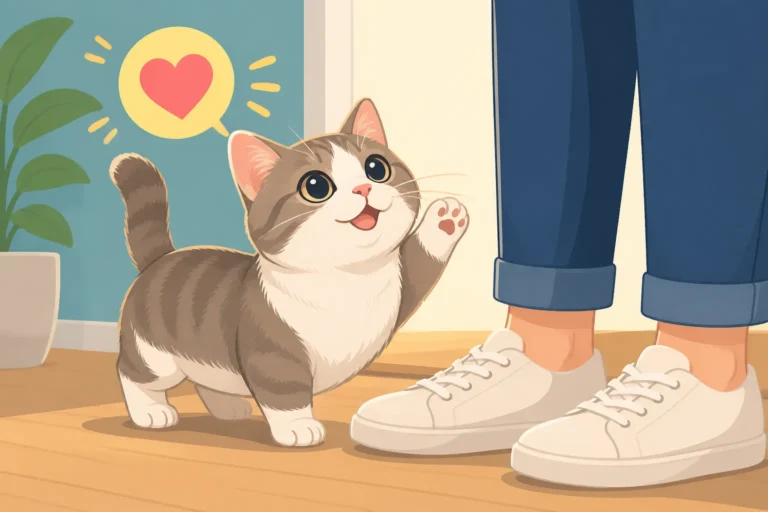
Munchkins absolutely adore playing with their human family. They thrive on interactive play and often initiate games by bringing a toy to your feet or batting at your ankles. Because they can't always reach elevated surfaces, they'll often rely on you to bring the fun down to their level. This means more floor-based interaction, using wand toys, laser pointers, or simply rolling a ball for them to chase. They're excellent communicators when they want to play, often chirping or purring while looking up at you expectantly. Engaging with them regularly not only provides crucial exercise and mental stimulation but also strengthens the bond you share. What a Munchkin Does All Day at Floor Level often revolves around observing and subtly inviting their humans to join in the fun.
Supervising Play with Children and Dogs
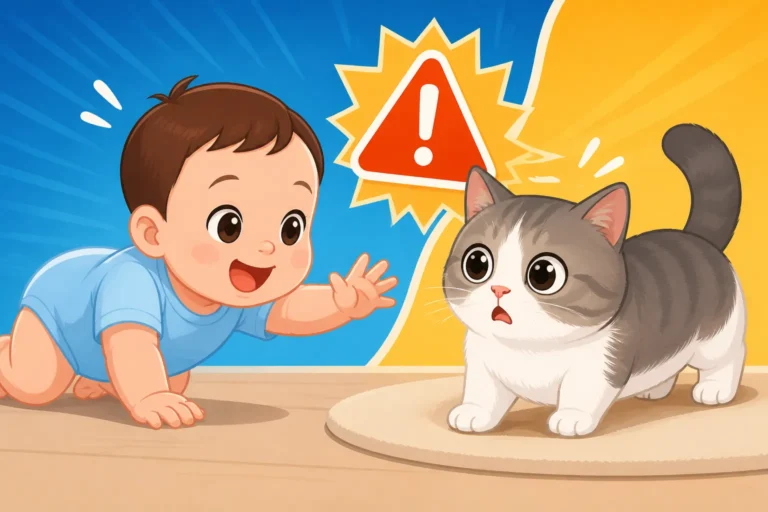
When it comes to children and dogs, careful supervision is always key, and even more so with a Munchkin. Their short stature means they can't easily jump out of the way or climb to safety if a rambunctious child or dog becomes too boisterous. Teach children to interact gently and to always play at the Munchkin's level, avoiding lifting them by their front legs or startling them. For dogs, especially larger breeds, ensure introductions are calm and supervised. Some dogs, especially those with a strong prey drive, might see a fast-moving, low-to-the-ground cat as something to chase. Providing your Munchkin with accessible escape routes or elevated safe spots (via ramps) is paramount. Remember, Why a Munchkin Cannot Climb Out of a Child's Reach and Why a Munchkin Cannot Get Away From a Dog highlights the need for a protective and thoughtful approach to their social interactions. Creating a safe and harmonious environment ensures everyone, including your adorable short-legged friend, can enjoy playtime without worry.
The Evolution of Munchkin Play Through the Years
Just like any cat, a Munchkin's play habits and capabilities will change as they age. What’s energetic and acrobatic for a kitten might become more sedate and mindful for a senior. Understanding this natural progression helps you continue to provide appropriate enrichment throughout their lives.
From Kitten Zoomies to Adult Explorations
Munchkin kittens, like all kittens, are bundles of boundless energy. They'll have "zoomies" across the floor, darting and pouncing with impressive speed, seemingly unaware of their short legs. They'll explore every nook and cranny, test their jumping limits on low furniture, and engage in endless wrestling matches with littermates or toys. As they mature into adult cats, this frantic energy typically settles into a more consistent pattern of play and exploration. They might still have bursts of energy, but their play becomes more purposeful, often involving stalking and "hunting" specific toys. They develop a deeper understanding of their physical capabilities and limitations, choosing activities that are within their comfortable range.
Senior Munchkins and Adapted Play
As a Munchkin enters its senior years (typically around eight years old or even earlier for some), their energy levels will naturally decline. You might notice they're less inclined to chase a toy for long periods, or they might take longer naps. This is a normal part of aging, but it doesn't mean playtime stops; it just changes. How a Munchkin's Behavior Changes After Eight often includes a decrease in vigorous play. For senior Munchkins, gentle, interactive play that focuses on mental stimulation and light physical activity is best. Puzzle feeders become even more important, and wand toys can be used to entice slow, deliberate pounces rather than rapid chases.
For an older Munchkin, joint health becomes a more significant concern. Continuous jumping, even small ones, can exacerbate any underlying joint stiffness or arthritis. You might notice What an Old Munchkin Stops Being Able to Do, such as jumping onto the sofa they once managed with ease. This is when ramps and steps become absolutely indispensable, not just for reaching elevated surfaces, but for preventing injury from jumping down as well. Ensure their play areas are soft, with rugs or carpet, to provide good traction and cushioning. Keeping them at a healthy weight is also crucial, as extra pounds put additional strain on their short legs and spine, making play less comfortable. Adjusting their play environment and activities as they age ensures they remain happy, engaged, and comfortable throughout their golden years.
Disclaimer
This article is for general informational purposes only and does not constitute professional advice. Laws, prices and regulations vary by location and change over time. Consult a qualified professional for guidance on your specific situation.