How a Munchkin Gets Onto a Chair
It’s a common sight for many cat owners: your feline friend effortlessly leaps onto the kitchen counter, the top of the bookshelf, or gracefully springs onto your favorite armchair. But if you share your home with a Munchkin cat, you know this isn't always their reality. The frustration of watching your little companion gaze longingly at a chair, knowing their short legs make the journey a genuine challenge, is something many Munchkin parents grapple with. This guide will delve into the ingenious ways Munchkin cats navigate their world to reach higher ground, what you can do to assist them, and how their unique physical attributes shape their climbing behavior.
Understanding the Munchkin's Unique Mobility
Munchkin cats are fascinating creatures, full of personality and often surprisingly agile despite their distinctly short legs. Their dwarfism, caused by a dominant gene, gives them their signature look, but it also means they have a different approach to movement than their long-legged cousins. It's easy to assume they can't get anywhere high, but that's not entirely true. They simply have to work smarter, not harder, and often rely on a series of calculated maneuvers rather than a single grand leap.
The Reality of Short Legs and Jumping
Let's be real, a Munchkin cat isn't going to effortlessly vault onto a tall bookcase in one go. That dramatic, soaring jump you see from a Siamese or a Maine Coon simply isn't in their physical repertoire. Their shortened limb bones mean they lack the powerful spring needed for significant vertical take-off. This isn't a weakness, though; it's just a different way of being. They understand their limitations instinctively from a very young age. You'll often see them measuring distances, crouching, and then deciding whether a jump is feasible. When it comes to something like a chair, especially one with a padded seat that offers a good grip, it's often seen as a multi-stage puzzle rather than a single obstacle. It’s important to remember that A Munchkin Is a Normal Cat That Cannot Reach certain heights that other cats take for granted.
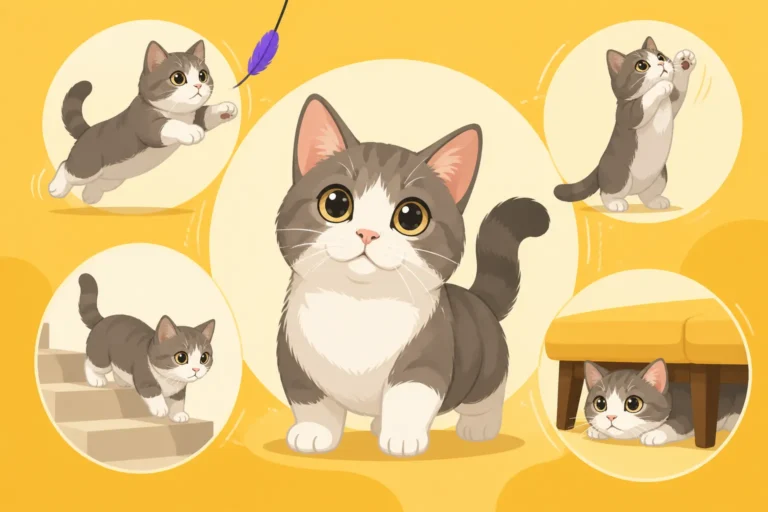
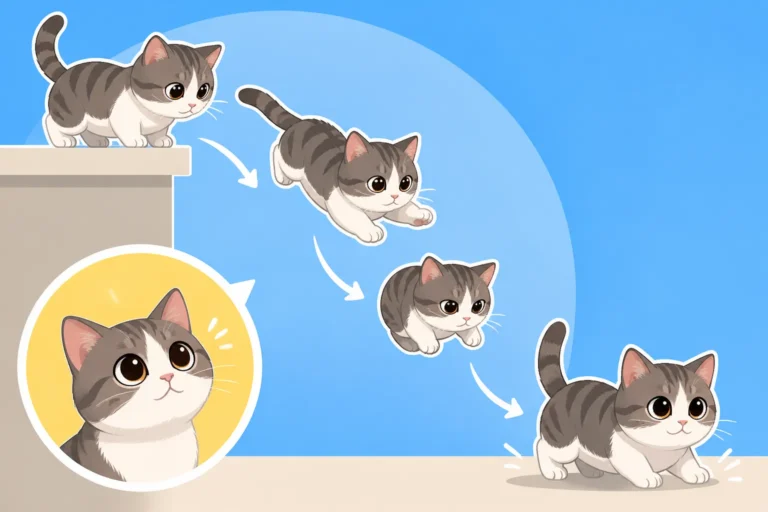
Instead of one big jump, they tend to think in terms of sequential movements. They might get a running start, push off with surprisingly powerful hind legs, and aim for an intermediate step. It's less about height and more about leverage and finding suitable purchase. This is why you'll rarely see a Munchkin attempt a jump they know is impossible; they’re incredibly pragmatic. You might think they're frustrated, but often, they're just calculating their next move, seeking out a new path or a different angle.
How a Munchkin Assesses a "Jump"
For a Munchkin, assessing whether they can reach a chair isn't just about the vertical distance. It's a complex equation involving several factors. First, they look at the material of the chair itself. Is it upholstered, offering claw-hold, or is it slick leather that will make them slide? They also consider the height, of course, but often in relation to anything nearby that could serve as a boost. A small footstool, a strategically placed cushion, or even a stack of magazines can suddenly transform an impossible leap into a manageable two-step ascent.
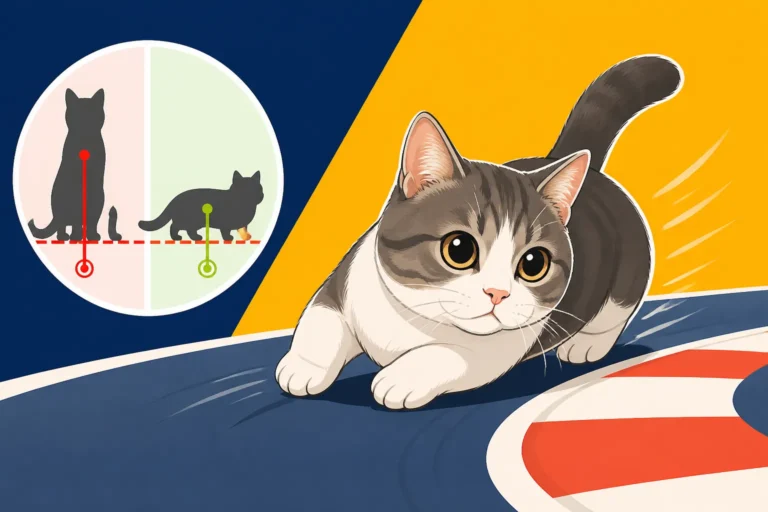
Their short stature means their center of gravity is lower, which can give them an advantage in certain types of movement, but not usually in a high vertical jump from a standstill. They rely on momentum and clever footwork. You might observe your Munchkin pacing around a chair, head tilted, almost mentally mapping out a route. This isn't just idle curiosity; it's problem-solving in action. They're looking for stability, grip, and any little advantage they can get. This unique way of moving is part of their charm, as they find How a Munchkin Gets Where It Wants Without Jumping in ways other cats never need to.
Strategies for Reaching Elevated Surfaces
While a dramatic leap might be out, a Munchkin cat has a whole arsenal of clever strategies to get onto a chair. These aren't just cute quirks; they are learned behaviors and adaptations that showcase their intelligence and determination. Observing these methods gives you a real insight into their world.
The Art of the Multi-Step Climb
One of the most common ways a Munchkin gets onto a chair is through a multi-step climb. Think of it like a human using a series of small stepping stones instead of trying to clear a wide gap in one go. If there's a stool nearby, they'll hop onto that first. From the stool, the chair's seat is suddenly much closer and much less daunting. They might even use the armrest of an adjacent sofa as a launchpad to the chair's back, and then from there, descend to the seat.
This method requires not just physical agility but also a mental map of their environment. They learn which pieces of furniture are stable enough to be intermediate steps and which ones are wobbly or too high. It's an ongoing process of discovery and refinement. Sometimes, they might even try to claw their way up the upholstery of a fabric chair, using their claws to get a purchase and pulling themselves up inch by inch. This isn't always graceful, but it's effective, and it speaks to their incredible drive to reach their desired perch, especially if it means a cozy spot next to you.
Leveraging Furniture as Ladders
This strategy is where the Munchkin truly shines in its ingenuity. Instead of viewing objects as static obstacles, they see them as components of a larger climbing system. How a Munchkin Uses Furniture as a Staircase is a sight to behold. A nearby ottoman becomes the first rung of a ladder. From there, they might eye the lower cushion of a sofa, then the back cushion, and then the armrest of the chair they initially wanted to reach. They create a winding, horizontal and vertical path that eventually leads them to their goal.
This is why, as a Munchkin owner, you often find yourself subconsciously arranging your furniture in a way that creates these 'ladders.' A small side table next to a sofa, which is next to an armchair, can become a perfect circuit for a Munchkin to navigate. They learn these routes quickly and commit them to memory. It's a testament to their intelligence and adaptability. My own Munchkin, Muffin, used to have a very specific path involving a footstool, a laundry basket, and then a quick scramble up the blanket on the armchair to reach her favorite napping spot. It wasn't the shortest route, but it was her route.
The "Scoot and Push" Method
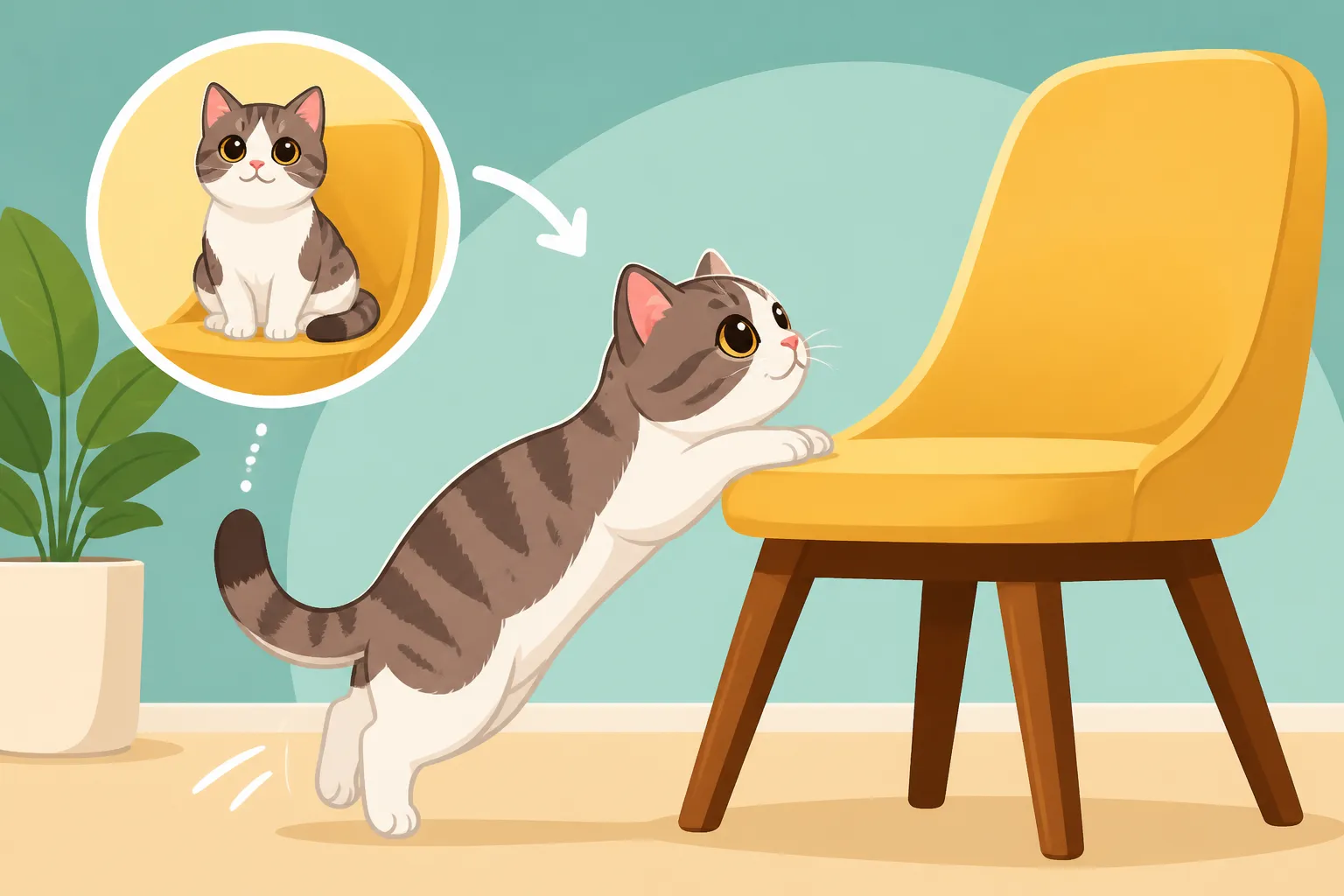
Sometimes, a jump isn't even involved. For chairs with a lower profile, or if they're particularly determined, a Munchkin might employ what I like to call the "scoot and push" method. They'll back up a little, get a running start, and essentially launch their body forward, landing with their front paws on the edge of the seat, then using their hind legs to push and propel their torso up. It’s a full-body effort, often accompanied by a distinct little wiggle or a desperate scramble.
This method works best on chairs with a soft edge or a firm cushion that provides some traction. It's less elegant than a jump, but incredibly effective. They use their strong back legs not for vertical propulsion, but for horizontal thrust to get their body weight over the edge. It's a clear example of their problem-solving skills, taking their unique body shape and using it to their advantage in unexpected ways. If the chair is particularly low, they might even just use a powerful leap from a standstill, similar to How High a Munchkin Can Actually Jump from the floor to a low stool.
Owner-Assisted Solutions and Modifications
While watching your Munchkin strategize is endearing, part of responsible ownership means making their environment safe and accessible. We want them to feel independent and happy, not constantly struggling or risking injury. This is where thoughtful planning and a few modifications can make all the difference.
Providing Safe and Accessible Aids
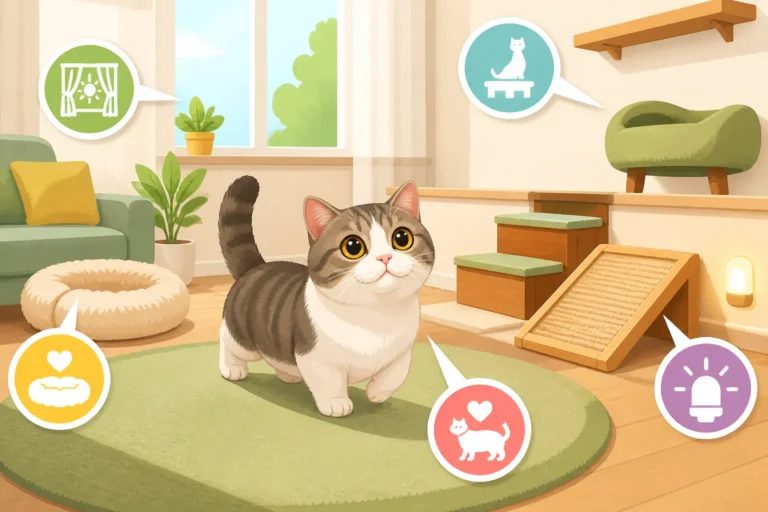
The most straightforward way to help your Munchkin reach a chair is to provide ramps or steps. These aren't just for older cats; they are essential tools for a Munchkin's everyday life, right from kittenhood. You can find a wide variety of pet ramps and steps online, often through retailers like Amazon, that are specifically designed for small pets. Look for ones with a gentle incline and a non-slip surface to ensure their safety and confidence.
When selecting ramps or steps, consider the height of your chairs. You want the top step or end of the ramp to be flush or slightly lower than the chair seat, so your Munchkin doesn't have to make a big final leap. Many owners find that carpeted steps work wonderfully, as the texture provides excellent grip for little paws. Placing these aids strategically next to favorite chairs, beds, or window sills can transform your home into a Munchkin-friendly paradise. Teaching them to use these can take a little patience, but it's well worth the effort. For ideas on what's available and their features, researching What Ramps for a Munchkin Cost to Buy can be a good starting point. Many Munchkins will adapt quickly and prefer these stable options to risky jumps.
The Importance of a Structured Environment
Beyond ramps and steps, think about how your entire living space is arranged. How to Rearrange a Room So a Munchkin Can Climb involves creating those "ladders" we discussed earlier, but in a more deliberate and permanent way. Maybe a low bookcase is placed next to a higher one, which then gives access to a window perch. Or a sturdy footstool becomes a permanent fixture by the sofa. The goal is to minimize the need for high, unsupported jumps, which can put strain on their spine and joints over time.
Consider softer landings too. If there's a particular chair your Munchkin loves to try and jump onto, even if you provide a ramp, ensure the area around it has soft rugs or carpeting. An unexpected slip or misjudged landing is less likely to cause injury if the impact is cushioned. This isn't just about their immediate comfort; it's about long-term joint health. While Munchkins are remarkably robust, their unique skeletal structure means that repeated hard impacts could contribute to issues later in life. Providing a structured, safe environment is a key part of their ongoing care.
When and How to Safely Lift Your Munchkin
Despite all your best efforts with ramps and strategically placed furniture, there will still be times when your Munchkin simply cannot reach where they want to go, or they might prefer to be lifted. Knowing how to recognize their cues and how to lift them safely is crucial. It’s also important to know Whether a Munchkin Should Be Lifted Onto Furniture, and in most cases, the answer is yes, if done correctly.
Recognizing the "Please Lift Me" Signals
Munchkins are often very communicative cats, and they’ll let you know when they need a helping hand. You might see them sitting at the base of the chair, looking up at you with big, expectant eyes, perhaps even letting out a soft meow. Some will stand on their hind legs, doing their adorable "prairie dog sit" – this isn't just for curiosity; it's often a plea for assistance when they can’t reach. Others might rub against your legs, then look pointedly at the chair, then back at you. They are masters of subtle (and not-so-subtle) persuasion.
Learning to read these signals means you can respond promptly, preventing frustration for your cat and reinforcing your bond. They quickly learn that you are their pathway to higher realms, and they trust you to help them get where they want to be. Ignoring these cues can lead to your Munchkin trying riskier jumps, or simply becoming withdrawn and giving up on accessing their favorite spots. Pay attention to What a Munchkin Is Asking For at Your Feet – it's often a request to be picked up.
Best Practices for Gentle Lifting
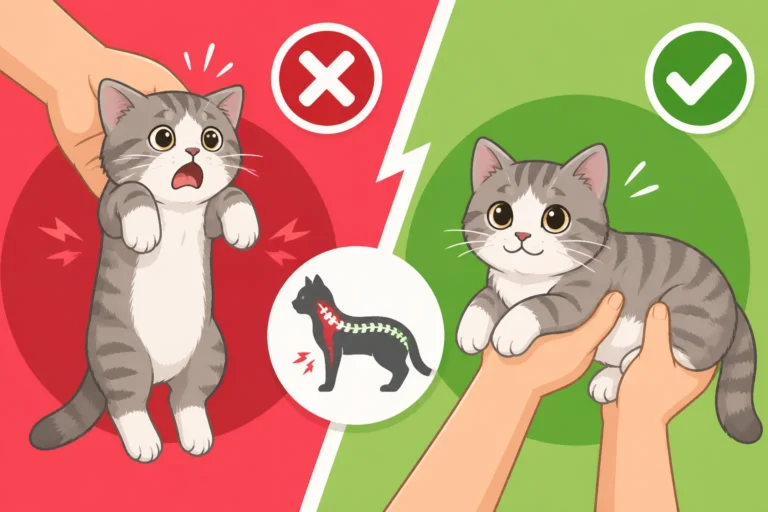
When it's time to lift your Munchkin, technique matters immensely. Always use two hands and support their entire body, especially their spine and hindquarters. Think of it like cradling a small baby. Place one hand under their chest and front legs, and the other under their hindquarters, supporting their bottom. Lift gently and smoothly, placing them securely on the desired surface. Avoid dangling them by their front legs or picking them up by their armpits, as this can put undue strain on their shoulders and spine.
Their short legs mean their spine can be more susceptible to strain if not supported correctly during lifting. Never pull them up by their front paws. The goal is to make the experience comfortable and reassuring. Once you've placed them on the chair, give them a little pet and a reassuring word. They'll appreciate the assistance and the gentle handling. Knowing How to Lift a Munchkin Correctly is fundamental for any Munchkin owner, and it's a skill you'll use frequently throughout their lives. This mindful approach ensures their physical well-being and strengthens the trusting relationship you share with your special short-legged friend.
Disclaimer
This article is for general informational purposes only and does not constitute professional advice. Laws, prices and regulations vary by location and change over time. Consult a qualified professional for guidance on your specific situation.