How High a Munchkin’s First Step Should Be
One of the biggest heartbreaks for Munchkin cat owners is watching their beloved short-legged companion struggle to reach places that a normal cat would effortlessly leap to. It's frustrating to see them try, fail, and sometimes even hurt themselves attempting to get to a favorite sunbeam on the windowsill or join you on the sofa. This guide will walk you through exactly how to determine the ideal height for your Munchkin's first step, ensuring they can safely and happily access all the best spots in your home without strain or injury.
Why a Munchkin Needs Specially Designed Steps
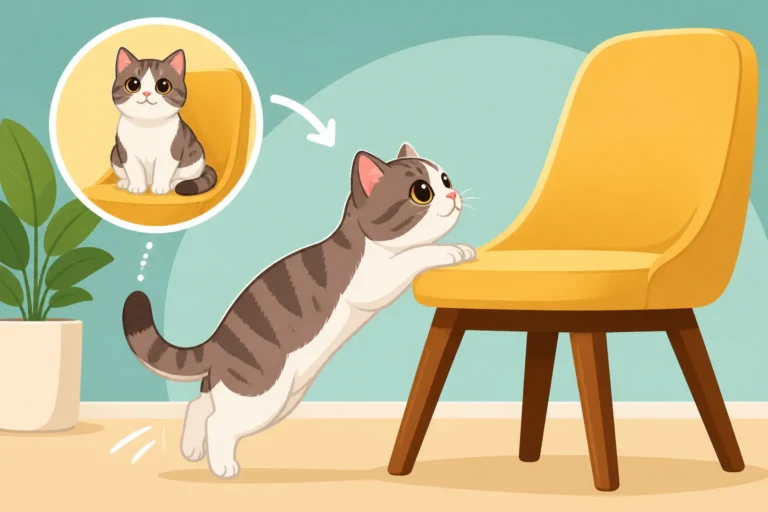
Let's be real, a Munchkin cat's charmingly short legs are their defining feature, but they also come with a unique set of challenges. Unlike a regular cat that can spring onto a counter with barely a thought, a Munchkin's vertical leap is significantly limited. This isn't just about convenience; it's about protecting their delicate bodies from unnecessary stress and potential injury over their lifespan.
The Physical Realities of Short Legs
Think about it: a standard cat uses its powerful hind legs to launch, stretching its spine and body to gain height. A Munchkin, with its shortened limb bones, simply doesn't have the same mechanical advantage. Their legs are often bowed, and their center of gravity is much lower, which gives them incredible speed and agility on flat surfaces – they can zip around corners like little ferrets! – but severely hampers their ability to jump upwards. When they do attempt a jump, they put immense pressure on their front legs and shoulders upon landing, which are not designed to absorb constant high-impact forces. Over time, this repetitive strain can lead to discomfort and contribute to joint issues. How high a Munchkin can actually jump is often far less than owners initially imagine, and pushing those limits frequently can be detrimental.
The Risk of Unsupported Jumping and Landing
Every time a Munchkin attempts a jump that's too high, or lands incorrectly, there's a risk. We're not just talking about a bruised ego. Their spine, while generally of normal length, carries a load differently due to their low-slung body. Why a Munchkin's spine carries a load a normal cat's does not becomes evident when observing their movements. An awkward landing could lead to spinal stress or injury. Beyond that, the continuous impact on their forelimbs can exacerbate or prematurely bring on conditions like osteoarthritis. Imagine jumping off a small wall all day, every day – your knees and ankles would certainly feel it! For a Munchkin, their shoulders and elbows bear the brunt, and why a Munchkin's shoulders wear first is directly related to this repetitive stress from jumping and landing. It's crucial to minimize these impacts to ensure their long-term comfort and mobility.
Determining the Perfect First Step Height for Your Munchkin
This is where we get down to the nitty-gritty. There's no one-size-fits-all answer, as every Munchkin is an individual, but we can establish excellent guidelines to ensure maximum safety and accessibility. The goal is to make every desired spot reachable with minimal effort and no jumping, essentially transforming vertical climbs into gentle, manageable ascents.
Measuring Your Cat's Reach and Comfort Zone
To figure out the ideal first step height, you need to observe your Munchkin. Watch them as they try to get onto a low piece of furniture, like a footstool or the first step of a human staircase.
Here's a simple way to measure:
- Find a Desired Spot: Pick a piece of furniture your Munchkin wants to reach, like a favorite armchair or your bed.
- Observe Their Attempt: Let your cat attempt to get onto it naturally. Note if they jump, if they struggle, or if they simply stare longingly.
- Use a Ruler or Tape Measure: If they manage to jump, measure the height of the surface they reached. Then, consider how much easier that jump could have been. If they didn't make it, measure the height they almost reached.
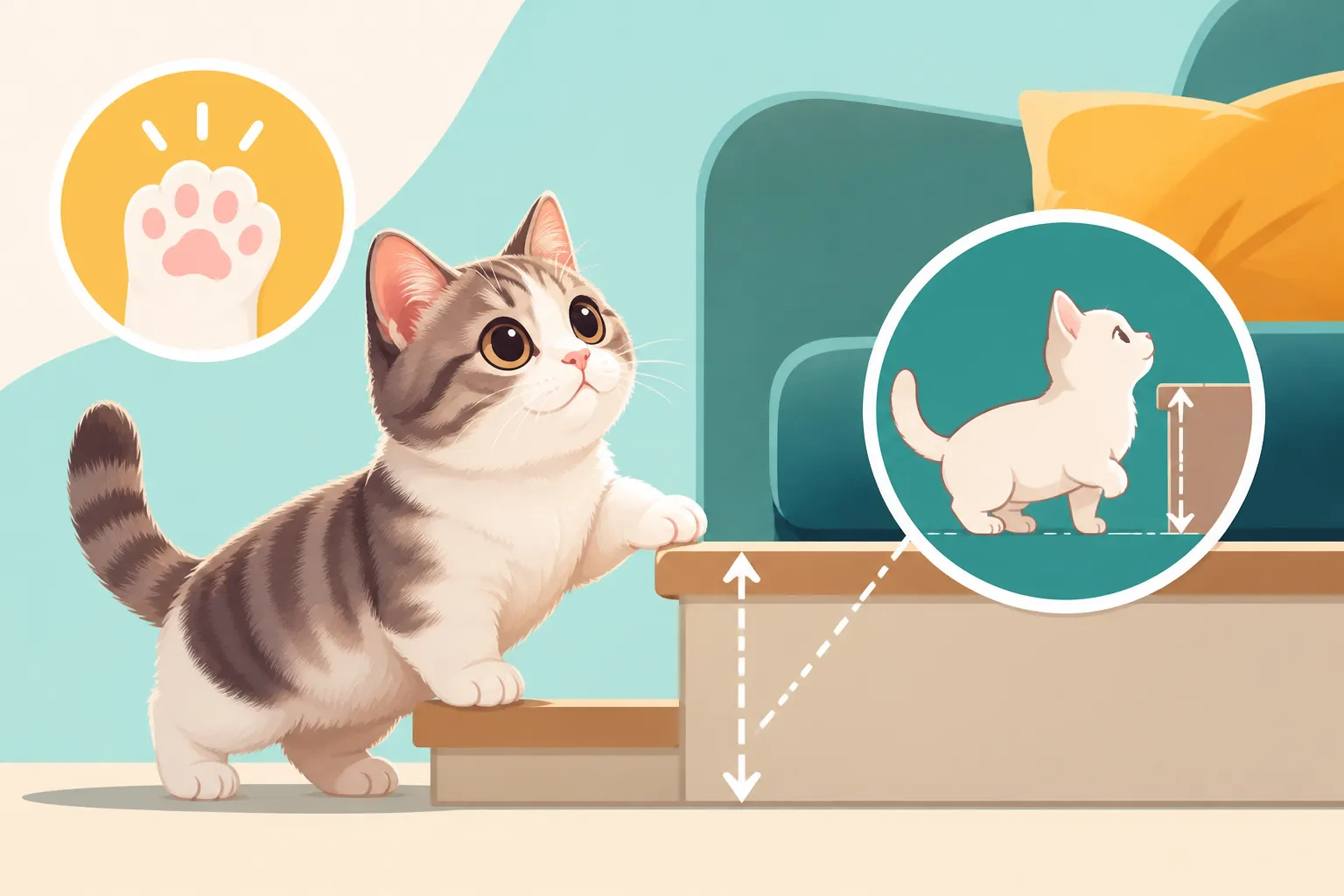
- The "Easy Hop" Rule: Generally, a Munchkin should be able to make a first step with a minimal "hop" rather than a full-blown jump. For many adult Munchkins, this means a step height of around 4-6 inches (10-15 cm) is often a comfortable starting point. For smaller or younger kittens, or older cats with mobility issues, you might even aim for 3-4 inches (7-10 cm). The key is that they shouldn't have to gather themselves for a major effort. It should feel like a simple walk-on.
Age and Mobility Considerations
The "ideal" first step height isn't static; it changes with your Munchkin's life stage.
- Kittens: Young Munchkin kittens are full of boundless energy, but their bones and joints are still developing. While they might attempt impressive feats, it's vital to protect them. For kittens, aim for even lower steps, perhaps 3-4 inches (7-10 cm), to prevent them from putting undue stress on their growth plates. Introducing ramps and steps early helps them learn safe movement patterns. How early to introduce a Munchkin kitten to a ramp is usually as soon as they are mobile and exploring their environment.
- Adults: Most adult Munchkins thrive with a first step height in the 4-6 inch range. This allows them to access most standard sofas or beds with a few well-placed intermediate steps.
- Seniors: As Munchkins age, just like any cat, they can start to experience arthritis and general stiffness. Caring for an old Munchkin that has stopped climbing means re-evaluating their access points. What was once an easy hop might become a painful struggle. For senior Munchkins, you may need to lower the first step even further, or ensure ramps are very shallow. Their routes to favorite spots might need to be completely how to arrange a Munchkin's room in one plane to minimize any vertical movement. Look for signs of hesitation, stiffness after waking, or choosing not to use steps they once did – these are all indicators that their mobility needs are changing.
Here's a quick guide to help you visualize:
| Cat's Age / Condition | Recommended First Step Height (Approx.) | Considerations |
|---|---|---|
| Munchkin Kitten (up to 6mo) | 3-4 inches (7-10 cm) | Fragile joints, developing bones. Prioritize gentle inclines and very low steps. |
| Healthy Adult Munchkin | 4-6 inches (10-15 cm) | Standard range for comfortable, low-impact access. |
| Senior / Arthritic Munchkin | 2-4 inches (5-10 cm) or Ramps Only | Minimize any jumping or straining. Focus on gradual slopes and soft landings. |
Practical Solutions for Accessible Steps and Ramps
Once you have a good idea of the ideal first step height, it's time to implement solutions. The market offers many options, and you can also get creative with DIY projects. The key is to prioritize stability, appropriate height, and a non-slip surface.
Choosing Ready-Made Pet Steps or Ramps
The convenience of ready-made pet steps and ramps is a huge plus for many busy owners. You can find a huge variety online, often on platforms like Amazon, offering different materials, heights, and aesthetics.
- Materials: Look for sturdy materials like wood or durable plastic. Foam steps are also popular, offering a softer landing, but ensure they are firm enough not to compress too much under your cat's weight.
- Height and Number of Steps: The best products will come in various sizes. You'll need to match the total height of the furniture you're trying to reach and then ensure the individual step risers are within your Munchkin's comfortable range. For a high bed, you might need a set of 3-4 steps, each with a rise of 4-5 inches.
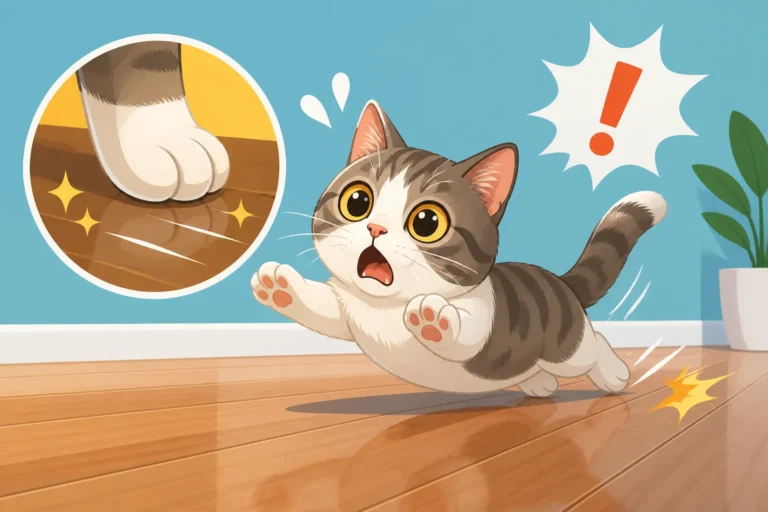
- Non-Slip Surfaces: This is non-negotiable. Carpeted steps or ramps with textured surfaces are essential. A slick surface can cause your Munchkin to slip, which can be frightening and lead to injury. When browsing on Amazon or other retailers, pay close attention to descriptions that mention non-slip treads or carpeting.
- Ramps vs. Steps: Some Munchkins prefer ramps, especially if they have any existing joint sensitivity or are particularly small. Ramps offer a continuous, gentle incline, which completely eliminates any jumping motion. When selecting a ramp, how steep a Munchkin's ramp can be is crucial; avoid anything with too sharp an angle, aiming for a gradual slope that’s easy to walk up and down.
DIY Solutions and Home Modifications
Sometimes, a ready-made solution just doesn't quite fit, or you prefer a more custom approach. Getting crafty can be a rewarding way to make your home perfectly Munchkin-friendly.
- Stacked Storage Cubes or Ottomans: For a quick and easy solution, consider arranging sturdy, low ottomans or storage cubes in a stepped pattern. Ensure they are stable and won't tip. You can add carpet tiles or non-slip mats to the tops for better traction. This is a great way to how to set up ramps around a Munchkin's house using existing furniture.
- Custom Woodworking: If you're handy, building custom steps or ramps allows you to perfectly match the height and aesthetic of your home. You can ensure each step is exactly the right height for your Munchkin, and that the materials are robust. Remember to sand thoroughly and apply a pet-safe finish.
- Rugs and Mats: While not steps themselves, strategically placed rugs and mats can aid mobility. For example, if your Munchkin has to traverse a slick wooden floor to get to their steps, a non-slip rug pathway can make their journey much safer and more confident. Many owners buy affordable rug runners from Amazon to cover slippery areas.
- Modifying Existing Furniture: Sometimes, it’s not about adding something new, but changing what’s already there. For example, a low side table next to a sofa can act as an intermediate step. Placing a sturdy, low cat tree with close-set platforms can also serve as a vertical pathway.
Placement is Everything
It's not enough to just have steps or ramps; they need to be positioned effectively.
- High-Traffic Areas: Think about where your Munchkin wants to go most often. Is it the sofa for cuddles? The bed for morning snoozes? The windowsill for bird-watching? Place steps or ramps at these key access points.
- Multiple Access Points: Don't limit your Munchkin to one way up or down. If they like to jump off the end of the bed, consider placing a small set of steps there as well as the side. Why a Munchkin should not be jumping down repeatedly is a critical point; every landing is an impact, so make it easy for them to get down safely.
- Litter Boxes and Food Bowls: While not steps in the climbing sense, remember that a Munchkin needs easy access to its essentials. This means a low-entry litter box. Which commercial boxes a Munchkin can step into are usually labeled for senior cats, offering a front entrance that's barely an inch or two off the ground, allowing your Munchkin to simply walk in without a high step or jump. Similarly, their food and water bowls should be at a comfortable floor level, or slightly raised, but never requiring them to stretch awkwardly.
Beyond the First Step: A Lifetime of Accessible Living
Creating accessible pathways for your Munchkin isn't a one-time task; it's an ongoing commitment to their well-being throughout their life. It means being mindful of their environment and adapting it as their needs evolve, ensuring they can enjoy a full, happy, and pain-free existence.
Encouraging Use and Reinforcement
Once you've set up your new steps or ramps, your Munchkin might not immediately understand their purpose. Patience and positive reinforcement are key.
- Gentle Guidance: Place treats on the steps to encourage them to explore. Gently guide them up and down, making it a positive experience.
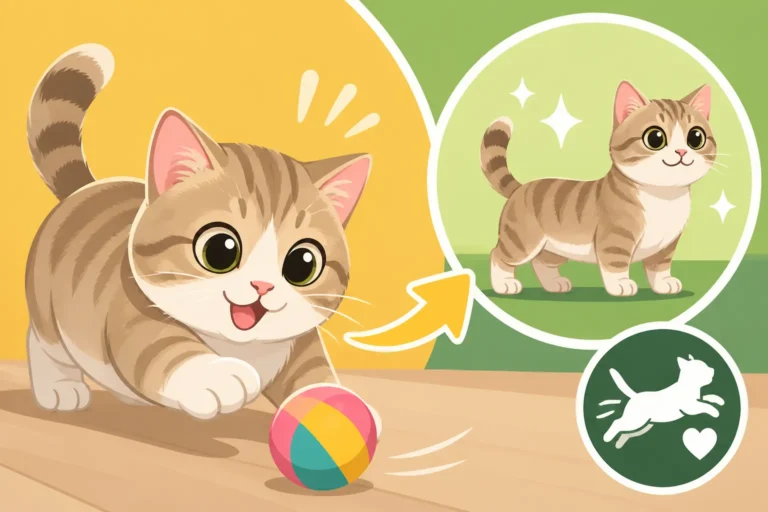
- Playtime: Use wand toys or laser pointers to entice them to use the steps as part of a game. They'll associate the steps with fun and rewards.
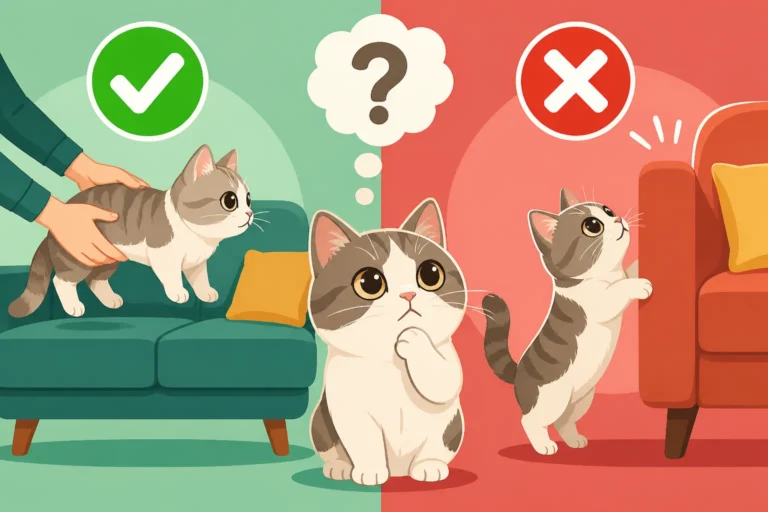
- Consistency: Always encourage them to use the steps. If you lift them onto the sofa every time, they won't see the need for the steps. How to teach a Munchkin to use steps or ramps takes time and consistent effort.
- Making it Cozy: Place a soft blanket or a favorite toy on the top step of a ramp leading to a prime napping spot to make it more appealing.
Monitoring for Changes and Adapting
Your Munchkin's needs will change over time, and a truly caring owner will adapt the home accordingly.
- Regular Observation: Pay attention to how your Munchkin moves. Do they still use the steps easily? Do they hesitate? Do they look stiff after a nap? These are all cues.
- Weight Management: Keeping your Munchkin at a healthy weight is paramount. Every extra pound places additional strain on their short legs and spine. Why weight control is the whole Munchkin care plan because it directly impacts their mobility and overall health. An overweight Munchkin will struggle more with even modest steps.
- Vet Check-ups: Regular vet visits are essential, especially as your Munchkin enters their senior years. Your vet can assess their joint health and mobility, and provide advice on pain management or dietary supplements.
- Re-evaluating Heights: As mentioned earlier, a senior Munchkin might need even lower steps or exclusively ramps. What was perfect at age two might be challenging at age ten. Don't be afraid to adjust. You might even find yourself looking for new, lower options on Amazon as your cat ages.
Providing a Munchkin with accessible steps and ramps isn't just about making their lives easier; it's about protecting their health, extending their comfort, and enriching their lives by allowing them to fully participate in their environment. By understanding their unique needs and providing thoughtful solutions, you ensure your adorable, short-legged companion can reach every dream spot with confidence and joy.
Disclaimer
This article is for general informational purposes only and does not constitute professional advice. Laws, prices and regulations vary by location and change over time. Consult a qualified professional for guidance on your specific situation.