Why a Munchkin Refuses a Steep Ramp
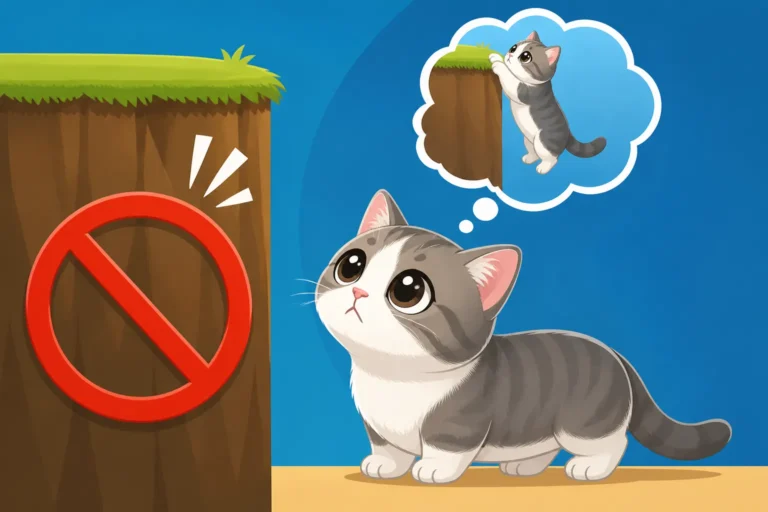
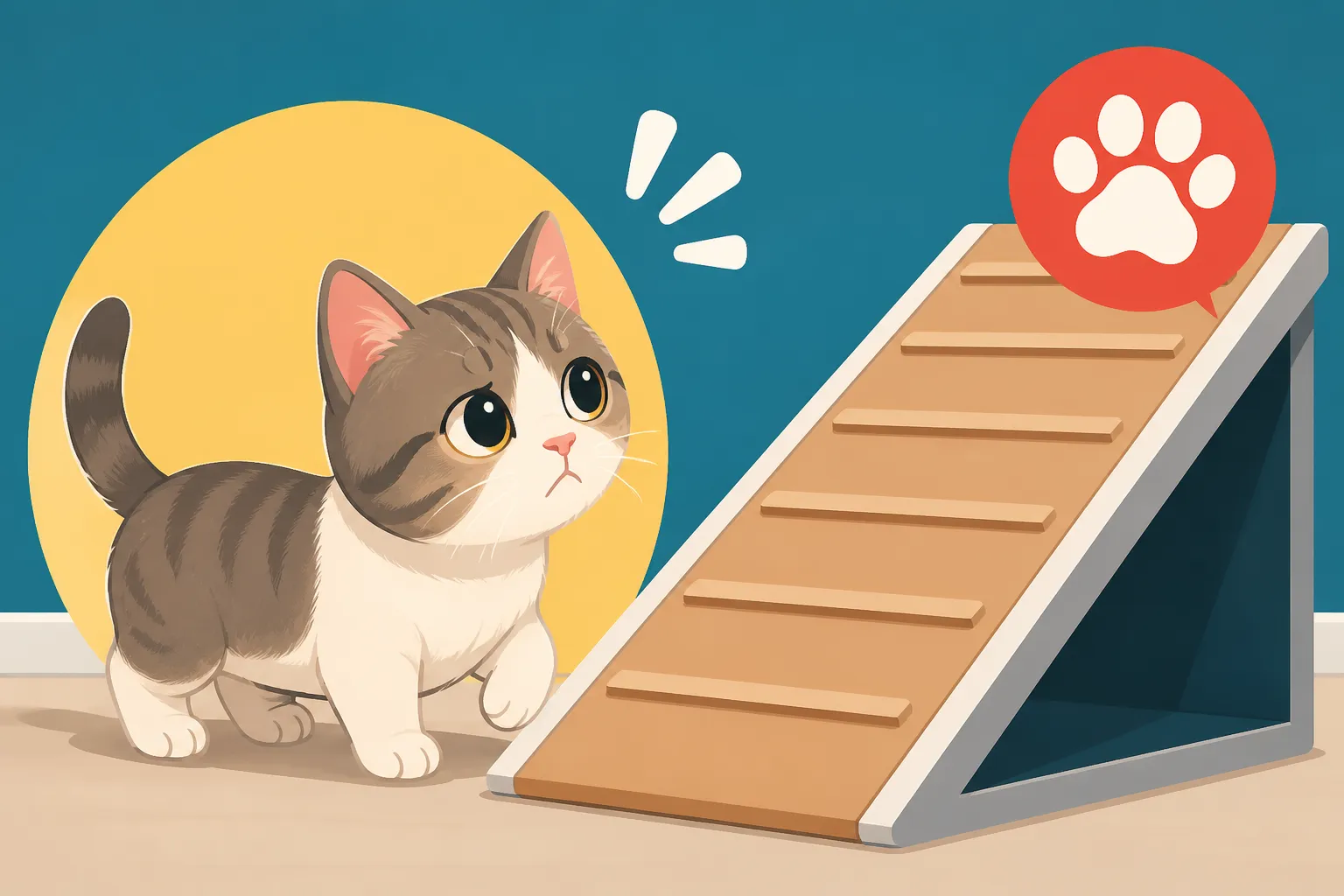
It's incredibly frustrating when you've invested in a ramp, thinking you're doing your best for your beloved Munchkin, only to watch them sniff at it with disdain or, worse, completely ignore it. You might feel like you've done something wrong, or that your cat is just stubborn. But often, a Munchkin's refusal to use a steep ramp isn't about being contrary; it's rooted in their unique physical design and a natural instinct to avoid discomfort or potential injury. This guide will dive deep into why your short-legged friend might be turning their nose up at that incline and, more importantly, what you can do to create a more inviting and safe environment for them.
Why a Steep Angle is Inherently Challenging for Munchkins
Our little Munchkin friends are famous for their adorable short legs, but these same charming attributes come with a specific set of physical considerations that impact their ability to navigate their world, especially when it comes to inclines. It’s not just a matter of "short legs, can't climb"; there's a delicate biomechanical balance at play.
The Unique Biomechanics of Their Short Limbs
A Munchkin's legs are short due to a genetic mutation called pseudoachondroplasia, which affects the long bones. Unlike typical cats with long, slender limbs designed for powerful leaps and agile climbing, a Munchkin's legs are disproportionately shorter. This means their leverage is different, and the angles their joints can comfortably achieve are altered. Think about it: a long-legged cat has a significant "push-off" power from extended legs, allowing them to spring upwards or scale inclines with relative ease. A Munchkin, however, has a much shorter lever. When faced with a steep ramp, they essentially have to propel their entire body weight upwards using significantly less mechanical advantage. This isn't just harder work; it changes the entire dynamic of their movement.
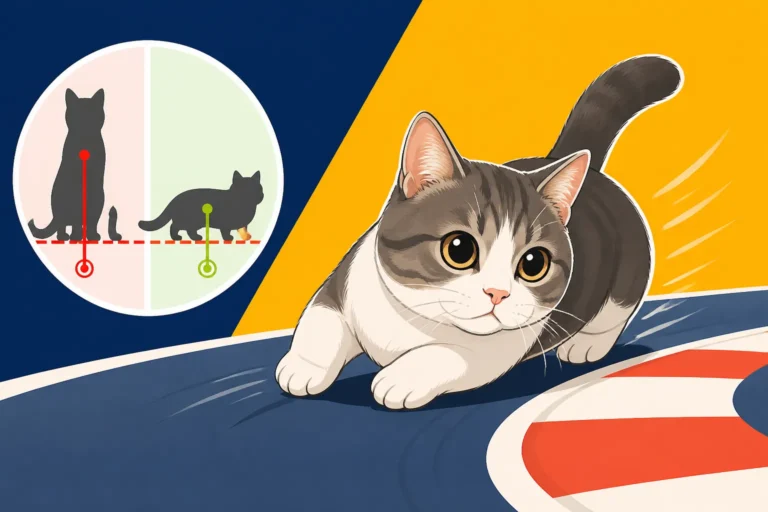
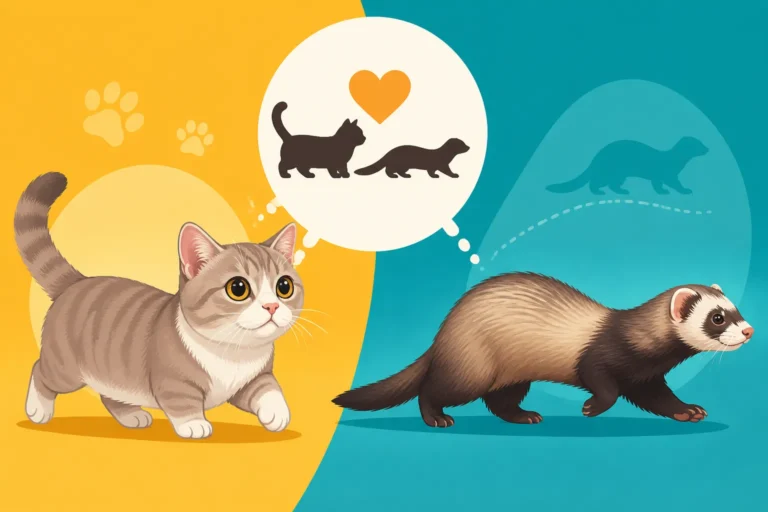
Furthermore, their short legs mean their body is much closer to the ground, giving them a low center of gravity that makes them incredibly stable on flat surfaces and surprisingly quick in a straight line or around corners, almost like a ferret. However, this advantage on the flat becomes a disadvantage on an incline. They need more power and a different kind of balance to ascend, and a steep angle demands a degree of upward thrust that their unique limb structure isn't optimally designed for. It's like asking a small, low-slung sports car to go off-roading; while capable on pavement, it's simply not built for steep, uneven terrain. You might be interested in reading What Pseudoachondroplasia Does to a Munchkin's Legs for more detail on this genetic trait.
Spinal Considerations and Joint Stress
Beyond just the leg length, we must consider the Munchkin's spine and joints, which bear a significant load differently from a normal-legged cat. While a Munchkin's spine is typically of normal length, the short legs mean that the entire body weight is distributed over a shorter, more compact support system during movement. When a Munchkin attempts to climb a steep ramp, their spine is put under increased strain. Imagine having to climb a very steep hill while carrying a backpack that's almost your size – your back muscles would feel it, wouldn't they? For a Munchkin, a steep ramp requires a sustained upward push and can compress the spinal column, especially in the lumbar region. This is particularly concerning because Munchkins can be prone to conditions like lordosis, a spinal curvature where the spine sags inward. A steep ramp can exacerbate such conditions or even contribute to their development over time by placing undue stress on the vertebral discs and surrounding muscles.
Additionally, the joints in their short legs, especially the shoulders and elbows, are not designed for repeated, high-impact climbing or pushing against a steep angle. Over time, this kind of stress can lead to or worsen osteoarthritis. Even if your Munchkin doesn't show overt signs of pain, they might instinctively avoid activities that cause discomfort or increase their risk of injury. Their refusal might simply be a clever way of self-preservation. Understanding Why a Munchkin's Spine Carries a Load a Normal Cat's Does Not can give you a deeper appreciation of these challenges.
Beyond Physics: Behavioral Factors in Ramp Refusal
Sometimes, it's not just the physical effort involved; there are psychological and environmental factors that play a huge role in whether your Munchkin embraces a ramp or treats it like a personal affront. Cats, like us, learn from experience and have preferences.
The Role of Traction and Stability
A ramp, no matter how perfectly angled, is only as good as its surface. If a ramp is too smooth – think polished wood or sleek plastic – your Munchkin might find it difficult to get sufficient grip, especially when pushing uphill. Their short legs mean that the angle of their paws against the surface is already less optimal for traction compared to a long-legged cat. A single slip or wobble, even if it doesn't result in a full fall, can be enough to instill a fear or reluctance to use the ramp again.
Cats are creatures of habit and comfort. If a ramp feels unstable, wobbly, or causes them to lose their footing, their natural instinct for self-preservation kicks in. They'll quickly associate the ramp with an unpleasant or dangerous experience. They need to feel completely secure and confident with every step, knowing that the surface beneath their paws will provide the necessary grip and that the ramp itself won't shift unexpectedly. Imagine trying to walk up a rickety plank yourself; you'd probably hesitate, too! Ensuring the ramp is firmly anchored and has a grippy surface is paramount for their trust. You want to make sure the ramp is as secure as possible, similar to how you would secure any Ramps and Steps Are Munchkin Equipment, Not Luxuries in their environment.
Past Experiences and Learned Aversion
Cats are incredibly intelligent and learn quickly from their experiences. If your Munchkin has had a negative encounter with a steep ramp in the past, even a minor one like a slip, a near-fall, or a moment of perceived instability, they might develop an aversion to ramps altogether. This is a classic case of learned behavior. Their brain logs the experience: "Ramp = unsafe/unpleasant." Once this association is made, it can be incredibly difficult to break.
This learned aversion isn't just about pain; it can be about fear, frustration, or a lack of confidence. Perhaps they tried to climb it, struggled, and felt vulnerable. They might have tried repeatedly, failed, and simply given up. A cat that has felt this frustration might decide that the ramp isn't worth the effort or the risk. Overcoming this requires immense patience, positive reinforcement, and often, a complete overhaul of the ramp itself to ensure the new experience is overwhelmingly positive. It's about rebuilding trust and showing them that this new ramp is different and safe.
Preference for Alternative Routes or Lifting
Cats are efficient creatures; they'll always choose the path of least resistance. If your Munchkin has alternative ways to reach their desired high spots – perhaps a strategically placed low stool they can jump onto, or a habit of being lifted by you – they might simply prefer these options over a challenging ramp. It’s like having an escalator right next to a flight of steep stairs; most people would opt for the escalator.
Sometimes, we, as loving owners, inadvertently reinforce these alternative behaviors. We see them struggling or looking plaintively at a high spot, and we pick them up. While this is done out of kindness, it teaches them that struggling is unnecessary because a human taxi service is available. If they know they can get onto the sofa by a small leap onto a side table or by simply meowing at you, why would they bother with a steep, potentially uncomfortable ramp? Breaking this cycle involves consistent training with the new, improved ramp and temporarily making the alternative routes less appealing or accessible.
Practical Solutions for a Munchkin-Friendly Ramp
So, what’s a devoted Munchkin parent to do? The good news is that many of these issues are solvable with a bit of ingenuity, observation, and patience. The key is to design the ramp with your Munchkin's specific needs and limitations at the forefront.
Optimizing Ramp Angle and Length
This is perhaps the most crucial factor in ramp acceptance. For a Munchkin, a steep angle is simply too much work and too much strain on their short limbs and spine. The ideal ramp for a Munchkin will have a very gentle slope. While there's no single "magic number" as every cat is different, a general guideline is to aim for an angle that is as shallow as possible. Think of it less as a ramp and more as a long, gradual incline.
To achieve a gentler slope, you often need a longer ramp. A short, steep ramp might save space, but it sacrifices usability for your cat. If your current ramp is short, consider extending it. You can purchase longer ramps or even make your own if you're handy. A longer ramp spreads the vertical rise over a greater horizontal distance, significantly reducing the angle. For example, if you want to reach a height of 18 inches, a 24-inch ramp will be much steeper than a 48-inch ramp. The longer one might take up more floor space, but it will be infinitely more comfortable and safer for your Munchkin. Remember to also consider How Steep a Munchkin's Ramp Can Be when designing or purchasing.
You might also consider a ramp with multiple, very shallow platforms, almost like mini-steps, if space doesn't allow for a truly long, gentle slope. The idea is to break up the continuous incline into smaller, less strenuous ascents.
Choosing the Right Surface Material
The surface of the ramp is just as vital as its angle. A slippery surface negates all the benefits of a gentle slope. Your Munchkin needs confidence underfoot, and that comes from excellent traction.
- Carpeted Ramps: These are often a fantastic choice. The carpet provides excellent grip for their claws and paws, and it's also soft, which can be reassuring. Look for low-pile, durable carpet that won't snag their claws easily.
- Non-Slip Strips/Treads: If your ramp is wooden or plastic, you can apply adhesive non-slip strips or rubberized treads. These give your cat discrete points of grip along the incline. Many pet-friendly non-slip tapes are available on platforms like Amazon.
- Rubberized Surfaces: Some ramps come with a rubberized coating or inlay, which can offer good traction.
- Avoid: Smooth plastic, varnished wood, or slick metal surfaces are generally a no-go unless heavily modified for grip.
Beyond just the surface material, ensure the ramp is stable and doesn't wobble or shift when your cat uses it. Anchor the ramp securely to the furniture or wall if possible. A ramp that moves, even slightly, will immediately cause hesitation and fear. Your cat needs to trust that the ramp is a solid, reliable pathway. Consider reading How to Anchor a Ramp So a Munchkin Trusts It for more tips.
The Art of Positive Reinforcement Training
Even with the perfect ramp, your Munchkin might still be wary, especially if they've had negative experiences. This is where positive reinforcement training comes in. It's about making the ramp an irresistible magnet of good things.
- Start Small: Place the ramp next to the piece of furniture your Munchkin wants to access. Don't force them onto it.
- Lure with Treats and Toys: Use their favorite treats or a beloved toy to encourage them to approach the ramp. Place treats on the ramp, starting with the very bottom step or edge. Let them eat it there.
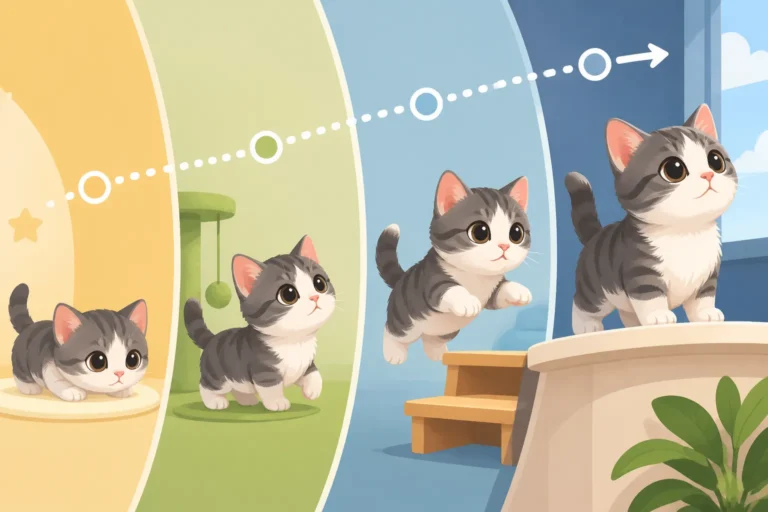
- Gradual Progression: Over several sessions, place treats further up the ramp. Don't rush it. The goal is to get them to take one step, then two, then three, gradually increasing the distance. Each successful step, no matter how small, should be rewarded with praise and a treat.
- Play at Ramp Level: Engage in play sessions near and on the ramp. Dangling a wand toy or rolling a ball up the ramp can make it seem less intimidating and more like part of their play area. You might find some good ideas in How Much Floor Level Play a Munchkin Needs.
- Be Patient: Some cats take days, others weeks. Never scold or force your Munchkin onto the ramp. This will only create more negative associations. If they show any hesitation or fear, go back a step in your training. End each session on a positive note, even if it's just for them to sniff the ramp.
- Consistency is Key: Everyone in the household needs to be on board with the training and the ramp. If one person lifts the cat while another tries to train, it sends mixed signals.
- Consider Temporary Barriers: If your Munchkin is still opting for jumping or being lifted, you might temporarily block those alternative routes while you're actively training. This isn't about punishment, but about making the ramp the easiest and most rewarding option. For further reading, check out How to Teach a Munchkin to Use a Ramp.
| Ramp Feature | Munchkin Benefit | Recommendation |
|---|---|---|
| Angle | Reduces spinal/joint strain, increases confidence | As shallow as possible (e.g., 20-30 degrees max), aim for longer ramps |
| Length | Achieves shallower angle, provides more gentle incline | Longer is generally better; prioritize length over steepness |
| Surface Material | Ensures paw grip, prevents slips, builds trust | Carpeted, rubberized, or with effective non-slip strips |
| Stability | Prevents fear of falling, promotes security | Must be firmly anchored, no wobbling or shifting |
| Width | Allows for comfortable movement and passing | Wide enough for easy turns, usually at least 10-12 inches |
| Edging/Rails | Prevents accidental falls off the side (optional but good) | Low side rails can add an extra layer of security, especially for new users |
The journey to ramp acceptance might take time, but the reward is a happier, more independent Munchkin who can safely access their favorite spots without unnecessary strain. It's all about understanding their unique needs and adapting their world to them, not the other way around.
Disclaimer
This article is for general informational purposes only and does not constitute professional advice. Laws, prices and regulations vary by location and change over time. Consult a qualified professional for guidance on your specific situation.