How Much a Munchkin Talks When It Wants Lifting
One of the most charming, yet sometimes perplexing, aspects of sharing your life with a Munchkin cat is their unique way of communicating. Unlike their long-legged feline cousins who might gracefully leap onto your lap or a high shelf, Munchkins often find themselves quite literally stuck on the floor, yearning for a boost. This can lead to a symphony of vocalizations and adorable antics aimed squarely at getting your attention, leaving many owners wondering, "Just how much do they talk when they want lifting?" This guide will delve into the various ways your short-legged companion communicates their desire to be elevated, helping you understand their nuanced language and respond effectively.
Decoding the Munchkin's Vocal Cues for Lifting
When your Munchkin wants to be lifted, they often employ a distinct set of vocalizations, ranging from subtle pleas to insistent demands. It's not just a generic "meow"; there's often a particular quality to it that signals their need for upward mobility. Understanding these nuances can significantly improve your communication and their quality of life.
The Gentle Plea: Soft Meows and Chirps
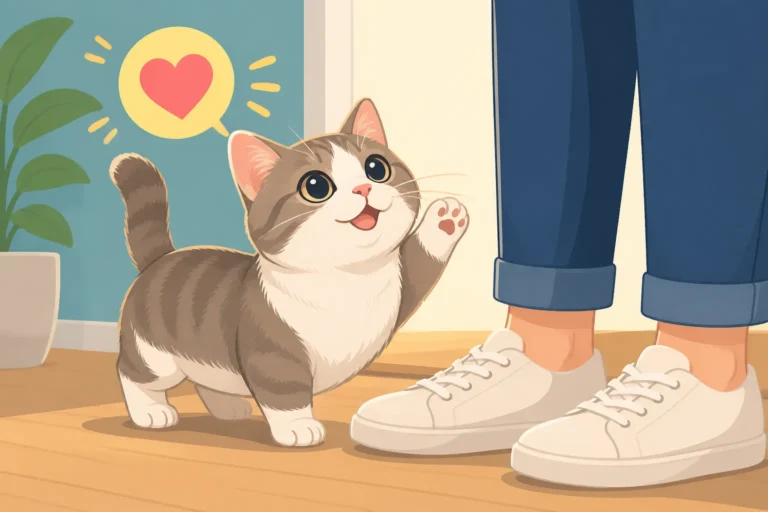
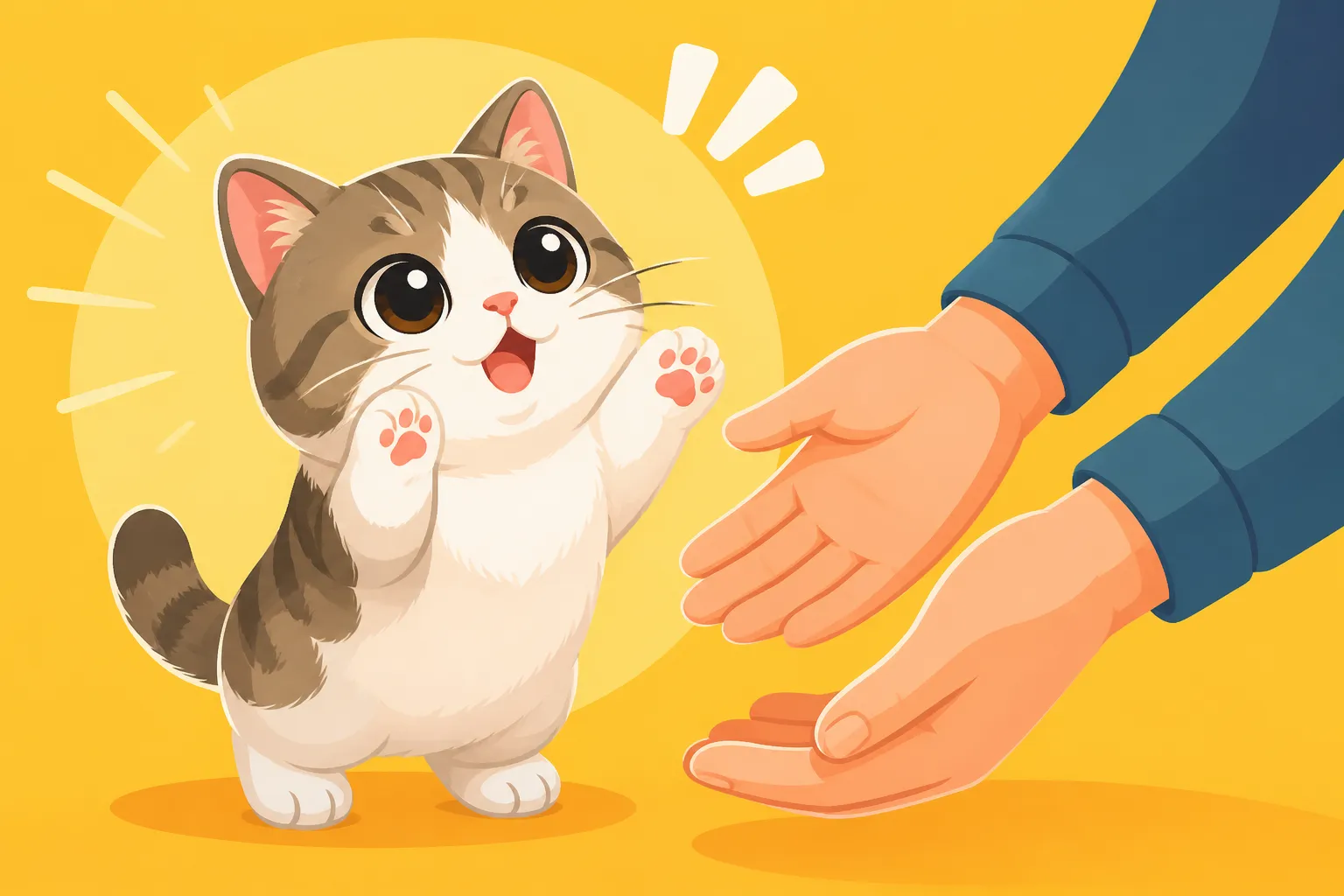
Many Munchkins start with a very gentle approach. Imagine you're engrossed in a book on the sofa, and you feel a tiny rub against your leg. Then comes a soft, almost questioning "mew?" or a delicate chirrup. This isn't usually the loud, demanding meow you might get if they're hungry or want to play. This is a hopeful, tentative request, often accompanied by them looking up at you with wide, expectant eyes. It’s their way of saying, “Excuse me, lovely human, would you perhaps consider… a lift?”
This soft vocalization is often their first attempt, particularly if they are generally quiet cats or if they’ve learned that a polite request usually gets results. It can be easily missed if you’re not paying close attention, which can then lead to an escalation in their communication. Think of it as a quiet whisper – if you don’t hear it, they’ll try a slightly louder tone. For a deeper understanding of how they generally communicate, you might find How a Munchkin Asks to Be Picked Up helpful.
The Insistent Call: Escalating Meows and Trills
If the gentle plea goes unheard, your Munchkin is likely to ramp up their vocal efforts. The soft "mew" can quickly evolve into a more insistent, mid-volume meow, often repeated several times in quick succession. Sometimes, it's accompanied by a distinctive trill, a rolling "mrrow-wow" sound that's a classic feline invitation for interaction, but with a specific, upward-looking emphasis. They might follow you around, weaving between your legs, each pass punctuated by another, slightly more urgent meow.
This isn't necessarily an angry sound, but rather one of growing frustration. They know what they want – to be on the bed, on the window perch, or simply in your arms – and they're trying harder to convey it. It’s a clear signal that their attempts to self-elevate have failed, and they’re now relying entirely on you. This is also where their unique gait, sometimes described as ferret-like, becomes part of the communication, as they trot purposefully at your heels, vocalizing all the way. What a Munchkin Is Asking For at Your Feet can shed more light on these ground-level interactions.
The Demanding Shout: Loud Cries and Prolonged Vocalizations
When all else fails, and your Munchkin still hasn't been lifted, some will resort to outright demanding vocalizations. This can manifest as loud, prolonged meows, sometimes almost sounding like a mournful cry, especially if they’ve been trying for a while. It’s usually directed right at you, often with them standing on their hind legs in their adorable "prairie dog" stance, looking as helpless and hopeful as possible. The Prairie Dog Sit Only a Munchkin Does explains this fascinating behavior further.
This stage often comes when they're truly desperate to reach a specific spot, perhaps a sunbeam on the sofa or a favorite sleeping spot on the bed. They might not stop until you acknowledge their plight and provide the much-needed lift. While it can be a bit overwhelming, it's crucial to remember that this intensity stems from their physical limitations, not malice. They aren't trying to be annoying; they're genuinely unable to do what other cats can. Responding calmly and consistently is key, but we'll get into that a bit later.
Combining Vocalizations with Body Language
It's rare for a Munchkin to just vocalize without using their body. Their physical cues are just as important as their sounds in signaling their desire to be lifted. It's a full-body performance designed to melt your heart and get them to higher ground.
The "Look Up" and Pawing Gesture
The most common body language associated with wanting a lift is the direct eye contact and upward gaze. Your Munchkin will often position themselves right in front of you, stare intently into your eyes, and then slowly tilt their head upwards, towards the object of their desire (your lap, the bed, the counter, etc.). This is often combined with soft vocalizations, as mentioned earlier. Some particularly persistent Munchkins might even gently paw at your leg, shirt, or arm, a little "tap-tap" to ensure you're truly getting the message.
This combination is incredibly effective. It's hard to ignore a small, cute face looking up at you so earnestly, especially when they add a little physical touch. They understand that visual cues, when paired with sound, create a more compelling request. It’s a silent conversation that turns vocal when the visual alone isn't enough to capture your attention.
The "Leading You" and Circling Behavior
Sometimes, a Munchkin won't just stand there and demand. They'll try to lead you. If they want to get onto the sofa, they might walk from where they are, look back at you, meow, then walk to the edge of the sofa they wish to ascend, look back again, and meow more insistently. They're essentially mapping out their desired route for you, hoping you'll follow their instructions. This circling and leading can be quite amusing, as they're trying to guide their giant human to the exact spot where their short legs fail them.
This behavior highlights their intelligence and problem-solving skills, even if the solution involves a human assistant. They've assessed the situation, determined their limitation, and devised a strategy to enlist your help. It’s a clear indication that they’ve learned to communicate their needs beyond simple vocalizations, showing you precisely what they want to reach.
The Helpless Sit and Expectant Gaze
Finally, there's the "helpless sit." This is often seen when a Munchkin has exhausted other methods or is particularly tired. They might just sit down at the base of something they can't reach – a chair, a bed, or even a low table – and simply stare. Their ears might be slightly forward, their tail still, and their gaze fixed on either the object or you, if you're nearby. This isn't necessarily a loud vocal display, but it's often accompanied by soft, mournful meows or just quiet purring, almost like they're sighing, "Well, this is my lot in life unless you intervene."
This posture can be one of the most effective, especially for empathetic owners. It tugs at the heartstrings, making you want to swoop in and give them that lift. It demonstrates their understanding of their physical limits, which are significant. For instance, How High a Munchkin Can Actually Jump clearly illustrates these limitations.
Why a Munchkin Needs to Be Lifted So Often
Understanding why your Munchkin cat is so reliant on you for vertical access is crucial. It’s not about being lazy or overly dramatic; it’s a direct consequence of their unique physical build. Their short legs, while endearing, fundamentally change their interaction with the environment.
The Reality of Their Short Stature
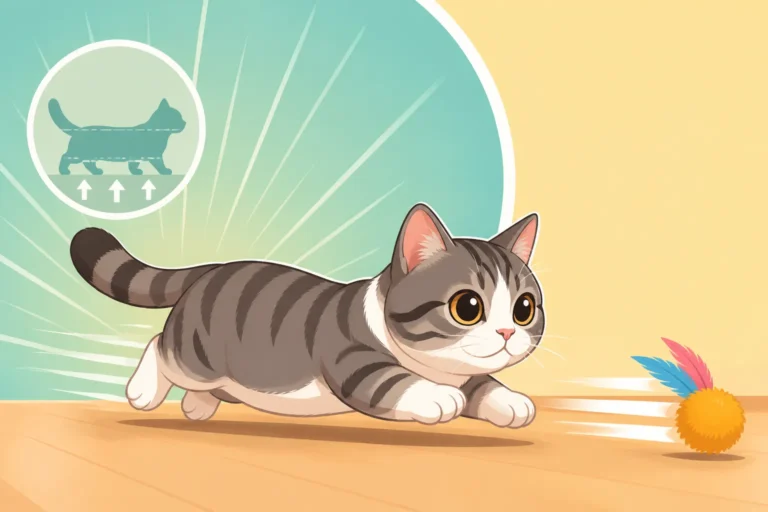
A Munchkin's dwarfism means their legs are significantly shorter than those of an average cat. This isn't just a slight difference; it often means they physically cannot generate the same vertical lift as a long-legged cat. While they are incredibly agile and surprisingly fast on flat ground, vertical challenges are their kryptonite. They simply don't have the leverage or the leg length to push off and clear significant heights. This means that surfaces like kitchen counters, high windowsills, or even some beds and sofas are entirely out of reach without assistance. Why a Munchkin Cannot Make the Kitchen Counter delves into this specific challenge.
It’s important to remember that their body length and spine are typically normal, meaning they have the same proportional weight distributed over much shorter supports. This impacts their ability to spring upwards, making every jump a carefully considered, and often impossible, feat.
Avoiding Dangerous Jumps and Falls
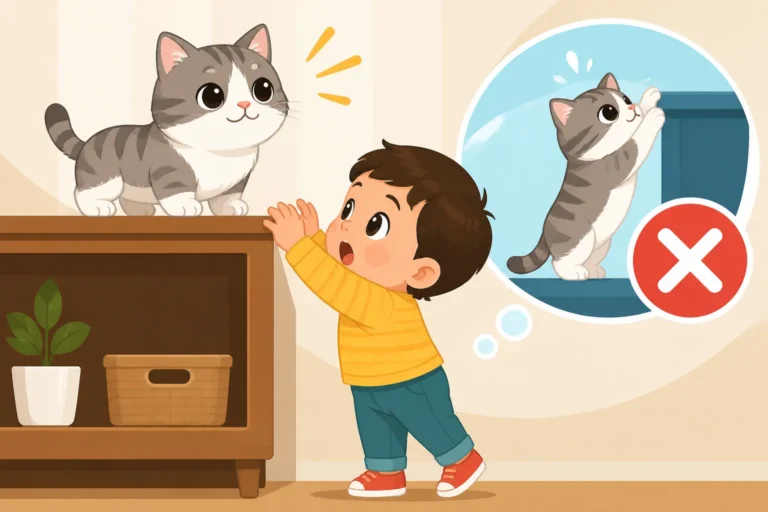
Allowing or encouraging a Munchkin to repeatedly attempt jumps that are too high can be detrimental to their long-term health. While a healthy, young Munchkin might occasionally make a surprisingly high leap, forcing them to do so regularly puts undue stress on their spine and joints. Their bodies aren't designed for constant impact from significant drops. Repeated jarring can contribute to problems like lordosis, a spinal curvature that can affect some Munchkins, or exacerbate joint wear and tear over time.
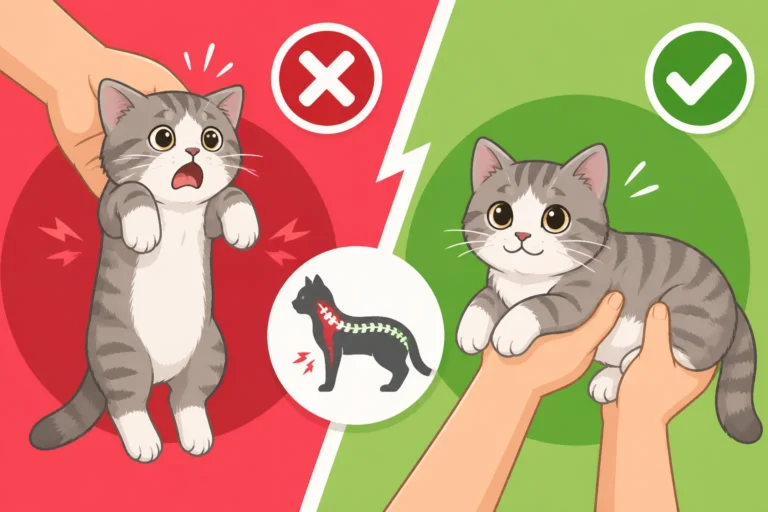
This is why you, as their owner, become their primary means of safe elevation. By lifting them, you're not enabling laziness; you're protecting them from potential injury and ensuring their comfort. This proactive approach to their physical well-being is a core part of responsible Munchkin ownership. For more on how to safely handle your feline friend, see How to Lift a Munchkin Correctly.
The Need for Accessible Alternatives: Ramps and Steps
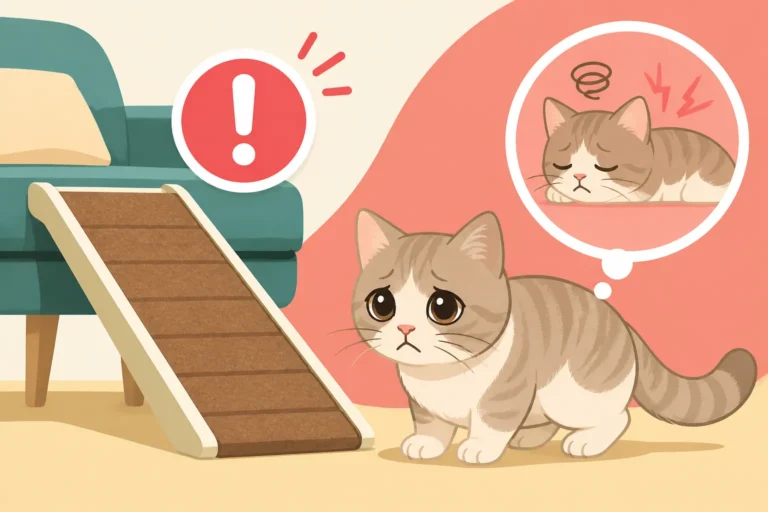
While lifting is often necessary, you can also empower your Munchkin by adapting their environment. This is where ramps and steps become indispensable. Instead of constantly lifting them onto the bed or sofa, providing a stable, carpeted ramp or a set of pet stairs allows them to maintain some independence. This not only reduces their need to vocalize for lifts but also gives them the mental stimulation of being able to navigate their world more freely.
Think about common points of access in your home: the sofa, your bed, a favorite window perch, or even a specific chair. Each of these can be made accessible with a thoughtfully placed ramp or set of steps. You can find a wide variety of these on platforms like Amazon, from simple wooden ramps to carpeted pet stairs that blend with your decor. Remember, Ramps and Steps Are Munchkin Equipment, Not Luxuries – they're essential for their quality of life. Teaching them to use these can be a fun and rewarding process; How to Teach a Munchkin to Use a Ramp provides excellent guidance.
Here's a quick comparison of when lifting is common versus when ramps are ideal:
| Situation | Typical Munchkin Vocalization for Lift | Ideal Solution for Independence |
|---|---|---|
| Owner's lap | Soft meow, persistent trill | Owners lap (direct human interaction) |
| Bed at night | Insistent meow, prolonged cry | Pet ramp or stairs |
| Sofa during the day | Chirp, pawing, leading to sofa | Low steps, soft ramp |
| Windowsill for birdwatching | Staring, low purr, gentle paw | Window perch with ramp, low cat tree |
| Countertop curiosity | Demanding meow, circling | Lifting (supervised), redirect to cat tree |
| Cat tree top platform | Prolonged meow, looking up | Modified cat tree with close platforms |
Managing and Responding to Your Munchkin's Requests
You've learned to understand their signals, but now comes the art of responding in a way that is both helpful and sets clear boundaries. The goal isn't to create a cat that demands constant service, but one whose needs are met with kindness and consistency.
Establishing a Routine and Cues
Consistency is key. If you always lift your Munchkin onto the bed at night, they will learn to expect it and vocalize when they're ready. You can even introduce a verbal cue, like "Up!" or "Hop up!", accompanied by the lifting motion. Over time, your Munchkin might associate the word with the action, and you'll find them responding to your verbal cue, sometimes even before they fully vocalize their demand. This creates a predictable and less stressful interaction for both of you.
However, don't feel obligated to respond to every single demand immediately, especially if it's for something non-essential or if they're being overly persistent despite accessible alternatives being available. Teaching them that "no" or "later" is also an answer is part of setting healthy boundaries.
When to Lift and When to Redirect
It's important to differentiate between genuine need and playful demand. If your Munchkin is genuinely trying to get somewhere they need to be (like their food dish if it's too high, or a safe spot away from a toddler), then a lift is always appropriate. If they're just being curious about the top of the bookshelf (which you've made inaccessible for their safety anyway), then redirection with a floor-level toy or a tasty treat might be a better approach.
If you've provided ramps or steps, encourage their use. Gently place them on the ramp or at the bottom of the steps, and reward them when they use them. This reinforces independence and reduces their reliance on you for every single ascent. Whether a Munchkin Should Be Lifted Onto Furniture explores the balance between lifting and promoting independence.
The Importance of Environmental Enrichment at Their Level
A significant part of reducing insistent vocal demands for lifts comes from making their immediate environment rich and engaging at their own level. If all the fun stuff is high up, they'll always be asking for help.
Consider investing in scratching posts that are horizontal or low to the ground. Provide puzzle feeders that they can access without climbing. Make sure their favorite toys are always within easy reach. A well-designed cat tree with closely spaced platforms or a custom-built series of steps can also provide safe vertical exploration. How to Set Up Ramps Around a Munchkin's House offers more practical ideas for adapting your home. If a Munchkin has plenty of stimulating options on the floor, they might feel less compelled to seek out higher ground, or at least less frustrated when they can't get there.
By understanding their unique vocalizations and body language, providing safe alternatives, and being consistent in your responses, you'll foster a happier, more independent Munchkin who knows their needs will be met, even if it means a little help from their favorite human elevator.
Disclaimer
This article is for general informational purposes only and does not constitute professional advice. Laws, prices and regulations vary by location and change over time. Consult a qualified professional for guidance on your specific situation.