Whether a Munchkin Likes Being Carried
We all love to scoop up our feline friends for a cuddle, but when it comes to Munchkin cats, their unique short stature means this isn't always as simple as it seems. Many owners wonder if their little low-riders actually enjoy being lifted, or if it's more of a toleration they put up with for your affection. This guide will help you understand your Munchkin's preferences, teach you how to handle them safely and lovingly, and explore thoughtful alternatives for when carrying simply isn't their cup of tea.
Understanding Your Munchkin's Physical Limits When Being Carried
It’s tempting to just grab your adorable Munchkin and cuddle them close, but their unique physical structure, primarily their short legs and proportionally long body, means that how you carry them can significantly impact their comfort and even their long-term health. Unlike their long-legged cousins, Munchkins have a different biomechanical setup that requires special consideration. You wouldn’t swing a dachshund by its middle, and the same principle, in a gentler way, applies to your Munchkin.
The Importance of Spinal Support
A Munchkin's spine is actually a normal length for a cat, but because their legs are short, their body sits much closer to the ground. This means their spine can carry a different kind of load than a typical cat's. When you lift a Munchkin without proper support, especially under their hindquarters, their body can sag in the middle, putting undue strain on their lumbar region. Imagine trying to carry a long, flexible pipe by only one end – it would naturally bend in the middle. Your Munchkin's spine needs consistent, even support from chest to tail to avoid this "hammock" effect. This is particularly crucial as they age, when conditions like arthritis might start to set in, making any unnecessary strain even more painful. Owners often forget that even a few seconds of improper handling, repeated over time, can contribute to discomfort or even exacerbate existing spinal issues. Why a Munchkin's Spine Carries a Load a Normal Cat's Does Not offers a deeper dive into this unique anatomical consideration.
How Their Short Legs Affect Their Balance and Comfort
Think about how a standard cat uses its legs to brace itself and maintain balance when being held. Their longer legs can dangle, or they can push off gently against you. A Munchkin's short legs, on the other hand, don't offer the same leverage or stability when they're off the ground. When suspended, they might feel less secure and unable to brace themselves effectively. This can make them feel vulnerable, leading to anxiety or a desire to escape. You might notice them trying to "paddle" their little legs in the air, or scrabbling with their front paws for purchase on your clothing. While their low center of gravity makes them surprisingly agile on the flat, and they can corner with impressive speed, this advantage disappears when they're lifted. They rely heavily on their compact, ferret-like movement across surfaces, so being airborne can be disorienting if not done correctly and securely. Why a Munchkin Moves Like a Ferret elaborates on their unique gait and ground-level agility.
Signs Your Munchkin Enjoys (or Tolerates) Being Carried
It's really important to learn your individual Munchkin's cues because, just like people, some cats are big fans of being picked up and cuddled, while others are more independent and prefer their paws on solid ground. Observing their body language is key to understanding whether they genuinely enjoy the experience or are simply tolerating it out of affection for you. A cat that enjoys being carried will generally feel loose and relaxed in your arms, while one that doesn't might become stiff or agitated.
Positive Body Language Cues
When a Munchkin genuinely enjoys being carried, their body language will tell you everything. They might purr deeply and continuously, often pressing their head into your chest or shoulder. Their body will feel relaxed, not stiff, and their tail might either be held comfortably or gently wrapped around you. You might even feel them kneading softly with their front paws into your shoulder or arm, a clear sign of contentment. A truly happy Munchkin might even lean into the lift, rather than trying to pull away. Sometimes, they'll solicit being picked up – perhaps by rubbing against your legs and then looking up expectantly, or even by attempting a small, ungraceful jump onto your leg if you're sitting. They might relax their posture, letting their legs dangle or tucking them close, indicating trust and comfort. They often seem to melt into your arms, perfectly happy to be elevated and close to you, enjoying the change of perspective and the warmth of your embrace.
What Discomfort Looks Like
On the flip side, a Munchkin who isn't keen on being carried will also communicate this clearly through their body language. Look for signs such as a stiffening of their body, ears flattening back against their head, or tail twitching rapidly. They might try to wriggle or push away from you, sometimes even vocalizing with a small "mew" or a low growl. Their pupils might dilate, indicating fear or anxiety, and they might have a tense facial expression. If they’re struggling, their claws might inadvertently extend, not usually in aggression, but as an instinct to grasp for stability. If you consistently see these signs, it’s a clear indication that your Munchkin isn't enjoying the experience, and continuing to hold them could cause them stress or fear. It’s always best to gently lower them back to the ground if they show any of these signs, respecting their boundaries and building trust. Learning How a Munchkin Asks When It Cannot Reach You can give you insights into when they genuinely desire elevation.
Here's a quick guide to reading your Munchkin's mood when being lifted:
| Sign of Comfort | Sign of Discomfort | What It Means |
|---|---|---|
| Deep, rumbling purr | No purr or low growl | Contentment vs. Annoyance/Fear |
| Relaxed, limp body | Stiff, rigid posture | Trust and security vs. Tension and anxiety |
| Head rubs/pushes into you | Head turns away or struggles | Affectionate bonding vs. Avoidance |
| Tail relaxed or gently curled | Tail twitching rapidly/tucked | Calmness vs. Irritation/Fear |
| Gentle kneading on your shoulder | Attempting to wriggle/jump down | Happy attachment vs. Desire for escape |
| Slow blinks | Wide eyes, dilated pupils | Relaxation vs. Alarm |
The Right Way to Pick Up and Hold a Munchkin
If your Munchkin seems to enjoy or at least tolerate being carried, mastering the correct technique is crucial for their safety and comfort. Improper lifting can cause undue strain on their spine and joints, particularly their delicate front legs. Remember, their short legs mean they can't effectively absorb shock or brace themselves in the same way a long-legged cat might. Always prioritize supporting their entire body. How to Lift a Munchkin Correctly is a great resource to ensure you're doing it right every time.
The Scoop and Support Method
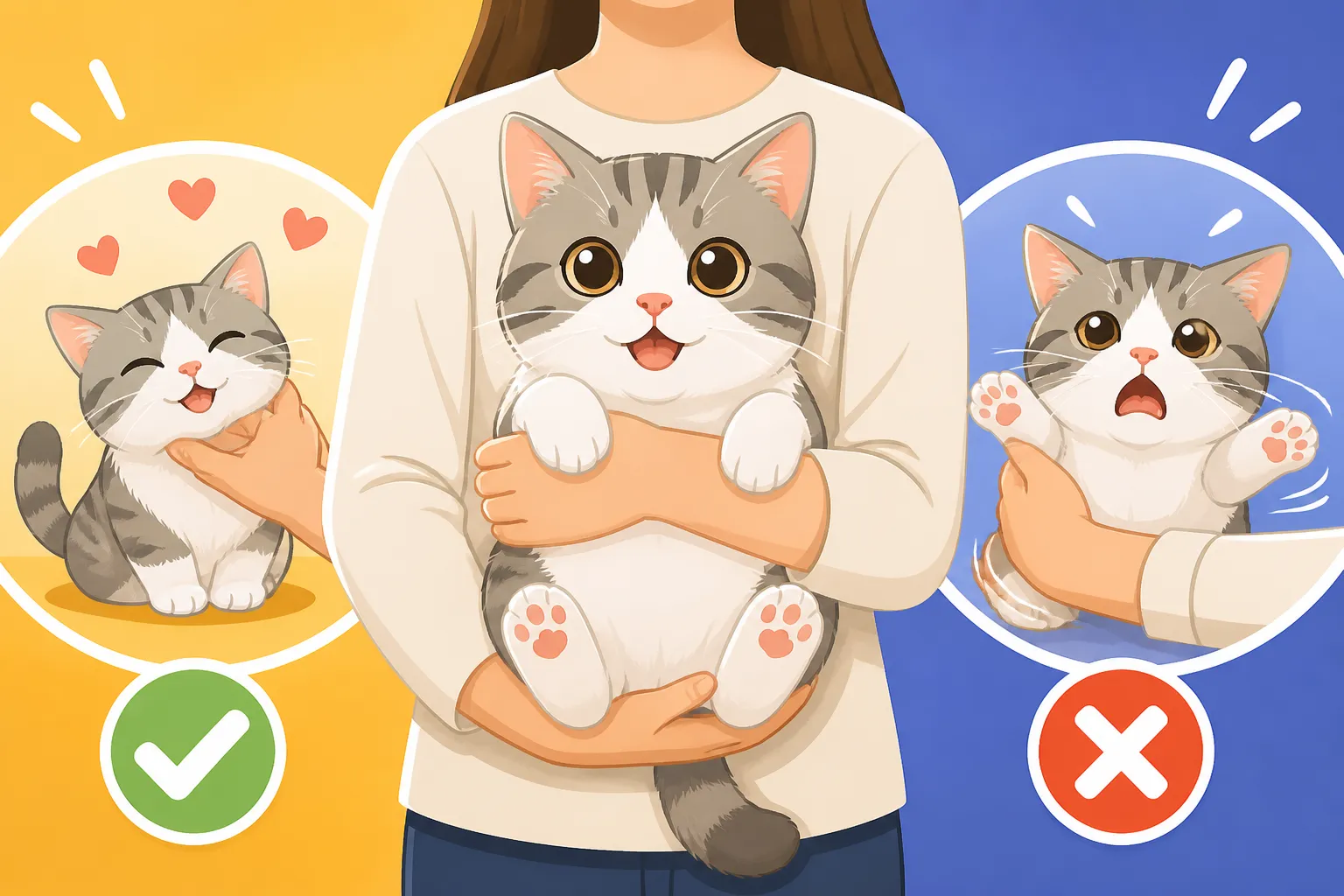
The best way to pick up a Munchkin is what I like to call the "scoop and support" method. Start by gently placing one hand under their chest, just behind their front legs. Simultaneously, use your other hand to scoop under their hindquarters, supporting their entire lower body and tail. Then, lift slowly and smoothly, bringing their whole body close to yours. Hold them snugly against your chest or hip, so they feel secure and don't feel like they're dangling or could fall. This ensures their spine remains straight and fully supported, mimicking the natural alignment of their body when they're on solid ground. This method distributes their weight evenly and prevents any sagging in the middle of their back, which is vital for breeds with unique spinal structures.
Avoiding Pressure on Their Spine and Abdomen
When holding your Munchkin, it's essential to ensure that no pressure is placed directly on their spine or abdomen. Avoid picking them up by the scruff, as this is typically reserved for kittens and can be uncomfortable or painful for adult cats. Absolutely never pick them up by their front legs, as this can severely injure their shoulders and elbows, which already bear a significant load due to their short stature. Why a Munchkin Should Never Be Held by the Front Legs cannot be stressed enough – it's a critical safety rule. Similarly, don't squeeze their abdomen tightly, as this can be uncomfortable, restrict their breathing, and even cause internal distress. The goal is to make them feel safe and secure, almost as if they're still "grounded" against your body. Think of cradling a baby – you support their head and bottom, keeping their body aligned. The same gentle, supportive approach is needed for your Munchkin.
Gentle Placement When Setting Them Down
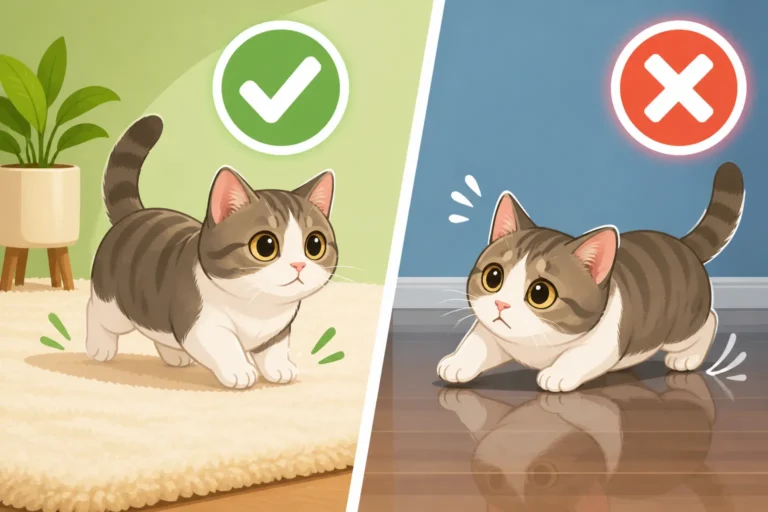
Just as important as how you pick them up is how you set them down. Never drop a Munchkin from a height, even a small one. Their short legs are not designed for high impact landings, and repeated jarring can contribute to joint issues over time. Instead, lower them gently and slowly, maintaining full body support until all four paws are firmly on a stable surface. Allow them to step off your hands rather than pushing them away or simply letting go. This controlled descent prevents unnecessary stress on their joints, especially their shoulders and elbows, and reinforces their trust in you. If you're setting them onto furniture, make sure it's a surface they can easily get off of, or provide them with a ramp or steps to descend. Consider setting them down on a soft rug or a pet bed, rather than a hard, slippery floor.
Alternatives to Carrying for Affection and Mobility
While carrying your Munchkin can be a lovely bonding experience for some, it's not always necessary or appropriate. Many Munchkins prefer to stay grounded, and there are plenty of wonderful ways to show affection and help them navigate their world without constant lifting. Adapting your home and your interactions to their unique needs will foster a happier, more confident cat. This is where the saying "With a Munchkin the house changes, not the cat" truly comes into play.
Floor-Level Affection and Play
Munchkins are incredibly playful and affectionate cats, and they're perfectly happy to engage at floor level. Instead of picking them up for cuddles, get down on their level. Sit on the floor and let them climb onto your lap or snuggle next to you. They absolutely adore interactive play with wand toys or laser pointers, chasing toys across the floor with surprising speed. Which Toys Work at a Munchkin's Height are essential to provide stimulating fun that doesn't require jumping. Many Munchkins love to fetch small toys or play hide-and-seek, utilizing their low stature to their advantage. Dedicate time each day for floor-level petting sessions, belly rubs (if they enjoy them!), and gentle grooming. Providing them with comfy beds, tunnels, and scratching surfaces at their height ensures they have plenty of enrichment that aligns with their natural way of moving and playing. You can find a huge variety of engaging floor-level toys and beds suitable for Munchkins on platforms like Amazon, making it easy to create an enriching environment for them without needing to lift them.
Providing Accessible Routes
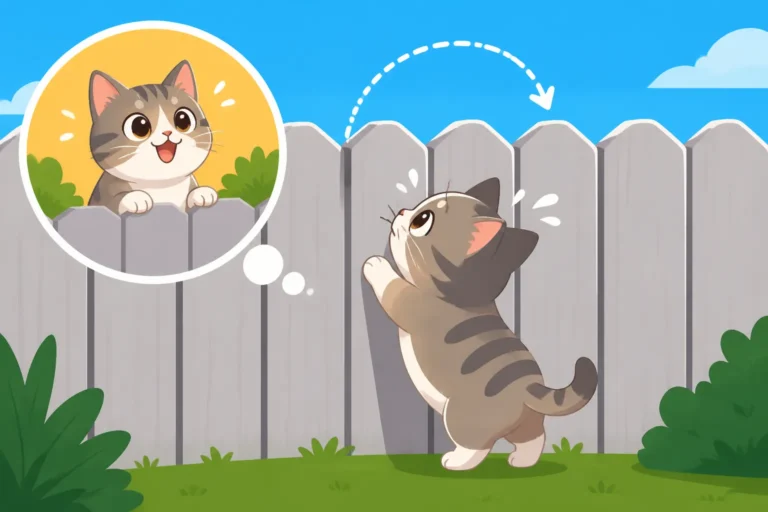
One of the best things you can do for your Munchkin is to make your home a truly accessible kingdom for them. This means thinking about every surface they might want to reach and providing a safe, easy way to get there. Ramps and steps are not luxuries for a Munchkin; they are essential equipment that allows them independence and prevents them from attempting risky jumps that could injure their joints. Ramps and Steps Are Munchkin Equipment, Not Luxuries is a foundational philosophy for Munchkin owners.
Consider these adaptations:
- Ramps for Furniture: Install sturdy, carpeted ramps or pet steps to allow them easy access to sofas, beds, and favorite chairs. Look for ramps with a gentle incline and a non-slip surface. You can find excellent options on Amazon.
- Low-Entry Litter Boxes: Ensure their litter boxes have a low front edge so they can walk right in without straining their short legs or back. Which Litter Box a Munchkin Can Actually Enter is a common consideration.
- Accessible Windowsills: If your Munchkin loves to gaze out the window, create a multi-level ramp or a series of sturdy, low shelves leading up to a window perch.
- Food and Water Bowls: While many cats like their bowls raised, for a Munchkin, it's about comfort. Ensure their bowls are at a height that allows them to eat and drink without straining their neck or back. Sometimes floor level is best, but shallow, wide bowls can also help. Why a Munchkin's Food and Water Belong at Floor Level or a slightly raised, ergonomic bowl can ease the strain on their shoulders.
- Cat Trees with Close Platforms: Standard cat trees often have wide gaps between platforms, which are impossible for a Munchkin to navigate. Look for or modify cat trees with closely spaced platforms, or consider using carpeted blocks or small steps to bridge the gaps.
Teaching your Munchkin to use these aids is usually straightforward. Positive reinforcement with treats and praise works wonders. Start with a gentle incline and guide them up, making it a positive experience. How to Teach a Munchkin to Use a Ramp provides practical tips for training. By making your home easy to navigate, you empower your Munchkin to move around independently, reducing the need for you to constantly carry them and ensuring they live a comfortable, active life.
Disclaimer
This article is for general informational purposes only and does not constitute professional advice. Laws, prices and regulations vary by location and change over time. Consult a qualified professional for guidance on your specific situation.