What a Munchkin Does in a Catio It Cannot Climb
Many of us dream of giving our beloved felines a taste of the outdoors without the dangers, and a catio seems like the perfect solution. But if you've ever watched your short-legged Munchkin attempt to scale the walls or reach a high perch in a standard catio, you know the frustration – and sometimes, the heartbreak – of seeing them try and fail. This guide is here to explain exactly what a Munchkin cat can and cannot do in a typical, unadapted catio, and crucially, how to transform that space into a true haven that caters to their unique physical needs.
The Core Challenge: A World Built for Long Legs
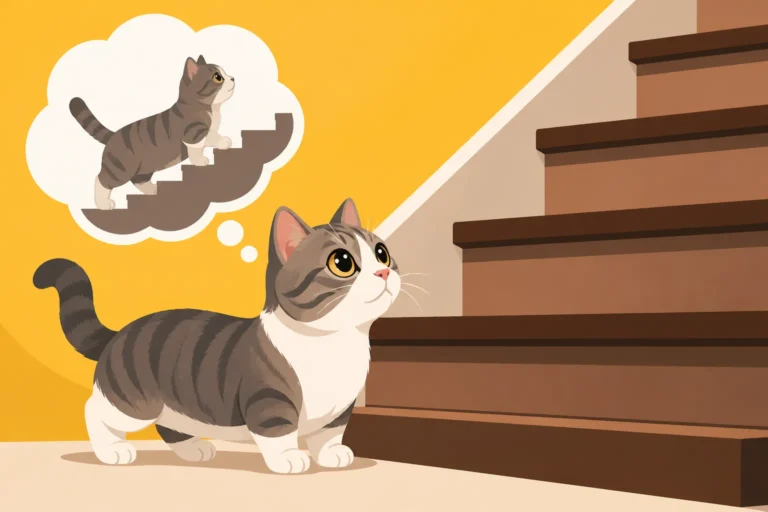
Imagine living in a world where every step up is a mountain, and every comfortable perch is just out of reach. That's often the reality for a Munchkin in a catio not designed with their short stature in mind. Their adorable, distinctive short legs, while perfect for zooming across flat surfaces, simply aren't engineered for the kind of vertical scaling that comes so naturally to their long-legged cousins. This isn't about a lack of desire or intelligence; it's a pure physical limitation that impacts their ability to navigate elevated spaces.
Understanding the Munchkin's Vertical Limits
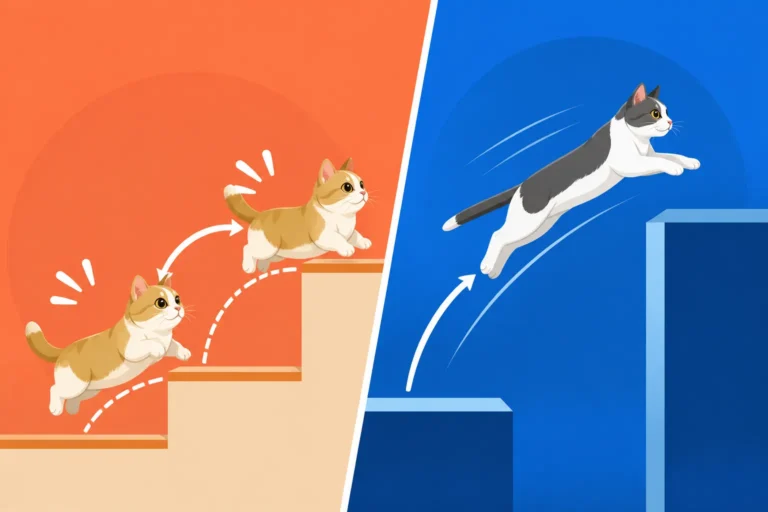
A standard catio, with its multi-tiered shelves and towering climbing posts, is a wonderland for an average cat. They'll leap from shelf to shelf, scale sisal-wrapped columns, and perch proudly at the highest point, surveying their outdoor kingdom. For a Munchkin, however, these exciting features quickly become symbols of unreachable goals. While a typical cat can easily jump onto a kitchen counter with minimal effort, a Munchkin simply cannot generate the necessary lift to clear significant heights in one go. You might observe them attempting a jump repeatedly, sometimes with a hopeful little bounce, only to fall short. This isn't laziness; it's physics. Their unique skeletal structure, specifically their shortened humerus and femur bones, means they just don't have the leverage for big vertical pushes. It's a key reason why understanding How High a Munchkin Can Actually Jump is so vital for their safety and enrichment. They simply don't have the spring-loaded power that comes with longer hind legs.
The Frustration of Unreachable Heights
Picture your Munchkin, peering up at a sun-drenched shelf in the catio, perhaps with a tempting bird feeder just beyond the mesh. They want to be up there, soaking in the rays and watching the avian show, but they can't. This constant inability to access desirable spots can lead to a quiet frustration. It's not just about missing out on a view; it's about missing out on prime napping spots, elevated hiding places, and opportunities for mental stimulation. For a cat, having options for vertical escape and exploration is crucial for their well-being. When these options are denied due to physical barriers, it can contribute to boredom or even a sense of being trapped, even in an otherwise lovely outdoor enclosure. Owners often feel a pang of guilt watching their little one gaze longingly at a spot they can't reach, wishing they could help them defy gravity. This experience can be quite demotivating for an otherwise energetic and curious feline.
What a Munchkin Will Do in an Unadapted Catio
So, if they can't climb, what does a Munchkin do in a catio that's essentially a tall, empty box to them? They do what all resourceful cats do: they adapt. But their adaptations in an unadapted space often highlight their limitations rather than celebrating their abilities. Without ramps, low shelves, or carefully placed steps, their world becomes a lot more horizontal, focusing on the immediate surroundings.
Exploring the Ground Level
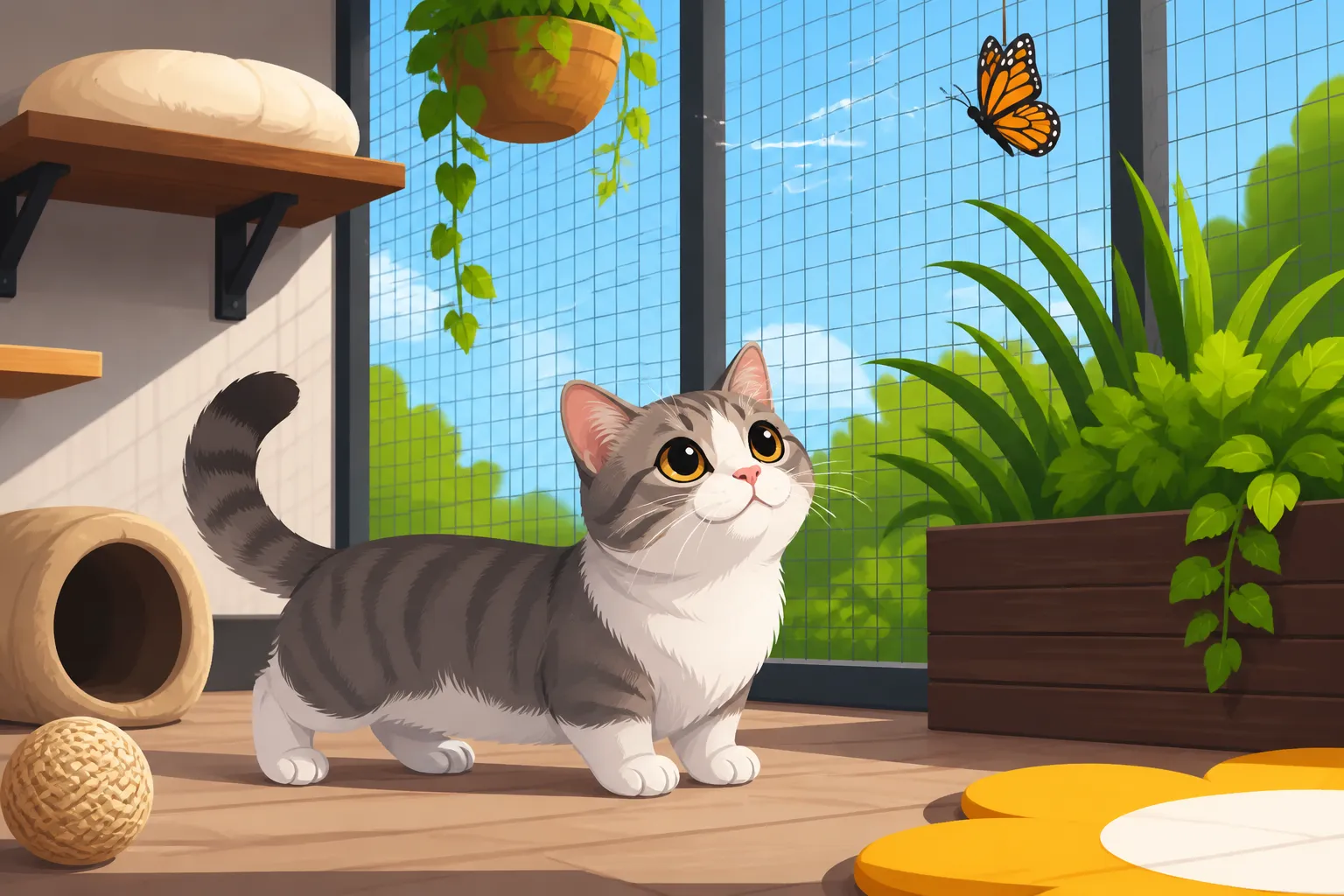
In an unadapted catio, your Munchkin will become the undisputed champion of the ground floor. They will meticulously patrol every inch of turf, sniff out every blade of grass, and investigate every fallen leaf. This can be wonderful for sensory enrichment – the smells, the feel of real earth under their paws, the subtle movements of insects. They’ll stalk butterflies from beneath the safety of a low bush, pounce on shadows, and generally revel in the immediate environment. If there's a patch of sun, they'll undoubtedly find it and stretch out, luxuriating in the warmth. This low-to-the-ground exploration is where a Munchkin truly shines; their compact, powerful build makes them surprisingly agile on flat ground. You'll see them dart and weave with impressive speed, showcasing How Fast a Munchkin Can Run. However, this ground-level domain can quickly become monotonous if there's nothing else to stimulate them, turning their extensive patrolling into a routine rather than an adventure.
Finding Alternative Verticality (or Failing To)
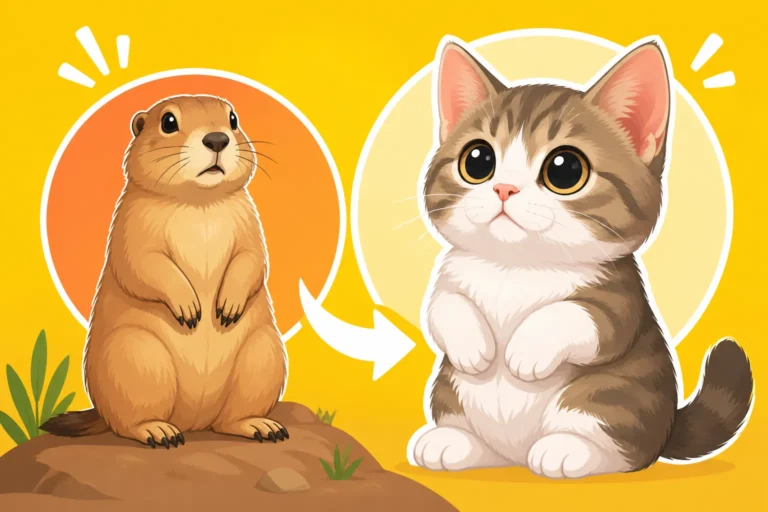
A Munchkin, like any cat, still has an instinct to get up. It's ingrained in their feline DNA. In a catio without proper vertical access, they might try to use anything they can find. A small, sturdy garden chair, a low-slung plant pot, or even a stack of paving stones might become targets for a tentative hop. They might attempt to leverage themselves onto the lowest window ledge or try to scale the mesh walls in a desperate, often comical, attempt. These efforts, while endearing, often demonstrate the struggle. You might see them perform their famous "prairie dog sit" – standing up on their hind legs, balancing on their short front paws – to get a better view or assess a potential jump. While this posture is unique and adorable, it also indicates their need to compensate for their lack of height. What a Munchkin Is Looking At When It Sits Up is often something just out of their easy reach, be it a bird on a higher branch or a ray of sunshine on an elevated perch. This constant reaching without success can be disheartening for them.
Seeking Shade and Shelter Below
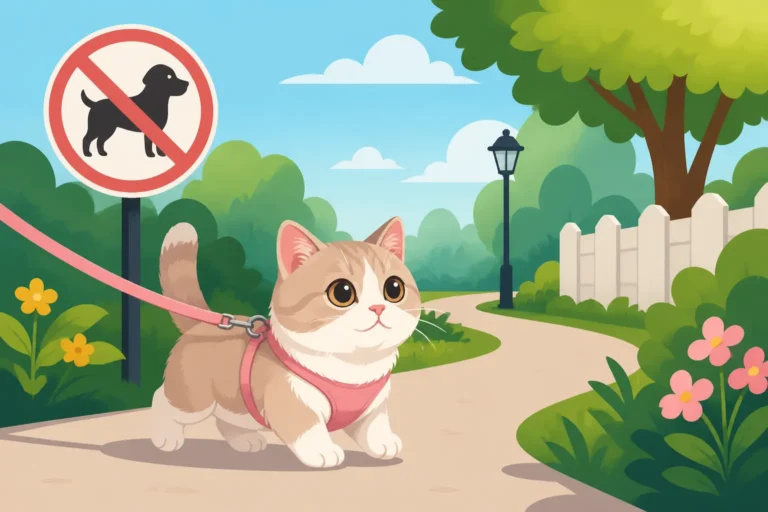
Since high perches are inaccessible, a Munchkin in an unadapted catio will primarily seek shade and shelter at ground level. This means they'll gravitate towards dense shrubs, beneath garden furniture, or into any enclosed space like a small, floor-level cat house. While these spots offer protection from the sun and elements, they lack the panoramic views and security that elevated positions provide for other cats. A cat feels most secure when it can survey its surroundings from a height, giving it an advantage over potential threats (even if those threats are just curious squirrels or unexpected gusts of wind). Without this, a Munchkin might feel more vulnerable, relying on immediate hiding spots rather than strategic overlooks. Their safety depends entirely on the integrity of the enclosure, as Why a Munchkin Cannot Climb a Fence makes clear; they can't simply scramble away from perceived danger.
The Impact of an Unstimulating Catio Environment
While any outdoor access is generally better than none, an unadapted catio can inadvertently become a source of stress or boredom for a Munchkin. It's like being given a grand library but only being able to reach the bottom shelf – there's so much more to explore, but it's physically impossible. This has both mental and physical repercussions for your little companion, diminishing the very benefits a catio is meant to provide.
Boredom and Lack of Mental Enrichment
Cats are naturally curious and territorial. A stimulating environment is one that offers variety, challenges, and opportunities for exploration and hunting simulation. In a catio where all the interesting climbing structures, high perches, and varied viewpoints are out of reach, a Munchkin can quickly become bored. They might spend more time napping, or exhibit less engagement with their surroundings than you'd hope. This isn't because they're less intelligent or less curious, but because the environment isn't offering them appropriate challenges. Think about it: if every potential adventure ends in a failed jump or a longing stare, the motivation to explore higher up wanes. This lack of engagement can lead to a less fulfilling life, even with all the good intentions of a devoted owner. They need alternatives that cater to How a Munchkin Gets Where It Wants Without Jumping.
Increased Risk and Vulnerability
An unadapted catio, paradoxically, can also pose increased risks for a Munchkin. Since they cannot climb to escape, they are more vulnerable if another animal (like a stray cat, a bird of prey, or even a larger, boisterous household pet that might also be in the catio) enters the space. While most catios are designed to be secure, accidents happen, and the ability to quickly get to a high, safe spot is a primary feline defense mechanism. A Munchkin lacks this critical escape route. They can't simply scramble up a wall or leap onto a roof if something unexpected happens. This reinforces the importance of ensuring the catio is not just predator-proof but also escape-proof for them, meaning no large gaps or weak points at ground level. This vulnerability is one of the reasons Why a Munchkin Cannot Escape a Confrontation is such an important consideration for owners when designing an outdoor space.
Physical Strain from Repeated Attempts
Sometimes, a persistent Munchkin will repeatedly attempt to jump to heights they simply cannot clear. While their desire is commendable, the repetitive strain of these failed jumps can put unnecessary stress on their unique joints and spine. Unlike long-legged cats who can absorb impacts more efficiently, a Munchkin's shorter limbs mean less shock absorption, especially on landing. While they are often surprisingly agile, repeated jarring can contribute to long-term joint issues or exacerbate existing predispositions. It's a delicate balance; you want to encourage natural feline behavior, but not at the expense of their physical health. This is particularly important to consider when thinking about Whether a Munchkin Gets Arthritis Earlier, as repetitive stress on their joints can accelerate wear and tear.
Adapting Your Catio for a Munchkin: Making it a True Haven
The good news is that with a little thoughtful planning, you can transform an ordinary catio into an accessible and stimulating outdoor paradise for your Munchkin. The key is to think horizontally and create a series of gentle, incremental steps and ramps that allow them to ascend and descend safely and confidently, without any risky leaps. This means designing the space around their natural movement patterns.
Ramps and Low-Rise Steps
The absolute best friend of a Munchkin owner is a well-placed ramp or a series of low-rise steps. These allow your cat to reach elevated platforms without any jumping at all. When installing ramps, ensure they are not too steep – a gentle incline is crucial. Rough surfaces, like outdoor carpeting, sisal, or non-slip material, are also vital to give them good traction, especially on damp days. For steps, make sure each rise is low enough for their short legs to manage comfortably, perhaps no more than 4-6 inches high, and that the tread is deep enough for them to confidently place all four paws. How to Set Up Ramps Around a Munchkin's House principles apply perfectly here, scaled for the outdoors. You can use weatherproof timber or durable outdoor plastics for construction, ensuring all materials are safe for pets.
Here’s a simple comparison of adapted vs. unadapted catio features for Munchkins:
| Feature | Unadapted Catio (Problematic for Munchkin) | Adapted Catio (Ideal for Munchkin) |
|---|---|---|
| Vertical Access | High shelves, tall scratching posts, large gaps between platforms | Gentle ramps with non-slip surfaces, low-rise steps (max 6 inches) |
| Perches | Elevated platforms requiring significant jumps | Multiple low-level platforms, hammock-style beds, ground-level hideaways |
| Climbing Poles | Tall, sisal-wrapped poles for scaling | Horizontal scratch pads, short, sturdy posts for stretching |
| Enrichment | Primarily vertical climbing, high vantage points | Ground-level sensory areas (cat grass, digging box), reachable toys, tunnels |
| Safety | Relies on cat's ability to climb for escape/security | Multiple low hiding spots, secure ground-level access, no sharp drops |
| Accessibility | Limited to ground level or difficult jumps | Full access to all levels via ramps/steps, easy entry/exit |
Multi-Level Platforms and Shelves
Instead of a few high shelves, create a cascading effect with multiple platforms at varying, easily accessible heights. Think of it like a staircase or terraced garden. The lowest shelf should be just a few inches off the ground, easily stepped onto. From there, subsequent shelves should be within a short hop or a gentle ramp's length, gradually leading upwards. This allows your Munchkin to enjoy the sensation of being elevated, to bask in the sun, and to observe their surroundings from a safe vantage point without straining their body. These platforms can be adorned with soft blankets, small cat beds, or even enclosed cubes for extra coziness and security. Remember that What a Munchkin Sized Catio Needs is a thoughtfully designed interior that respects their physical limitations, allowing them to traverse the space with ease and confidence. You might find a good selection of durable catio shelves and ramps on platforms like Amazon, but always prioritize safety and stability over aesthetics.
Ground-Level Wonders and Enrichment
Even with ramps and steps, the ground level remains crucial for a Munchkin. Enhance this area with enriching features. Consider adding a patch of cat grass or catnip for them to nibble on. A shallow digging box filled with safe, clean sand or soil can provide hours of entertainment. Tunnels and low hidey-holes are fantastic for play and security, mimicking natural denning spots. Make sure toys are accessible at ground level or on low platforms. Fishing wand toys, while fun, need to be wielded with their limited reach in mind – focus on ground-level movements rather than high leaps. Remember, How Much Floor Level Play a Munchkin Needs is significant, and your catio should reflect that, offering plenty of engaging activities within their reach. This thoughtful approach ensures that every part of the catio, from the floor to the highest reachable platform, is designed to stimulate and delight your uniquely charming companion, turning their outdoor time into a genuine joy.
Remember, the goal isn't just to have a catio, but to have a catio that genuinely enhances your Munchkin's life, turning it into a playground of accessible adventure rather than a source of frustration. With these adaptations, your little explorer will be able to enjoy the sights, sounds, and smells of the outdoors to their fullest, safely and happily.
Disclaimer
This article is for general informational purposes only and does not constitute professional advice. Laws, prices and regulations vary by location and change over time. Consult a qualified professional for guidance on your specific situation.