Which Tricks a Munchkin Can Physically Do
It’s a common misconception, isn't it, that a Munchkin cat, with their uniquely short legs, might be limited in what they can do? Many potential owners worry their little companion won't be able to engage in typical cat antics or learn fun tricks. But let me tell you, that couldn't be further from the truth! While their physical structure is different, Munchkins are incredibly intelligent, playful, and often surprisingly agile cats who can absolutely learn a wide array of tricks. This guide will walk you through the amazing capabilities of these charming felines and help you unlock their hidden talents.
Understanding Your Munchkin's Unique Agility
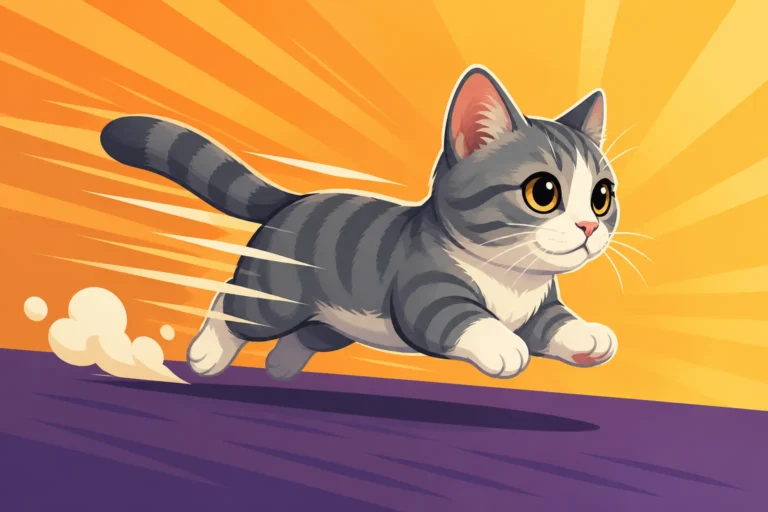
Before we dive into specific tricks, it’s important to appreciate how your Munchkin's body works and how they navigate their world. Unlike what some might assume, their short legs don't make them clumsy or slow. In fact, many Munchkin owners will tell you they are A Munchkin Is a Normal Cat That Cannot Reach, but they are often incredibly fast on the flat and surprisingly agile. Their low center of gravity often allows them to corner with an impressive swiftness, almost like a ferret darting around.
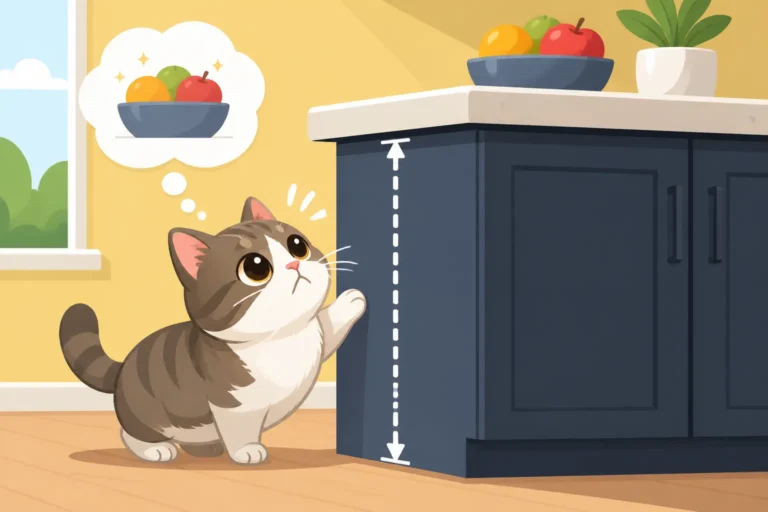
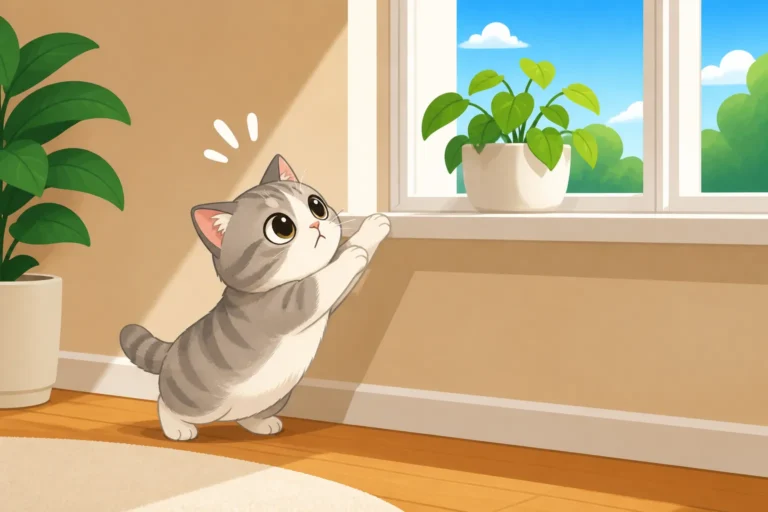
Their vertical leap might not be as high as a long-legged cat, and they can't quite make the kitchen counter in a single bound, which can be a bit of a frustration for both cat and owner at times, but they compensate with cleverness and persistence. They are master strategists when it comes to getting to higher places, often utilizing furniture as a series of steps or ramps. This inherent problem-solving ability is a huge asset when it comes to trick training. They're not just waiting for you to lift them; they're figuring out their own routes. This tenacity means they are often eager to engage in activities that challenge their minds and bodies in appropriate ways.
The Prairie Dog Sit: A Natural Munchkin Trick
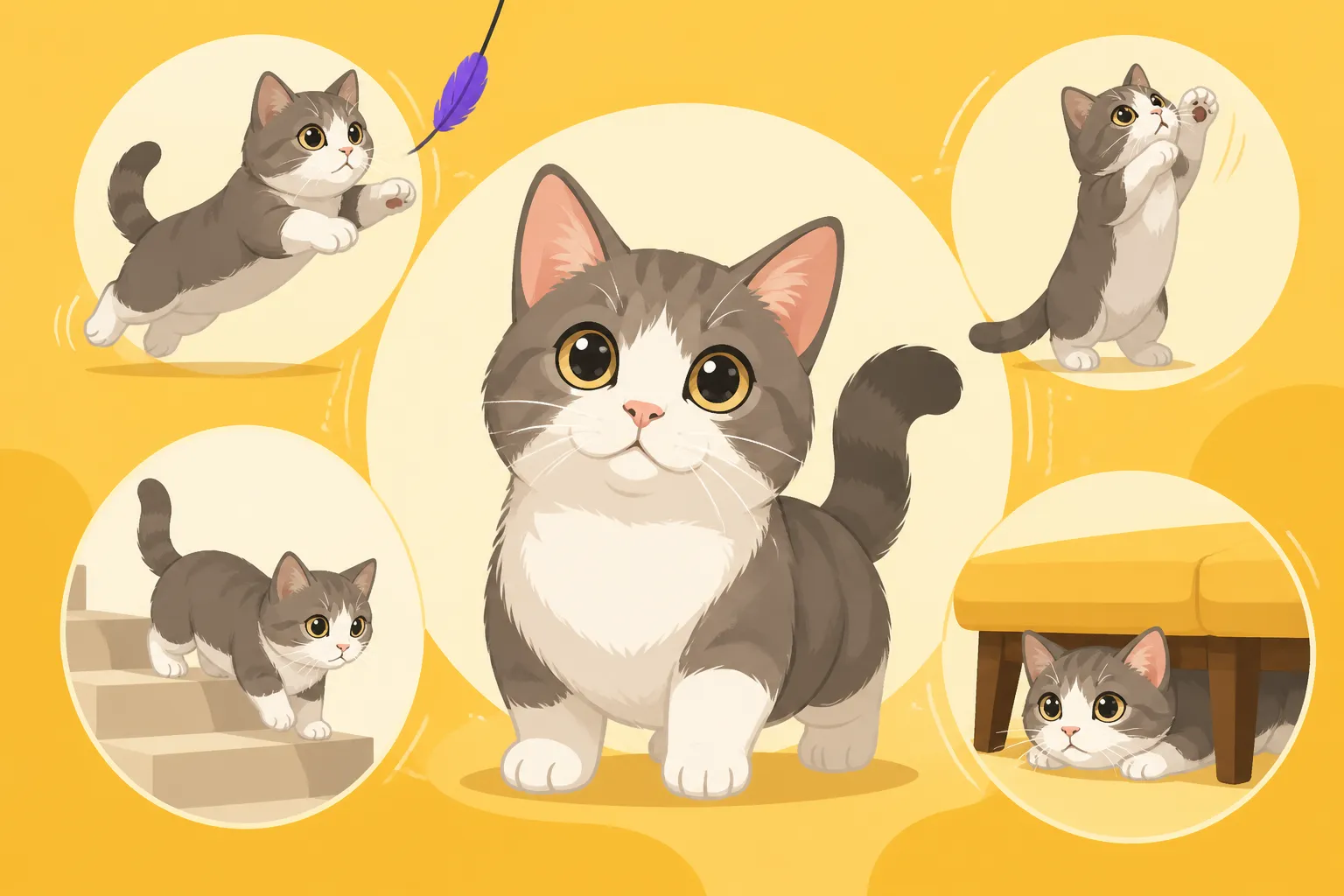
One of the most iconic and beloved behaviors of a Munchkin is their "prairie dog sit." If you've ever seen a Munchkin, you've likely witnessed them sitting up on their hind legs, paws tucked neatly, peering around with an almost human-like curiosity. This isn't just a cute quirk; it's a natural adaptation that allows them to get a better vantage point in a world built for taller creatures. For a Munchkin, this posture is their way of surveying their surroundings, looking for you, or checking out what’s happening on the counter.
This behavior is practically a ready-made trick! You can easily put this natural inclination on cue. Using a treat or a favorite toy, slowly lure your Munchkin into the sit-up position. As soon as their front paws leave the ground and they hold the pose, even for a second, mark the behavior with a clicker (you can find affordable clickers on Amazon!) and reward them generously. Repeat this several times a day in short, fun sessions, and soon your Munchkin will be sitting up on command, showing off their unique charm. It's a fantastic starting point for trick training because it leverages something they already do instinctively.
Low-Impact Movement Tricks
Because of their unique build, focusing on tricks that involve ground-level movement or minimal jumping is often the most comfortable and rewarding for Munchkins. These tricks celebrate their speed and agility on the flat, rather than pushing their vertical limits, which is better for their long-term joint health.
One of the easiest and most impressive tricks a Munchkin can master is a fast "come" or a "recall." They are typically quite responsive and enjoy being close to their people. Use a high-value treat and a clear verbal cue. Start in a quiet room, call their name and "come," and reward them as soon as they take a step towards you. Gradually increase the distance and add distractions. Seeing your little Munchkin sprint across the room on command is truly delightful. How Fast a Munchkin Runs on Level Ground will really surprise you when they're motivated!
Another excellent low-impact trick is "follow" or "target." This involves teaching your Munchkin to touch their nose to your finger or a target stick. You can buy target sticks specifically for cat training on Amazon, or even just use a chopstick. Hold the target near their nose, and as soon as they touch it, click and treat. Once they reliably touch it, you can start moving the target a short distance, leading them around obstacles or even through small tunnels. This is a brilliant way to encourage movement without strain and can be a stepping stone for more complex agility-style activities.
Common Tricks a Munchkin Can Master
Even with shorter legs, many classic cat tricks are well within a Munchkin's capabilities. It just sometimes requires a bit of adaptation from our end, making sure we set them up for success. Remember, positive reinforcement, patience, and short, frequent training sessions are key to keeping them engaged and happy.
Sit and Stay
These foundational obedience commands are just as achievable for a Munchkin as for any other cat. The "sit" is often one of the first things a cat learns. Hold a treat above their head, slowly moving it back towards their tail. As their rear naturally lowers to the ground, say "sit," click, and treat. Once they're reliably sitting, you can introduce "stay." Ask for a sit, then take one small step back, say "stay," and if they hold it, return, click, and treat. Gradually increase the distance and duration. The mental engagement of these commands is great for their overall well-being.
High Five and Paw Shake
These adorable paw-based tricks are perfect for a Munchkin. To teach "high five," hold a treat in a closed fist. When your Munchkin paws at your hand to get the treat, open your hand slightly, say "high five," click, and reward. Once they understand the concept, you can hold your open palm out. For "paw shake," gently take their paw in your hand, say "shake," click, and treat. Always be gentle and make it a positive experience. These tricks are great for bonding and show off their cute little paws!
Come When Called
This trick isn't just fun; it's genuinely useful for a Munchkin, especially since they can't always jump up to safety or easily escape from potential dangers. Teaching your Munchkin to reliably Teaching a Munchkin to Come When It Is Time to Be Lifted is a lifesaver. Start in a quiet room, say their name and "come," and when they respond, even with a glance, immediately reward them. Gradually increase the distance and introduce mild distractions. Always make "come" a positive experience, associating it with treats, cuddles, or playtime. This is crucial for their safety, especially if you ever have to quickly get them away from an open door or a curious child.
Go Through Tunnel
Munchkins absolutely adore tunnels! Their low-slung bodies are perfectly designed for darting through them, making this a fantastic trick for enrichment and mental stimulation. You can buy collapsible cat tunnels very easily, often in multi-packs on Amazon, which are super simple to set up. Start by luring your Munchkin with a treat or toy through a short, straight tunnel. Once they go through, reward them enthusiastically. As they get more confident, you can use longer tunnels or even connect multiple tunnels to create a fun maze. This taps into their natural ferret-like movement and provides great exercise.
Advanced Tricks and Adaptations for Munchkins
While some tricks might seem out of reach for a Munchkin due to their short stature, with a little creativity and thoughtful adaptation, many "advanced" behaviors can be modified to suit their unique physicality.
Weave Poles or Agility Courses (Adapted)
Full-scale agility courses designed for long-legged cats might be too much, but scaled-down, floor-level versions are perfect for Munchkins. Instead of high jumps, think low hurdles or weave poles that are just a few inches tall. You can even use everyday items like empty paper towel rolls for weave poles. Teach your Munchkin to follow a target stick or a laser pointer (with caution and always ending on a treat or toy, so they don't get frustrated chasing an uncatchable light) through a series of poles or over small obstacles.
Building a mini course is simple. Use objects they can easily navigate under or around. The key is to keep everything at their level. This type of activity stimulates their minds, encourages physical activity, and can be incredibly rewarding for both of you. Remember to ensure that any surfaces they move on offer good grip; Why a Munchkin Slips on Laminate can be a real issue, so consider using rugs or mats on slippery floors.
Fetch (With Modifications)
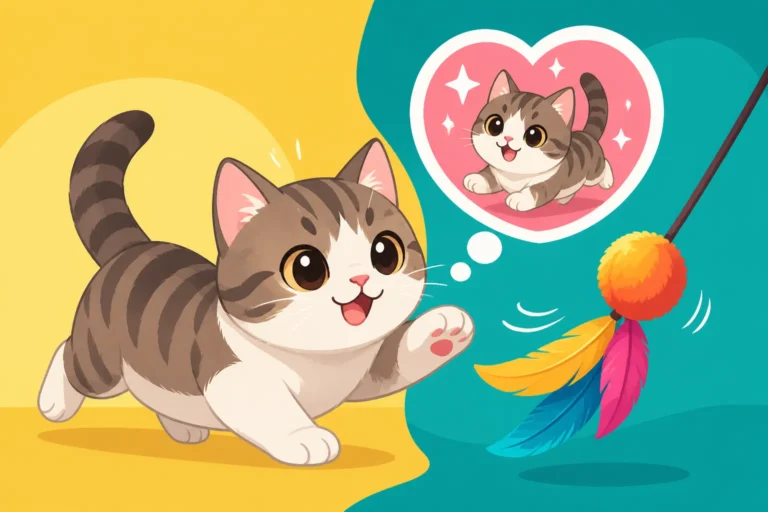
Yes, a Munchkin can absolutely play fetch! They might not launch themselves into the air to catch a toy, but they often love chasing and retrieving. Focus on small, lightweight toys that are easy for them to carry in their mouths and don't require high jumps or long stretches. A crinkle ball or a soft plush mouse is often a big hit. Start by throwing the toy a very short distance, rewarding them when they bring it back. If they just bat it around, that's okay too! Make it a fun, low-pressure game. Which Wand Toys Suit a Munchkin's Reach are often great for encouraging them to chase and pounce on the floor, which can transition into fetch games.
Using Ramps and Steps on Cue
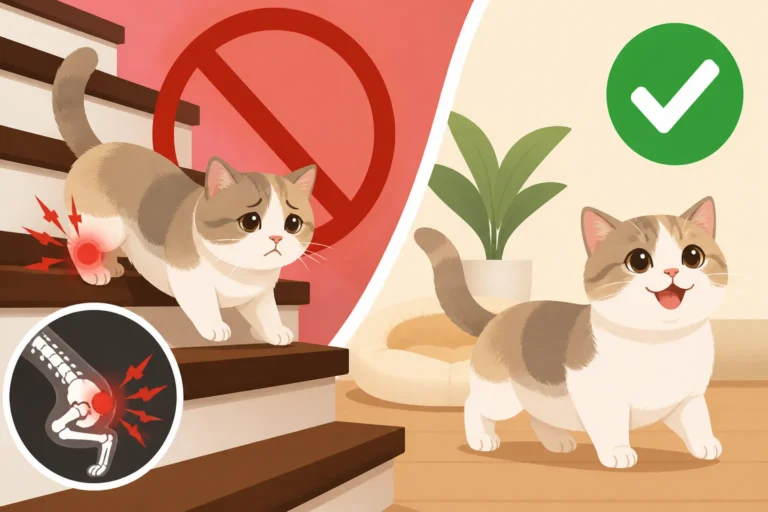
While not a "trick" in the traditional sense, teaching your Munchkin to consistently use ramps and steps on command is a highly valuable skill that improves their quality of life. Many Munchkin owners invest in Ramps and Steps Are Munchkin Equipment, Not Luxuries to help their cats access furniture. You can teach your Munchkin to How to Teach a Munchkin to Use Its Ramp on Cue by using a treat to lure them onto the ramp, rewarding them at the top. Pair this with a verbal cue like "ramp up" or "steps." This not only helps them navigate their environment safely but also engages their minds and strengthens your bond. It's a proactive step in preventing potential joint strain from repeated jumping down from heights.
| Trick Category | Standard Cat Approach | Munchkin Adaptation / Consideration | Ease for Munchkin |
|---|---|---|---|
| Sit/Stay | Standard luring and rewarding | Identical to standard cat training | Easy |
| High Five/Shake Paw | Standard luring or gentle paw manipulation | Identical to standard cat training, may need to bend lower for comfort | Easy |
| Come When Called | Standard recall, can involve jumping to owner | Emphasize ground-level approach; reward lavishly for fast, direct movement; crucial for safety since they can't climb out of reach. | Easy (and Vital) |
| Go Through Tunnel | Standard lure through tunnel | Excellent fit for their body shape; natural behavior. Use tunnels often for enrichment. | Very Easy |
| Fetch | High jumps, quick retrieves from various heights | Focus on small, lightweight toys at floor level; reward for bringing it back, even if not directly to hand. Low-level play is key. | Medium |
| Agility Course | High jumps, weaving through tall poles | Scale down jumps to low hurdles (1-2 inches), use floor-level weave poles (e.g., paper towel rolls), ramps for elevation changes. Focus on speed and precision on the flat. | Medium (Adapted) |
| Jump Through Hoop | Standard jump through hoop at various heights | Keep hoop very low, just above their head. Focus on stepping through rather than leaping. Consider a "crawl through" hoop instead. | Medium (Adapted) |
| Prairie Dog Sit | Not a standard cat trick; usually unique to Munchkins | N/A – This is a natural Munchkin behavior! Easily put on cue with a lure and reward. | Very Easy (Natural) |
Tips for Successful Trick Training with Your Munchkin
Trick training is more than just teaching a cat to do something cute; it's a fantastic way to bond with your Munchkin, provide mental stimulation, and ensure they stay active and healthy.
Keep Sessions Short and Positive
Cats, including Munchkins, have notoriously short attention spans when it comes to formal training. Aim for 5-10 minute sessions, once or twice a day. Always end on a positive note, even if it's just repeating an easy trick they know. This keeps them enthusiastic and eager for the next session. Never force your Munchkin to do something they don't want to do, as this can damage your relationship and make them resistant to future training. Patience and consistency are your best friends.
Use High-Value Rewards
What motivates your Munchkin? Is it a specific treat, a favorite toy, or a good ear scratch? Identify what your cat loves most and reserve these "high-value" rewards specifically for training sessions. For some Munchkins, How Much Floor Level Play a Munchkin Needs means a session with a wand toy is the ultimate prize. Using something they absolutely adore will make them much more engaged and willing to participate. Rotate treats to keep things exciting!
Break Down Complex Tricks into Small Steps
If a trick seems too difficult, break it down into tiny, achievable steps. For example, if you're teaching them to go through a tunnel, first reward them for looking at the tunnel, then for approaching it, then for putting one paw in, then for their head, and so on. This method, called "shaping," makes learning less intimidating and builds their confidence with each successful step. Remember, celebrate every little victory!
Adapt to Their Physicality
Always be mindful of your Munchkin's unique physical structure. Avoid tricks that require sustained jumping, balancing on narrow ledges, or excessive stretching. Focus on their strengths: their ground-level agility, their problem-solving skills, and their delightful ability to sit up. Why a Munchkin's Spine Carries a Load a Normal Cat's Does Not means we need to be extra careful not to put undue strain on their back, especially during intense physical activities. If a trick seems to cause any discomfort or hesitation, it's best to modify it or choose a different one.
Use a Clicker
A clicker is an invaluable tool for trick training. It provides a precise "marker" for the exact moment your Munchkin performs the desired behavior, followed immediately by a reward. This clear communication helps your cat understand exactly what they did right. Pair the click with a treat every single time until your Munchkin associates the click with good things. Clickers are inexpensive and widely available on platforms like Amazon, and they can dramatically speed up the learning process for many cats.
Incorporate Play
Remember that for cats, play is learning. Incorporate elements of training into their regular playtime. If your Munchkin loves chasing a toy, use that energy to teach them to navigate around obstacles or retrieve items. Make training feel like a fun game, not a chore. This also means understanding How a Munchkin Changes Direction at Speed and letting them use their natural abilities in a constructive way.
Ultimately, your Munchkin cat is a wonderfully capable and intelligent creature. With a little understanding, patience, and a positive approach, you’ll be amazed at What a Munchkin Does All Day at Floor Level and the clever tricks they can learn, proving that big personalities and impressive skills come in all sizes.
Disclaimer
This article is for general informational purposes only and does not constitute professional advice. Laws, prices and regulations vary by location and change over time. Consult a qualified professional for guidance on your specific situation.