Why a Munchkin Has to Relearn a House After a Move
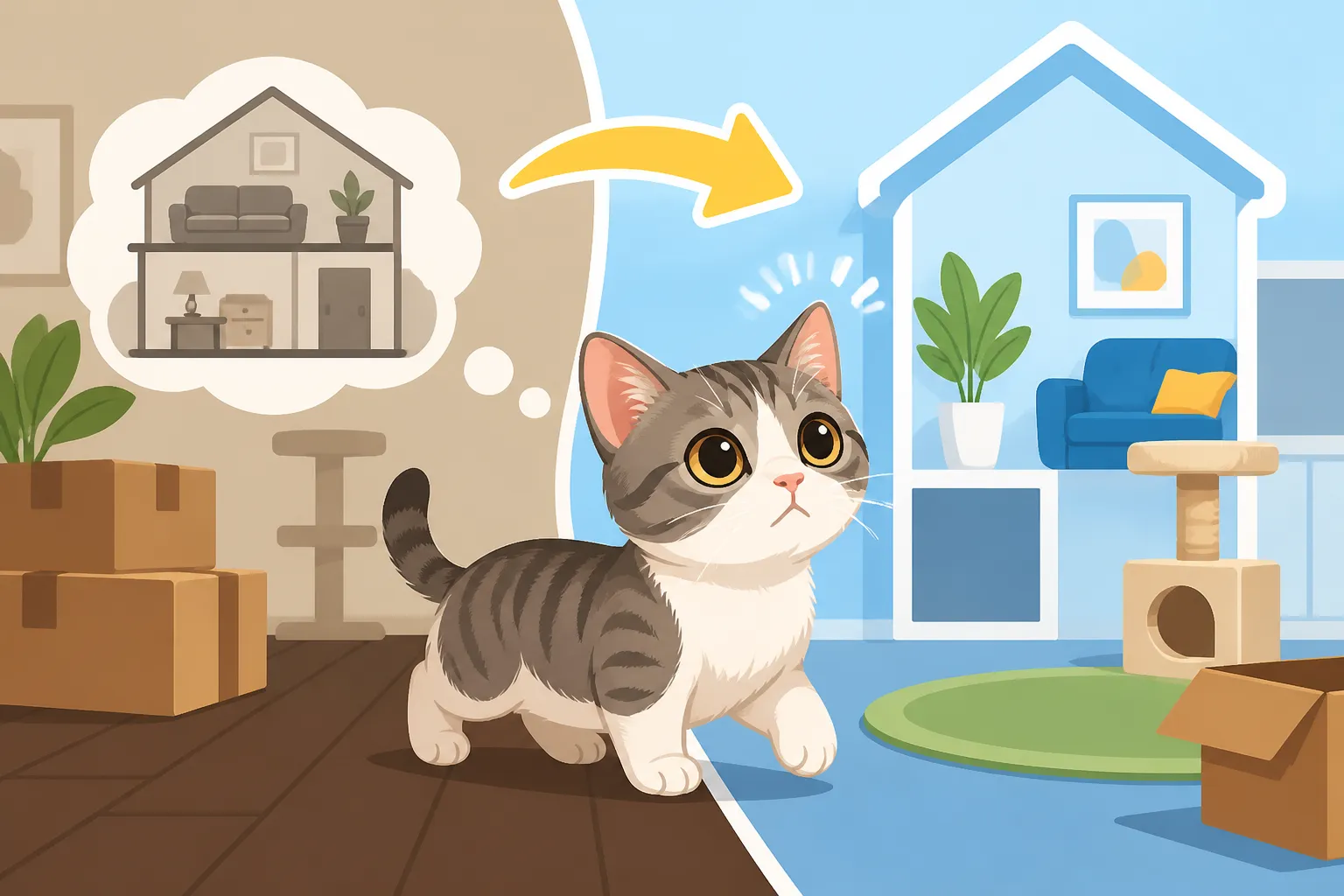
Moving house is a whirlwind of stress and boxes for us humans, but for our beloved Munchkin cats, it's an entirely different level of upheaval. You might think, "Oh, it's just a new space, they'll explore and be fine," but for a Munchkin, whose entire world is experienced from a lower vantage point and built on a carefully memorized geography of accessible surfaces, a move can be profoundly disorienting. This guide will walk you through why a Munchkin has to painstakingly relearn every inch of a new home and how you can make that transition as smooth and stress-free as possible for your short-legged companion.
The Unique Spatial Challenges of a Munchkin Cat After a Move
Imagine your daily life suddenly turned upside down. Your kitchen isn't where it used to be, your favorite chair is gone, and even the floor feels different under your feet. That's a fraction of what a Munchkin experiences during a move, amplified by their unique physical structure. Their short legs, while adorable, mean they perceive and navigate their environment in a way fundamentally different from a normal-legged cat.
How Short Legs Reshape Their World
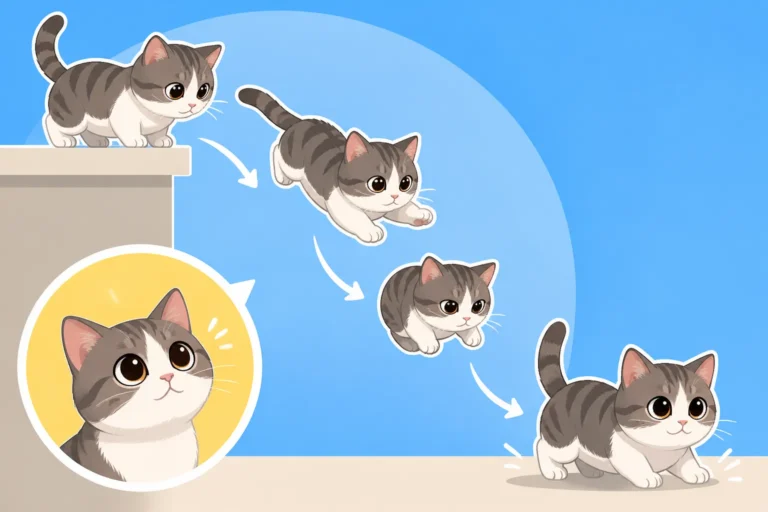
A Munchkin's world is a low-rise landscape. Unlike their long-legged counterparts who can effortlessly leap onto counters, scale cat trees, or jump from the floor to your bed in one fluid motion, a Munchkin's ability to gain height is severely limited. Their entire spatial understanding is built on ground-level pathways, strategic furniture placements, and the few, precious accessible steps or ramps you've provided. When you move, you're not just changing the wallpaper; you're obliterating their entire mental map of elevation and access. Suddenly, what was a short hop in the old house might be an impossible chasm in the new one. They might try to jump to a familiar height only to fall short, leading to frustration, potential injury, and a deep sense of insecurity. This isn't just about convenience; it's about their safety and their ability to reach vital resources and feel secure. How High a Munchkin Can Actually Jump is not very high, and they rely heavily on horizontal navigation.
For instance, your old sofa might have had a low, sturdy armrest that your Munchkin used as a stepping stone to get to your lap. In the new house, the sofa might be taller, or its arms might be plush and unstable. Your cat, accustomed to their old method, will approach the new sofa with the same intent, only to find it an insurmountable barrier. They then have to process this new physical reality and try to find an alternative, which can be exhausting and disheartening. It's a constant recalibration of what's possible and what's out of reach, something a long-legged cat rarely has to contend with in a new environment.
Disruption of Familiar Routes and Muscle Memory
Cats are creatures of habit, and Munchkins are no exception. They develop intricate muscle memory for navigating their home. They know exactly how many steps it takes to get from their favorite napping spot to their litter box, the precise angle to approach the ramp to the windowsill, or the exact trajectory needed to dash under the bed for a quick escape. This isn't conscious thought; it's an ingrained, almost automatic process.
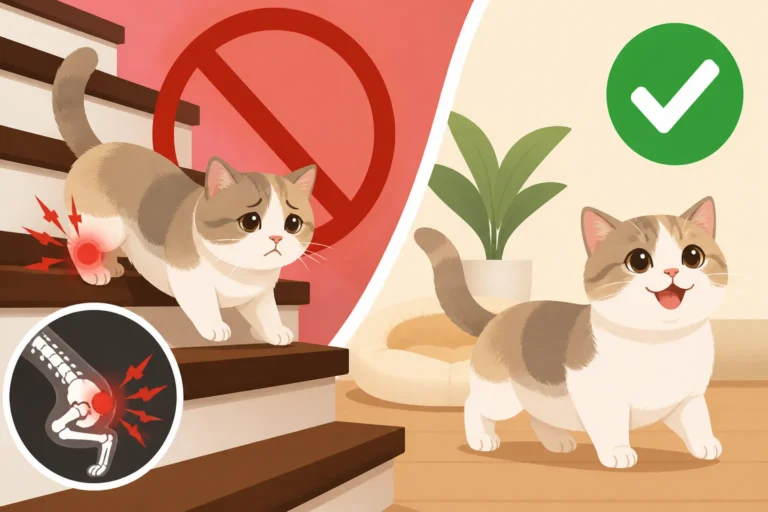
When you move, all of that muscle memory is wiped clean. Every turn is new, every distance is different, and every obstacle requires fresh assessment. They have to actively think about every movement again, which can be mentally draining and anxiety-inducing. Imagine driving to work every day for years, knowing every shortcut, every pothole, every traffic light. Then, one morning, your entire route has been redesigned, with new roads, new junctions, and your usual turnoffs completely gone. You’d feel lost and overwhelmed, right? That's what your Munchkin is feeling, but their navigation depends on tiny legs and a world scaled much larger. Even a slight change in floor plan can make their usual sprint from the living room to the kitchen feel like a long, arduous journey. It's why Why a Munchkin's Spine Carries a Load a Normal Cat's Does Not makes this kind of careful navigation even more critical, as missteps can have greater impact.
The Impact of New Textures and Elevated Surfaces
Beyond the layout, a new home introduces a host of sensory changes. The old house might have been carpeted throughout, providing excellent traction for those short legs. The new house might have slick hardwood or tile floors. These new surfaces can be incredibly challenging for a Munchkin, who relies on good grip to propel themselves forward and stop quickly. A sudden slip can be startling, painful, and erode their confidence in moving freely. They might become hesitant, taking smaller, more cautious steps, or even refusing to cross certain areas.
Furthermore, any changes in elevation, even subtle ones like a low threshold between rooms or a slightly raised rug, become significant obstacles. What a long-legged cat might step over without a second thought, a Munchkin might view as a wall. They'll have to figure out if they can scramble over it, if there's a shallower angle, or if they need to find an entirely different route around it. This is particularly true for items like cat trees, which are often designed for standard-legged cats. A Munchkin will need specifically designed structures or ramps to even consider climbing. Which Cat Tree Layout Suits a Munchkin is very specific, and a standard one will be useless. Each new texture and elevation requires an adjustment, adding to the mental load of learning a whole new environment.
Preparing for the Big Day: Minimizing Stress Before the Boxes Go
Moving is stressful enough for us, but for a Munchkin, it can be terrifying. Their sense of security is tied to their environment. Thoughtful preparation can make a world of difference in how quickly and confidently they adapt to their new abode. It's about proactive steps to cushion the blow and create a sense of continuity.
Gradual Acclimation to Moving Preparations
Don't wait until the last minute to introduce your Munchkin to the chaos of packing. Cats thrive on routine and predictability. The sudden appearance of boxes, the moving of furniture, and the general disruption can trigger anxiety long before the actual move. Start slowly. Bring out a few empty moving boxes a week or two beforehand and let them explore them. They might even find them fun to play in! This helps normalize the sight and smell of packing materials.
If you're buying new items for the new house, like ramps or a new carrier, introduce them early. Let your Munchkin explore the carrier at their own pace, perhaps leaving treats inside or their favorite blanket. This helps them associate these items with positive experiences rather than just being shoved into a scary box on moving day. Gently start changing small aspects of their environment, like moving their food bowl a foot or two, to slowly introduce the idea of spatial changes without overwhelming them. This gradual exposure helps them build resilience and reduces the shock of the big day itself.
The Power of a Dedicated "Safe Room"
This is perhaps the single most crucial step for a smooth transition. Before moving anything else into the new house, identify a quiet, low-traffic room – a bedroom or a spare room – that will be your Munchkin's dedicated "safe room." Before your cat even enters the new house, set this room up completely with all their essentials. This means their litter box (a low-entry one, of course!), food and water bowls (at floor level or slightly raised to ease their neck), a comfortable bed or two, and their favorite toys. Which Litter Box a Munchkin Can Actually Enter is key here – don't surprise them with a high-sided one.
Crucially, bring items from the old house that smell familiar: their old blankets, a well-used scratching post, even a piece of your unwashed clothing. These familiar scents will provide immense comfort in a strange new place. Place your Munchkin directly into this room when you arrive, with the door closed. This gives them a small, controlled environment to explore and feel secure in, without being overwhelmed by the entire vast, empty, or box-filled new house. They can decompress and adjust at their own pace.
Strategic Packing for Your Short-Legged Friend
When packing your belongings, think about your Munchkin's needs. Pack their essentials – food, water bowls, litter, favorite toys, and bedding – in a clearly marked "Munchkin First Aid" box that travels with you and is immediately accessible upon arrival. You don't want to be rummaging through dozens of boxes looking for their dinner bowl.
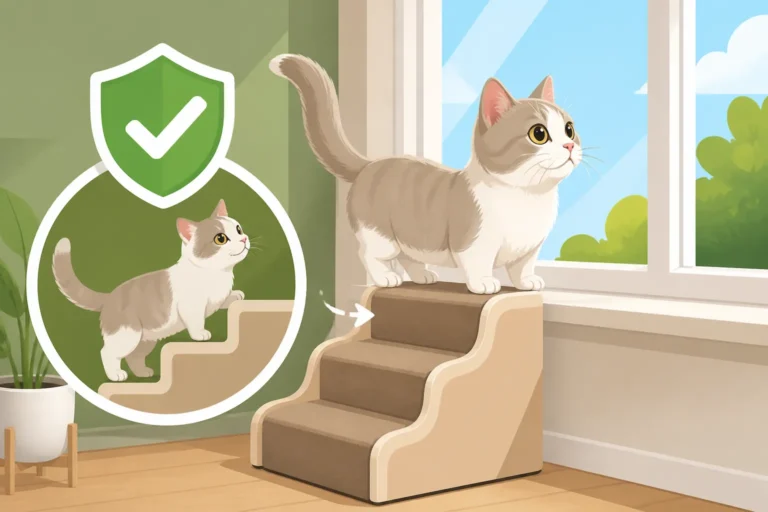
Consider creating small, temporary steps or ramps from stacked boxes or sturdy cushions around the safe room in the new house. This anticipates their need for elevation and prevents them from attempting risky jumps while you're still unpacking. For example, if their favorite elevated sleeping spot was a cat tree in the old house, ensure you have a temporary, low platform or steps ready to place next to a window in their safe room so they can still enjoy a view. You can even find modular pet stairs or ramps on sites like Amazon that can be easily set up. This kind of forethought minimizes their physical challenges during what is already an emotionally taxing time.
| Pre-Move Task | Importance for Munchkin | Actionable Steps |
|---|---|---|
| Introduce Boxes | High | Place empty moving boxes around 1-2 weeks prior. |
| Carrier Acclimation | High | Leave carrier out with treats/blankets; practice short trips. |
| Safe Room Prep | Critical | Set up one room first with all essentials (litter, food, bed, toys, familiar scents). |
| Pack Essentials | Critical | Create a "Munchkin Go-Bag" for immediate access. |
| Map New Obstacles | High | Identify potential challenges (stairs, high furniture) and plan solutions (ramps). |
| Familiar Scents | High | Bring unwashed blankets, toys, or shirts from old home. |
Settling In: Guiding Your Munchkin Through Their New Territory
The move itself is just the beginning. The real work of adaptation starts once you're in the new house. Your Munchkin needs patience, careful guidance, and a thoughtfully designed environment to truly feel at home again.
The Initial Safe Haven Setup
Upon arrival, as mentioned, immediately place your Munchkin in their pre-prepared safe room. Close the door firmly. Let them have quiet time to explore this smaller space. They will sniff every corner, rub their scent on familiar objects, and slowly start to understand this new miniature territory. Don't rush them out. Give them at least a few hours, ideally a full day or two, depending on their personality, before even thinking about introducing them to the rest of the house.
During this time, ensure you're spending quality time with them in the safe room. Play with their favorite toys at floor level, offer treats, and speak to them in soothing tones. This reinforces that you are still their constant, comforting presence, even if everything else has changed. Keep their routine as normal as possible within this room, with regular feeding times and litter box cleaning. Remember, Why a Munchkin's Food and Water Belong at Floor Level applies doubly now; don't make them work for sustenance in a stressful time.
Slow and Deliberate Introduction to New Areas
Once your Munchkin seems comfortable and confident in their safe room – eating, drinking, using the litter box, and showing signs of relaxation – you can begin to introduce them to the wider house. Do this very gradually. Start by opening the safe room door slightly and letting them explore the adjacent room, or just the hallway. Stay nearby, observing their reactions but not forcing them. Let their curiosity lead the way.
It's helpful to do this when the house is quiet and there are no other pets or loud noises. Never just let them loose in the entire house at once. This massive, unfamiliar territory can trigger extreme anxiety, causing them to hide and potentially making them harder to find or even traumatizing them. Repeat these short, supervised explorations, slowly expanding their accessible territory each time, always ensuring they have a clear, easy path back to their safe room if they feel overwhelmed. Over several days or even weeks, they will slowly map out their new kingdom, one room at a time.
Re-establishing Essential Resources and Routines
As your Munchkin explores, you'll need to strategically place resources throughout the new house. This means multiple litter boxes (at least one per floor, easily accessible with low entry), several water bowls, and potentially more than one feeding station, especially if your house is large. For a Munchkin, whose physical exertion is higher for seemingly simple tasks, having readily available resources is non-negotiable. Why a Munchkin Needs a Litter Box It Can Walk Into is especially critical in a new home where they are already stressed.
Maintain their feeding schedule and playtimes. Routines are profoundly comforting to cats, and re-establishing them quickly helps them feel secure. During play, focus on floor-level activities that don't require high jumps, keeping their unique needs in mind. Dragging wand toys along the ground or rolling crinkle balls are perfect. Observe where they naturally gravitate and make sure those spots are comfortable and accessible. This might involve placing a cat bed on the floor in their favorite sunny patch or adding a small rug to a slick area where they like to nap.
Long-Term Adaptation: Refining Their New Home Environment
The initial settling-in period is just the first phase. Long-term adaptation involves continuous observation and refinement of your home environment to ensure your Munchkin thrives and feels completely at ease in their new surroundings. It's an ongoing process of tweaking and adjusting as you learn their new preferences and needs.
Mapping New Accessible Pathways
Once your Munchkin has explored the entire house, you'll start to see the natural pathways they prefer. These are the routes that feel safest, most efficient, and require the least amount of effort for their short legs. Pay close attention to these patterns. Do they always take a specific detour around a piece of furniture that's too high? Do they avoid a certain patch of slippery floor? Your job is to reinforce and optimize these pathways.
This might involve rearranging furniture slightly to create continuous, uninterrupted ground-level routes. For example, pushing a low ottoman closer to a sofa can create an easy two-step ascent to the couch, rather than an impossible jump. Ensure that their most frequented areas – like their food, water, and litter boxes – are always connected by easy-to-navigate paths. Consider their perspective: what looks like a minor inconvenience to you might be a significant barrier to them. How a Munchkin Gets Where It Wants Without Jumping is by using strategic pathways, and you're their architect.
The Art of Strategic Ramp and Step Placement
This is where your inner interior designer meets Munchkin mobility expert. Ramps and steps are not luxuries for a Munchkin; they are essential accessibility tools. In a new house, you'll need to identify every spot where your Munchkin might want to gain height and provide a safe, stable means to do so. This includes access to beds, sofas, sunny windowsills, and perhaps even low shelves.
When choosing ramps or steps, remember that Why a Munchkin Refuses a Steep Ramp means they need gentle inclines. Look for products on Amazon that are specifically designed for pets, with non-slip surfaces and a stable base. Carpeted steps or ramps are often preferred for traction and comfort. Don't just place them and forget them; observe how your Munchkin uses them. Are they easy to access from their preferred routes? Are they sturdy enough that your cat feels secure? You might need to experiment with different placements or even construct custom solutions to perfectly fit your furniture and your cat's needs. Remember How to Set Up Ramps Around a Munchkin's House effectively requires thought and observation.
Observing and Responding to Behavioral Cues
Your Munchkin will tell you how they're feeling about their new home through their behavior. It's crucial to be a keen observer. Are they hiding more than usual? Are they reluctant to leave their safe room? Are they vocalizing more, perhaps asking to be picked up because they can't reach a favorite spot? Or are they showing signs of stress like over-grooming or changes in appetite? What a Munchkin Does When It Cannot Get Away might be hiding, and this could be a sign of distress.
Conversely, happy behaviors like exploring confidently, playing, using all their resources, and seeking out interaction are positive signs of adaptation. If you notice signs of stress, re-evaluate their environment. Do they need more safe hiding spots? Is a particular area too challenging? Is there too much noise or activity? Patience is paramount. It can take weeks or even months for a Munchkin to fully relearn and feel truly comfortable in a new home. Continuing to provide consistent routines, positive reinforcement, and a physically adapted environment will help them build confidence and eventually thrive. Remember, your goal is to help them feel like this new house is truly their house, a place where their short legs are no longer a limitation but just part of their charm.
Disclaimer
This article is for general informational purposes only and does not constitute professional advice. Laws, prices and regulations vary by location and change over time. Consult a qualified professional for guidance on your specific situation.