What an Old Munchkin Needs Once Its Ramps Get Too Steep
Senior Munchkin cats experience ramp difficulties from arthritis, shoulder and elbow pain, and muscle loss affecting their aging joints.
The daily stuff, done right.
Feeding amounts by life stage, coat and skin routines, dental and nail care, exercise needs, and what changes as they age.
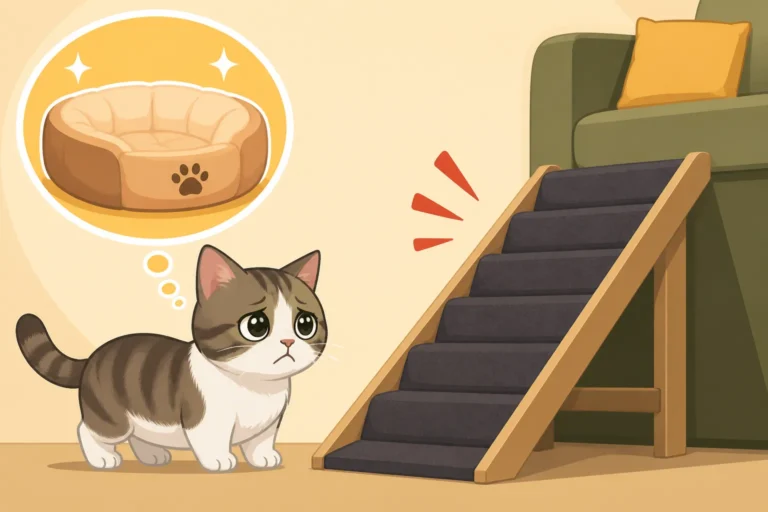
Senior Munchkin cats experience ramp difficulties from arthritis, shoulder and elbow pain, and muscle loss affecting their aging joints.
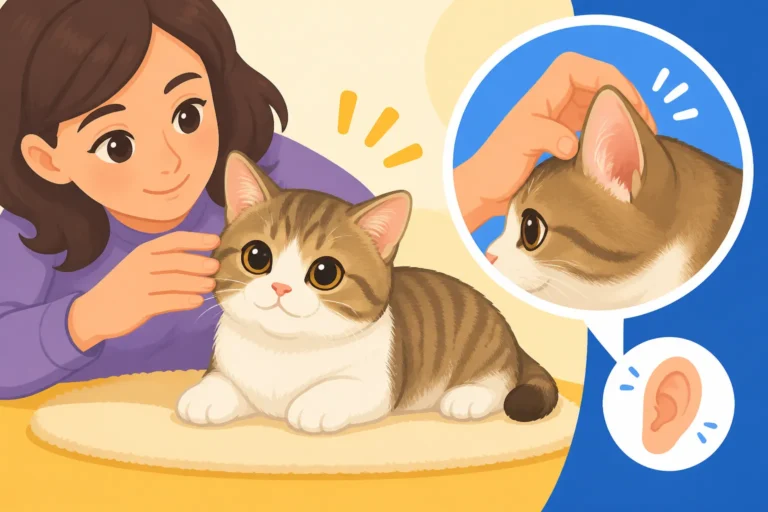
Gentle methods for checking a Munchkin cat’s ears without lifting them prevent physical strain and reduce stress during health checks.
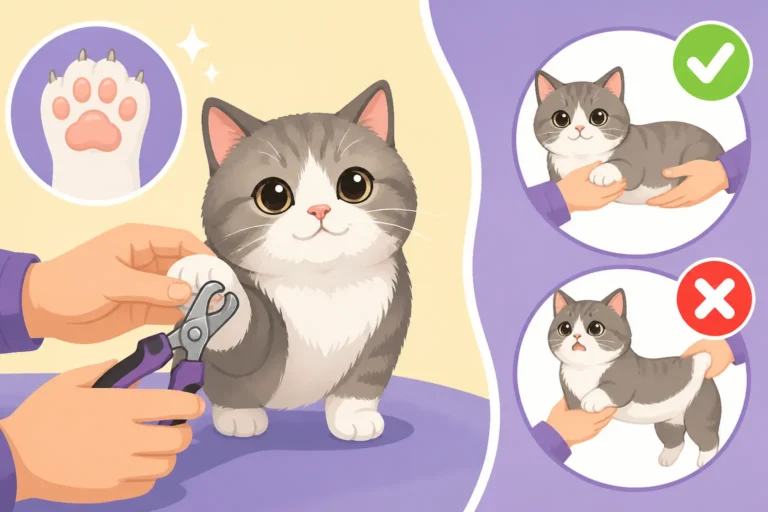
Safe claw trimming techniques protect short Munchkin cat legs and normal length spines from painful joint strain and arthritis.
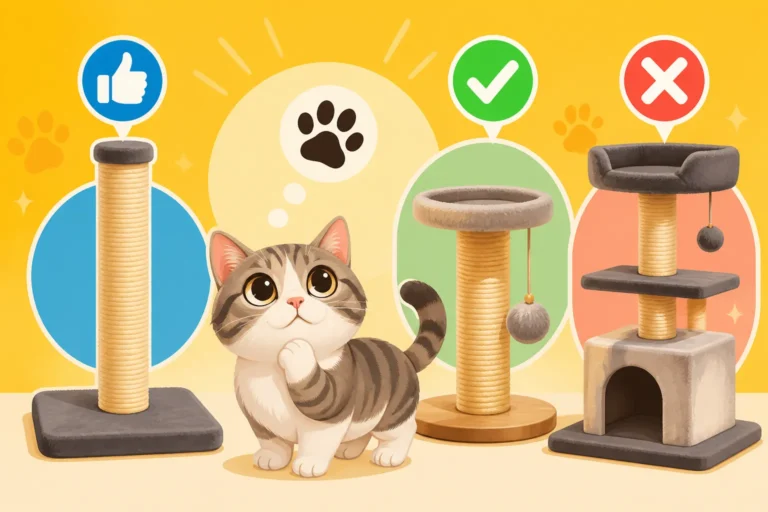
Standard scratching posts fail Munchkin cats because short legs limit vertical reach and balance, requiring low scratching solutions instead.
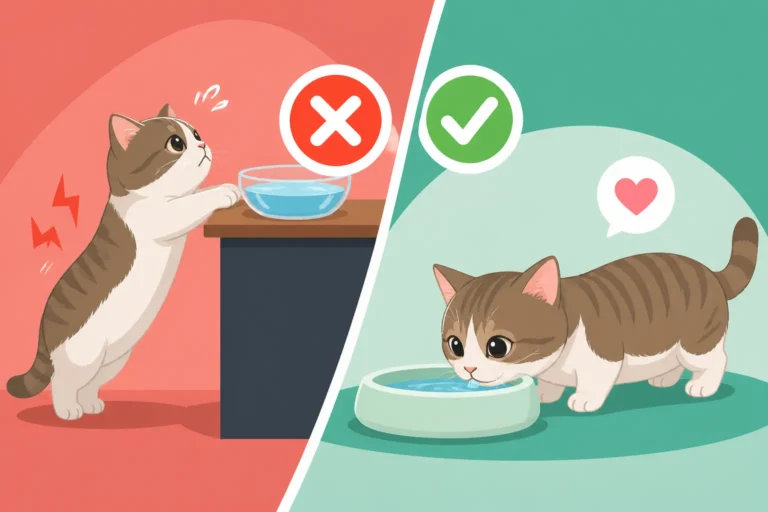
Munchkin cat water bowls cause painful neck strain and health issues because short legs limit normal reaching and stretching.
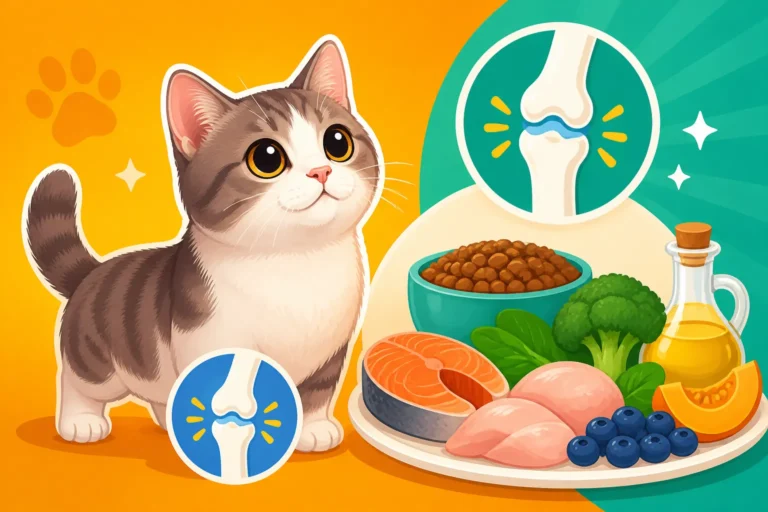
Munchkin joint health requires weight control and specific nutrients like glucosamine and chondroitin in cat food to support cartilage and mobility.
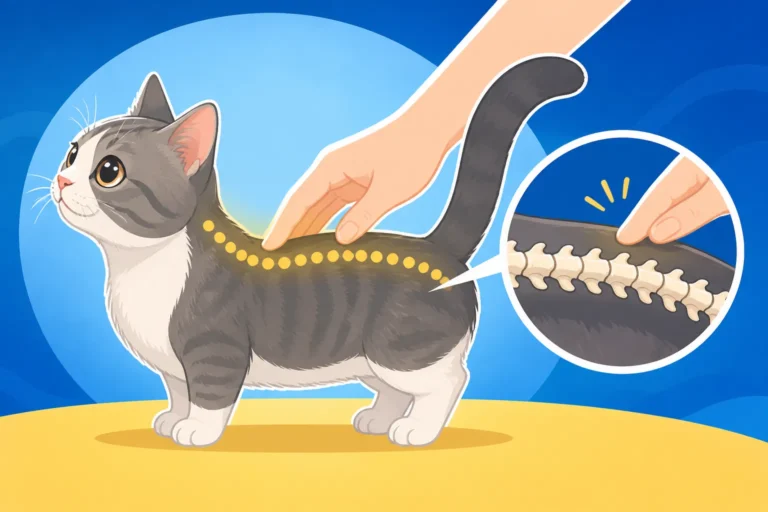
A lean Munchkin cat spine should feel firm to the touch, helping owners monitor health beneath their low-slung torso and short legs.
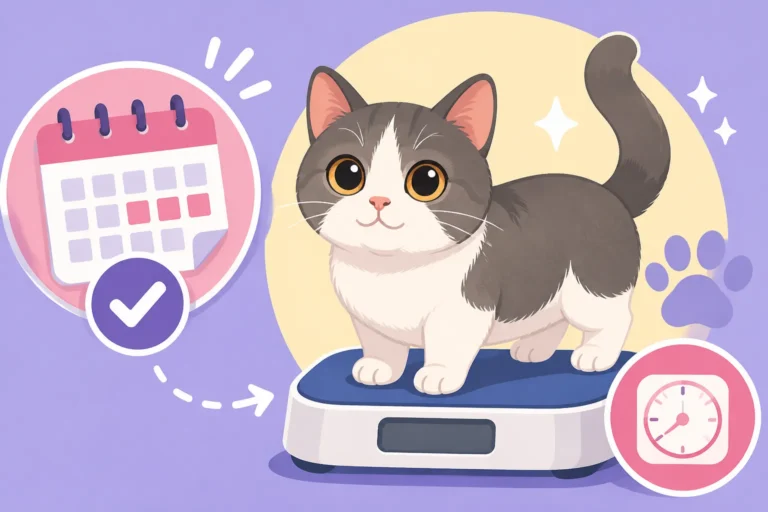
Weekly weight monitoring for short-legged Munchkin cats prevents obesity, detects early health issues, and protects the spine.
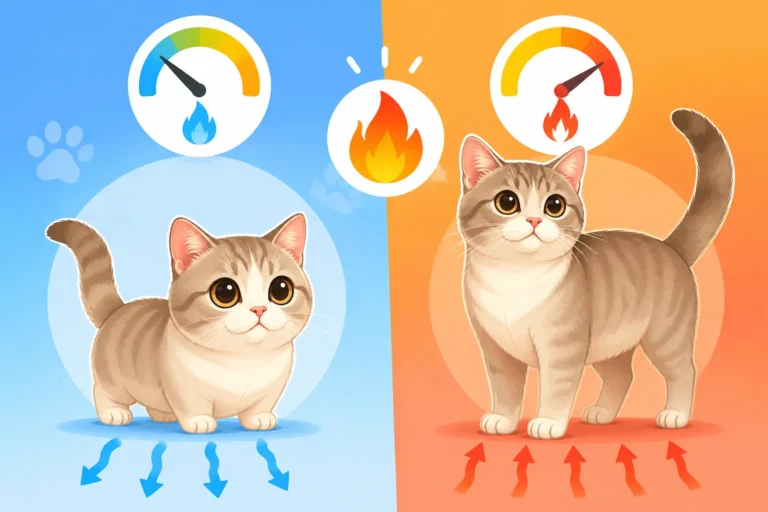
Munchkin cat short legs reduce movement range and muscle mass, causing lower calorie burn compared to normal-legged cats.
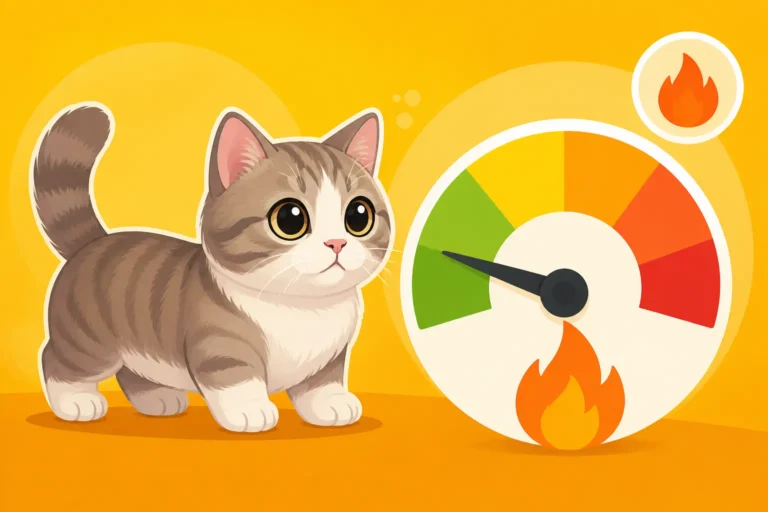
Munchkin cat calorie burn rates and lower energy expenditure explained by short legs, reduced jumping, and unique low slung gaits.