Why Only TICA Papers Exist for a Munchkin
The International Cat Association provides official registration papers for Munchkin cats because other major registries reject the breed.
The price tag is the smallest number.
Purchase and adoption costs, insurance, routine vet care, food and grooming budgets, and the emergencies that change the total.
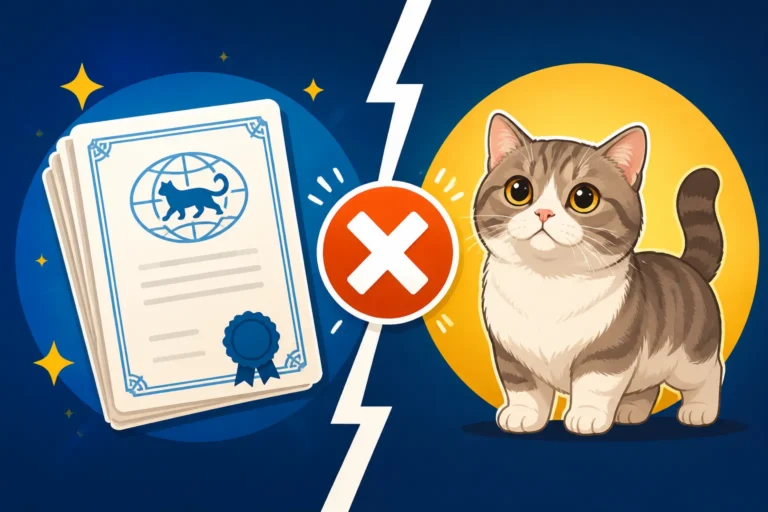
The International Cat Association provides official registration papers for Munchkin cats because other major registries reject the breed.
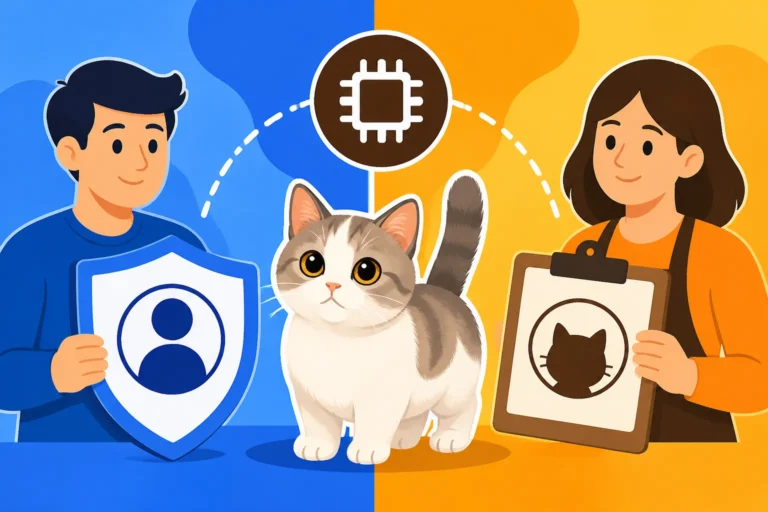
Munchkin kitten microchip registration explains whether the breeder or the new owner holds ownership records and details the transfer process.
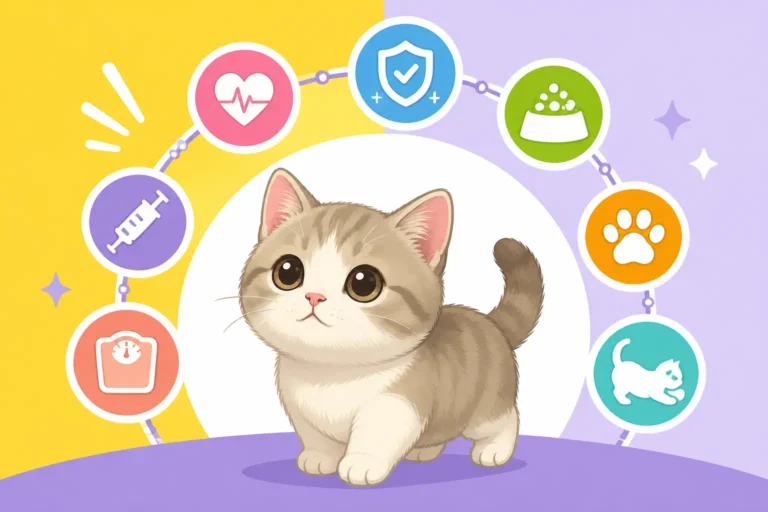
Munchkin kitten health care milestones before twelve weeks include initial veterinary exams, core vaccinations, and deworming schedules.
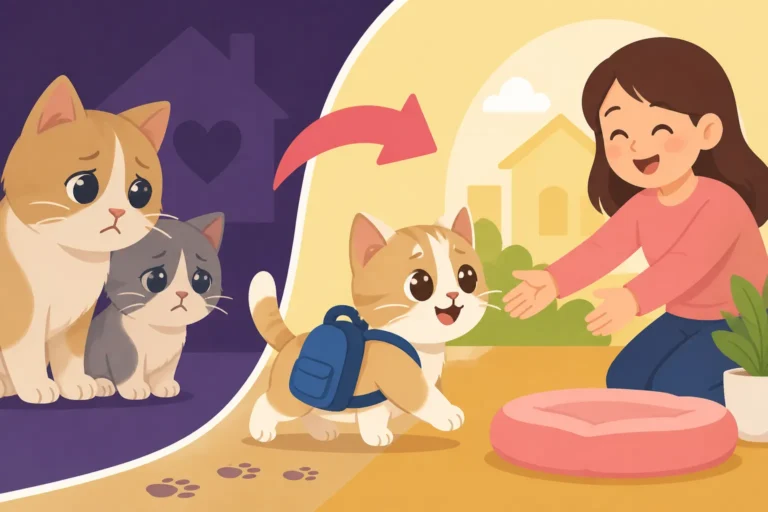
Munchkin kittens stay with breeders until twelve weeks old for complete weaning, robust immunity, and vital social development.
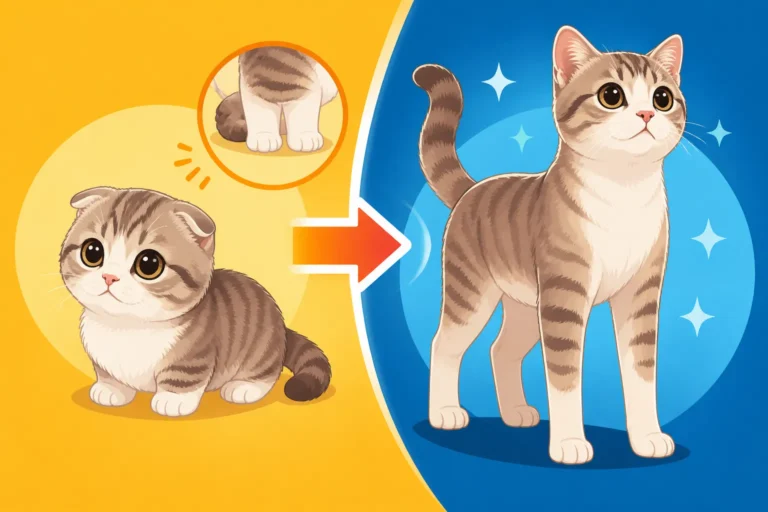
Munchkin cat genetics explain why breeding pairs produce litters with short and standard legs, resulting in healthy kittens.
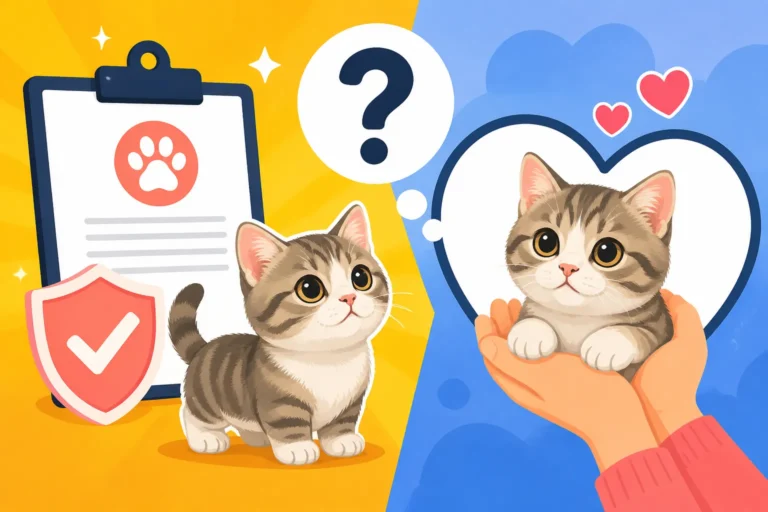
Munchkin kitten deposit policies determine whether your funds secure a specific animal or a waitlist position based on the written contract terms.
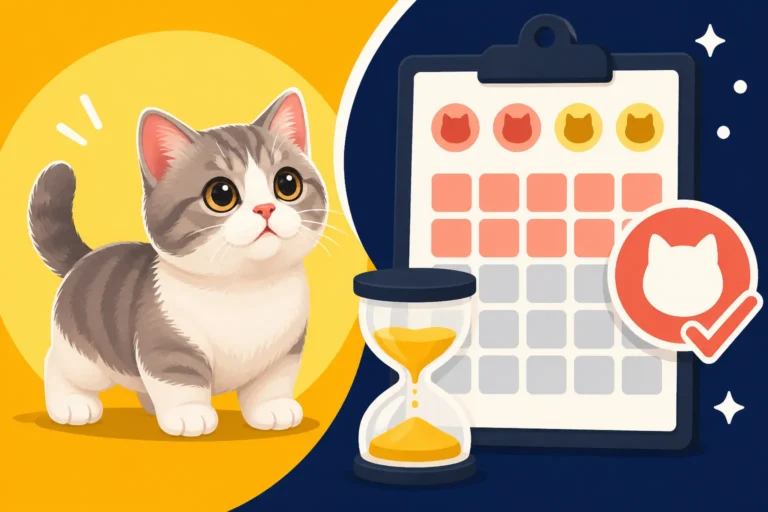
Munchkin cat litter wait times, genetic breeding rules, and ethical breeder practices explain why litters are booked far ahead.
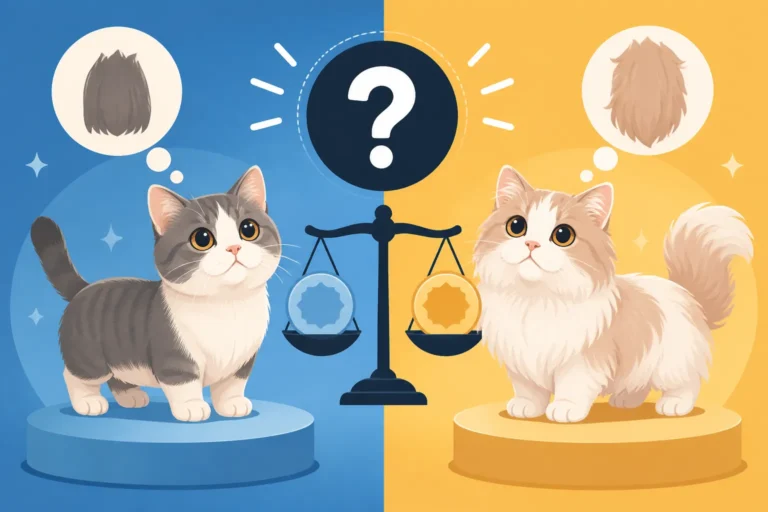
Munchkin cat prices depend primarily on leg length rather than coat type, making short-legged rug hugger kittens much more expensive than others.
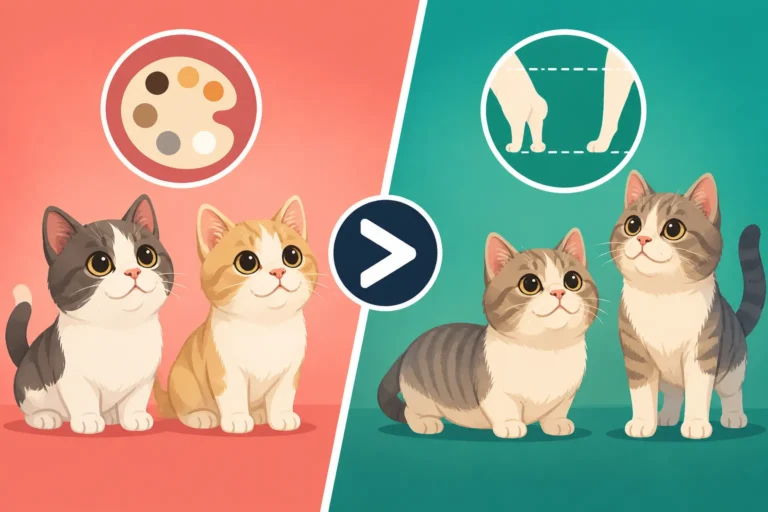
Munchkin cat leg length determines price and health far more than coat color, driven by an autosomal dominant gene affecting bone growth.
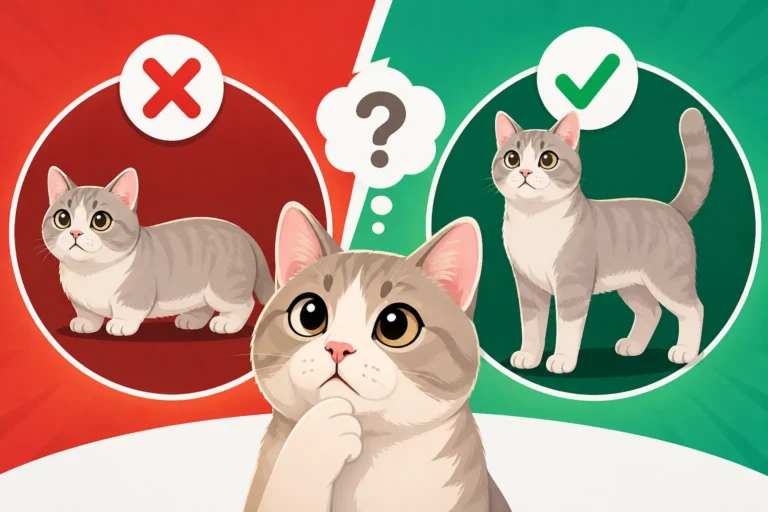
Long-legged Munchkin cat genetics explain why normal-legged kittens from Munchkin litters never carry the dwarfism gene.