Whether Importing a Munchkin From Japan Is Worth It
Many cat lovers dream of welcoming a Munchkin into their home, and sometimes, a captivating image or breeder profile from Japan sparks the idea of importing one. It's easy to get swept up in the romantic notion of a truly unique pet from a faraway land, perhaps believing you'll find a higher quality or a specific look that's unavailable closer to home. However, the reality of international pet import is far more complicated and costly than most people anticipate, laden with logistical hurdles, significant expenses, and considerable stress for both you and the kitten. This guide will meticulously break down whether importing a Munchkin from Japan is truly worth the effort, shining a light on the hidden costs, ethical considerations, and practical challenges involved.
The Allure and Reality of Japanese Munchkin Ownership
There's no denying the powerful draw of a Munchkin cat. Their short legs and playful demeanor capture hearts, and the idea of acquiring one from a place known for its exquisite animal care and unique aesthetic trends can feel incredibly special. But it’s crucial to separate the idealized vision from the ground truth of what such an undertaking actually entails.
Why Japan's Munchkin Market Stands Out
Japan has a fascinating and often luxurious pet market, where certain breeds, including the Munchkin, are immensely popular. Breeders there often present their kittens with incredible care, beautiful photography, and a focus on specific "looks" that might appeal to a global audience. You might encounter listings showcasing Munchkins with particularly striking coat patterns, unique facial features, or an almost doll-like appearance that seems to be highly sought after. This high demand within Japan itself can sometimes lead to very competitive pricing, even before considering international logistics. The perception of meticulous breeding standards and careful handling can also fuel the desire to look overseas, assuming that a higher price tag automatically equates to a superior animal. Many prospective owners get caught up in this allure, imagining their Japanese Munchkin as a truly rare gem.
Unpacking the Initial "Worth" – Price vs. Value
When you first see a Munchkin kitten listed by a Japanese breeder, the price might initially seem appealing, or perhaps it’s high but you rationalize it by thinking it justifies the exclusivity or supposed superior lineage. This initial price, however, is merely the tip of a very large iceberg. The true "worth" of importing a cat stretches far beyond the breeder's asking price. What often goes unsaid are the myriad of additional costs that pile up, turning an attractive figure into an astronomical one. We’re talking about export fees, specific veterinary certifications, mandatory quarantine periods, specialized travel crates, and the exorbitant cost of air cargo. These aren't minor incidentals; they are substantial expenses that can quickly double, triple, or even quadruple the initial cost of the kitten. The emotional value you place on having a unique pet is certainly real, but the practical financial and logistical value needs a cold, hard look before you commit. It’s not just about what the cat costs, but what the entire process costs, both financially and emotionally.
The Complexities and Costs of International Pet Relocation
Transporting an animal across international borders is an incredibly complex process, governed by strict regulations designed to protect animal welfare and prevent the spread of diseases. It’s not simply a matter of booking a flight; it’s a detailed, multi-step undertaking that requires meticulous planning and significant financial investment.
Navigating Import Regulations and Paperwork
The sheer volume of paperwork required for international pet travel can be overwhelming. Each country has its own specific import regulations, which can change frequently and without much warning. You'll need to coordinate vaccinations, which often include a rabies vaccine administered within a specific timeframe, followed by a waiting period. Then there's the microchip, which must be ISO compliant. Health certificates need to be issued by a government-approved veterinarian in Japan, often within a very narrow window (sometimes just 10 days) before travel. These certificates then often need to be endorsed by the Japanese government’s veterinary authority. Trying to navigate these requirements from a different country, often with a language barrier, can be incredibly stressful and prone to error. A single missed deadline, an incorrectly filled form, or a slightly off vaccination date can lead to your kitten being denied entry, held in extended quarantine, or even sent back to Japan. For example, some countries require a rabies titer test after vaccination, with a several-month waiting period before the cat can enter. This means a kitten might need to stay in Japan for an extended period, accruing boarding costs, long after you've paid for it. It's a bureaucratic maze, and one misstep can be incredibly costly. This kind of detailed planning is vastly different from ensuring your cat gets Which Vaccines an Indoor Munchkin Needs for local care.
The Financial Burden of Pet Importation
Let's talk numbers, even if we can't provide exact figures because they fluctuate wildly. The purchase price of the Munchkin kitten itself is just the beginning. You’ll then have export fees from the Japanese breeder, which cover their time and expenses for preparing the cat for departure. Add to that the costs of multiple vet visits in Japan for required health checks, vaccinations, and official health certificates. Then comes the travel crate – not just any carrier, but an IATA-compliant, airline-approved crate, often custom-sized for comfort on a long journey. The largest expense is typically the air cargo fee. This isn't a passenger ticket; it's a specialized freight service that can run into thousands of dollars, depending on the route, airline, and size/weight of the animal. Beyond that, consider customs duties and taxes upon arrival, which can be a percentage of the declared value of the kitten. Many people opt to hire a professional pet import broker to handle all the intricate details, which adds another significant fee. If your destination country requires quarantine, that's another substantial weekly or monthly charge. When you tally it all up, the initial price of the kitten can easily represent less than a quarter of the total cost. It truly brings into perspective What a Munchkin Costs Over Thirteen Years when you consider just the import costs alone could buy several domestic cats.
The Health and Stress Factors for the Cat
Perhaps one of the most overlooked aspects of international pet import is the immense toll it takes on the animal. A Munchkin kitten, still young and developing, is particularly vulnerable to the stresses of long-haul travel. Imagine being placed in a crate, loaded into the cargo hold of an airplane, enduring hours or even days of unfamiliar noises, smells, temperature changes, and isolation. This isn't a leisurely trip; it's a traumatic event for many animals. Risks include severe dehydration, motion sickness, anxiety, weakened immune systems due to stress, and even heatstroke or hypothermia in extreme conditions. For a Munchkin, whose unique skeletal structure might already predispose them to certain physical considerations, the added stress of travel could potentially exacerbate underlying issues or create new ones. Vets often express concern about the impact of such journeys on any cat, let alone a breed that might have specific anatomical needs. It's a stark contrast to the routine vet visits where we consider Whether a Munchkin Is a Normal Anesthetic Risk for a planned procedure; this is an uncontrolled, high-stress situation.
Ethical Considerations and Long-Term Care Challenges
Beyond the immediate costs and logistics, importing a Munchkin from Japan also brings up important ethical questions and long-term care commitments that need careful consideration. Are you truly supporting responsible breeding? Are you prepared for the unique needs of a Munchkin, regardless of its origin?
Supporting Responsible Breeding Practices
When you purchase a kitten from a local breeder, you typically have the opportunity to visit their cattery, meet the parents, observe the living conditions, and get a feel for their breeding practices. This transparency is crucial for ensuring you're supporting ethical, responsible breeders who prioritize the health and welfare of their animals. With an international import, that level of due diligence becomes incredibly difficult. You’re often relying solely on photos, videos, and testimonials. How can you truly verify health clearances, genetic testing results, or ensure the parents are free of hereditary conditions? It's much harder to scrutinize What a Munchkin Breeder Should Be Able to Show You when they are thousands of miles away. While many Japanese breeders are highly reputable, the distance makes independent verification a significant challenge. Ensuring a breeder adheres to ethical standards, such as never breeding two short-legged Munchkins together to avoid lethal gene combinations, becomes a matter of trust rather than verifiable evidence. This feeds into the overall picture of What a Munchkin Costs Over Thirteen Years, as an unhealthy cat, regardless of origin, will incur significant long-term vet bills.
Adapting a Home for a Munchkin Cat
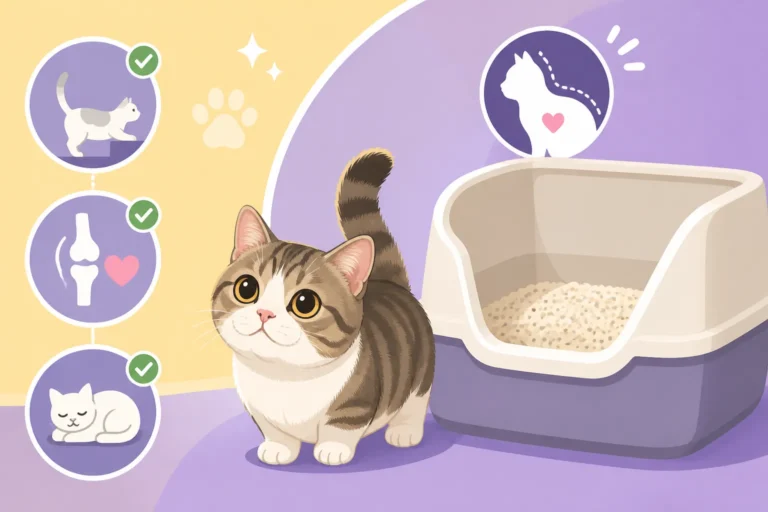
Regardless of where your Munchkin comes from, its unique anatomy means your home environment needs to be thoughtfully adapted. This isn't just a suggestion; it's a necessity for their comfort, safety, and long-term health. Munchkins, with their significantly shorter legs, can't jump as high as a typical cat. This means you’ll need to provide ramps, steps, or strategically placed furniture to allow them to access sofas, beds, windowsills, and other elevated spots that would be effortless for a longer-legged feline. For instance, you might find yourself browsing retailers like Chewy for a wide selection of pet ramps and low-entry litter boxes. A standard tall cat tree will be a frustrating and potentially dangerous obstacle. Ramps and Steps Are Munchkin Equipment, Not Luxuries, they are fundamental modifications. Similarly, you need to consider Why a Munchkin Needs a Litter Box It Can Walk Into to prevent unnecessary strain on their back and legs. Factor in the cost and effort of these adaptations, as they are a significant part of welcoming any Munchkin into your home, whether imported or not.
Ongoing Health and Wellness Monitoring
Bringing any cat into your life is a long-term commitment to its health and well-being, but for a Munchkin, particularly one that has endured the stress of international travel, this commitment takes on added importance. Regular veterinary check-ups are paramount, focusing not just on general health but also on monitoring their joints and spine. Munchkins can be prone to conditions like lordosis (an inward curvature of the spine) or pectus excavatum (a sunken chest), though these are not necessarily breed-specific to all Munchkins, diligent monitoring is wise. Moreover, weight control is absolutely critical for a Munchkin. Every extra pound puts disproportionate stress on their short legs and spine. A high-quality diet can support overall health, but portion control is key. Investing in pet insurance from a provider like Healthy Paws can be a wise decision, offering peace of mind against unexpected health issues that might arise, especially given the potential vulnerabilities of the breed and the stresses of relocation. Understanding Which Health Problems the Munchkin Actually Has and managing their weight effectively is crucial, as Why Weight Is More Dangerous on a Munchkin on their frame. Keeping an eye on How Much Weight a Munchkin Can Safely Carry and planning for Caring for a Munchkin Past Ten years requires foresight and dedication.
Alternatives to Importing a Munchkin from Japan
Given the substantial hurdles, costs, and risks associated with importing a Munchkin from Japan, it's worth exploring excellent alternatives that offer a much smoother, safer, and often more ethical path to Munchkin ownership.
Finding Reputable Domestic Breeders
The most straightforward and often safest route is to find a reputable Munchkin breeder in your own country or region. Local breeders offer invaluable advantages:
- Transparency: You can visit their cattery, see the conditions, meet the parents, and observe the kittens in person, ensuring they are well-socialized and healthy.
- Verification: It’s easier to request and verify health certifications, genetic testing results, and pedigrees without language barriers or complex international communication.
- Support: A local breeder can provide ongoing support and advice as your kitten grows, building a lasting relationship.
- Reduced Stress: The kitten avoids the trauma of a long international flight, arriving at your home healthier and less stressed.
- Cost-Effectiveness: While a well-bred Munchkin will still have a significant price tag, you eliminate all the exorbitant international shipping, customs, and import broker fees.
A good breeder will also ask you plenty of questions, such as Why a Munchkin Breeder Should Ask About Your Stairs, to ensure you're prepared for the unique needs of the breed. This kind of interaction is crucial for ensuring a good match.
The Joy of Rescuing a Munchkin
While less common than other breeds, Munchkins and Munchkin mixes do sometimes end up in shelters or breed-specific rescue organizations. Life happens, and sometimes owners must rehome their beloved pets due to unforeseen circumstances like moving to an unsuitable home, financial changes, or health issues. These cats are often already spayed/neutered, vaccinated, and microchipped, and their personalities are already established, allowing you to choose a cat that perfectly fits your lifestyle.
The benefits of rescuing are manifold:
- Give a Second Chance: You provide a loving forever home to a cat in need.
- Lower Cost: Adoption fees are typically a fraction of the price of purchasing a kitten from a breeder, both domestically and certainly internationally.
- Health Checks: Reputable rescues will provide a thorough health check and often address any existing medical needs before adoption.
- Adult Temperament: With an adult cat, what you see is what you get. You know its personality, energy levels, and grooming needs, unlike a kitten whose traits are still developing.
It’s a misconception that rescues are only for mixed breeds or "problem" animals. Many wonderful, well-adjusted purebreds find their way into rescue. Looking into Where Surrendered Munchkins Actually Go can open up a world of possibilities for a deserving feline friend.
Weighing the "Worth"
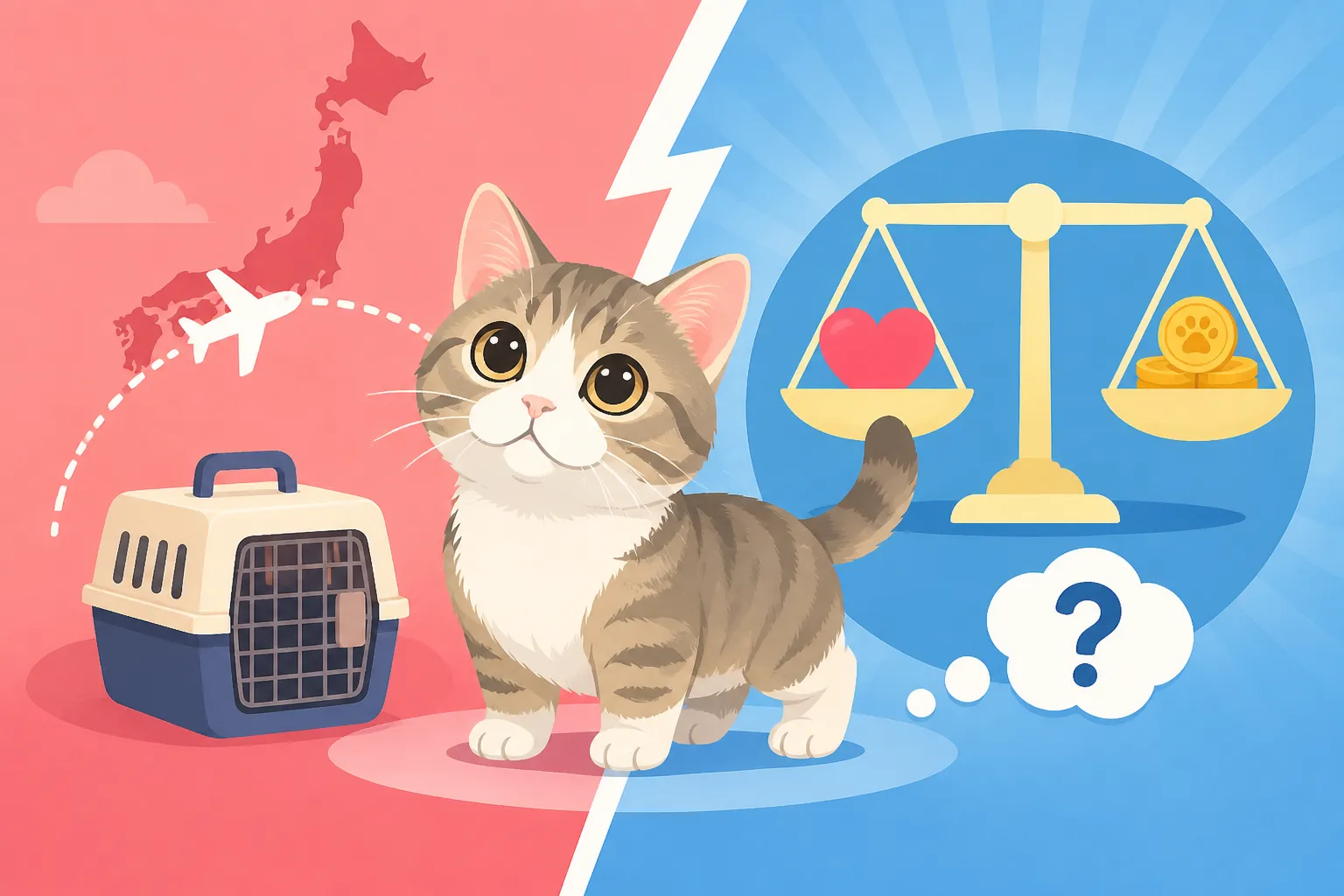
Ultimately, the "worth" of importing a Munchkin from Japan is subjective, but when you consider the totality of the experience, the scales often tip heavily against it for most people.
| Aspect | Considerations for Importing from Japan | Considerations for Domestic Purchase/Rescue |
|---|---|---|
| Initial Cost | High purchase price, often perceived as exclusive. | Moderate to high purchase price from breeder; low adoption fee from rescue. |
| Total Cost | Extremely high due to export fees, vet certifications, air cargo, customs, potential quarantine, broker fees. | Significantly lower, limited to purchase/adoption fee and initial vet care. |
| Logistics & Paperwork | Extremely complex, time-consuming, language barriers, high risk of error/delays. | Minimal, straightforward local paperwork. |
| Cat's Stress & Health | High stress from long-haul travel, potential health risks, significant adjustment period. | Low to no travel stress, healthier transition. |
| Breeder Verification | Difficult to verify ethics, cattery conditions, and health guarantees in person. | Easy to visit, meet parents, verify health, and build a relationship. |
| Long-Term Support | Challenging due to distance and time zones. | Readily available, ongoing support from breeder or rescue organization. |
| Ethical Considerations | Potential for unwitting support of less-than-ideal practices; stress on cat. | Supports transparent, often regulated local breeding; rehoming an animal in need. |
| Unique Look/Bloodline | Perceived advantage of specific aesthetics or rare lines. | Excellent variety of Munchkins available, often with proven pedigrees domestically. |
While the allure of a "Japanese Munchkin" might be strong, the practical, financial, and ethical arguments often make a compelling case for seeking your new feline family member closer to home. The joy of Munchkin ownership comes from the bond you build and the care you provide, not the stamp on their passport.
Disclaimer
This article is for general informational purposes only and does not constitute professional advice. Laws, prices and regulations vary by location and change over time. Consult a qualified professional for guidance on your specific situation.