How to Clean a Munchkin’s Rear
One of the most common, and let's be honest, grossest challenges Munchkin cat parents face is dealing with a messy rear end. Because of their uniquely short legs, these adorable felines often struggle to reach and properly groom their hindquarters, leading to unfortunate messes, matting, and even potential skin irritation. If you've found yourself frustrated, wondering how on earth to keep your sweet little low-rider clean and comfortable, you're absolutely not alone. This guide is here to walk you through everything you need to know to tackle this sticky situation head-on, ensuring your Munchkin stays pristine and healthy.
Understanding Why Munchkins Struggle with Grooming
It’s easy to feel a pang of guilt when you see your beloved Munchkin with a matted, soiled rear, but it's important to remember that it's usually not a sign of laziness or poor hygiene on their part. Their unique anatomy, which is precisely what makes them so charming, also presents some significant challenges when it comes to self-grooming, especially in those hard-to-reach areas.
The Physical Limitations of Short Legs
The most obvious reason your Munchkin might have trouble keeping their rear clean is, well, their legs! Imagine trying to perform a complex contortionist act when your limbs are significantly shorter than average. That's essentially what a Munchkin faces every time they try to bend and twist to lick their hindquarters. Their standard-length body combines with those adorable stubby legs to create an awkward angle, making it nearly impossible for them to properly reach their anus, tail base, and the surrounding fur. Normal-legged cats can easily arch their backs, lift a leg, and get right in there, but a Munchkin often just can't make the stretch. This means that after using the litter box, bits of litter, or even fecal matter, can get stuck in the fur, especially if it's a bit longer or if they've had a slightly softer stool. You'll often notice them trying, arching and twisting, but eventually giving up in frustration. It's truly a physically impossible task for many of them.
Impact of Body Shape on Self-Grooming
Beyond just the leg length, the overall body shape of a Munchkin plays a big role. While their legs are short, their spine and torso are typically of normal length, which means their body is low to the ground but not necessarily more flexible in the ways needed for self-grooming. This combination means that the angles required to twist and clean their private areas just don't work out. Think about it: a regular cat has a more 'proportional' build, allowing for a full range of motion. A Munchkin's low-slung body can sometimes even cause their belly fur to drag a bit, increasing the chance of it picking up debris from the floor or the litter box. This isn't just about appearance; it's about comfort and preventing potential skin issues underneath that soiled fur. They truly are A Munchkin Is a Normal Cat That Cannot Reach, and this is one of the primary areas where that limitation shows itself.
Factors Exacerbating the Problem: Weight and Long Fur
While the core issue is anatomical, certain factors can definitely make the problem worse. An overweight Munchkin, for example, will find it even more challenging to twist and bend. Every extra pound adds strain and reduces their already limited flexibility, making grooming those tricky spots almost impossible. It's a sad cycle: they can't groom, so messes accumulate, and if those messes lead to discomfort or reduced activity, weight can become an even bigger problem. We often talk about Why Weight Is More Dangerous on a Munchkin, and this grooming challenge is a prime example of its impact.
Longhaired Munchkins face an even steeper uphill battle. The beautiful, flowing fur that makes them so striking also acts like a magnet for litter, dander, and anything else they might pick up. Why a Munchkin's Hindquarters Get Matted is often directly related to the length and texture of their fur combined with their inability to reach. Short-haired Munchkins might get away with minor issues, but long-haired ones almost universally require regular assistance from their human companions. If the fur isn't regularly brushed and trimmed, mats can form quickly, trapping moisture and feces against the skin, which is a recipe for irritation, infections, and discomfort.
Essential Tools and Supplies for Rear Cleaning
When you’re preparing to help your Munchkin with their hygiene, having the right tools on hand makes all the difference. Not only does it make the job easier for you, but it also helps ensure your cat is comfortable and safe throughout the process. Forget using harsh human products; your cat needs gentle, pet-specific solutions.
Gentle Wipes and Cleansers
For day-to-day tidying up, especially after a particularly messy litter box visit, pet-specific wipes are an absolute godsend. Look for wipes that are fragrance-free, alcohol-free, and hypoallergenic. Aloe vera or oatmeal formulations can be soothing for sensitive skin. Never, ever use baby wipes or human disinfectant wipes on your cat, as these often contain ingredients that are toxic or irritating to felines. Keep a stash of these wipes near the litter box or wherever you typically interact with your cat, so you can address messes quickly before they dry and become harder to remove. Brands like Earthbath or Burt's Bees make excellent pet wipes that are readily available online at places like Chewy.
For more significant messes that require a bit more than a wipe, a gentle pet shampoo designed for sensitive skin is essential. You won't be giving a full bath every time, but a targeted spot clean with a small amount of warm water and appropriate shampoo can work wonders. Ensure the shampoo is tearless and rinses easily. Again, look for natural, soothing ingredients. After shampooing a small area, make sure you rinse thoroughly to avoid leaving any residue that could irritate their skin or attract more dirt.
Grooming Brushes and Combs for the Hindquarters
Brushing is a crucial part of preventing matting and keeping the fur clean around their rear. For the hindquarters, you'll need a few specific types of tools:
- Slicker brush: Great for removing loose fur and detangling superficial mats. Choose one with fine, short bristles that won't scratch their delicate skin.
- Fine-toothed comb or flea comb: Perfect for getting into dense fur and working out smaller tangles or removing dried debris after a wipe-down. This is also excellent for checking for fleas, which can be attracted to warm, moist, soiled areas.
- Demating comb or tool: If you encounter a significant mat, a dematting tool can help break it apart without pulling too much on their skin. Use these with extreme caution, as the blades are sharp.
Remember, the goal is to be gentle. Brushing this sensitive area can be a bonding experience if done calmly and carefully. Always brush in the direction of hair growth. Regularly brushing, especially for long-haired Munchkins, can prevent Whether Matting Becomes a Health Problem in a Munchkin in the first place. You can find a wide selection of these tools on Amazon, often with reviews from other cat owners that can guide your choice.
Here's a quick overview of essential grooming tools:
| Tool | Purpose | Ideal For | Usage Frequency |
|---|---|---|---|
| Pet Wipes (fragrance-free) | Quick clean-ups, daily maintenance, removing fresh messes | All Munchkins, especially after litter box | Daily, as needed |
| Gentle Pet Shampoo | Targeted spot bathing for stubborn messes or odor | Long-haired Munchkins, severe soiling | Infrequent, as needed |
| Slicker Brush | Removing loose fur, light detangling | All Munchkins, regular grooming | 2-3 times per week |
| Fine-toothed Comb | Removing small tangles, debris, flea checks | All Munchkins, detailed grooming and checks | 2-3 times per week, or daily |
| Dematting Comb | Carefully breaking up severe mats | Long-haired Munchkins with matting | Only when necessary, with extreme care |
| Blunt-nosed Scissors | Hygiene trims (sanitary clips) | Long-haired Munchkins, preventing future matting | Monthly, or as needed |
Specialized Litter and Litter Boxes
Believe it or not, the type of litter and litter box you use can greatly impact how often your Munchkin's rear gets dirty. Since they sit lower to the ground, certain litter types are more likely to cling to their fur. Fine-grained clay litter, while often good for odor control, can stick like glue to damp fur. Consider using a larger, pellet-style litter that’s less likely to adhere, or a dust-free option to minimize skin irritation.
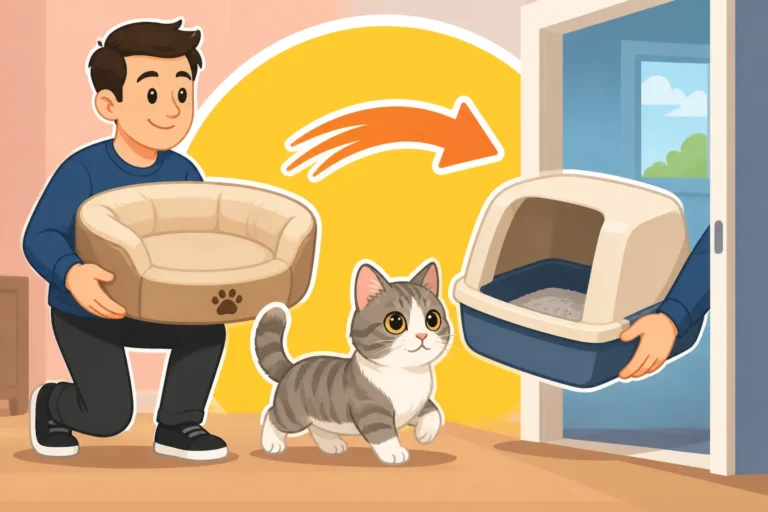
The litter box itself is equally important. Which Litter Box a Munchkin Can Actually Enter is a critical question. A standard litter box with high sides, especially at the entrance, can be a major hurdle for a short-legged Munchkin. They might struggle to step over the rim, leading to accidents outside the box or, worse, them trying to balance precariously and getting their rear soaked or soiled. Look for low-entry litter boxes, often marketed for senior cats or kittens, which have a much lower threshold for easy access. Some owners even modify regular storage bins by cutting a low entry point. A high-sided back can still be beneficial to prevent spray, but the front access is key. You can find great options for low-entry boxes on Chewy or Amazon.
Step-by-Step Guide to Cleaning Your Munchkin's Rear
Alright, let's get down to business. Cleaning your Munchkin's rear can sound daunting, especially if they're not thrilled about it, but with a calm approach and the right technique, you can make it a manageable, even quick, routine. Patience is your best friend here.
Pre-Cleaning Preparation and Safety
Before you even think about wiping or brushing, set the stage for success. Choose a quiet time when your Munchkin is relaxed, perhaps after a nap or a play session when they're a bit tired. Gather all your supplies beforehand: wipes, brushes, a small bowl of warm water if needed, a towel, and perhaps some high-value treats to reward good behavior.
Find a comfortable, well-lit spot where your cat feels secure. A raised surface like a sturdy table with a non-slip mat (or a towel) can be helpful, as it saves your back and puts them at a good working height. If your cat is particularly squirmy, you might want to enlist a second person to gently hold them and offer praise or treats. Always approach your Munchkin calmly, speaking in a soothing voice. Never try to force them or restrain them roughly, as this can create a negative association with grooming. Start with short sessions and build up their tolerance over time. Remember, safety first – your cat’s comfort and trust are paramount.
The Gentle Wiping Technique
Once your Munchkin is calm and your supplies are ready, it's time for the actual cleaning.
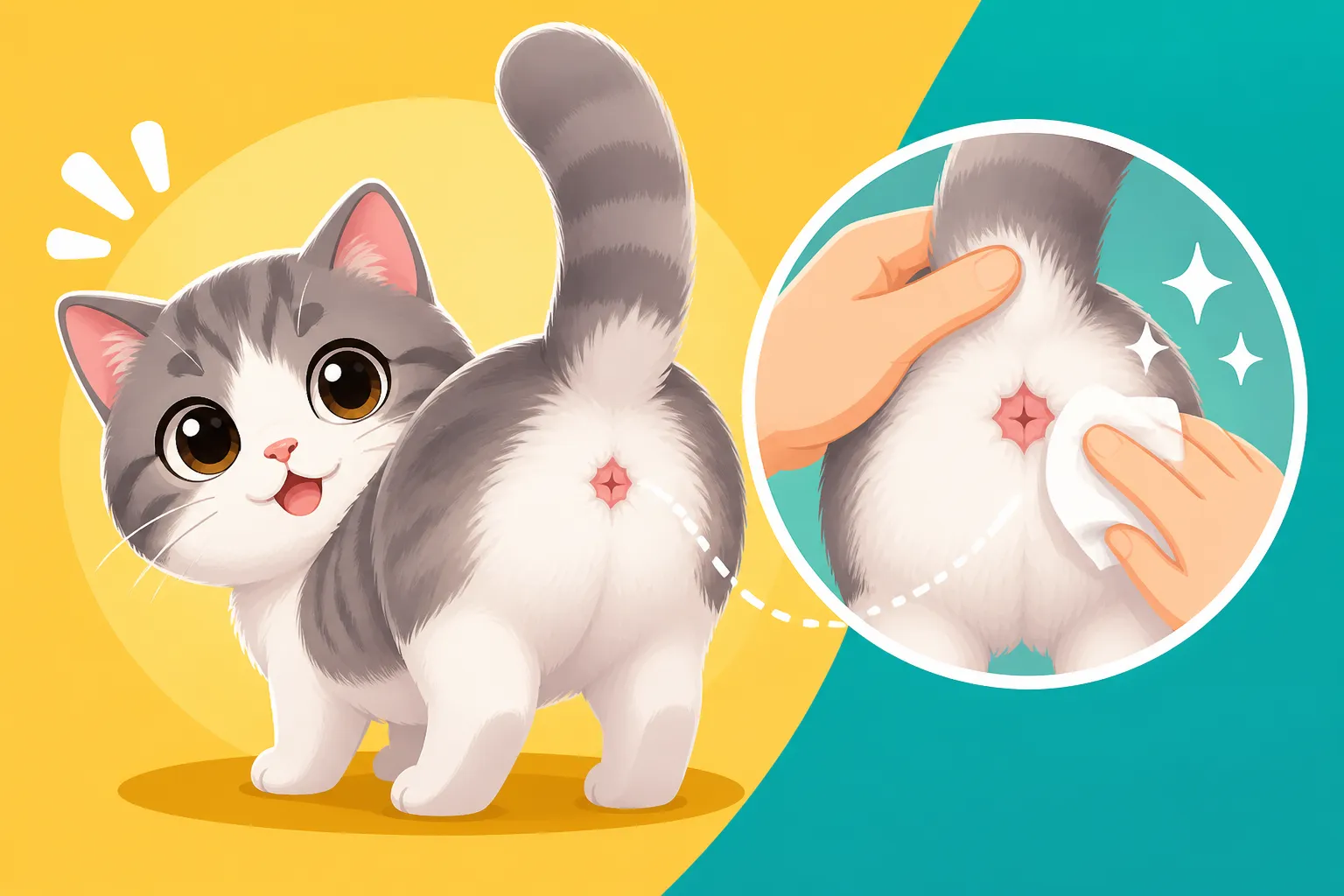
- Assess the Situation: Gently lift your Munchkin’s tail to get a clear view of the affected area. Note the extent of the mess – is it just a bit of dried litter, or a more significant fecal matter situation? This will help you decide if a wipe is enough or if a spot clean with shampoo is necessary.
- Start Gentle: Take a pet-specific wipe and gently dab, rather than rub, the soiled areas. Start from the clean areas and work towards the mess to avoid spreading it further. If the mess is dried on, you might need to hold a warm, damp wipe against it for a minute or two to soften it before gently wiping away. Be particularly careful around the delicate skin of the anus.
- Use Multiple Wipes: Don't be shy about using several wipes to ensure thorough cleaning. You want to see the wipe coming away clean.
- Check for Irritation: As you clean, pay attention to their skin. Redness, bumps, or any signs of soreness mean you need to be extra gentle and might need to follow up with a vet if it persists.
- Dealing with Minor Mats: If you encounter small, soft mats, try to gently work them out with your fingers first. If they're a bit tougher, use a fine-toothed comb, starting at the tips of the fur and working your way down to the skin, taking tiny sections at a time. Always support the skin at the base of the mat with your fingers to prevent pulling and pain. This might be where you begin to understand How Often to Brush a Munchkin's Back is vital.
Addressing Stubborn Messes and Mats
Sometimes, a quick wipe just won't cut it. For particularly sticky or severe messes, especially with longhaired Munchkins, you might need to escalate your approach.
- Spot Cleaning with Shampoo: For dried-on fecal matter or very matted fur, a mini-bath targeting just the hindquarters can be the most effective solution.
- Fill a small basin or sink with a few inches of lukewarm water.
- Gently place your Munchkin’s hindquarters into the water, ensuring their front half stays dry.
- Apply a small amount of pet shampoo to the soiled area and lather gently. Use your fingers to work through the fur, being careful not to rub too vigorously and cause further matting.
- Rinse thoroughly with clean, lukewarm water until all shampoo residue is gone. This is absolutely critical, as leftover shampoo can irritate the skin.
- Blot the area dry with a soft towel immediately. You can even use a low-setting hairdryer (held far away, never directly on the skin) if your cat tolerates it, to ensure they're completely dry and don't get chilled.
- Sanitary Clips (Hygiene Trims): For longhaired Munchkins, the most proactive step you can take is a sanitary clip. This involves carefully trimming the fur around their anus and inner thighs short, creating a "hygiene zone" that is less likely to collect messes.
- Use blunt-nosed scissors specifically designed for pet grooming. Never use sharp household scissors.
- Always point the scissors away from the skin. It's safer to use a comb to lift the fur away from the skin, then cut above the comb.
- Trim only a small amount at a time. If you're nervous, you can start by just tidying up the longest hairs.
- Many owners prefer to have a professional groomer perform sanitary clips, especially if their cat is squirmy or if they're new to grooming. A groomer has the experience and specialized clippers to do this safely and efficiently. Whether a Munchkin Needs a Sanitary Clip is often a resounding yes for long-haired varieties.
- Removing Severe Mats: If you encounter a mat that is hard, tightly compacted, or close to the skin, do not attempt to cut it out yourself with scissors unless you are absolutely confident and have appropriate safety clippers. It is incredibly easy to accidentally cut your cat's skin, which is very thin and loose. For severe mats, the safest and most humane approach is to take your Munchkin to a professional groomer or your veterinarian. They have specialized electric clippers that can safely remove mats without causing injury. Trying to pull or cut out a tight mat can be extremely painful for your cat and lead to skin tears or infections.
Preventative Measures and Routine Care
Dealing with a dirty Munchkin rear can be a recurring battle, but by implementing consistent preventative measures, you can drastically reduce the frequency and severity of messes. It's all about creating an environment and routine that supports their unique needs.
Maintaining a Healthy Weight
This might seem unrelated to cleaning their rear, but trust me, it's absolutely crucial. As we discussed, an overweight Munchkin struggles even more to groom themselves. Excess weight puts additional strain on their short legs and spine, making it harder to twist, bend, and reach. Why an Overweight Munchkin Is in Real Trouble isn't just about joint health; it deeply impacts their ability to stay clean and comfortable.
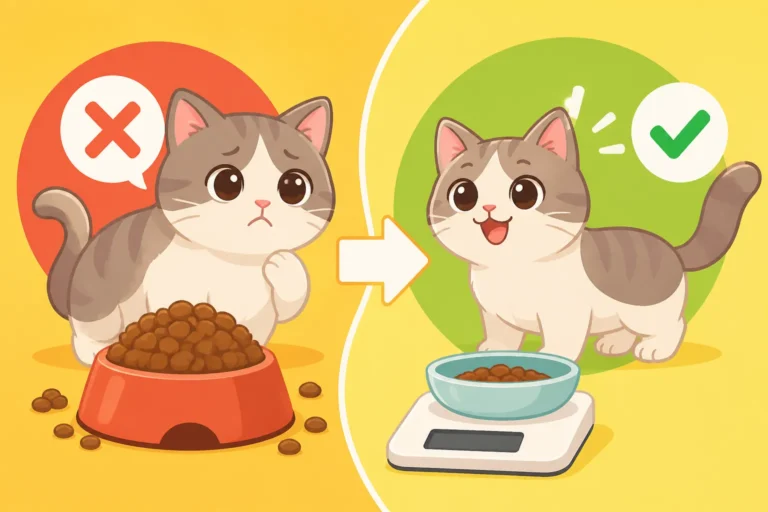
Keeping your Munchkin at a healthy weight means precise portion control and a diet tailored to their activity level. Munchkins are generally less active jumpers than normal-legged cats, so they might require fewer calories. Regularly assess their body condition – you should be able to easily feel their ribs without seeing them, and they should have a discernible waist when viewed from above. If you're unsure about their ideal weight or diet, consult your vet. They can help you determine How to Score a Munchkin's Body Condition and create a personalized feeding plan to keep them lean and agile, which in turn helps with self-grooming.
Regular Brushing and Hygiene Trims
For all Munchkins, but especially those with medium to long coats, regular brushing of the hindquarters is non-negotiable. Aim for at least 2-3 times a week, or even daily for longhaired cats. This prevents mats from forming in the first place, removes loose fur that could trap debris, and allows you to inspect the area for any issues. Focus on the tail base, under the tail, and the back of their thighs.
As mentioned earlier, hygiene trims (sanitary clips) are a game-changer for longhaired Munchkins. By keeping the fur around their anus and inner thighs short, you significantly reduce the surface area where feces and litter can stick. This is often the single most effective preventative measure. If you're not comfortable doing it yourself, a professional groomer can easily perform a "sanitary shave" or "hygiene clip." Discuss with them what length would be most beneficial for your specific cat's fur type and lifestyle. Consider making it a routine part of their care, perhaps every few weeks or once a month, depending on how quickly their fur grows.
Optimizing the Litter Box Environment
Your Munchkin's litter box setup is a silent hero in the fight against dirty rears. Making it as accessible and comfortable as possible directly impacts their hygiene.
- Low-Entry Boxes: Ditch any high-sided boxes that force your Munchkin to climb. Invest in low-entry boxes, often designed for kittens or senior cats, that they can simply walk into. If you have a larger box that works otherwise, consider cutting a U-shaped entry point in one side to make it accessible. Remember, if a box is hard to enter, they might start going outside the box, creating an even bigger mess!
- Litter Type: Experiment with different litter types. Finer, dustier litters tend to cling more to fur. Larger pellet litters (like pine pellets or paper pellets) or crystal litters might be less prone to sticking. Always opt for dust-free and unscented varieties to protect their respiratory system and sensitive skin.
- Scooping Frequency: Scoop the litter box at least once, if not twice, daily. A clean litter box means fewer opportunities for fresh waste to stick to your cat's fur. If the litter is dirty, your cat might try to dig around, increasing their contact with soiled litter.
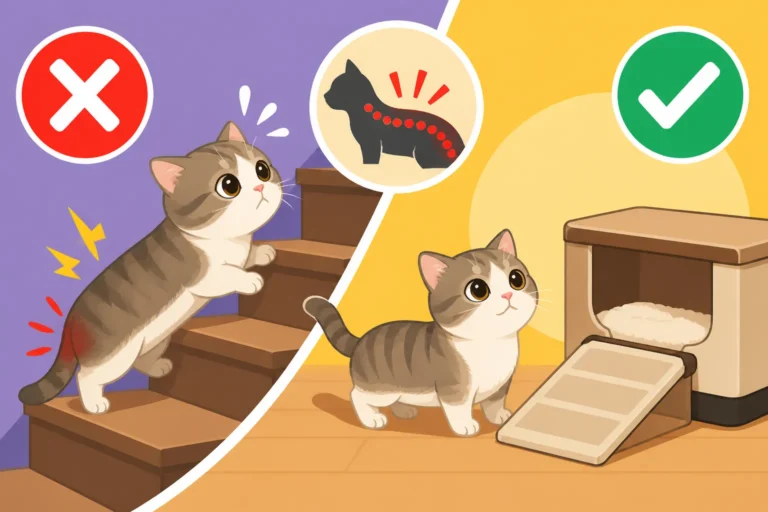
- Strategic Placement: Ensure the litter box is in an easily accessible, quiet, and private location. If you have a multi-story home, Why a Munchkin Should Not Climb Stairs to Its Box means you should have a litter box on every floor your Munchkin frequents to minimize strenuous climbing, which can also contribute to back strain over time.
By diligently managing these aspects of your Munchkin's care, you'll find that their overall hygiene improves dramatically, and you'll spend less time on emergency clean-ups and more time enjoying their playful antics.
When to Seek Veterinary Assistance
While regular home care can address most Munchkin rear-end issues, there are times when a situation warrants professional veterinary attention. Knowing when to call the vet can prevent minor issues from escalating into serious health problems.
Signs of Skin Irritation or Infection
A persistently dirty rear can lead to skin problems. Moisture and fecal matter trapped against the skin create a perfect breeding ground for bacteria and yeast. Watch out for these signs that your Munchkin might have a skin irritation or infection:
- Redness or Inflammation: The skin around their anus, tail base, or inner thighs looks red, swollen, or inflamed.
- Soreness or Pain: Your cat flinches, cries out, or tries to bite when you touch the area.
- Odor: A strong, unpleasant smell that persists even after cleaning.
- Discharge: Any pus, blood, or unusual discharge from the skin or anus.
- Excessive Licking or Chewing: Your Munchkin constantly licks, chews, or rubs the area, which can further irritate the skin and delay healing.
- Hair Loss: Patches of hair loss in the affected area, indicating chronic irritation.
If you notice any of these symptoms, it's time for a vet visit. They can diagnose the cause, prescribe appropriate medications (like antibiotics or anti-fungals), and recommend soothing treatments. Ignoring these signs can lead to more widespread skin infections, discomfort, and a longer recovery time. How Skin Problems Start Under a Munchkin's Mats is a clear illustration of why this vigilance is so crucial.
Chronic Matting and Fecal Soiling
While occasional small mats are manageable at home, if your Munchkin consistently develops severe, tightly matted fur around their rear, or if they are frequently covered in fecal matter despite your best efforts, it's a red flag. Chronic issues could indicate:
- Grooming Avoidance: They might be avoiding grooming due to pain in their back or hips, making it physically too uncomfortable to reach.
- Underlying Medical Conditions: Soft stools, diarrhea, or changes in bowel habits due to dietary issues, parasites, or other gastrointestinal problems can exacerbate soiling.
- Inadequate Home Care: Perhaps your current grooming routine or litter box setup isn't quite cutting it, and you need professional guidance.
A vet or professional groomer can safely remove severe mats and provide advice on a more effective long-term hygiene plan. They can also investigate if there's an underlying medical reason for persistent soiling, ensuring your Munchkin receives comprehensive care.
Underlying Health Conditions Affecting Grooming
Sometimes, a dirty rear is just the tip of the iceberg, hinting at a broader health issue. Several medical conditions can indirectly affect a Munchkin's ability or willingness to groom:
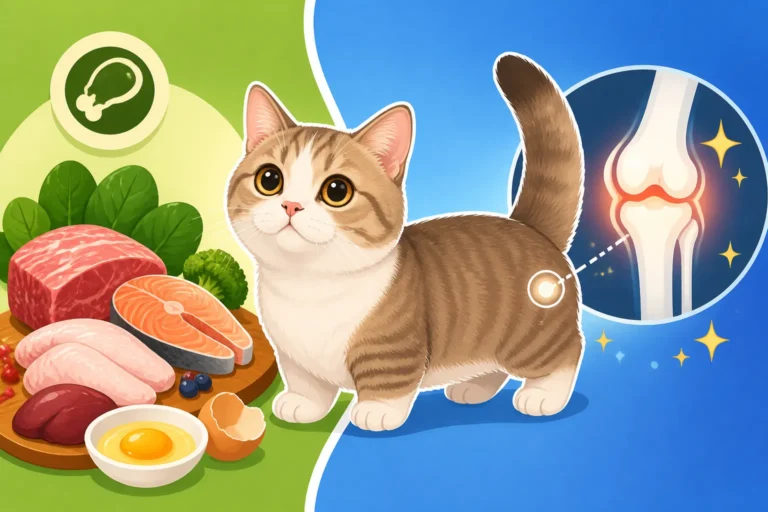
- Arthritis or Joint Pain: Due to their unique conformation, Munchkins can be prone to joint issues, especially in their shoulders and elbows, and spinal problems like lordosis. Pain in these areas can make the twisting and bending required for grooming extremely painful. What Lordosis Does to a Munchkin can severely impact their mobility and comfort. If your previously meticulous groomer suddenly stops, pain could be the culprit.
- Dental Disease: Painful teeth or gums can make grooming uncomfortable, as it requires them to contort their mouth.
- Anal Gland Issues: Full or infected anal glands can cause discomfort, leading your cat to rub or scoot their rear, which can spread fecal matter and further irritate the area.
- Neurological Problems: In rare cases, neurological conditions can affect a cat's coordination and ability to groom effectively.
- Obesity: As previously mentioned, excessive weight makes grooming physically difficult.
If you've been diligently cleaning your Munchkin but the problem persists, or if you notice changes in their gait, activity level, appetite, or demeanor (like Why a Withdrawn Munchkin Should See a Vet), a thorough veterinary examination is essential. Your vet can perform a physical exam, possibly recommend X-rays to check for skeletal issues, or run blood work to rule out other diseases. Addressing the root cause will not only solve the grooming problem but also improve your Munchkin's overall quality of life.
Disclaimer
This article is for general informational purposes only and does not constitute professional advice. Laws, prices and regulations vary by location and change over time. Consult a qualified professional for guidance on your specific situation.