Which Litter Sticks to a Munchkin’s Belly
It’s a scenario many Munchkin cat parents know all too well: your adorable, short-legged companion emerges from the litter box, and instead of being pristine, their sweet little belly or hindquarters are adorned with clinging bits of litter. It’s frustrating, messy, and frankly, a bit gross. This sticky situation isn't just an annoyance; it can lead to hygiene problems, skin irritation, and extra grooming headaches for you. This comprehensive guide will delve into why certain litter types cling to your Munchkin's fur, explore effective solutions, and help you keep your low-riding feline friend clean and comfortable.
Why Your Munchkin's Belly Becomes a Litter Magnet
Let's be honest, Munchkins are built differently, and while their unique stature is incredibly charming, it does present some specific challenges when it comes to everyday cat business. Their short legs and lower clearance mean that their bellies are naturally closer to the ground – or, in this case, closer to the litter in their box.
The Anatomy of the Problem: Short Legs, Low Clearance
Imagine trying to walk through a shallow puddle if your knees only came up to your ankles. That's essentially what your Munchkin experiences in a standard litter box. Their adorable, diminutive legs mean their underside has significantly less clearance from the litter granules than a long-legged cat. When they squat to do their business, their belly fur, and often the fur on their hindquarters, comes into direct contact with the litter. It's not just a quick brush; they're often in the litter.
This physical reality is the root cause of the "litter magnet" phenomenon. Whether they're digging, squatting, or simply stepping out of the box, their low-slung bodies make them prone to collecting particles. The fur on their underside can be quite fine, which paradoxically can make it even easier for tiny granules to embed themselves. It’s a constant battle against gravity and basic physics for our little friends. It's also part of Why a Munchkin's Belly Nearly Touches the Floor in the first place, leading directly to these challenges.
The Consequences: Mess, Hygiene, and Potential Health Issues
Beyond the immediate mess on your floors or tracking litter throughout the house, sticky litter on your Munchkin's belly carries more significant implications. First, there's the hygiene aspect. Litter, especially after it's been used, isn't exactly sterile. If it clings to your cat's fur, they might try to groom it off themselves. While cats are fastidious, consuming dirty litter is far from ideal. This can introduce bacteria or other irritants into their digestive system.
Secondly, if the litter is particularly clumping and gets wet, it can form hard, uncomfortable clumps directly against their skin. This is especially true if you have a long-haired Munchkin. These hardened clumps can pull on their sensitive skin, causing discomfort, irritation, or even skin sores if left unattended. In severe cases, especially with long-haired Munchkins who might struggle to groom certain areas, these clumps can lead to painful matting, which then requires professional intervention to remove. Whether Matting Becomes a Health Problem in a Munchkin is a real concern for their unique body shape.
Understanding Different Litter Types and Their "Stickiness" Factor
Not all litters are created equal when it comes to how they interact with your Munchkin's fur. Choosing the right litter can make a world of difference in mitigating the sticky belly problem.
Clay Litters: The Usual Suspect for Clinging
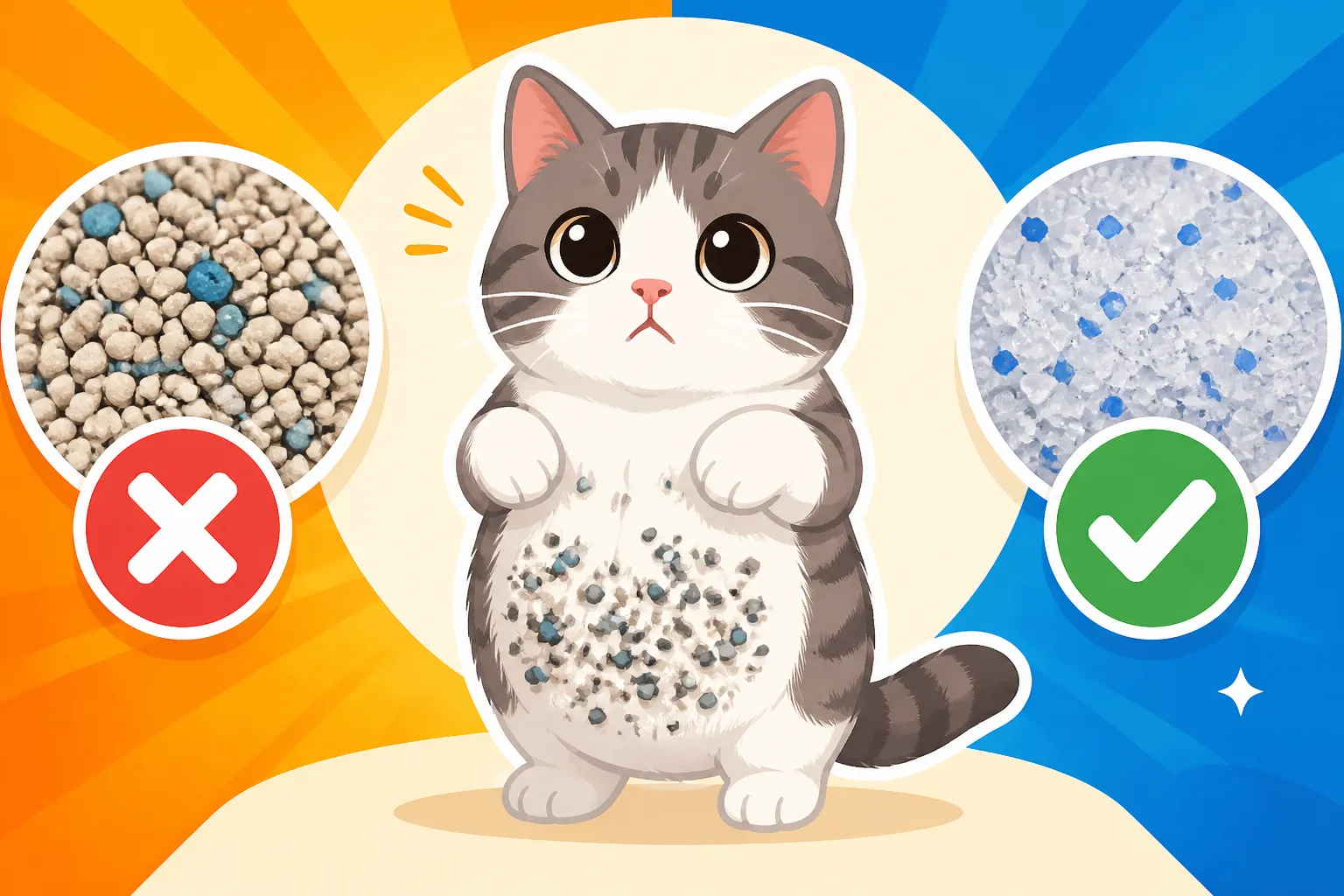
Traditional clay litters, particularly the highly absorbent clumping varieties, are often the biggest culprits. Their primary job is to absorb moisture and form tight clumps, which is great for odor control and easy scooping, but terrible for a Munchkin's low-riding belly.
- Bentonite Clay: This is the most common type of clumping clay litter. When it comes into contact with moisture (like urine or damp fur), it forms a hard, cement-like clump. If your Munchkin's belly fur is even slightly damp, or if they step in a fresh clump, this litter can adhere quickly and stubbornly. The fine particles can also create a lot of dust, which settles on fur and can become an irritant.
- Non-Clumping Clay: While it doesn't form hard clumps, non-clumping clay is still very dusty. These fine particles can coat your Munchkin's fur, and while not as sticky, they still contribute to general mess and can cause skin dryness or irritation. The absorption can also be less effective, meaning more dampness on the cat's fur.
The sheer density and fine particulate nature of many clay litters make them problematic. They might be budget-friendly and widely available at places like Chewy, but they often come with a hidden cost in terms of cleanliness and your cat's comfort.
Alternative Litters: A Deeper Dive into Less Sticky Options
Thankfully, the pet market has evolved, and there are numerous alternative litter types that can be much kinder to your Munchkin's low-slung physique.
| Litter Type | Pros for Munchkins | Cons for Munchkins | Stickiness Potential | Dust Level |
|---|---|---|---|---|
| Pine/Wood Pellets | Larger, heavier pellets less likely to cling; natural | Can track sawdust as pellets break down; might not clump for all formulas | Low | Moderate |
| Paper Pellets | Soft, highly absorbent, virtually dust-free, larger size | Does not clump; needs more frequent full changes | Very Low | Very Low |
| Silica Gel (Crystal) | Excellent odor control, low dust, no clumping (absorbs) | Can be sharp on paws for sensitive cats; not always flushable | Low | Very Low |
| Corn/Wheat Based | Natural, biodegradable, good clumping for some brands | Can be fine-grained and dusty; potential for mold (corn) | Moderate | Moderate |
| Walnut Shell Based | Natural, good odor control, absorbent, clumps well | Dark color can make tracking more visible; some dust | Moderate | Moderate |
Let's break down some of these further:
- Pine or Wood Pellet Litters: These are often fantastic options. The pellets are larger and heavier than fine clay granules, making them far less likely to cling to fur. As they absorb moisture, they break down into sawdust, which can still track, but generally, it's less problematic than sticky clay. They often have a pleasant, natural scent and are available from retailers like Amazon.
- Paper Pellets: Think of these as gentle giants. They are soft, absorbent, and usually quite large, making them almost impossible to stick to fur. They are also virtually dust-free, which is a huge plus for respiratory health for both you and your cat. The downside is that most paper litters don't clump, so you'll need to change the entire box more frequently.
- Silica Gel Litters (Crystal Litters): These are known for their exceptional odor control and low dust. The crystals are larger and don't clump in the traditional sense; instead, they absorb urine, and you scoop out solid waste. They're generally less likely to cling than fine clay, but some cats might find the texture less appealing underfoot.
- Corn or Wheat-Based Litters: These natural alternatives can clump well and are biodegradable. However, some brands have quite fine particles, which can still cling to fur and create dust. It's crucial to read reviews and perhaps try a smaller bag first to gauge its texture and dust level.
When choosing, prioritize litters with larger, heavier granules, low dust formulas, and effective absorption without excessive clumping that sticks to fur. Remember, every cat is an individual, and finding the perfect litter might involve a bit of trial and error.
Strategies to Minimize Litter Tracking and Belly Clinging
Simply changing the litter isn't always enough. A multi-pronged approach involving strategic litter box choices, grooming, and environmental adjustments can make a significant difference for your Munchkin.
Litter Box Modifications and Placement
Your choice of litter box and its location can directly impact how much litter your Munchkin tracks and collects on their belly.
- Low-Entry Litter Boxes: This is perhaps the most crucial modification. A standard litter box often has high sides that your Munchkin has to "climb" over. As they hoist themselves in and out, their belly drags across the rim and potentially any litter that's collected there. A low-entry box allows them to simply walk in and out, minimizing contact. You can find excellent low-entry options on Chewy designed for senior cats or those with mobility issues, which are perfect for Munchkins. Which Litter Box a Munchkin Can Actually Enter is a critical factor for their comfort and cleanliness.
- Larger Box Size: A larger box gives your Munchkin more room to maneuver, dig, and ideally, find a clean spot to squat without pressing their belly into the general litter bed. More space means less chance of accidental contact with soiled areas.
- Litter Mats: Place high-quality litter mats with deep grooves or fibrous textures directly outside the litter box. These mats are designed to catch litter particles from paws as your cat exits, reducing tracking throughout your home. You can find a wide variety of effective mats on Amazon.
- Litter Depth: While you might be tempted to use less litter to prevent clinging, this can be counterproductive. Too little litter means waste isn't fully covered, leading to odor and more direct contact with the base of the box. Aim for about 2-3 inches of litter. This allows for adequate digging and covering without being so deep that your Munchkin is wading through it. However, it's a careful balance, as How Deep a Munchkin's Litter Should Be also affects ease of entry.
Grooming and Hygiene Routines for Your Munchkin
Even with the best litter and box setup, some grooming will likely be necessary, especially for long-haired Munchkins.
- Regular Brushing: Make regular brushing a part of your routine. This is vital for removing loose fur, which can trap litter, and for preventing mats. Pay special attention to their belly and hindquarters. For short-haired Munchkins, a soft rubber brush can work wonders. For long-haired varieties, a slicker brush followed by a comb is ideal. This not only keeps their coat healthy but also gives you a chance to inspect for any lingering litter or skin irritation. Learning How to Groom a Munchkin's Hindquarters effectively will be a game changer.
- Sanitary Trim: For long-haired Munchkins, a "sanitary trim" around their hindquarters and belly can be incredibly helpful. This involves carefully trimming the fur in these areas to be shorter, reducing the surface area for litter to stick to and making cleaning easier. If you're not comfortable doing this yourself, a professional groomer can perform this safely. This often answers the question, Whether a Munchkin Needs a Sanitary Clip.
- Wiping After the Box: If your Munchkin is particularly prone to clinging litter, a quick wipe with a pet-safe, unscented wet wipe after they use the litter box can be a simple solution. This might take some getting used to for your cat, so introduce it gently with positive reinforcement. This helps address Why a Munchkin Carries Litter on Its Underside.
- Belly Checks: Make it a habit to routinely check your Munchkin's belly. Gently run your fingers through their fur to feel for any embedded litter, mats, or skin irritation. Early detection means easier resolution. Why a Munchkin's Belly Needs Checking Weekly is crucial for their long-term health and comfort.
Beyond Litter: Holistic Approaches to Munchkin Cleanliness
While litter and grooming are paramount, considering your Munchkin's overall health and environment can also contribute to their cleanliness and well-being.
Diet, Weight, and Their Role in Grooming
A healthy weight and appropriate diet play a surprising role in your Munchkin's ability to stay clean.
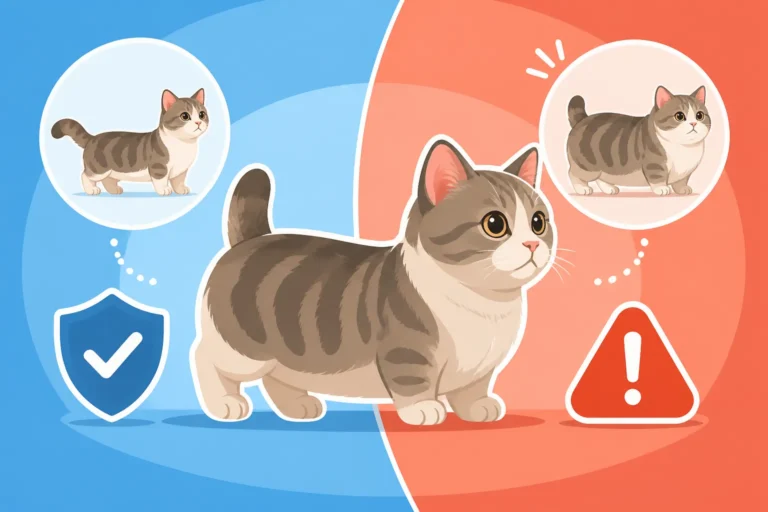
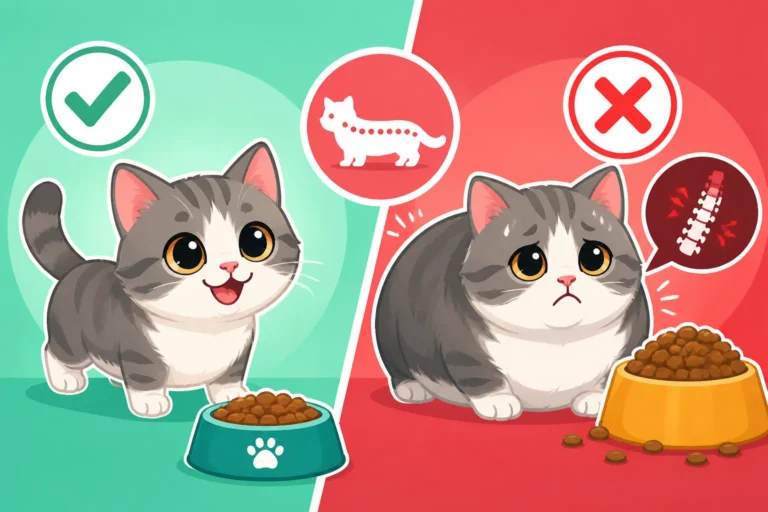
- Weight Management: An overweight Munchkin will have an even harder time reaching and grooming their hindquarters and belly due to their short legs and increased body mass. Every extra pound puts more strain on their unique physique and can make them less agile. Maintaining a healthy weight, in line with What a Munchkin Should Weigh at Its Frame, is essential for their overall mobility and ability to self-groom. If your Munchkin is packing a few extra ounces, it's not just about their joints; it’s about their hygiene too. Why an Overweight Munchkin Is in Real Trouble extends to their cleanliness.
- Diet for Coat Health: A high-quality diet rich in essential fatty acids (like Omega-3 and Omega-6) contributes to a healthy, shiny coat. A healthy coat is less prone to matting and can be easier to keep clean than a dry, brittle one. Consult your vet for dietary recommendations tailored to your Munchkin's specific needs.
Environmental Design for a Cleaner Munchkin
Think about your home environment from your Munchkin's perspective.
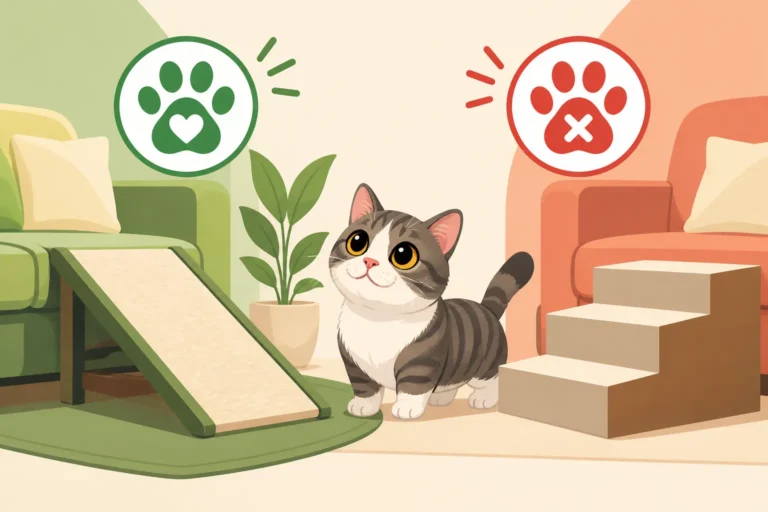
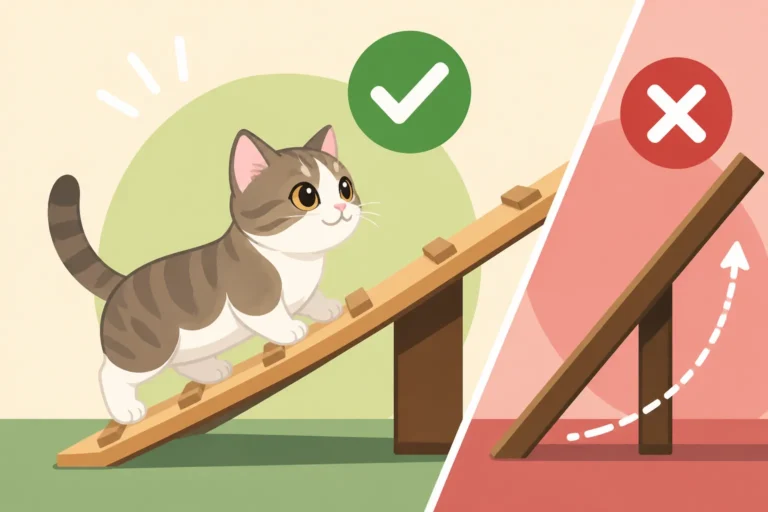
- Accessible Surfaces: Ensure that any elevated surfaces your Munchkin enjoys (beds, window perches, sofas) are easily accessible via ramps or steps. This reduces the need for them to jump, which can strain their joints and potentially lead to awkward landings in dirty areas. You can find various pet ramps on Chewy or Amazon.
- Cleanliness of Surroundings: Regularly vacuum or sweep around the litter box to remove any tracked litter. The less litter that's on the floor, the less chance it has to stick to your Munchkin's paws and then transfer to their belly. A tidy home helps maintain a tidy cat.
- Bedding: Provide comfortable, easily washable bedding, especially in areas where your Munchkin likes to nap. If they've come from the litter box with some clinging particles, having clean bedding helps prevent further spread and keeps their fur from picking up more debris.
By combining the right litter, an adapted litter box setup, consistent grooming, and a focus on their overall health and environment, you can significantly reduce the problem of litter sticking to your Munchkin's belly. It takes a little extra effort, but your happy, clean, and comfortable Munchkin is absolutely worth it!
Disclaimer
This article is for general informational purposes only and does not constitute professional advice. Laws, prices and regulations vary by location and change over time. Consult a qualified professional for guidance on your specific situation.