Whether Pet Stairs Are Strong Enough for a Munchkin
It's a common worry for Munchkin cat owners: you want your little friend to be able to reach all the comfy spots, the sunny windowsills, and even your bed, but you know their unique physique makes jumping a real challenge. You've probably looked at pet stairs, but then the big question hits – are these seemingly flimsy steps really strong enough and stable enough to keep your precious short-legged companion safe and sound? This guide will dive deep into what makes pet stairs suitable for a Munchkin, how to choose them, and why they're such a valuable tool for their daily mobility and long-term health.
Understanding a Munchkin's Mobility Needs
Munchkin cats are truly special, and their short legs, while undeniably adorable, mean they navigate the world a little differently than their long-legged feline cousins. It's not just about cuteness; it's about a fundamental difference in how they interact with their environment, which has significant implications for their care and the adaptations needed in your home.
Why Standard Furniture is a Challenge
Imagine trying to climb a mountain when everyone else has rocket boots. That's a bit what it's like for a Munchkin when faced with a standard sofa or bed. Their legs are simply not designed for the vertical leaps that come so easily to most cats. A typical house is a landscape of insurmountable obstacles for a Munchkin. That plush armchair where they desperately want to curl up with you? Often, it's just out of reach. The bed, the favorite napping spot, becomes a dream they can only achieve if lifted. This isn't just an inconvenience; it can lead to frustration and a sense of exclusion for your cat. They are just as curious and desirous of high vantage points as any other cat, but their bodies simply can't deliver. Understanding How High a Munchkin Can Actually Jump is key to appreciating this daily struggle. It's not that they won't try; it's that the physics are against them, and repeated attempts can be detrimental.
The Risks of Jumping for Munchkins
When a normal-legged cat jumps, their long limbs act like shock absorbers, distributing the impact force across strong joints and a flexible spine. For a Munchkin, this whole system is different. Their short legs mean they launch themselves with more effort and land with less natural cushioning. Each jump, especially repeated ones to reach the same height, places disproportionate stress on their shoulders, elbows, and most importantly, their spine. Over time, this can contribute to premature joint wear and tear, leading to conditions like arthritis at an earlier age than you might expect for a cat. While Munchkins aren't prone to hip dysplasia in the way some dog breeds are, the constant impact on their smaller joints can certainly take its toll. The debate around Whether a Munchkin Is in Pain From Its Legs often comes down to this kind of cumulative stress over years of jumping and landing. It's a silent strain that might not show immediate pain but can manifest as stiffness and discomfort later in life.
The Importance of Safe Ascent and Descent
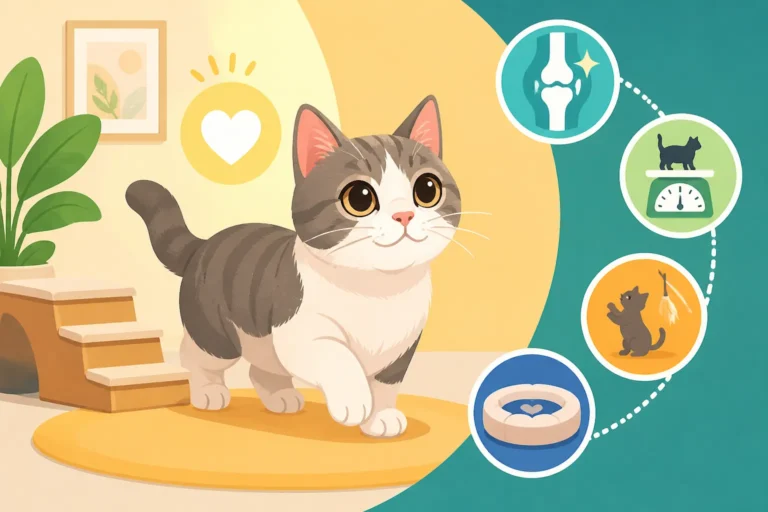
Providing safe ways for your Munchkin to get up and down from elevated surfaces isn't a luxury; it's a fundamental aspect of responsible care. Ramps and pet stairs allow them to access their favorite spots without the stress and physical strain of jumping. This not only protects their joints and spine but also enhances their quality of life. Think about it: a cat that can easily reach its owner's lap or a warm sunbeam on the sofa is a happier, more integrated member of the family. It also encourages natural feline behaviors like surveying their territory from a slightly elevated position, which is crucial for their mental well-being. Failing to provide these aids means your cat is either constantly pushing its physical limits or missing out on essential experiences. You want to make sure your Munchkin can lead a full, active life without unnecessary risks. This is why Ramps and Steps Are Munchkin Equipment, Not Luxuries.
Assessing Pet Stairs for Your Munchkin
When it comes to choosing pet stairs, it’s not enough to just grab the first set you see. For a Munchkin, specific considerations around material, construction, and dimensions are paramount to ensure both strength and usability.
Material and Construction Considerations
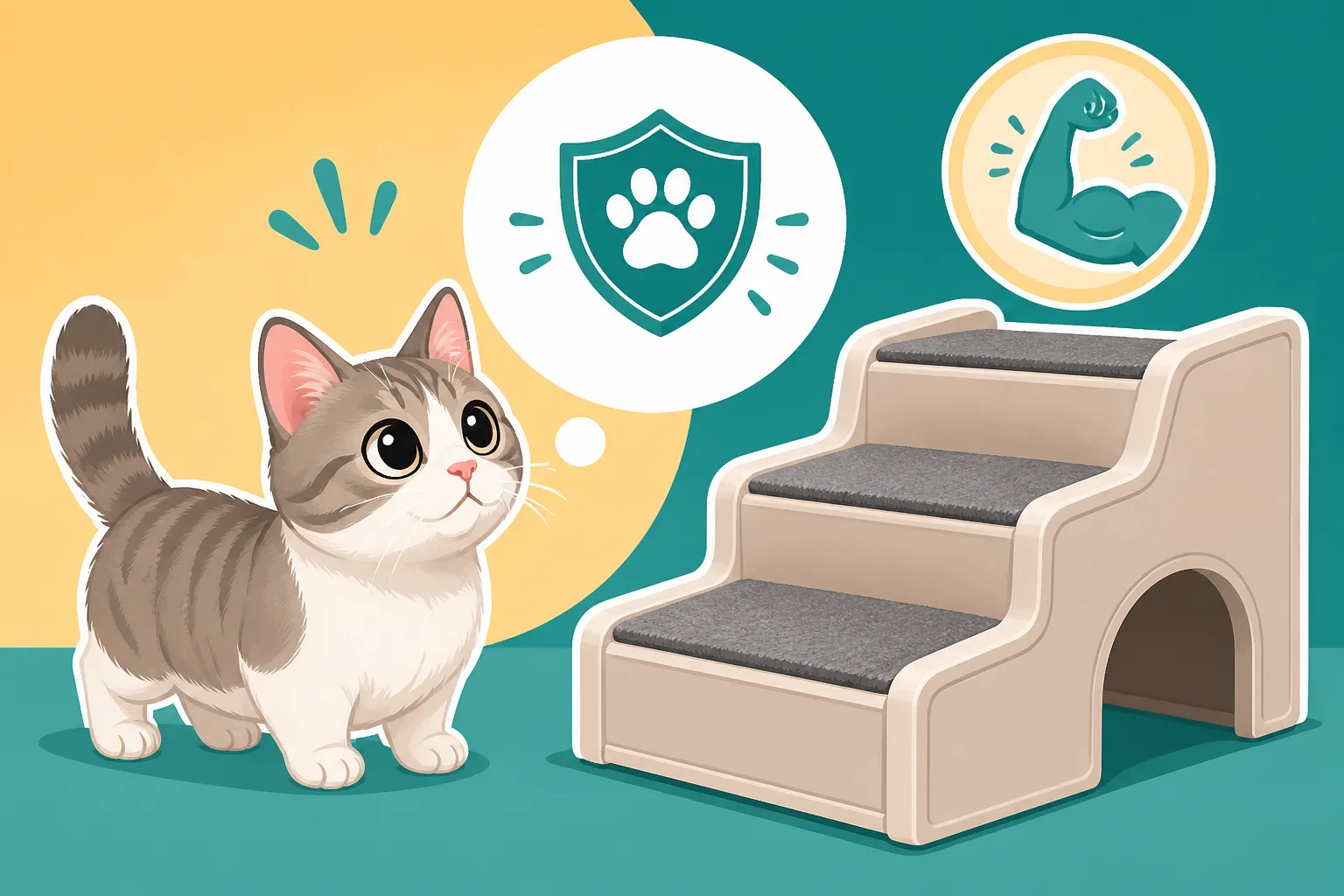
The "strength" of pet stairs goes beyond whether they can hold your cat's weight. It's about stability and durability over time, especially with repeated use. You'll find pet stairs made from a variety of materials, each with its own pros and cons for a Munchkin.
- Foam/Sponge Stairs: These are often lightweight and soft, which can seem appealing. However, their softness means they can compress under weight, leading to instability. For a Munchkin, whose balance might already be slightly different due to their short stature, a wobbly step is a definite no-go. While they might be good for very small, light pets or as a temporary solution, they rarely offer the robust support a Munchkin truly needs. They can also wear out faster, developing indentations where your cat steps most frequently.
- Plastic Stairs: Many pet stairs are made from hard plastic. These are generally more stable than foam, easier to clean, and often quite durable. However, not all plastic is created equal. Look for thick, rigid plastic, not flimsy, bendy types. Some plastic stairs have internal supports or interlocking pieces that enhance their strength. The downside can be that they might slide on slick floors if not equipped with rubberized feet, which is a major hazard for a Munchkin. The steps themselves can sometimes be a bit slippery for delicate paws, too.
- Wood Stairs: Wooden pet stairs are often the sturdiest and most stable option. They tend to be heavier, making them less likely to shift during use. The solid construction provides excellent support for a Munchkin's weight and repeated climbs. Many come carpeted or with anti-slip treads, which is a huge bonus. The main downsides are often cost and weight, but for long-term safety and durability, wood is usually a superior choice. You can find excellent wooden stairs on platforms like Chewy or Amazon, often with reviews specifically mentioning stability for smaller animals.
- Metal Frame with Fabric or Plastic Steps: These often offer a good balance of strength and portability. The metal frame provides a solid foundation, while the steps can be carpeted or plastic. Ensure the fabric steps are tightly stretched and well-supported, not saggy, as any give can make a Munchkin hesitant or cause them to stumble.
Ultimately, regardless of the material, the key is rigidity and a sense of permanence. You want stairs that feel like a fixed part of the furniture, not something that can shift or collapse.
Weight Capacity Versus Actual Use
Manufacturers list weight capacities for pet stairs, and while this is important, it's not the only factor. A stair set might technically hold 50 pounds, which is far more than even the largest Munchkin, but still be unsuitable. The issue isn't just static weight, but dynamic weight and stability during motion.
When a Munchkin uses stairs, they don't just stand there. They push off, climb, potentially turn around, and descend. This creates dynamic forces.
- Lateral Stability: Can the stairs withstand a cat pushing off the side of a step without tipping?
- Front-to-Back Stability: Do they rock or slide away from the furniture when your cat steps onto the first step?
- Step Integrity: Do the individual steps flex or creak under pressure?
A higher weight capacity usually indicates more robust construction, which often translates to better overall stability, even for a lighter cat like a Munchkin. However, always read reviews and look for features designed for stability, not just a high weight number. For example, a wide base or non-slip rubber feet are far more indicative of safety than just a listed weight limit. Don't be fooled by a high weight capacity if the design is inherently narrow or wobbly.
Step Height and Depth for Short Legs
This is arguably the most critical aspect for a Munchkin. Their short legs mean they cannot manage the same step height as a normal-legged cat or even a small dog.
- Step Height (Rise): Ideally, the rise between each step should be low – generally no more than 4-5 inches. Any higher, and your Munchkin will have to jump each step, defeating the purpose of the stairs entirely. This puts the same stress on their joints you're trying to avoid. Think about how a toddler struggles with full-sized stairs; it's a similar principle for your short-legged cat. Look for designs specifically marketed for small dogs or cats, as these often have a more gradual rise.
- Step Depth (Tread): The depth of each step needs to be sufficient for your Munchkin to place their entire paw comfortably and securely. A shallow step means they're constantly teetering or rushing to the next step, increasing the risk of a misstep. Aim for a depth of at least 6-8 inches, allowing for a confident foot placement.
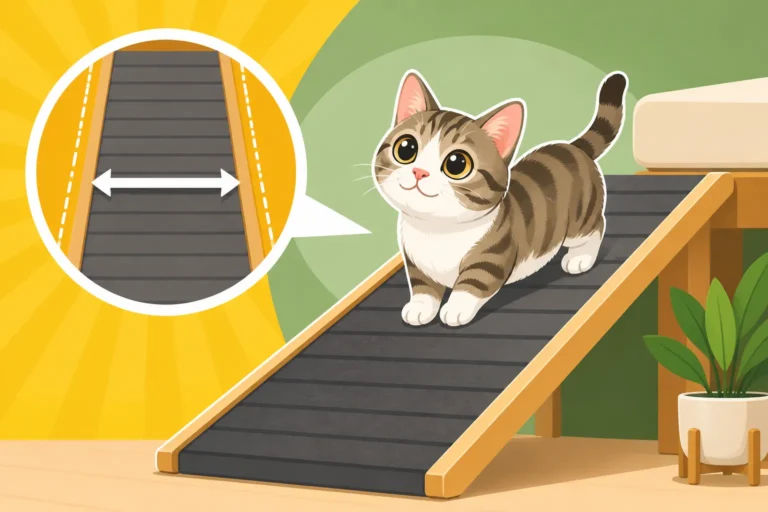
- Overall Incline: Combined, the height and depth create the incline. A gentler, more gradual incline is always better. Imagine a ramp versus a ladder – the ramp is much easier for short legs. Some pet stairs are designed with a very slight slope, almost like a series of small, shallow ramps, which is perfect for a Munchkin. This also reduces the impact on their shoulders and elbows as they ascend and descend.
When considering pet stairs, think about your Munchkin's unique anatomy. Their short legs mean they need low, wide, and stable steps. Trying to make do with stairs designed for larger, long-legged pets will likely result in a frustrating and potentially harmful experience for your beloved cat. This detailed consideration is part of What a Munchkin's House Costs More Than the Cat – making necessary adaptations for their safety and comfort.
Choosing and Using Pet Stairs Safely for a Munchkin
Once you understand the specific needs of your short-legged friend, the process of selecting and integrating pet stairs into your home becomes much clearer. It’s about more than just buying them; it's about making them a safe, natural part of your Munchkin's daily routine.
Stability Features to Look For
When you're browsing for pet stairs, either online on sites like Amazon or Chewy, or in a physical store, keep an eye out for these crucial stability features:
- Non-Slip Bases: This is non-negotiable. Stairs must have rubberized feet, silicone pads, or a wide, heavy base that prevents them from sliding on hardwood, tile, or laminate floors. A pet stair that shifts even slightly when your Munchkin steps on it can cause fear, a fall, or even injury. Imagine you're climbing a ladder and it starts to slide – terrifying! The same applies to your cat. If the stairs don't come with effective non-slip features, you'll need to add your own, such as anti-slip mats underneath.
- Wide Steps: Narrow steps can make a Munchkin feel insecure. They need enough space to place their paws confidently and even turn around if they feel the need. Wider steps (think at least 10-12 inches across) offer better balance and make the stairs feel more inviting. This also reduces the chance of them accidentally stepping off the side.
- Gentle Incline: As discussed, a low rise and deep tread create a gentle slope. Some stairs are designed with a slight angle, mimicking a ramp more than traditional steps. This design is exceptionally beneficial for a Munchkin's spine and joints, minimizing the jarring impact of climbing and descending. Avoid anything that looks steep or requires significant vertical effort from your cat.
- Solid Construction: This goes back to the material, but also to how it's put together. If it's wood, are the joints securely fastened? If plastic, does it feel rigid and substantial, without any creaking or wobbling? Give the stairs a good shake and press down on the steps to test their sturdiness before bringing them home.
Introducing Stairs to Your Munchkin
Cats, even confident ones, can be wary of new objects. Don't expect your Munchkin to immediately embrace their new stairs with enthusiasm. Patience and positive reinforcement are key.
- Placement is Crucial: Put the stairs exactly where your Munchkin wants to go – next to the sofa, the bed, or a favorite windowsill that was previously out of reach. The motivation to reach a desired spot will be a powerful incentive.
- Make it Inviting: Place their favorite toy, a treat, or a sprinkle of catnip on the first step, then the second, and eventually at the top. Use high-value rewards to create a positive association. You could even use a lick mat spread with some tasty wet food on the top step.
- Lead by Example (Gently): You can gently guide them up the first step, then reward them. Avoid forcing them, as this can create a negative association. Let them explore at their own pace. If they are hesitant, try placing them on the top step, then encouraging them to come down the stairs first, as descending can sometimes feel less intimidating.
- Repeat and Reward: Consistency is vital. Every time they use the stairs, even for just one step, offer praise and a small treat. Soon, they'll associate the stairs with good things. This gradual process helps them build confidence. Over time, you'll notice them using the stairs naturally, a testament to your patience. For more general training tips, consider reading Teaching a Munchkin to Come When It Is Time to Be Lifted, which emphasizes positive reinforcement.
Placement and Maintenance for Longevity
Proper placement and regular maintenance will ensure your pet stairs remain a safe and effective mobility aid for years.
- Strategic Placement: Identify all the key elevated spots your Munchkin tries to reach. This might include:
- Your bed
- The living room sofa
- A favorite armchair
- A cat-friendly window perch
- Even certain cat trees (ensure the platforms are close enough for their short legs).
You might need multiple sets of stairs or ramps throughout your home. Consider How Many Steps a Munchkin Needs to Reach a Bed and strategize accordingly.
- Anchor if Possible: If your stairs are lightweight, consider ways to anchor them gently to the furniture they serve, or against a wall, to prevent any movement. Some plastic stairs have grooves that can slot under a sofa base.
- Regular Cleaning: Keep the stairs clean, especially if they are carpeted. Dirt and debris can make steps slippery or harbor allergens. For plastic or wooden stairs, a quick wipe down is usually sufficient. For carpeted stairs, regular vacuuming or spot cleaning will keep them hygienic and inviting.
- Check for Wear and Tear: Periodically inspect the stairs for any signs of damage – loose screws, wobbly parts, worn-out anti-slip pads, or frayed carpet. Address any issues immediately to maintain safety. A small repair can prevent a big accident. This is part of the ongoing commitment to Caring for an Old Munchkin That Has Stopped Climbing and ensuring their continued comfort.
Alternatives and Complementary Solutions
While pet stairs are a fantastic solution, they are just one piece of the puzzle when creating a truly accessible and safe home for your Munchkin. Considering alternatives and complementary strategies can enhance their mobility and overall well-being.
Ramps Versus Stairs for Munchkins
The debate between ramps and stairs for pets is a valid one, and for Munchkins, each has distinct advantages.
- Ramps:
- Pros: Ramps provide a continuous, gentle slope, which completely eliminates the need for any jumping motion. This makes them ideal for cats with any degree of joint pain, stiffness, or spinal concerns, as the stress on their body is minimized. They are often easier for very young kittens or senior Munchkins to navigate, as there are no individual steps to judge. For owners worried about Whether a Munchkin Is in Pain From Its Legs, a ramp offers the gentlest possible ascent and descent.
- Cons: Ramps can take up more floor space than stairs due to their gradual incline. They also need to have a non-slip surface that a Munchkin can grip confidently, as a slick ramp would be dangerous. Some cats, especially those used to climbing, might initially be hesitant to use a ramp, preferring the distinct "steps."
- Stairs:
- Pros: Stairs generally have a smaller footprint than ramps for the same height, making them suitable for tighter spaces. Many cats find the clear definition of steps easier to understand and use. With the right low rise and deep tread, they can be very effective and safe for Munchkins.
- Cons: Even with optimal design, stairs involve a repetitive lifting motion with each step, which, while minimal compared to jumping, still places some stress on the joints. They might not be suitable for Munchkins with severe mobility issues or advanced arthritis.
Many owners find a combination of both works best – stairs for the main living areas with higher traffic, and ramps for specific spots like a favorite window perch or even outside access to a catio (if it's a completely enclosed and safe catio, of course). The key is to observe your individual Munchkin: do they seem to prefer one over the other? Are they comfortable and confident using the chosen aid? You can also explore options for How to Teach a Munchkin to Use a Ramp if you opt for this solution.
DIY Solutions and Furniture Modifications
Not every solution needs to come from a pet supply store. With a bit of creativity, you can create accessible points for your Munchkin using items you already have or some simple DIY projects.
- Step Stools: A sturdy, wide step stool can serve as an intermediate landing spot for a sofa or bed. Place a small, non-slip mat on top for extra grip. You might need two step stools of varying heights to create a gradual "staircase."
- Ottomans and Poufs: Strategically placed ottomans or storage benches can create a stepped pathway up to furniture. Ensure they are stable and don't wobble. This integrates mobility aids seamlessly into your decor.
- Stackable Storage Cubes: If you have sturdy, stackable storage cubes, these can be arranged to create a customized set of steps. Just make sure they are heavy enough not to tip and add non-slip pads to the top and bottom of each.
- Old Drawers or Small Bookshelves: With some imagination, an old sturdy drawer or a low, wide bookshelf can be repurposed into a step. You can carpet them for better grip and a more finished look.
- Furniture Rearrangement: Sometimes, simply moving furniture closer together can create an accessible "staircase" for your Munchkin. For example, placing a sturdy coffee table next to a sofa can bridge a gap. Consider how you can Rearrange a Room So a Munchkin Can Climb.
When pursuing DIY solutions, always prioritize safety. Ensure anything you use is stable, cannot tip over, and has a non-slip surface. Check for sharp edges or pinch points. The goal is accessibility without creating new hazards.
Creating a Multi-Level, Accessible Home
The most comprehensive approach is to think about your entire home environment through your Munchkin's eyes. It’s about creating an integrated, multi-level landscape that caters to their specific mobility needs.
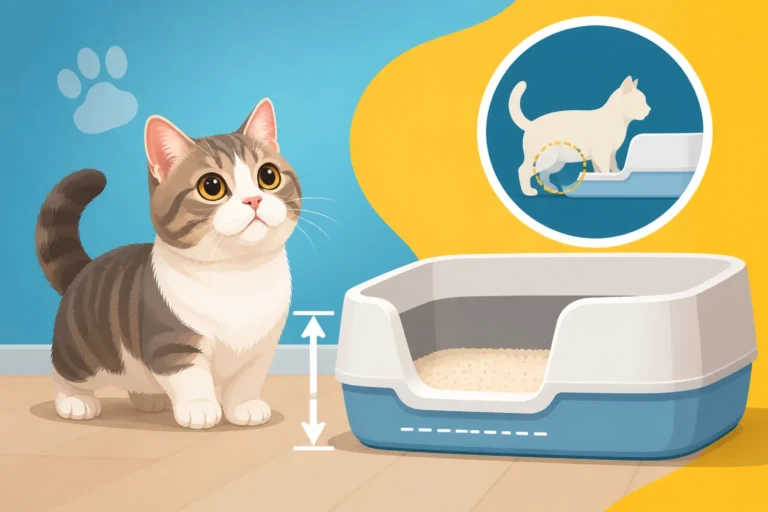
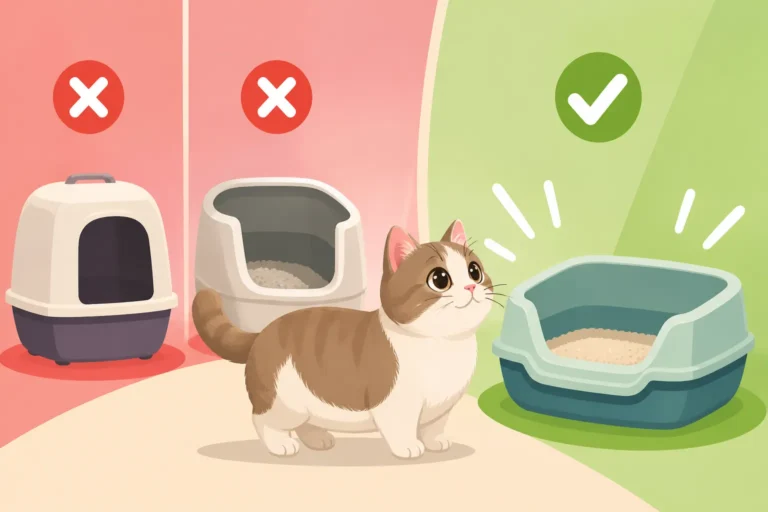
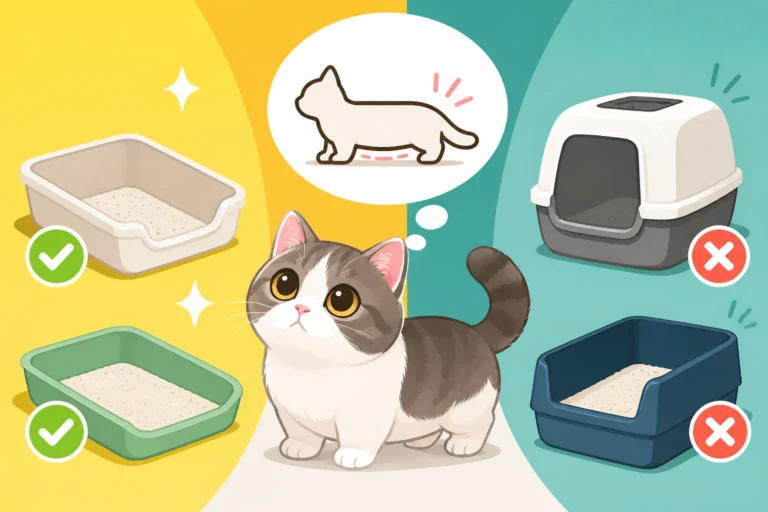
- Floor-Level Everything: Ensure essential items like food, water, and litter boxes are easily accessible at floor level. Even if you have raised bowls, make sure the path to them is entirely flat or ramped. For litter boxes, focus on Which Litter Box a Munchkin Can Actually Enter – a low-entry box is vital.
- Strategic Ramps and Steps: Map out all the desirable high spots in your home (windowsills, cat trees, beds, sofas) and install appropriate ramps or stairs for each. Think about flow – how can your Munchkin move between these spots safely?
- Carpeted Runners and Rugs: For homes with hard floors, runners and rugs provide traction, making it easier and safer for Munchkins to move quickly without slipping. This is especially important for their zoomies! You'll want to avoid anything too plush that could trip them up, but a good quality, low-pile rug can be a lifesaver.
- Safe Landing Zones: For any areas where your Munchkin might still attempt a small jump (e.g., from a low chair to the floor), consider placing soft rugs or pet beds underneath to cushion any landing.
- Vertical Scratching Posts: While a Munchkin can't stretch vertically like a standard cat, they still need to scratch. Provide horizontal scratchers or short, sturdy posts they can use comfortably.
- Consider a Catio: If you have a catio, make sure it’s designed with multiple levels that your Munchkin can access via ramps or shallow steps. A tall, empty catio is as useless as an inaccessible cat tree.
By consistently adapting your home, you're not just preventing injuries; you're actively enriching your Munchkin's life, allowing them to explore, play, and relax in comfort and safety. This holistic approach ensures that while their legs are short, their world doesn't have to be.
Pet Stairs for Munchkins: A Comparison Guide
When selecting pet stairs for your Munchkin, it's helpful to compare the different types and features. This table summarizes common options and their suitability.
| Feature / Type | Foam/Sponge Stairs | Plastic Stairs | Wooden Stairs | Metal Frame Stairs |
|---|---|---|---|---|
| Strength/Stability | Low – prone to compression, can feel wobbly. | Medium – varies greatly by plastic quality and design. | High – very sturdy, heavy, and stable. | Medium to High – frame is strong, steps vary. |
| Durability | Low – can wear out quickly, deform. | Medium – generally good, but can crack. | High – built to last, often heirloom quality. | Medium – frame durable, steps (fabric/plastic) may wear. |
| Non-Slip Base | Often relies on fabric grip; some have rubber dots. | Essential to check for rubber feet/pads. | Common to have rubber feet or felt pads. | Usually have rubber feet. |
| Step Height (Rise) | Variable, often can be too high for Munchkins. | Variable, look for low rise (4-5 inches max). | Variable, look for low rise (4-5 inches max). | Variable, look for low rise (4-5 inches max). |
| Step Depth (Tread) | Variable, can be shallow if poorly designed. | Variable, aim for deep (6-8 inches min). | Often good depth, provides secure footing. | Variable, aim for deep treads. |
| Surface for Paws | Soft fabric, can be slippery if worn smooth. | Can be smooth plastic, may need added grip. | Often carpeted or textured for grip. | Steps can be fabric (carpeted) or plastic. |
| Ease of Cleaning | Can be difficult to clean, may absorb spills. | Very easy to wipe clean. | Easy to wipe, especially if sealed; carpeted parts need care. | Frame easy to clean, step material dictates ease. |
| Portability | High – very lightweight. | High – generally lightweight. | Low – often heavy and bulky. | Medium – frame is light, but overall size can be large. |
| Aesthetic | Basic, often comes in limited colors. | Functional, sometimes modern designs. | Can be elegant, blends well with home decor. | Modern, sometimes industrial look. |
| Typical Cost | Lower | Medium | Higher | Medium to Higher |
This article is for general informational purposes only and does not constitute professional advice. Laws, prices and regulations vary by location and change over time. Consult a qualified professional for guidance on your specific situation.