How High a Munchkin’s Food Bowl Should Sit
One common frustration many Munchkin cat owners face is finding the right accessories that truly accommodate their beloved short-legged companions. Standard cat bowls, designed for felines with average leg length and body proportions, often put our adorable Munchkins in uncomfortable and potentially unhealthy positions during meal times. This guide will walk you through understanding the ideal food bowl height for your Munchkin, ensuring they can eat comfortably and maintain good posture, contributing to their overall well-being.
The Unique Challenges of a Munchkin's Anatomy
Our Munchkins are wonderfully unique, but their distinguishing short legs mean that everyday items designed for typical cats often present unexpected hurdles. When it comes to something as fundamental as eating, a standard food bowl can turn a simple meal into a strained acrobatic act.
Why Standard Bowls Just Don't Cut It for Our Short-Legged Friends
Imagine trying to eat your dinner from a table that's at your chin level, requiring you to perpetually crane your neck downwards or crouch uncomfortably. That's often what it's like for a Munchkin trying to eat from a bowl placed directly on the floor. Their shorter limbs mean their chest and head are much closer to the ground than a cat with conventional leg length. To reach their food, they have to bend their neck significantly, putting strain on their cervical spine and shoulder joints. Over time, this repetitive awkward posture can contribute to discomfort or exacerbate existing sensitivities in their back. It's a bit like forcing a human with a short torso to use a regular height kitchen counter; it's simply not ergonomically correct.
This isn't just about temporary discomfort during meals. Prolonged, incorrect posture can have long-term implications. The spine, which already carries a unique load in a Munchkin due to their body structure, can be further stressed. Why a Munchkin's Spine Carries a Load a Normal Cat's Does Not delves into the specifics of this spinal loading. Beyond physical strain, a hunched position can also impact digestion. When a cat eats with their neck bent severely, it can compress their digestive tract, potentially leading to issues like slower digestion, gas, or even regurgitation. We want mealtime to be a relaxed, enjoyable experience, not a chore that causes strain or tummy troubles.
The Importance of a Comfortable Eating Posture
Ensuring your Munchkin eats in a comfortable, natural posture is more than just a nice-to-have; it's a crucial part of their preventive care. A properly positioned food bowl allows your cat to maintain a relatively neutral spine and neck position while they eat. Their head should be comfortably above their shoulders, and their back should be straight, not hunched or excessively stretched. Think of it as supporting their natural feline alignment, even with their unique leg structure.
This comfortable posture directly aids digestion by allowing food to travel down the esophagus smoothly and without obstruction. Less strain means less risk of digestive upset, and a more efficient intake of nutrients. Perhaps even more importantly, a good eating posture helps protect their joints and spine from unnecessary wear and tear. Our Munchkins are prone to certain joint issues, and anything we can do to reduce daily stress on their musculoskeletal system is a win. For instance, you can learn more about how joint problems manifest in their front limbs by reading about How Osteoarthritis Shows in a Munchkin's Shoulders. By elevating their food bowl, we're not just offering convenience; we're investing in their long-term health and comfort, making every meal a gentle, supportive experience for their little bodies.
Finding the "Just Right" Height for Your Munchkin's Food Bowl
So, you're convinced that a raised bowl is the way to go – fantastic! Now comes the crucial part: figuring out that Goldilocks height that's "just right" for your unique Munchkin. There's no one-size-fits-all answer, as every cat is an individual, but we can aim for a sweet spot.
The Ideal Height: Eye Level or Slightly Below
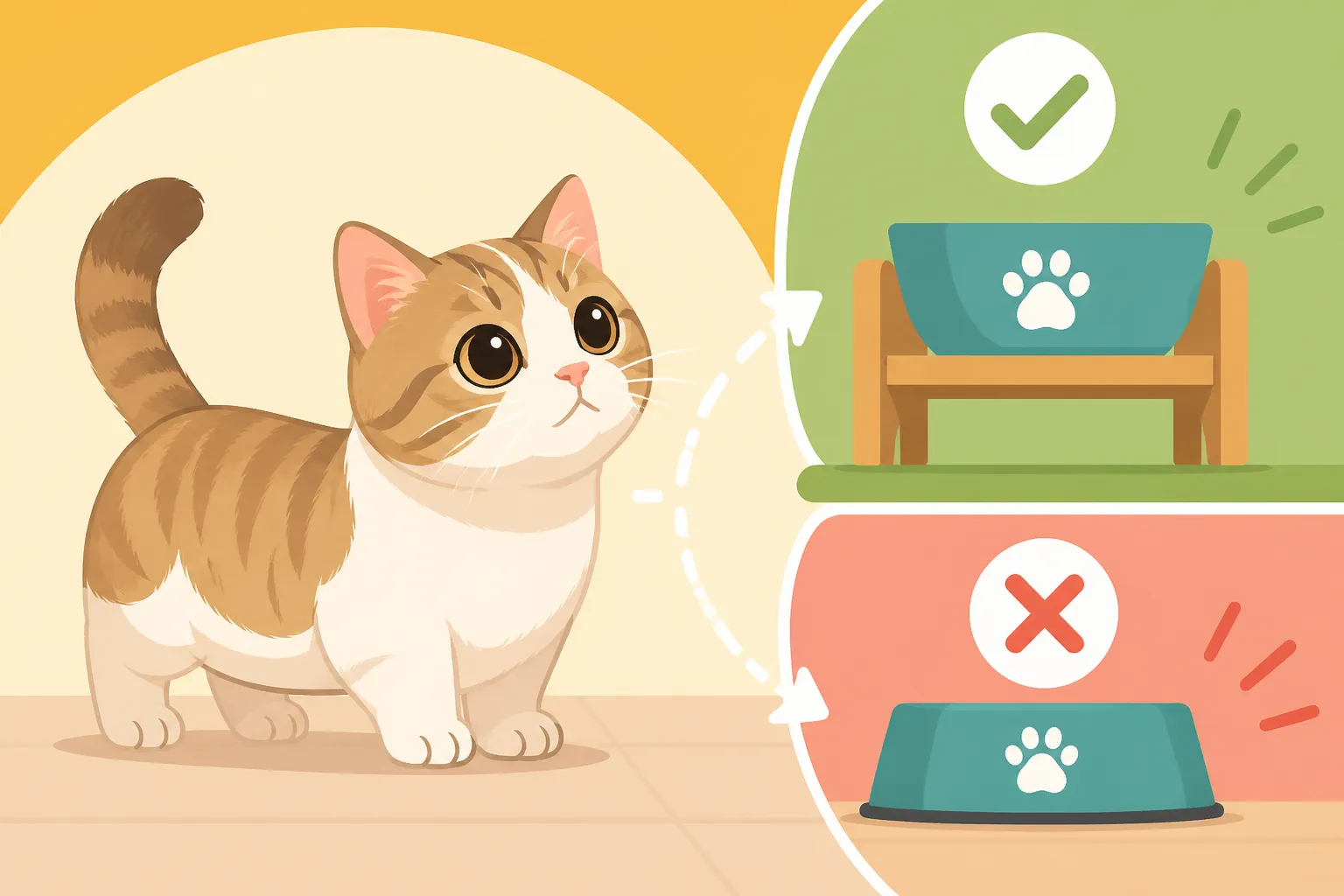
The general rule of thumb for any cat, but especially a Munchkin, is to aim for a bowl height that allows them to eat without significant neck flexion or hunching. For a Munchkin, this usually translates to a bowl that is roughly at their chest or eye level when they are standing comfortably on all four paws. Their head should be able to dip into the bowl with only a slight, natural curve of the neck, rather than a sharp bend. Their back should remain relatively straight and horizontal to the floor.
This prevents the downward strain on the neck and the upward pressure on the shoulders. If you observe your Munchkin eating from a floor-level bowl, you'll see a distinct V-shape in their neck; our goal is to flatten that V into a gentle curve. Factors like your cat's specific leg length (some Munchkins have slightly longer or shorter legs than others) and their age will influence this. A growing kitten might need adjustments as they mature, and a senior Munchkin might benefit from a slightly higher position if they develop joint stiffness. It’s all about creating an ergonomic setup that supports their natural posture without forcing them to stretch or compress their bodies in any way.
Methods for Achieving the Perfect Bowl Height
Once you know what you're aiming for, there are several ways to elevate your Munchkin's food bowl:
- Dedicated Raised Feeders: These are specifically designed for pets and come in various heights, often with adjustable options. They typically feature a stand or platform with cutouts for one or two bowls. You can find these made from wood, plastic, or metal, often equipped with non-slip feet. Many pet supply stores, like Chewy, offer a wide selection of elevated feeders that cater to different pet sizes. Look for ones marketed for small dogs or cats with specific needs, and always check the height measurements before purchasing.
- DIY Solutions: You don't always need to buy something fancy. Simple household items can work wonders!
- Small Blocks or Bricks: A sturdy, clean block of wood or a decorative brick can be a simple base. Just make sure it's stable and won't tip over easily.
- Stack of Books: For a temporary or adjustable solution, a neat stack of heavy books can provide elevation. Always choose books you don't mind getting a little messy, and ensure they form a stable, level surface.
- Small Stools or Plant Stands: A low, sturdy stool or a decorative plant stand can also serve as an excellent raised feeder. Ensure the top surface is large enough to safely hold the bowl without it teetering.
- Plastic Storage Containers: An inverted, sturdy plastic storage container can also work. These are often easy to clean and can be quite stable.
- Adjustable Stands: Some pet feeders feature adjustable legs or multiple height settings, making it easy to fine-tune the elevation as needed. This is particularly useful for kittens as they grow or for older cats whose needs might change. You can often find a good range of options on large online marketplaces like Amazon, where you can compare different styles and read reviews.
When choosing or creating your elevated solution, always prioritize stability. A wobbly bowl stand can be frustrating for your cat and could lead to spilled food, or worse, an injury if it collapses. Test the stability thoroughly before leaving your Munchkin to eat from it unsupervised.
Here's a quick comparison of common methods:
| Method | Pros | Cons | Key Considerations |
|---|---|---|---|
| Dedicated Elevated Bowl Stands | Designed for pets, often stable, aesthetically pleasing | Can be more expensive, may not be perfectly adjustable | Look for non-slip bases and appropriate height range for small pets. |
| DIY (e.g., Books, Blocks) | Inexpensive, highly customizable, uses existing items | May not be as stable or aesthetically pleasing, potential for tipping | Ensure stability, use heavy, non-slip items, and place on a level surface. |
| Adjustable Feeders | Allows for precise height tuning, grows with your cat | Potentially higher cost, fewer design options | Check the adjustment mechanism for sturdiness and ease of use. |
Practical Considerations and What to Look For
Beyond simply elevating the bowl, there are other practical aspects to consider that will enhance your Munchkin's mealtime experience and contribute to their overall hygiene and comfort.
Bowl Material, Shape, and Stability
Choosing the right bowl itself is just as important as its height.
- Material:
- Stainless Steel: This is often recommended by veterinarians. It's durable, easy to clean, non-porous (so it won't harbor bacteria), and generally doesn't retain odors.
- Ceramic: Ceramic bowls can be aesthetically pleasing and are heavy, making them stable. However, they can chip or break, and if the glaze is damaged, they can become porous and harder to sanitize. Ensure they are lead-free.
- Plastic: While inexpensive and lightweight, plastic bowls are generally not ideal. They can scratch easily, creating crevices where bacteria can grow. Some cats can also develop "chin acne" from plastic bowls. If you do use plastic, ensure it's high-quality, BPA-free, and replace it frequently.
- Shape: Look for wide, shallow bowls. Cats, including Munchkins, can experience "whisker fatigue" if their whiskers are constantly bumping against the sides of a deep, narrow bowl. This can make eating an unpleasant experience, sometimes causing them to push food out or refuse to eat. A wide, shallow dish allows them to eat without their sensitive whiskers being constantly stimulated.
- Stability: Whether you choose a dedicated feeder or a DIY solution, stability is paramount. The bowl should sit securely without wobbling or tipping when your Munchkin eats from it. Non-slip feet on the stand or a heavy base for the bowl itself can prevent accidental spills, which are not only messy but can startle your cat or deter them from using the elevated setup. Remember, a cat with short legs might try to brace itself against the stand while eating, so it needs to be robust.
Another aspect of a Munchkin's low stature is that their belly can be quite close to the ground, especially if they are a "rug hugger" or have a fuller figure. This means they can sometimes drag their belly through spilled food or water if the eating area isn't kept meticulously clean. Why a Munchkin's Belly Nearly Touches the Floor discusses this unique challenge in more detail. Choosing materials that are easy to wipe clean, and cleaning the area regularly, will help prevent skin irritation or matting on their underside.
Observing Your Munchkin's Eating Habits and Adjusting
Finding the perfect setup for your Munchkin might take a little trial and error, and that's perfectly normal! Your cat is the best judge of their own comfort.
- Signs of Comfort: Look for a relaxed posture, steady eating, and a general contentedness during mealtime. They should approach the bowl eagerly and eat without hesitation, finishing their meal without backing away or showing signs of frustration.
- Signs of Discomfort:
- Eating Slowly or Hesitantly: If they take a long time to eat, approach the bowl, back away, and then return, it could indicate discomfort.
- Messy Eating: Pushing food out of the bowl, batting at it, or eating around the edges could be a sign of whisker fatigue or an awkward height.
- Gulping or Regurgitation: While sometimes related to eating too fast, a consistently bent neck can contribute to food coming back up.
- Shifting Weight: If they seem to shift their weight frequently, stand on their hind legs to reach, or try to sit down while eating, the height might be off.
- Avoiding the Bowl: In extreme cases, they might avoid eating altogether if the setup is consistently uncomfortable.
Don't be afraid to make small adjustments. If the bowl seems too high, lower it slightly. If they're still hunching, try raising it a little more. You might even film them eating for a few minutes to objectively observe their posture, as sometimes it's hard to notice subtle signs in the moment. Remember that their water bowl also needs the same consideration for height. Many of the same principles apply, and you can explore this further in Whether a Munchkin's Water Should Be Raised Too. The goal is to create an environment where eating and drinking are effortless and pain-free.
Beyond Bowl Height: Holistic Care for Your Munchkin's Comfort
While optimizing food bowl height is a significant step, it's part of a larger picture of creating a comfortable, supportive environment for your short-legged Munchkin. Their unique physical attributes mean we, as owners, need to be proactive in adapting their world to them.
Other Ergonomic Home Adaptations
A Munchkin's home needs to be tailored to their inability to jump as high as other cats, ensuring they can access all their favorite spots and essential resources without strain or frustration.
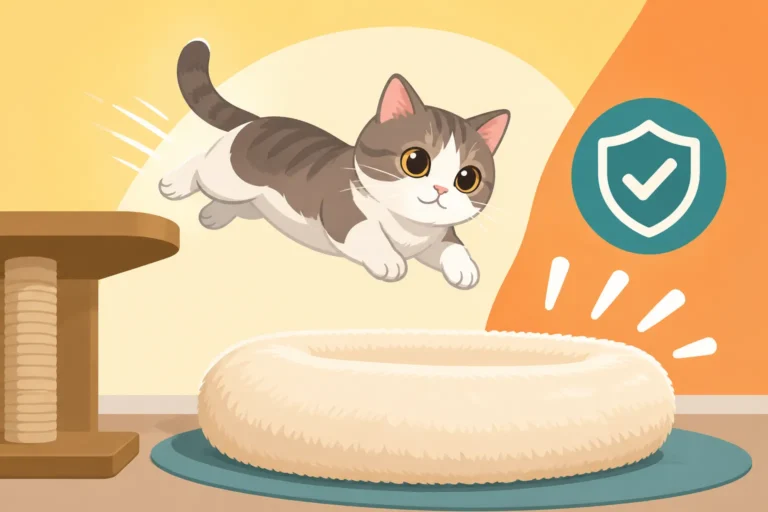
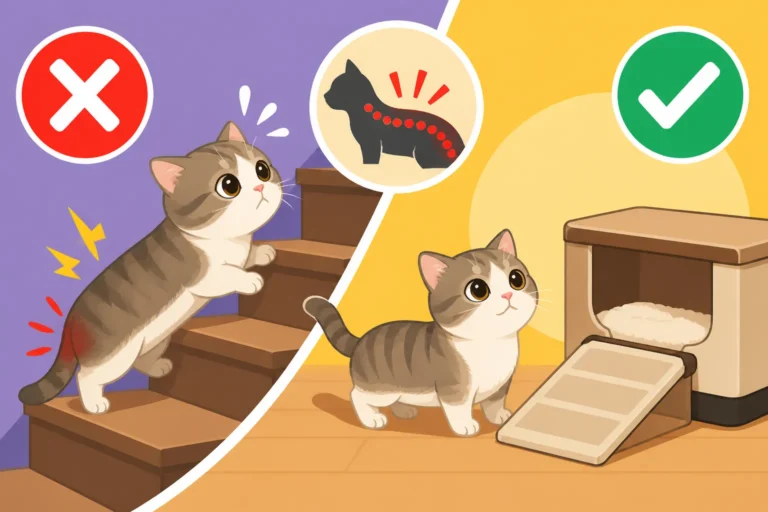
- Ramps and Steps for Furniture Access: This is arguably one of the most crucial adaptations. Munchkins simply cannot leap onto sofas, beds, or window sills with the ease of a long-legged cat. Providing sturdy, carpeted ramps or steps allows them to safely ascend and descend, protecting their joints and spine from the impact of repeated jumps. Without these, they might attempt dangerous jumps or simply be excluded from family spaces. Ramps and Steps Are Munchkin Equipment, Not Luxuries explains just how vital these tools are for their mobility and happiness.
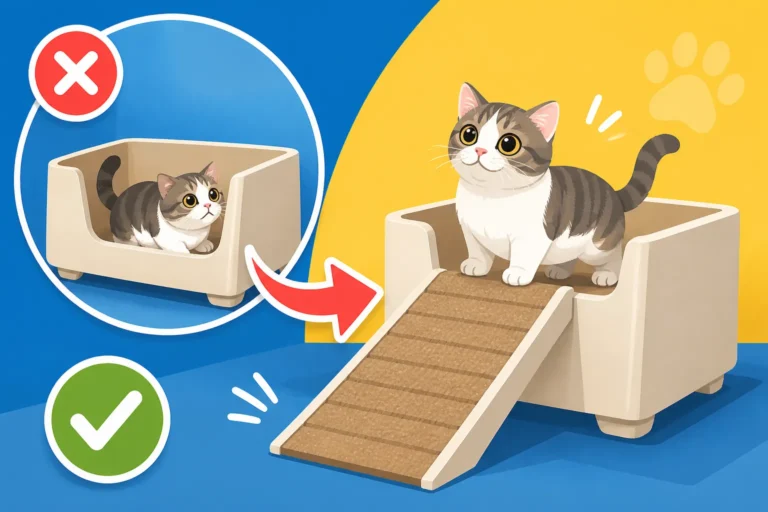
- Low-Entry Litter Boxes: Just as a high food bowl presents a challenge, a litter box with high sides can be difficult, if not impossible, for a Munchkin to enter comfortably. They need a box with a very low entry point to avoid straining their back or struggling to step over edges. Imagine trying to step into a bathtub that's waist-high when your legs are half the normal length! There are many excellent senior cat litter boxes that fit the bill perfectly, designed for ease of access. You can find more details on selecting the right one in Which Litter Box a Munchkin Can Actually Enter.
- Appropriate Scratching Posts: Standard tall scratching posts are often out of reach for a Munchkin when standing on their hind legs. Opt for horizontal scratchers, inclined scratchers, or shorter, sturdier posts that they can comfortably reach to stretch and scratch their claws. This prevents them from resorting to furniture and ensures they get adequate claw maintenance and stretching. For more guidance on this, refer to Which Scratching Post Suits a Munchkin.
- Overall Weight Management: Perhaps one of the most critical aspects of holistic care for a Munchkin is meticulous weight control. Every extra gram of weight puts additional strain on their short legs and unique spinal structure. An overweight Munchkin is at a significantly higher risk for joint issues, back pain, and other health problems. Regular monitoring of their body condition and a carefully managed diet are essential. For a deep dive into this topic, you can read Why Weight Is More Dangerous on a Munchkin. Proper nutrition, combined with an adapted environment, creates the foundation for a healthy, active life.
By making these thoughtful adjustments, you’re not just accommodating their physical limitations; you're actively enhancing their quality of life, allowing them to navigate their world with confidence and comfort.
Regular Vet Checks and Early Intervention
Even with the most perfectly adapted home environment, regular veterinary care remains indispensable for our Munchkin companions. Their unique physical characteristics mean that certain health considerations need consistent monitoring.
- Routine Check-ups: Regular annual (or more frequent for seniors) veterinary check-ups are vital for all cats, but especially for Munchkins. These visits allow your vet to perform a thorough physical examination, checking their joints, spine, and overall mobility. They can spot subtle changes that might indicate discomfort or the onset of conditions like arthritis. Your vet can also assess their weight and advise on diet and exercise. You can find useful information on the frequency of these checks in How Often a Healthy Adult Munchkin Needs Checking.
- Discussing Joint Health with Your Vet: Given the structure of their legs and the load on their spine, Munchkins can be prone to joint issues as they age. Don't hesitate to discuss any concerns you have about their mobility with your veterinarian. They might recommend specific joint supplements, dietary adjustments, or even periodic imaging to monitor their bone and joint health. Early detection and intervention can significantly improve their comfort and quality of life.
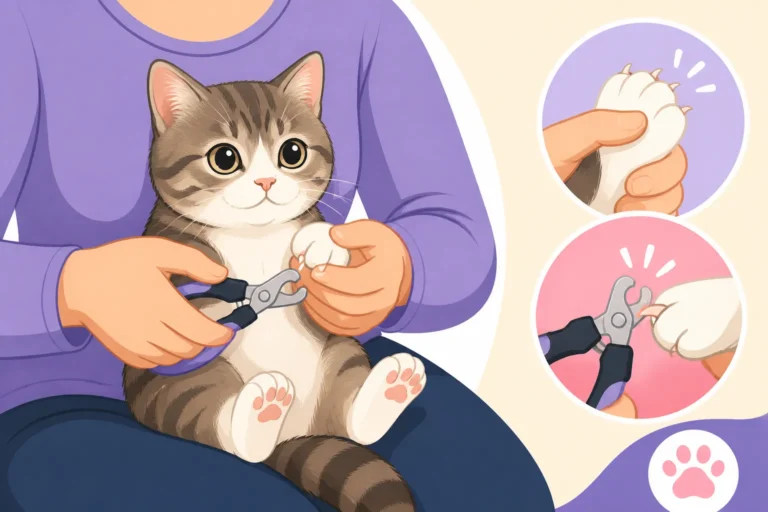
- Early Signs of Stiffness or Pain: As a loving owner, you are often the first to notice subtle changes in your cat's behavior. Look for signs of stiffness, reluctance to jump (even onto ramps), changes in gait, or decreased activity levels. They might show sensitivity when touched on their back or shoulders. These could be early indicators of joint discomfort or other issues. For more on what to look for, read At What Age a Munchkin Starts to Stiffen. Prompt veterinary attention for these signs can lead to effective pain management and supportive care, ensuring your Munchkin remains as spry and happy as possible for many years to come.
Being proactive with veterinary care, combined with a thoughtfully adapted home, ensures that your Munchkin has every opportunity to live a full, joyful, and comfortable life, despite their adorable short stature.
Disclaimer
This article is for general informational purposes only and does not constitute professional advice. Laws, prices and regulations vary by location and change over time. Consult a qualified professional for guidance on your specific situation.