Whether a Munchkin’s Water Should Be Raised Too
One common concern I hear from fellow Munchkin cat parents is how to make daily life as comfortable as possible for their short-legged companions. It's not just about playtime; even basic necessities like eating and drinking can become a bit of a stretch, literally, for these unique felines. This guide aims to tackle a specific but important question: should a Munchkin's water bowl be raised, mirroring the advice often given for their food bowls, to prevent unnecessary strain and promote their long-term well-being?
The Unique Physical Needs of a Munchkin Cat
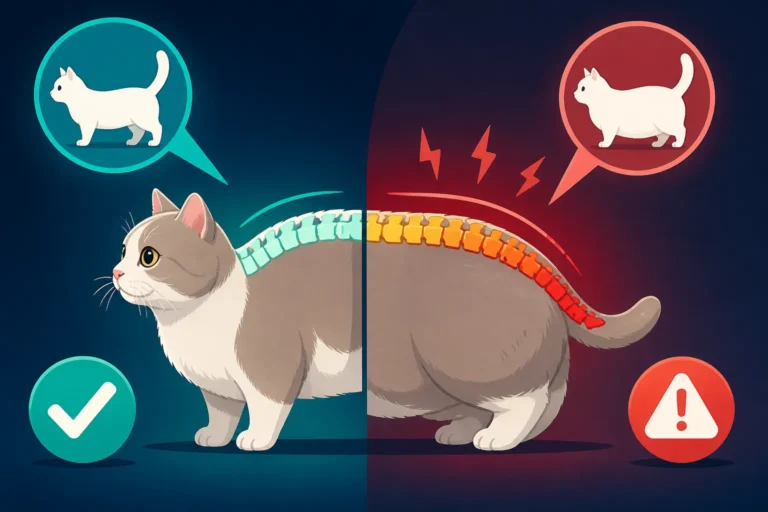
Let's be real, a Munchkin isn't your average cat. Their adorable short legs, the result of a genetic mutation, mean that while their body length is usually pretty standard, their height off the ground is significantly reduced. This isn't just a cosmetic trait; it profoundly impacts how they interact with their environment. When we talk about their health, we often focus on their spine and joints, and for good reason. Why a Munchkin's Spine Carries a Load a Normal Cat's Does Not is a crucial piece of understanding, as their unique conformation means certain activities can place undue stress on their bodies.
Imagine trying to reach something low to the ground if your legs were half as long as everyone else's. You'd have to crouch, stretch your neck down, and put your body in an awkward position. This is precisely what our Munchkins face every single day. Their gait is different, often described as a ferret-like shuffle or waddle, and while they are surprisingly fast and agile on the flat, their ability to navigate vertical spaces is naturally limited. They simply cannot jump as high as other cats, which means everything from scaling a cat tree to reaching a kitchen counter requires a different approach, or more often, our direct intervention.
Why Raised Food Bowls Are a Common Recommendation
You've probably already heard the advice about raised food bowls for Munchkins, and there's a good reason for it. When a cat eats from a bowl directly on the floor, they have to lower their head and neck significantly. For a Munchkin, whose legs are already much shorter, this means an even more exaggerated stoop, which can compress their spine and put strain on their neck and shoulder joints. This isn't just about discomfort; over time, this repeated strain can contribute to issues like osteoarthritis, especially in the shoulders and elbows.
Think about it from your own perspective. If you had to eat every meal bent over double, craning your neck to reach your plate on the floor, you'd feel it eventually, wouldn't you? It might not be an immediate sharp pain, but a persistent, low-level strain that compounds over years. Cats are masters at hiding discomfort, so by the time they show obvious signs of pain, the problem might be quite advanced. That's why preventative measures, like ensuring they can eat comfortably, are so important. How to Stop a Munchkin Straining to Eat by providing an appropriate setup can make a world of difference in their daily comfort and long-term joint health.
A raised food bowl allows a Munchkin to maintain a more natural, upright posture while eating. Their neck can be in a more neutral position, and their shoulders don't have to bear the brunt of an awkward lean. This small change can alleviate a lot of the subtle, chronic stress on their musculoskeletal system. Many owners report that their Munchkins seem more relaxed at meal times and even eat more efficiently when their bowls are elevated.
Should a Munchkin's Water Bowl Be Raised Too?
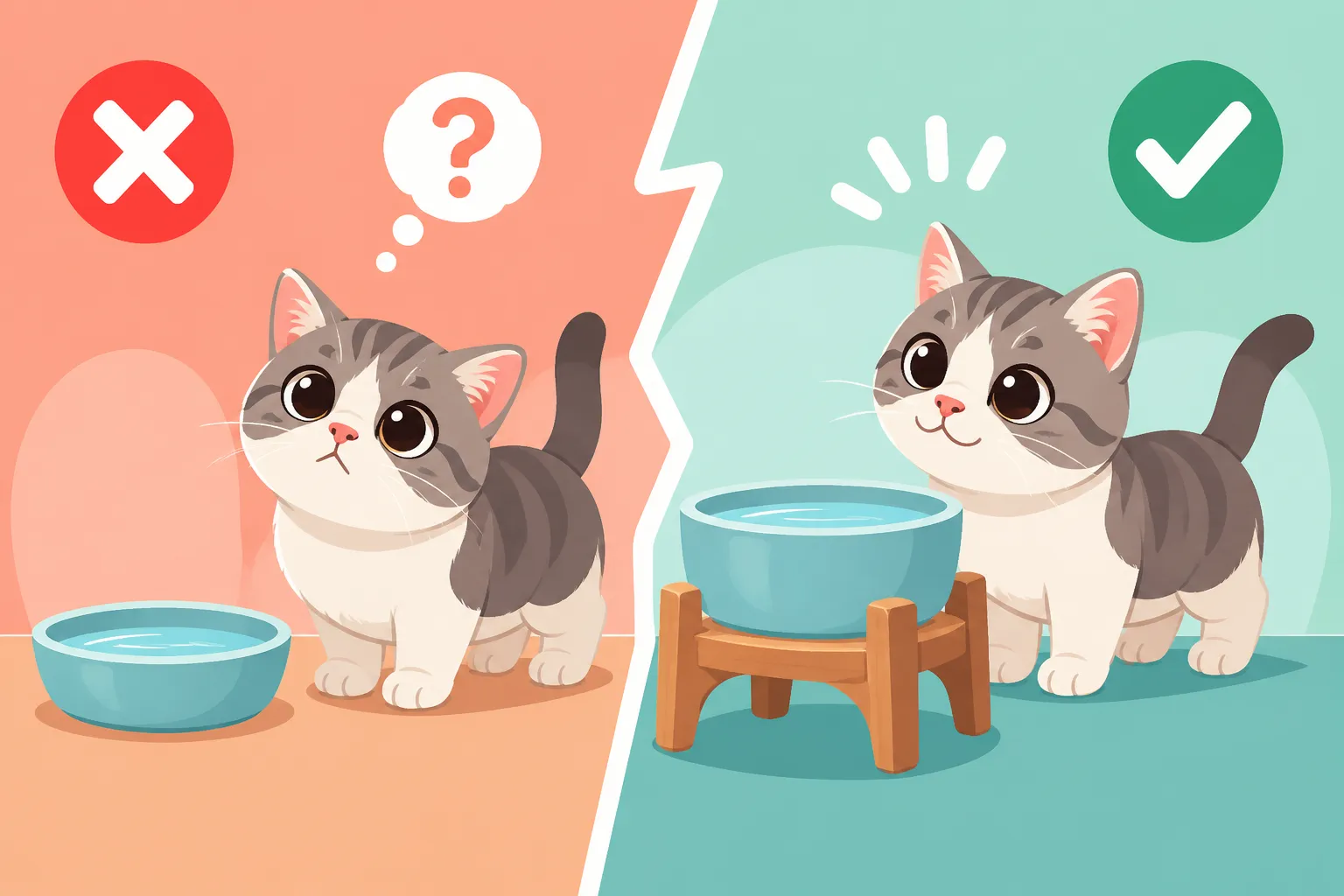
Absolutely, yes! The logic that applies to raised food bowls for Munchkins extends just as strongly, if not more so, to their water bowls. Cats need to drink frequently throughout the day, often taking many small sips. If they have to repeatedly lower themselves into an uncomfortable position every time they want a drink, that's a lot of cumulative strain.
Just like with food, a Munchkin bending down to a floor-level water bowl can experience compression in their spine and strain on their neck and shoulders. Water consumption is incredibly vital for a cat's overall health, particularly for kidney function, so we want to make it as easy and comfortable as possible for them to stay hydrated. A cat that associates drinking with discomfort might unconsciously reduce their water intake, leading to other health issues down the line. We want every sip to be a pleasant, effortless experience.
Consider the continuous nature of drinking. A cat might eat one or two meals a day, but they might visit their water source many times. Each visit is a small opportunity for strain if the bowl is too low. By raising the water bowl, you're promoting proper spinal alignment and reducing stress on their joints with every single drink. This seemingly small adjustment is a proactive step in caring for their unique physical structure and helping them avoid unnecessary wear and tear on their precious little bodies.
Benefits of Elevated Water Bowls for Munchkins
The advantages of providing an elevated water source for your Munchkin go beyond just avoiding strain. It's about enhancing their overall comfort, promoting better hydration, and reducing potential messes around the house. Let's delve into these benefits.
Reducing Spinal and Joint Strain
This is the big one, and it cannot be overstated. A Munchkin's short legs mean that a floor-level bowl forces their spine into an unnatural curve and their neck to extend downwards. Over time, this repetitive motion can contribute to disc issues or accelerate the onset of conditions like arthritis. By raising the bowl, their neck can remain relatively straight, aligned with their spine, reducing compression and strain on the delicate structures of their back and the load on their front limbs. Why a Munchkin's Shoulders Wear First is a painful reality many owners face, and alleviating pressure during daily activities like drinking can help mitigate this.
Imagine the subtle discomfort a human might feel if they had to continuously crouch down low to drink from a tiny fountain. It’s not just a passing inconvenience; it’s a potential source of chronic strain that can lead to pain and stiffness. For our Munchkins, who are already predisposed to certain musculoskeletal challenges due to their unique stature, minimizing this daily strain is paramount.
Promoting Better Hydration
Cats are not always the best drinkers, and some can be quite particular. If a cat finds the act of drinking uncomfortable, even subconsciously, they might drink less frequently or for shorter durations. Dehydration, even mild, can have significant negative impacts on a cat's kidneys and overall health. By making the water source easily accessible and comfortable, you encourage more frequent and thorough drinking.
A comfortable posture means your Munchkin can relax and take their time, ensuring they get enough water. This is particularly important for cats on dry food diets, as they derive most of their moisture from their food. Making water consumption effortless can be a game-changer for their urinary and kidney health. Owners sometimes wonder How Much a Munchkin Drinks From a Floor Level Bowl, and often, a raised bowl can lead to an observable increase in consumption.
Minimizing Neck and Stomach Compression
When a Munchkin has to bend extremely low, their throat and even their stomach can become somewhat compressed. This isn't just uncomfortable; it can potentially impede proper digestion and lead to issues like regurgitation if they drink too quickly or excessively while in an awkward position. An elevated bowl allows for a more open posture, facilitating smoother swallowing and digestion.
This is especially true for senior Munchkins or those with pre-existing digestive sensitivities. Making the process of eating and drinking as natural and unconstricted as possible can prevent minor issues from escalating into larger problems, ultimately contributing to a better quality of life.
Reducing Mess and Improving Hygiene
Cats, especially long-haired ones or those with low-slung bellies, can sometimes drag their fur through floor-level water bowls, creating wet spots and an invitation for bacterial growth. Why a Munchkin's Belly Fur Needs Checking regularly is a common piece of advice because of how close to the ground they sit. A raised bowl lifts the water surface, making it less likely for their fur, or even their dewlaps, to get wet. This keeps their coat cleaner and the area around the bowl drier, which can reduce the frequency of needing to clean up water spills and keep the feeding area more hygienic. Less splashing also means less cleaning for you!
Choosing the Right Elevated Water Bowl for Your Munchkin
When it comes to selecting the perfect elevated water bowl for your short-legged friend, there are a few practical considerations to keep in mind. It's not just about raising it; it's about raising it correctly and choosing a bowl that is safe, stable, and appealing to your cat.
Optimal Height and Adjustable Options
The ideal height for a raised water bowl allows your Munchkin to drink without excessively lowering their head or craning their neck. Generally, this means the rim of the bowl should be roughly at their elbow or chest height when they are standing comfortably. Since Munchkins vary slightly in leg length and body size, an adjustable stand can be incredibly helpful. This allows you to fine-tune the height to perfectly suit your individual cat.
Many brands offer adjustable feeders and waterers, which you can find on sites like Amazon or Chewy. Look for models that are easy to adjust and lock securely into place, so there's no wobbling. Some stands allow for independent bowl height adjustment, which is great if you want the food bowl a tad higher or lower than the water.
Material and Stability
The material of the bowl itself is important. Stainless steel is often recommended because it's non-porous, easy to clean, and doesn't harbor bacteria. Ceramic bowls are also a good option, but they can break if dropped. Plastic bowls are generally not recommended as they can scratch, providing nooks and crannies for bacteria to grow, and some cats can develop "plastic acne" on their chins.
Stability of the stand is crucial. A wobbly bowl is not only frustrating for your cat but can also be a safety hazard. Look for stands with a wide, heavy base or non-slip feet to prevent tipping. Your Munchkin should feel secure approaching and drinking from it. If you have a particularly enthusiastic drinker, a heavier, more robust stand will prevent accidental spills.
Water Fountain vs. Still Water Bowl
Some cats prefer flowing water, and water fountains can encourage increased hydration. If you choose a fountain, make sure it’s an elevated model or one that sits on a raised stand. Many standard fountains are designed for taller cats and might still require your Munchkin to bend awkwardly. There are specific elevated pet fountains available that can provide both the benefits of flowing water and the ergonomic height.
If your Munchkin prefers a still water bowl, ensure it's wide enough for their whiskers not to touch the sides (whisker fatigue is a real thing!) and deep enough to hold a good amount of fresh water, but not so deep that they have to plunge their face in. Regularly cleaning and refilling the bowl is vital, regardless of the type you choose.
Integrating Raised Bowls into a Munchkin-Friendly Home
Adopting a Munchkin often means making thoughtful adjustments to your home environment to cater to their unique physical needs. Raising their water and food bowls is just one piece of this puzzle, but it's an important one. It's about creating a world where they can thrive, move comfortably, and access everything they need without unnecessary strain.
Holistic Home Adaptation
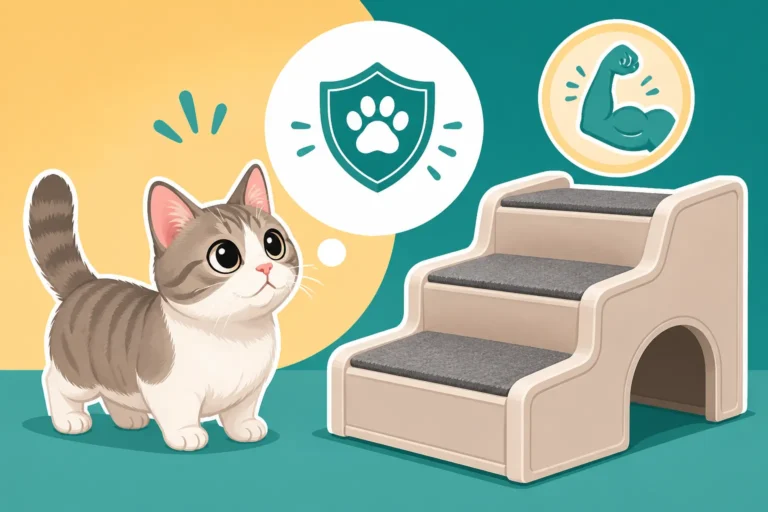
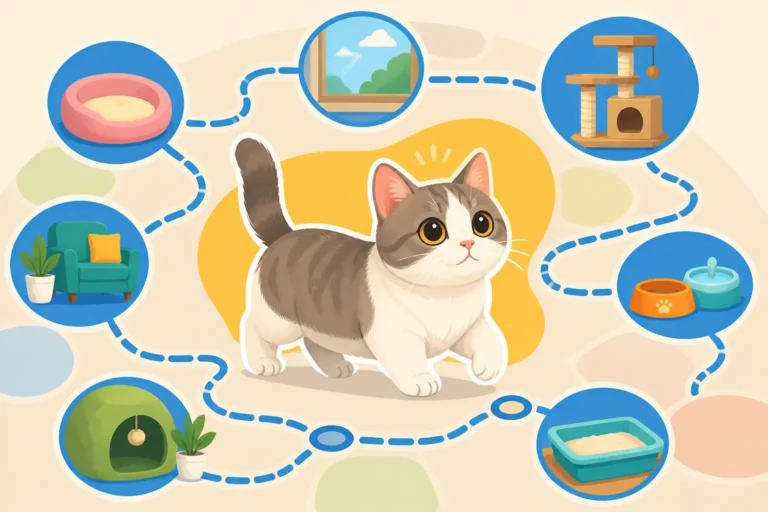
Think of your home from your Munchkin's perspective. Where do they need to go? What do they need to reach? With a Munchkin the House Changes, Not the Cat is a mantra I often repeat. This means providing ramps or steps for furniture, ensuring litter boxes have low entry points, and considering how they navigate vertical spaces. Elevated food and water bowls fit right into this philosophy.
Consider placing water bowls in multiple locations around the house, especially if you have a larger home. This makes it convenient for your Munchkin to grab a drink wherever they are, again encouraging hydration. One bowl might be in the kitchen, another near their favorite napping spot, and perhaps one in a quiet corner. Just make sure all of them are appropriately elevated.
Monitoring and Adjusting
After introducing the new raised water bowl, observe your Munchkin. Do they use it comfortably? Are they drinking more? Do they seem less strained? Every cat is an individual, and while the general principle holds true, the exact setup might need a little tweaking. If your Munchkin seems hesitant, try adjusting the height slightly or moving the bowl to a different, more familiar location. You might even need to experiment with different bowl materials or widths.
Sometimes, a cat might initially be wary of a new setup. Patience is key. You can try putting a small treat near the bowl to encourage them to approach, or simply making sure it's the only accessible water source for a short period (while still offering a floor-level option elsewhere just in case they refuse). Most Munchkins adapt quickly to the added comfort.
The Bigger Picture: Overall Joint Health and Weight Management
Providing elevated bowls is a fantastic step, but it's part of a larger strategy for Munchkin well-being. Keeping your Munchkin at a healthy weight is absolutely critical, as every extra pound places more stress on their already compromised joints and spine. Why Weight Control Is the Whole Munchkin Care Plan for a reason; it's perhaps the single most impactful thing you can do for their long-term comfort. Consult your vet to determine the ideal body condition score for your cat and consider joint-supportive diets, which can be found from quality brands on platforms like Chewy that offer specialized nutrition for feline joint health. Even high-quality general cat food can be part of a balanced diet that supports overall health.
Regular, gentle play at floor level also helps maintain muscle tone without putting undue stress on their legs. Providing comfortable, accessible resting spots is also important. The goal is to create an environment where your Munchkin can live a full, happy life with as little physical challenge as possible, and making drinking comfortable is a vital part of that commitment.
Disclaimer
This article is for general informational purposes only and does not constitute professional advice. Laws, prices and regulations vary by location and change over time. Consult a qualified professional for guidance on your specific situation.