Whether Joint Supplements Belong in a Munchkin’s Food
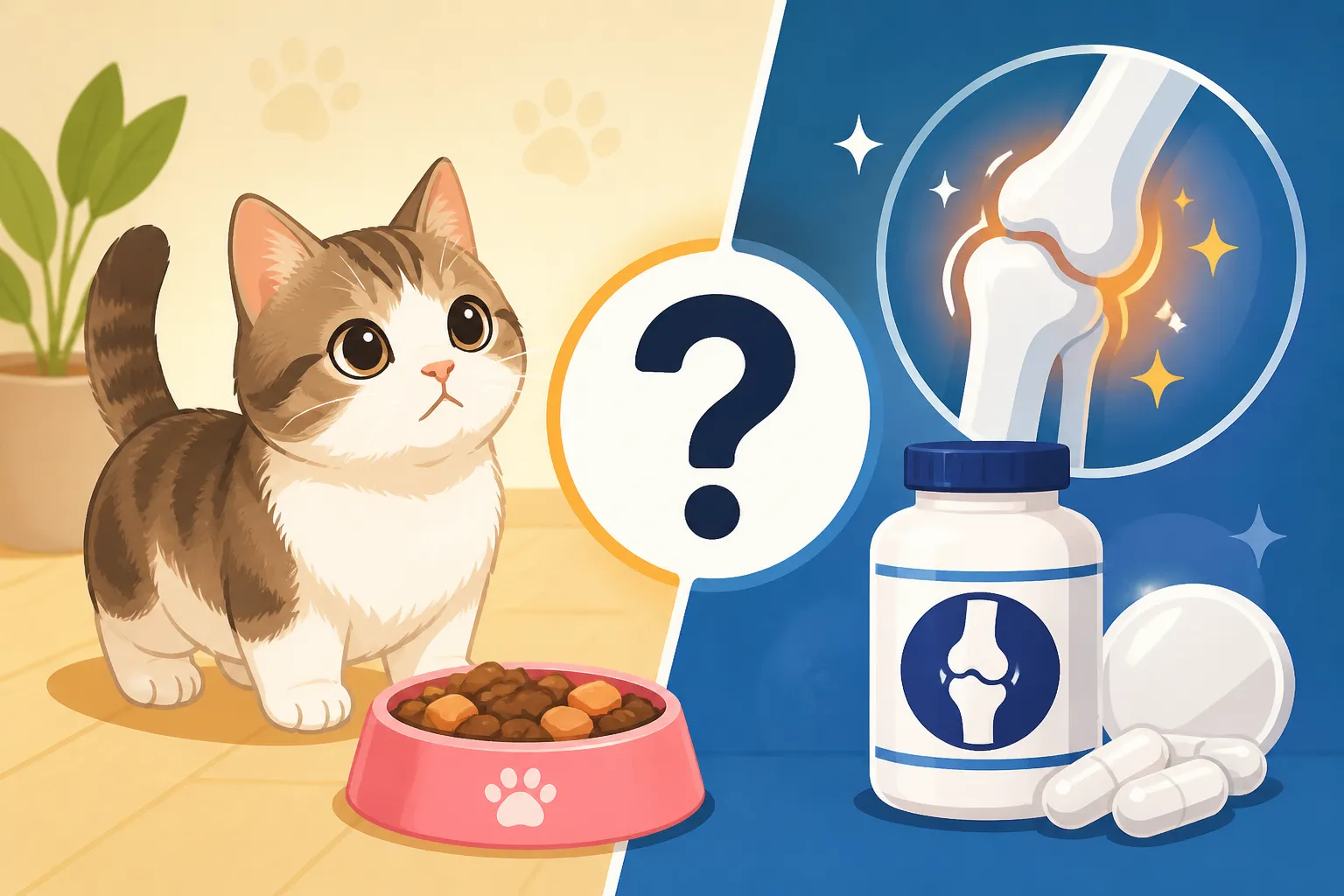
It's completely natural to wonder if joint supplements are something your adorable Munchkin needs. After all, those distinctive short legs, while utterly charming, do bring up questions about their long-term orthopedic health. You might be looking at your little one leaping (or rather, bouncing) off the sofa and thinking, "Is this going to catch up with them?" It’s a valid concern, and figuring out the best way to support their unique physique can feel like a maze, especially when it comes to diet and preventative care. This guide will walk you through everything you need to know about whether joint supplements have a place in your Munchkin's food bowl, and how to approach this important decision thoughtfully.
The Unique Joint Challenges Facing Our Short-Legged Friends
Let's be honest, the very thing that makes Munchkins so captivating — their short legs — also makes us, as devoted cat parents, think about the extra stresses these limbs might endure. Unlike their long-legged cousins, Munchkins navigate the world with a different biomechanical setup, and understanding this is the first step in appreciating why joint health is such a big topic for the breed. It's not about them being fragile, but about acknowledging their unique needs.
Understanding the Mechanics of a Munchkin's Movement
Imagine a car designed with shorter wheels; it still gets around, but the stresses on its suspension might be different. Similarly, a Munchkin's short legs, a result of pseudoachondroplasia, mean that their bones, particularly in the forelegs, are shorter than typical. While their spine is generally of normal length, the way their limbs articulate and bear weight is distinct. They don't have the same shock absorption or leverage as a cat with standard-length legs. This means that activities as simple as walking, trotting, or making small jumps can place different, and sometimes increased, demands on their joint cartilage and surrounding soft tissues. Think about how a person with very short femurs would have a different gait and might experience different pressure points in their hips and knees compared to someone with average leg length. What Pseudoachondroplasia Does to a Munchkin's Legs explains this genetic trait in more detail.
When a Munchkin lands from even a modest jump, the impact can be more concentrated on their elbows and shoulders. Their body's center of gravity is lower, which helps with stability and cornering, but it also means that their short limbs are constantly working against gravity in a unique way to propel them forward or upward. This isn't to say they are in constant pain or that every Munchkin will develop severe joint issues, but it highlights a predisposed mechanical reality that observant owners should be aware of.
Why Everyday Life Can Be a Strain
For many cats, the world is their oyster of vertical exploration – leaping onto counters, scaling cat trees, and effortlessly reaching high perches. For a Munchkin, these vertical adventures are significantly curtailed. They adapt, of course, becoming masters of finding alternative routes and using furniture as a staircase. However, every time they push off or land, those specific joints in their short legs are engaged in a manner that can lead to more wear and tear over time.
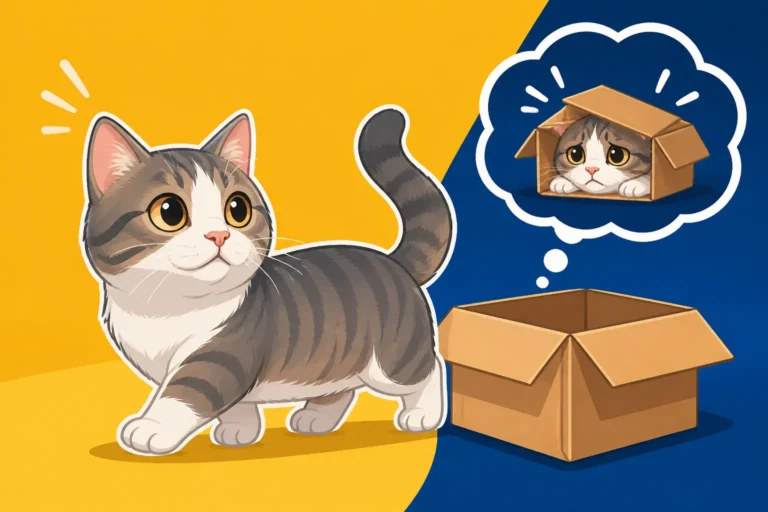
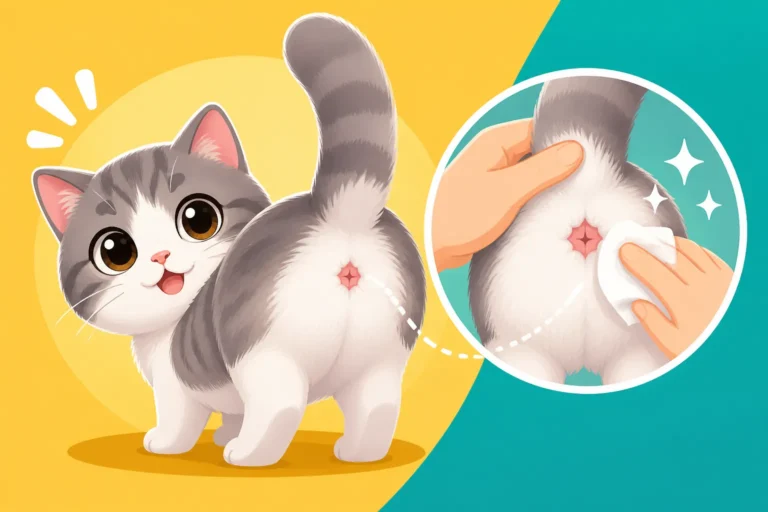
Consider the simple act of using a litter box. A high-sided box, easily accessible to a standard cat, can be a major hurdle for a Munchkin, potentially leading to awkward maneuvers or even accidents if they strain themselves. Even grooming can become a challenge; reaching their hindquarters effectively can be difficult, leading to matting if not regularly assisted by their human. These aren't just minor inconveniences; they represent repetitive motions that can subtly stress their joints over years. The cumulative effect of these daily actions, while seemingly small individually, can contribute to the gradual degradation of joint health.
Proactive Care for Long-Term Comfort
Given these unique physical considerations, a proactive approach to a Munchkin's joint health isn't just a good idea; it's practically essential for many owners. We want our furry family members to be comfortable and active well into their golden years. This proactive mindset involves more than just reacting to pain or stiffness; it's about setting up their environment, managing their weight, and considering dietary support from a younger age.
Think of it like building a strong foundation for a house. You don't wait for cracks to appear to ensure the foundation is sound. For a Munchkin, this means creating a living space that minimizes strain – ramps instead of big jumps, easily accessible food and water, and soft landing spots. It also means closely monitoring their body condition to prevent excess weight, which is a major enemy of joint health for any cat, but especially one with shorter limbs. This holistic care plan, implemented early, can make a world of difference in preventing discomfort and maintaining mobility as they age.
Deciphering Joint Supplements: What's In Them and How They Work
Once you've wrapped your head around the unique biomechanics of your Munchkin, the next logical step is to explore what options exist to support their joint health. This is where joint supplements often come into the conversation. But what exactly are these supplements, and how are they supposed to help? It's not just a fancy label; many contain ingredients that have been studied for their roles in supporting cartilage and reducing inflammation.
Key Ingredients and Their Roles
When you start looking at joint supplements for pets, you'll see a few names pop up consistently. These are the heavy hitters, each playing a specific role in trying to maintain healthy joints:
- Glucosamine: This is a naturally occurring compound found in healthy cartilage. It's often thought of as a building block for cartilage and is believed to help stimulate its repair and reduce its breakdown. Think of it as supplying the raw materials for maintaining the cushion between the bones.
- Chondroitin Sulfate: Often paired with glucosamine, chondroitin helps give cartilage its elasticity and shock-absorbing properties. It's believed to inhibit enzymes that destroy cartilage and helps draw water into the cartilage, keeping it hydrated and supple.
- MSM (Methylsulfonylmethane): This is a natural sulfur compound with anti-inflammatory and antioxidant properties. It's often included to help reduce pain and swelling associated with joint discomfort, making movement more comfortable.
- Omega-3 Fatty Acids (EPA and DHA): These are fantastic for overall health, and their anti-inflammatory properties are particularly beneficial for joints. Found in fish oil, they can help reduce the inflammatory response that contributes to joint pain and stiffness.
- Green-Lipped Mussel (GLM): Hailing from New Zealand, this ingredient is a rich source of omega-3s, glucosamine, chondroitin, and other essential fatty acids. It's a powerhouse for joint support, celebrated for its potent anti-inflammatory effects and its ability to provide comprehensive nutritional support for cartilage and connective tissue.
These ingredients work synergistically, meaning they often achieve better results when combined than when used individually. They're not a cure for existing damage, but rather a supportive measure to help maintain joint integrity, reduce inflammation, and potentially slow down the progression of age-related wear and tear.
The "Why" Behind Adding Them to Food
So, why consider adding these powerful ingredients to your Munchkin's daily meal? For starters, it’s one of the easiest and most consistent ways to ensure they receive a regular dose. Cats can be notoriously picky, and trying to pill them daily can be a battle nobody wants to fight. Mixing a palatable powder, liquid, or even a soft chew into their wet food can make the process seamless.
Furthermore, integrating supplements into their routine from a younger age can be a preventative measure. Instead of waiting until you see signs of stiffness or discomfort, you're proactively providing their joints with nutritional support. This is especially pertinent for Munchkins, given their predisposition to unique joint stresses. It becomes just another healthy component of their daily diet, much like ensuring they have a balanced meal. Many pet owners find a wide variety of joint supplements available on platforms like Chewy or Amazon, making it convenient to find one that suits their cat’s preferences and dietary needs.
Different Forms of Supplements
Joint supplements for cats come in various forms, and choosing the right one often depends on your cat's preferences and your lifestyle.
- Powders: These are usually flavorless or come in a palatable flavor (like chicken or fish) that can be easily sprinkled over wet food and mixed in. They dissolve well and are generally accepted by most cats. This is often a good starting point if your cat is finicky.
- Liquids: Similar to powders, liquid supplements can be mixed into wet food or even syringed directly into your cat's mouth if they're cooperative. They can be easier to measure precisely for specific dosages.
- Chews or Treats: These are often designed to be tasty, making them seem less like a medication and more like a reward. However, some cats may still turn their noses up at them, and you need to ensure they eat the entire chew to get the full dose. When considering treats, remember that Why a Munchkin's Portion Should Be Weighed to avoid accidental weight gain, so any treat must fit into their overall calorie budget.
- Capsules or Tablets: These are generally meant to be given whole, either directly or hidden in a pill pocket or a dollop of wet food. This can be more challenging for many cat owners, especially on a daily basis.
The goal is to find a form that your Munchkin accepts willingly, making daily supplementation a stress-free experience for both of you. You might need to experiment a little, and reading reviews from other cat owners on sites like Amazon can sometimes offer insights into palatability.
Integrating Joint Supplements into Your Munchkin's Diet
Okay, so you've learned about the unique challenges and the ingredients that can help. Now, how do you actually go about incorporating joint supplements into your Munchkin's routine? This isn't a decision to be made lightly or implemented without guidance. The key to successful and safe supplementation lies in careful planning, expert advice, and consistent monitoring.
The All-Important Vet Consultation
Before you even think about adding any supplement to your Munchkin's food, the very first step, and arguably the most crucial one, is to talk to your veterinarian. I cannot stress this enough! While joint supplements are often available over-the-counter, they are not regulated with the same rigor as pharmaceuticals, and what might be good for one cat might not be suitable for another.
Your vet knows your Munchkin's medical history, current health status, and any pre-existing conditions. They can assess whether your cat genuinely needs a joint supplement, what type and dosage would be most appropriate, and if there are any potential interactions with other medications or health issues. For example, if your Munchkin has a sensitive stomach or kidney issues, certain ingredients might not be ideal. They can also help you understand Which Health Problems the Munchkin Actually Has and whether a supplement would be beneficial for potential issues like early arthritis, which can sometimes affect their unique gait. They might recommend a specific brand or formulation that they trust, or even suggest a baseline physical examination, perhaps including X-rays if warranted, to get a clear picture of your cat's joint health before starting any regimen.
Best Practices for Mixing with Food
Once your vet gives the green light, the next hurdle is getting your finicky feline to actually consume the supplement. Here are some tips for success:
- Start Slow: Introduce the supplement gradually. Begin with a smaller portion than the recommended dose for a few days, mixing it thoroughly with a small amount of their favorite wet food. This allows them to get used to any new taste or texture without being overwhelmed.
- Thorough Mixing: Don't just sprinkle it on top! Cats are masters at eating around things. Mix powders or liquids thoroughly into their wet food until it's completely indistinguishable from the food itself. For chews, you might need to break them into smaller pieces or even crumble them.
- Palatability is Key: If your cat absolutely refuses a supplement, don't force it. There are many brands out there, some with different flavor profiles (chicken, salmon, unflavored). Experiment until you find one your Munchkin enjoys or at least tolerates.
- Timing: Administer the supplement with a meal your cat typically eats entirely. If they leave food behind, you can't be sure they've ingested the full dose.
- Consistency: The benefits of joint supplements are cumulative. For them to be effective, they need to be given consistently, ideally daily, according to your vet's instructions. Skipping doses will diminish their potential positive impact.
Monitoring and Adjusting for Optimal Results
After you start your Munchkin on joint supplements, your job isn't over. It's crucial to observe them closely for any changes, both positive and negative.
What to look for:
- Increased Mobility: Are they moving more freely? Jumping (within their physical limits) with less hesitation? Are they more active during playtime?
- Reduced Stiffness: Do they seem less stiff when they first wake up or after a nap? Do they stretch more easily?
- Pain Signals: Is there any indication of discomfort, such as limping, reluctance to move, or vocalizing when touched?
- Appetite and Behavior Changes: Any changes in eating habits, litter box use, or overall demeanor could indicate a problem with the supplement or an underlying health issue.
It can take several weeks, sometimes 4-6, to see noticeable improvements from joint supplements, so patience is key. Keep a journal of your observations to share with your vet at follow-up appointments. Based on your feedback and their own examination, your vet might suggest adjusting the dosage, trying a different type of supplement, or even exploring other treatment options. Remember, joint supplements are one piece of the puzzle, not a standalone solution. How Arthritis Shows in a Munchkin's Front Legs can help you recognize early signs of discomfort to monitor.
Beyond Supplements: A Holistic Approach to Joint Health
While joint supplements can be a valuable tool in supporting your Munchkin's mobility and comfort, it's vital to remember they are just one component of a much larger, holistic care plan. True joint health for a Munchkin involves looking at their entire lifestyle, from their diet to their environment, and ensuring regular professional oversight.
Weight Management as a Cornerstone
Perhaps the single most impactful thing you can do for your Munchkin's joint health, even more so than supplements, is to keep them at a healthy weight. Every extra pound your cat carries puts additional, unnecessary stress on their joints, especially those already under unique pressure from their short stature. Imagine trying to walk around all day with a heavy backpack – it eventually takes a toll on your knees and back. For a Munchkin, whose structure already places different demands on their legs, this impact is amplified.
Regularly weighing your Munchkin and monitoring their body condition score is essential. You should be able to feel their ribs easily without seeing them, and they should have a discernible waist when viewed from above. If you're unsure How to Score a Munchkin's Body Condition, your vet can guide you. Feeding a precisely measured diet, avoiding free-feeding, and limiting treats are all crucial steps. If your Munchkin is overweight, your vet can help you devise a safe and effective weight loss plan. Losing even a small amount of excess weight can make a profound difference in their comfort and mobility, reducing the strain on their shoulders, elbows, and spine. Why Weight Is More Dangerous on a Munchkin is a critically important read on this topic.
Environmental Modifications and Enrichment
A Munchkin's world should be designed with their unique abilities and limitations in mind. They might be little daredevils, but repeatedly attempting jumps that strain their joints is counterproductive to long-term health. Instead of letting them struggle, create an environment that caters to their needs.
- Ramps and Steps: Provide ramps or pet stairs to allow easy access to their favorite spots – sofas, beds, windowsills, and even high-sided litter boxes. Look for sturdy options with good traction. Ramps and Steps Are Munchkin Equipment, Not Luxuries isn't just a catchy phrase; it's a fundamental truth for their well-being.
- Low Entry Points: Ensure litter boxes have low entry points so they can walk in comfortably without straining their back or hips.
- Floor-Level Fun: Offer plenty of enrichment at floor level. Interactive toys, puzzle feeders, and engaging playtime that doesn't require high jumps will keep them mentally and physically stimulated without overtaxing their joints.
- Soft Landings: For any areas where they might still attempt a small jump, ensure there's a soft, carpeted landing surface to cushion the impact.
- Secure footing: Make sure carpets and rugs are securely laid so they don't slip, as sudden awkward movements can injure their joints.
These adaptations allow your Munchkin to enjoy a full, happy life without unnecessarily stressing their delicate joint structures. It shows empathy and a deep understanding of their needs, transforming your home into a Munchkin-friendly paradise.
Regular Veterinary Check-ups and Early Detection
Finally, no discussion of Munchkin joint health is complete without emphasizing the absolute importance of regular veterinary check-ups. Even if your cat seems perfectly fine, annual (and eventually semi-annual for seniors) visits allow your vet to monitor their overall health, including their joints, proactively.
During these visits, your vet can perform a physical examination, palpating their joints, assessing their gait, and discussing any subtle changes you might have noticed. They can also discuss a plan for their aging years. Early detection of joint issues, such as osteoarthritis, means that interventions can begin sooner, potentially slowing progression and managing pain more effectively. This might include prescription medications, physical therapy, or indeed, the introduction or adjustment of joint supplements. Don't hesitate to ask your vet specifically about your Munchkin's joint health, even if they don't bring it up first. You are their advocate, and working closely with your veterinary team is the best way to ensure your short-legged companion enjoys a comfortable, active, and joyful life for many years to come. Why a Munchkin Kitten Needs an Early Vet Check is a great resource for understanding what to look for even in their youth.
Disclaimer
This article is for general informational purposes only and does not constitute professional advice. Laws, prices and regulations vary by location and change over time. Consult a qualified professional for guidance on your specific situation.