How Quickly Treats Show on a Munchkin’s Frame
It’s a tale as old as time for many cat parents: you love your furry companion, and showing that love often involves treats. But when your beloved cat is a Munchkin, those innocent little tidbits can accumulate on their tiny frame far faster than you’d ever expect, leading to health concerns that impact their unique build. Understanding how quickly treats show on a Munchkin’s body is crucial for their long-term health and mobility. This guide will walk you through why their metabolism is different, what to look for, and how to manage treats wisely.
Why a Munchkin's Frame Reacts So Quickly to Treats
Munchkin cats are truly special, but their charming short legs also mean they navigate the world differently, which has a direct impact on their energy needs and how their body processes calories. It’s not just about cuteness; it’s about biology.
The Unique Metabolic Equation of a Munchkin
Think about it: a typical cat can leap onto counters, scale cat trees with ease, and chase toys at high speeds, burning a significant number of calories in the process. A Munchkin, while incredibly playful and zippy on the flat, simply doesn't have the same range of motion or height advantage. They can't spring into the air to catch a dangling toy with the same force, nor do they often scale tall furniture without assistance or carefully planned steps. This difference in physical activity translates directly to a lower overall energy expenditure.
Their body is, in essence, designed for a more ground-level existence. While they are surprisingly fast and agile on level ground—Why a Munchkin Is Faster on the Flat Than You Expect—the explosive power and sustained muscular effort required for climbing and high jumping are significantly reduced. This means they naturally burn fewer calories throughout their day. If their caloric intake, including treats, isn't adjusted to this reality, those extra calories have nowhere to go but straight to fat storage. It's not about them being lazy; it's about the physics of their build. Their metabolism, therefore, tends to be a bit slower when compared to a long-legged cat that's constantly exerting itself vertically. Every extra calorie from a treat or an unmeasured meal has a more profound impact on their smaller, less mobile body.
Where Extra Weight Settles on a Munchkin
Because of their distinctive short stature, any extra weight a Munchkin carries immediately puts disproportionate stress on their skeletal structure. Unlike a cat with long, shock-absorbing legs, a Munchkin's short limbs mean less leverage and less cushion for impact. The spine, hips, and shoulders are particularly vulnerable. A few extra pounds on a Munchkin can be the equivalent of a human carrying a backpack full of bricks all day.
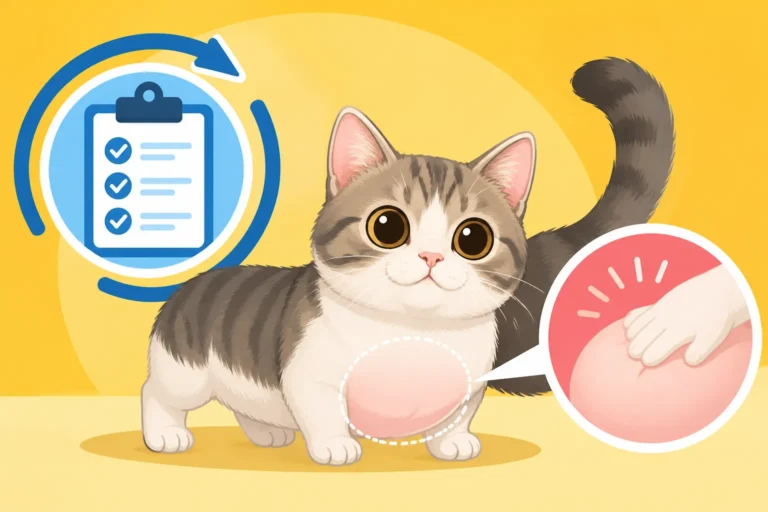
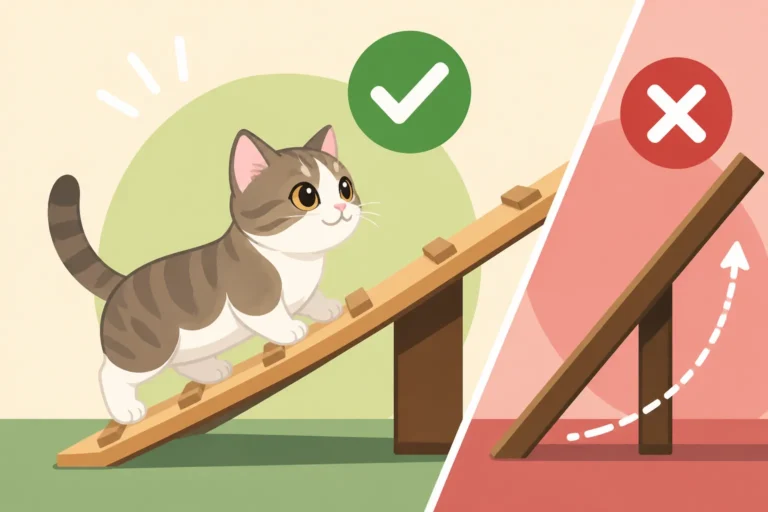
You might first notice it as a loss of that slender waistline you know your cat should have. Their belly might appear rounder and start to sag even more, potentially dragging on the floor more prominently than is typical, which is already a consideration for the breed – Why a Munchkin's Belly Nearly Touches the Floor. Fat pads can begin to develop over their ribs, making it harder to feel their individual ribs when you gently run your hands along their sides. The base of their tail might also feel softer and wider than it should. These aren't just cosmetic changes; they directly impede your Munchkin’s movement and comfort. A slightly overweight Munchkin might find it even harder to perform their signature "prairie dog" sit or navigate their custom ramps and steps. The increased load on their joints can accelerate the onset of conditions like arthritis, making play painful and reducing their overall quality of life. This is why Why Weight Is More Dangerous on a Munchkin is such a critical consideration for Munchkin owners.
The Visible Timeline: How Quickly Treats Show
It can be startling how rapidly a few extra treats here and there can start to make a difference on a Munchkin's compact physique. Their small size means that even minor caloric excesses are noticeable much sooner than on a larger, more active breed.
The Immediate Impact: Within Days to Weeks
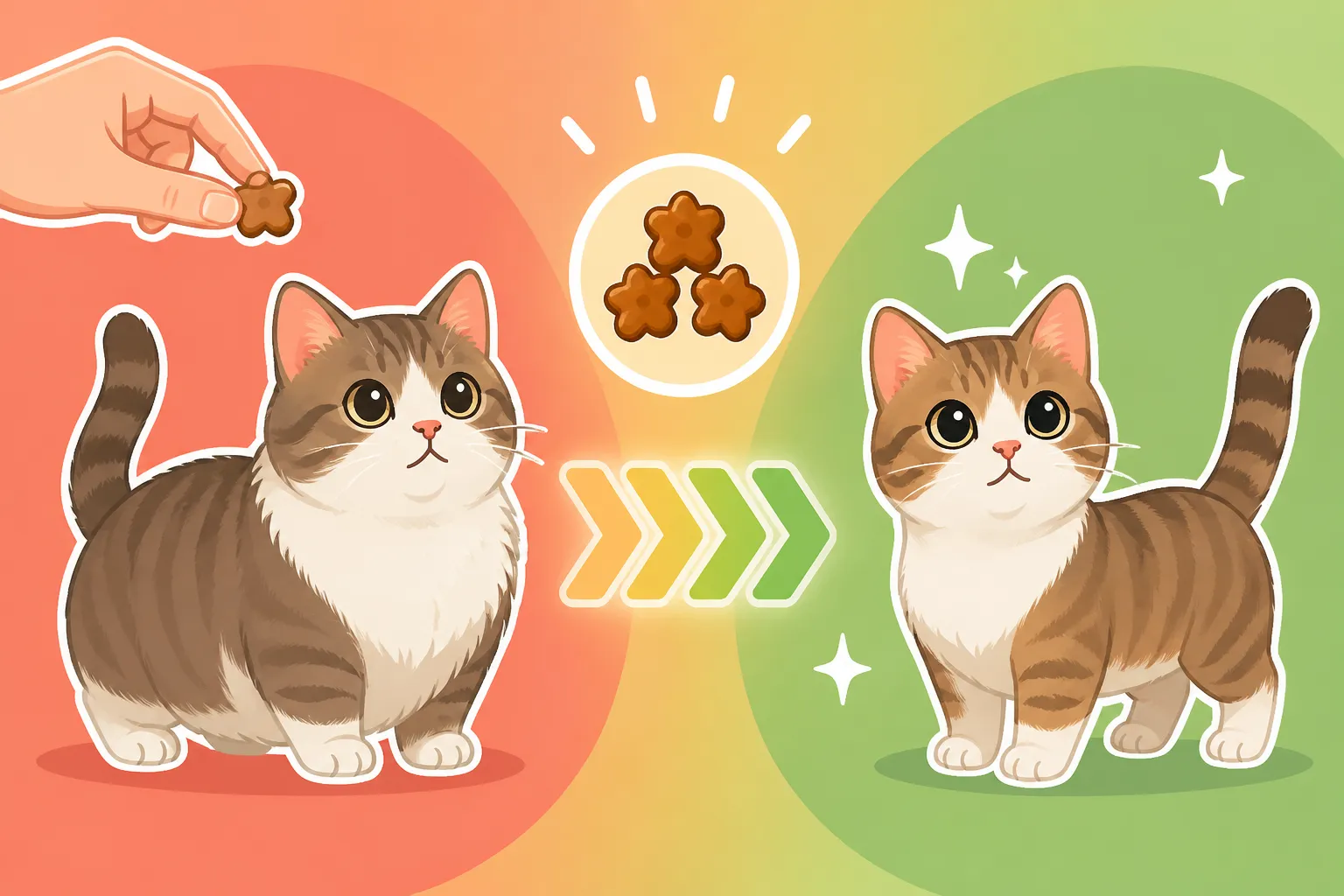
It might sound dramatic, but for a Munchkin, even a handful of additional high-calorie treats each day can begin to register subtle changes in their body condition within a week or two. You might not see a dramatic weight gain on the scale immediately, but you'll start to feel it. When you pet them, their body might feel a little less streamlined, a little more solid. That defined tuck-up at their waist might start to soften.
Think about it this way: if a regular-sized cat gets an extra 50 calories a day, that might be easily burned off with an energetic play session. For a Munchkin, with its lower baseline caloric needs and reduced activity level, those 50 calories can represent a much larger percentage of their daily intake. A handful of extra kibble from the treat jar, a sneaky bite of cheese, or a few too many commercial cat treats can easily push them over their daily limit. These calories, being surplus, begin to accumulate. You might notice them being a little less enthusiastic about their regular play, or perhaps they start to struggle ever so slightly with a jump they used to manage with ease. The subtle signs are the first warning.
The Cumulative Effect: Over a Month
When those unmeasured treats become a consistent habit over the course of a month, the changes will become more pronounced and easier to spot. You'll likely see a noticeable difference in their body shape. The fat pads mentioned earlier – over the ribs, along the spine, and at the base of the tail – will become more apparent. Instead of feeling distinct ribs with a thin layer of muscle and fat over them, your fingers might glide over a soft, indistinct layer.
This is where understanding How to Score a Munchkin's Body Condition becomes incredibly helpful. If you've been regularly assessing their body condition, you'll likely notice them moving from an ideal score (where ribs are easily palpable but not visible, and there’s a clear waist) to a slightly overweight one. Their belly will likely hang lower, and their overall appearance will be rounder. This visible weight gain often coincides with a decrease in activity. They might be less inclined to chase that feather wand or play with their favorite kicker toy. They may spend more time sleeping or simply observing rather than actively participating. This is a crucial point because Why an Overweight Munchkin Is in Real Trouble is not just about aesthetics; it's about their long-term comfort and the increased risk of mobility issues.
Strategies for Healthy Treating and Weight Management
Managing your Munchkin's weight doesn't mean banishing all treats; it means being smart and intentional about how and what you offer. It's about finding that sweet spot between showing affection and ensuring their physical well-being.
Integrating Treats into a Balanced Diet
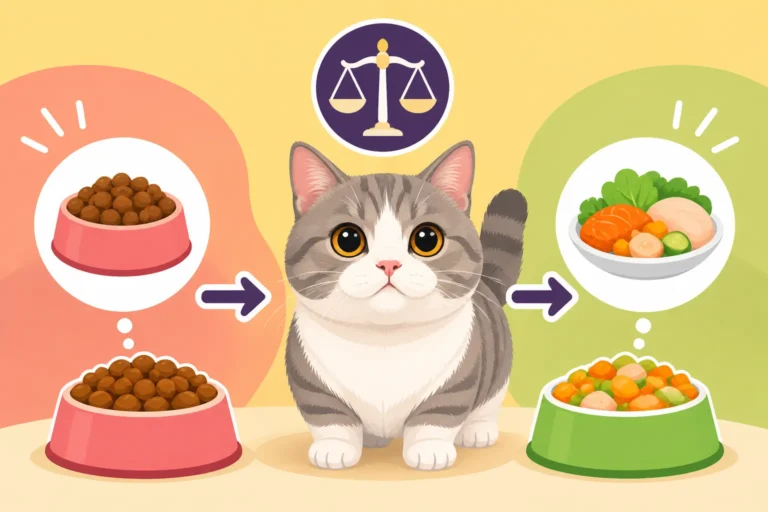
The golden rule for treats with any cat, but especially a Munchkin, is to consider them part of their daily caloric intake, not an addition on top of it. This means if your cat needs, say, 200 calories a day, and you give them 20 calories in treats, their main meal should be reduced by 20 calories. It requires a bit more effort, but it's vital. Breaking larger treats into tiny pieces can also extend the treating experience without adding excessive calories. Your Munchkin might not care if they get a whole treat or a quarter of one, as long as they get something.
Look for low-calorie, high-value treats. Many pet stores and online retailers like Chewy offer a wide array of cat treats, including freeze-dried options (like pure protein chicken or salmon) which are often lower in calories and free from fillers. If you're using a fresh food service, ask how to factor in small, healthy treat portions while keeping the overall diet balanced. Always remember to check the calorie count on any treat packaging. And, crucially, always weigh your cat's regular meals, as even a slight overpour adds up over time—Why a Munchkin's Portion Should Be Weighed.
Non-Food Rewards and Enrichment
Sometimes, our cats aren't "hungry" when they ask for a treat; they're looking for attention, engagement, or just plain old love. This is where non-food rewards shine, especially for a Munchkin who needs to maintain a healthy weight. Redirecting that treat-seeking behavior into playtime can be a fantastic way to bond, provide mental stimulation, and burn a few extra calories.
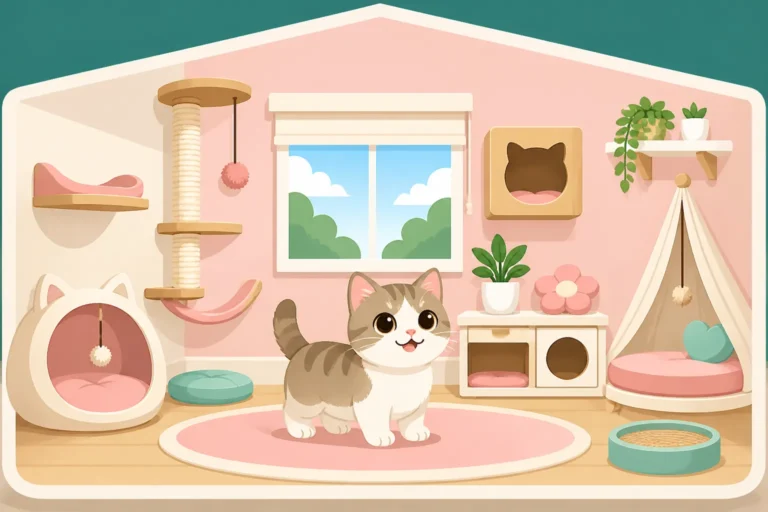
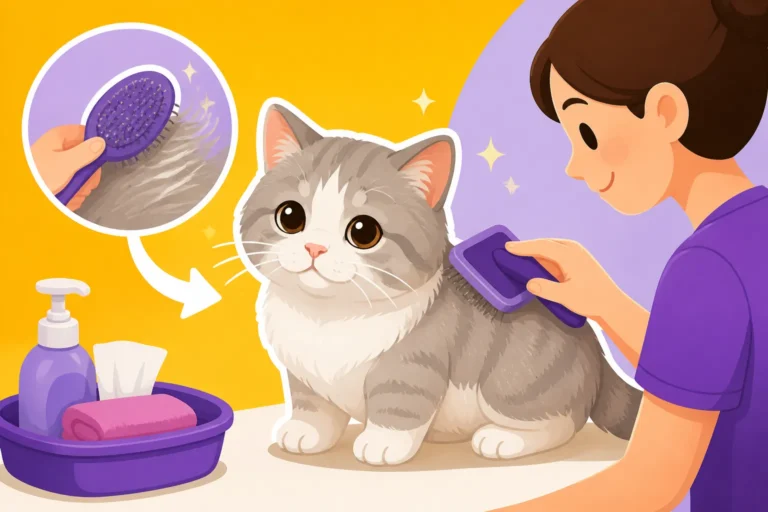
Interactive wand toys that mimic prey can be incredibly engaging for Munchkins, as they often prefer floor-level play—How Much Floor Level Play a Munchkin Needs. A good grooming session, especially focusing on areas they can't easily reach themselves, can also be a wonderful bonding experience. Verbal praise, gentle petting, or even just sitting quietly with them can satisfy their need for connection. Puzzle feeders are another excellent tool; instead of receiving an immediate treat, they have to "work" for a portion of their regular kibble, extending mealtime and providing mental exercise. You can find a vast selection of these on platforms like Amazon. By making their day richer with different forms of enrichment, you reduce their reliance on food as the sole source of pleasure or attention.
Regular Weight Monitoring and Vet Checks
Consistency is key in weight management, and that means regular monitoring. Invest in a small pet scale and aim to weigh your Munchkin weekly at home. Track their weight in a journal or on your phone so you can spot any upward trends quickly. Just as important is getting comfortable with body condition scoring, as discussed in How to Score a Munchkin's Body Condition. Feeling their ribs, checking for a waist, and assessing their overall shape gives you invaluable real-time feedback on their condition.
Routine veterinary checks are non-negotiable for Munchkins. Your vet can not only weigh your cat accurately but also assess their overall health, including their joint condition, which is paramount for this breed. They can provide tailored dietary advice based on your Munchkin's age, activity level, and any existing health concerns. Early detection of weight gain or subtle signs of joint strain allows for intervention before problems become severe. How Often a Healthy Adult Munchkin Needs Checking should include a thorough physical exam that pays close attention to their unique conformation. Your vet is your best partner in ensuring your Munchkin stays healthy and mobile, heading off issues like Why an Overweight Munchkin Is in Real Trouble before they truly take hold.
Common Pitfalls and How to Avoid Them
Even with the best intentions, it's easy to fall into common traps when managing a Munchkin's diet and treat intake. Being aware of these pitfalls is the first step to avoiding them.
The "Just a Little Bit" Trap
This is perhaps the most insidious trap for any pet owner. "Just one more treat," "a tiny piece of my dinner," or "they look so cute when they beg!" These little allowances, especially when coming from multiple family members, add up astonishingly fast for a Munchkin. What one person considers a negligible treat, when combined with similar "negligible" treats from others throughout the day, can quickly exceed a Munchkin's caloric needs.
It's crucial to have a household-wide agreement on treat protocols. Everyone in the home needs to understand and adhere to the same guidelines for treat portions and frequency. Keep a designated "treat container" with pre-portioned, approved treats, or even use a portion of their daily kibble as treats. Educate everyone on how much weight a Munchkin can safely carry (How Much Weight a Munchkin Can Safely Carry) and how even small excesses can have big consequences. Consistency from every family member is paramount to prevent accidental overfeeding.
Overestimating Activity Levels
It's natural to see your Munchkin zipping across the living room, performing their adorable "prairie dog" sit, and assume they're burning a ton of calories. They are incredibly playful and can be surprisingly fast and agile on flat surfaces. However, it's vital to have a realistic understanding of their actual caloric expenditure compared to a cat with normal leg length. As we discussed, they don't have the same vertical reach or sustained climbing activities.
Their bursts of speed and cute antics, while entertaining and beneficial for their spirits, often don't translate to the same calorie burn as a standard cat scaling a multi-level cat tree or leaping across rooms. We need to remember that Why a Munchkin Is Faster on the Flat Than You Expect doesn't mean they're burning massive amounts of energy. Therefore, their treat intake must be adjusted accordingly. Don't let their energetic bursts fool you into thinking they need more food or treats; they still need a carefully measured diet to maintain What a Munchkin Should Weigh at Its Frame.
Misinterpreting "Hunger" Cues
Cats are masters of manipulation, and Munchkins are no exception! Many behaviors we interpret as "hunger" – meowing, rubbing against legs, staring intently at the food bowl – are often bids for attention, boredom, or learned behaviors from previous rewards. If your Munchkin learns that meowing gets them a treat, they will continue to meow, regardless of how truly hungry they are.
Instead of immediately reaching for the treat jar when your Munchkin starts vocalizing, try engaging them in play, offering a cuddle, or a short grooming session. If they truly haven't eaten their full meal, that's one thing, but if they've already had their measured portions for the day, redirecting their attention away from food is key. This helps break the cycle of associating every "ask" with food. Remember, Why Every Extra Pound Matters More on a Munchkin, so being firm but loving about their dietary boundaries is one of the kindest things you can do for their long-term health, especially as they get older and may face conditions like What an Old Munchkin Stops Being Able to Do.
Managing treats for your Munchkin cat is a small effort that yields massive rewards in terms of their health, happiness, and longevity. By understanding their unique needs, being mindful of caloric intake, integrating treats wisely, and opting for non-food rewards, you can ensure your short-legged companion enjoys a full, active, and comfortable life. It’s about being proactive and loving them in the smartest way possible.
Disclaimer
This article is for general informational purposes only and does not constitute professional advice. Laws, prices and regulations vary by location and change over time. Consult a qualified professional for guidance on your specific situation.