How to Wash a Munchkin’s Rear
It's a truth universally acknowledged by Munchkin cat parents: those adorable short legs, while utterly charming, sometimes mean your furry friend can't quite reach everywhere they need to for a proper self-grooming session. If you've ever found yourself wondering how on earth to tackle a messy hindquarters situation without stressing out your sweet Munchkin (or yourself!), you're in the right place. This guide is all about giving you the practical, empathetic, and detailed steps you need to keep your short-legged companion clean, comfortable, and happy, focusing specifically on how to safely and effectively wash your Munchkin's rear.
Why a Munchkin's Rear Needs Special Attention
Let's be honest, it's not a glamorous topic, but it's a vital one for the health and comfort of our Munchkin friends. Their unique physical build, while endearing, unfortunately, creates some specific challenges when it comes to personal hygiene. Understanding why this area is so prone to needing human intervention is the first step in providing the best care.
The Unique Challenge of Short Legs
Imagine trying to reach your own lower back or behind your knees if your arms were significantly shorter. That's essentially the daily struggle many Munchkins face. Their legs are proportionally shorter than those of a typical cat, meaning their reach is significantly limited. This isn't just about elegance; it's about practicality. A standard cat can easily contort and stretch to clean their entire body, including the trickiest spots around their tail and hindquarters. For a Munchkin, that full range of motion simply isn't there.
Because their bodies sit closer to the ground, especially their belly and hindquarters, they are more susceptible to picking up debris from the litter box or even just the floor. This can mean stray litter sticking to their fur or, more unpleasantly, fecal matter that they simply cannot reach to groom away. This isn't a sign of a dirty cat; it's a physical limitation. It's just a reality that comes with their unique stature, and it means we, as their caregivers, need to step in and offer a helping hand – or rather, a helping washcloth.
Common Issues Arising from Poor Grooming
When a Munchkin can't properly groom its hindquarters, a cascade of issues can arise, ranging from mild discomfort to serious health problems. The most common problem is matting. When urine or feces residue dries on the fur, especially if it's longer hair, it quickly clumps together, forming painful mats. These aren't just unsightly; they pull on the skin, causing irritation, redness, and even open sores if left untreated. Whether Matting Becomes a Health Problem in a Munchkin is a very real concern for these cats.
Beyond mats, the constant dampness or presence of waste can lead to skin infections, yeast infections, or even urinary tract issues if bacteria travels up the urethra. The area can become inflamed and itchy, leading your Munchkin to try even harder to reach, often causing further irritation. You might notice a strong, unpleasant odor, which is often the first indicator that something isn't quite right. Nobody wants their beloved pet to be in discomfort or pain, and these grooming-related issues are entirely preventable with regular, attentive care.
Signs Your Munchkin Needs a Helping Hand
Knowing when it's time to intervene is key. You can't wait until the situation is dire; regular checks are essential. Look for any visible signs of dirt, dried feces, or urine stains around their anus, under their tail, or on the fur of their inner thighs. The fur might look clumpy, greasy, or discolored.
Another sign is a change in their behavior. Your Munchkin might start scooting its bottom along the floor or carpet, trying to relieve the itch or dislodge something stuck in their fur. They might become more agitated when you try to pet their hindquarters, indicating discomfort. Sometimes, you'll simply notice an unusual odor emanating from them. During your regular petting sessions, make it a habit to gently check their rear end. If you notice any of these signs, it's definitely time for a spot wash. Don't feel bad; it's just a part of caring for these special cats, and they appreciate your help, even if they protest a little during the actual washing!
Gathering Your Supplies for a Smooth Munchkin Wash
Okay, so you've identified that your Munchkin needs a little help in the hygiene department. The next step is to prepare everything you'll need. Rushing around mid-wash trying to find a towel or the shampoo is a recipe for a stressed cat (and owner!). A calm, organized approach makes all the difference for both of you.
Choosing the Right Shampoo and Tools
When it comes to bathing your Munchkin, specialized products are your best friend. Do NOT use human shampoo or dish soap, as these can strip their skin of natural oils and cause irritation. Look for a cat-specific shampoo, ideally one that is tearless, hypoallergenic, and formulated for sensitive skin. Some shampoos even offer soothing properties like oatmeal or aloe vera, which can be great if your Munchkin's skin is already a bit irritated. You can often find a good selection on platforms like Chewy or Amazon.
Beyond shampoo, you'll need:
- Soft washcloths or cotton balls: These are perfect for gentle scrubbing and applying shampoo.
- Several clean, absorbent towels: You'll want to gently pat your Munchkin dry without harsh rubbing.
- A brush or comb: Especially if your Munchkin has longer fur, you'll want to gently comb out any loose hair or minor tangles before the wash. How Often a Longhaired Munchkin's Back Half Needs Brushing can give you an idea of how much brushing is needed generally.
- Optional: Pet wipes: For light spot cleaning between washes, these can be a lifesaver. Ensure they are cat-safe and fragrance-free.
- Optional: A non-slip mat: If you're using a sink or tub, this helps your Munchkin feel more secure.
Setting Up Your Washing Area
Creating a calm, safe, and accessible washing environment is paramount. Remember, Munchkins can't jump like other cats, and a slip could lead to injury. A kitchen sink or a shallow laundry tub often works perfectly because you can control the water level and your Munchkin isn't too high off the ground. Place a non-slip mat in the bottom of the sink if you have one.
Make sure the room is warm, as cats can get chilled easily, especially when wet. Have all your supplies laid out within easy reach before you even bring your cat into the area. This includes your shampoo, washcloths, towels, and brush. Turn on the water to a comfortable, lukewarm temperature before your cat arrives so they aren't startled by the sound. The less fuss and sudden movements, the better. Consider putting a treat or two nearby as a positive reinforcement for afterwards.
Pre-Wash Preparations: Clipping and Detangling
Before introducing any water, a little pre-grooming can make the washing process much smoother and more effective. If your Munchkin has longer fur, or if there are particularly stubborn mats or dried fecal matter, you might need to do some careful trimming. Why a Munchkin's Rear Needs Trimming It Cannot Do Itself covers this in more detail. Use blunt-nosed scissors specifically designed for pet grooming to carefully trim away any heavily soiled or matted fur around their anus and inner thighs. Always point the scissors away from the skin and keep your fingers between the blade and your cat's skin to prevent accidental nicks. If you're unsure or uncomfortable, a professional groomer can perform this "sanitary clip" for you.
For general cleaning, a gentle brush or comb-through of the hindquarters can remove loose fur and minor tangles, preventing them from becoming matted during the wash. This also helps the shampoo penetrate the fur more effectively. Make this a positive experience with gentle strokes and soothing words. Your goal here is to get rid of any large debris or obstacles before the water even comes into play, making the actual wash less daunting for everyone involved.
The Step-by-Step Guide to Washing Your Munchkin's Hindquarters
Now for the main event! Approaching the actual wash with patience and a gentle touch will make it a more tolerable, and perhaps even positive, experience for your Munchkin. Remember, they often don't enjoy being wet, so it's about making it as quick and stress-free as possible.
Creating a Calm Environment
Before you even start, ensure the environment is as calm as possible. Choose a time when your Munchkin is relaxed, perhaps after a nap or a quiet play session. Speak in a soothing, low voice throughout the process. Avoid any sudden loud noises or movements that could startle them. If you have other pets or energetic children, ensure they are in another room. Some cats respond well to calming pheromone sprays in the room a few minutes beforehand.
It can be helpful to have a second person assist you, especially if your Munchkin is particularly squirmy. One person can gently hold and reassure the cat, keeping them steady, while the other focuses on the washing. The goal is to minimize fear and anxiety, making them feel secure despite being in an unfamiliar situation.
The Gentle Approach to Wetting and Lathering
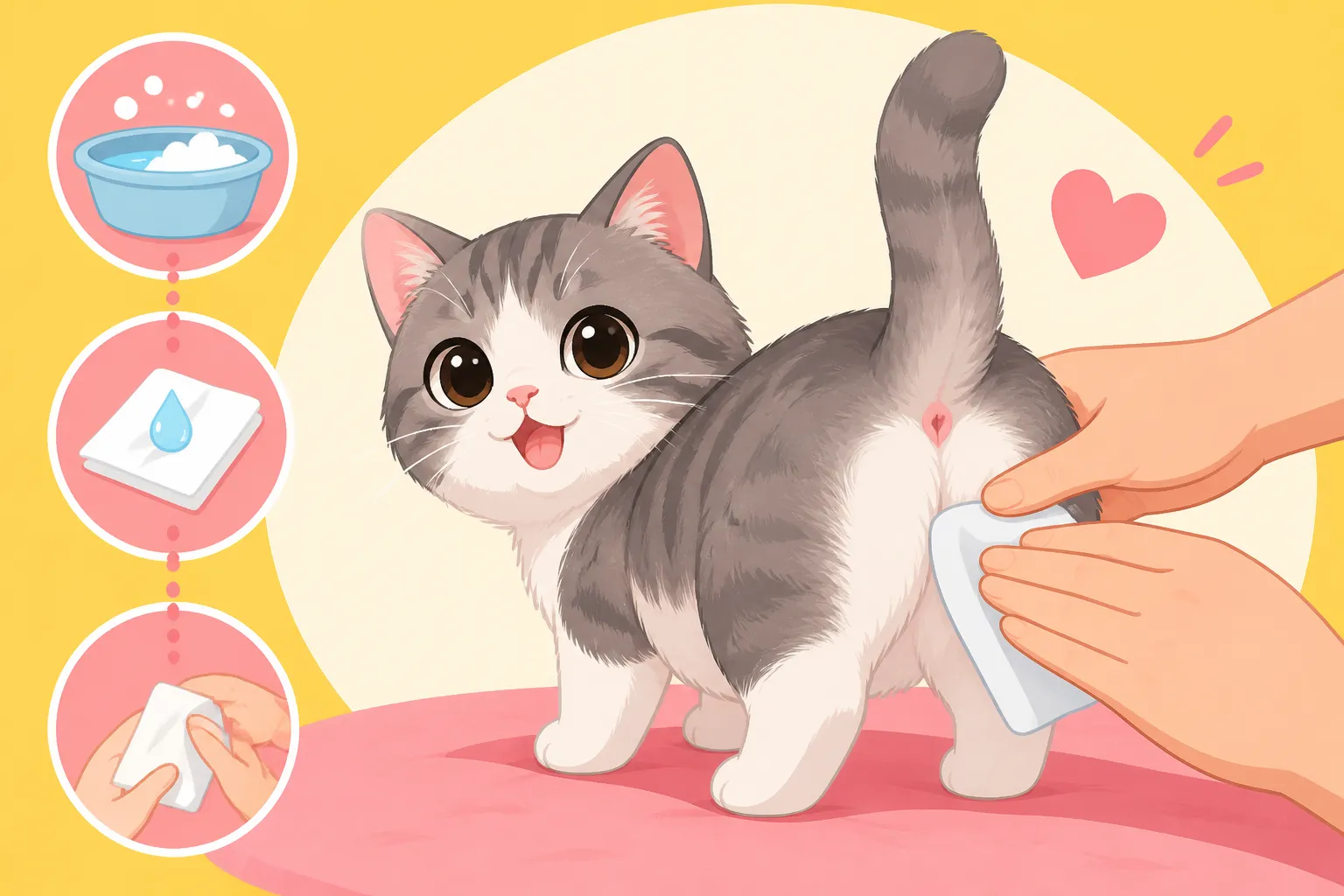
This is where your washcloths come in handy. Instead of trying to put your entire Munchkin under a running faucet (which can be terrifying for them), focus only on the affected area. Gently wet a clean washcloth with lukewarm water and slowly, softly, begin to dampen the fur around their hindquarters. Avoid directly spraying water if possible; the washcloth method is much less startling.
Once the area is damp, apply a small amount of cat-specific shampoo to a fresh, wet washcloth. Work the shampoo into a gentle lather, then carefully wipe and massage it into the soiled fur. Be thorough but gentle. Pay close attention to the fur directly around the anus, under the tail, and along the inner thighs. If there are dried pieces of waste, gently work the shampoo into them, allowing it to soften the material so it can be wiped away easily. Remember, Which Litter Sticks to a Munchkin's Belly can often be mitigated by better litter choices and regular cleaning.
Rinsing Thoroughly to Prevent Skin Irritation
Rinsing is arguably the most crucial part of the wash, especially for a Munchkin with sensitive skin. Any shampoo residue left on their fur can dry, cause itching, flaking, and severe skin irritation, defeating the purpose of the wash. You'll need several clean, fresh washcloths for this.
Rinse one washcloth thoroughly under lukewarm water, wring it out, and then gently wipe the shampooed area. Repeat this process multiple times, using a fresh, clean washcloth each time, until you are absolutely certain all shampoo residue has been removed. The water you wring out of the washcloth should eventually run clear, and the fur should feel clean, not slippery or sticky. Be patient; this might take longer than you expect, but it's essential for your cat's comfort and skin health. How to Bathe a Munchkin Without Straining Its Back emphasizes gentle handling throughout the process.
Drying Your Munchkin Safely and Comfortably
Once rinsed, your Munchkin will likely be a bit damp and possibly chilly. Gently lift them out of the sink or tub and immediately wrap them in a warm, absorbent towel. Pat the area dry thoroughly, but gently. Avoid vigorous rubbing, which can tangle their fur and cause discomfort. You can use several towels if needed to absorb as much moisture as possible.
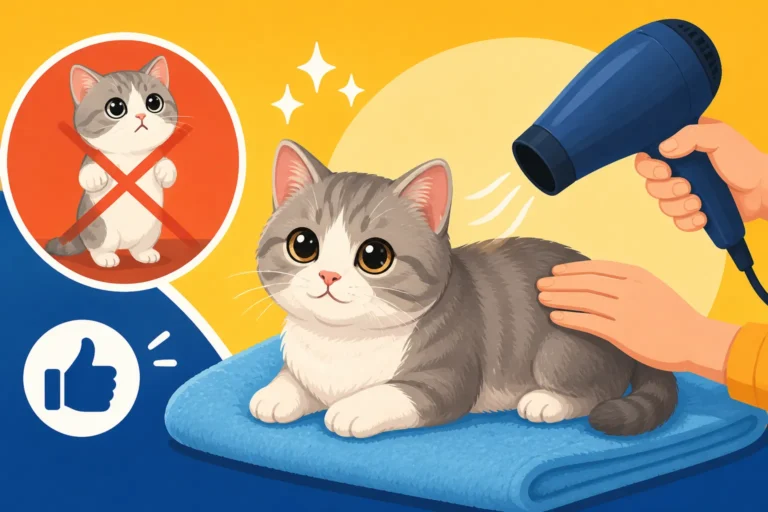
Some Munchkins tolerate a hairdryer on a low, cool setting held at a safe distance, but many cats are terrified of the noise. If your cat is clearly distressed by the hairdryer, skip it. The most important thing is to ensure they are not left wet and cold, as this can lead to hypothermia or other health issues. Keep them in a warm, draft-free room until their fur is completely dry. How to Dry a Munchkin Without Standing It Up offers more tips for this stage. Once they are dry, offer them that special treat or a favorite toy to reinforce the positive (or at least tolerable) experience.
Keeping Your Munchkin Clean Between Washes
A full wash of the hindquarters might not be a daily (or even weekly) necessity, but maintaining hygiene between those deeper cleans is crucial. Proactive care can prevent serious issues and keep your Munchkin comfortable.
Daily Checks and Spot Cleaning
The best defense is a good offense! Make a quick daily check of your Munchkin's hindquarters part of your routine. This can be as simple as a quick glance when they're relaxed on your lap or a gentle lift of their tail. If you spot any fresh mess or minor debris, deal with it immediately.
Cat-specific pet wipes are fantastic for this. Keep them readily available. Gently wipe away any dirt or fecal matter before it has a chance to dry and harden. This prevents matting and irritation and means you won't have to resort to a full wash as often. Ensure the wipes are unscented and hypoallergenic to avoid irritating their sensitive skin. Think of it as preventative maintenance that saves you and your Munchkin from bigger headaches down the line.
Dietary Considerations for a Cleaner Rear
Believe it or not, your Munchkin's diet plays a significant role in the cleanliness of their hindquarters. A cat with chronic loose stools or diarrhea will invariably have a messier rear, regardless of how often you clean it. If you find yourself constantly washing your Munchkin's bottom, it might be a sign that their diet isn't agreeing with them.
Consult your veterinarian about your cat's stool consistency. They might recommend a change in food, perhaps a sensitive stomach formula or a limited ingredient diet. Sometimes, adding a probiotic supplement can help regulate their digestive system. Brands focused on high-quality ingredients, or even prescription diets, might be worth exploring. While not a direct solution for washing, improving gut health can significantly reduce the frequency and severity of messes, making your job much easier.
The Role of Professional Grooming
Sometimes, despite our best efforts, the situation might be beyond our comfort or skill level. If your Munchkin develops severe matting, skin irritation, or if you simply find the task too stressful for both of you, don't hesitate to seek professional help. A professional groomer experienced with cats can provide a sanitary clip, gently remove mats, and give your Munchkin a thorough (and often quicker) bath than you might manage at home.
They have specialized tools and techniques to make the experience as stress-free as possible. It's an investment in your cat's health and comfort. Regular professional grooming appointments, perhaps every few months, can be a fantastic way to maintain hygiene and prevent issues before they become serious. Don't view it as a failure on your part, but rather as another valuable resource in providing the best possible care for your unique and beloved Munchkin.
Essential Grooming Tools for a Munchkin's Hindquarters
Here's a quick rundown of the essential tools you'll want to have on hand for keeping your Munchkin's rear clean and healthy:
| Tool | Purpose | Key Features |
|---|---|---|
| Cat-Specific Shampoo | Gently cleans without irritating skin. | Tearless, hypoallergenic, natural ingredients. |
| Soft Washcloths | Applying shampoo, gentle scrubbing, thorough rinsing. | Multiple, clean, soft fabric. |
| Absorbent Towels | Drying gently, absorbing moisture. | Several, large, plush. |
| Pet Grooming Scissors | Safely trimming matted or soiled fur. | Blunt-nosed, sharp blades, ergonomic grip. |
| Fine-toothed Comb | Removing tangles and loose fur before/after wash. | Smooth teeth, gentle on skin. |
| Cat Wipes | Daily spot cleaning and quick touch-ups. | Fragrance-free, hypoallergenic, cat-safe. |
| Non-slip Mat | Providing secure footing in sink/tub. | Rubber or silicone, suction cups if possible. |
Disclaimer
This article is for general informational purposes only and does not constitute professional advice. Laws, prices and regulations vary by location and change over time. Consult a qualified professional for guidance on your specific situation.