Why Declawing a Munchkin Takes Away Its Only Grip
One of the most heartbreaking frustrations for a cat owner is when their beloved feline companion starts scratching furniture, doorframes, or even them. It's easy to feel at your wit's end, especially when you're trying to protect your home or yourself. For Munchkin cat parents, this issue can bring up an even more complex question: "Could declawing be the answer?" But for these unique, short-legged cats, declawing isn't just a tough decision; it actively removes their primary means of interacting with their world and can dramatically compromise their already unique mobility. This guide will delve deep into why declawing a Munchkin cat takes away its only grip and explore kinder, more effective alternatives.
Understanding a Munchkin's Unique Mobility Challenges
Before we even talk about declawing, it's crucial to grasp how a Munchkin cat's physical structure influences its movement. These little furballs aren't just adorable; they navigate the world in a way that's fundamentally different from their long-legged cousins. Their short limbs are both their charm and their greatest vulnerability, especially when it comes to their claws.
The Critical Role of Claws in Feline Mobility
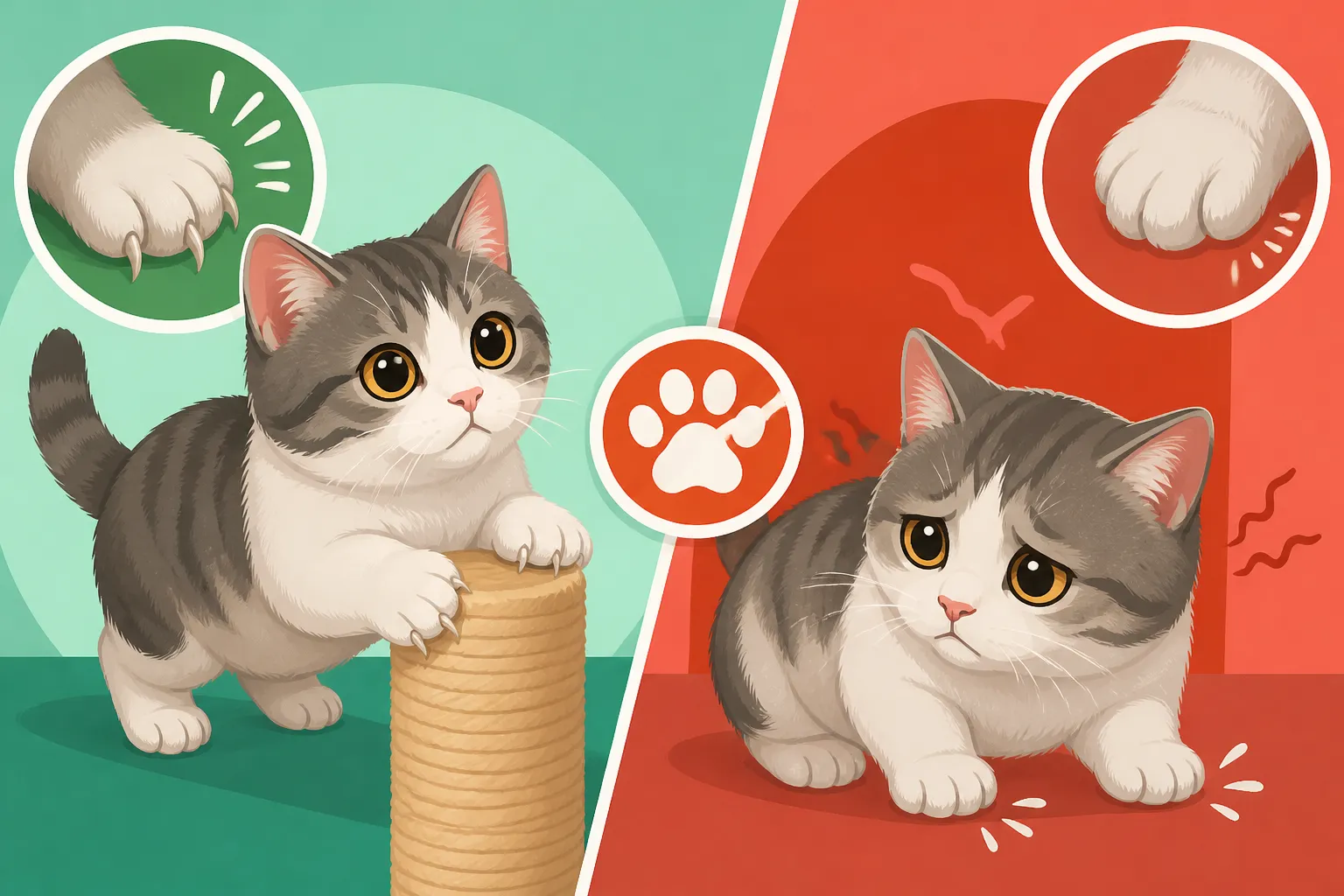
For any cat, claws are far more than just sharp tools for scratching. They are integral to their entire biomechanical system. Think of them as their multi-purpose utility belts! Claws provide traction when running, stopping, and climbing. When a cat leaps, their claws are essential for gripping the takeoff surface, and just as importantly, for digging into the landing spot to absorb impact and maintain balance. They're like little retractable crampons. Without them, a cat is suddenly less stable, less agile, and far more prone to slipping and losing balance, which can lead to injuries.
Consider a normal-legged cat scaling a tall cat tree. Each claw extends, finds purchase in the carpeted surface, and helps pull their body upward. On the descent, those claws act as brakes, allowing for a controlled, gradual climb down. Even on flat ground, a sudden burst of speed or a sharp turn relies on those claws digging in for stability. It's their primary interaction with their environment for movement.
How Short Legs Alter a Munchkin's Movement
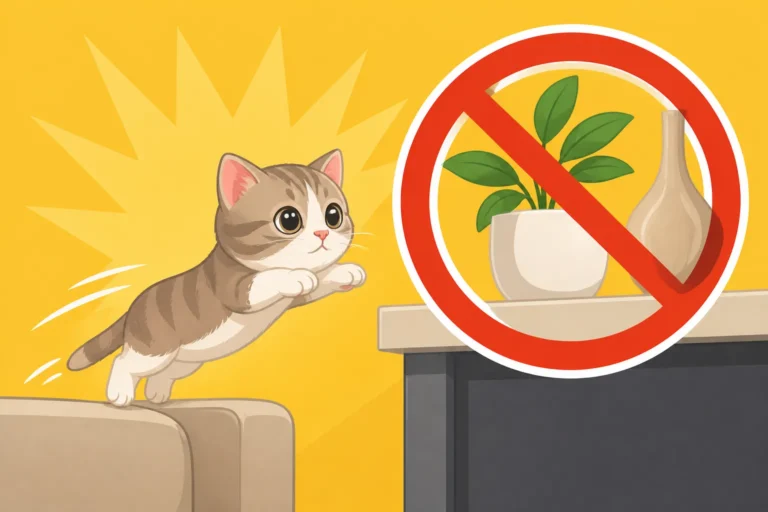
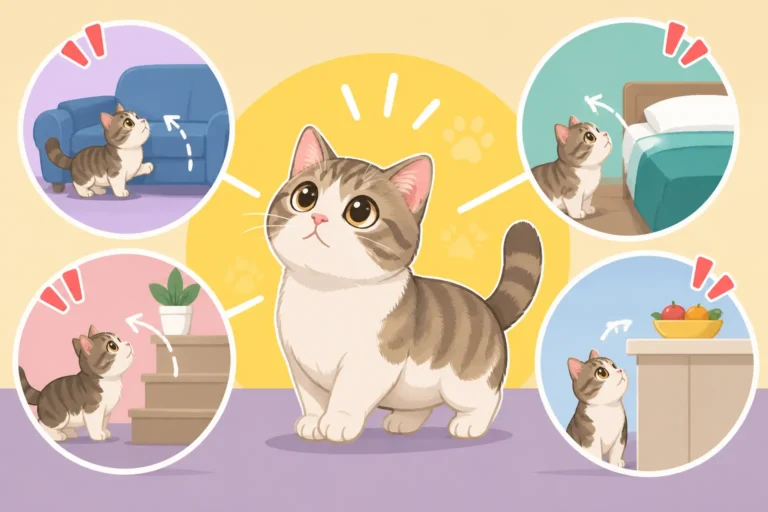
Now, layer the Munchkin's short legs onto that understanding. Their shorter limbs mean a different center of gravity and a distinctive gait. While they can be surprisingly fast on the flat, they accomplish this with a ferret-like scamper rather than long, graceful strides. They don't typically leap onto high surfaces with the same vertical prowess as a standard cat. Instead, they often rely on a series of smaller jumps, using furniture as a staircase, or finding lower, more accessible routes. How a Munchkin Uses Furniture as a Staircase Their short legs also mean their spine carries a different kind of load. Why a Munchkin's Spine Carries a Load a Normal Cat's Does Not
When a Munchkin cat does jump, whether it's onto a low sofa or a slightly higher chair, their front claws are vital for securing that initial grip. They pull themselves up with considerable force, and their claws prevent them from slipping back down. Imagine trying to pull yourself up a wall with smooth, clawless hands; it's a monumental struggle. For a Munchkin, whose reach is already limited, those claws are paramount for any vertical ascent, no matter how small. They enable them to overcome the inherent challenge of their unique body shape, allowing them to participate in activities that might otherwise be impossible.
Why Declawing Hits a Munchkin Harder Than Other Cats
Given their unique physicality, removing a Munchkin's claws isn't just inconvenient; it's a profound detriment to their quality of life and their fundamental ability to navigate their world. The consequences are far more pronounced than in a long-legged cat.
Loss of Climbing and Stability
A standard cat, even if declawed, still has the leverage and reach in their long legs to potentially hoist themselves onto some lower surfaces or at least maintain a better stance on uneven ground. A Munchkin, however, is already at a disadvantage in terms of vertical reach. Their short legs mean they rely heavily on their claws for that initial pull and sustained grip on any climb. Without claws, their ability to gain purchase on fabric, carpet, or even slightly textured surfaces is severely compromised. Imagine a small child trying to scale a playground climbing wall with mittens on – it's practically impossible.
This isn't just about reaching the top of a cat tree. It's about getting onto your favorite armchair, jumping up onto the bed, or even navigating a ramp if it has any degree of incline. These are all activities that require the subtle, yet powerful, grip of claws. The inability to climb effectively can lead to frustration, isolation, and a significant reduction in their explorative behaviors. They literally lose their only grip, making them unable to engage with their environment in ways that come naturally to them. They cannot climb away from anything, which is especially problematic if they live with other pets or small children. Why a Munchkin Cannot Climb Away From Anything
The Impact on Jumping and Landing Mechanics
Jumping for a Munchkin is already a more calculated affair than for a long-legged cat. They typically don't have the same spring in their step to clear significant heights in a single bound. Instead, they often perform a series of smaller jumps or "bunny hops." When they do jump, those claws are essential for gaining traction on the takeoff surface and, critically, for landing safely. A cat's claws splay out as they land, helping to absorb impact and prevent slipping. They act as natural shock absorbers and stabilizers.
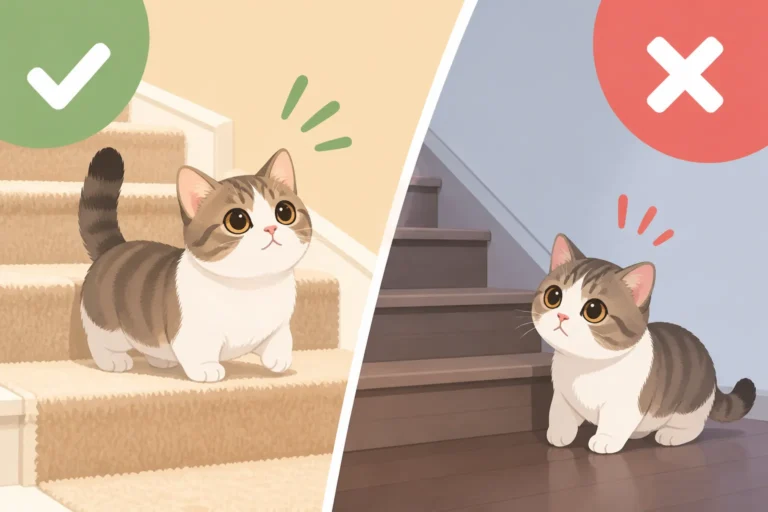
If a Munchkin is declawed, this already challenging aspect of their mobility becomes incredibly dangerous. They can't grip the surface they're launching from, potentially leading to slips and falls. More critically, their landings become precarious. Without claws to dig in, they are more likely to slide or tumble, especially on slick surfaces like hardwood floors or tile. This repeated impact, without the natural cushioning and stabilization of claws, places immense strain on their already delicate joints and spine. Why a Munchkin's Shoulders Wear First Over time, this can exacerbate or accelerate joint issues like arthritis. This is a significant concern because their unique leg structure means they already experience different stresses on their joints compared to other cats.
The Health and Behavioral Ramifications of Declawing
Declawing isn't just a nail trim; it's a surgical procedure that involves amputating the last bone of each toe. It's essentially like removing the first knuckle of each of your fingers. The consequences for any cat are severe, but for a Munchkin, these issues are magnified due to their specific physical makeup.
Physical Pain and Long-Term Discomfort
Post-surgical pain is a given with declawing. Cats are stoic creatures, often hiding their pain, but the discomfort can linger for weeks, months, or even a lifetime. Imagine walking on your stubbed toes for the rest of your life. For a Munchkin, whose gait already places unique demands on their short legs and spine, this chronic pain can be devastating. They might shift their weight, walk abnormally, or avoid movement altogether, further compounding the stress on their body. The altered gait can lead to problems like joint pain in their elbows and shoulders, which are already under more strain due to their short stature. Why a Munchkin's Elbows Take the Landing
Beyond the immediate pain, long-term issues such as nerve damage, bone spurs, and chronic phantom limb pain are not uncommon. A declawed Munchkin might become hesitant to walk on certain surfaces, or even develop an aversion to using their litter box if the litter irritates their sensitive paws. This pain can be subtle, manifesting as a reluctance to play, a change in personality, or even aggression if they feel threatened and can no longer defend themselves adequately. What Pain Relief a Stiff Munchkin Can Take
Behavioral Changes and Stress
A declawed cat loses its primary defense mechanism. This can lead to increased anxiety and stress, especially if they live in a multi-pet household or encounter unfamiliar situations. Instead of being able to claw to ward off a perceived threat, they might resort to biting, making them potentially more dangerous than a cat with claws. This is particularly concerning for a Munchkin, who cannot easily escape to higher ground if they feel cornered. Why a Munchkin Cannot Climb Away From Anything
Furthermore, the natural instinct to scratch is incredibly strong for cats. It's a way to mark territory, stretch muscles, and relieve stress. When this natural behavior is thwarted by declawing, cats can develop new, often undesirable, behaviors. They might become withdrawn, aggressive, or start urinating and defecating outside the litter box. This isn't out of spite; it's often a manifestation of severe stress, pain, and their inability to express natural feline behaviors. A declawed Munchkin might also lose confidence, becoming less playful and less engaged with their human family, which is heartbreaking for everyone involved. How a Munchkin's Behavior Changes After Eight
Ethical Alternatives to Declawing a Munchkin
Thankfully, there are many compassionate and effective alternatives to declawing that protect both your furniture and your Munchkin's well-being. It's all about understanding feline nature and providing appropriate outlets.
Providing Appropriate Scratching Solutions
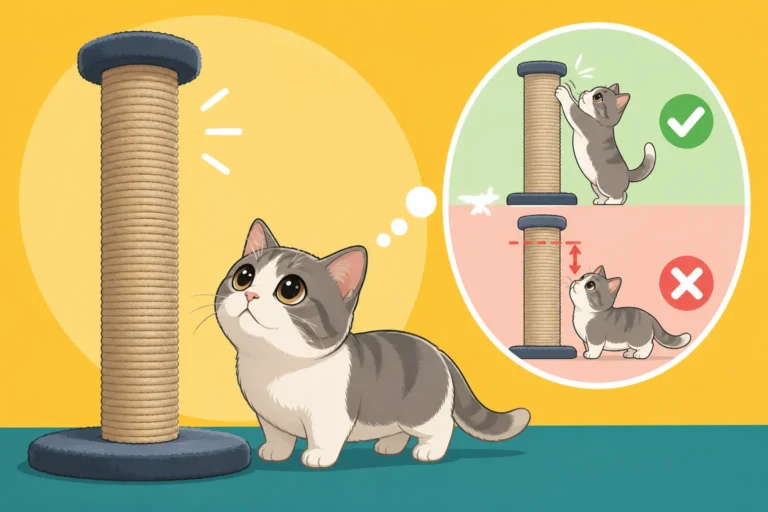
The first and most important step is to understand why cats scratch. It's a natural, instinctual behavior for marking territory, stretching muscles, and shedding old nail sheaths. So, instead of fighting it, we need to redirect it. For a Munchkin, vertical scratching posts can be challenging due to their short stature. Which Scratching Post a Munchkin Can Use They can't stretch up high like a normal cat. Therefore, horizontal scratchers, inclined scratchers, and those with lower, easily accessible platforms are ideal.
Look for a variety of textures too – cardboard, sisal, carpet, and wood. Some cats prefer one over another. Place these scratchers in prominent areas where your Munchkin likes to spend time, especially near their favorite napping spots or areas they've previously scratched. A good strategy is to place a new scratcher directly in front of the object they're currently clawing. You can find a huge variety of options on sites like Chewy or Amazon, from simple cardboard pads to multi-level scratching trees with low, wide platforms perfectly suited for a Munchkin. Encourage their use with catnip or by dangling toys around them. How Much Floor Level Play a Munchkin Needs
Regular Nail Trimming and Soft Paws
Regular nail trimming is a game-changer and a must for any cat owner, especially those with Munchkins. Keeping your cat's claws trimmed prevents them from getting too sharp and reduces their ability to do damage. It's a simple, inexpensive solution that many owners shy away from, but with patience and positive reinforcement, most cats can learn to tolerate it. Start early with a Munchkin kitten, making it a positive experience with treats and praise. Trimming a Munchkin's Claws Without Twisting Its Legs
If trimming isn't quite enough, or you need extra protection, consider Soft Paws or similar nail caps. These are small, vinyl caps that are glued onto your cat's claws, effectively blunting them for several weeks. They fall off naturally as the nail grows and can be easily replaced. They come in various sizes and colors, and your vet or groomer can often apply them for you if you're uncomfortable doing it yourself. This way, your Munchkin retains its claws for all its natural mobility and stretching needs, but the scratching surfaces of your home remain safe.
| Feature | Declawing (Onychectomy) | Nail Trimming & Soft Paws | Environmental Enrichment & Training |
|---|---|---|---|
| Method | Surgical amputation of last toe bone | Clipping nail tips; gluing on vinyl caps | Providing appropriate scratchers, play, and positive reinforcement |
| Invasiveness | Highly invasive, irreversible surgery | Non-invasive, reversible (Soft Paws) | Non-invasive, focuses on natural behavior |
| Pain Level | Severe acute pain; potential chronic pain | Minimal to none (if done correctly) | None |
| Mobility Impact | Severe loss of grip, climbing, jumping stability | None, preserves natural mobility | Enhances mobility by providing safe outlets |
| Behavior Impact | High risk of behavioral issues (biting, litter box aversion, anxiety, aggression) | Generally positive, maintains natural behaviors | Positive, reduces stress, promotes appropriate behavior |
| Cost | High surgical cost, potential for ongoing vet care | Low (clippers, nail caps, treats) | Moderate (scratchers, toys, cat trees with ramps) |
| Ethical Standing | Widely condemned by veterinary associations and welfare groups | Accepted and recommended by veterinary professionals | Accepted and recommended by veterinary professionals |
Environmental Enrichment and Training
Beyond managing their claws, providing a stimulating environment is key to a happy Munchkin and helps prevent destructive scratching out of boredom or stress. This means giving them plenty of appropriate toys that can be enjoyed at floor level. Which Toys Work at a Munchkin's Height Puzzle feeders can also engage their minds and make mealtime more interesting.
For scratching, ensure you have multiple scratching surfaces in various locations and orientations your Munchkin can easily access. Positive reinforcement training can be very effective. When you see your Munchkin using an appropriate scratcher, praise them lavishly, offer a treat, or engage in a short play session. If they start to scratch something inappropriate, gently redirect them to a scratcher. Never punish them, as this can create fear and anxiety, exacerbating the problem. Consider using deterrents on areas you want to protect, like double-sided sticky tape or citrus-scented sprays, which cats generally dislike. Over time, with consistency, your Munchkin will learn where it's acceptable to scratch. Getting your Munchkin used to being handled from a young age will also make nail trims and nail cap applications much easier. How to Get a Munchkin Used to Being Handled
By embracing these thoughtful alternatives, you can ensure your Munchkin cat lives a full, comfortable, and active life, with all their natural abilities intact, and your furniture remains unscathed.
Disclaimer
This article is for general informational purposes only and does not constitute professional advice. Laws, prices and regulations vary by location and change over time. Consult a qualified professional for guidance on your specific situation.