How to Arrange a Munchkin’s Room in One Plane
It’s a common frustration for Munchkin cat parents: you want your little one to feel completely at home and enjoy every corner of their space, but their adorable short legs mean the world is literally built for giants. This guide is all about transforming your home, or at least a specific room, into a "one-plane" paradise where your Munchkin can navigate, play, and relax without constant struggle or dangerous leaps, ensuring their comfort, safety, and well-being.
Why a "One Plane" Room is Essential for Your Munchkin
Living with a Munchkin cat is an absolute joy, but it also comes with a unique set of considerations due to their distinctive physique. Their short legs, while undeniably cute, mean they interact with their environment very differently from a long-legged cat. What might seem like a small jump for a domestic shorthair can be an Olympic feat, or even a hazardous endeavor, for a Munchkin. Understanding this fundamental difference is the first step to creating a truly harmonious living space for them.
Understanding the Munchkin's Physical Limitations
The genetic mutation that gives Munchkins their characteristic short legs, known as pseudoachondroplasia, primarily affects the long bones of their limbs. This means their body length and spine are generally proportional to a normal-sized cat, but their legs are significantly shorter. This isn't just about how high they can jump; it affects their entire gait, their ability to climb, and even how they brace themselves. Imagine trying to navigate a world where every piece of furniture, every window sill, and every counter top is just slightly out of reach or requires an awkward, potentially painful, maneuver. That's the daily reality for a Munchkin in an unadapted home. They might try to jump repeatedly, sometimes falling, or they might simply give up on exploring certain areas, leading to boredom or frustration.
Minimizing Strain on Their Unique Anatomy
Every time a Munchkin attempts a jump, especially downwards, the impact is absorbed by their joints and spine. While healthy young Munchkins are surprisingly agile on the flat, repeated high impact from jumping can contribute to wear and tear over time. This isn't to say they can't jump – they certainly can, and they often will, much to our astonishment! However, we, as their caregivers, have a responsibility to minimize unnecessary strain. Think about the cumulative effect of hundreds or thousands of small impacts over their lifetime. Over time, this repetitive stress can exacerbate joint issues or lead to discomfort, particularly in their shoulders and elbows. By arranging their environment in one plane, we reduce the need for these strenuous activities, safeguarding their long-term joint health and preventing potential spinal issues down the line. It's about proactive care, recognizing their unique needs to give them the healthiest, happiest life possible. You can learn more about this by reading Why a Munchkin's Spine Carries a Load a Normal Cat's Does Not.
The Psychological Benefits of an Accessible Environment
Beyond the physical aspects, an accessible environment has profound psychological benefits for your Munchkin. Cats thrive on being able to explore their territory, observe their surroundings from various vantage points, and access all their resources independently. When a Munchkin is constantly reliant on a human to lift them, or when significant parts of their home are simply unreachable, it can lead to feelings of helplessness or anxiety. A "one-plane" room empowers them. They can move freely, discover hidden treasures, reach their favorite sunbeam on the sofa, and access their food, water, and litter box without stress. This autonomy fosters confidence and enriches their daily life, allowing their playful, curious personalities to truly shine. They're less likely to become withdrawn or frustrated when they feel in control of their own space.
Creating Accessible Zones: Furniture and Play
Once you understand the 'why,' the 'how' becomes much clearer. The goal is to make every desired surface and amenity reachable without vertical leaps or dangerous maneuvers. This involves a thoughtful rearrangement of existing items and the strategic introduction of new ones.
Thoughtful Furniture Placement
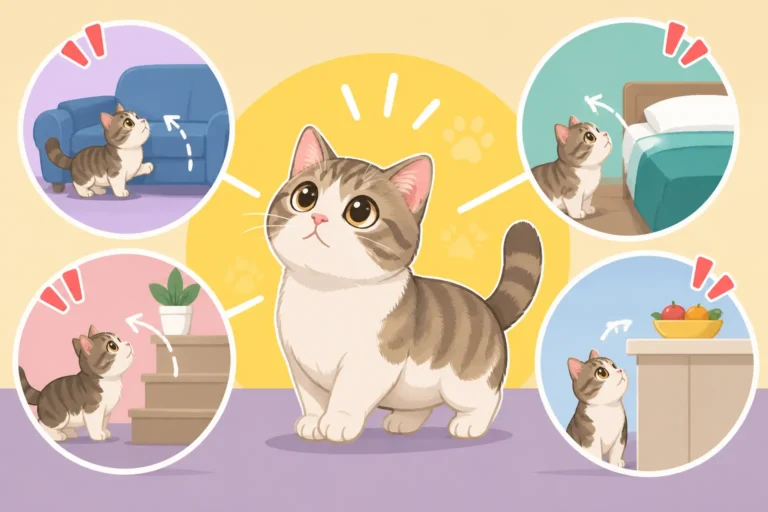
Start by looking at your room from your Munchkin's eye level. Where do they want to go? The sofa for cuddles? The armchair for a nap? The window for birdwatching? Instead of expecting them to jump, create a seamless "staircase" out of your existing furniture. For example, if your sofa is a favorite spot, can you move a sturdy ottoman or a low bookshelf next to it? This creates an intermediate step, breaking one large jump into two manageable hops. Similarly, for a windowsill perch, consider placing a sturdy chest or a stack of stable cushions below it. The key is stability; anything they use as a step must be firm and not prone to tipping. You want to build a continuous, gentle incline or a series of low steps rather than asking them to scale sheer cliffs. How a Munchkin Uses Furniture as a Staircase explores this concept further.
Choosing Appropriate Ramps and Steps
While furniture rearrangement is a great start, sometimes dedicated ramps and steps are necessary, especially for beds or taller windows. These aren't just for senior cats; they're essential equipment for any Munchkin household. When choosing ramps, look for ones with a gentle slope and a non-slip surface, like carpet or ribbed rubber, which gives them secure footing. Think about the width too; a wider ramp feels more secure for them. For steps, individual pet stairs that are wide and shallow are ideal. They provide more surface area for landing and taking off, reducing the risk of a misstep. You can find a fantastic array of options on Amazon or Chewy, with many designed specifically for small dogs or cats that are perfect for Munchkins. Remember, the goal is to make access effortless and safe, transforming unreachable heights into easily navigable pathways.
| Item Type | Ideal Characteristics | Why it Helps Your Munchkin |
|---|---|---|
| Ramps | Gentle slope, non-slip surface, wide | Reduces jump strain, offers secure footing, easy ascent/descent |
| Pet Stairs | Wide treads, shallow risers, sturdy | Breaks down large climbs, provides stable steps, safe landings |
| Ottomans/Chests | Stable, heavy, appropriate height | Creates intermediate steps, extends floor-level reach |
| Low Shelving | Stable, easily accessible shelves | Offers resting spots, viewing platforms, and climbing aids |
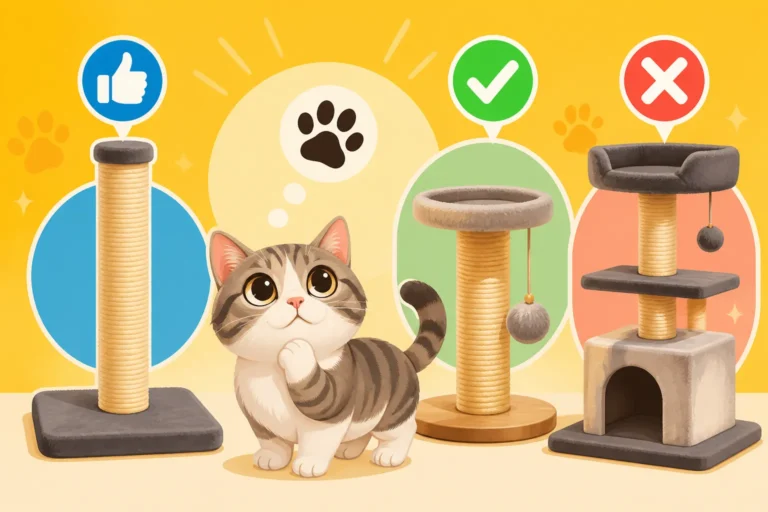
| Scratching Posts | Horizontal or short, stable vertical | Allows stretching and claw maintenance without high climbing |
Floor-Level Entertainment and Enrichment
Since your Munchkin spends more time on the floor, their entertainment should reflect that. Think horizontally! While they can certainly play with wand toys and chase lasers, make sure there are plenty of engaging activities right at their level. Puzzle feeders that they can interact with using their paws without reaching up too high are fantastic. Treat-dispensing balls that roll across the floor provide mental stimulation and exercise. Simple tunnels and crinkle mats scattered around the room encourage exploration and play. Remember, they are still cats with a strong prey drive, and providing outlets for this instinct at their natural height prevents boredom and destructive behaviors.
Eliminating Obstacles and Ensuring Safety
Creating accessible routes is only half the battle; the other half is removing potential dangers and ensuring their essential needs are met without struggle.
Securing Hazards and Unreachable Areas
In a room designed for a Munchkin, anything they can't easily reach, but might try to, could become a hazard. This is particularly true for items on low shelves or coffee tables that a longer-legged cat might easily bat down or simply ignore due to being too low to be interesting. Cords, small trinkets, toxic plants, or even unsecured heavy objects on low surfaces need to be either removed, secured, or placed on higher, truly unreachable shelves. Also, consider areas where they might get stuck. Their low stature means they can slip under furniture that a normal cat wouldn't, only to find themselves unable to easily maneuver back out. Regularly scan the room from their perspective, looking for potential traps or enticing dangers.
Choosing the Right Litter Box Setup
This is a big one. A standard litter box with high sides, while great for containing litter, can be a major challenge for a Munchkin. Imagine trying to step over a wall that's half your height! This can lead to them holding it in, causing health issues, or eliminating outside the box in protest. The solution is a low-entry litter box. These have one side significantly lower, allowing them to simply walk in and out. Many senior cat litter boxes are perfect for Munchkins for this very reason. You can find these at pet stores or online on Chewy. If you have an existing box, you might even be able to carefully cut down one side, or simply place a small, sturdy step directly in front of the entry point to create an easier path. Which Litter Box a Munchkin Can Actually Enter provides detailed insights into this crucial aspect of care.
Optimizing Food and Water Stations
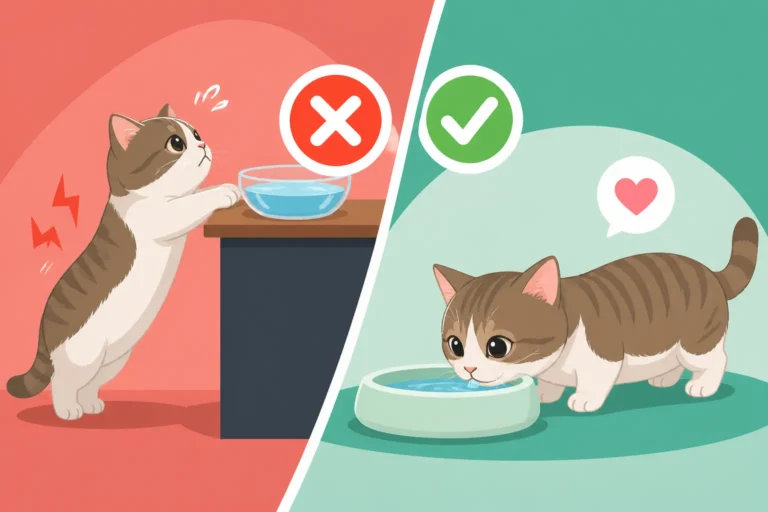
Just like with the litter box, the height of their food and water bowls matters. While some cats prefer eating directly off the floor, for a Munchkin, perpetually bending their neck down to eat can strain their spine and shoulders. Raised bowls are an excellent solution, bringing the food and water up to a more comfortable height, allowing them to eat and drink without excessive stooping. Look for bowls on sturdy stands that are about 2-4 inches off the ground, depending on your individual cat's height. This small adjustment can make a big difference in their comfort during mealtimes. Ensure water bowls are always full and easily accessible, perhaps even having multiple water stations throughout the "one-plane" room, so they don't have to travel far for a drink. You can often find a good selection of raised bowls on Amazon. Why a Munchkin's Food and Water Belong at Floor Level explains this further, emphasizing comfort over reach.
Maintenance and Ongoing Adaptations
Creating a one-plane room isn't a one-and-done project. Your Munchkin's needs might change over time, and regular checks will ensure their environment remains optimal.
Regular Assessment of Accessibility
Just like we occasionally rearrange our living spaces, it's wise to periodically reassess your Munchkin's room from their perspective. Watch them move. Are they still using the ramps and steps? Are they struggling anywhere? Does a favorite spot now seem difficult to reach? Pay attention to their posture and gait. Sometimes, a subtle change in furniture placement, or simply adding an extra step, can make a huge difference. As they get older, their flexibility might decrease, and what was once an easy hop might become a challenge. This proactive approach ensures their home continues to be a safe and joyful sanctuary.
Addressing Grooming and Hygiene Challenges
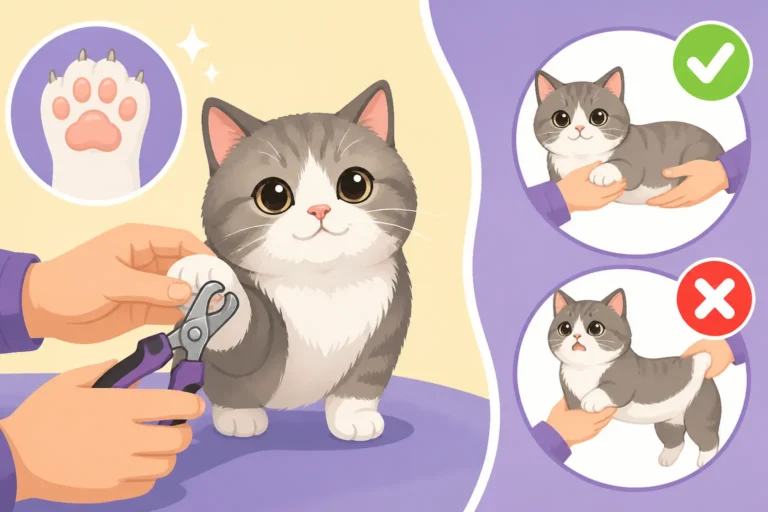
A consequence of their short legs and low-slung bodies is that Munchkins can sometimes struggle with self-grooming, especially in their hindquarters and belly area. In a one-plane room, this is still a consideration. While the physical arrangement doesn't directly solve this, it's part of ensuring their overall well-being in their adapted space. Regular brushing, especially for long-haired Munchkins, becomes even more important. You might need to gently lift them to properly groom these hard-to-reach spots. If they can't adequately clean themselves after using the litter box, you might need to assist with a quick wipe. Maintaining good hygiene prevents mats and skin irritation. Why a Munchkin's Belly Fur Needs Checking delves into these specific grooming needs.
Considering Your Munchkin's Age and Mobility Changes
As your Munchkin ages, their needs will naturally evolve. What an agile young Munchkin found easy, an older one might struggle with. Arthritis and joint stiffness can become more prevalent, making even gentle slopes or low steps challenging. This is when your "one-plane" room truly becomes invaluable. You might need to introduce even shallower ramps, reduce the number of steps, or provide more padded landing areas. Observe if they are stopping using a favorite ramp or avoiding certain furniture. This can be a sign of discomfort. Consult with your vet if you notice significant changes in their mobility, as joint supplements or pain management might be necessary. Ensuring they can still access their bed, food, water, and litter box easily, without any painful maneuvers, is paramount for their quality of life in their senior years. What an Old Munchkin Stops Being Able to Do offers further guidance on caring for an aging Munchkin.
Disclaimer
This article is for general informational purposes only and does not constitute professional advice. Laws, prices and regulations vary by location and change over time. Consult a qualified professional for guidance on your specific situation.