What Happened in Rayville That Started the Munchkin
Have you ever wondered how those adorable, short-legged Munchkin cats came to be? It’s a question that sparks curiosity and often a fair bit of debate, touching on genetics, ethics, and the very definition of a cat breed. This guide dives deep into the fascinating, yet often controversial, origins of the Munchkin cat, tracing its beginnings to an unassuming discovery in Rayville, Louisiana, and how that chance encounter forever changed the feline world.
The Unexpected Arrival in Rayville, Louisiana
The story of the Munchkin cat breed doesn't begin in a carefully planned cattery with intricate genetic blueprints. Instead, it starts much more humbly, with a chance discovery that many cat lovers might easily overlook. It’s a testament to how sometimes, the most remarkable things emerge from the most ordinary circumstances. For the Munchkin, that ordinary circumstance was a stray cat found under a truck in a small Louisiana town.
Sandra Hochenedel's Discovery
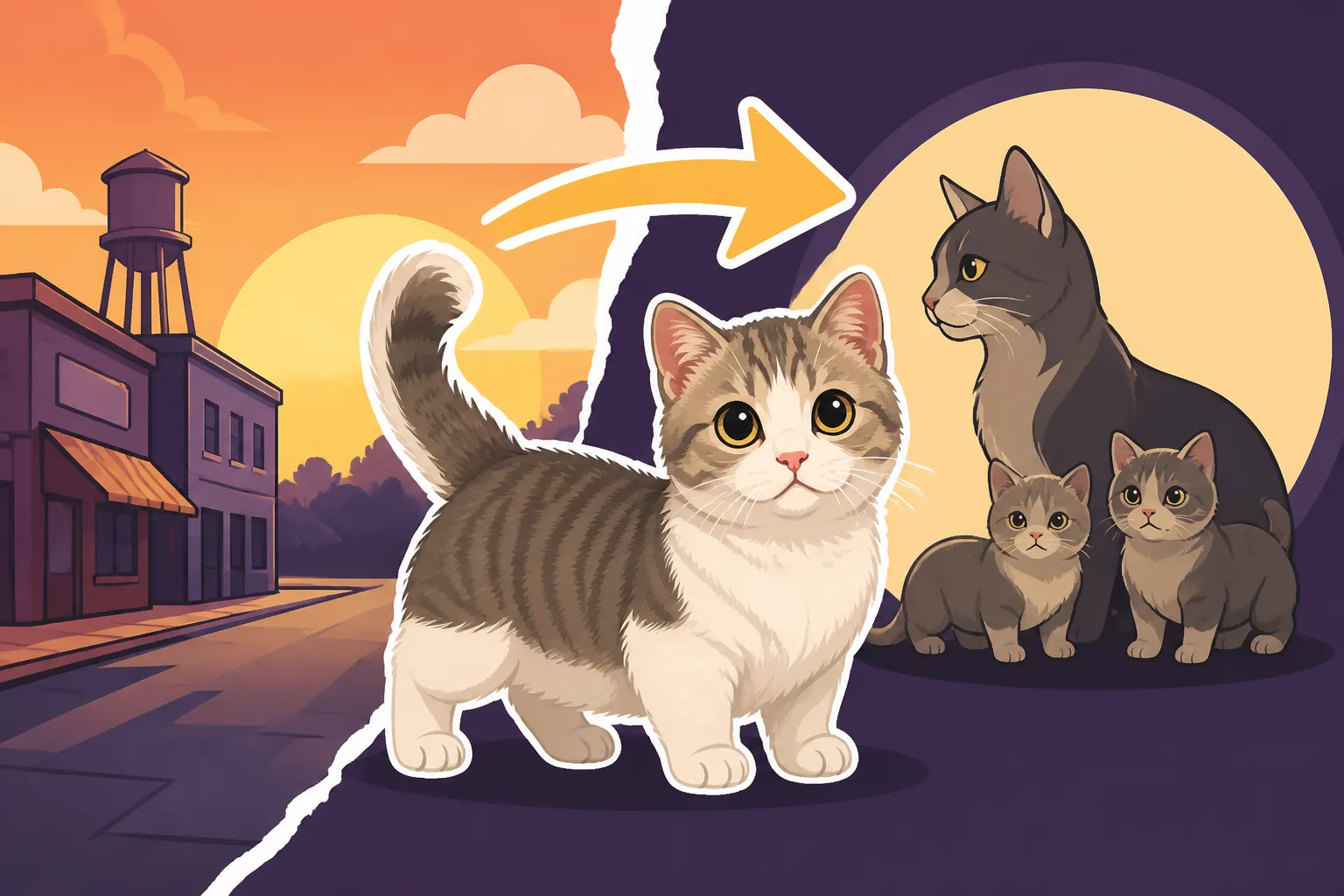
In 1983, a woman named Sandra Hochenedel was going about her day in Rayville, Louisiana, when she encountered two stray cats seeking shelter under a truck. These weren't just any strays; they possessed an unusual physical trait: incredibly short legs. One of these cats was a pregnant black domestic shorthair, whom Hochenedel compassionately took in and named Blackberry. Imagine the scene: a busy street, a parked truck, and a tiny, unique cat huddled underneath, a little creature whose very existence would eventually spark a global phenomenon in the cat world. This wasn't a case of intentional breeding or a grand scientific experiment; it was a simple act of kindness that set everything into motion.
Blackberry’s legs were undeniably different. They were sturdy and well-formed, but distinctly shorter than those of a typical domestic cat. At the time, Hochenedel likely didn't understand the genetic implications of what she was seeing. Her primary concern was providing care for a vulnerable stray. This initial act of rescue, however, proved to be the pivotal moment. Without her intervention, Blackberry might have remained just another stray, and the unique genetic mutation she carried might have disappeared into obscurity. It's often the small, compassionate decisions that have the most far-reaching consequences, and in this case, it led to the birth of an entirely new feline lineage.
Blackberry's First Litter
Blackberry, as Hochenedel soon discovered, was pregnant. This meant that the genetic anomaly that gave her short legs was about to be put to the test of inheritance. When Blackberry gave birth, her litter was a fascinating mix. Some of the kittens had legs of typical length, indistinguishable from any other domestic shorthair. But crucially, others, just like their mother, were born with those same distinctive short legs. This immediately indicated that the trait was hereditary, not the result of an injury or a developmental issue in the mother herself.
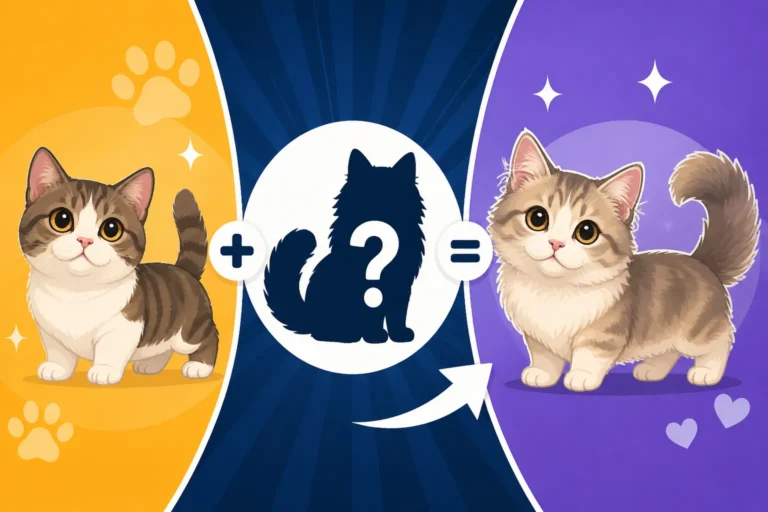
This mixed litter was the first undeniable proof that the short-legged trait was being passed down through generations. It wasn't a fluke; it was a genetic characteristic. Observing this, Hochenedel realized she had something truly unique on her hands. This was a clear demonstration of how a dominant gene works, where even with one parent exhibiting the trait, roughly half of the offspring inherit it. Why Every Munchkin Litter Is a Carrier Cross It laid the groundwork for understanding how to carefully breed these cats in the future, always ensuring they were outcrossed to normal-legged partners to maintain health and genetic diversity.
The Proliferation of the Gene: Toulouse and Beyond
The discovery of Blackberry and her unique kittens was just the beginning. For the trait to become a recognized breed, it needed to spread beyond a single household and a single litter. This required careful observation, dedicated fostering, and a deep interest in understanding the genetics at play. The story of the Munchkin truly gained momentum with the introduction of a key character: a male kitten named Toulouse.
Passing the Torch to Kay LaFrance
Among Blackberry's first litter was a short-legged male kitten, a little dynamo that Hochenedel gifted to her friend, Kay LaFrance. This kitten was named Toulouse, a nod to the Disney movie "The Aristocats." This exchange was incredibly significant, perhaps even more so than Hochenedel could have imagined at the time. Toulouse, carrying the same dominant short-leg gene as his mother, would become the male linchpin of the budding breed. Having both a female (Blackberry) and a male (Toulouse) exhibiting the trait, and living in separate but connected households, created a small, informal breeding colony that allowed the trait to be observed and understood more broadly.
LaFrance, like Hochenedel, was captivated by the affectionate and playful nature of these short-legged cats, not just their unusual appearance. Her commitment to Toulouse and his potential progeny ensured that the unique gene would continue to be passed on. She recognized the opportunity to learn more about how this trait manifested and how it could be responsibly perpetuated. This wasn't about mass production, but about curiosity and a desire to nurture what seemed to be a healthy and delightful feline variation. Blackberry and Toulouse Are the Two Cats Behind Every Munchkin
Establishing the Breeding Colony
With Toulouse now in her care, Kay LaFrance began to breed him with standard, long-legged domestic cats. This was a crucial step in establishing what would become the Munchkin breed. She understood, intuitively or through early guidance, that breeding two short-legged cats together was not advisable. Why Two Short Legged Munchkins Are Never Bred Together Her focus was on expanding the population of healthy, short-legged cats while maintaining a wide genetic base. Each mating of Toulouse with a normal-legged domestic cat produced litters that, predictably, contained both short-legged and long-legged kittens. The long-legged kittens, while not expressing the short-leg trait, were often called "Munchkin Non-Standard" or "long-legged Munchkins" and were vital for outcrossing.
This careful outcrossing strategy was fundamental. It prevented inbreeding and ensured a diverse gene pool, strengthening the health and vigor of the emerging breed. By consistently introducing new domestic shorthair lines, LaFrance ensured that the short-leg gene was diluted within a robust genetic framework, rather than concentrating any potential undesirable traits. This practice continues to this day, which is why the Munchkin cat can come in a vast array of colors and patterns, reflecting the diversity of its outcross ancestors. Breeders still adhere to strict outcrossing guidelines, which helps explain Why the Munchkin Gene Pool Stays Wide.
Understanding the Genetic Leap: What Made Blackberry Special
The unique appearance of Blackberry and her offspring wasn't the result of selective breeding over centuries, but rather a sudden and natural event. To understand the Munchkin, one must grasp the biological mechanism behind its defining characteristic. It all comes down to a specific change in the genetic code.
The Spontaneous Mutation
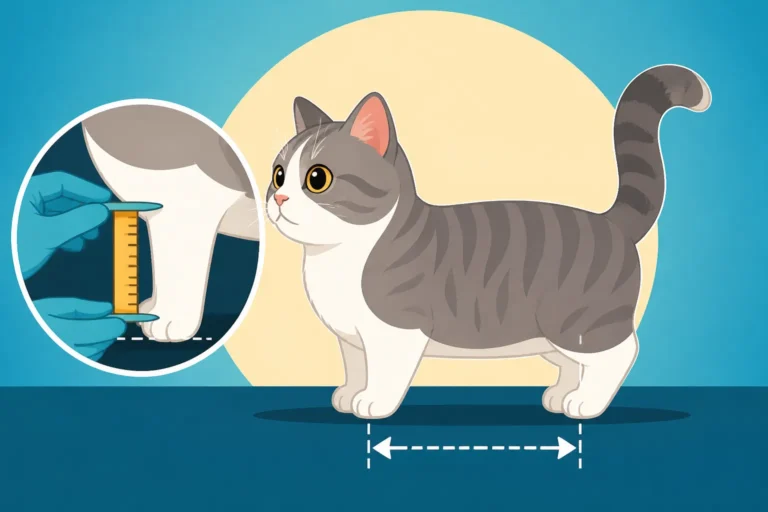
The defining characteristic of the Munchkin cat – its short legs – is the result of a spontaneous genetic mutation. Imagine the vast, complex blueprint of a cat's DNA. Occasionally, a tiny, unprompted change occurs in this blueprint. In Blackberry's case, this change happened in a gene responsible for the development of bone, specifically affecting the long bones of the legs. This particular mutation led to a form of dwarfism known as pseudoachondroplasia. This isn't the same as other forms of dwarfism that might affect the head or body size; it specifically impacts limb length, leaving the body and head otherwise normally proportioned.
This spontaneous mutation meant that Blackberry wasn't born with legs that were merely "small," but with a fundamental alteration in the way her leg bones grew. The condition caused the long bones to be shorter and thicker than usual, giving the characteristic low-slung appearance. What Pseudoachondroplasia Does to a Munchkin's Legs It's crucial to understand that this wasn't an induced mutation or the result of environmental factors; it was a random event in nature, much like many other mutations that lead to variations in appearance across species. It simply happened, and then, through Blackberry, it was passed on.
Autosomal Dominant Inheritance
The way the Munchkin's short-leg trait is passed down is categorized as autosomal dominant inheritance. Let's break that down without getting too bogged down in scientific jargon. "Autosomal" simply means the gene is not located on a sex chromosome (like X or Y), so it affects males and females equally. "Dominant" means that only one copy of the mutated gene is needed for the cat to express the short-leg trait. If a cat inherits even one copy of the Munchkin gene from a parent, it will have short legs. If it doesn't inherit any copies, it will have normal-length legs.
This dominant inheritance pattern is why when a short-legged Munchkin is bred to a normal-legged cat, roughly half of the kittens will be short-legged, and half will be normal-legged. The normal-legged kittens do not carry the gene and cannot pass it on. However, if a cat inherits two copies of the Munchkin gene – one from each parent – the outcome is different and, tragically, lethal. Embryos with two copies of the gene typically do not survive gestation. This is why ethical Munchkin breeders never breed two short-legged Munchkins together; it would result in a significant loss of life in the womb. This understanding of What Two Copies of the Munchkin Gene Do is fundamental to responsible breeding practices and the health of the breed. It underscores the careful genetic planning required to ensure the wellbeing of these unique cats.
From Farm Find to Feline Fancy Recognition
The journey from a stray under a truck to a recognized cat breed is a long and often contentious one. It involves not just genetics and breeding, but also convincing a sometimes-skeptical cat fancy community that a new variation is worthy of official status.
Initial Skepticism and Scientific Scrutiny
When Sandra Hochenedel and Kay LaFrance first began to show their short-legged cats to others, they were met with a range of reactions. Many people were immediately charmed by the cats' unusual appearance and playful demeanor. However, there was also a significant amount of skepticism, especially within the established cat breeding community and among veterinarians. The initial concern was that the short legs might be associated with severe health problems, particularly spinal issues, similar to those seen in some short-legged dog breeds like dachshunds or corgis. It’s a natural worry when a physical anomaly appears.
To address these concerns, the cats underwent scientific scrutiny. Veterinarians examined them, confirming that despite their short limbs, their spines were structurally normal. They didn't show the debilitating spinal curvatures or joint problems that were initially feared. This early assessment was critical in legitimizing the unique nature of the Munchkin. It showed that while the legs were different, the cats were generally healthy and mobile, able to run, play, and navigate their environment with surprising agility, albeit without the vertical reach of their long-legged cousins. These early findings were instrumental in paving the way for eventual acceptance, even though the debate about potential long-term issues would continue to simmer for decades. Why Vets Disagree About the Munchkin
Introduction to the Cat Fancy World
The Munchkin cat was first officially introduced to the public and the wider cat fancy community in 1991, at a TICA (The International Cat Association) show held at Madison Square Garden in New York City. This was a pivotal moment, bringing the breed out of obscurity and onto a national stage. Imagine the buzz and controversy this generated! The judges and spectators were presented with these novel, short-legged cats, and while many were charmed by their unique look and sweet temperaments, others were deeply uncomfortable. When the Munchkin Was First Shown to the Public
The introduction ignited a heated debate about the ethics of breeding cats with a genetic mutation that alters their physical structure. Critics argued that promoting a breed based on dwarfism was inherently irresponsible, potentially leading to health problems and compromising the cat's natural abilities. Supporters, however, pointed to the apparent health and vitality of the cats, arguing that they were simply another natural variation. This division was so strong that even a TICA judge famously resigned in protest over the Munchkin's potential acceptance. Despite the controversy, TICA proceeded with a new breed development program for the Munchkin in 1994, allowing it to be shown, though not yet for championship status. What TICA's 1994 Program Meant for the Munchkin This marked the beginning of its slow but steady climb towards full recognition.
The Naming of a New Breed: A Nod to Oz
One of the most charming aspects of the Munchkin cat is its name, which instantly conjures images of a whimsical, magical world. It’s a name that perfectly encapsulates their endearing, low-to-the-ground stature and playful spirit.
The Inspiration Behind the Name
The name "Munchkin" was not randomly chosen; it was a deliberate and fitting tribute to one of the most beloved stories of all time: L. Frank Baum's "The Wonderful Wizard of Oz." In the classic tale, the Munchkins are the small, friendly inhabitants of Munchkinland, characterized by their diminutive stature and often cheerful disposition. When the short-legged cats were being introduced to the wider world, their physical appearance naturally brought these characters to mind. Their low-slung bodies and often upright "prairie dog" sit resonated strongly with the image of the little people from Oz.
This creative naming choice was brilliant because it immediately gave the breed a distinct and memorable identity. It evoked a sense of wonder and charm, helping to frame the cats not as animals with a defect, but as unique, delightful companions. The name played a significant role in their public perception, contributing to their appeal and distinctiveness within the cat fancy. Why the Munchkin Is Named After the Wizard of Oz It helped shift the focus from a purely genetic anomaly to a creature of captivating character.
The Road to TICA Championship Status
While the Munchkin cat generated considerable discussion and debate upon its introduction, it was The International Cat Association (TICA) that ultimately provided the pathway for its official recognition. TICA is known for its more progressive approach to new breeds, often allowing breeds with unique traits to develop within their registry under careful observation. After several years in TICA's new breed development program, where the cats' health, temperament, and genetic stability were rigorously assessed, the Munchkin finally achieved championship status in 1995.
This was a landmark moment for the breed. Championship status meant that Munchkin cats could now compete fully in TICA shows, earning titles and further cementing their place in the world of pedigreed cats. This formal recognition by a major international registry significantly boosted the breed's legitimacy and popularity, both domestically and internationally. It allowed dedicated breeders to work towards an agreed-upon standard, focusing on healthy, well-tempered cats that embodied the unique Munchkin characteristics. While other cat registries, such as the Cat Fanciers' Association (CFA), have continued to refuse to recognize the Munchkin due to welfare concerns, TICA's decision allowed the breed to flourish and expand its fan base globally. When TICA Gave the Munchkin Championship Status This table below summarizes the critical contributions of the two founding cats:
| Cat Name | Role in Breed Origin | Key Trait Contributed | Significance |
|---|---|---|---|
| Blackberry | First short-legged cat discovered, pregnant | Spontaneous short-leg mutation | Originator of the entire Munchkin lineage |
| Toulouse | Short-legged male kitten from Blackberry's first litter | Carried and passed on short-leg gene | Male foundation for subsequent breeding efforts |
It's important to note that while the breed found its footing, the discussions around its ethical implications have never truly ceased. Responsible breeders prioritize the health and welfare of their animals above all else, ensuring that any new and established owners understand the specific care needs of these special cats. If you are looking for specific supplies for a new kitten, places like Chewy offer a wide variety of starter kits, ensuring your new companion has everything they need right from the start.
Disclaimer
This article is for general informational purposes only and does not constitute professional advice. Laws, prices and regulations vary by location and change over time. Consult a qualified professional for guidance on your specific situation.