Which Cat Behind the Munchkin Was Named Blackberry
Many cat breeds have fascinating origin stories, but few are as distinct and impactful as that of the Munchkin. For those curious about the very roots of this unique short-legged feline, one name stands out as absolutely pivotal. We're talking about the brave little stray who literally started it all: Blackberry. This guide will delve into her story, exploring how this single feline became the undeniable matriarch of the entire Munchkin lineage.
The Humble Beginnings: Blackberry's Discovery
Every cat breed has a beginning, often a moment of serendipity or a careful breeding program. For the Munchkin, it started with a chance encounter in a quiet corner of Louisiana, far from the bustling world of pedigree cat shows. This wasn't a planned endeavor; it was a simple act of kindness that blossomed into something truly remarkable in the cat world.
A Stray Under a Truck
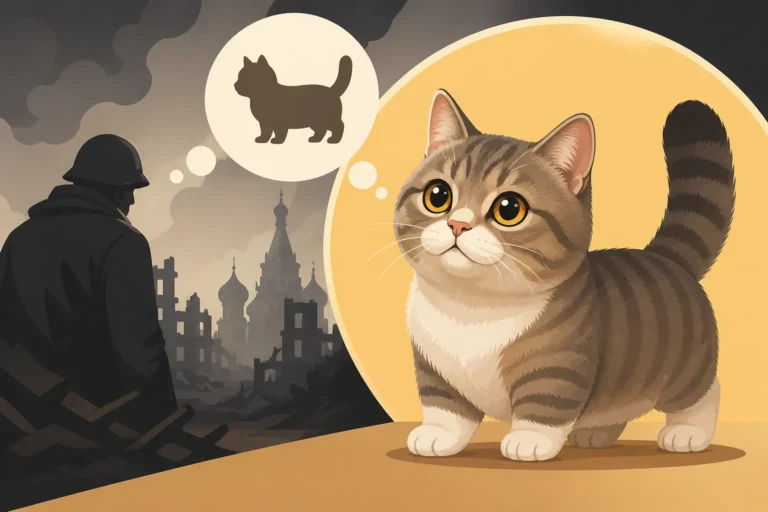
The year was 1983, and Sandra Hochenedel, a schoolteacher from Rayville, Louisiana, found a small, heavily pregnant stray cat seeking shelter under her truck. It's a common scene in rural areas – a vulnerable animal looking for a safe haven. What she didn't realize at the time was that this particular stray carried a genetic secret that would redefine the perception of feline agility and ultimately lead to a new breed. The Truck the First Munchkin Was Found Under describes this initial discovery.
This stray wasn't just any cat; she was the unwitting pioneer of a whole new lineage. Her finding wasn't glamorous, nor was it planned. It was purely an act of compassion, providing refuge to an animal in need, that accidentally set the stage for the Munchkin breed's controversial yet undeniable rise.
Sandra Hochenedel's Compassion
Sandra, like many animal lovers, couldn't turn away from the little cat. She took her in, offered her food, warmth, and a safe place to have her kittens. This compassionate act was the first step in the Munchkin's journey from an unusual genetic anomaly to a recognized breed. Without Sandra's initial care, Blackberry's unique trait might never have been observed or passed on. Sandra Hochenedel and the First Munchkin details her pivotal role.
It's a testament to the power of human-animal connection; one woman's willingness to help a creature in distress opened the door to an entire new branch of the domestic cat family tree. She wasn't looking to create a new breed, just to provide a home.
The Unusual Appearance
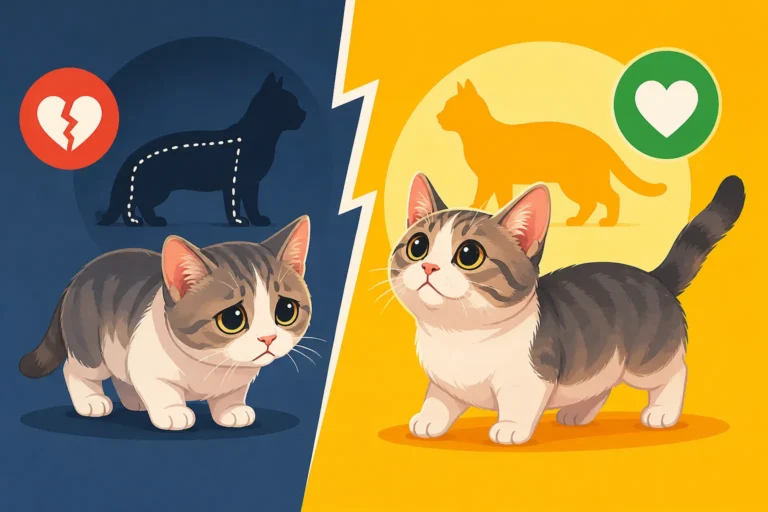
As Blackberry settled into her new home, Sandra noticed something quite distinctive about her: her legs were unusually short. This wasn't a case of injury or malnutrition; her proportions were perfectly healthy, just remarkably compact. This unusual feature set Blackberry apart from other domestic cats, giving her a distinctive waddle and a lower-slung profile.
At the time, there was no immediate understanding of why her legs were short. It was simply an observation that made her unique and somewhat endearing. This physical characteristic would soon prove to be her defining genetic contribution, a trait that she was about to pass on to her offspring.
Unpacking the Short-Legged Trait: Blackberry's Genetic Legacy
Blackberry wasn't merely a cat with short legs; she was the living embodiment of a spontaneous genetic mutation. Her unique physical characteristic, which would become the hallmark of the Munchkin breed, was a direct result of this particular genetic anomaly. Understanding this trait is key to appreciating her foundational importance.
The Unexpected Mutation
Blackberry carried a naturally occurring genetic mutation that affected the length of her long bones. This isn't something that was bred into her through selective processes by humans; it just happened. It's similar to how other natural mutations have given rise to various cat breeds over time, such as the hairless Sphynx or the curled-eared American Curl. The mutation caused a condition known as pseudoachondroplasia, which results in shortened limbs while the body remains a normal size. What Pseudoachondroplasia Does to a Munchkin's Legs delves deeper into the specifics of this genetic effect.
It’s crucial to remember that this wasn't an illness or a defect that caused pain; it was a structural variation. The genetic mutation she carried simply altered her phenotype, giving her legs a distinctive short stature without otherwise impacting her overall health and vitality in the way other skeletal conditions might.
Genetic Dominance Explained
The gene responsible for Blackberry's short legs is autosomal dominant. This means that only one copy of the gene is needed for the trait to express itself. If a cat inherits even one copy of this gene, it will have short legs. This is why Blackberry, despite being found as a stray, was able to pass on her unique characteristic so effectively to her offspring. Why Munchkin Dwarfism Is Called Autosomal Dominant explains this inheritance pattern in more detail.
This dominant inheritance pattern is precisely why the Munchkin breed could be established from such a limited genetic starting point. It ensured that a significant portion of her progeny would also display the short-legged trait, making it possible to identify and continue the line.
Why the Munchkin Gene Has Not Been Identified
Despite the clear genetic pattern of inheritance, the specific gene responsible for Munchkin dwarfism has proven elusive for researchers to isolate and identify definitively. This might seem surprising given how clearly the trait is expressed and passed down through generations. The scientific community has been working on this for years, but complex genetics can sometimes hide their secrets well within the feline genome. Why the Munchkin Gene Has Not Been Identified explores the challenges in this research.
The lack of a specific identified gene doesn't negate the existence of the mutation or its predictable inheritance pattern. It simply means that the precise molecular mechanism remains a puzzle that geneticists are still trying to solve, making Blackberry's initial contribution all the more remarkable given the underlying mystery.
The First Litter and the Birth of a Breed
Blackberry’s story truly became the beginning of the Munchkin breed when she gave birth. Her litter wasn't just a collection of kittens; it was the crucible where the breed's defining characteristic was first observed to be hereditary. This moment marked the transition from an individual curiosity to a potential new lineage.
Blackberry's Kittens Arrive
After being taken in by Sandra Hochenedel, Blackberry soon gave birth to a litter of kittens. This was the moment of truth, the point at which the inherited nature of her short legs would either be confirmed or disproven. Expectation, though perhaps unconscious at the time, would have been high regarding the kittens' appearance. What Happened in Rayville That Started the Munchkin covers the events around this crucial birthing.
Imagine the delight and surprise when some of her kittens also displayed the same adorably short legs as their mother. This wasn't just a quirky one-off; it was a trait that could be passed down, a genetic inheritance that begged for further exploration.
The Mix of Leg Lengths
Interestingly, not all of Blackberry's kittens had short legs. Because the Munchkin gene is dominant, and Blackberry herself only had one copy (otherwise, she wouldn't have been viable), each kitten had a 50/50 chance of inheriting the short-leg gene. This meant her litter was a delightful mix of both short-legged and normal-legged kittens. How Many Kittens in a Munchkin Litter Are Short Legged provides insight into this genetic lottery.
This mix is perfectly normal for a dominant gene and is a key characteristic of Munchkin breeding programs to this day. It highlights the predictable nature of Mendelian genetics at play, even in a spontaneous mutation. It's a fundamental aspect that breeders understand and work with.
Naming the Foundational Cats
One of Blackberry's short-legged male kittens, named Toulouse, became the second crucial foundation cat for the Munchkin breed. While Blackberry herself was the original source of the mutation, Toulouse was instrumental in carrying the gene forward and ensuring its proliferation. He was gifted to Sandra's friend, Kay LaFrance, who also became deeply involved in developing the breed. Which Cat Behind the Munchkin Was Named Blackberry directly addresses the question of her identity and significance.
These two cats, Blackberry and Toulouse, essentially served as the Adam and Eve of the Munchkin breed, providing the initial genetic blueprint that all subsequent Munchkins would share. Their names are etched into the breed's history, representing its humble yet impactful beginnings.
Beyond Blackberry: The Role of Outcrossing and Toulouse
While Blackberry was the undeniable matriarch, the Munchkin breed would not exist today in its current form without strategic outcrossing and the critical role played by her son, Toulouse. These elements were vital for establishing a healthy, diverse gene pool and ensuring the breed's viability beyond its initial discovery.
The Necessity of Outcrossing
To prevent inbreeding and maintain genetic diversity, early Munchkin breeders understood the importance of outcrossing. This involves breeding Munchkins with healthy, unrelated domestic cats of normal leg length. This practice broadens the gene pool, introducing new genetic material and helping to mitigate potential health issues that can arise from a limited founder population. Why Domestic Cats Were Used as Munchkin Outcrosses elaborates on this crucial breeding strategy.
The TICA (The International Cat Association) breed standard for Munchkins still allows for outcrossing with domestic shorthairs and longhairs, ensuring that the breed continues to benefit from a wide genetic base. This foresight in the early days, starting with cats like Blackberry and Toulouse, was essential for the breed's long-term health. When looking for products for your outcrossed Munchkin kitten, sites like Chewy offer a wide range of options for diverse breeds.
Toulouse's Critical Contribution
Toulouse, as Blackberry's son and also short-legged, played a vital role in expanding the Munchkin lineage. He wasn't just a cute kitten; he was the direct inheritor and transmitter of the defining genetic trait. Kay LaFrance, who received Toulouse from Sandra Hochenedel, became a passionate advocate and breeder, ensuring that the mutation continued to be responsibly managed and developed. Blackberry and Toulouse Are the Two Cats Behind Every Munchkin underlines the dual foundation of the breed.
His existence proved that the trait was truly hereditary and not a one-off anomaly. Without Toulouse, and Kay LaFrance's dedication, the initial discovery with Blackberry might have simply remained a fascinating but ultimately undeveloped curiosity.
Expanding the Gene Pool Safely
The continued practice of outcrossing, starting from Blackberry and Toulouse's lines, has allowed the Munchkin gene pool to remain remarkably wide compared to many other pedigree breeds. This deliberate strategy helps prevent the accumulation of specific health problems often seen in breeds with very closed gene pools. By continually introducing new genetic lines, breeders can select for robust health and good temperament alongside the short-legged trait. Why the Munchkin Gene Pool Stays Wide explains the benefits of this approach.
This careful management is a testament to the early breeders' commitment to the health of the nascent breed. It’s an ongoing effort that requires responsible choices to ensure that while the distinctive leg length is preserved, the overall well-being of the cats remains paramount.
Blackberry's Lasting Impact on the Munchkin Breed
Blackberry's journey from a stray under a truck to the matriarch of a globally recognized cat breed is a remarkable tale. Her genetic contribution laid the entire foundation for the Munchkin, influencing everything from its initial recognition to the ongoing debates surrounding its existence.
The Foundation of a Dynasty
Blackberry truly founded a dynasty. Every single short-legged Munchkin cat walking the earth today can trace its lineage back to this one humble stray cat found in Louisiana. Her genetic material, carrying that distinctive short-leg mutation, is woven into the fabric of the entire breed. She is the common ancestor, the point of origin for all subsequent Munchkins and their many hybrid descendants.
It's a powerful reminder of how significant one individual animal can be in the history of a species. Her accidental discovery and subsequent nurturing paved the way for a breed that now has enthusiasts and detractors around the globe.
Her Contribution to Breed Standards
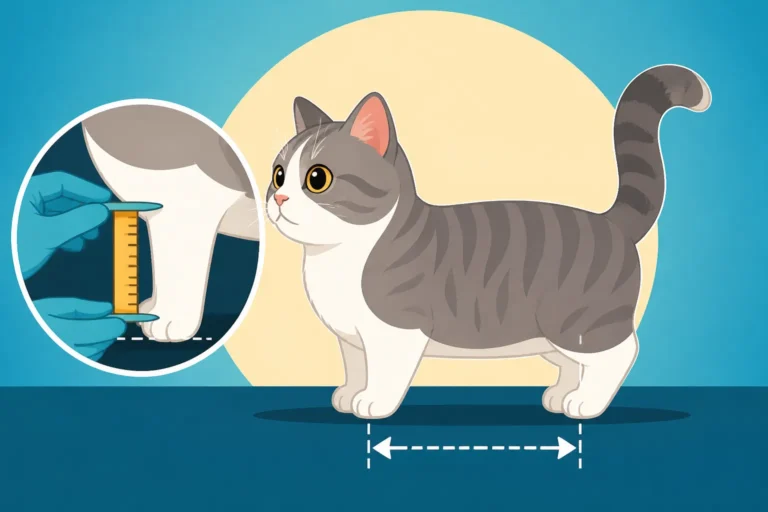
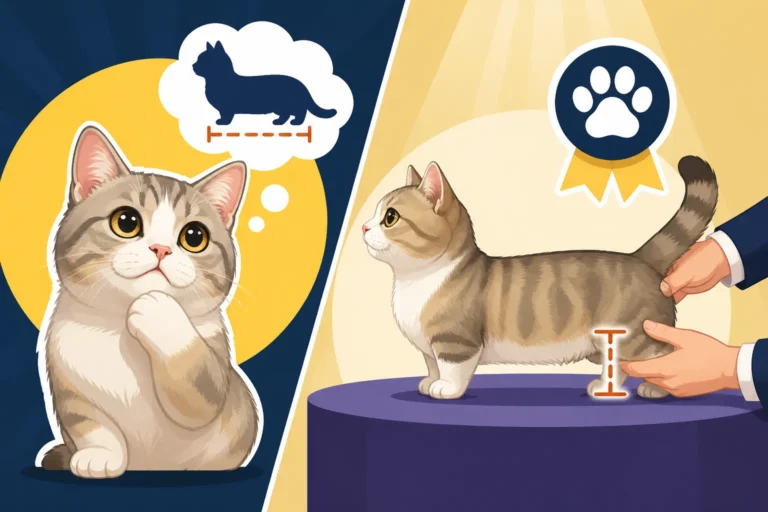
When TICA (The International Cat Association) began to accept the Munchkin for registration and eventually for championship status, the physical characteristics observed in Blackberry and her progeny became the very basis of the breed standard. The description of short, well-muscled legs, a normal-sized body, and a generally healthy conformation all stem from the original cats. What a Munchkin Looks Like Against the TICA Standard explains these features.
The standard ensures that while the legs are short, they are not so short as to impede movement or cause discomfort, aiming to preserve the functionality and overall health observed in those early foundational cats. This careful balance is always at the forefront of responsible breeding.
Continuing Debate and Ethical Considerations
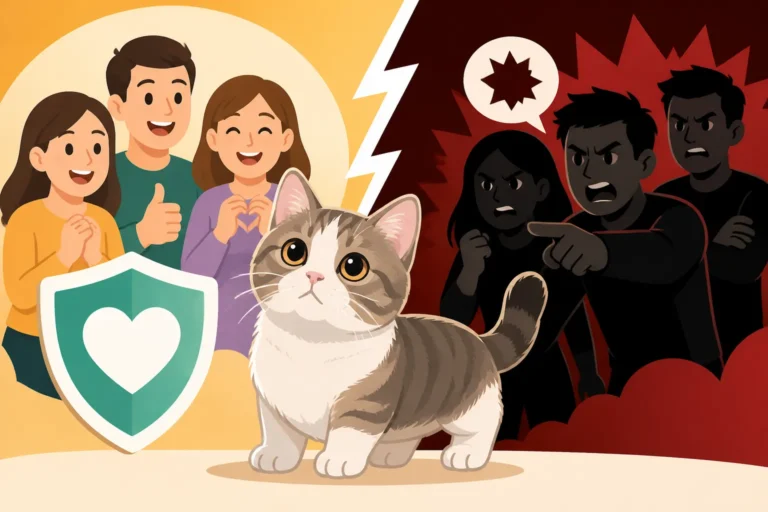
Blackberry's legacy isn't without its complexities. The Munchkin breed remains one of the most debated breeds in the cat fancy, with ongoing discussions about the ethics of breeding for a genetic mutation that causes dwarfism. Opponents argue it can lead to health issues, while proponents emphasize the cats' vitality and the enjoyment they bring to their owners. What Welfare Bodies Say About the Munchkin highlights these contrasting viewpoints.
Despite the debates, Blackberry's role in initiating this discussion and creating a breed that sparks such strong opinions is undeniable. Her existence challenged conventional notions of what a cat "should" look like and what constitutes a healthy and happy feline. The products available for Munchkins today, from adapted litter boxes to joint supplements on platforms like Chewy, reflect the ongoing efforts to ensure their quality of life.
Key Foundational Cats of the Munchkin Breed
The Munchkin breed's history is incredibly short by feline standards, yet it's rich with pivotal moments and essential individuals. Here's a brief look at the two absolute foundations:
| Cat Name | Role | Key Contribution | Discovered By | Location |
|---|---|---|---|---|
| Blackberry | Original Founder Cat | Carried the spontaneous short-leg mutation | Sandra Hochenedel | Rayville, Louisiana |
| Toulouse | Second Founder Cat | First short-legged male kitten; helped propagate trait | Sandra Hochenedel (given to Kay LaFrance) | Rayville, Louisiana |
This table clearly illustrates the critical dual role these two cats played. Without either of them, the breed as we know it today would simply not exist. They are the genetic pillars upon which the entire Munchkin legacy is built.
Disclaimer
This article is for general informational purposes only and does not constitute professional advice. Laws, prices and regulations vary by location and change over time. Consult a qualified professional for guidance on your specific situation.