Caring for a Munchkin Past Ten
As our beloved feline companions gracefully enter their golden years, their needs, much like our own, begin to shift. For Munchkin cats, whose unique physical structure already presents certain considerations, the journey past ten years old often brings a fresh set of challenges. It can be truly disheartening to see your once spry "low-rider" cat struggle with jumps they used to nail or slow down significantly. This comprehensive guide aims to shed light on the vital aspects of caring for your senior Munchkin cat, helping you navigate their changing needs to ensure their comfort, well-being, and joy in their later life.
Understanding When Your Munchkin Becomes a Senior Citizen
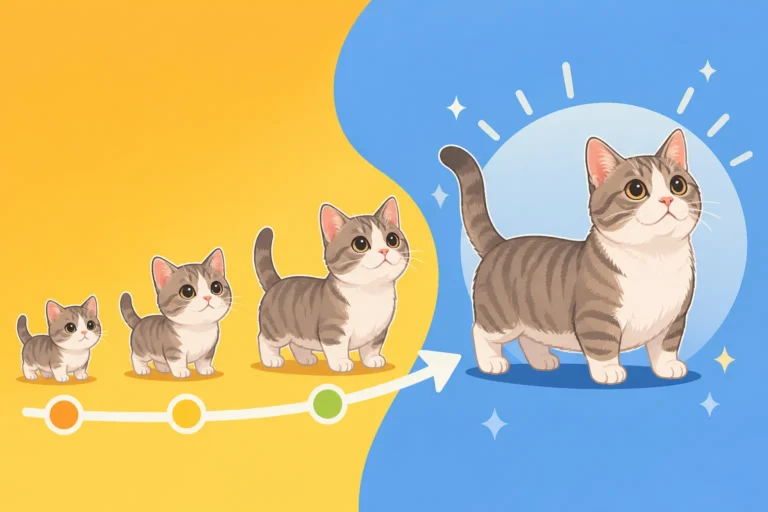
The concept of "seniority" isn't a hard and fast rule for all cats, but understanding when your Munchkin officially enters this life stage is crucial for adapting their care. It's not just about a number, but about recognizing the subtle physiological shifts that come with age.
Defining "Senior" in Munchkin Years
Generally speaking, a cat is considered senior around 7-10 years of age, and geriatric from about 15 years onward. For Munchkins, this timeline largely holds true. While they are known to have a good lifespan, often living for How Long a Munchkin Lives, the physical attributes that make them so charming – their delightfully short legs – can also predispose them to certain age-related issues a little earlier than their long-legged counterparts. So, when your Munchkin hits that double-digit mark, it’s time to start thinking of them as a distinguished elder, even if they still act like a kitten sometimes! The key is to be proactive, not reactive, in addressing their changing requirements. It's about shifting your mindset from basic care to specialized senior care.
Subtle Changes to Watch For
Aging isn't always a dramatic event; it often creeps in with subtle hints. You might notice your Munchkin sleeping more, showing less enthusiasm for play, or hesitating before attempting a jump they once cleared with ease. Perhaps they're not grooming themselves as meticulously as they once did, especially around their hindquarters, which can sometimes lead to mats or skin irritation. A slight stiffness after a long nap, a diminished appetite, or even just a general decrease in their overall energy levels are all indicators. These aren't necessarily signs of a serious problem, but rather gentle nudges that their body is aging. Paying close attention to these small changes can help you intervene early and keep them comfortable for longer. Sometimes, a change in gait, even if slight, can be an early indicator of joint discomfort.
The Importance of Proactive Care
Waiting until a problem becomes severe before seeking veterinary attention can lead to unnecessary discomfort for your senior Munchkin. Proactive care means regular vet check-ups, even if your cat seems fine. These visits allow your veterinarian to establish baseline health parameters, identify potential issues before they escalate, and provide guidance on nutrition, mobility, and preventive measures. Think of it as preventative maintenance for your furry family member. Discussing changes with your vet, no matter how minor they seem, can help catch conditions like kidney disease or hyperthyroidism in their early stages, which are far more manageable. A good relationship with your vet, where you feel comfortable asking all your "silly" questions, is invaluable for the health of your aging Munchkin.
Addressing Mobility and Joint Health in Older Munchkins
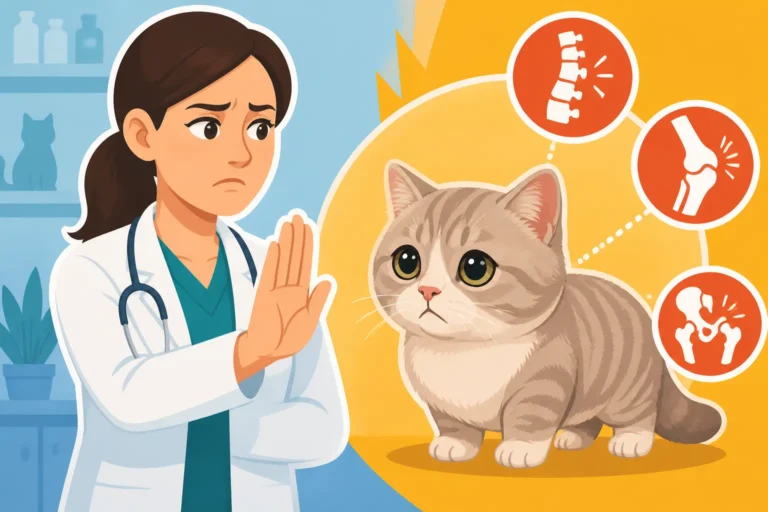
Mobility is a central concern for aging Munchkins, whose distinctive short legs mean their joints already experience a unique load. As they age, these joints become more susceptible to wear and tear, necessitating careful management to maintain their quality of life.
Recognizing the Signs of Arthritis and Stiffness
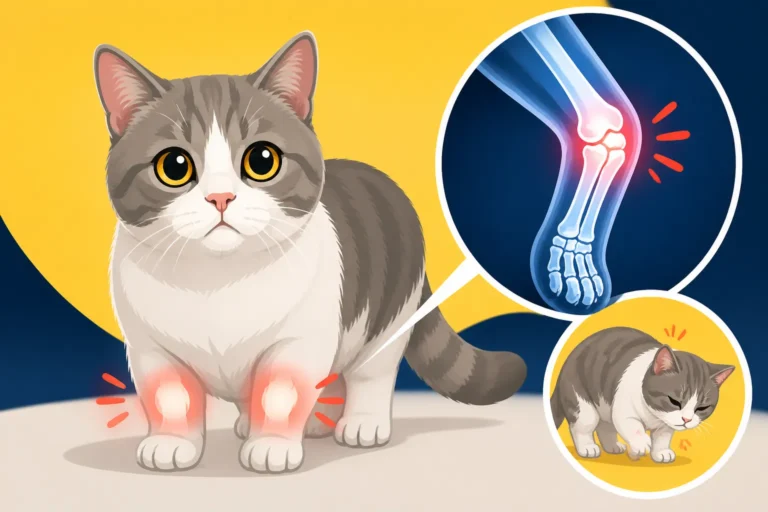
It's a sad but true fact that arthritis often becomes a companion to our senior pets. For Munchkins, whose unique anatomy places extra stress on their joints, especially in their shoulders and elbows, symptoms might appear earlier or be more pronounced. You might notice them slowing down, taking longer to get up, or perhaps even a slight limp, especially in their front legs. How Arthritis Shows in a Munchkin's Front Legs can often manifest as a reluctance to use stairs, a decrease in jumping height, or even vocalizing when touched in certain areas. They might be less inclined to engage in their usual playful antics or seem less interested in exploring. Observe their movements: do they seem stiff after rest? Are they favoring a particular leg? Any hesitation, groaning, or guarding when being handled could be a sign of discomfort. Don't mistake these signs for "just old age"; they are often indicators of pain that can be managed.
Making the Home Accessible and Safe
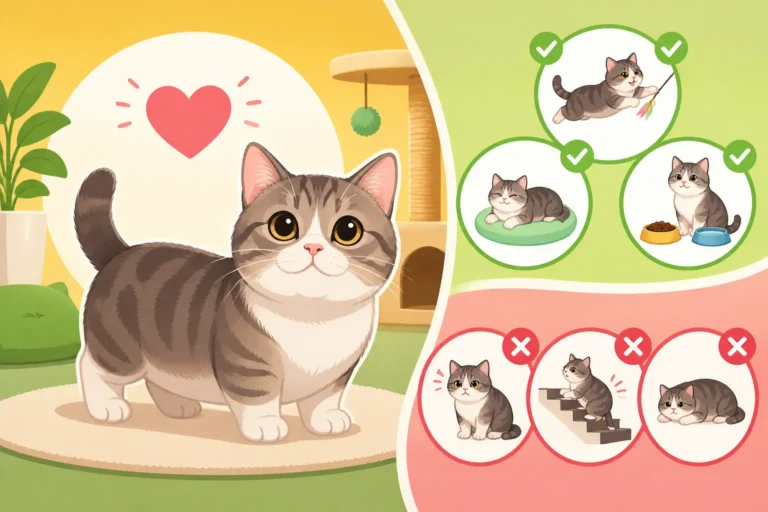
Your home, which was once a playground, can become a series of challenging obstacles for an aging Munchkin. Those short legs that once allowed them to zip across the floor might now struggle with even a small step. To preserve their independence and prevent painful falls or jumps, adapting their environment is key. This means strategically placing ramps or steps to help them reach their favorite sleeping spots on the sofa or bed. Consider low-entry litter boxes – a senior cat litter box is often ideal for a Munchkin – so they don't have to navigate a high lip. Ensure their food and water bowls are easily accessible without requiring them to stretch or jump, ideally at floor level or slightly raised to ease strain on their neck and shoulders. Rugs and carpets can provide better traction on slippery floors, reducing the risk of falls. Think about What an Old Munchkin Stops Being Able to Do and actively work to make those things easier and safer for them. If your Munchkin is stopping using its ramp, it's definitely a sign they might be in discomfort.
Pain Management and Joint Supplements
Once you've identified signs of joint pain or stiffness, working with your veterinarian is paramount. They can help diagnose the extent of the arthritis and recommend appropriate pain management strategies. This might include prescription non-steroidal anti-inflammatory drugs (NSAIDs) specifically formulated for felines, which can significantly improve comfort and mobility. Beyond medication, many vets recommend joint supplements containing ingredients like glucosamine, chondroitin, and MSM, which can help support cartilage health and reduce inflammation. Omega-3 fatty acids, often found in fish oil, are also excellent for their anti-inflammatory properties. For some cats, more advanced therapies like laser therapy, acupuncture, or even therapeutic injections can offer relief. Pet insurance providers like Healthy Paws often offer coverage for these types of ongoing conditions, making comprehensive care more accessible. Remember, alleviating pain is not about making them young again, but about allowing them to enjoy their golden years with dignity and comfort.
Maintaining a Healthy Weight and Nutrition for Senior Munchkins
Weight management becomes even more critical for senior Munchkins, as excess pounds can exacerbate joint issues and lead to other serious health problems. Their metabolism naturally slows down, requiring thoughtful adjustments to their diet.
The Dangers of Obesity in Older Munchkins
For any cat, obesity is a health risk, but for a Munchkin, whose short legs and long body already bear a unique load on their spine and joints, being overweight is Why an Overweight Munchkin Is in Real Trouble. Those extra pounds put immense strain on their already susceptible joints, accelerating the progression of arthritis and increasing pain. Beyond mobility issues, obesity in senior cats significantly raises the risk of diabetes, heart disease, and liver problems. It can also make routine grooming more challenging and reduce their overall zest for life. A lean body condition is paramount for their comfort and longevity. Even if they look round, learning How to Score a Munchkin's Body Condition by feeling their ribs is essential to ensure they aren't carrying too much weight.
Adjusting Diet for Slower Metabolism
As Munchkins age, their activity levels typically decrease, and their metabolic rate slows down. This means they require fewer calories to maintain a healthy weight. Continuing to feed them the same amount of food they ate as a younger cat will almost certainly lead to weight gain. Consult your vet to determine the appropriate calorie intake for your senior Munchkin based on their individual needs, activity level, and any existing health conditions. Many pet food brands offer "senior" formulations that are lower in calories but still provide essential nutrients, sometimes with added joint support. Portion control is key: weigh their food rather than free-feeding. High-quality protein is important to maintain muscle mass, which helps support their joints.
Encouraging Hydration and Appetite
Some older cats may experience a decrease in appetite or struggle with dehydration. Both can have serious consequences for their health. To encourage hydration, offer multiple water bowls around the house, consider a pet fountain (many cats prefer running water), or add a little water or broth to their wet food. Wet food itself is an excellent way to increase water intake. If your Munchkin's appetite wanes, try warming their food slightly to enhance its aroma, or experimenting with different flavors and textures of wet food. Sometimes, a raised food bowl can make eating more comfortable for a senior Munchkin, as it reduces strain on their neck and shoulders. If your cat's appetite significantly decreases or they stop eating altogether, it’s a red flag that warrants immediate veterinary attention. Timely intervention, possibly covered by your Healthy Paws policy, can make a huge difference.
| Indicator | Healthy Weight Munchkin | Overweight Munchkin |
|---|---|---|
| Ribs | Easily felt with light pressure. | Difficult to feel under a layer of fat. |
| Waist | Visible tuck-in behind the ribs. | No discernible waist; body looks round. |
| Belly | Flat or slight fat pad. | Round, pendulous, may drag on the floor, making it hard to clean after using the litter box. |
| Activity Level | Engaged, moderate play. | Lethargic, less interested in play, struggles with jumps or movement. |
| Movement | Relatively fluid, despite short legs. | Noticeable stiffness, hesitation, or difficulty in getting up, walking, or using ramps. |
Special Grooming Needs for the Aging Munchkin
One of the less-talked-about challenges of senior cat care, especially for Munchkins, is maintaining their grooming. What was once an effortless routine can become a painful struggle, making owner intervention essential.
Why Self-Grooming Becomes Difficult
As Munchkins age, reduced flexibility, arthritis in their spine and joints, and a general decrease in energy can make thorough self-grooming a real chore, if not impossible. Their short legs already limit Which Parts of Itself a Munchkin Cannot Reach, particularly their hindquarters and the top of their back. When stiffness sets in, twisting and bending to reach those itchy spots becomes too painful. This can lead to matted fur, skin irritation, and even infections, especially in long-haired Munchkins. They might also find it harder to properly clean themselves after using the litter box, leading to hygiene issues around their rear. Understanding that this isn't laziness, but a physical limitation, is the first step to providing compassionate care.
Tackling Mats and Skin Issues
Matted fur isn't just unsightly; it can be incredibly uncomfortable and painful for your cat. Mats pull on the skin, cause irritation, and can hide underlying skin problems, parasites, or infections. For senior Munchkins, particularly around their belly and hindquarters, regular brushing becomes non-negotiable. Why a Munchkin's Belly Fur Needs Checking is because this area often goes unnoticed and can quickly develop mats from litter or general dirt. Use a soft brush for short-haired Munchkins and a comb designed for long-haired cats, gently working through tangles. If mats are severe or close to the skin, never try to cut them out with scissors yourself, as you risk injuring your cat. Instead, seek help from a professional groomer or your vet, who can safely shave them. Sometimes, a "hygiene clip" around the sanitary area can prevent issues. Regular checks of their skin for redness, bumps, or dry patches are also important.
Oral Hygiene and Dental Care
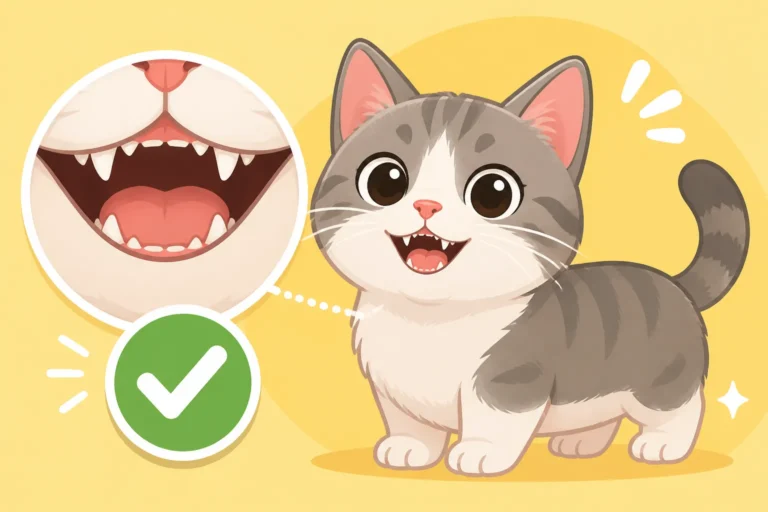
Dental health is often overlooked but plays a huge role in a senior cat's overall well-being. By the time a cat reaches senior age, many have some form of dental disease, which can range from gingivitis to painful extractions. Poor dental health can lead to difficulty eating, pain, and even systemic infections as bacteria from the mouth enter the bloodstream. Regular dental check-ups with your vet are vital. They can assess the state of your Munchkin's teeth and recommend professional dental cleanings under anesthesia when necessary. While at-home brushing can be challenging, it’s beneficial if introduced early. Dental treats and water additives can help, but they are rarely a substitute for professional veterinary care. Good oral hygiene, just like good joint care, contributes significantly to your senior Munchkin's quality of life and can prevent more serious health problems down the line.
Monitoring for Common Age-Related Health Conditions
As Munchkin cats age, they become more susceptible to a range of health conditions common in older felines. Vigilance and regular veterinary care are your best tools for early detection and effective management.
Kidney Disease and Hyperthyroidism
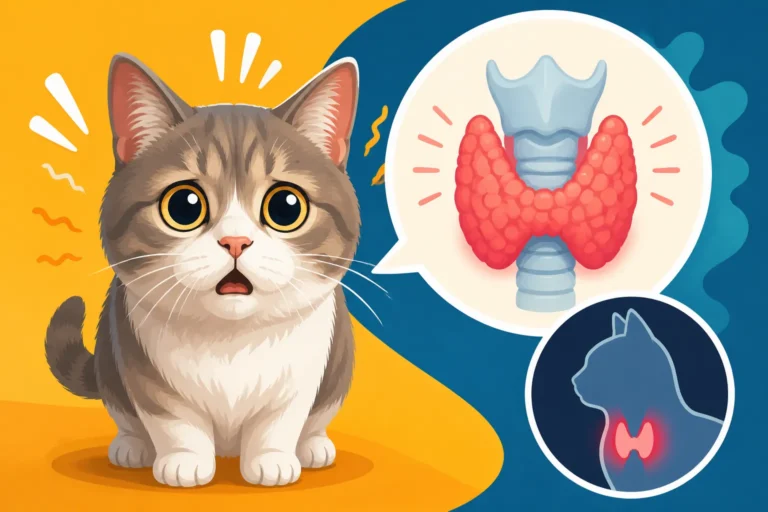
Two of the most common chronic diseases in senior cats are kidney disease and hyperthyroidism. Kidney disease often progresses silently, with cats showing symptoms like increased thirst and urination, weight loss, and a dull coat only when the disease is quite advanced. Hyperthyroidism, caused by an overactive thyroid gland, also presents with weight loss despite a good or even ravenous appetite, increased thirst, hyperactivity, and sometimes vomiting or diarrhea. Both conditions are serious but can be managed effectively, especially when caught early. This is why annual, and sometimes bi-annual, vet check-ups are so important. Your vet will typically recommend blood tests that include Which Blood Values Matter Most in a Munchkin to screen for these diseases, along with urinalysis. Early diagnosis can mean years of good quality life with appropriate treatment, which may involve special diets, medication, or other interventions.
Diabetes and Other Metabolic Concerns
Diabetes mellitus, much like in humans, can develop in senior cats, especially those who are overweight. Symptoms often mirror those of kidney disease and hyperthyroidism: increased thirst, frequent urination, and weight loss despite a good appetite. If left untreated, diabetes can lead to severe complications. Regular vet visits and blood tests can detect elevated blood glucose levels. If diagnosed, management typically involves dietary changes, insulin injections, and careful monitoring.
Beyond these common ailments, senior Munchkins can also be prone to other issues like hypertension (high blood pressure), heart disease, or even certain cancers. While it sounds daunting, the good news is that advancements in veterinary medicine mean many of these conditions are treatable or manageable, often extending both the quantity and quality of life for your aging feline. Keeping track of any changes in their eating habits, litter box usage, energy levels, or behavior can provide crucial clues for your vet.
The Role of Regular Veterinary Check-ups
I cannot stress enough the importance of regular vet visits for your senior Munchkin. These aren't just for vaccinations anymore; they are comprehensive health assessments. Your vet will perform a thorough physical exam, palpate their joints and spine, listen to their heart and lungs, and discuss any changes you've observed. They'll also recommend routine diagnostic tests, such as blood work and urinalysis, which can catch diseases in their asymptomatic stages. For example, catching kidney disease early allows for dietary changes that can significantly slow its progression. These proactive appointments are essential for personalized care plans. Even if your cat has a pre-existing condition, like arthritis, regular check-ups help ensure their pain management is effective and adjusted as needed. Investing in comprehensive pet insurance like Healthy Paws can ease the financial burden of these essential and increasingly frequent vet visits, ensuring your senior Munchkin gets the best care without compromise.
Keeping Their Minds Engaged: Mental Enrichment for Senior Munchkins
While their bodies may be slowing down, a senior Munchkin's mind still needs stimulation. Adapting their environment and playtime to suit their reduced physical capabilities is crucial for preventing boredom and cognitive decline.
Adapting Play for Reduced Mobility
Your senior Munchkin might not be leaping to catch a feather wand like they used to, but that doesn't mean they don't enjoy play. The key is adaptation. Focus on floor-level games that don't require high jumps or prolonged vigorous activity. Wand toys can still be great, but keep the action low to the ground, allowing them to pounce and stalk without straining their joints. Laser pointers or small, rolling toys that they can bat around with their paws are also excellent choices. Puzzle feeders that dispense treats when manipulated can provide mental stimulation and slow down eating. Remember, even short bursts of gentle play multiple times a day are more beneficial than one long, exhausting session. The goal is to keep them moving and thinking, even if it's at a slower pace.
Comfort and Security in Their Environment
An aging Munchkin values comfort and security above all else. Ensure they have several soft, warm, and easily accessible sleeping spots around the house, ideally on the floor or on low furniture they can reach via ramps. Many senior cats appreciate a cozy bed with raised sides for a sense of security. Minimizing sudden changes to their environment can also reduce stress. If you need to rearrange furniture or move, do it gradually if possible. Providing them with easily accessible resources – food, water, and litter boxes – in quiet, safe areas helps them feel secure and prevents them from having to navigate long distances or challenging obstacles when they're not feeling their best. How to Arrange a Munchkin's Room in One Plane could be a good idea for their main comfort zone.
Recognizing Cognitive Decline
Just like humans, some cats can experience cognitive dysfunction syndrome (CDS) as they age. This is essentially feline dementia. Signs of CDS can include disorientation, changes in sleep-wake cycles (e.g., being awake and vocal at night), decreased interaction with family members, house-soiling outside the litter box, or changes in activity levels. It can be heartbreaking to witness, but recognizing these signs is important. If you suspect your Munchkin is experiencing cognitive decline, discuss it with your vet. There are medications and supplements that can sometimes help manage symptoms and improve their quality of life. Providing consistent routines, familiar environments, and gentle interaction can also go a long way in supporting a cat with CDS. If you notice Why a Withdrawn Munchkin Should See a Vet, especially if they're showing other signs of confusion, don't delay.
Emotional Support and Quality of Life
Beyond the physical, the emotional well-being of your senior Munchkin is paramount. Their world might be shrinking, and their routines changing, so providing consistent emotional support is essential.
Understanding Behavioral Changes
An aging Munchkin might exhibit behavioral changes that are confusing or frustrating, but often these are rooted in physical discomfort or cognitive decline. A previously affectionate cat might become withdrawn, or one who was independent might become clingier. They might vocalize more, especially at night, or become more irritable when handled. Instead of scolding them, try to understand the underlying cause. Is their increased vocalization due to pain, disorientation, or simply a need for reassurance? Are they avoiding interaction because movement is painful? Often, once underlying medical conditions are addressed and their environment is adapted, many behavioral issues improve. Patience, empathy, and observation are your best tools here.
Maintaining Routines and Comfort
Cats, particularly older ones, thrive on routine. Keeping their feeding times, playtimes (even if adapted), and interaction consistent can provide a sense of security and predictability in a world that might feel increasingly disorienting to them. Gentle, regular interaction is vital. While they might not be as playful, they still crave your presence and affection. Soft petting, quiet conversations, and simply sitting near them can provide immense comfort. Ensure their favorite napping spots are always available and comfortable. Providing warmth, perhaps with a soft blanket or a low-wattage heating pad (designed for pets), can also soothe aching joints and make them feel more secure. Knowing How to Keep an Old Munchkin Moving Safely means understanding their limitations and cherishing their presence.
Knowing When to Say Goodbye
This is undoubtedly the hardest part of caring for any beloved pet, but it's a decision rooted in love and compassion. As much as we wish our Munchkins could live forever, there comes a point where their quality of life deteriorates despite all efforts. This might manifest as chronic, unmanageable pain, a complete loss of appetite, an inability to move or perform basic functions, or a total loss of interest in their surroundings. Your vet can help you assess their quality of life, using tools like a "quality of life scale" to objectively evaluate their well-being. It's a deeply personal decision, but focusing on their comfort and peace, rather than prolonging suffering, is the ultimate act of love. Surround yourself with support, whether from family, friends, or your understanding veterinary team, including services sometimes covered by Healthy Paws plans.
Disclaimer
This article is intended for informational purposes only and does not constitute veterinary advice. Always consult with a qualified veterinarian for any health concerns or before making any decisions about your Munchkin cat's care, especially as they age.