What TICA’s 1994 Program Meant for the Munchkin
The journey of the Munchkin cat into the wider world of feline fanciers was anything but smooth, marked by passionate debate and deep ethical concerns. For those of us who adore cats, it's easy to get caught up in the cuteness of a unique trait, but the story of the Munchkin's acceptance by The International Cat Association (TICA) in 1994 is a pivotal moment that reshaped the breed's future, sparking both excitement and controversy that continues to this day. This guide dives into what that program meant, exploring the history, the debate, and the lasting impact on this distinctive short-legged breed.
The Munchkin's Early Days and Quest for Recognition
Imagine discovering a truly unique feline, a little creature with legs so short it seemed to defy expectations, yet it moved with surprising grace and speed. That's essentially the story of the Munchkin's beginnings, found as strays and quickly capturing the hearts of those who encountered them. Their initial proponents believed these cats deserved a place among the recognized breeds, not just as a quirky novelty, but as a distinct and lovable addition to the cat world.
From Stray to Star: The Founders' Vision
The lineage of the Munchkin cat traces back to a stray black cat named Blackberry, discovered under a truck in Rayville, Louisiana, in 1983 by Sandra Hochenedel. Blackberry, and later her son Toulouse, became the foundation of the entire breed. These were not cats bred for a specific trait, but rather a natural genetic mutation that simply appeared. Owners like Hochenedel and her friend Kay LaFrance saw not a defect, but a charming, agile, and playful cat that deserved a chance to be appreciated. They envisioned a future where these cats, with their distinctive short legs, would be understood and celebrated by a broader audience, paving the way for a formal recognition within the cat fancy. It was a hopeful vision, though one that would face considerable challenges.
The Initial Presentation to the Cat Fancy
When the Munchkin was first introduced to the cat fancy, particularly at a TICA board meeting in 1991, it certainly turned heads. It was a moment of both curiosity and skepticism. Breeders and judges were confronted with a cat that didn't fit the traditional mold, and opinions were immediately divided. The cats were observed, their movement assessed, and discussions began about the implications of accepting a breed defined by what some considered a physical abnormality. Presenting a cat with such a unique characteristic, especially one that affected mobility, was bound to ignite a strong reaction, and it certainly did.
Why Recognition Was So Important
For any aspiring breed, formal recognition by a major cat registry like TICA is paramount. It's not just about a fancy piece of paper; it’s about legitimacy, the ability to create a clear breed standard, and the assurance that serious breeders will adhere to specific guidelines for health and genetic diversity. Without recognition, a "breed" remains largely a collection of cats with a shared trait, vulnerable to irresponsible breeding practices and public misunderstanding. Recognition offers a framework, allowing breeders to track pedigrees, compete in shows, and ultimately ensure the responsible development and long-term health of the breed. For the Munchkin, gaining TICA's approval meant transitioning from an interesting anomaly to a viable, if controversial, part of the cat world.
TICA's Groundbreaking 1994 New Breed Development Program
In 1994, TICA made a significant decision that would forever alter the course of the Munchkin breed: they accepted it into their New Breed Development Program. This was not full championship status, but a crucial stepping stone, allowing the breed to be officially tracked, shown, and developed under TICA's guidelines. This move was a testament to TICA's philosophy of embracing natural mutations and fostering genetic diversity, even when controversial.
What the New Breed Development Program Entailed
TICA's New Breed Development Program is designed to provide a structured pathway for new and emerging breeds to gain full recognition. It's a multi-stage process that involves rigorous evaluation, health monitoring, and adherence to a developing breed standard. During this provisional stage, cats can be shown, but they don't compete for championship titles. Instead, they are judged on their adherence to the proposed breed standard and their overall health and temperament. This period allows TICA to gather more data on the breed, observe its development, and ensure that it meets TICA's welfare standards before being considered for advancement to full championship status. It’s a testing ground, a time for the breed to prove itself and for breeders to demonstrate their commitment to responsible practices.
The Munchkin's Evaluation Process
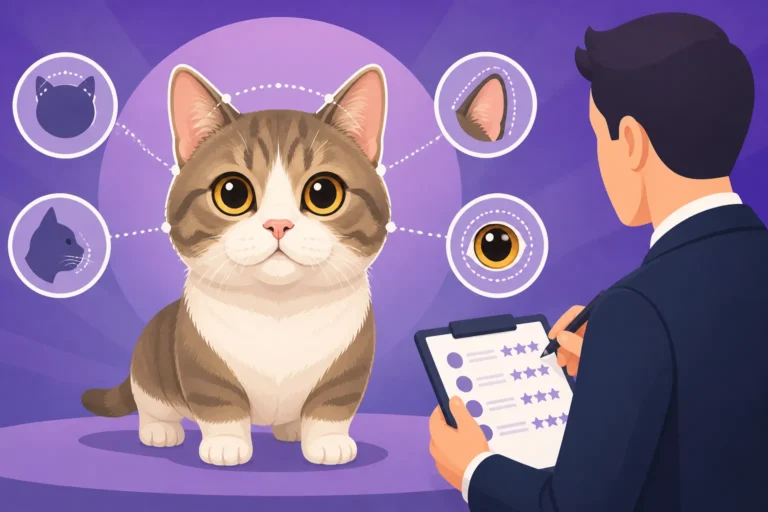
For the Munchkin, this evaluation process involved careful scrutiny of its unique physical characteristics. TICA committees assessed the short legs, ensuring that while distinctive, they did not inherently cause pain or significant mobility issues that would compromise the cat's quality of life. They looked for overall health, temperament, and genetic viability. Breed standards began to be formulated, outlining the desired physical traits beyond just leg length, such as body type, head shape, and coat. It was a thorough, albeit debated, process designed to determine if the Munchkin could thrive as a recognized breed. The focus was on ensuring that the short legs were the only distinctive feature related to their unique genetic makeup, and that general cat health standards were met, much like any other breed submitted for consideration.
Provisional Status: A Stepping Stone
Achieving provisional status was a monumental victory for Munchkin proponents. It meant that the breed was no longer just a curiosity but had a recognized path forward. Breeders could register their kittens, track pedigrees, and participate in TICA-sanctioned shows, even if only in the "new breed" categories. This provided a framework for responsible breeding and allowed for the careful documentation of health and genetic lines. It also offered a platform for owners to connect, share experiences, and collectively work towards the breed's advancement. Provisional status, while not the end goal, was the essential acknowledgment that the Munchkin was a breed worth developing. It was a formal acceptance that shifted the conversation from "is this a valid cat?" to "how can we best develop this breed?".
The Controversy and Debate Surrounding TICA's Decision
While TICA's decision was a cause for celebration for Munchkin enthusiasts, it was simultaneously met with intense opposition, sparking a firestorm of ethical debate within the wider cat community. The core of the argument revolved around the perceived welfare implications of breeding for a genetic mutation that causes dwarfism.
Ethical Objections and Welfare Concerns
The most significant objections stemmed from ethical considerations regarding the well-being of the cats. Critics argued that intentionally breeding for a trait like dwarfism, which results in unusually short legs, was inherently irresponsible and could lead to various health problems. Concerns were raised about the potential for spinal issues, joint problems, and overall mobility limitations. Many believed that encouraging such a trait was akin to prioritizing aesthetic novelty over the health and comfort of the animal. They pointed to other breeds with conformational issues and argued that the cat fancy should move away from such traits, not embrace new ones. This fundamental disagreement on what constitutes "healthy" breeding remains a central point of contention in the Munchkin debate.
The Veterinary Community's Stance
The veterinary community also weighed in, often expressing significant reservations. While some individual vets might have treated Munchkins without issue, many veterinary associations and prominent animal welfare organizations voiced strong opposition to the breed's recognition. Their concerns centered on the potential for genetic predispositions to conditions like Lordosis Is the Spinal Curve the Munchkin Argument Is About or Pectus Excavatum and the Munchkin's Sunken Chest, which some believed were linked to the dwarfism gene. They emphasized the importance of ensuring that breeds are not developed at the expense of the animals' long-term health and mobility. For many veterinarians, the ethical line was crossed when a trait known to cause skeletal changes was actively promoted through breeding, leading to a strong recommendation against supporting the breed. This perspective often leaves new owners feeling conflicted, especially when they need to buy supplies, perhaps from a trusted retailer like Chewy, but are also processing criticisms from professionals.
A Judge's Resignation: A Public Protest
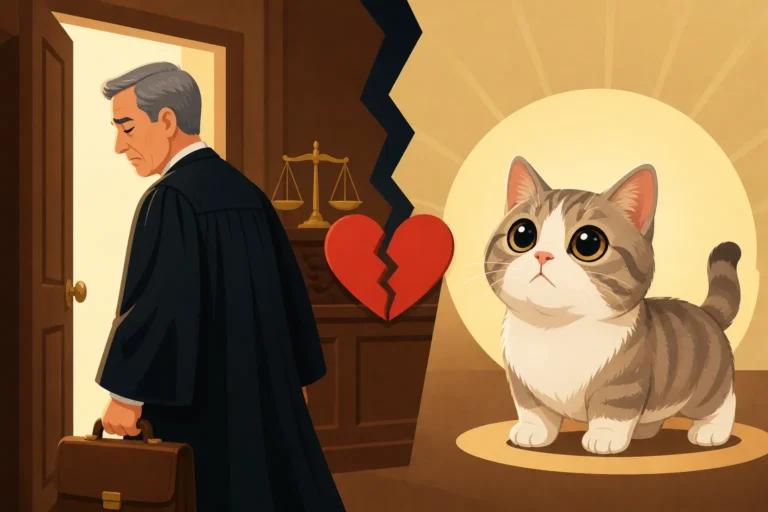
The depth of the controversy was dramatically highlighted when a TICA judge, Dr. Solveig Pfleuger, a geneticist herself, publicly resigned in protest over the Munchkin's acceptance. Her resignation was a powerful statement, sending shockwaves through the cat fancy. She argued that the Munchkin's short-legged trait was a deleterious mutation that should not be promoted. Her professional standing lent significant weight to the arguments against the breed, making her departure a symbolic act of defiance against TICA's decision. This event underscored just how deeply divided the cat world was on the issue and how passionate both sides of the argument were, cementing the Munchkin as one of the most contentious breeds in modern cat history. Why a Judge Resigned Over the Munchkin vividly captured the intensity of this moment.
Impact on the Munchkin Breed: From Novelty to "Official" Status
Despite the controversy, TICA's acceptance into the New Breed Development Program, and subsequent full championship status, had a profound and undeniable impact on the Munchkin breed. It catapulted them from being a rare curiosity to a recognized presence, fundamentally altering their trajectory.
Legitimacy and Increased Breeding
With TICA's provisional status, the Munchkin gained a level of legitimacy it hadn't previously enjoyed. This official acknowledgment, while still debated, encouraged more breeders to become involved. The ability to register kittens, track pedigrees, and work towards a recognized standard provided a structured environment for breeding efforts. As a result, the population of Munchkin cats grew significantly. More people felt confident acquiring a Munchkin, seeing it as a genuine, albeit unique, pedigreed cat rather than just a "mutt" with short legs. This increased demand further fueled breeding efforts, expanding the breed's presence across different regions and ensuring its continuity. This growth also meant more products designed for cats, available at retailers like Chewy, were sought out by Munchkin owners specifically.
Standard Development and Show Ring Presence
The New Breed Development Program required the creation and refinement of a breed standard, detailing the ideal characteristics of a Munchkin. This standard went beyond just leg length, encompassing aspects like body conformation, head shape, eye color, and temperament. While the short legs were the defining trait, the standard ensured that breeders aimed for a well-balanced, healthy cat within those parameters.
| Trait | Description |
|---|---|
| Leg Length | Distinctively short, proportionate to the body, with no apparent deformity or lack of agility. Front legs may appear slightly bowed. |
| Body | Medium in size, well-muscled, with a normal spine length. Not cobby or overly slender. |
| Head | Modified wedge, proportionate to the body, with full cheeks. |
| Eyes | Walnut-shaped, set well apart, any color. |
| Ears | Medium to large, broad at the base, tapering to a rounded tip, set high on the head. |
| Tail | Tapering to a rounded tip, carried erect when moving. |
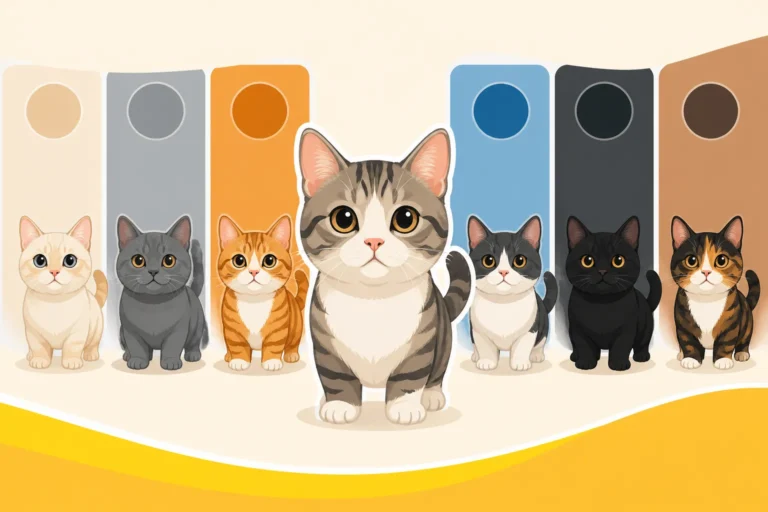
| Coat | Shorthair and Longhair varieties are accepted, in all colors and patterns. |
This standard also allowed Munchkins to participate in TICA cat shows. While initially in the "new breed" categories, they eventually achieved full championship status in 2003. This meant Munchkins could compete for titles alongside other established breeds, further solidifying their place in the cat fancy. What a Munchkin Looks Like Against the TICA Standard delves deeper into these specifics.
Public Perception and Popularity Shift
Before TICA's acceptance, the Munchkin was largely unknown or viewed with suspicion by the general public. Provisional status, and later championship, significantly shifted this perception. It lent an air of official endorsement, reassuring potential owners that the breed was legitimate and recognized by a credible organization. This led to a surge in popularity, driven by both the breed's unique appearance and the increased visibility from cat shows and media coverage. The "cute factor" of their short legs became a powerful draw, making them highly sought after by those looking for an unusual and endearing companion. This rise in popularity, however, also meant that more casual breeders, some perhaps less committed to TICA's standards, entered the market, making it essential for prospective owners to research thoroughly.
Long-Term Ramifications and Ongoing Discussions
TICA's decision in 1994, and the subsequent advancement of the Munchkin, had repercussions far beyond just that single breed. It opened doors for new types of cats, ignited lasting debates, and continues to shape the ethical landscape of pedigree cat breeding today.
Paving the Way for Other Short-Legged Breeds
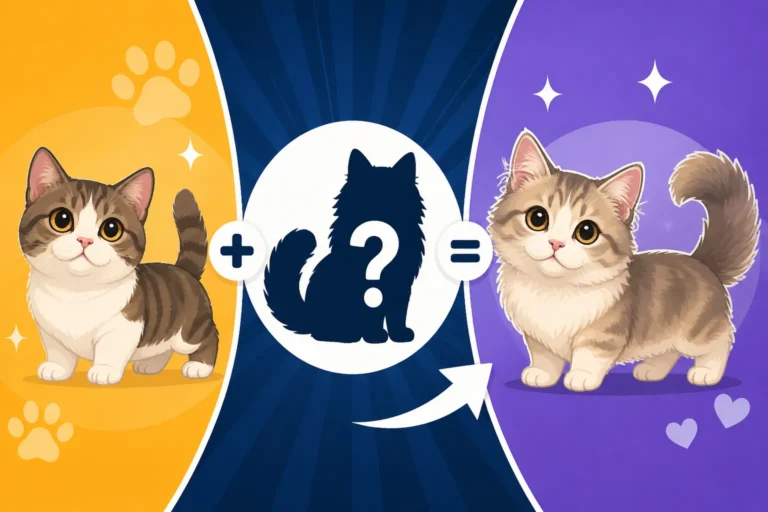
One of the most significant long-term impacts of the Munchkin's acceptance was the precedent it set for other short-legged breeds. Once TICA recognized the Munchkin, it became easier for breeders to introduce and seek recognition for other breeds that incorporated the Munchkin gene. This led to the creation of numerous "Munchkin hybrids" or derived breeds, such as the Minuet (Munchkin x Persian), the Bambino (Munchkin x Sphynx), and the Kinkalow (Munchkin x American Curl). These breeds further diversified the cat fancy but also amplified the original ethical debates. Critics argued that this was "stacking mutations," potentially leading to cats with multiple health challenges, while proponents maintained that these crosses simply brought new, attractive variations to the breed world. Regardless of where one stands, the Munchkin's journey undeniably paved the way for How Many Breeds Descend From the Munchkin.
Continued Ethical Debates and Breed Bans
Even decades after TICA's initial decision, the ethical debates surrounding the Munchkin persist with vigor. Many major cat registries, such as the Cat Fanciers' Association (CFA) and the Governing Council of the Cat Fancy (GCCF) in the UK, continue to refuse to recognize the Munchkin due to welfare concerns. Why CFA Has Never Accepted the Munchkin clearly outlines their reasoning. This means that while Munchkins are recognized and shown in some parts of the world, they are outright banned from breeding and showing in others, particularly in many European countries. These ongoing bans and debates highlight a fundamental philosophical difference within the cat fancy: where is the line drawn between unique breed traits and traits that might compromise an animal's health or natural abilities? These discussions are far from settled and remain a passionate subject for cat lovers, breeders, and welfare advocates alike. Organizations like Chewy, for instance, might carry products suitable for Munchkins, but their overall stance on controversial breeds is typically neutral, focusing on meeting the needs of all cat owners.
The Munchkin's Place in the Modern Cat Fancy
Today, the Munchkin holds a unique and often contentious position in the modern cat fancy. It has a dedicated following of enthusiastic owners and breeders who passionately defend the breed's health and happy disposition, emphasizing that well-bred Munchkins are active, playful, and lead full lives. They argue that the short legs do not impede their quality of life, citing their ability to run, play, and even jump, albeit perhaps in a different style. However, the criticisms from welfare bodies and segments of the veterinary community also endure, reminding us that the ethical questions surrounding the intentional breeding of dwarf cats are still very much alive. The Munchkin remains a symbol of the ongoing tension between human preference for unique aesthetics and the responsibility to ensure the welfare of our beloved companion animals. Why the Munchkin Divides the Cat Fancy More Than Any Breed encapsulates this ongoing struggle for acceptance and understanding.
Disclaimer
This article is for general informational purposes only and does not constitute professional advice. Laws, prices and regulations vary by location and change over time. Consult a qualified professional for guidance on your specific situation.