How Long a Munchkin Lives
One of the most common worries for anyone considering bringing a Munchkin cat into their life, or even for seasoned owners, revolves around their lifespan. With their distinctive short legs, it's natural to wonder if this unique physical trait might impact how long they get to cuddle on your lap. This guide will thoroughly explore the typical lifespan of a Munchkin cat, compare it to other breeds, and offer practical advice to help your short-legged friend live a long, happy, and healthy life.
Understanding the Munchkin's Lifespan
When you welcome any pet into your home, you're hoping for many years of companionship. For Munchkin cats, this hope is often tinged with questions about their unique genetics. Thankfully, many of the fears surrounding their longevity are often unfounded when they come from responsible breeders and receive proper care.
The Typical Range for a Munchkin Cat
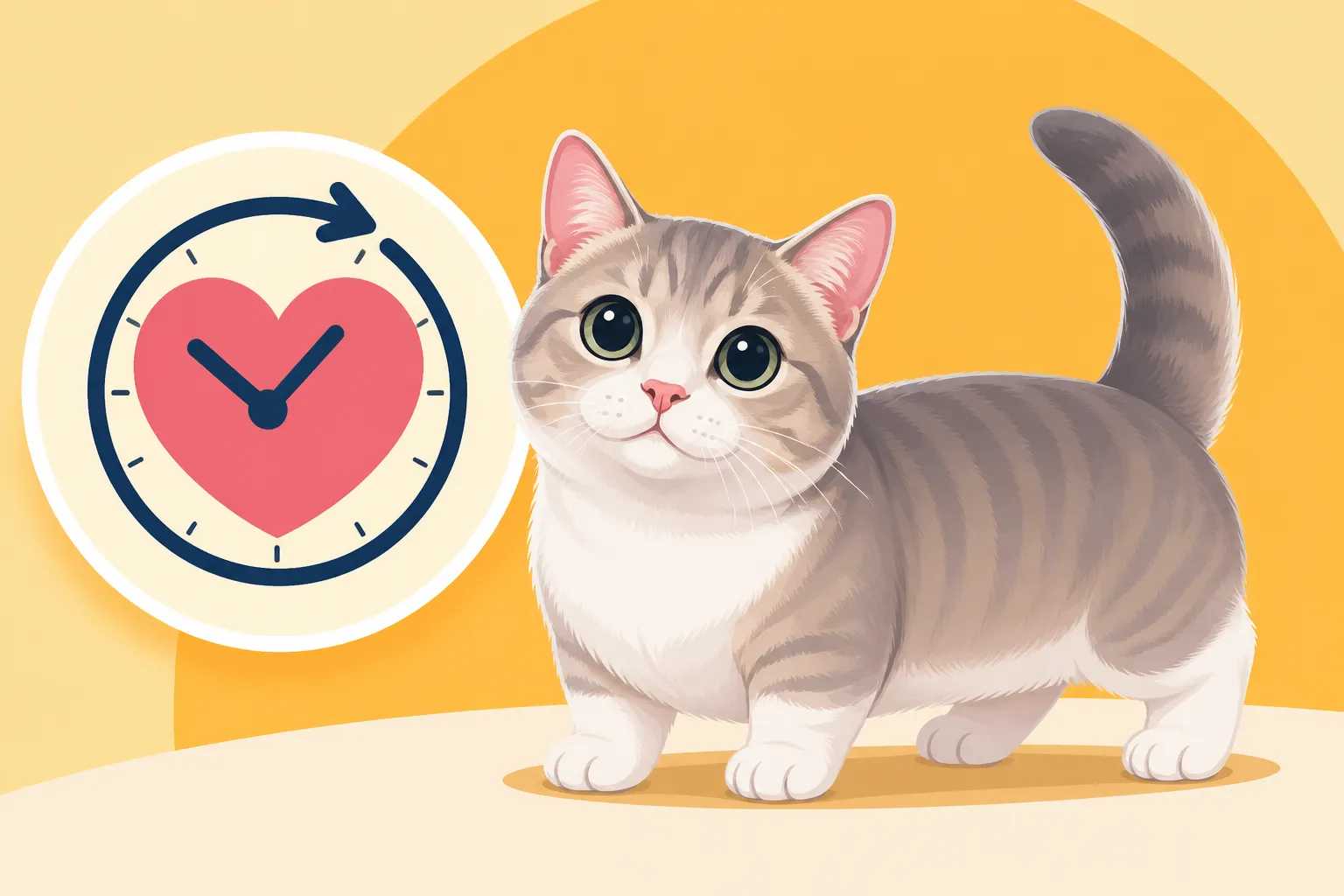
Generally speaking, a well-cared-for Munchkin cat can enjoy a lifespan that is quite comparable to many other domestic cat breeds. We're usually talking about a range of 12 to 15 years, and it's not uncommon for some to live even longer, often reaching their late teens. This is great news for prospective owners, as it means you can anticipate a significant amount of time with your charming companion. It's a common misconception that their short legs automatically sentence them to a shorter life, but the reality is far more optimistic. Just like any cat, their individual genetic makeup, daily care, and environment play huge roles.
Of course, this is an average, and individual cats will always vary. Some might pass sooner due to unforeseen circumstances or specific health challenges, while others become those delightful "super seniors" that defy all expectations. The key takeaway here is that a Munchkin's short stature doesn't inherently put them at a disadvantage in terms of years. They are, at their core, domestic cats with a specific mutation, and their bodies are generally robust enough to carry them through a typical feline lifespan, provided other factors are managed well. For a deeper dive, you might find our article on "The Twelve to Fifteen Years a Munchkin Usually Gets" helpful.
Comparing Munchkin Lifespan to Other Breeds
When we look at the broader feline population, the average lifespan for a domestic cat often falls between 10 and 15 years, with many living longer, particularly indoor cats. So, a Munchkin's typical 12-15 year range places them squarely within this normal window. They're not outliers in a negative way. For instance, a Persian cat might live 10-17 years, a Siamese 12-20 years, and a Maine Coon 10-15 years. Even the hardy Domestic Shorthair, often considered the baseline for cat health, typically lives 12-18 years.
This comparison helps to demystify the Munchkin. While they possess a distinct appearance, their underlying physiology, apart from the limb length, is largely similar to other cats. They share commonalities in organ function, metabolic rate, and vulnerability to common feline diseases, which means their longevity is influenced by many of the same factors that impact other breeds. It’s a good reminder that while their legs are short, their hearts and bodies are largely built to the same sturdy feline specifications.
Factors Influencing a Munchkin's Longevity
Several critical factors intertwine to determine how long any cat, including a Munchkin, will thrive. Genetics, diet, environment, and veterinary care are paramount. A Munchkin from a reputable breeder, for example, is far more likely to have a good start in life, free from easily avoidable inherited conditions that could shorten their years.
A balanced diet tailored to their activity level and age prevents obesity, which is particularly detrimental to a Munchkin's joints and spine. An enriched and safe indoor environment, adapted to their physical capabilities, prevents accidents and provides mental stimulation. Regular veterinary check-ups catch potential health issues early, making them more manageable. Every little bit of proactive care adds up to more purrs and longer snuggles.
Genetic Considerations and Health
The most defining feature of the Munchkin cat is their short legs, a result of a naturally occurring genetic mutation for dwarfism, specifically pseudoachondroplasia. Understanding how this gene works and its potential health implications is key to ensuring a long and healthy life for your feline companion.
The Role of the Dwarfism Gene in Lifespan
The gene responsible for the Munchkin's short legs is an autosomal dominant gene. This means only one copy of the gene is needed for a cat to express the short-legged trait. However, it's also considered lethal in two copies, meaning if an embryo inherits two copies of the gene (one from each parent), it will not survive. This is why responsible breeders only ever breed a Munchkin cat with a normal-legged cat, ensuring that all short-legged kittens inherit only one copy of the gene. This specific breeding practice is outlined in "Munchkin Dwarfism Is Dominant and Lethal in Two Copies".
Crucially, the dwarfism gene primarily affects bone development in the limbs, leading to shorter long bones. It doesn't inherently cause issues with internal organs, neurological function, or the overall integrity of the spine in the same way some other forms of dwarfism might. This is why, when bred responsibly, the Munchkin's core bodily systems are generally as robust as any other cat, contributing to their normal lifespan. The focus needs to be on ensuring the gene is managed correctly through ethical breeding.
Common Health Issues that Can Affect Longevity
While the dwarfism gene itself isn't a direct cause of a shortened lifespan, some secondary conditions can arise due to the Munchkin's unique conformation. The most frequently cited concerns are lordosis and pectus excavatum, though it's important to stress these are not universal to the breed and can be mitigated by careful breeding.
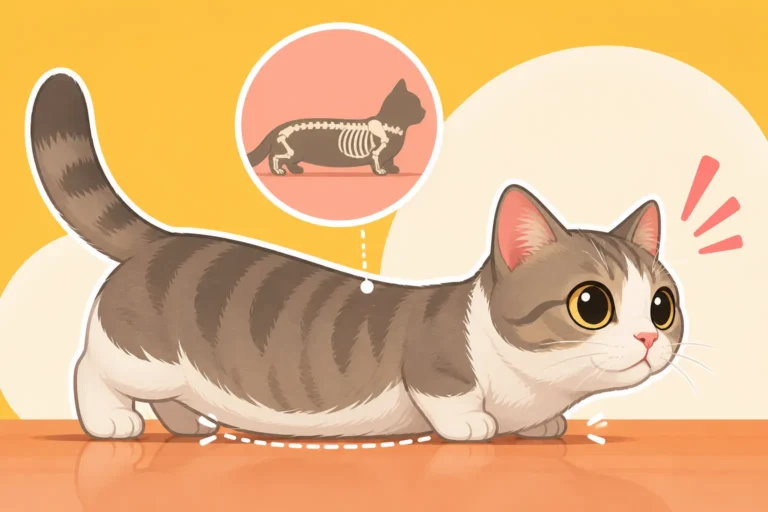
- Lordosis: This is a condition where the spine curves downwards, creating a swayback appearance. In severe cases, it can compress internal organs, potentially leading to respiratory or digestive issues, which could indeed impact longevity. However, mild lordosis may not affect a cat's quality of life. Understanding "Lordosis Is the Spinal Curve the Munchkin Argument Is About" is essential. A responsible breeder will screen for this, and early detection is vital.
- Pectus Excavatum: Also known as a "sunken chest," this condition causes the sternum to be abnormally indented, compressing the heart and lungs. Like lordosis, severity varies. Mild cases might have no symptoms, while severe cases can lead to breathing difficulties, exercise intolerance, and chronic health problems. You can learn more about "Pectus Excavatum and the Munchkin's Sunken Chest" in our dedicated article. Again, a good breeder aims to avoid lines prone to this.
- Osteoarthritis: Because their short legs bear weight differently and they often use their front limbs more extensively for movement and jumping, Munchkins can be predisposed to developing arthritis earlier, particularly in their shoulders and elbows. While not directly lethal, severe, untreated arthritis can significantly diminish a cat's quality of life and potentially impact overall health due to reduced activity and chronic pain. Regular monitoring and joint supplements can help manage this. This is part of the broader discussion on "Which Health Problems the Munchkin Actually Has".
Importance of Responsible Breeding for Health Outcomes
The single most crucial factor in a Munchkin cat's potential lifespan and health quality is responsible breeding. A breeder committed to ethical practices prioritizes health over extreme physical traits. They understand that Munchkin dwarfism is always a carrier cross, meaning one parent must be a short-legged Munchkin and the other a normal-legged domestic cat, as explained in "Why Every Munchkin Litter Is a Carrier Cross".
Reputable breeders carefully screen their breeding cats for signs of lordosis, pectus excavatum, and other congenital issues. They also pay close attention to the conformation of the legs, ensuring they are sturdy and well-formed, minimizing the risk of joint problems. They should be transparent about the health history of their lines and provide health guarantees for their kittens. If a breeder can't clearly show you the health records of the parents or explain their breeding philosophy, it's a significant red flag. You need to know "What a Munchkin Breeder Should Be Able to Show You" before committing. Choosing a kitten from a breeder who adheres to these standards dramatically increases the likelihood of a long and healthy life for your Munchkin.
Environmental and Lifestyle Factors
Even with the best genetics, a Munchkin's environment and daily lifestyle choices play a massive role in their overall health and how long they'll thrive. It's about setting them up for success in a world not always designed for short-legged adventurers.
The Impact of an Adapted Home Environment
Imagine trying to navigate your home if everything was suddenly a foot taller. That's a bit like what a Munchkin cat experiences in a typical household. Their short legs mean they can't jump as high as other cats, which means access to high places, comfy beds, or even litter boxes can be a challenge. An adapted home environment is not just about convenience; it's about reducing strain on their spine and joints, preventing falls, and ensuring they can comfortably access all their necessities.
This includes providing ramps or steps to help them reach sofas, beds, and window perches. These aren't just luxuries; they're essential equipment, as detailed in "Ramps and Steps Are Munchkin Equipment, Not Luxuries". Low-entry litter boxes are a must to prevent painful stretching or accidents outside the box. Raised food and water bowls can make eating and drinking more comfortable, reducing strain on their neck and shoulders. Minimizing high jumps and providing soft landing spots also protects their delicate joints. A thoughtfully arranged home can significantly reduce physical stress and contribute to a more comfortable, longer life.
Nutrition, Weight Management, and Exercise
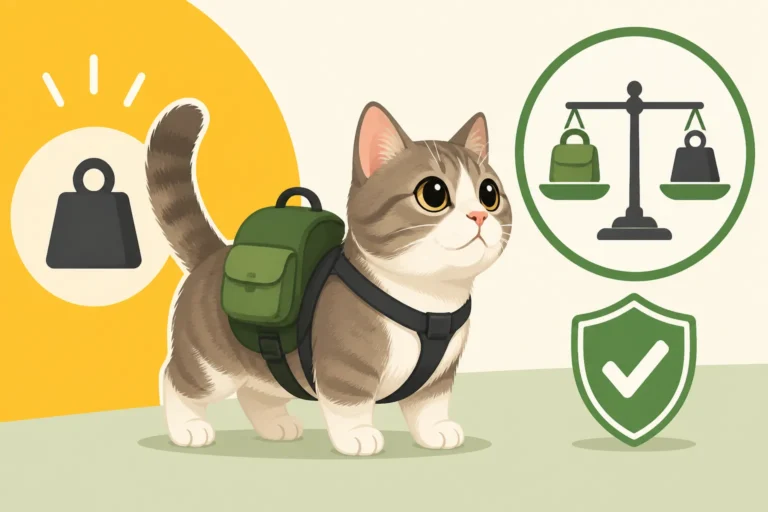
For a Munchkin cat, weight management isn't just a suggestion; it's a cornerstone of their long-term health. Because their short legs and unique spinal structure carry the same body weight as a normal-legged cat, every extra pound puts disproportionate stress on their joints and spine. This is precisely "Why Weight Is More Dangerous on a Munchkin" than on other cats.
A high-quality, balanced diet appropriate for their age and activity level is crucial. Many Munchkins are naturally less active than their long-legged counterparts simply because jumping and climbing take more effort. This means they often require fewer calories to maintain a healthy weight. Regular, controlled portion feeding, rather than free-feeding, is highly recommended. Daily, floor-level play, such as chasing wand toys or batting at interactive toys, provides essential exercise without putting undue strain on their bodies. Monitoring their weight closely and adjusting their diet and exercise as needed can literally add years to their life and significantly reduce the risk of early-onset arthritis and other mobility issues.
Veterinary Care and Early Detection
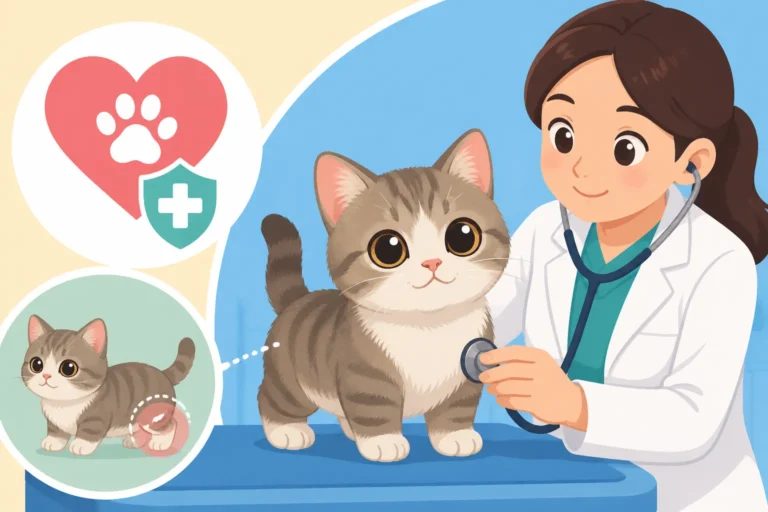
Consistent, proactive veterinary care is vital for maximizing a Munchkin's lifespan. Beyond routine vaccinations and parasite control, these visits allow your vet to monitor their unique conformation for any subtle changes that might indicate developing issues. Annual check-ups, even for seemingly healthy adults, are invaluable for early detection of conditions like lordosis, pectus excavatum, or the beginnings of arthritis. Your vet will often check their gait and spinal flexibility, looking for signs that might not be obvious to you at home.
For older Munchkins, annual blood panels become even more critical to monitor organ function, as discussed in "Which Blood Values Matter Most in a Munchkin". These checks can catch kidney disease, hyperthyroidism, or other age-related conditions in their earliest stages, allowing for timely intervention and better management. Investing in a comprehensive pet insurance plan, such as one from Healthy Paws, early in your Munchkin's life can provide peace of mind and ensure you can afford necessary diagnostics and treatments without financial strain, especially as they age. Don't shy away from discussing your Munchkin's unique needs with your veterinarian; they are your best partner in ensuring a long and healthy life.
Recognizing Signs of Aging and Senior Care
Even with the best care, all cats age. Understanding when your Munchkin transitions into their senior years and how to adapt your care can significantly improve their quality of life in their golden years, often extending their happy lifespan.
When a Munchkin Counts as Senior
Generally, a Munchkin cat is considered "senior" around 8 to 10 years of age. While this might seem early to some, it's a common guideline for many cat breeds, marking a time when metabolic changes and the wear and tear of life begin to become more apparent. For a Munchkin, this age often coincides with the increased likelihood of developing osteoarthritis in their weight-bearing joints – their shoulders and elbows, as their short legs have been working harder for years.
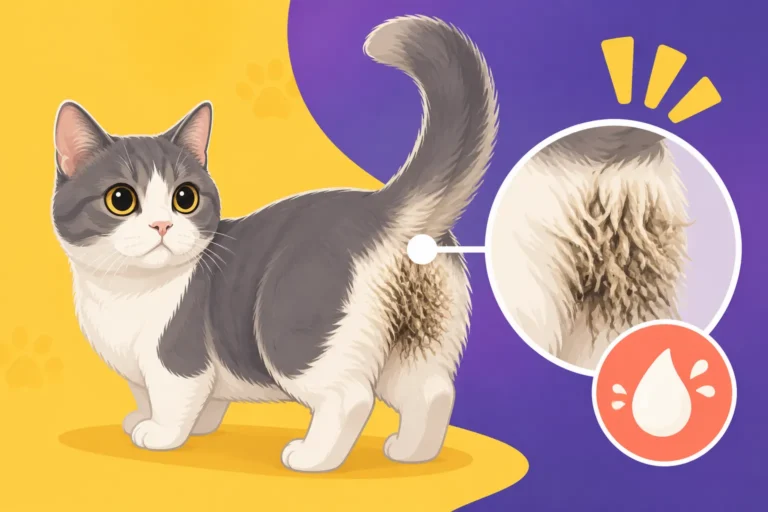
At this stage, you might start noticing subtle shifts in their behavior or mobility. They might be a little slower to get up, take fewer ambitious jumps (even with ramps), or sleep more. Their coat might appear duller, or they might struggle to groom their back and hindquarters as effectively as they once did. Recognizing these early signs is crucial because it allows you to be proactive in adjusting their care, rather than reacting to a crisis. This transition point is when "When a Munchkin Counts as Senior" becomes a very real consideration for owners.
Common Ailments in Older Munchkins
As Munchkins enter their senior years, they become more susceptible to the same age-related conditions that affect other senior felines. However, some conditions can be exacerbated by their unique anatomy.
- Arthritis: This is perhaps the most prevalent concern. Years of carrying their body weight on shorter limbs can lead to painful joint inflammation, particularly in the shoulders and elbows. You might notice them hesitating before using steps or ramps, or simply avoiding climbing altogether, as detailed in "What an Old Munchkin Stops Being Able to Do".
- Kidney Disease: Chronic kidney disease is a common killer of older cats. Regular blood work is essential for early detection, as symptoms often don't appear until the disease is quite advanced.
- Hyperthyroidism: Another frequent condition in senior cats, hyperthyroidism can cause weight loss despite increased appetite, hyperactivity, and heart problems. Early diagnosis and treatment are key to managing this.
- Dental Disease: Like all cats, Munchkins can develop dental issues. As they age, the risk of periodontal disease increases, leading to pain, infection, and impacting their overall health. Regular dental check-ups and cleanings are vital.
- Obesity: Even though activity levels decrease, appetite may not. Maintaining a healthy weight becomes even more critical for senior Munchkins to avoid adding strain to arthritic joints.
Adjusting Care for a Senior Munchkin
Caring for an older Munchkin means making thoughtful adjustments to their routine and environment to ensure their comfort and maintain their quality of life. This is where "Caring for a Munchkin Past Ten" truly comes into play.
- Comfort and Accessibility: Ensure all essential items like litter boxes, food, and water are easily accessible on the ground floor. Provide extra soft beds and warm resting spots. Re-evaluate the steepness of existing ramps and consider adding more steps or shallower ramps to furniture.
- Joint Support: Discuss joint supplements with your vet, such as glucosamine and chondroitin, to help manage arthritis. Pain medication may be necessary in more advanced cases. Gentle physical therapy or massage might also be beneficial.
- Dietary Changes: Your vet might recommend a senior-specific diet that supports kidney health, joint function, or helps with weight management. Continue to monitor their weight meticulously.
- Grooming Assistance: As flexibility decreases, your Munchkin might struggle to groom their back and hindquarters. Regular brushing and occasional sanitary clips will prevent matting and skin issues.
- Increased Vet Visits: Your vet might suggest more frequent check-ups, perhaps twice a year, to monitor for age-related conditions and adjust medications as needed. This proactive approach, potentially supported by a robust pet insurance plan like those offered by Healthy Paws, can make a huge difference in catching problems early and managing them effectively.
Dispelling Myths and Breeder Transparency
There are a lot of strong opinions and misinformation floating around about Munchkin cats, particularly concerning their health and longevity. It's crucial for prospective and current owners to be armed with accurate information and to understand the importance of breeder transparency.
Addressing Misconceptions About Short Legs and Health
One of the most persistent myths is that the Munchkin's short legs cause them constant pain or lead to a significantly reduced lifespan. This simply isn't true for the vast majority of responsibly bred Munchkins. Their form of dwarfism, pseudoachondroplasia, affects only the long bones of the limbs and typically does not lead to the painful deformities or severe spinal issues seen in some other dwarf breeds (like certain dog breeds, for example). Unlike some other genetic conditions, the Munchkin gene does not cause disproportionate head size or issues with organ development.
While conditions like lordosis and pectus excavatum can occur, they are not universal to the breed, nor are they a guaranteed outcome of simply having short legs. These conditions can be exacerbated by poor breeding practices, but a well-bred Munchkin should not be suffering from them. The key is to understand that the gene itself, when inherited in a single copy, is about limb length, not universal skeletal or organ failure. Many critics focus on the potential for these secondary issues without acknowledging that responsible breeding actively works to minimize their occurrence. The discussion around "Why a Munchkin's Spine Carries a Load a Normal Cat's Does Not" often overlooks the nuances of careful breeding.
What a Reputable Breeder Should Provide
A reputable Munchkin breeder is the best advocate for the health and longevity of their cats. They won't shy away from difficult questions and will provide extensive information to potential owners. What should you expect?
Firstly, a clear understanding of their breeding philosophy, specifically how they manage the Munchkin gene. They should only breed a short-legged Munchkin with a normal-legged outcross, never two short-legged cats together (as this results in lethal homozygous kittens). They should be able to provide health clearances for their breeding cats, including information on any genetic screening they perform. This might include X-rays to check for spinal conformation (lordosis) or chest abnormalities (pectus excavatum) in their breeding lines.
Furthermore, a good breeder will be transparent about the health history of their cattery, openly discussing any health issues that have appeared in their lines and how they've addressed them. They should provide veterinary records for the kitten, including vaccination history and initial health checks. Finally, they should offer a comprehensive health guarantee that outlines what congenital conditions are covered and for how long. This level of transparency is non-negotiable if you want a healthy, long-lived Munchkin.
The Value of Health Guarantees and Records
A health guarantee from a breeder is more than just a piece of paper; it's an assurance of their commitment to the health of their kittens and the integrity of their breeding program. This guarantee should specifically address congenital conditions that might appear early in a kitten's life. While it can't predict every future ailment, it shows that the breeder stands behind the health of their animals.
Detailed health records for your Munchkin kitten are also invaluable. These should include information on vaccinations, deworming, microchipping, and the results of their initial veterinary examinations. These records provide a clear health history and are essential for your ongoing veterinary care. They also serve as a crucial benchmark, allowing you and your vet to track your cat's health trajectory over its lifespan. While pet insurance companies like Healthy Paws are there to help with unexpected illnesses, having a solid health foundation from a responsible breeder dramatically reduces the chances of costly, preventable issues down the road, giving your Munchkin the best possible start to a long and happy life.
| Factor | Impact on Munchkin Lifespan | Best Practice for Owners |
|---|---|---|
| Genetics/Breeding | Responsible breeding prevents lethal gene combinations and minimizes risk of conditions like severe lordosis/pectus excavatum. | Choose a breeder who screens parents for health issues, practices outcrossing, and provides detailed health guarantees and records. |
| Adapted Environment | Reduces strain on joints and spine, prevents injuries from falls, ensures access to essentials. | Provide ramps/steps for furniture, low-entry litter boxes, raised food/water bowls, and soft landing areas. |
| Weight Management | Critical to prevent excess strain on short legs and spine, delaying or preventing arthritis. | Feed a high-quality, measured diet appropriate for activity level. Engage in floor-level play. Weigh your cat regularly. |
| Regular Vet Care | Early detection and management of age-related diseases (e.g., kidney disease, hyperthyroidism, arthritis). | Schedule annual check-ups. Discuss joint health with your vet. Consider senior-specific health panels as they age. Invest in pet insurance from a provider like Healthy Paws to cover potential future care. |
| Dental Hygiene | Prevents pain, infection, and systemic health problems linked to poor oral health. | Regular tooth brushing, dental chews/treats, and professional dental cleanings as recommended by your vet. |
| Grooming Assistance | Prevents matting and skin issues in areas they can't reach due to reduced flexibility. | Regular brushing, especially for long-haired Munchkins, and occasional sanitary clips as needed. |
| Enrichment/Exercise | Maintains muscle mass, joint flexibility, mental stimulation, and helps manage weight. | Provide interactive toys, regular play sessions at floor level, and accessible climbing structures. |
Disclaimer
This article is for general informational purposes only and does not constitute professional advice. Laws, prices and regulations vary by location and change over time. Consult a qualified professional for guidance on your specific situation.