Why a Munchkin’s Belly Nearly Touches the Floor
One of the most defining characteristics of a Munchkin cat is their incredibly short legs, which often leaves their belly riding so close to the ground it almost touches. This isn't just a cute quirk; it presents unique challenges for their movement, hygiene, and overall health, often leading owners to wonder how this distinctive physique impacts their daily life and what they can do to ensure their furry friend thrives.
The Unique Anatomy of a Munchkin: Why They Sit So Low
The visual of a Munchkin cat, with its undeniably short legs and normal-sized body, is what makes the breed so distinctive. But this appearance isn't simply a matter of scale; it's a direct result of a specific genetic mutation that fundamentally alters their skeletal structure, leading to their low-slung profile and their belly's close proximity to the ground. Understanding this underlying anatomy is the first step to truly appreciating their unique needs.
Understanding Pseudoachondroplasia
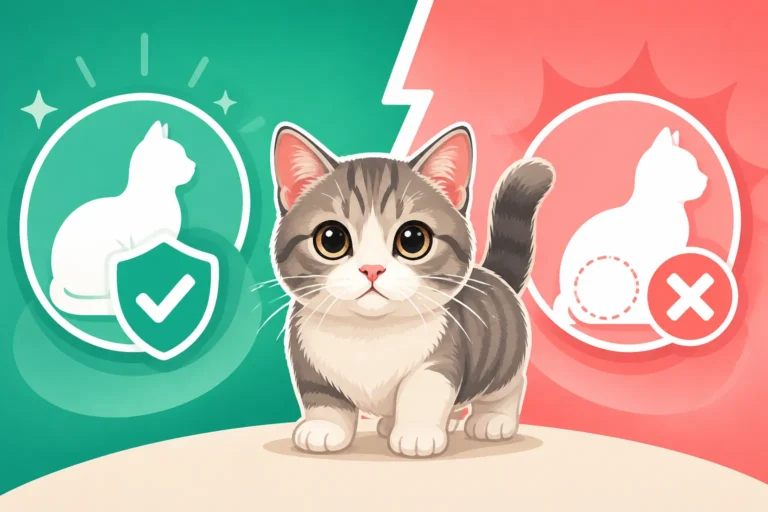
At the heart of the Munchkin's short stature is a condition known as pseudoachondroplasia. This isn't true dwarfism in the way one might think of conditions that affect overall body size. Instead, it's a form of disproportionate dwarfism, specifically impacting the long bones of the legs. The genetic mutation responsible for this is autosomal dominant, meaning only one copy of the gene is needed for a cat to display the short-legged trait. This genetic anomaly causes the long bones in their limbs to stop growing prematurely, resulting in significantly shorter legs while the rest of their body, including their spine, head, and torso, develops to a size comparable to a standard domestic cat.
This genetic distinction is crucial because it explains why their body looks "normal" but sits so low. It's not that their body is oversized; it's that the pillars supporting it are simply much shorter. For more comprehensive insights into this condition, you might want to delve into What Pseudoachondroplasia Does to a Munchkin's Legs. This genetic blueprint dictates their entire physical presentation, directly leading to their characteristic low-to-the-ground stance.
Normal Torso, Short Limbs
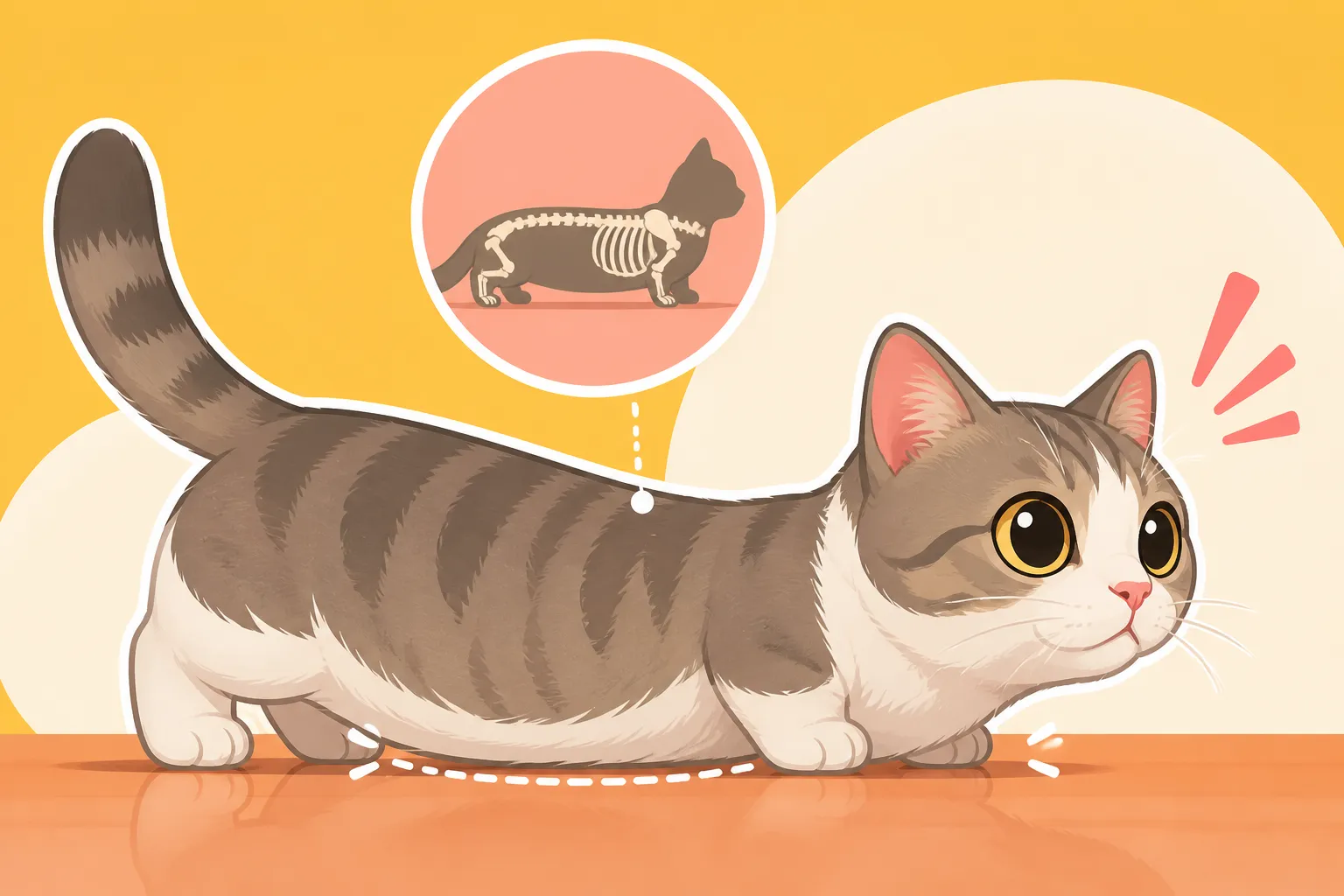
A common misconception about Munchkin cats is that their entire body structure is miniaturized or that their spine is shortened. This isn't the case. While their legs are remarkably short, their vertebral column – their spine – is typically of normal length and conformation. This means that the internal organs, the rib cage, and the overall trunk of a Munchkin cat are generally proportionate to what you would find in a regular domestic cat, just positioned much closer to the floor.
Imagine a standard cat's body, then picture it mounted on significantly shorter legs. That's essentially the Munchkin's silhouette. This particular ratio of a standard-length body on miniature supports creates the visual effect of their belly riding incredibly low, often appearing to almost touch the ground. This isn't a sign of ill health in itself, but a direct consequence of their unique limb-to-body proportion. Knowing Why a Munchkin's Spine Is Normal Length can help clarify this critical aspect of their anatomy.
The Visual Effect of Low Clearance
The result of this specific genetic makeup is a cat with very little ground clearance. When a Munchkin walks, runs, or even simply sits, their belly is conspicuously close to the surface beneath them. For some Munchkins, often referred to as "rug huggers" due to their extremely short legs, their chest and belly can indeed skim the floor as they move, presenting a truly distinctive appearance.
This low clearance isn't just an aesthetic feature; it's a functional reality that shapes their daily interactions with the environment. Simple actions that a long-legged cat takes for granted, like stepping over a toy, navigating a thick rug, or even sitting upright without their chest resting on the ground, become different propositions for a Munchkin. Their entire center of gravity is lower, affecting everything from how they play to how they groom themselves.
Implications of Low Belly Clearance on Movement and Gait
A Munchkin's low-slung belly and short legs don't just change their appearance; they profoundly influence how these cats navigate the world. Their movement patterns, ability to overcome obstacles, and even how their body distributes weight are all adapted to, and sometimes challenged by, their unique physical structure.
The Distinctive "Ferret-like" Walk
One of the most charming and frequently observed characteristics of a Munchkin cat is their distinctive gait, often described as a "ferret-like" waddle or a quick, darting scurry. Because their short legs prevent a wide, sweeping stride, and their body is carried so close to the ground, they tend to move with a rapid, undulating motion. Their low center of gravity contributes to their surprising agility on flat surfaces, allowing them to turn corners sharply and accelerate quickly, almost like a miniature, furry lowrider.
This particular style of movement is not a sign of discomfort or abnormality, but rather a functional adaptation to their unique body plan. They are surprisingly fast and can weave through furniture with impressive dexterity. Observing a Munchkin move can be quite mesmerizing, a testament to how well they've adapted to their short limbs. To truly understand the nuances of their movement, you might find it insightful to explore Why a Munchkin's Gait Looks Different.
Navigating Obstacles and Low-Slung Challenges
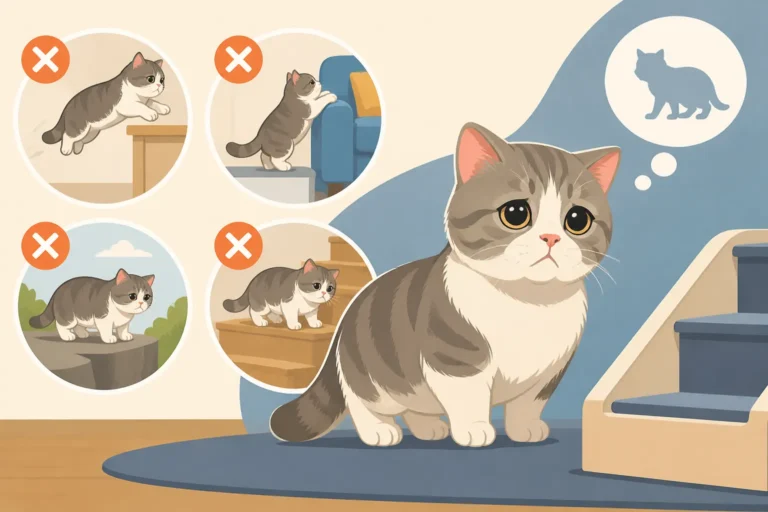
While Munchkins are nimble on flat ground, their low belly clearance presents significant challenges when it comes to vertical movement or obstacles. A standard cat can effortlessly leap onto a kitchen counter, a tall cat tree, or even a bookshelf. A Munchkin, however, is severely limited in its jumping ability. A sofa, a bed, or even a particularly tall cat scratcher can become an insurmountable barrier without assistance.
This means that owners must be acutely aware of their cat's environment and proactive in providing accessible pathways. Steps, ramps, or strategically placed furniture (like ottomans next to a sofa) become essential tools to help a Munchkin access their favorite elevated spots safely and comfortably. Without these modifications, a Munchkin can become frustrated or, worse, attempt risky jumps that could lead to injury.
Weight Distribution and Spinal Stress
The way a Munchkin’s body weight is distributed over its short legs and normal-length spine is another critical consideration. While their spine itself is not inherently compromised by the pseudoachondroplasia gene, the biomechanics of supporting a full-sized cat's torso on shorter limbs can create different points of stress. Every step, every twist, every gentle jump places a unique load on their joints and the spinal column.
Because their body is so close to the ground, the leverage and angles involved in their movement differ from those of a long-legged cat. This can place extra strain on their shoulders, elbows, and lower spine, particularly if they are overweight. Maintaining an ideal body weight is paramount to minimizing this stress and preserving the long-term health of their musculoskeletal system. Even a few extra ounces can make a significant difference to a Munchkin, highlighting the importance of careful weight management.
Health Considerations Linked to Low Belly Clearance
While the low-slung belly is a natural consequence of a Munchkin's genetics, it does introduce specific challenges related to hygiene and skin health. Owners must be diligent in understanding and addressing these potential issues to prevent discomfort and more serious health problems for their beloved cat.
Grooming Challenges and Skin Issues
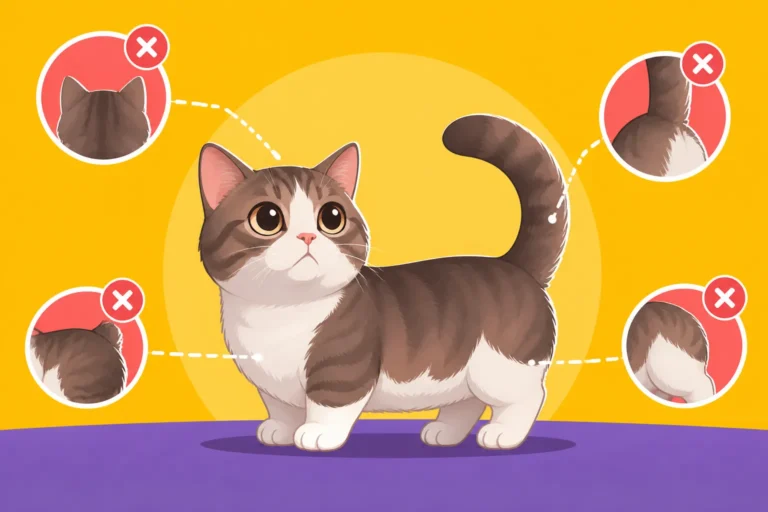
One of the most direct consequences of a Munchkin's short legs and low-riding belly is difficulty with self-grooming. A normal cat can twist and stretch to reach almost every part of its body, keeping its fur clean and free of mats. A Munchkin, however, simply cannot contort its body enough to effectively groom its entire back, hindquarters, and especially its underside. The areas most prone to being missed are those that drag along the ground or are most likely to come into contact with litter or moisture.
This limitation means that owners must take on a significant role in their Munchkin's grooming routine. Regular brushing, particularly for long-haired varieties, is crucial to prevent tangles and mats from forming in these hard-to-reach areas. Failure to do so can lead to uncomfortable mats that pull on the skin, cause pain, and can even hide underlying skin irritations or infections. You'll find more detailed advice on this topic in How Often a Longhaired Munchkin's Back Half Needs Brushing.
Maintaining Hygiene Around the Litter Box
The low ground clearance of a Munchkin cat can also make litter box hygiene a particular challenge. Because their belly is so close to the ground, and their hindquarters are difficult for them to clean thoroughly, there's an increased risk of their belly fur dragging through soiled litter or becoming contaminated with fecal matter after using the box. This isn't just an unpleasant issue; it's a potential health hazard.
Fecal matter or soiled litter clinging to their fur can lead to skin irritation, bacterial infections, and an overall lack of cleanliness. It's a frustrating situation for both cat and owner, often requiring proactive intervention. Choosing the right type of litter box and maintaining impeccable litter box hygiene become even more critical for a Munchkin. Understanding Why a Munchkin's Belly Fur Needs Checking provides further guidance on preventing these issues.
Increased Risk of Matting and Dermatitis
The combination of limited self-grooming capabilities and potential exposure to moisture or irritants creates an elevated risk for matting and dermatitis in Munchkin cats. Mats, especially on the belly and hindquarters, can quickly become tight and pull painfully on the skin. These matted areas can trap moisture, dirt, and bacteria, creating a warm, damp environment perfect for skin infections (dermatitis) or yeast overgrowth.
Dermatitis can manifest as redness, itching, inflammation, and even hair loss in affected areas. It's not only uncomfortable for the cat but can also be difficult to treat if not caught early. Regular, thorough grooming by the owner, including gentle brushing and inspecting the skin, is essential. For some Munchkins, especially those with longer coats or particularly low ground clearance, a "sanitary clip" performed by a professional groomer may be necessary to keep the fur around their rear and belly short and clean, preventing these painful and persistent skin problems.
The Critical Role of Weight Management
For any cat, maintaining a healthy weight is important, but for a Munchkin, it is absolutely paramount. Their unique skeletal structure means that even a small amount of excess weight can have a disproportionately negative impact on their health, exacerbating the challenges of their low-slung body.
Why Every Extra Pound Matters More
The short legs of a Munchkin cat are simply not designed to carry a significantly heavier load than a normal-legged cat of the same body size. Every extra pound, or even a few extra ounces, places magnified stress on their small leg joints, particularly the shoulders and elbows, and their spine. This constant, increased burden accelerates the wear and tear on their cartilage and bones, leading to inflammation and potentially contributing to earlier onset or worsening of degenerative joint diseases like osteoarthritis.
This isn't merely about aesthetics; it's a profound health concern. An overweight Munchkin will find it even harder to move, jump (the small distances they can manage), and groom themselves, further compounding the issues related to their low belly clearance. This serious concern is thoroughly addressed in Why an Overweight Munchkin Is in Real Trouble. Keeping a Munchkin at its ideal, lean body weight is arguably the single most important preventative health measure an owner can take.
Assessing Body Condition Score Accurately
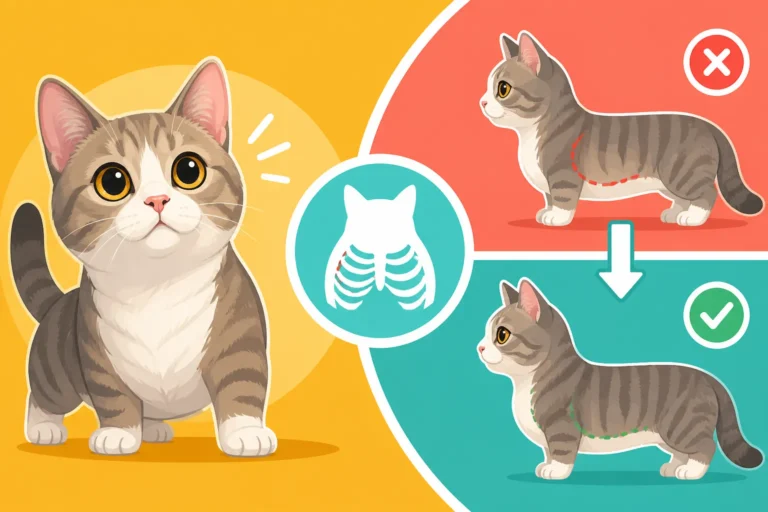
Accurately assessing a Munchkin's body condition can be tricky because their low, compact body can sometimes make them appear rounder than they actually are, even when they are at a healthy weight. Relying solely on visual cues can be misleading. Instead, owners need to learn how to feel their cat's body to determine their Body Condition Score (BCS).
To do this, gently run your hands along your Munchkin's sides. You should be able to easily feel their ribs with a thin layer of fat covering them, similar to feeling the back of your hand. Their waist should be discernible when viewed from above, and their belly should tuck up slightly when viewed from the side, rather than hanging low and round. Regular weigh-ins at home, combined with these tactile assessments, are vital for catching any upward trend in weight early. Becoming familiar with How to Score a Munchkin's Body Condition can provide invaluable guidance for owners.
Tailoring Diet for a Lower Metabolic Rate
Because Munchkin cats typically have a slightly more sedentary lifestyle compared to their long-legged counterparts – due to their reduced jumping ability and often preferring floor-level play – they generally burn fewer calories. This means their caloric needs are often lower than what you might expect for a cat of their body size, making careful dietary management absolutely crucial.
It’s easy to inadvertently overfeed a Munchkin, leading to quick weight gain. Owners should work closely with their veterinarian to establish a precise feeding plan that meets their cat's nutritional requirements without providing excess calories. High-quality, protein-rich cat food is essential, but portion control, often involving weighing meals, is paramount. Avoiding free-feeding and limiting treats are also important strategies. Reputable pet insurance providers like Healthy Paws often highlight the importance of preventative care, including proper nutrition and weight management, as key pillars of long-term health for all breeds, especially those with unique physical considerations like the Munchkin.
Adapting the Environment for Optimal Comfort
Living with a Munchkin cat means understanding that the home environment needs to be adapted to their unique physical capabilities. Their low belly clearance directly influences their interaction with everyday household items, requiring thoughtful adjustments to ensure their comfort, safety, and overall well-being.
Choosing Appropriate Litter Boxes
One of the most fundamental adaptations for a Munchkin cat involves their litter box. Standard litter boxes often have sides that are too high for a Munchkin to comfortably step over, especially for those with very short legs or as they age. Forcing them to climb into a high-sided box can put unnecessary strain on their joints and spine, and may lead to accidents outside the box if it becomes too difficult to access.
The ideal solution is a low-entry litter box. Many brands offer senior or geriatric cat litter boxes, which typically feature a front lip that is only 2-4 inches high, allowing a Munchkin to simply walk in and out with ease. Alternatively, some owners choose to create DIY solutions by cutting down one side of a sturdy plastic storage tote. The goal is to minimize effort and strain, ensuring they can maintain their hygiene without physical difficulty. To further explore options, consider reading Which Litter Box a Munchkin Can Actually Enter.
Providing Low-Entry Food and Water Bowls
Just as with litter boxes, the height of a Munchkin's food and water bowls needs consideration. Bending down to eat or drink from bowls placed directly on the floor can put continuous strain on their neck, shoulders, and upper spine, areas already under unique pressure due to their body conformation.
Elevated feeders or bowls placed on a slight platform are highly recommended. These allow the Munchkin to eat and drink in a more natural, upright posture, reducing the need to hunch or crane their neck excessively. This simple modification can significantly improve their comfort during meal times and help prevent long-term strain. Ensure the elevated surface is stable and easy for them to access without having to jump. For a deeper understanding of this topic, refer to Why a Munchkin's Food and Water Belong at Floor Level.
Ramps, Steps, and Floor-Level Play
Since Munchkins cannot jump to the same heights as long-legged cats, providing ramps and pet steps is not a luxury but a necessity for their quality of life. These aids allow them to safely access favorite spots like the sofa, bed, or a sunny windowsill without risking injury from trying to jump too high or from jarring landings.
Beyond accessibility, think about their play environment. Munchkins excel at floor-level play. Engage them with wand toys, laser pointers, and small rolling toys that stay within their reach. While they can climb cat trees if the platforms are closely spaced, prioritizing floor-based enrichment ensures they get plenty of exercise and mental stimulation without undue strain on their joints. Adapting the home to their physical capabilities helps them remain happy, active, and integrated into family life.
Veterinary Care and Preventative Measures
Given a Munchkin's unique physical characteristics, a proactive approach to veterinary care is essential. Regular check-ups that focus on their specific anatomical considerations, coupled with early detection and preventative measures, can significantly contribute to their overall health and longevity.
Regular Vet Checks Focusing on Spine and Joints
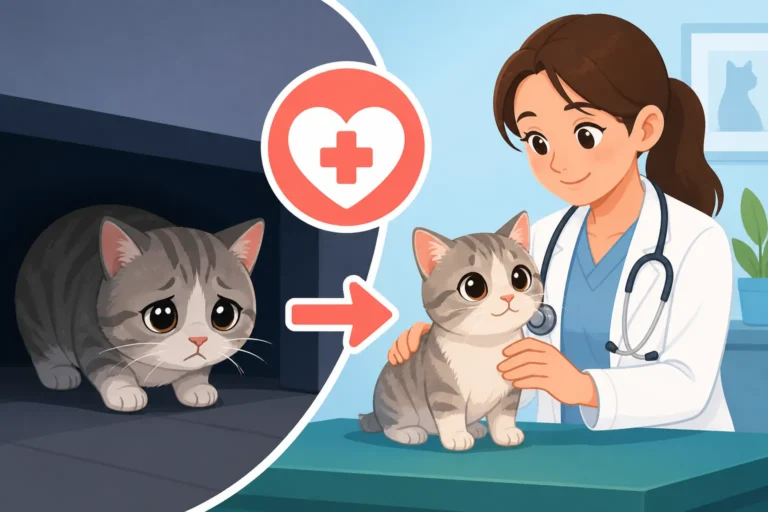
Routine veterinary visits are important for all cats, but for Munchkins, these appointments should include a particularly thorough examination of their musculoskeletal system. The veterinarian should specifically assess their spine, hips, knees, and especially their shoulders and elbows, which bear a significant portion of their body weight on shorter limbs.
During these checks, the vet will observe their gait, palpate their joints for any signs of discomfort or stiffness, and discuss any changes in their mobility or activity levels noticed by the owner. These targeted examinations are crucial for catching any nascent issues related to their unique conformation, such as early signs of arthritis or other joint conditions. It’s also important that Why a Munchkin Kitten Needs an Early Vet Check addresses these specific concerns from a young age.
Early Detection of Related Issues
Given the potential for unique skeletal and joint challenges, early detection of any related issues is key to effective management and maintaining a Munchkin's quality of life. Owners should be vigilant for subtle changes in their cat's behavior or movement that might indicate discomfort or pain. This could include a reluctance to jump onto accustomed surfaces, a change in their "ferret-like" gait, increased sleeping, or changes in litter box habits if movement is painful.
Promptly reporting any such observations to the veterinarian allows for early diagnosis and intervention. This might involve diagnostic imaging like X-rays to assess joint health or spinal conformation. Catching conditions like osteoarthritis, intervertebral disc disease (IVDD), or lordosis in their early stages can mean the difference between managing symptoms effectively and facing more severe, debilitating progression. Knowing Whether a Munchkin Gets Arthritis Earlier can help owners be more proactive in observing their cat's joint health.
Supporting Joint Health Proactively
Beyond regular checks and early detection, owners can implement proactive strategies to support their Munchkin's joint health throughout their lives. Maintaining an ideal body weight, as discussed earlier, is the cornerstone of this. Every pound avoided is a pound of stress taken off their joints.
Many veterinarians also recommend starting joint supplements containing ingredients such as glucosamine, chondroitin, and omega-3 fatty acids, either as a preventative measure or at the first signs of joint stiffness, especially as the Munchkin ages. These supplements can help support cartilage health and reduce inflammation. Pet insurance, from providers like Healthy Paws, can be an invaluable resource, helping to cover the costs of ongoing veterinary care, diagnostic tests, medications, and even specialized treatments like physiotherapy that might be required to manage joint issues as a Munchkin ages. Planning for Caring for an Old Munchkin That Has Stopped Climbing means thinking about their joint health from a young age.
Disclaimer
The information provided in this article is intended for general knowledge and informational purposes only, and does not constitute professional veterinary advice. Always consult with a qualified veterinarian for any health concerns or before making any decisions about your pet's health or treatment.