Why Lordosis Is Not Unique to the Munchkin
It's easy to hear about a specific health concern in a particular breed and automatically assume it's exclusive to them. For Munchkin cats, lordosis is one of those conditions that often gets directly linked, leading many to believe that only short-legged cats can suffer from this spinal curvature. But that's a significant misconception, and understanding why will give you a much clearer picture of feline health. This guide will delve into what lordosis truly is, its various causes, and why it's a condition that can affect any cat, not just our adorable low-riders.
Understanding Lordosis: The Spinal Curve Explained
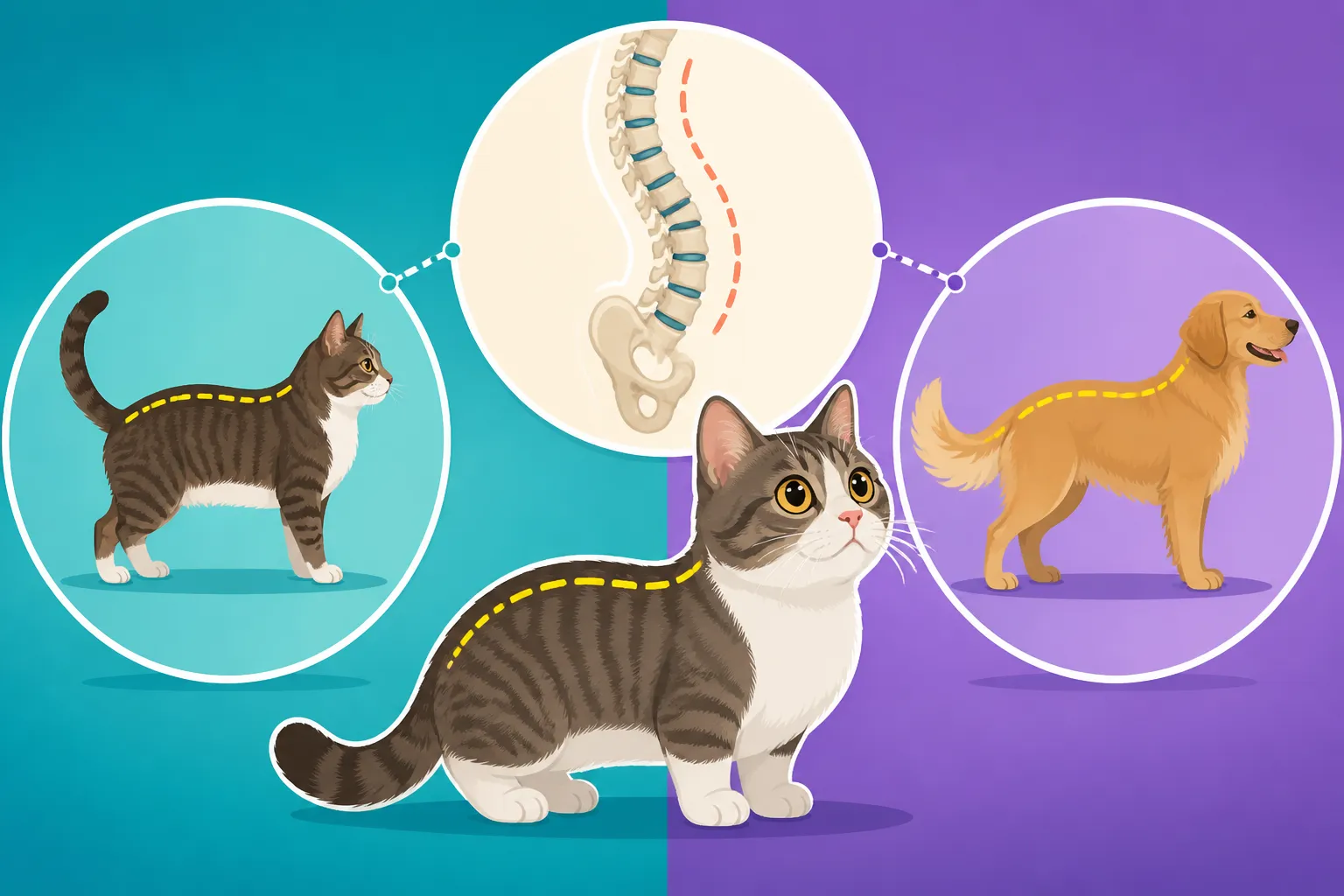
When you hear the term "lordosis," it might sound intimidating, but it simply refers to an exaggerated inward curvature of the spine. While it's particularly discussed in relation to Munchkin cats, it's a fundamental anatomical concept that applies across many species, including humans. Think of the natural curves in a healthy spine – lordosis is when one of these curves becomes much more pronounced than it should be, often dipping the spine downwards in the middle, giving the appearance of a swayback.
What is Lordosis Anyway?
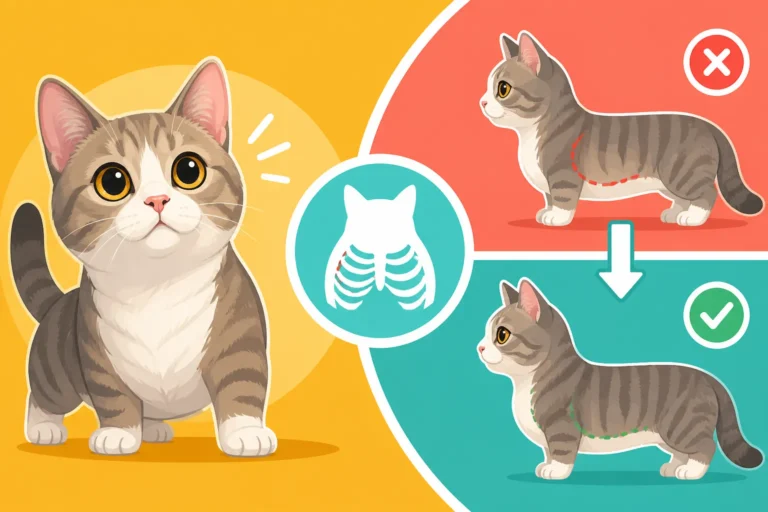
At its core, lordosis is a postural deviation where the spinal column, specifically in the lumbar region (the lower back), curves excessively inward. This can result in the abdomen protruding, and in severe cases, it can put undue pressure on internal organs and nerves. Imagine a bridge that sags in the middle; that's a visual approximation of what lordosis looks like in a spine. It's not always immediately obvious, especially in its milder forms, and can sometimes be mistaken for a cat simply having a prominent belly. However, the underlying issue is structural, affecting the vertebrae and the muscles supporting them. For a Munchkin, whose unique physiology already places different stresses on its spine, even a mild case of lordosis can be concerning, intensifying the natural concerns owners already have about their breed's structure. Understanding Lordosis Is the Spinal Curve the Munchkin Argument Is About is key to appreciating the anatomical implications.
Congenital vs. Acquired Conditions
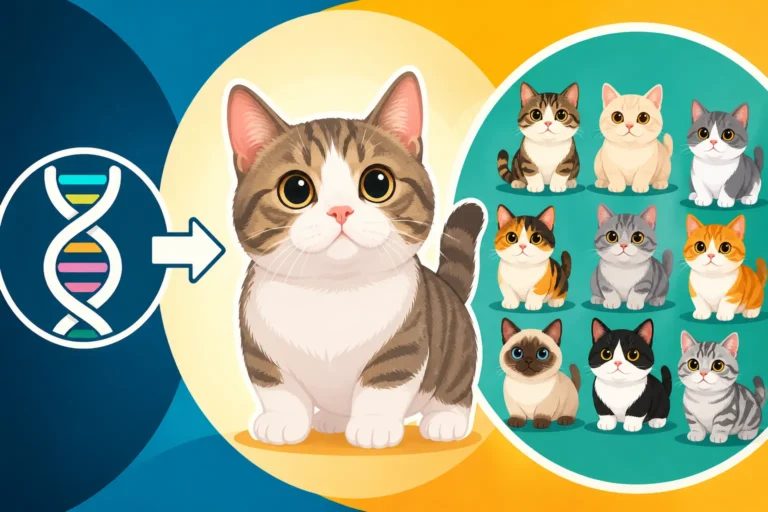
Lordosis can manifest in two main ways: congenitally or as an acquired condition. Congenital lordosis means a cat is born with the condition, usually due to a genetic predisposition or developmental issues during gestation. This is often the case when the condition is seen in specific breeds, where a particular gene, or a combination of genes, leads to structural abnormalities. In Munchkin cats, while the gene for short legs is well-documented, the exact genetic link to lordosis is still a topic of discussion among experts and breeders, and some argue that it is a secondary effect of the altered limb structure. However, it's important to remember that not all congenital lordosis is genetic; sometimes, it's simply a developmental fluke.
Acquired lordosis, on the other hand, develops later in a cat's life. This form can be triggered by a whole host of external factors, from injuries and trauma to nutritional deficiencies or underlying diseases. A cat of any breed, with any leg length, can develop acquired lordosis if the right (or rather, wrong) circumstances align. This distinction is crucial because it immediately tells us that while Munchkins might have a predisposition, they are not the only cats susceptible to this spinal issue. For any pet parent, knowing the difference helps in understanding potential risk factors and discussing prevention or early intervention with their vet.
Recognizing the Signs in Any Cat
Identifying lordosis, especially mild cases, can be tricky. In a kitten, it might simply look like a slight dip in the back. As they grow, the most noticeable sign is a visible inward curvature of the lower spine, making the belly appear to hang lower than usual. You might also observe changes in your cat's gait or how they move. They might appear stiffer, less agile, or reluctant to jump or play as much as they used to. In severe cases, where the spine is significantly compromised, a cat might show signs of pain, weakness in the hind legs, or even neurological symptoms due to nerve compression.
Observing your cat during normal activities is key. Do they struggle to jump onto their favorite spot, or do they seem hesitant? Does their posture look unusual when they're standing or walking? Even subtle changes in behavior, like a decreased appetite or increased irritability, could be indicators of discomfort. If you suspect any spinal issues, a trip to the vet is non-negotiable. They can perform a thorough physical examination, looking for signs of pain, muscle atrophy, or abnormal spinal curves. Early detection can make a world of difference in managing the condition and improving your cat's quality of life. Understanding How Early Lordosis Shows in a Munchkin Kitten can provide valuable insights, even for non-Munchkin owners, as the observation principles often overlap.
More Than Just Genetics: Diverse Causes of Lordosis in Felines
While the genetic link to short-legged breeds often dominates the conversation around lordosis, it's vital to broaden our perspective. The truth is, many factors can contribute to an inward spinal curve in cats, irrespective of their breed. Just like in humans, a cat's spinal health is a complex interplay of genetics, environment, nutrition, and lifestyle. This means any cat owner, regardless of their feline friend's pedigree, should be aware of the potential causes.
Trauma and Injury as Contributors
One of the most common causes of acquired lordosis in any cat is trauma or injury to the spine. Cats are naturally agile and adventurous, often leaping from heights, navigating tight spaces, or engaging in rough play. A misjudged jump, a fall from a tall cat tree, a car accident, or even being stepped on accidentally can cause significant damage to the vertebrae, ligaments, or surrounding muscles. Such injuries can lead to inflammation, instability, or structural changes that result in an abnormal spinal curve developing over time.
Consider a cat that experiences a hard landing or a sudden impact. The immediate damage might not always manifest as a visible injury, but over weeks or months, the body's compensatory mechanisms or the ongoing stress on a weakened area can lead to a gradual change in spinal alignment. This acquired form of lordosis might not be present at birth, but it becomes a very real problem that any cat, from a Domestic Shorthair to a Maine Coon, can face. Regular vet check-ups, especially after any known accidents or tumbles, are crucial for identifying such issues early on. Pet insurance providers like Healthy Paws can be a lifesaver in these unexpected situations, helping to cover the diagnostic imaging and treatment costs that such injuries often entail.
Nutritional Deficiencies and Disease
Another significant, yet often overlooked, cause of acquired lordosis stems from nutritional deficiencies or underlying systemic diseases. Proper development and maintenance of bone and muscle depend heavily on a balanced diet rich in essential vitamins and minerals, particularly calcium and phosphorus. Kittens, in particular, are vulnerable; if they don't receive adequate nutrition during their crucial growth phases, their bones might not develop correctly, leading to skeletal deformities like lordosis or even rickets.
Beyond nutrition, several diseases can weaken the musculoskeletal system or affect spinal integrity. Conditions like severe osteoporosis, certain types of metabolic bone diseases, or even some chronic infections can compromise the strength and structure of the vertebrae, making them prone to abnormal curvature. Tumors, though rarer, can also grow on or near the spine, leading to compression and subsequent lordosis. These health issues are not exclusive to any one breed; they can strike any cat, highlighting the importance of a high-quality diet and regular veterinary care to catch and address systemic problems before they impact the spine. Your vet can advise on the best diet for your cat's stage of life, ensuring they get all the nutrients they need for strong bones and muscles.
Muscle Weakness and Neurological Factors
The spine doesn't exist in isolation; it's supported by a complex network of muscles. If these muscles are weak or imbalanced, they can fail to adequately support the spinal column, leading to deviations like lordosis. This muscle weakness can be a consequence of chronic inactivity, aging, or underlying neurological conditions that impair nerve signals to the muscles. For instance, a cat recovering from a long illness might have muscle atrophy, making them more susceptible to poor posture and spinal issues.
Neurological disorders, such as certain types of neuropathies or conditions affecting the motor neurons, can directly impact a cat's ability to maintain normal spinal posture. When the nerves controlling the back muscles are compromised, these muscles may lose tone or coordination, allowing the spine to sag or curve abnormally. While less common, these neurological factors further underscore that lordosis isn't solely a genetic or breed-specific issue. Any cat experiencing progressive weakness, tremors, or an altered gait should be thoroughly examined by a veterinarian to rule out neurological causes. If you have concerns about Why a Munchkin's Spine Carries a Load a Normal Cat's Does Not, understanding general spinal mechanics in all cats can offer perspective.
Beyond the Munchkin: Lordosis in Other Breeds and Animals
It's a natural inclination to associate certain conditions with the breeds in which they are most frequently discussed. For lordosis, the Munchkin cat often becomes the poster child, but the reality is far more nuanced. While the unique skeletal structure of Munchkins might predispose them to certain spinal challenges, lordosis itself is a phenomenon observed in a wide range of felines and even across the animal kingdom. It's truly not unique to them.
Instances in Other Domestic Cat Breeds
While not as commonly reported or genetically linked as in some dog breeds, lordosis can indeed appear in other domestic cat breeds and even in mixed-breed cats. These cases are usually sporadic, meaning they aren't tied to a specific breed gene in the same way the Munchkin's short legs are. For instance, a kitten of any breed might experience a developmental anomaly that leads to congenital lordosis, even if its parents and littermates are perfectly normal. These spontaneous mutations or developmental errors are simply part of biological variation.
Furthermore, as we discussed, acquired lordosis can affect any cat. A Sphynx cat, with its lack of fur, could suffer a similar traumatic injury to its spine that leads to lordosis. A senior Persian, facing age-related muscle weakness or degenerative disc disease, might also develop a degree of lordosis. The key takeaway here is that while the Munchkin's dwarfism may draw more attention to spinal health, other breeds are not immune. It's just that the Munchkin's unique genetic inheritance brings spinal considerations to the forefront, sometimes overshadowing the fact that the underlying condition can arise from diverse origins in any feline. This is part of the broader discussion about Whether Munchkin Spinal Problems Are More Common Than in Other Cats.
A Look at Lordosis in Dogs and Other Species
To truly drive home the point that lordosis isn't exclusive to the Munchkin, we need only look to other animals. Lordosis is a well-documented condition in dogs, where it is often referred to as "swayback" and can be seen in various breeds, though some larger breeds like German Shepherds may have a genetic predisposition. In horses, an exaggerated lumbar curve is also known as swayback or lordosis, and it can affect their performance and comfort. Even in wild animals, cases of lordosis have been observed, often linked to nutritional deficiencies or birth defects.
Perhaps most tellingly, lordosis is also a human condition. People can be born with it (congenital lordosis) or develop it later in life due to poor posture, obesity, pregnancy, or underlying medical conditions like spondylolisthesis or kyphosis. This broad prevalence across species underscores that lordosis is a general skeletal condition that can arise from a myriad of causes, not a specific "Munchkin cat disease." It’s an anatomical issue that the unique build of a Munchkin might make more vulnerable to or noticeable, but it is by no means an exclusive feature of the breed.
Why Misconceptions Arise Around Specific Breeds
Misconceptions around conditions like lordosis often arise because specific breeds become particularly associated with them, sometimes due to genetic predispositions, sometimes due to passionate advocacy or criticism. In the case of the Munchkin, their short legs are a direct result of an autosomal dominant gene for pseudoachondroplasia, which affects bone growth. Naturally, concerns about how this unique skeletal structure impacts overall health, especially the spine, are amplified. When conditions like lordosis or Pectus Excavatum and the Munchkin's Sunken Chest are observed in Munchkins, it's easy to create a direct and exclusive link in the public's mind.
However, the scientific community often grapples with distinguishing between a direct genetic link, an increased susceptibility, and incidental occurrences. While the Munchkin's build may mean that issues like lordosis could have more severe consequences due to the unique distribution of weight and stress on their spine, it doesn't mean the condition itself is exclusive to them. These discussions are part of Why Vets Disagree About the Munchkin and why pet owners need to seek out comprehensive information, rather than relying on anecdotal evidence or oversimplified narratives. It's about understanding the full picture of feline health.
Navigating a Diagnosis and Providing Care for Lordosis
Discovering your beloved feline companion might have lordosis can be a worrying time, whether they're a Munchkin or another breed. The good news is that understanding the diagnostic process and available management strategies can empower you to provide the best possible care, improving their quality of life. Early intervention and a proactive approach are always key.
The Veterinary Diagnostic Process
If you suspect your cat has lordosis, your first step is a comprehensive veterinary examination. Your vet will conduct a thorough physical assessment, carefully palpating your cat's spine, observing their gait, and checking for any signs of pain or neurological deficits. They'll want to hear about your cat's medical history, any recent injuries, and changes in behavior or activity levels. This initial exam helps the vet understand the severity and potential underlying causes.
To confirm a diagnosis of lordosis and rule out other spinal conditions, your vet will likely recommend imaging. X-rays are the most common diagnostic tool, as they provide clear images of the vertebrae and spinal alignment. They can reveal the extent of the curvature, identify any bone abnormalities, and help assess for conditions like Why a Munchkin's Legs Are Short but Its Body Is Not or other skeletal issues. In some cases, especially if neurological symptoms are present, advanced imaging techniques like CT scans or MRI might be necessary to visualize soft tissues, nerve compression, or disc abnormalities. Blood tests may also be run to check for nutritional deficiencies or underlying systemic diseases. This thorough diagnostic approach ensures an accurate diagnosis and guides the most effective treatment plan.
Managing Life with Lordosis: Treatment and Support
The management plan for lordosis in cats depends heavily on its cause and severity. For mild cases, conservative management is often recommended. This can include pain relief and anti-inflammatory medications to manage discomfort, along with weight management to reduce stress on the spine. Physical therapy, including gentle massage and controlled exercise, can help strengthen supporting muscles and improve flexibility. Acupuncture or chiropractic care, performed by a qualified veterinary professional, may also be considered in some cases. It's crucial that any exercise is carefully monitored and not overdone, to prevent further strain.
In more severe cases, especially those causing significant pain or neurological deficits, surgical intervention might be considered. The goal of surgery is typically to stabilize the spine, decompress nerves, or correct extreme curvature. This is a major decision, and your vet will discuss the risks, benefits, and prognosis thoroughly. Regardless of the treatment path, adapting your home environment is paramount. Providing ramps for furniture, low-entry litter boxes, and easily accessible food and water bowls can significantly reduce strain on your cat's spine and improve their daily comfort. This kind of thoughtful care is why budgeting for a cat, especially one with special needs, requires an understanding of How Much a Munchkin Costs Over Thirteen Years.
Proactive Care and Prevention Strategies
While not all cases of lordosis are preventable, especially congenital ones, there are many proactive steps you can take to minimize the risk of acquired lordosis and support your cat's spinal health. Maintaining a healthy weight is perhaps the most critical factor for any cat, but especially those with any degree of spinal vulnerability. Excess weight puts enormous strain on the spine and joints, exacerbating any existing issues and increasing the risk of new ones. A balanced, high-quality diet appropriate for your cat's age and activity level is fundamental.
Regular, appropriate exercise helps maintain strong core muscles, which are vital for spinal support. However, for breeds like Munchkins or any cat with a known spinal issue, it's essential to ensure exercise is low-impact and doesn't involve excessive jumping or strenuous activity that could lead to injury. Providing safe climbing alternatives, like ramps or pet stairs, can protect their spine from hard landings. Regular veterinary check-ups are also crucial, allowing your vet to monitor your cat's spinal health, catch any subtle changes early, and provide guidance on nutrition and exercise. Lastly, considering pet insurance from a provider like Healthy Paws can offer immense peace of mind, knowing that you have financial support for diagnostic tests, treatments, and ongoing care should any spinal issues arise, for any cat, at any stage of their life.
| Factor | Description | Potential Link to Lordosis |
|---|---|---|
| Genetics | Inherited traits from parents. | Direct link in some breeds (e.g., Munchkins, though not exclusive), developmental anomalies. |
| Trauma/Injury | Falls, accidents, impacts to the spine. | Acquired lordosis due to spinal damage, inflammation, or instability. |
| Nutritional Deficiency | Lack of essential vitamins/minerals (e.g., calcium). | Impaired bone development, weak bones, leading to structural deformities in growing kittens. |
| Underlying Disease | Metabolic bone disease, tumors, chronic infections. | Weakening of vertebrae, spinal compression, or muscle atrophy. |
| Muscle Weakness | Inactivity, aging, neurological conditions. | Inadequate support for the spinal column, leading to abnormal curvature. |
| Obesity | Excessive body weight. | Increased strain on the spine and joints, exacerbating existing conditions or contributing to new ones. |
Disclaimer
This article is intended for informational purposes only and does not constitute veterinary advice. Always consult with a qualified veterinarian for any health concerns or before making any decisions about your pet's care.