Whether Pectus Excavatum Runs in Munchkin Lines
It’s a truly frightening moment for any cat parent when you notice something isn’t quite right with your beloved feline, especially when it involves something as fundamental as their breathing or the shape of their body. For Munchkin cat owners, who are already often navigating discussions around the breed’s unique physicality, concerns about conditions like Pectus Excavatum – commonly known as a sunken chest – can add an extra layer of worry. This guide aims to shed light on Pectus Excavatum, exploring whether it’s a specific concern for Munchkin lines and what you, as an owner or prospective owner, need to know.
Understanding Pectus Excavatum in Cats
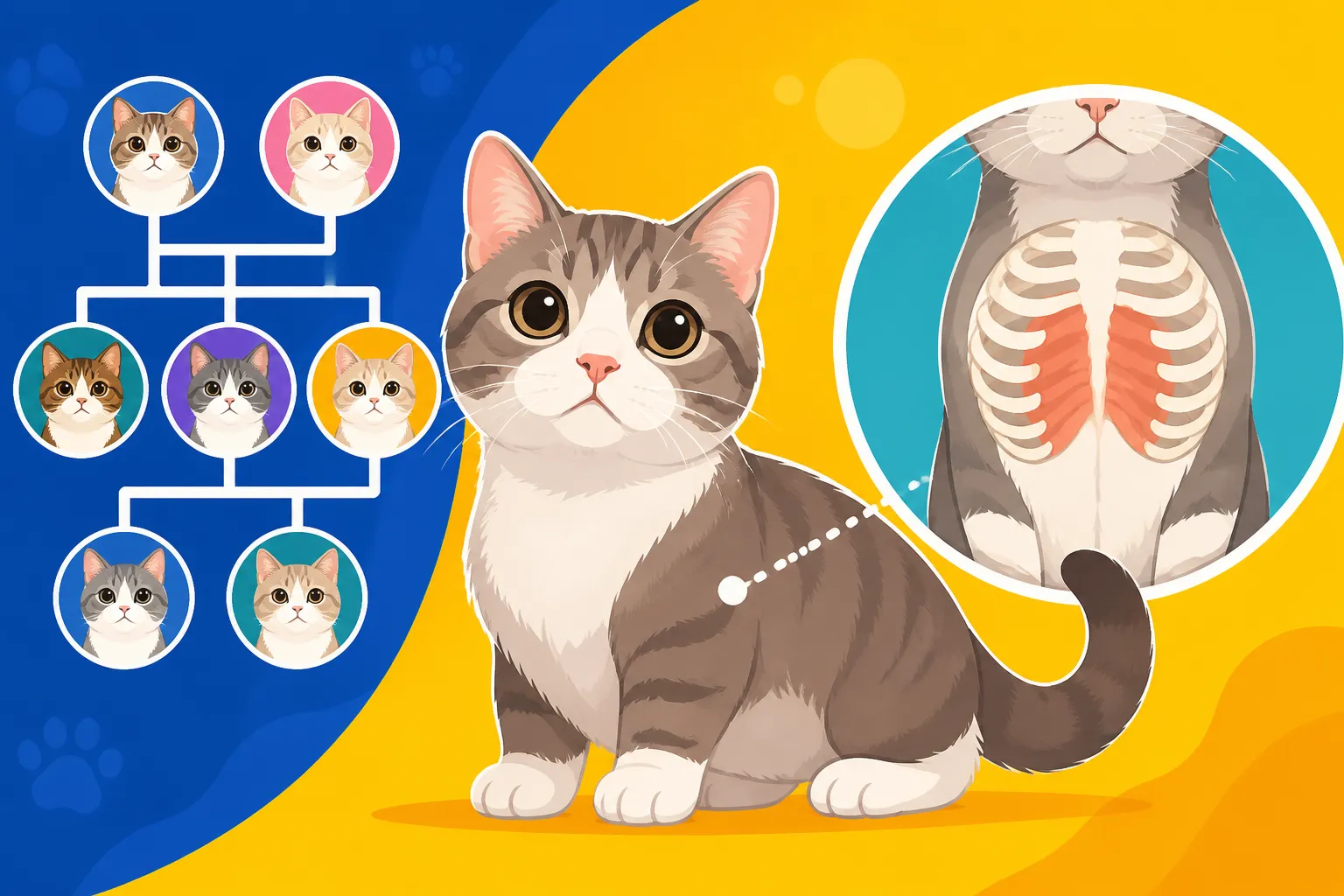
Pectus Excavatum, or PE, is a congenital deformity of the sternum and costal cartilages that results in a compression of the chest cavity. Essentially, the breastbone and often some ribs grow inwards instead of outwards, creating a concave, or "sunken," appearance to the chest. It's not exclusive to Munchkins, but when you're dealing with a breed whose skeletal structure is already a topic of discussion, it's natural to wonder if this condition is more prevalent.
What Is Pectus Excavatum?
Imagine looking at your cat's chest, and instead of a nice, rounded, full ribcage, you see an indentation or a flattening where the breastbone should be. That's Pectus Excavatum. The severity can range quite dramatically, from a barely noticeable dip that causes no problems to a significant indentation that presses against vital organs like the heart and lungs. This compression can lead to a host of health issues, making breathing difficult, reducing lung capacity, and even impacting heart function. A vet can quickly tell you What a Sunken Chest Feels Like on a Munchkin Kitten with a simple palpation.
Physiologically, the inward growth of the sternum reduces the space available for the heart and lungs to function optimally. This means a cat with severe PE might struggle to breathe, especially during activity or stress. They might tire easily, cough, or show signs of lethargy. In some cases, the heart itself can be displaced, leading to murmurs or other cardiac complications. It’s a condition that demands careful attention and a thorough veterinary assessment, as its impact on a cat's quality of life can be profound.
The Causes Behind Sunken Chests
The exact causes of Pectus Excavatum in cats aren't always crystal clear, but it's generally understood to be a developmental issue that can have a genetic component. In some breeds, there's a recognized hereditary predisposition, meaning it's passed down through specific family lines. For example, breeds like the Burmese and Devon Rex have been noted to have a higher incidence of PE, suggesting a genetic link in those populations. It can also occur sporadically, without any clear genetic pattern, possibly due to factors during fetal development or even after birth as a result of abnormal bone and cartilage growth.
It's important to differentiate between a purely genetic cause and other developmental anomalies. Sometimes, the deformity might stem from problems with muscle attachments to the sternum, or imbalances in growth rates between the ribs and the sternum. While we often look for a simple "gene," the reality of skeletal development can be far more complex. Understanding these potential causes helps breeders and owners consider all angles when assessing risk and making decisions about breeding or care.
Investigating Pectus Excavatum in Munchkin Lines
Given the Munchkin's distinctive short legs, which result from a genetic mutation affecting cartilage development, it's a very valid question to ask if other skeletal anomalies, like Pectus Excavatum, might also be more common in the breed. When a cat has one known skeletal variation, it’s only natural to wonder if there might be others lurking.
Is There a Genetic Link?
This is where things get a bit nuanced, and frankly, frustrating for dedicated Munchkin owners and breeders seeking definitive answers. Currently, there isn't extensive, peer-reviewed scientific data that conclusively establishes a direct, strong genetic link between the specific Munchkin gene (the one responsible for their short legs) and a higher incidence of Pectus Excavatum. Unlike other breeds where specific genes or familial patterns for PE have been identified, the connection in Munchkins isn't as well-defined in scientific literature.
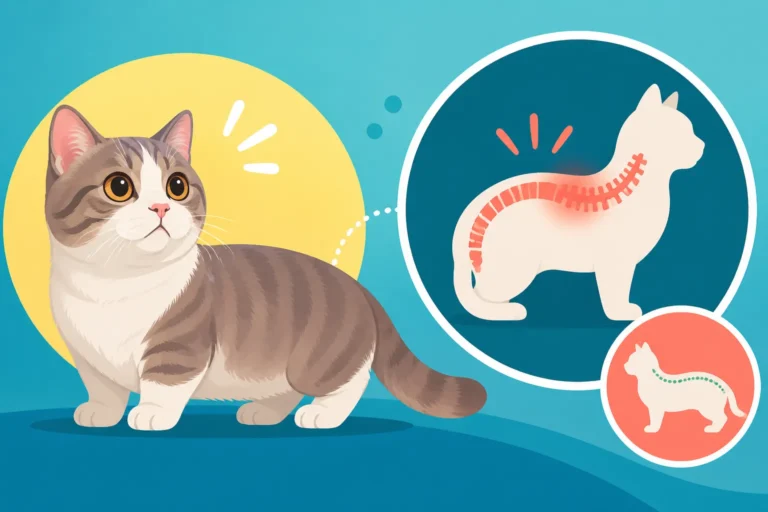
However, that doesn't mean the concern isn't valid. The Munchkin breed's defining characteristic, pseudoachondroplasia, affects the long bones, but it speaks to a broader genetic influence on cartilage and bone development. Some veterinarians and breeders have observed what they perceive as a higher prevalence of PE in Munchkin lines, suggesting a potential underlying predisposition, even if not directly caused by the short-leg gene itself. It could be that the same genetic factors that make cartilage development different in their legs might, in some individual cats, contribute to other cartilage-related issues, such as those impacting the sternum. Without more dedicated research, however, much of this remains in the realm of observation and ongoing discussion within the veterinary and breeding communities.
Anecdotal Evidence and Breeder Experiences
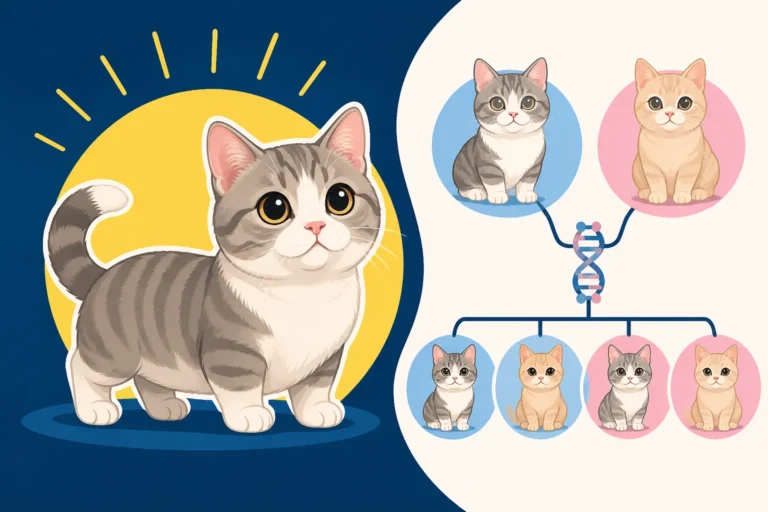
Despite the lack of conclusive scientific studies, many experienced Munchkin breeders and veterinarians specializing in the breed often have anecdotal observations. Some breeders report that they occasionally see kittens born with mild to moderate Pectus Excavatum, and these cases sometimes appear to cluster within specific breeding lines. This suggests that while it might not be universally linked to the Munchkin gene, there could be other recessive genes or polygenic factors at play within certain pedigrees that increase the risk. For this reason, many responsible breeders are very vigilant.
These observations highlight the critical role of careful breeding practices and early veterinary checks. A dedicated breeder will closely monitor every kitten for any signs of PE, often palpating the chest carefully from a very young age. If a kitten shows signs of a sunken chest, they would typically not be sold for breeding, and reputable breeders may even choose not to sell them as pets, or to do so with full disclosure and support for the new owner. They understand that even if the science isn't fully there yet, their responsibility is to ensure the health and well-being of the kittens they produce. Knowing How Early a Munchkin's Chest Should Be Checked is crucial for these breeders.
Recognizing and Managing Pectus Excavatum in Munchkins
Early detection and appropriate management are paramount when dealing with Pectus Excavatum in any cat, and Munchkins are no exception. The sooner a sunken chest is identified, the better the chances of a positive outcome, especially if surgical intervention is considered.
Early Detection and Diagnosis
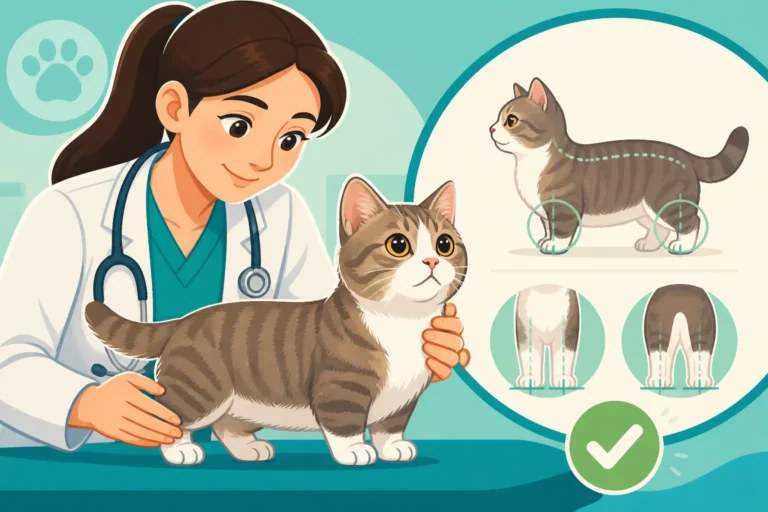
As a cat owner, you are often the first line of defense. When you gently pet your Munchkin's chest, you should feel a relatively smooth, rounded contour. If you feel an indentation, a dip, or a sternum that seems to be pushed inward, especially near the bottom of the ribcage, it's time for a vet visit. Beyond physical touch, keep an eye out for any breathing difficulties. Does your cat breathe rapidly even when resting? Do they seem to tire easily after play? Is there a noticeable effort with each breath, or perhaps an audible wheezing? These are all red flags.
A veterinarian will perform a thorough physical examination, including careful palpation of the chest. They may also recommend diagnostic imaging, such as X-rays, to get a clearer picture of the severity of the deformity and to assess the impact on the heart and lungs. In more complex cases, a CT scan might be suggested, as it provides a three-dimensional view, which is invaluable for surgical planning. The vet will use a grading system to determine How a Vet Grades a Munchkin's Sunken Chest, which helps decide the best course of action. These early checks, often part of a standard kitten exam, are vital for all cats, but especially for breeds like the Munchkin where skeletal structure is a point of concern.
Treatment Options and Prognosis
The treatment for Pectus Excavatum depends entirely on its severity. For very mild cases that don't cause any clinical signs or impact breathing, monitoring might be the only recommendation. However, for moderate to severe cases where the chest wall significantly compresses the internal organs, surgical correction is often the best, and sometimes only, option. The goal of surgery is to physically lift and reposition the sternum to relieve pressure on the heart and lungs, creating more space within the chest cavity. This often involves placing sutures or external splints to hold the sternum in the corrected position while the bones and cartilage heal.
The prognosis varies widely depending on the severity of the condition, the age at which it's treated, and the success of any surgical intervention. Generally, the younger the kitten is when surgery is performed, the better the outcome, as their bones and cartilage are more pliable and responsive to correction. However, even with successful surgery, there can be long-term management considerations, and some cats may still experience residual issues. It's an intensive procedure that requires a significant commitment from owners, both emotionally and financially. Knowing Whether a Munchkin's Pectus Excavatum Can Be Corrected is often a primary concern for worried owners. Pet insurance providers like Healthy Paws can be a real lifeline in these situations, helping to cover the often substantial costs associated with diagnostic tests, surgery, and post-operative care.
Responsible Breeding Practices and Buyer Awareness
For a breed that carries a unique genetic trait, responsible breeding is paramount. This includes rigorous health screening and a transparent approach to potential health concerns, such as Pectus Excavatum. Prospective owners also have a vital role to play in educating themselves and asking the right questions.
Screening and Health Guarantees
Responsible Munchkin breeders go above and beyond to ensure the health of their kittens. This means carefully screening their breeding cats for any signs of congenital defects, including Pectus Excavatum. While there isn't a specific DNA test for PE in Munchkins, breeders rely on thorough veterinary examinations, X-rays, and the careful monitoring of successive litters to identify any patterns. They should be able to provide documentation of health checks for both parent cats and the kittens. If a breeder consistently produces kittens with PE, even if mild, a responsible breeder would remove those cats from their breeding program.
Furthermore, a reputable breeder will offer health guarantees that cover congenital conditions. These guarantees should be clearly outlined in the kitten contract. If a kitten is diagnosed with Pectus Excavatum, especially at a young age, the breeder should be transparent and offer support, which might include covering veterinary costs or offering a replacement kitten. It's a sad reality that Why Some Munchkin Kittens Are Not Sold often comes down to health concerns like these, and understanding What a Munchkin Breeder Does With an Affected Kitten speaks volumes about their ethics.
What Prospective Owners Should Ask and Look For
When considering bringing a Munchkin into your home, it's crucial to be an informed and proactive buyer. Don't be afraid to ask direct questions about the health history of the cattery and the specific parents of the kitten you're interested in. Ask to see health records, including vet check-ups for the kitten and its parents. Inquire specifically about Pectus Excavatum: "Have any kittens in your lines ever been diagnosed with Pectus Excavatum?" A good breeder will be open and honest about any issues they've encountered and what steps they've taken.
Beyond questions, observe the kittens in person. Watch how they move, how they breathe. Gently feel their chests, if the breeder allows. Look for a kitten that is active, playful, and doesn't show any signs of labored breathing or lethargy. A kitten should seem robust and full of energy. A reputable breeder will also welcome these questions and observations, as it demonstrates your commitment to providing a good home. Always remember that Whether a Munchkin Can Be Screened Before Purchase is something you should absolutely discuss with both the breeder and your own vet.
| Factor | Genetic Link (Known in other breeds) | Observed in Munchkin Lines (Anecdotal) | Impact on Health (Severity dependent) | Screening/Management |
|---|---|---|---|---|
| Pectus Excavatum | Yes (e.g., Burmese, Devon Rex) | Potentially, some breeders report | Breathing, heart function | Physical exam, X-rays, CT, surgery |
| Munchkin Dwarfism | Yes (Autosomal dominant gene) | Always (defining trait) | Mobility, joint health, spine | Visual, palpation, vet check |
| Lordosis | No (Often secondary) | Potentially, spinal curvature | Spinal health, organ compression | Physical exam, X-rays |
| Pectus Carinatum | Less common | Rare | Breathing, chest appearance | Physical exam, X-rays |
Disclaimer
This article is for general informational purposes only and does not constitute professional advice. Laws, prices and regulations vary by location and change over time. Consult a qualified professional for guidance on your specific situation.