How Arthritis Shows in a Munchkin’s Front Legs
It’s truly disheartening to see our beloved Munchkin cats start slowing down, perhaps struggling with movements they once found effortless. Many Munchkin owners worry about the long-term health of their unique companions, especially when it comes to their joints. If you've noticed your short-legged friend hesitating before a small jump or moving a little differently, you might be seeing the subtle, early signs of arthritis in their front legs. This guide will walk you through what to look for and how to provide the best care.
Understanding Arthritis in Munchkin Cats
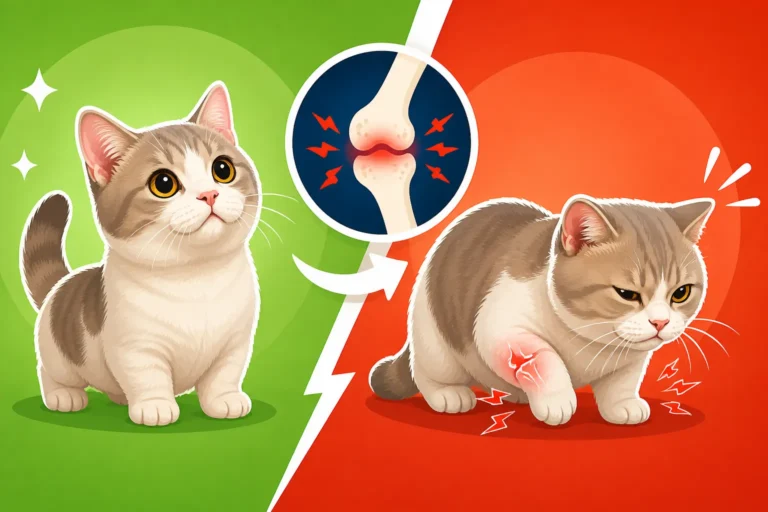
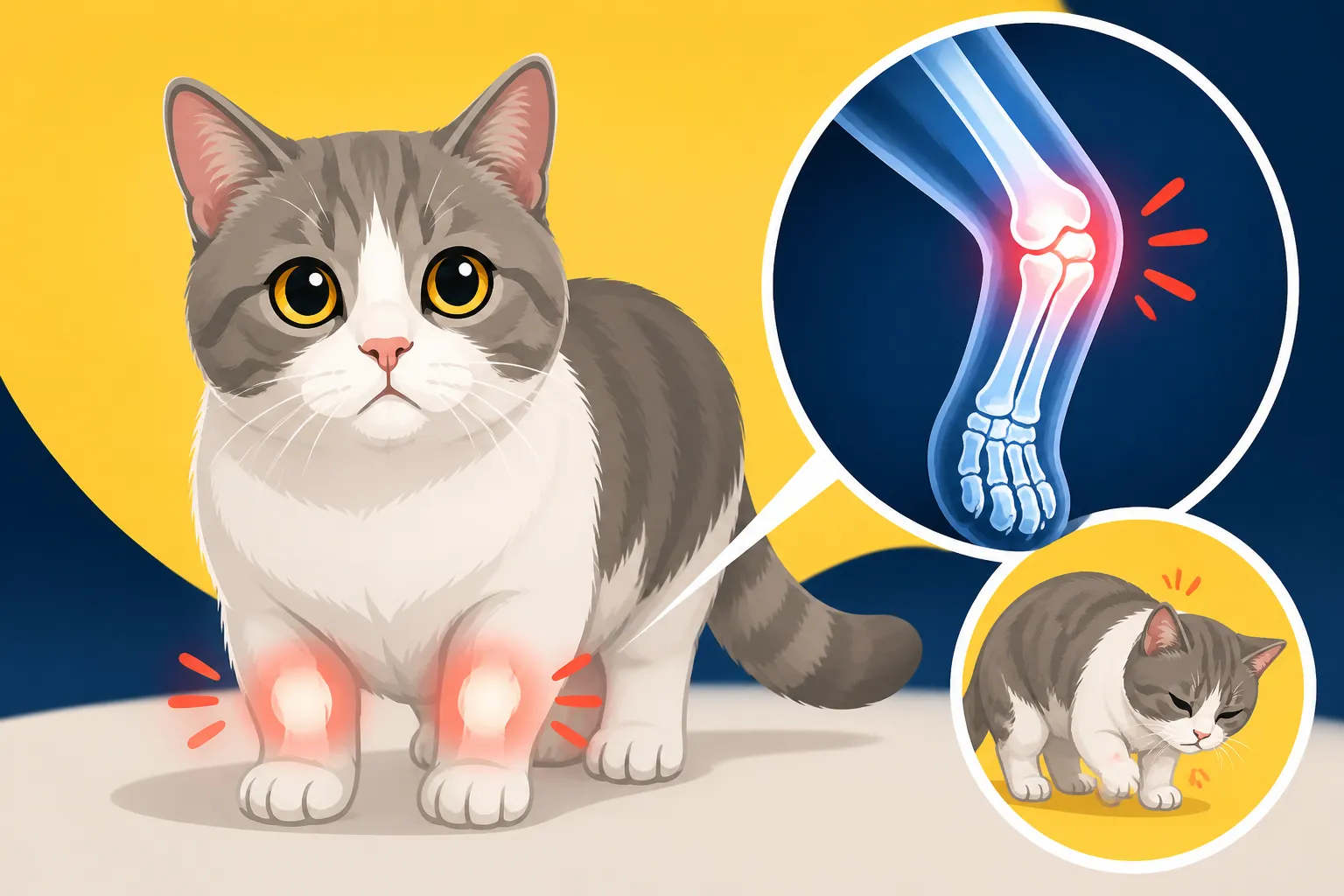
Arthritis, or osteoarthritis, is a progressive and painful condition where the cartilage cushioning the joints wears down, leading to bone-on-bone friction, inflammation, and chronic pain. While any cat can develop arthritis, the unique conformation of Munchkin cats often puts them at a higher risk, particularly in their front limbs. Their distinctive short legs, a result of an autosomal dominant genetic mutation, mean their skeletal structure functions differently from that of a standard-legged cat, leading to increased stress on certain joints.
Why Munchkins Are Prone to Joint Issues
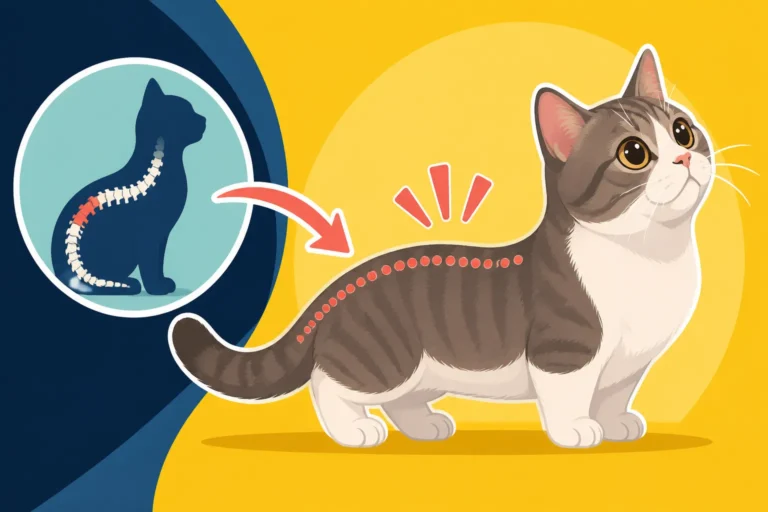
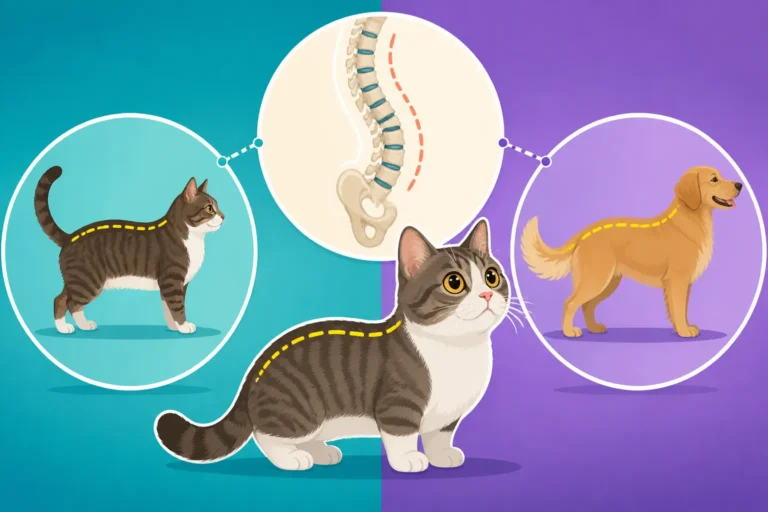
The very characteristic that makes Munchkins so endearing – their short legs – is also the source of their increased susceptibility to joint problems. Unlike a cat with normal leg length, a Munchkin's bones are shorter, but their body length remains proportionate to a standard cat. This means their gait and movement patterns are inherently altered. Their legs bear and distribute weight differently, placing additional strain on the joints of the shoulders, elbows, and wrists. It’s not that the joints themselves are inherently "faulty" from birth, but rather that the biomechanics of their movement increase wear and tear over time. This constant, slightly abnormal stress can lead to the premature breakdown of joint cartilage, paving the way for arthritis to develop earlier than in many other breeds.
Think about it: a standard cat has long levers (its legs) to absorb impact and propel itself. A Munchkin, with its significantly shorter levers, has to work harder and absorb forces in a more concentrated area. This is particularly true for their front legs, which take the brunt of impact during everyday activities like trotting, landing from even small heights, or simply shifting weight. This can lead to issues that manifest as pain and stiffness later in life. It's a key reason why many ask Whether a Munchkin Gets Arthritis Earlier.
The Impact of Short Legs on Joint Stress
The physical demands placed on a Munchkin's front legs are considerable. Every step, every minor jump, and every stretch requires their compact limb structure to manage forces that a longer-legged cat handles with greater ease and distribution. For instance, when a Munchkin lands, even from a modest height like a chair, their front elbows and shoulders absorb a disproportionate amount of the impact. This repetitive micro-trauma contributes significantly to the degeneration of joint cartilage over many years.
Furthermore, a Munchkin’s unique posture and movement often lead to their shoulders wearing first. Their natural 'ferret-like' gait means their shoulder joints are constantly engaged, and they often use their front legs to 'paddle' or 'scoot' themselves forward more than a standard cat might. This constant, low-to-the-ground motion and the mechanics of their short stride put those shoulder joints under consistent, low-level stress. Over time, this cumulative stress can result in inflammation and the painful progression of arthritis. This makes understanding Why a Munchkin's Shoulders Wear First crucial for owners. The elbow joints also suffer from this increased load, especially when a Munchkin performs actions like repeatedly landing from small jumps, which highlights What Repeated Landing Does to a Munchkin's Elbows. These factors underscore why vigilance and proactive care are so important for these special cats.
Specific Signs of Arthritis in a Munchkin's Front Legs
Recognizing arthritis in its early stages is key to effective management and maintaining your Munchkin's quality of life. Because cats are masters at hiding pain, you'll need to be a keen observer of their daily habits and physical presentation. The signs can be subtle at first, often dismissed as "just getting older," but knowing what to look for can make a real difference.
Subtle Behavioral Changes to Watch For
One of the first indications that your Munchkin might be experiencing discomfort in their front legs can be a change in their usual behavior. They might start hesitating or even refusing to jump onto furniture they once easily accessed, like a favorite sofa or a low cat tree platform. This isn't laziness; it's often a direct response to pain upon impact or exertion. You might also notice a decreased desire to play, especially with toys that encourage pouncing or chasing. A once energetic cat might prefer quieter activities or spend more time resting.
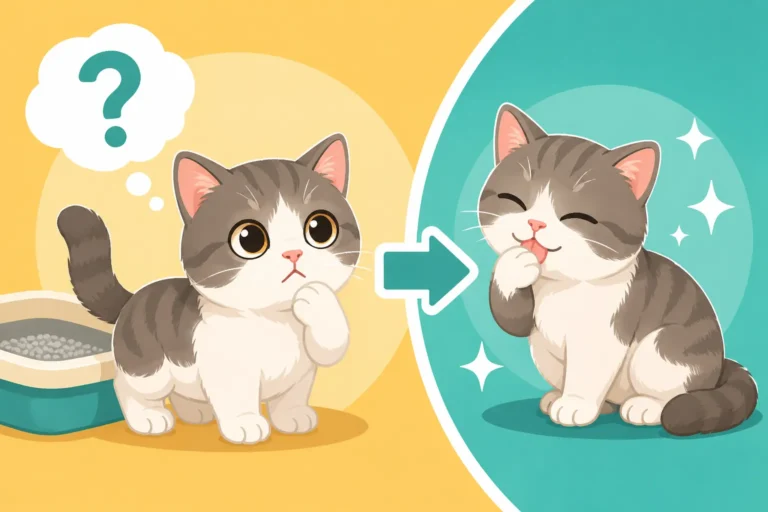
Even seemingly minor shifts in grooming habits can be a red flag. If your Munchkin struggles to reach certain areas of their chest or front legs to groom, or if they appear stiff when trying to contort their body, it could indicate pain. You might observe them grooming less frequently overall, leading to a duller coat or even matted fur, particularly around areas that are difficult to reach. Additionally, a change in how they use their litter box – perhaps struggling to get in or out, or adopting an awkward posture – might also hint at discomfort, even if it's primarily affecting their front end, as moving the front legs can still put pressure on the spine or make entry/exit challenging. These subtle cues are your cat's way of communicating that something isn't quite right. Observing How a Munchkin Gets Where It Wants Without Jumping can reveal their coping mechanisms.
Physical Indicators and Gait Alterations
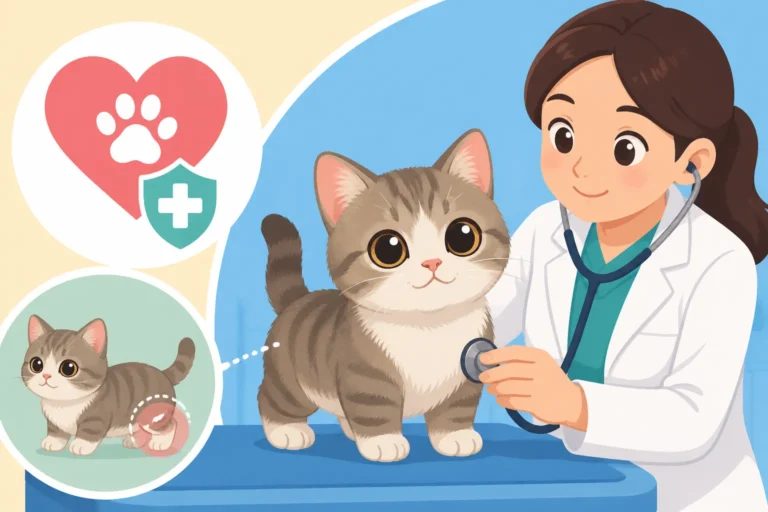
Beyond behavioral changes, there are more direct physical signs and alterations in gait that can point to arthritis in a Munchkin's front legs. When you watch your Munchkin walk, pay close attention to their stride. You might notice a subtle lameness, a slight limp, or an unevenness in their steps. Their natural 'ferret-like' movement might become more exaggerated, or conversely, more stiff and cautious. They might carry one leg slightly differently, perhaps tucking an elbow in closer to their body or extending it outward in an attempt to alleviate pressure. Your vet will certainly pay close attention to How a Vet Watches a Munchkin Walk during an examination.
Upon gentle palpation, you might feel warmth or swelling around the affected joints, particularly the elbows and shoulders. The muscles in their front legs or shoulders might appear atrophied or smaller due to disuse, or conversely, become very tight and firm from guarding the painful joint. They might react with a flinch or a cry of pain when you gently touch or try to extend their front legs. Stiffness after periods of rest is another common sign; your Munchkin might take a few moments to "warm up" after waking before moving more freely. Additionally, an overweight Munchkin is in real trouble, as extra weight exacerbates joint pain and degeneration, making it critical to address Why an Overweight Munchkin Is in Real Trouble. Being aware of these physical and gait changes allows for earlier intervention, providing a better chance for pain management and improved comfort.
Early Detection and Management of Front Leg Arthritis
Catching arthritis early in your Munchkin is paramount. The sooner you identify the signs and consult with your veterinarian, the more effectively you can manage the condition, slow its progression, and ensure your furry friend maintains a good quality of life. Proactive care is truly the best defense.
The Importance of Regular Vet Checks and Imaging
Regular veterinary check-ups are absolutely essential for Munchkin cats, perhaps even more so than for other breeds, given their predisposition to certain musculoskeletal issues. During these visits, your vet will perform a thorough physical examination, paying close attention to their gait, joint mobility, and any signs of pain or discomfort, especially in the front legs. Don't hesitate to point out any subtle changes you've observed at home; your detailed observations are invaluable to your vet. They might ask you to send videos of your cat moving naturally in your home environment, as cats can often mask discomfort in a clinical setting.
If arthritis is suspected, your vet may recommend diagnostic imaging, such as X-rays. While X-rays don't show cartilage directly, they can reveal changes in the bone structure around the joint, like bone spurs (osteophytes) or narrowed joint spaces, which are clear indicators of osteoarthritis. Early imaging can establish a baseline and help monitor the progression of the disease. Sometimes, more advanced imaging like MRI might be considered for a more detailed look, though this is less common for routine arthritis diagnosis. Discussing your Munchkin's health with a knowledgeable veterinarian is the first and most crucial step in creating an effective management plan. Investing in pet insurance like Healthy Paws could help mitigate the costs associated with these diagnostic tests and ongoing treatments.
Home Modifications and Supportive Care
Once arthritis is diagnosed, or even if you're just proactively trying to prevent it, adapting your home environment is incredibly important for your Munchkin. The goal is to minimize stress on their joints and make their daily life as comfortable and accessible as possible. This means eliminating the need for high jumps and providing easy access to all their favorite spots. Ramps and steps are not luxuries but essential equipment for a Munchkin. Strategically placing What Ramps for a Munchkin Cost to Buy or creating custom steps to beds, sofas, and window perches will allow them to navigate their world without painful leaping or awkward landings. Look for ramps with a gentle incline and a non-slip surface to ensure stability.
Ensuring your Munchkin maintains a healthy weight is also critical. Every extra pound places additional strain on their already vulnerable joints. Work with your vet to determine the ideal body condition score for your cat and follow a precise feeding plan. High-quality nutrition, possibly supplemented with specific joint support ingredients like glucosamine, chondroitin, and omega-3 fatty acids, can also be beneficial. Many vets recommend Which Joint Supplements Suit a Munchkin to help support cartilage health. Furthermore, providing soft, supportive bedding in easily accessible, warm areas will give them comfortable places to rest and ease stiff joints. Regular, gentle play sessions on the floor can help keep their muscles toned without overstraining their joints, but always be mindful of their limitations.
Long-Term Outlook and Quality of Life
Living with a Munchkin cat diagnosed with arthritis in their front legs doesn't mean a diminished quality of life. With proper care, diligent management, and a strong partnership with your veterinarian, your feline companion can still enjoy many happy and comfortable years. The key is consistent, multifaceted support that addresses pain, maintains mobility, and adapts to their changing needs.
Pain Management and Therapeutic Options
Managing pain is central to treating arthritis in Munchkin cats. Your veterinarian will likely prescribe non-steroidal anti-inflammatory drugs (NSAIDs) specifically formulated for cats, such as meloxicam or robenacoxib. These medications help reduce inflammation and alleviate pain, making your cat more comfortable and mobile. It's crucial to never give human pain medications, as many are toxic to cats. Your vet will also advise on other options such as gabapentin for neuropathic pain, or sometimes even Amantadine. Regular check-ups will be necessary to monitor their response to medication and check for any potential side effects. Knowing What Pain Relief a Stiff Munchkin Can Take is crucial for owners.
Beyond medication, several therapeutic options can enhance your Munchkin's comfort. Physiotherapy, which might include gentle massage, stretching, and controlled exercises, can help maintain muscle strength and joint flexibility. Laser therapy is another non-invasive treatment that uses specific wavelengths of light to reduce pain and inflammation and accelerate healing at a cellular level. Acupuncture, performed by a certified veterinary acupuncturist, can also be beneficial for some cats. These complementary therapies often work best when integrated into a comprehensive pain management plan prescribed by your vet.
Maintaining a Munchkin's Well-being with Arthritis
Maintaining your Munchkin's overall well-being with arthritis involves a holistic approach that goes beyond just medication. Consistent, thoughtful home care is paramount. Regular, gentle grooming, especially for long-haired Munchkins, can prevent matting that might become painful if they struggle to reach their hindquarters. Providing a comfortable, warm, and easily accessible environment with ramps and low-entry litter boxes reduces daily strain. You'll want to consistently monitor their weight, as every extra gram puts more pressure on their joints. Regular, short play sessions using wand toys or laser pointers at floor level can encourage movement without excessive jumping or strain, helping to keep their muscles active and preventing stiffness. It's all about making their environment and routine work for them, not against them.
As your Munchkin ages, their needs may continue to evolve. Being attentive to subtle changes in their mobility, appetite, or demeanor will allow for timely adjustments to their care plan. It’s important to remember that arthritis is a progressive condition, but its impact can be significantly mitigated with dedicated care. Many owners find peace of mind knowing that pet insurance providers like Healthy Paws can help cover a significant portion of the costs associated with chronic conditions like arthritis, allowing them to pursue the best possible treatments without financial stress. Ultimately, the goal is to keep your cherished short-legged friend as comfortable, active, and happy as possible for their entire life, focusing on How to Keep an Old Munchkin Moving Safely.
Signs of Arthritis in Munchkin Front Legs
| Symptom Category | Specific Indicators to Watch For | What It Might Mean |
|---|---|---|
| Behavioral Changes | Reluctance to jump onto or off furniture | Pain upon impact or exertion on front legs and shoulders. |
| Decreased desire to play, especially pouncing/chasing games | Play becomes painful or too strenuous for arthritic joints. | |
| Changes in grooming habits (less frequent, struggles to reach areas) | Stiffness or pain when contorting body to groom, especially around the chest and front legs. | |
| Spending more time resting or seeking warmth | Joints feel better when not moving; warmth can soothe aching joints. | |
| Gait & Movement | Subtle lameness, limp, or uneven steps | Pain or stiffness in one or more front leg joints, causing a compensatory gait. |
| Stiff, cautious, or exaggerated 'ferret-like' walk | Cat is trying to minimize painful joint movement or adapt to reduced flexibility. | |
| Difficulty rising after rest, "warming up" period | Characteristic stiffness of arthritic joints, often worse after inactivity. | |
| Altered posture (e.g., tucking elbow, extending a leg unnaturally) | Attempting to shift weight away from a painful joint. | |
| Physical Signs | Pain response upon gentle touch or extension of front legs/shoulders | Direct indication of discomfort or inflammation in the joint. |
| Swelling or warmth around elbow or shoulder joints | Inflammation and fluid accumulation within the joint capsule. | |
| Muscle atrophy (wasting) in front legs or shoulders | Disuse of the limb due to pain, leading to muscle loss. | |
| Reduced range of motion in front leg joints | Joint capsule thickening or bony changes making full extension/flexion painful or impossible. |
Disclaimer
This article is intended for informational purposes only and does not constitute veterinary advice. Always consult with a qualified veterinarian for any health concerns or before making any decisions about your pet's medical care.