Why a Munchkin’s Shoulders Wear First
It's incredibly easy to fall in love with a Munchkin cat. Their adorable short legs and playful nature capture hearts instantly. However, as responsible pet parents, we also need to understand the unique anatomical realities that come with those distinctive limbs. Many new owners, in particular, don't realize the silent, everyday strain their Munchkin's body endures, especially concerning their shoulders, which often bear the brunt of their movements and can be the first to show signs of wear and tear. This guide will delve deep into the mechanics of why a Munchkin's shoulders are particularly vulnerable and how you can best support your cherished companion throughout their life.
The Unique Mechanics of a Munchkin's Movement
The defining characteristic of a Munchkin is, of course, their shortened limbs, a condition known as pseudoachondroplasia. This isn't just about appearance; it profoundly impacts how their bodies move, absorb shock, and distribute weight. Unlike long-legged cats, whose anatomy is designed for powerful jumps and agile landings, a Munchkin's skeletal structure operates under entirely different principles.
How Short Legs Change Weight Distribution
When you watch a long-legged cat move, you see a graceful, almost spring-like quality to their gait. Their longer bones and more flexible joints act as natural shock absorbers, distributing impact evenly throughout their limbs and spine. A Munchkin, however, is built differently. Their body sits much closer to the ground, which alters their center of gravity and the mechanics of every single movement.
Imagine trying to navigate a challenging obstacle course with very short stilts versus long, flexible poles. The short stilts offer less "suspension." Similarly, a Munchkin's body mass is much more directly absorbed by the joints closest to the ground, which are their shoulders and elbows. Their lower center of gravity can give them surprising stability on flat surfaces, allowing them to run and corner with impressive speed. But this advantage quickly turns into a disadvantage when any vertical movement is involved, as the natural shock-absorbing capabilities of longer limbs are simply not there. This means their shoulders are constantly working overtime, managing the immediate transfer of forces with less of a buffer.
The Impact of Reduced Leverage
Normal cats use their long legs as powerful levers, not only to propel themselves upwards into impressive jumps but also to cushion the impact of landings. The elasticity and length of their limbs allow for a gradual deceleration, protecting their joints. A Munchkin, unfortunately, lacks this natural leverage and elastic spring.
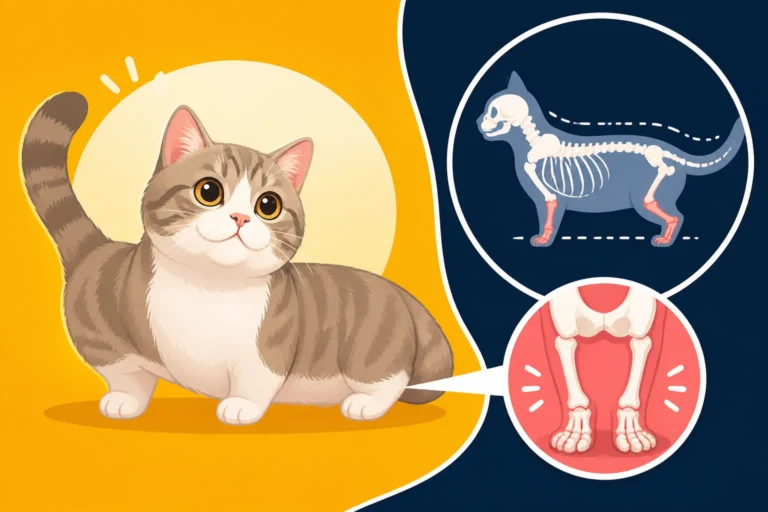
When a Munchkin decides to jump, it often involves a more direct, powerful push from their hindquarters, but the landing is where the difference truly becomes apparent. The forelimbs have less "give" or length to absorb the shock, meaning the impact forces travel more directly and intensely up the shortened leg bones and into the shoulder joints. This constant, less-cushioned impact from everyday activities, whether it's hopping off a chair or merely stepping down from a low ledge, creates cumulative micro-trauma. This relentless work contributes significantly to Why a Munchkin's Spine Carries a Load a Normal Cat's Does Not, as their entire skeletal system must compensate for the altered biomechanics, and the front end takes a considerable share of that burden.
Increased Strain on the Front Limbs
Beyond the basic mechanics, the sheer frequency and intensity of specific movements create a heightened degree of strain on a Munchkin's front limbs. It's a testament to their adaptability and spirit that they navigate the world so joyfully, but beneath that adorable exterior, their bodies are working harder than you might think.
Repetitive Stress from Jumping and Landing
While Munchkins might not be Olympic high-jumpers, they are often incredibly active and playful. They will attempt to reach higher surfaces, even if it means smaller, more frequent jumps or a "ferret-like" scrambling motion. Each of these attempts, and every subsequent landing, places a disproportionate amount of stress on their shoulders.
Imagine a normal-sized cat making a single, graceful leap onto a sofa. The forces are distributed efficiently. Now, picture a Munchkin using several smaller hops or a more "thudding" landing to achieve the same height. The cumulative effect of these repeated, less-efficient landings can lead to significant wear and tear on the cartilage and supporting structures within the shoulder joints. This kind of chronic, repetitive strain is a primary reason why Munchkins are more susceptible to developing joint issues at an earlier age, leading to questions like Whether a Munchkin Gets Arthritis Earlier compared to their long-legged counterparts.
The Burden of Body Weight
Even a Munchkin maintained at an ideal, healthy weight carries its entire body mass on significantly shorter limbs. This physiological reality means that every pound of body weight exerts a greater pressure per square inch on their joints, especially the load-bearing shoulders and elbows. When you consider the physics, the shorter the lever (the leg), the more direct the force on the pivot point (the joint) from the weight above it.
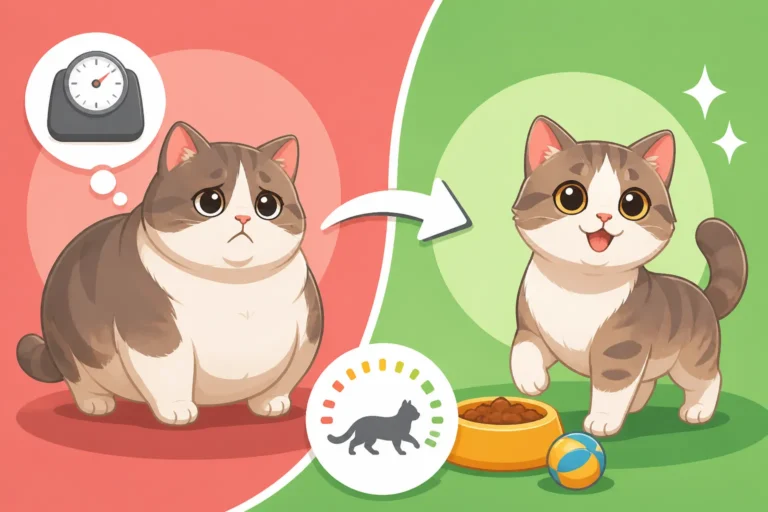
This is why weight management is not just important but absolutely critical for Munchkin cats. Every extra gram of fat translates into exponentially more pressure on their vulnerable joints. An overweight Munchkin faces a significantly increased risk of developing painful musculoskeletal issues, particularly in their front limbs. Understanding Why Weight Is More Dangerous on a Munchkin is a cornerstone of responsible Munchkin care, as even a seemingly small amount of excess weight can have profound negative consequences on their long-term comfort and mobility.
Recognizing and Managing Shoulder Strain
Being an attentive Munchkin owner means knowing what to look for and how to proactively support your cat's joint health. Because cats are so adept at hiding pain, subtle changes are often the first, and sometimes only, clues that something might be amiss with their shoulders.
Subtle Signs of Discomfort and Stiffness
Catching issues early can make a huge difference in managing your Munchkin's comfort and preventing further degeneration. It's easy to dismiss a slight hesitation or a less enthusiastic play session as just "getting older" or being "moody," but these could be indicators of underlying pain.
Look for changes like:
- Reluctance to jump: They might pause longer before attempting a hop onto a low chair, or avoid their favorite perches altogether.
- Altered gait: A subtle limp, a stiff-legged walk, or an unevenness in their stride, especially after resting.
- Difficulty with grooming: If they struggle to reach their shoulders or back, or vocalize when trying, it could indicate pain. What a Munchkin Cannot Reach to Groom is an important consideration for overall hygiene, but also a pain indicator.
- Changes in posture: They might hold their head lower, or sit differently to try and alleviate pressure.
- Increased sleeping or reduced play: A general decrease in activity levels can be a sign of discomfort.
- Sensitivity to touch: If they flinch or react negatively when you gently touch their shoulder area.
If you observe any of these signs, don't hesitate to consult your veterinarian. They can perform a thorough examination, and if necessary, recommend diagnostic imaging to assess the state of their joints.
Supportive Care and Environmental Adaptations
The good news is that there's a lot you can do to minimize strain on your Munchkin's shoulders and keep them comfortable. It starts with adapting their environment to suit their unique physical needs.
- Ramps and steps: Provide easy-access ramps or pet steps for all elevated surfaces they might want to reach, such as sofas, beds, and even certain window sills. Make sure these are sturdy, have good grip, and are not too steep.
- Lowered access: Consider low-entry litter boxes and raised food and water bowls that are at a comfortable height, so they don't have to strain their neck or shoulders to eat or drink.
- Safe play areas: While play is vital for mental and physical health, Whether a Munchkin Should Be Discouraged From Jumping becomes a key consideration. Encourage floor-level play with wand toys and laser pointers, rather than games that require high jumps. If they do jump, ensure soft landing spots.
- Comfortable resting spots: Provide orthopedic beds or soft, padded areas for them to rest, especially in their favorite nap spots. This reduces pressure on their joints during periods of inactivity.
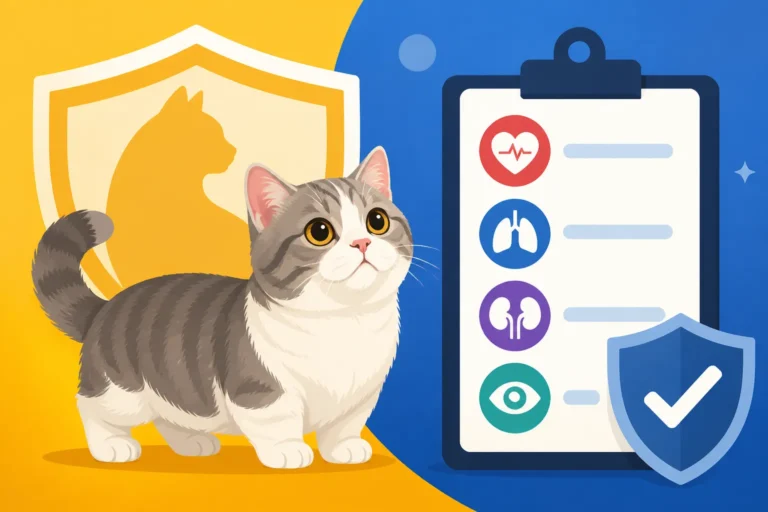
For pet parents concerned about the ongoing costs of veterinary care for joint issues, whether it's diagnostics, medications, or specialized treatments, considering pet insurance can be a huge relief. Providers like Healthy Paws can help cover a significant portion of these expenses, allowing you to prioritize your cat's health without financial stress.
Long-Term Health and Joint Support
Understanding that a Munchkin's shoulders are predisposed to earlier wear means embracing a proactive, lifelong approach to their joint health. This includes medical interventions, nutritional support, and ongoing lifestyle adjustments.
Addressing Osteoarthritis in Munchkins
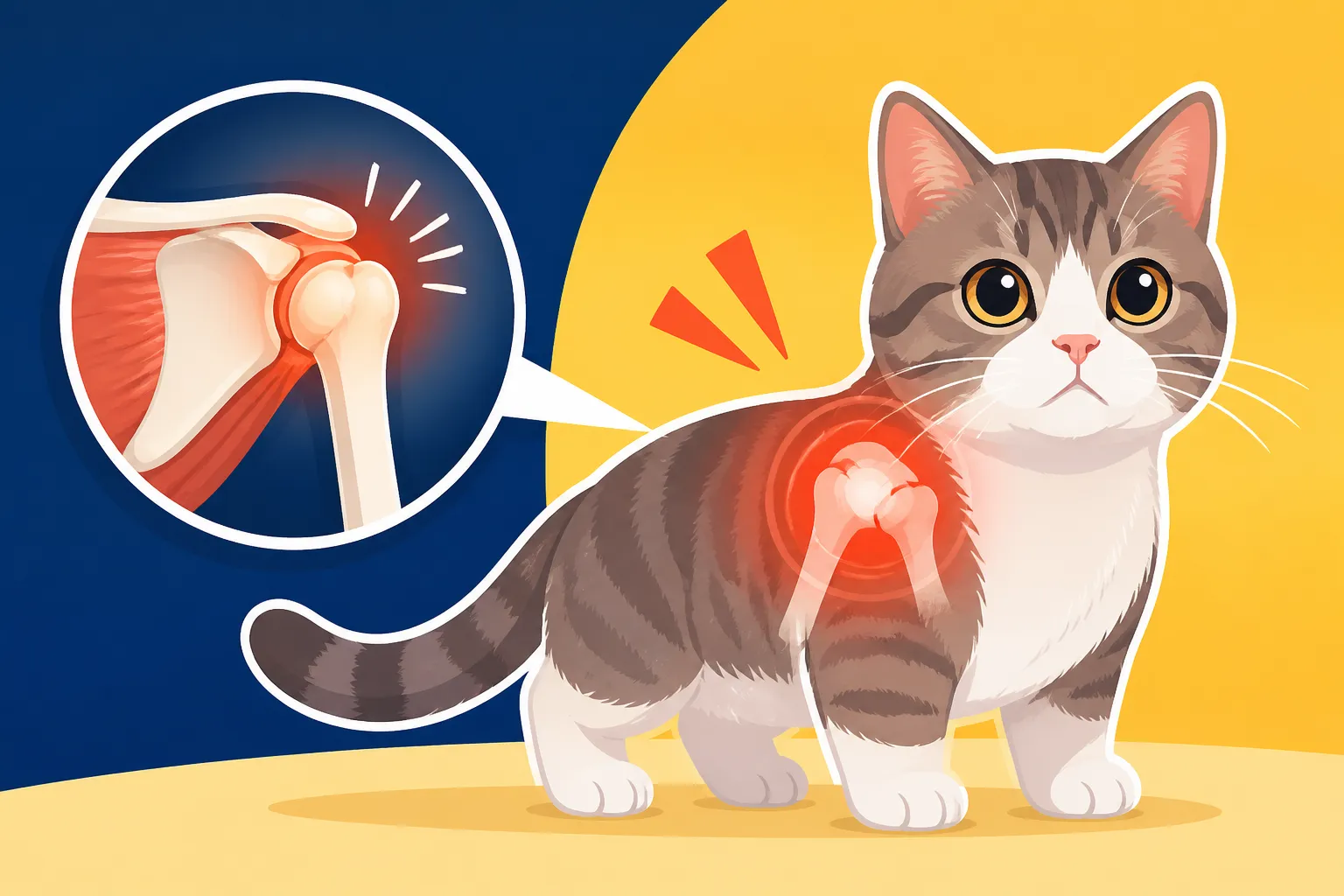
The cumulative stress on a Munchkin's shoulders can, over time, lead to the development of osteoarthritis. This is a progressive and painful condition where the protective cartilage cushioning the ends of the bones in the joint gradually breaks down. Once this process begins, it can cause chronic pain, inflammation, and significantly reduce your cat's quality of life.
Recognizing How Osteoarthritis Shows in a Munchkin's Shoulders is key for early intervention. Beyond the subtle signs of discomfort mentioned earlier, more advanced signs might include visible joint swelling, a crackling sound (crepitus) when the joint moves, muscle atrophy around the shoulder due to disuse, and a significant decrease in their range of motion. If your vet diagnoses osteoarthritis, treatment will typically involve a multi-modal approach:
- Pain management: Non-steroidal anti-inflammatory drugs (NSAIDs) or other pain medications.
- Disease-modifying osteoarthritis drugs (DMOADs): Injections that can help protect cartilage and reduce inflammation.
- Supplements: As discussed below.
- Physical therapy: To maintain muscle mass and joint flexibility.
Regular veterinary check-ups are paramount to monitor the progression of osteoarthritis and adjust the treatment plan as needed. Having comprehensive pet insurance from a reputable provider like Healthy Paws can be invaluable, as chronic conditions often require ongoing medications, therapies, and regular vet visits, which can add up over time.
Nutritional and Supplemental Support
A well-balanced diet and appropriate supplements can play a crucial role in supporting your Munchkin's joint health, helping to either prevent or slow the progression of wear and tear.
- Weight Control: This cannot be stressed enough. Maintaining an ideal body weight is the single most effective way to reduce the load on their vulnerable shoulder joints. Work with your vet to determine the perfect weight for your Munchkin and feed precisely measured portions.
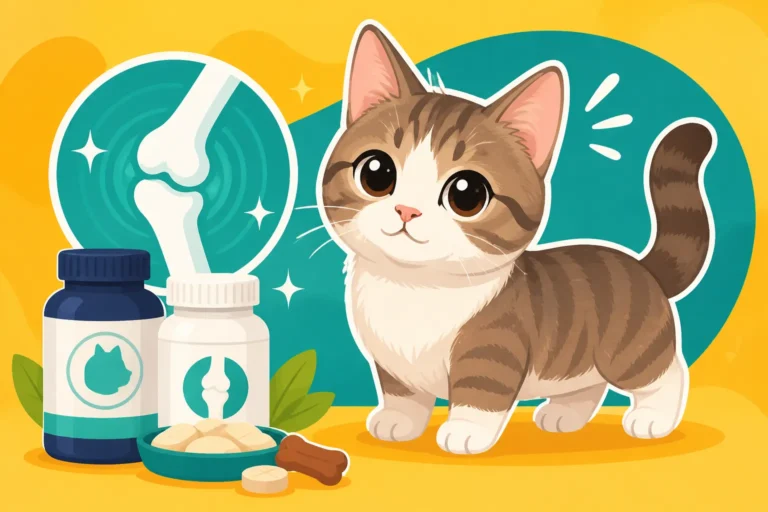
- Joint-Supportive Diets: Many commercial cat foods are now formulated with ingredients known to support joint health, such as glucosamine, chondroitin, and omega-3 fatty acids (EPA and DHA). These can help maintain cartilage integrity and reduce inflammation.
- Supplements: Your veterinarian might recommend specific supplements to give your Munchkin. These typically contain glucosamine, chondroitin sulfate, MSM, and omega-3 fatty acids. While they aren't a cure, they can help lubricate joints, reduce pain, and support cartilage health. For a deeper dive into these options, check out Which Joint Supplements Suit a Munchkin. Always discuss any supplements with your vet before introducing them, as some can interact with medications or have contraindications.
- Hydration: Ensure constant access to fresh water. Proper hydration is essential for overall health, including joint lubrication.
Adhering to a strict weight control and providing appropriate nutritional support are preventative measures that can potentially save on future vet bills. However, if problems do arise, a robust pet insurance plan like those offered by Healthy Paws can help manage the financial aspect of long-term care.
The Role of Physical Therapy and Lifestyle Adjustments
For Munchkins already experiencing stiffness or pain, or as they gracefully age, physical therapy and tailored lifestyle adjustments can dramatically improve their quality of life.
- Physical Therapy: Techniques like gentle range-of-motion exercises, therapeutic massage, and even hydrotherapy (under professional guidance) can help maintain muscle strength, improve joint flexibility, and reduce pain. These therapies can slow muscle atrophy and keep your Munchkin as mobile as possible.
- Controlled Exercise: While discouraging high-impact activities, it's vital to encourage regular, low-impact exercise. This could be short, supervised play sessions on carpeted floors, or using puzzle feeders that promote movement without jumping. Exercise helps maintain muscle mass, which supports joint stability.
- Environmental Adjustments for Seniors: As your Munchkin enters their golden years, their mobility will naturally decrease. How Much an Old Munchkin Stops Being Able to Do is a reality that often starts with a decreased ability to climb or jump. You might need to make further adjustments, such as ensuring their food, water, and litter box are all on one level, easily accessible without any steps. Consider padded mats in frequently used areas to provide extra cushioning.
By proactively managing their environment, diet, and engaging with veterinary support and potential therapies, you can help ensure your Munchkin cat enjoys a long, comfortable, and happy life, minimizing the impact of shoulder wear and tear.
Disclaimer
The information provided in this article is for educational purposes only and is not intended to be a substitute for professional veterinary advice, diagnosis, or treatment. Always seek the advice of your veterinarian or other qualified animal health provider with any questions you may have regarding a medical condition.