How Skin Problems Start Under a Munchkin’s Mats
It's a frustration many Munchkin cat parents know all too well: you're doting on your adorable, short-legged companion, only to discover a hidden tangle of matted fur that’s caused painful irritation underneath. Because of their unique physique, Munchkins are particularly susceptible to matting in areas they can't easily reach, leading to a cascade of potential skin problems that can range from mild redness to serious infections. This guide will meticulously unpack why these issues arise, how to spot the early warning signs, and most importantly, how to prevent and manage them to keep your sweet Munchkin comfortable and healthy.
The Unique Challenge of Matting for Munchkins
The charming short legs of a Munchkin cat, while endearing, unfortunately create a specific set of grooming challenges. Their low-slung bodies mean certain areas of their fur are constantly in contact with surfaces, making them prime candidates for developing painful mats and subsequent skin issues.
Where Munchkins Struggle to Reach for Grooming
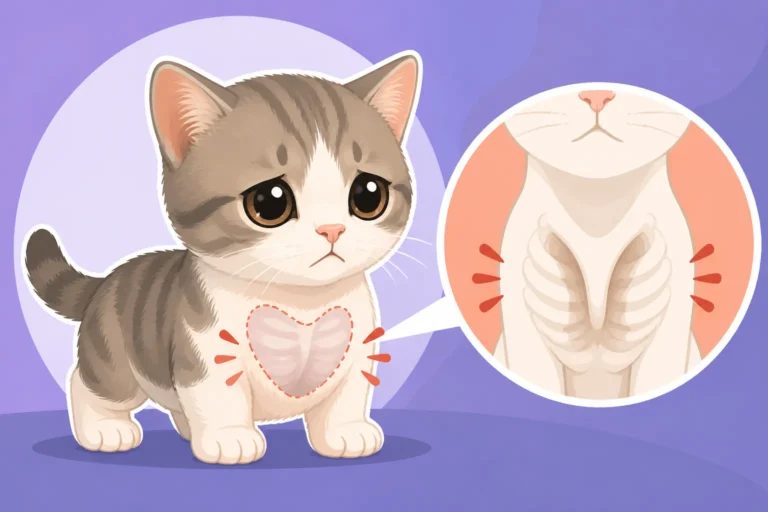
Imagine trying to reach your own lower back or the soles of your feet if your arms were significantly shorter. That's essentially the predicament for a Munchkin. Their shortened limbs mean that the entire area from their chest down to their belly and, most critically, their hindquarters, are largely inaccessible for self-grooming. A normal cat can twist and turn, using its flexible spine and long legs to meticulously clean every inch of its body. A Munchkin simply cannot.
This means that Which Parts of Itself a Munchkin Cannot Reach become collection points for anything they brush against. Dust bunnies, loose fur, food particles, even bits of litter from their box can get trapped in these zones. Without regular self-cleaning, these small particles quickly bind with shed hair, forming the beginnings of mats. It’s not a reflection of a dirty cat; it’s a physical limitation.
How Different Coat Types Increase Risk
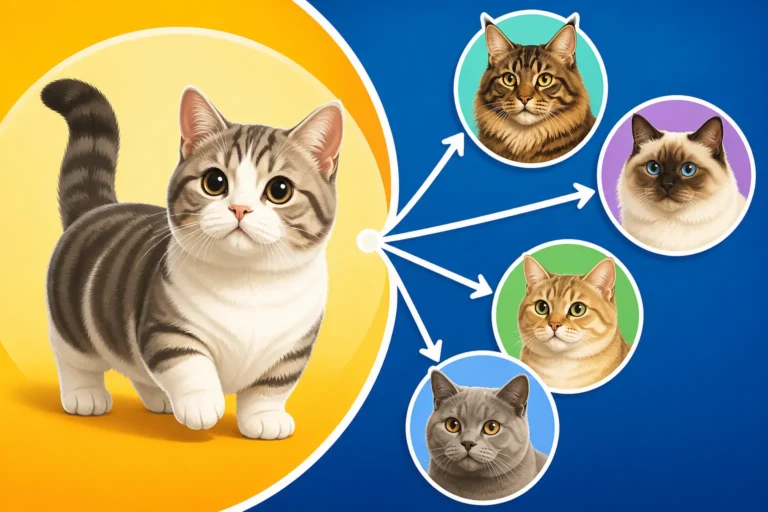
While all Munchkins share the same short-legged trait, their coat lengths vary widely, from sleek shorthairs to luxurious longhairs. And yes, even shorthaired Munchkins can get mats, especially if they have a dense undercoat or are prone to shedding. However, it's the beautiful, flowing coats of longhaired Munchkins that present the most significant challenge. Their longer fur provides more material to tangle and knot, and once a mat starts, it can grow quickly and tightly, pulling on the skin.
Think about a longhaired cat, like a Persian or a Maine Coon, but with a body that rides much closer to the ground. That extra fur on the belly, between the legs, and around the tail area is constantly dragging, gathering debris, and becoming felted. Even a slight dampness, perhaps from a spill or after a trip to the litter box, can make matters worse, compressing the fur and exacerbating mat formation. Without diligent owner intervention, these areas are almost guaranteed to mat.
The Litter Box and Other Environmental Factors
The litter box is another critical area where a Munchkin's unique anatomy can lead to matting and hygiene issues. Standard litter boxes often have high entry points, which can be difficult for a Munchkin to navigate comfortably. Even with Which Litter Box a Munchkin Can Actually Enter, their low belly often means that they drag through the litter more than a long-legged cat.
Fine, dusty litters or those with strong clumping agents can adhere to the fur on their underside and hindquarters, creating small, hard pellets that are incredibly difficult for the cat to dislodge. These tiny clumps of litter and fur are often the initial seeds for larger, more problematic mats. Whether a Munchkin Can Clean Itself After the Litter Box is a common concern, and the answer is often no, not adequately. Without proper cleaning, these soiled areas become not only uncomfortable but also a breeding ground for bacteria. Furthermore, if the litter itself is irritating, it can cause the cat to lick excessively, which can actually worsen matting and irritate the skin further. Keeping the litter box meticulously clean and opting for dust-free, larger-granule litter can make a real difference in preventing these issues.
The Insidious Progression from Matting to Skin Problems
It's easy to dismiss a small tangle as "just a mat," but for a Munchkin, these seemingly minor issues can quickly escalate into serious skin conditions. The environment created by matted fur is a perfect storm for skin health deterioration.
Trapped Moisture, Debris, and Irritants
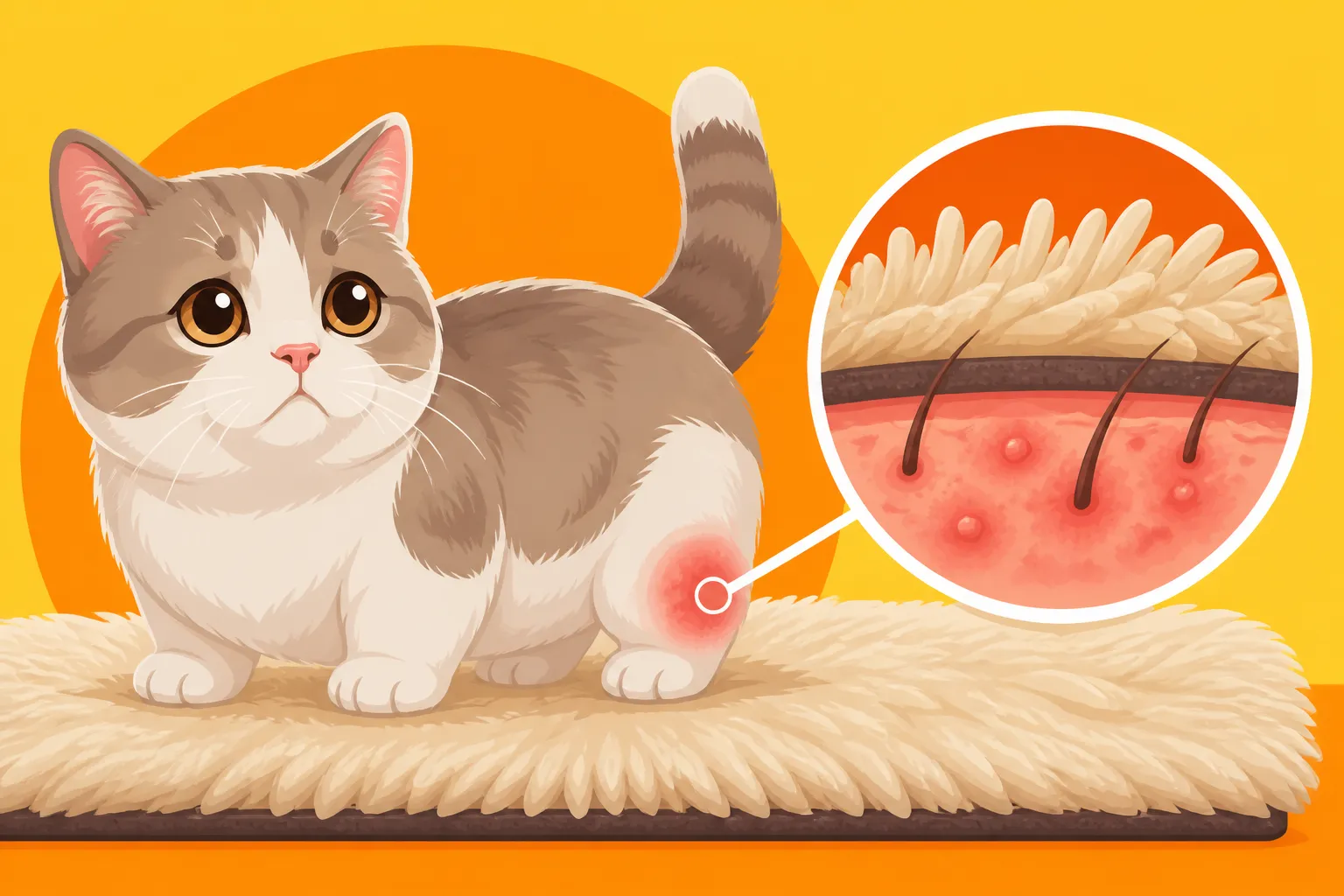
A mat isn't just tangled fur; it's a tight, impenetrable barrier against the skin. This barrier creates a warm, moist, and poorly ventilated microclimate that's ideal for bacterial and fungal growth. Imagine wearing a wet, thick sweater for days on end – that's what a mat feels like to your cat's skin. Any moisture from bathing, licking, or even humidity in the air gets trapped.
Beyond moisture, mats are excellent at trapping debris. Bits of food, dirt, loose dander, and especially soiled litter particles become embedded. These trapped elements constantly rub against the skin, acting as irritants and slowly breaking down the skin's natural protective barrier. This constant friction and irritation lead to inflammation, opening the door for opportunistic pathogens. It's a cruel cycle: the cat tries to relieve the itching by licking, which adds more moisture and further tightens the mat, making the underlying problem even worse.
Skin Inflammation, Irritation, and Pain
As mats persist and tighten, they pull on the skin relentlessly. This constant tension is incredibly painful for your cat. Just think about getting a hair knot pulled on your scalp – now imagine that sensation over a large area of your body, constantly, for days or weeks. This pulling action not only causes discomfort but also restricts blood flow to the affected skin, making it more vulnerable to damage.
The skin underneath becomes inflamed, appearing red and sensitive to the touch. You might notice your Munchkin flinching or crying out if you accidentally brush against a matted area. This chronic irritation can manifest as contact dermatitis, where the skin becomes raw and itchy. Your cat might start obsessively licking or chewing at the area, attempting to find relief, but only succeeding in exacerbating the inflammation and further compacting the mat. This is where a small, unnoticed mat can become a significant source of distress for your pet, impacting their overall well-being.
Bacterial Dermatitis, Yeast Infections, and Hot Spots
Once the skin's barrier is compromised by constant irritation and the trapped, moist environment, it becomes an open invitation for infections. Bacterial dermatitis is a common consequence, often presenting as red bumps, pustules, or oozing sores. The skin might also develop a greasy feel and an unpleasant odor.
Yeast infections, particularly caused by Malassezia pachydermatis, are also frequent under mats. These manifest as thick, reddish-brown, waxy buildup on the skin, often accompanied by a distinct, sweet-sour smell. Both bacterial and yeast infections cause intense itching, which leads to more scratching and licking, potentially breaking the skin and introducing even more pathogens.
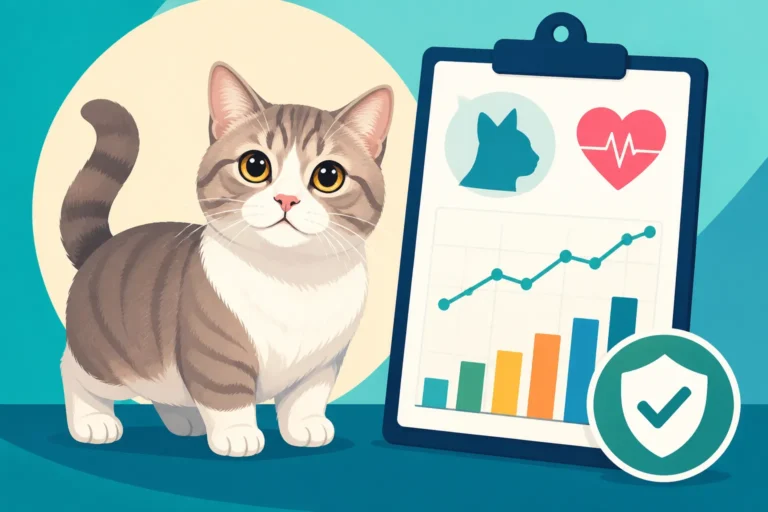
The most acute form of these infections is a "hot spot," or acute moist dermatitis. These are rapidly developing, intensely red, inflamed, and often oozing skin lesions that can appear almost overnight. They are extremely painful and itchy, and because of the Munchkin's inability to reach and clean them, they can spread quickly. If left untreated, severe infections can lead to deeper skin issues, cellulitis, and even systemic infections in extreme cases. Recognizing these advanced stages often requires a trip to the vet, and having pet insurance like Healthy Paws can certainly alleviate the financial stress of managing such unexpected and urgent health concerns.
Spotting the Signs and Proactive Prevention
Preventing skin problems under mats is far easier and less painful than treating them. It requires vigilance, a consistent grooming routine, and an understanding of your Munchkin's unique needs.
Implementing a Regular Grooming Routine
The absolute cornerstone of preventing skin problems in a Munchkin is a consistent and thorough grooming routine. This isn't just about making your cat look pretty; it's about their health and comfort. For shorthaired Munchkins, a few times a week might suffice, but for longhaired varieties, daily brushing is often necessary. Pay particular attention to Why a Munchkin's Hindquarters Get Matted, the belly, armpits, and behind the ears – these are prime matting zones.
Use a comb that can get down to the skin, like a fine-toothed metal comb or a slicker brush, depending on your cat's coat type. Gently work through any small tangles before they become full-blown mats. Brushing not only removes loose fur but also distributes natural skin oils, promoting a healthy coat. Make grooming a positive experience with treats and praise, starting when your Munchkin is a kitten. If your cat resists, break sessions into very short, manageable periods. The goal is to prevent the mats from forming in the first place, or to catch them when they are small and easy to remove without causing pain.
| Sign | Healthy Fur/Skin | Early Matting | Developing Skin Problem |
|---|---|---|---|
| Appearance of Fur | Smooth, flowing, no tangles | Small knots, clumping, dullness | Tight, felted, hard clumps, patchy fur loss |
| Skin Appearance | Pink, smooth, supple, no flakes | Slightly red, some dandruff | Red, inflamed, oozing, scabs, pustules |
| Odor | Clean, natural cat scent | Faint, sometimes slightly sour | Strong, yeasty, foul, or pus-like |
| Touch/Palpation | Soft, resilient, skin moves freely | Tightly bound, pulls on skin, tender | Painful, hot, swollen, sticky to touch |
| Cat's Behavior | Relaxed during petting, normal grooming | Increased licking/chewing at specific spots | Excessive licking, biting, scratching, withdrawal, aggression |
Optimizing the Home Environment
Beyond direct grooming, creating a Munchkin-friendly environment can significantly reduce their risk of matting and skin issues. One of the biggest culprits, as we discussed, is the litter box. Ensure your cat has access to low-entry Munchkin litter box options that allow them to enter and exit without excessive effort or dragging their belly. Consider the type of litter you use. Certain clumping litters can stick to their fur more readily, particularly on their low-slung underside. Look for dust-free, larger granule options that are less likely to adhere. Which Litter Sticks to a Munchkin's Belly can vary, so you might need to experiment to find the best fit.
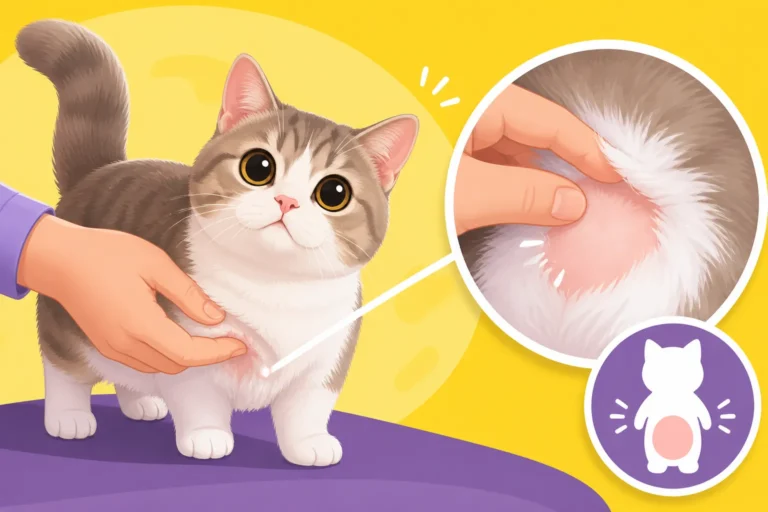
Regularly check Why a Munchkin's Belly Fur Needs Checking for cleanliness, especially after bathroom breaks. If you have a longhaired Munchkin, Whether a Munchkin Needs a Sanitary Clip around the hindquarters can be a game-changer, preventing feces and urine from clinging to the fur and initiating mats. Keeping your home clean, especially floors where your Munchkin spends most of its time, will also reduce the amount of debris that can get caught in their fur.
The Role of Diet and Supplements
A healthy diet is fundamental to healthy skin and a healthy coat for any cat, and Munchkins are no exception. High-quality cat food rich in essential fatty acids, particularly Omega-3s and Omega-6s, can dramatically improve skin barrier function and coat luster. Look for foods that list real meat as the first ingredient and avoid excessive fillers or artificial ingredients.
Sometimes, dietary supplements can further support skin and coat health, especially for cats prone to dryness or excessive shedding. Fish oil supplements, for example, provide concentrated Omega-3s which have anti-inflammatory properties and can improve skin hydration and elasticity. Always consult with your veterinarian before introducing any new supplements to your cat's diet to ensure they are appropriate and correctly dosed for your individual Munchkin.
Addressing Existing Skin Problems Under Mats
Discovering a matted area with underlying skin problems can be alarming, but acting quickly and appropriately can prevent further suffering and complications.
Professional Grooming vs. DIY Mat Removal
Let's be clear: severely matted fur, especially if it's pulling on the skin or suspected of having underlying irritation, is not a DIY project. Attempting to cut out tight mats with scissors is incredibly risky. Cats' skin is thin and easily cut, and it's shockingly easy to accidentally snip a piece of skin hidden within a dense mat. This can lead to serious wounds, infections, and an emergency vet visit.
If you find mats that are tight, extensive, or if your Munchkin shows any signs of pain when you touch them, the safest course of action is to seek a professional groomer or your veterinarian. Professional groomers experienced with cats often have specialized clippers and techniques to safely remove mats, sometimes requiring sedation for comfort and safety. For very severe cases, or if skin infection is evident, your vet may need to sedate your cat to clip the mats away and properly assess and treat the skin. A groomer visit for the hindquarters often includes mat removal and sanitary clips for this very reason.
When to Seek Veterinary Intervention
Anytime you suspect a skin infection, notice open sores, pus, a foul odor, or if your Munchkin is showing signs of significant pain, discomfort, or lethargy related to a mat, it's time for a vet visit. Don't wait. Early intervention can prevent minor issues from becoming major, expensive problems. Your veterinarian will be able to safely remove the mats, thoroughly examine the underlying skin, and provide an accurate diagnosis.
Treatment might involve medicated shampoos to cleanse the skin, topical creams to soothe irritation and fight infection, oral antibiotics for bacterial infections, or antifungals for yeast. Pain relief medication may also be prescribed to keep your cat comfortable during the healing process. Your vet might also recommend a full body clip to allow the skin to breathe and recover fully. Having a good pet insurance plan, like Healthy Paws, can be invaluable here, as diagnostic tests, medications, and potential sedation for grooming can add up quickly. It offers peace of mind knowing you can provide the best care without undue financial strain.
Post-Treatment Care and Long-Term Management
Once the mats are removed and any infections are being treated, the work isn't over. Your vet will provide specific instructions for How to Wash a Munchkin's Rear or other affected areas, which might include medicated baths. It's crucial to follow these instructions diligently. During recovery, continue to monitor the skin closely for signs of healing or worsening.
Long-term, the focus shifts to preventing recurrence. This means committing to a consistent daily or near-daily grooming schedule for How Often to Brush a Munchkin's Back, especially for longhaired Munchkins. Regular sanitary clips might become a necessity, preventing the accumulation of debris and moisture. Be proactive with Why a Munchkin's Belly Needs Checking Weekly and other hard-to-reach areas. If a Munchkin's low belly forces a bath due to accumulated grime, learn how to bathe them gently, using cat-specific shampoos. Consider investing in cat-friendly steps or ramps for furniture to minimize rubbing and contact with various surfaces, thereby reducing the likelihood of picking up new debris. Your commitment to these preventative measures is key to ensuring your beloved Munchkin lives a comfortable, mat-free life.
Disclaimer
This article is intended for informational purposes only and does not constitute veterinary advice. Always consult with a qualified veterinarian for any health concerns or before making any decisions about your pet's care.