Whether a Munchkin Inherits Its Outcross Breed’s Problems
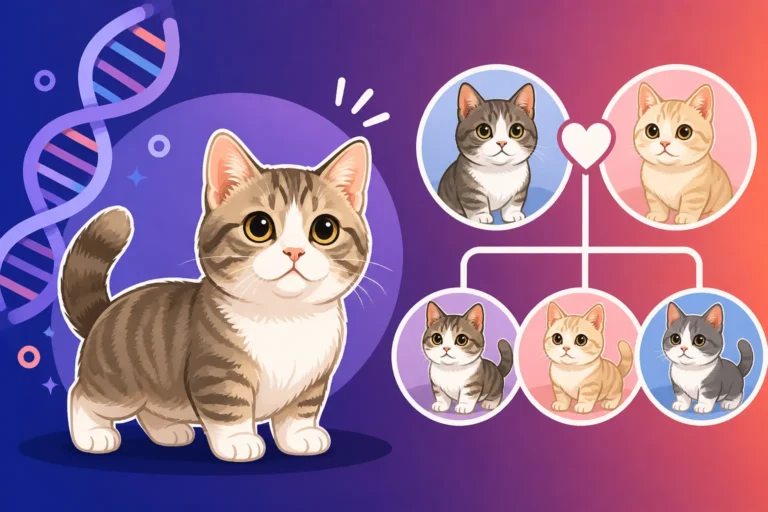
It’s a common worry for anyone bringing a new cat into their home, especially with a unique breed like the Munchkin: what hidden health concerns might be lurking in their genetic background? When it comes to Munchkin cats, their distinctive short legs come from a dominant gene, and to maintain a healthy and viable breed, they are always bred to normal-legged domestic cats. This process, known as outcrossing, introduces a vast array of genetics, and it naturally raises questions about whether your adorable, short-legged companion might inherit health problems from these diverse ancestral lines. This guide will delve into the realities of Munchkin outcrossing and what it means for your cat's health.
Understanding Munchkin Outcrossing and Genetics
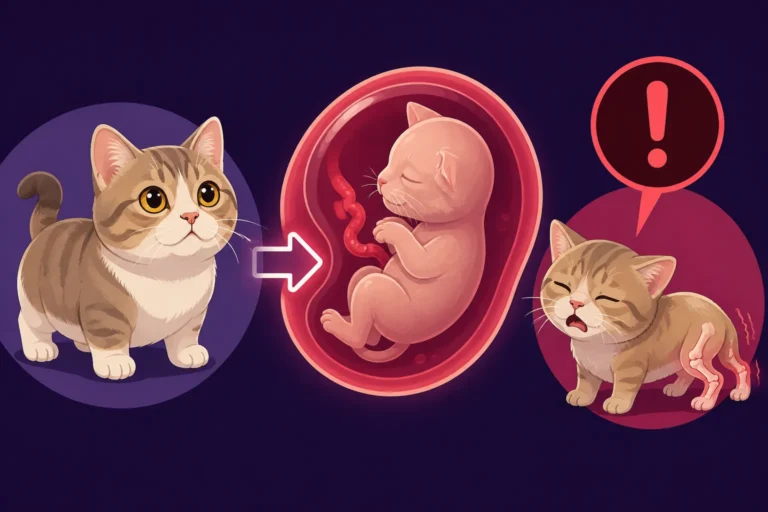
The unique appearance of the Munchkin cat, defined by its shortened limbs, is a direct result of an autosomal dominant gene. This genetic trait, while giving the breed its hallmark look, carries a significant implication: the gene is lethal in two copies. This means that if two short-legged Munchkin cats were bred together, any kittens inheriting two copies of the short-leg gene would not survive gestation. This fundamental genetic reality dictates the entire breeding strategy for Munchkin cats.
Why Outcrossing is Essential for Munchkin Breeding
Because of the homozygous lethal nature of the Munchkin gene, breeders absolutely cannot breed two short-legged Munchkins together. To ensure the viability of every litter and to maintain genetic diversity, a short-legged Munchkin must always be bred to a normal-legged cat. This practice is known as outcrossing, and it's not just a recommendation; it's a strict requirement for responsible Munchkin breeding. The normal-legged cat, often referred to as a "Munchkin-variant" or "non-standard Munchkin," does not carry the short-leg gene itself, preventing the possibility of a kitten receiving two copies of the gene. This ensures that every Munchkin litter is a healthy mix of short-legged and normal-legged kittens, avoiding the fatal combination. You can learn more about Why a Munchkin is Always Bred to a Normal Legged Cat.
Outcrossing is the lifeline of the Munchkin breed, preventing a genetic dead end. Without it, the breed simply wouldn't exist beyond a single generation. It's a critical genetic strategy that ensures new bloodlines are continually introduced, which in theory, should lead to a robust and healthy gene pool. This genetic refreshment is often cited by breeders as a positive aspect, suggesting that Munchkins, due to their wide range of outcrosses, might possess a broader genetic diversity than some other purebred cats with closed studbooks.
However, this necessity also opens the door to the very question we're addressing: what happens when you introduce genetics from a domestic cat with an unknown or only partially known lineage? While outcrossing brings diversity, it also means that the genetic health of the outcross parent directly impacts the potential health of the Munchkin kittens. This is where careful selection of outcrosses and diligent health screening become paramount for breeders.
How Outcrossing Introduces New Genetic Material
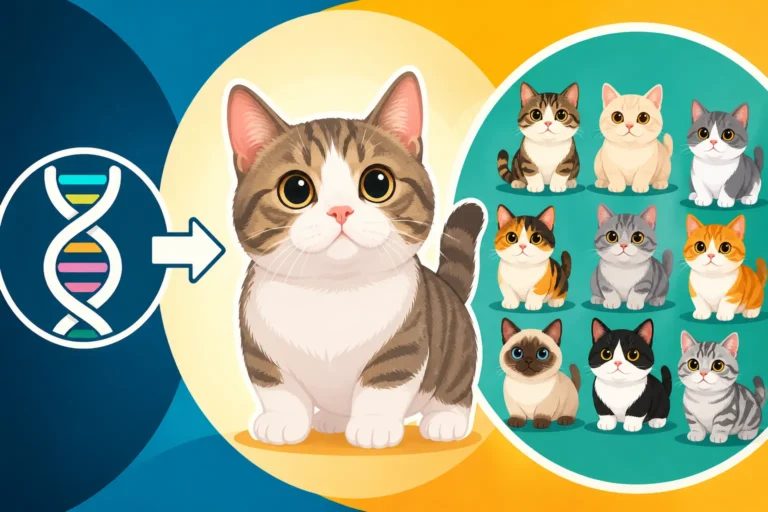
When a Munchkin cat is outcrossed with a domestic shorthair or longhair cat, the resulting kittens inherit a mix of genes from both parents. For the short-legged kittens, they get one copy of the Munchkin gene from their Munchkin parent and a whole host of other genes from both the Munchkin parent and the normal-legged outcross parent. This is a double-edged sword: it introduces beneficial genetic diversity, but it also means that any genetic predispositions to illness present in the outcross cat's lineage can potentially be passed on.
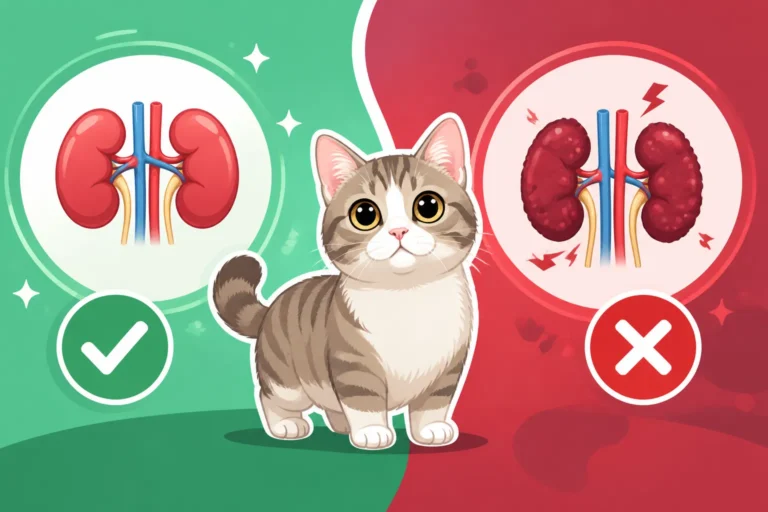
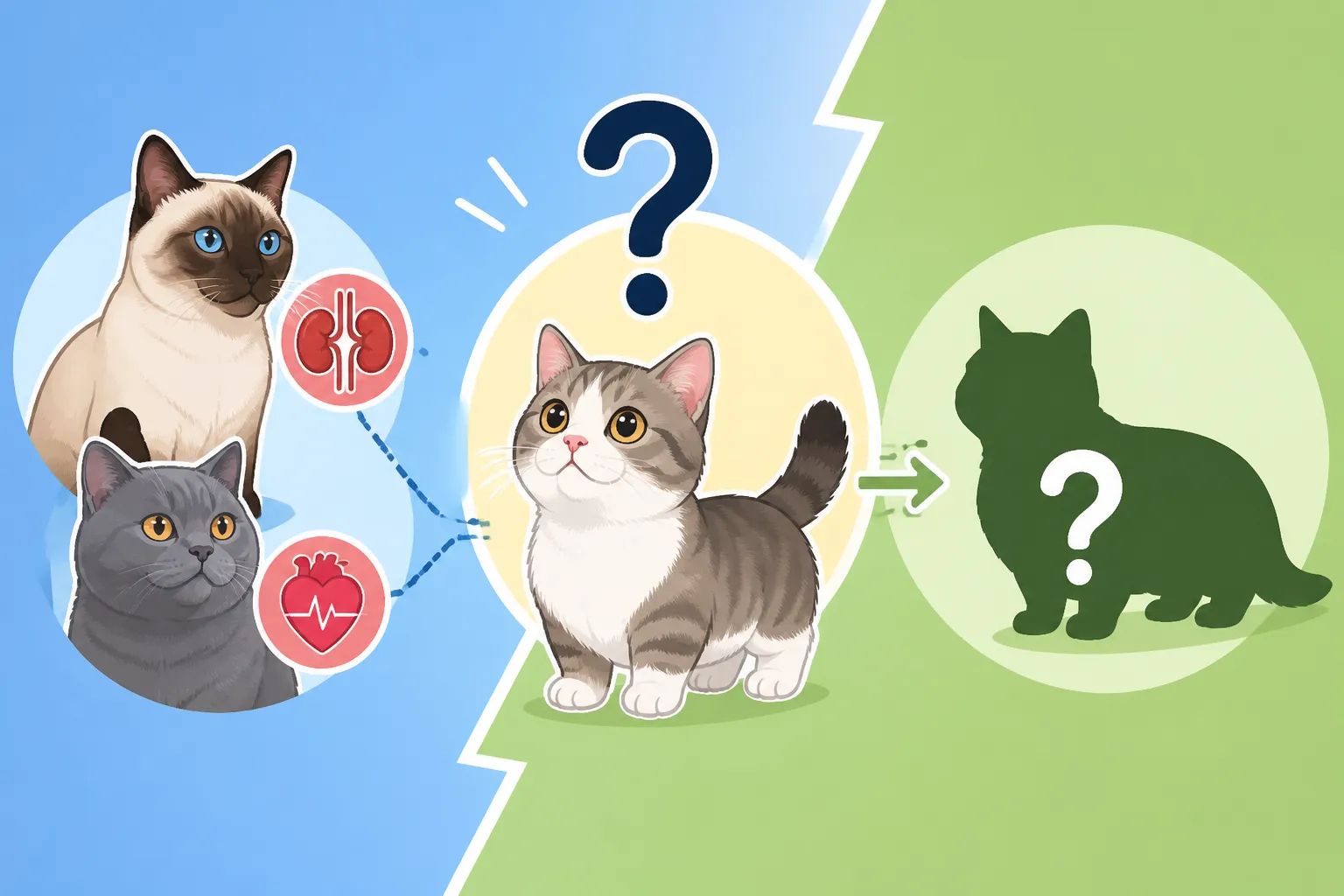
For example, if the normal-legged outcross cat comes from a line prone to certain heart conditions or kidney diseases, those genetic tendencies could theoretically be carried forward into the Munchkin kittens. This is why the choice of the outcross partner is so incredibly important. Responsible breeders don't just pick any domestic cat; they meticulously research the health history of their outcrosses, seeking individuals with no known genetic conditions and robust health. Understanding Which Domestic Cats Are Used as Munchkin Outcrosses can give you a clearer picture of the genetic landscape involved.
The benefit of a broad gene pool is that it can reduce the incidence of breed-specific genetic diseases that often plague breeds with limited genetic diversity due to intensive inbreeding. However, the trade-off is that you might be dealing with a wider range of potential issues that aren't specific to the Munchkin breed itself but rather common ailments found in the general cat population, or even specific issues from certain outcross lines. It becomes a balancing act of maintaining the Munchkin's defining characteristic while ensuring overall robust health through responsible outcross selection and screening.
The Role of Pedigrees in Tracing Ancestry
For purebred cats, a pedigree is essentially a family tree, detailing generations of ancestors and their health information. While Munchkin cats are registered with organizations like TICA, their pedigrees will often show "outcross" entries, indicating where a normal-legged domestic cat was introduced. For prospective owners, understanding these pedigrees, even with their outcross sections, is crucial. A responsible breeder will be transparent about the lineage of both the Munchkin parent and the normal-legged outcross parent.
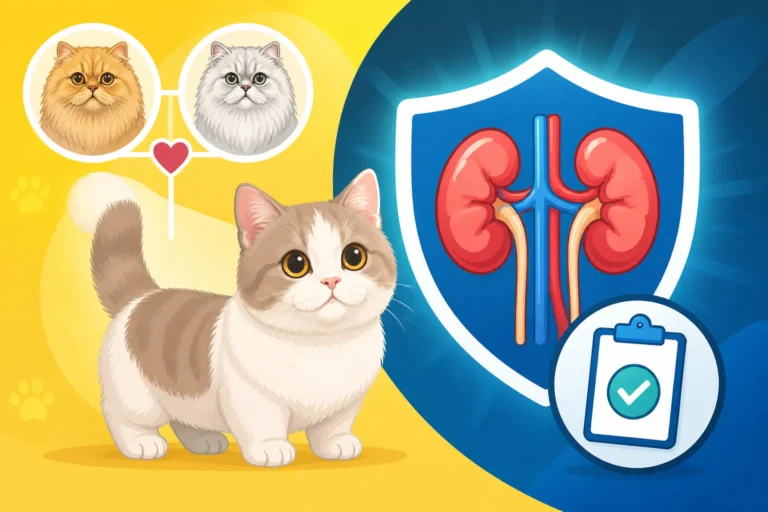
A good pedigree should not only confirm the cat's lineage but also provide insights into the health screening performed on previous generations. While the Munchkin gene itself has not been identified, and therefore no specific DNA test exists for it, many genetic health tests are available for conditions common in various domestic cat breeds. This means that if a breeder uses an outcross from a specific recognized breed, they should ideally provide health clearances for conditions known in that breed. For instance, a Persian outcross should have been screened for Polycystic Kidney Disease (PKD), and a Maine Coon outcross for Hypertrophic Cardiomyopathy (HCM).
When examining a pedigree, look for consistency in the health clearances provided by the breeder, not just for the Munchkin line, but also for the outcross lines. This dedication to health screening on both sides of the family tree is a strong indicator of a breeder's commitment to producing healthy kittens. Don't hesitate to ask questions about any gaps in the pedigree or health history. A reputable breeder will have this information readily available and be happy to discuss it with you. This meticulous record-keeping is part of what a knowledgeable owner should expect to see from What a Munchkin Breeder Should Be Able to Show You.
Specific Health Concerns from Outcross Breeds
While the Munchkin breed itself is primarily defined by its short legs and the associated potential for musculoskeletal issues, the wide range of outcrosses means they can potentially inherit any genetic condition prevalent in the general domestic cat population or specific issues from the purebred lines used for outcrossing. This makes thorough health screening and understanding common breed-specific problems in potential outcrosses vitally important.
Common Outcross Breeds and Their Associated Health Issues
Munchkin breeders typically utilize healthy domestic shorthairs or longhairs as outcrosses. These cats generally have a broad genetic base and are less prone to specific genetic diseases than some highly inbred purebred lines. However, they are still susceptible to common feline ailments like dental disease, obesity, and kidney issues, which any cat owner should be aware of.
Sometimes, purebred cats are used as outcrosses to introduce specific traits, leading to new "hybrid" breeds like the Minuet (Munchkin x Persian) or the Bambino (Munchkin x Sphynx). When this happens, the Munchkin offspring can potentially inherit the health problems associated with the purebred outcross. For example:
- Persian Outcrosses: Persians are known for several hereditary issues, including Polycystic Kidney Disease (PKD), which is detectable via DNA test, and Hypertrophic Cardiomyopathy (HCM), a heart condition. If a breeder uses a Persian or a Minuet, it's absolutely critical that the Persian lineage has been screened for PKD and HCM. This is why Why a Munchkin From a Persian Cross Needs a PKD Test is a specific concern for these crosses.
- Sphynx Outcrosses: Sphynx cats are predisposed to conditions like Hypertrophic Cardiomyopathy (HCM) and Hereditary Myopathy (a muscle weakness). A Bambino (Munchkin x Sphynx) would carry these potential risks alongside the Munchkin's characteristic short legs.
- Scottish Fold Outcrosses: This is perhaps one of the most controversial outcrosses. Scottish Folds carry a dominant gene for folded ears, but this gene is also linked to Osteochondrodysplasia, a painful degenerative joint and bone disease that affects the entire skeletal system. Breeding a Munchkin with a Scottish Fold essentially combines two skeletal mutations, creating a cat that can suffer from both the Munchkin's limb shortening and the Scottish Fold's severe joint pain. This combination is widely condemned by veterinary and animal welfare organizations, and it's important to understand Why a Munchkin From a Scottish Fold Cross Is a Warning.
It's clear that the health implications largely depend on the specific outcrosses used. A Munchkin from a well-screened domestic cat outcross will likely have fewer "breed-specific" inherited conditions than one from a poorly selected purebred outcross known for genetic diseases.
Recognizing and Screening for Inherited Conditions
For prospective Munchkin owners, recognizing and screening for inherited conditions starts with asking the right questions and observing the kittens and their parents. While a Munchkin DNA test does not exist for the short-leg gene itself, many genetic tests do exist for conditions prevalent in specific outcross breeds or common in the general cat population.
When you're speaking with a breeder, inquire about the health screening they perform on both their Munchkin breeding cats and their outcrosses. This should include:
- Feline Leukemia Virus (FeLV) and Feline Immunodeficiency Virus (FIV) tests: These are standard for any breeding cat.
- Genetic tests for specific conditions: If a purebred outcross is used, ask for documentation of genetic testing for conditions relevant to that breed (e.g., PKD for Persians, HCM for Maine Coons/Sphynx, etc.). Even for domestic shorthair outcrosses, some breeders may opt for broader genetic panels.
- Physical examinations and veterinary clearances: Ensure all breeding cats have regular veterinary check-ups and are free from obvious health defects. For Munchkins, this often includes careful palpation of the spine to check for lordosis or pectus excavatum.
- Observing the parents: Ask to see the parents, especially the outcross parent. Observe their gait, energy levels, temperament, and overall health. A healthy, active parent is a good indicator of healthy offspring.
It’s important to understand that Why the Munchkin Gene Has Not Been Identified doesn't mean breeders can't screen for other genetic conditions common in their outcrosses or general feline health problems. You should seek transparency and detailed documentation from any breeder you consider.
The Ethical Considerations of Hybrid Breeds
The discussion around Munchkin outcrossing often expands into the realm of "hybrid" or "designer" breeds that combine the Munchkin gene with other genetic mutations. These breeds, such as the Scottish Fold Munchkin (sometimes called a Scottish Kilt or similar names), the Sphynx Munchkin (Bambino), or the Persian Munchkin (Minuet), are often created to combine multiple distinctive physical traits. However, this practice is fraught with ethical concerns, particularly when it involves stacking two known genetic mutations that can cause health problems.
Veterinarians and animal welfare organizations frequently express strong objections to these combinations. The primary concern is that by combining two genes that independently cause skeletal or other health issues, the resulting cat may experience a magnified or compounded level of suffering. For instance, pairing the Munchkin's short-leg gene with the Scottish Fold's osteochondrodysplasia gene can lead to kittens with extremely painful joint deformities and spinal issues far more severe than either condition alone. This stacking of mutations is a significant welfare concern, as detailed in Why Munchkin Hybrids Stack Two Mutations.
Responsible breeders prioritize the health and welfare of their cats above all else. This means avoiding breeding practices that knowingly introduce or compound genetic predispositions to illness or pain. As a prospective owner, being aware of these ethical debates is crucial. If you encounter breeders offering Munchkin crosses that involve other genetic mutations, especially those affecting bone and cartilage, it's wise to proceed with extreme caution and seek advice from multiple independent veterinary sources. Your future cat's quality of life depends on making an informed and ethical choice.
Mitigating Risks and Ensuring a Healthy Munchkin
Bringing a Munchkin into your home involves a commitment to understanding their specific needs, including how their unique genetics interact with their overall health. The good news is that with responsible breeding practices and diligent lifelong care, many Munchkin cats live full, healthy lives. It's all about making informed choices and being prepared.
The Importance of Responsible Breeding Practices
At the heart of mitigating risks is the breeder. A responsible Munchkin breeder is your first and most important line of defense against inherited health problems. They understand the genetic implications of the Munchkin gene and the necessity of careful outcrossing. Their practices go far beyond simply mating two cats; they involve meticulous planning, health testing, and a deep commitment to the welfare of their animals.
Key aspects of responsible breeding include:
- Health Screening: They will perform thorough health screenings on all breeding cats, including the outcrosses. This means testing for common feline diseases (FeLV/FIV) and any genetic conditions specific to the outcross breed (e.g., PKD, HCM). They should provide proof of these tests.
- Careful Outcross Selection: Responsible breeders select outcrosses not just for temperament and conformation but primarily for their robust health and absence of known hereditary conditions in their lineage.
- Transparency: They are open and honest about their breeding practices, the health history of their lines, and any potential health risks associated with the breed. They welcome questions and provide detailed information.
- Support and Guarantees: A good breeder will offer health guarantees on their kittens and provide ongoing support to new owners, acting as a resource for advice and concerns. They will also educate you on Why Every Munchkin Litter Is a Carrier Cross and what that means for the kittens.
If a breeder seems evasive about health testing, refuses to let you see the parents, or downplays the importance of genetic screening, these are significant red flags. Your due diligence in finding a reputable breeder is paramount.
What Prospective Owners Should Ask Breeders
As a prospective Munchkin owner, you have a critical role to play in ensuring you bring home a healthy kitten. Don't be shy; ask direct and detailed questions. A good breeder will appreciate your thoroughness. Here’s a checklist of questions you should consider asking:
- "What health screenings do you perform on your breeding cats, including the outcrosses?" Ask for copies of test results for both parents.
- "Can I meet the parents of the kitten?" Observing their health, temperament, and movement is invaluable.
- "What is the health history of the outcross line you've used for this litter?" If it's a purebred outcross, ask about breed-specific genetic tests. For example, if it's a Persian cross, inquire about Why a Munchkin From a Persian Cross Needs a PKD Test.
- "Have there been any instances of lordosis, pectus excavatum, or other skeletal issues in your lines?" While these aren't inherited from outcrosses in the same way, they are important Munchkin health considerations.
- "What is your health guarantee, and what does it cover?" Understand the terms and duration.
- "At what age do your kittens leave for their new homes, and what veterinary care have they received?" Kittens should have a thorough vet check and their first vaccinations before leaving. Understanding What a Munchkin Kitten's First Exam Should Cover can guide your questions.
Listen carefully to the answers. A breeder who is confident in their program and committed to health will be happy to provide detailed information and demonstrate their dedication.
Lifelong Veterinary Care and Health Monitoring
Even with the most responsible breeding and a seemingly healthy kitten, lifelong veterinary care and proactive health monitoring are essential for any pet, including a Munchkin. Their unique physical structure means certain areas might require more attention as they age.
Regular veterinary check-ups are fundamental. Your vet can help monitor your Munchkin's weight, joint health, and overall condition. For Munchkins, specific attention may be paid to their spine and joints, particularly the shoulders and elbows, due to the unique way their short legs impact their movement and weight distribution. Discuss with your vet what specific observations they make during examinations. As they get older, regular blood panels become important to monitor conditions like kidney function or hyperthyroidism, especially when considering Which Blood Values Matter Most in a Munchkin.
Consider investing in pet insurance early in your Munchkin's life. Providers like Healthy Paws can offer peace of mind, helping to cover unexpected veterinary expenses, which can be significant if a genetic condition from an outcross line, or a musculoskeletal issue related to the Munchkin's conformation, arises. Having a good policy from Healthy Paws in place before any pre-existing conditions are diagnosed means you can focus on your cat's health without financial stress. Pet insurance can be a valuable tool in budgeting for How Much a Munchkin Costs Over Thirteen Years.
Being attentive to your Munchkin's behavior is also crucial. Any changes in their gait, a reluctance to jump (even small distances), signs of pain, changes in appetite, or difficulty grooming should prompt a visit to the vet. Proactive care, a watchful eye, and a strong partnership with your veterinarian are the best ways to ensure your Munchkin cat thrives throughout its life, regardless of its outcross ancestry.
| Common Outcross Breeds/Types | Potential Inherited Health Issues (from outcross) | Screening Methods (examples) | Ethical Considerations |
|---|---|---|---|
| Domestic Shorthair/Longhair | General feline ailments (dental, obesity, kidney issues, some cancers) | General vet check-ups, regular bloodwork | Good genetic diversity; low risk of specific inherited diseases if healthy. |
| Persian | Polycystic Kidney Disease (PKD), Hypertrophic Cardiomyopathy (HCM) | DNA test for PKD, Echocardiogram for HCM | Outcross must be rigorously screened for these conditions. |
| Sphynx | Hypertrophic Cardiomyopathy (HCM), Hereditary Myopathy | Echocardiogram for HCM, genetic testing for Myopathy | Outcross must be rigorously screened for these conditions. |
| Maine Coon | Hypertrophic Cardiomyopathy (HCM), Hip Dysplasia | Echocardiogram for HCM, X-rays for Hip Dysplasia | Outcross must be rigorously screened for these conditions. |
| Scottish Fold | Osteochondrodysplasia (painful joint/spinal disease) | Physical examination, X-rays | Highly unethical due to stacking two skeletal mutations, leading to severe pain and suffering. |
Disclaimer
This article is for general informational purposes only and does not constitute professional advice. Laws, prices and regulations vary by location and change over time. Consult a qualified professional for guidance on your specific situation.