How to Tell Stiffness From Old Age in a Munchkin
It's incredibly tough when your cherished Munchkin starts to show signs of slowing down, isn't it? You see them hesitate before a jump, or move a little less fluidly, and your heart sinks. The big question always looms: is this just a normal part of getting older for my beloved short-legged companion, or is it something more significant, like actual pain or a progressing health issue? This guide is here to help you navigate these often subtle and worrying changes, teaching you how to differentiate between typical senior cat behaviors and true stiffness that might signal discomfort, allowing you to provide the best care possible.
Understanding the Unique Challenges for Munchkins
Living with a Munchkin means understanding their unique physical makeup. Their short legs are adorable, but they also mean their bodies operate differently, and this becomes especially relevant as they age. What might be a minor stiffness in a long-legged cat can present as a more pronounced struggle for a Munchkin, making it harder for us to tell if it's just a bit of age or something deeper.
Why a Munchkin's Anatomy Exacerbates Aging Concerns
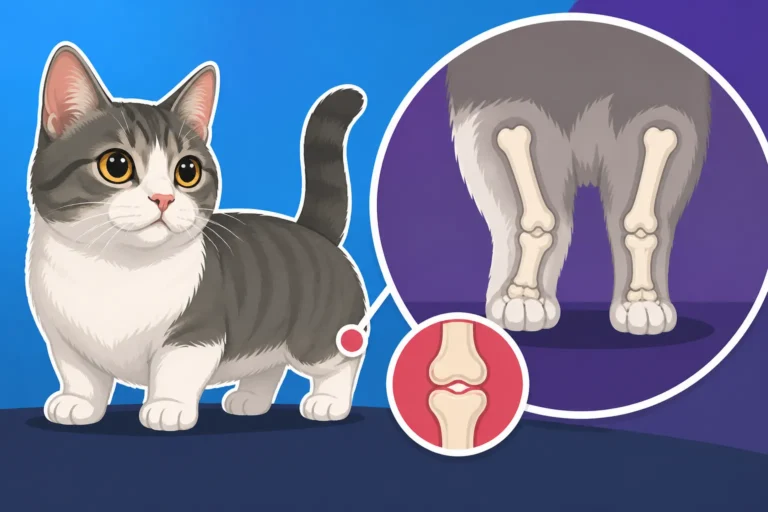
Munchkins possess a condition called pseudoachondroplasia, which results in their characteristically short limbs. While their spine itself is typically of normal length, this unique skeletal structure means their joints, particularly in the shoulders, elbows, and hips, carry and distribute weight differently. Think about how a regular cat uses its long legs as shock absorbers when jumping down from a height; a Munchkin's shorter limbs mean less leverage and potentially more direct impact on those smaller joints. This constant, slightly altered biomechanical stress over years can mean that wear and tear might manifest differently, or even earlier, than in a cat with standard leg length. It’s crucial to remember that Why a Munchkin's Spine Carries a Load a Normal Cat's Does Not becomes increasingly relevant as they enter their golden years, as any added strain can have a ripple effect.
As your Munchkin ages, this anatomical reality means that what seems like simple stiffness could actually be an indication of joint discomfort or early arthritis. They might not complain loudly, as cats are masters at hiding pain. Instead, you might notice subtle hesitations, changes in their preferred sleeping spots, or a general reluctance to engage in activities they once loved. The normal length of their spine, combined with the shortened limbs, creates a body dynamic that requires careful observation, as any discomfort in their joints can impact their overall mobility and comfort in profound ways.
The Baseline of a "Normal" Aging Munchkin
Just like us, cats naturally slow down as they age. An elderly Munchkin might take more naps, be less interested in intense play sessions, or move with a bit less spring in their step. This general mellowing and a reduction in high-energy antics are often completely normal. You might notice they prefer sleeping in sunbeams for longer periods or are content with a gentle cuddle rather than chasing a feather wand across the room. These are not necessarily signs of pain, but simply an indication that they're entering a more relaxed phase of life.
A "normal" aging Munchkin might also have some minor stiffness first thing in the morning, much like people feel a bit creakier after a long night's sleep. They might take a few extra moments to stretch out their little bodies before getting up, or might not launch themselves off the bed with the same gusto they did as a youngster. Their appetite and thirst should remain steady, their litter box habits consistent, and their overall demeanor should still be happy and engaged, even if slightly subdued. It’s about observing patterns and consistency; occasional slowness is one thing, but a sudden, marked change is another entirely.
Signs of Stiffness vs. Normal Old Age
Distinguishing between natural slowing down and actual discomfort in an aging Munchkin can feel like detective work. Their stoic nature often means they won't cry out in pain, so we need to be keen observers of their daily habits and physical cues.
Observing Subtle Changes in Movement and Gait
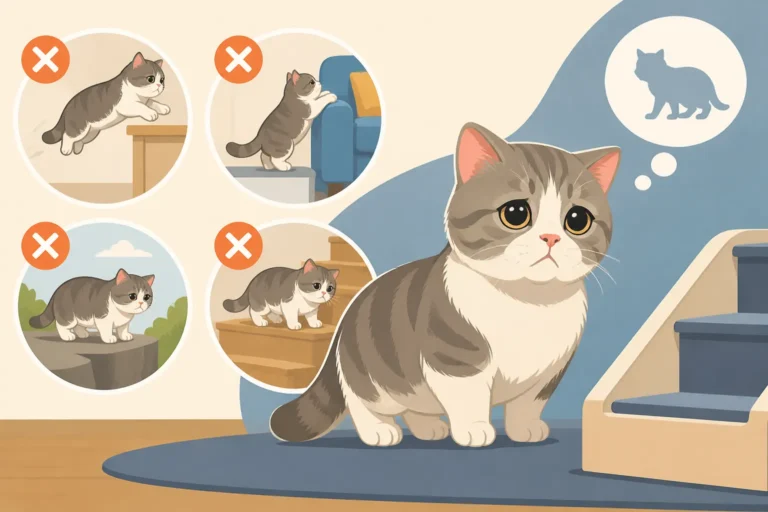
One of the first places to look for clues is how your Munchkin moves. A truly stiff or painful Munchkin won't necessarily limp overtly, especially at first. Instead, you might notice a subtle alteration in their unique "ferret-like" gait. They might take shorter, choppier steps, or their characteristic low-to-the-ground shuffle could appear more labored. Observe them closely as they navigate around furniture or use their ramps. Do they hesitate at the base of a ramp they used to dart up? Do they take a longer, more circuitous route to reach a favorite spot that once involved a quick, easy jump? Why an Old Munchkin Stops Using Its Ramp is a huge red flag that something more than just aging might be at play.
Another tell-tale sign is a change in their landing strategy after a small jump. While a Munchkin's jumping ability is naturally limited, they do manage to get to certain lower surfaces. If they start landing with a harder thud, or seem to brace themselves more stiffly upon impact, it could indicate discomfort in their Why a Munchkin's Elbows Take the Landing or shoulders. You might even notice a reluctance to stretch fully or a less enthusiastic display of their famous "prairie dog sit" posture, as sitting up on their hind legs might put strain on an already sensitive spine or hip.
Changes in Daily Activities and Routines
Beyond just how they move, observe what they do, and what they stop doing. A Munchkin who is experiencing stiffness or pain might gradually cease engaging in certain activities they once enjoyed. This could manifest as avoiding their favorite window perch if it requires a jump, opting to sleep on the floor instead of the sofa, or showing less interest in batting at toys if it involves quick movements. If they used to greet you at the door with enthusiasm but now hang back, or if their playtime significantly dwindles despite your efforts to engage them with floor-level toys, these could be indicators.
Grooming is another key area. Cats are meticulous groomers, but reaching certain areas can become challenging for a Munchkin, especially their hindquarters, even at a younger age. As they get older and stiffer, this task becomes even harder. If you notice a sudden increase in matting around their back, tail, or belly that wasn't there before, it could be that What an Old Munchkin Stops Being Able to Do includes thorough self-grooming due to pain or reduced flexibility. Similarly, changes in litter box habits, such as going outside the box, might not just be a behavioral issue but could indicate that stepping into the box is causing discomfort, particularly if the entrance is not low enough.
Physical Examination at Home: What You Can Feel For
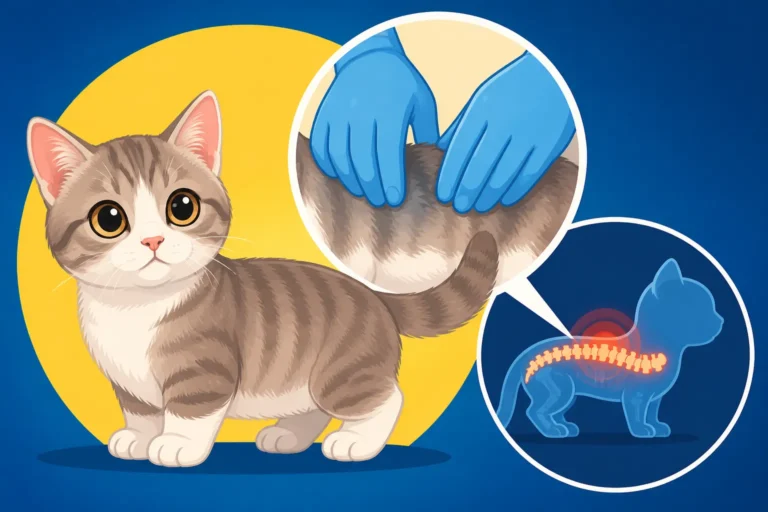
While a vet's professional touch is indispensable, you can perform some gentle at-home checks to help gather information. Start by observing your Munchkin when they are relaxed, perhaps purring during a petting session. Gently run your hands along their spine, down their short legs, and over their shoulders and hips. You're feeling for any warmth, swelling, or tensing of muscles that might not have been there before. Pay close attention to their reaction; do they flinch, pull away, or even give a little hiss or growl when you touch a particular spot? This could indicate a localized area of pain or discomfort.
Compare both sides of their body. Is one leg warmer than the other? Does one shoulder feel more prominent or less mobile? Check their paws for any overgrown nails that might be causing discomfort when walking, or matted fur between the toe beans. Remember to be extremely gentle. The goal isn't to diagnose, but to identify areas that might warrant a closer look by your veterinarian. Consistent, subtle changes in these areas over time are far more indicative of a problem than a one-off observation.
When to Consult Your Vet: Red Flags and Next Steps
Recognizing that something might be more than just "old age" is the first step, but knowing when to act is critical. Never hesitate to contact your vet if you have concerns, especially with a Munchkin.
Documenting Your Observations for the Vet
When you schedule that vet appointment, come prepared. Veterinarians rely heavily on your detailed observations, as they only get a snapshot of your cat's behavior during the exam. Start a simple journal, or even use your phone to record specific instances. Note down:
- When you first noticed the change.
- What specific behaviors changed (e.g., "stopped using the cat tree," "hesitates before jumping onto the sofa," "doesn't stretch as much in the morning").
- How often these behaviors occur.
- Any triggers (e.g., "worse after a long nap," "better after a gentle massage").
- Use videos: Short videos of your Munchkin trying to jump, walking, or struggling to groom can be incredibly valuable for your vet, as they can observe their natural movement without the stress of a clinic visit. This can help them interpret
What a Munchkin's Annual Visit Includes Its Gaitmore effectively.
Be honest about what you're seeing, even if it feels minor. The more information you provide, the better equipped your vet will be to connect the dots and recommend the most appropriate course of action. This detailed approach ensures that no subtle clue goes unnoticed, aiding in a more accurate assessment.
Diagnostic Tools Your Vet Might Use
Once you're at the vet, they'll perform a thorough physical examination, assessing your Munchkin's gait, joint mobility, muscle condition, and checking for any pain responses. If they suspect stiffness or pain beyond normal aging, they might recommend a few diagnostic tools:
- X-rays: These are often the first step to look at the skeletal structure, joints, and spine. They can reveal signs of arthritis, changes in bone density, or spinal issues like Lordosis Is the Spinal Curve the Munchkin Argument Is About. X-rays can show the extent of joint degeneration or even rule out more serious conditions.
- Blood Work: A general blood panel can help rule out systemic illnesses that might manifest as lethargy or weakness, such as kidney disease, hyperthyroidism (common in older cats), or diabetes, which can sometimes be confused with musculoskeletal pain.
- Urinalysis: This can detect urinary tract infections or kidney issues that might affect a cat's willingness to move or use the litter box.
- Trial Medications: In some cases, if the pain is suspected but not clearly visible on imaging, your vet might suggest a short course of anti-inflammatory medication to see if your Munchkin's mobility improves. This can help confirm a diagnosis of pain or discomfort.
Management Strategies for Age-Related Stiffness and Pain
If your vet confirms that your Munchkin is experiencing more than just normal old age, a comprehensive management plan will be put in place. This often involves a multi-pronged approach:
- Pain Relief and Anti-inflammatories: Your vet may prescribe medications to manage pain and reduce inflammation, such as NSAIDs (non-steroidal anti-inflammatory drugs) specifically formulated for cats. These can significantly improve their comfort and mobility.
- Joint Supplements: Glucosamine, chondroitin, and Omega-3 fatty acids are common supplements recommended to support joint health and potentially slow the progression of arthritis. Always use veterinary-approved supplements, as human supplements can contain ingredients toxic to cats.
- Environmental Modifications: Adapt your home to make life easier for your stiff Munchkin. This means ensuring How to Set Up Ramps Around a Munchkin's House so they can easily access favorite sleeping spots, furniture, and windows. Make sure their litter box has a low entry and their food and water bowls are raised slightly to reduce strain on their neck and shoulders.
- Weight Management: Maintaining a healthy How Much Weight a Munchkin Can Safely Carry is paramount. Every extra pound places additional stress on their joints, exacerbating pain and stiffness. Your vet can help you create a tailored diet plan to ensure your Munchkin stays at an ideal weight.
- Physical Therapy/Rehabilitation: In some cases, controlled exercises, gentle massage, or even hydrotherapy might be recommended by a veterinary physical therapist to improve muscle strength, flexibility, and overall mobility.
Addressing these issues proactively can greatly enhance your Munchkin's quality of life in their senior years. While the cost of diagnostics and ongoing care can sometimes be a concern, pet insurance providers like Healthy Paws can be a valuable resource to help cover unexpected veterinary expenses, allowing you to focus on your cat's well-being without added financial stress.
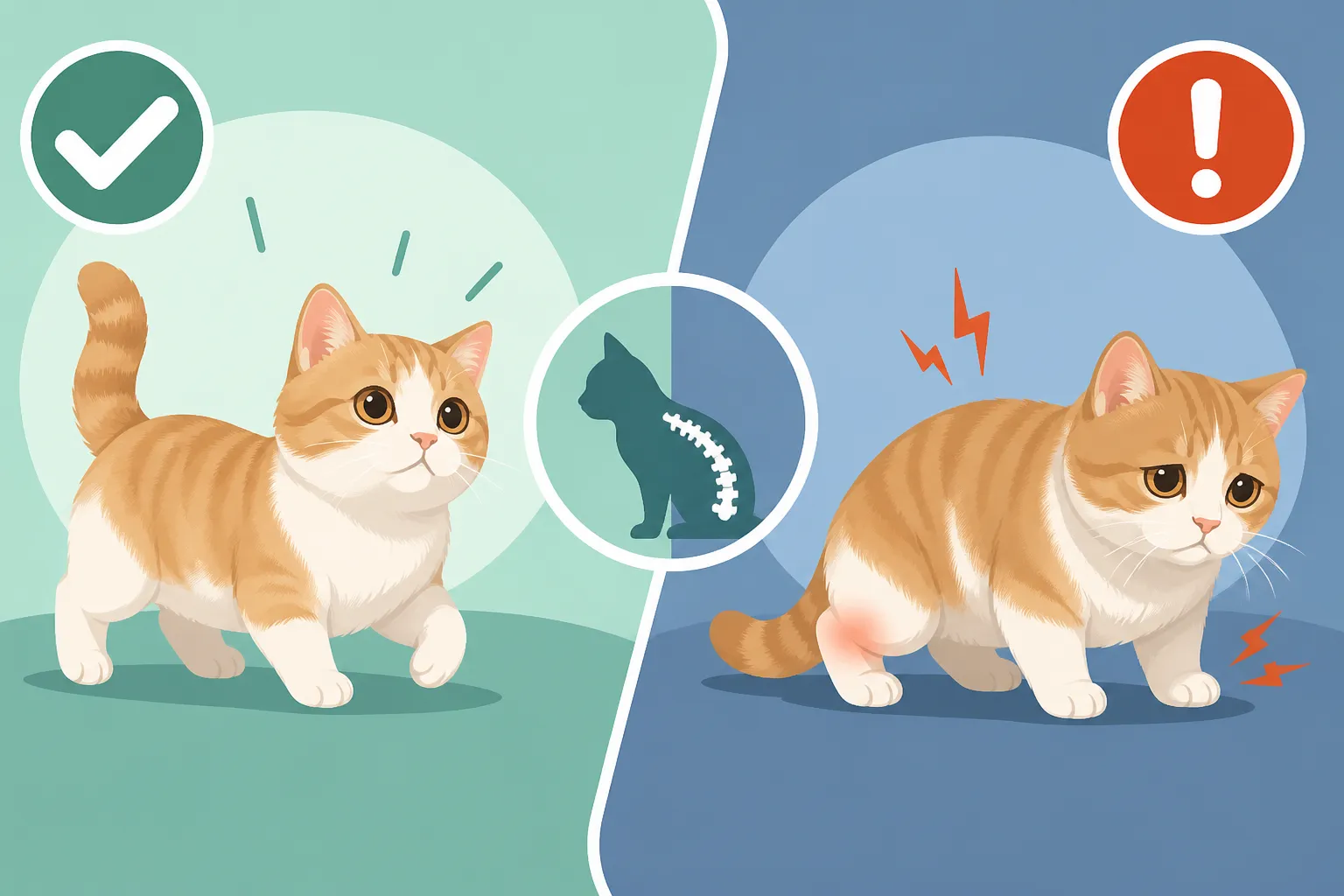
Comparing Normal Aging vs. Concerning Stiffness in Munchkins
To help you distinguish between the two, here’s a quick overview of what to look for:
| Characteristic | Normal Aging in Munchkins | Signs of Concern (Stiffness/Pain) in Munchkins |
|---|---|---|
| Energy Levels | More naps, generally mellow, less interest in strenuous play, still engaged with owners. | Significant decrease in play, lethargy, avoidance of interaction, increased hiding. |
| Movement & Gait | Slightly slower pace, takes a moment to stretch after rest, occasional mild stiffness. | Limping, obvious favoring of a leg, stiff or bunny-hopping gait, Why an Old Munchkin Stops Using Its Ramp. |
| Jumping/Climbing | Less frequent jumps to high places, may need minor assistance or use steps, still tries. | Complete avoidance of jumping, crying out when attempting, repeated failed attempts, inability to reach low surfaces. |
| Grooming Habits | May have occasional matting in hard-to-reach spots, but generally keeps clean. | Significant matting, unkempt coat, especially around hindquarters, What an Old Munchkin Stops Being Able to Do. |
| Appetite & Thirst | Consistent, healthy appetite and thirst. | Decreased appetite, difficulty reaching food/water bowls, changes in thirst. |
| Litter Box Habits | Consistent use of the litter box, no accidents. | Urinating/defecating outside the box, difficulty stepping into the box, changes in posture while eliminating. |
| Temperament | Still affectionate, responsive, may be a bit less tolerant of rough play. | Hissing/growling when touched, increased irritability, withdrawal, crying or vocalizing for no obvious reason. |
| Physical Touch | Enjoys petting, no visible pain responses. | Fliching, tensing, growling, or pulling away when touched in specific areas, visible swelling or warmth in joints. |
Observing these subtle differences in your Munchkin is key to providing them with the best possible care as they age. Your attentiveness and communication with your veterinarian are their best allies in maintaining a good quality of life.
Disclaimer
This article is for general informational purposes only and does not constitute professional advice. Laws, prices and regulations vary by location and change over time. Consult a qualified professional for guidance on your specific situation.