Whether a Munchkin Can Be Screened Before Purchase
Bringing a new Munchkin cat into your home is incredibly exciting, but the worry about their unique health needs can be overwhelming. Many aspiring owners find themselves asking if there's truly a way to know, before committing, that their future furry family member is healthy and free from potential breed-specific complications. This guide aims to clear up those anxieties and walk you through the proactive steps you can take for pre-purchase health screening.
Understanding the Unique Health Landscape of Munchkin Cats Before You Buy
The decision to welcome a Munchkin cat into your life is a big one, and it's completely natural to be concerned about their long-term health. Given their distinctive short legs, there’s often a lot of discussion, and sometimes misinformation, circulating about their health. This makes understanding the nuances of their health landscape before you even bring them home absolutely vital. You want to give your new companion the best start possible, and that begins with being informed and proactive.
Why Pre-Purchase Screening is So Crucial for Munchkins
Let's be real: no one wants to fall in love with a kitten only to discover hidden health issues down the line. For Munchkin cats, this concern is amplified because their defining characteristic – their short legs – is due to a genetic mutation. While many Munchkins live long, active lives, this genetic trait is associated with certain potential orthopedic and spinal considerations. It's not about being alarmist, but about being realistic and prepared. The short legs, while adorable, do mean that their musculoskeletal system functions differently, and this can lead to particular stressors. Understanding What the Short Legs Actually Cost a Munchkin in terms of potential health implications is part of being a responsible owner. Therefore, pre-purchase screening isn't just a good idea; for a Munchkin, it's an absolutely crucial step to ensure you're bringing home a healthy animal and to mitigate future heartbreak and veterinary expenses.
What a Breeder Should Be Screening For
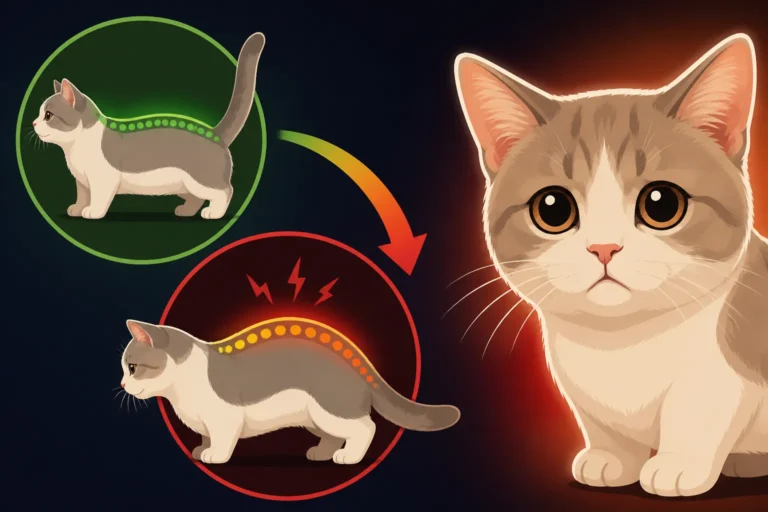
A truly responsible Munchkin breeder will be transparent and proactive about the health of their breeding cats and kittens. Beyond general feline health checks, such as ensuring all kittens are clear of common parasites and have received their initial vaccinations and deworming, there are specific screenings that are particularly pertinent to the Munchkin breed. For instance, reputable breeders will be vigilant for signs of lordosis, a spinal condition where the spine curves downwards, and pectus excavatum, also known as a sunken chest.
These conditions, while not exclusive to Munchkins, are sometimes discussed in relation to the breed, and early detection is key. A breeder should be able to discuss the health history of their breeding lines, including any incidence of these conditions in their cats or past litters. They should also be performing regular veterinary checks on their kittens. You want a breeder who can confidently discuss How Early Lordosis Shows in a Munchkin Kitten or describe What a Sunken Chest Feels Like on a Munchkin Kitten, rather than sidestepping these important topics. This transparency indicates a breeder who prioritizes health and stands by their animals.
The Different Types of Pre-Purchase Health Checks and Their Limitations
When you’re looking to bring a Munchkin into your home, you'll find there are several layers of "screening" you can undertake. Each offers a different perspective on the kitten's health and comes with its own set of insights and limitations. It's a bit like putting together a puzzle; no single piece gives you the whole picture, but combining them offers the clearest view.
Visual and Hands-On Assessment by You and the Breeder
Your initial visit to a breeder is your first line of defense, even before a formal vet check. This is where you become a detective, observing and interacting with the kittens and their environment. A healthy kitten should be bright, alert, and playful. Watch how they move. Do they run, jump (within their physical limits, of course), and play with ease? Their gait should be smooth, not stiff or awkward. Observe their body condition – are they too thin, or are their bellies distended (which could indicate worms)? Their fur should be clean and shiny, eyes clear, and nose free of discharge.
Beyond your own observations, the breeder themselves is a valuable resource. They spend every day with these kittens and should be able to point out their individual personalities and any health quirks. A good breeder will encourage you to spend time with the kittens, watching them interact and move freely. They should also be happy to let you gently handle the kittens, feeling their tiny bodies and noting any abnormalities. While this isn't a substitute for a professional opinion, your keen eye can often spot immediate red flags. You’re looking for kittens that move with the joyful abandon of youth, which can give you a good indication of their general comfort and well-being. This visual assessment is crucial for understanding how a Munchkin navigates its world, as hinted in discussions about How a Vet Assesses a Munchkin's Leg Conformation.
Veterinary Examination and What it Can (and Cannot) Reveal Early On
This is arguably the most critical step in pre-purchase screening: an independent veterinary examination. This means taking your chosen kitten to your own trusted veterinarian, not one recommended by the breeder, for a thorough health check. Your vet will perform a comprehensive physical exam, checking their heart and lungs, looking for signs of common ailments, and carefully palpating their spine and chest. They'll assess their overall conformation, paying close attention to their short legs and how they integrate with the rest of their body.
A vet can often detect early signs of conditions like heart murmurs, respiratory issues, and external parasites. They can also give an informed opinion on the kitten's overall vigor and whether they appear to be developing normally. However, it's important to understand the limitations. Some conditions, particularly orthopedic issues like arthritis or the full extent of lordosis, may not become apparent until the cat is older and puts more strain on their joints and spine. X-rays, which can reveal some skeletal abnormalities, are generally not routine for young kittens unless there's a specific concern. So, while a vet check is an excellent snapshot of current health, it cannot guarantee a lifetime free of issues. It's also worth noting that Why Vets Disagree About the Munchkin means you might encounter different perspectives, so finding a vet experienced with the breed is beneficial.
Genetic Screening and Pedigree Review
While there isn't a specific "Munchkin gene health test" in the same way there might be for a disease in another breed, genetic screening still plays a role, especially when considering the outcross breeds used in Munchkin lines. For instance, if the Munchkin line includes Persians or exotics, a DNA test for Polycystic Kidney Disease (PKD) would be highly relevant. Similarly, other breed-specific genetic diseases that affect common outcrosses should be screened for if applicable. This is why it's important to ask about the outcrosses used in the Munchkin’s lineage, and particularly why Why a Munchkin From a Persian Cross Needs a PKD Test is a smart question to ask a breeder.
Even more broadly, a thorough review of the kitten's pedigree is a form of "screening." A responsible breeder should provide a detailed pedigree showing several generations. This document allows you to look for any common ancestors that might indicate line breeding and to research the health of those lines. A pedigree can also reveal if the breeder is engaging in risky crosses, such as breeding two short-legged Munchkins together (which is lethal to homozygous embryos) or crossing with breeds known for severe skeletal issues like Scottish Folds, which can lead to compounding problems. A breeder who openly shares health information and certifications for their parent cats, and who can explain their breeding decisions, is a positive sign. They should also be able to declare Which Diseases a Munchkin Breeder Must Declare in their contract or discussions.
Empowering Yourself: Questions to Ask and Red Flags to Watch For
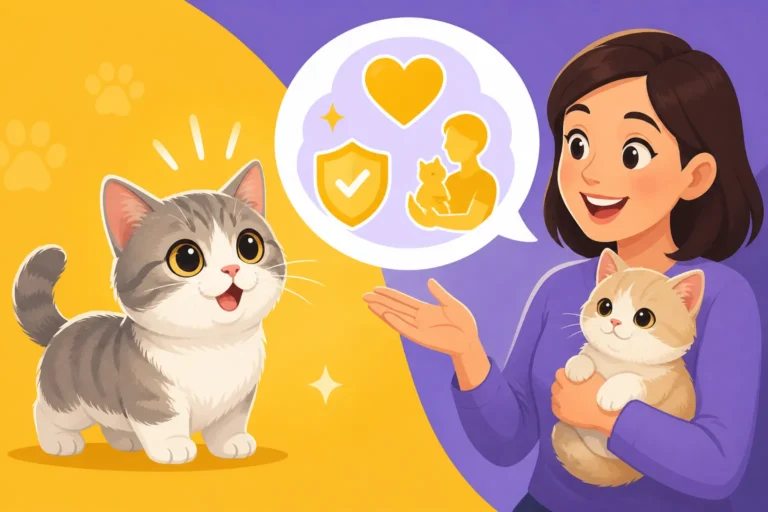
When you're embarking on the journey to find your Munchkin kitten, arming yourself with knowledge and knowing what to look for and what questions to ask is your superpower. You're not just buying a pet; you're adopting a family member for potentially well over a decade, and you want to ensure that bond starts on solid ground.
Key Questions for Your Breeder
Never be shy about asking questions! A good breeder will welcome your inquiries because it shows you're a serious, responsible prospective owner. Here's a table of crucial questions to ask:
| Question Category | Specific Questions to Ask | Why it Matters |
|---|---|---|
| Parent Health | "May I see the health records, including any genetic test results, for both parents?" | Shows transparency and proactive health management. Relevant for conditions like PKD if Persian outcrosses are used. |
| "Have the parents ever been diagnosed with lordosis, pectus excavatum, or orthopedic issues?" | Direct inquiry into potential breed-specific concerns that could be inherited or appear later. | |
| Kitten Health | "What veterinary checks have the kittens received? Can I see their vaccination and deworming records?" | Ensures basic preventative care is up-to-date. |
| "Have these specific kittens been checked for lordosis or pectus excavatum by a vet?" | Confirms early screening for these conditions. | |
| "How do you assess leg conformation, and what are your observations on this kitten's movement?" | Gives insight into the breeder's expertise and attention to detail. | |
| Breeding Practices | "What outcross breeds do you use in your lines, and why?" | Helps you understand genetic diversity and potential inherited traits from those breeds. |
| "Can you explain your health guarantee and what it covers?" | Defines the breeder's commitment to the kitten's health post-purchase. | |
| Environment & Care | "How are the kittens housed and socialized?" | Impacts their development, temperament, and exposure to potential health risks. |
| "Do you have any recommendations for a local vet familiar with Munchkin cats?" | Shows a breeder's commitment to ongoing care and their network. |
A breeder who is confident and open about these topics, and who welcomes your own vet check, is likely someone who puts the well-being of their cats first. They should be able to provide you with all the information you need, as covered in What a Munchkin Breeder Should Be Able to Show You.
Observing the Environment and the Kittens
When you visit the breeder, pay close attention to the overall environment. Is it clean, well-maintained, and free of strong odors? Do the kittens have access to toys, clean litter boxes, and fresh water? A good breeding environment fosters healthy, happy kittens. Observe the kittens themselves. Are they playful and curious? Do they approach you, or are they overly shy or fearful? Healthy, well-socialized kittens will generally be outgoing and engaged.
Red flags to watch out for include:
- Unsanitary conditions: This is a huge warning sign for potential health issues down the line.
- Sickly-looking kittens: Lethargy, runny eyes, sneezing, or a dull coat are all indicators of illness.
- A breeder who won't let you see the parents: This could be hiding genetic issues or poor conditions.
- A breeder who pressures you for a quick decision: Reputable breeders want to ensure their kittens go to the right homes and will allow time for consideration and proper vet checks.
- Lack of enthusiasm or transparency regarding health questions: If they get defensive or vague, that's a problem.
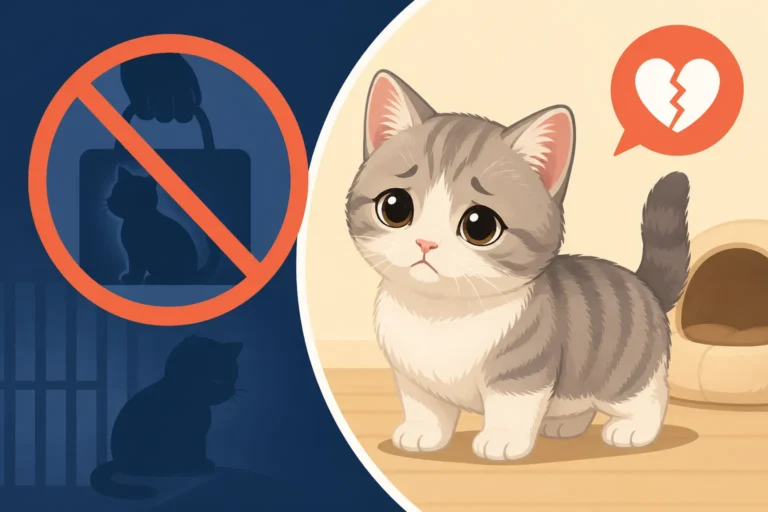
- Kittens kept in cages without opportunities to move freely: This makes it impossible to assess their natural gait and activity levels, which is crucial for a Munchkin. You really need to see Why to Watch a Munchkin Kitten Walk in Person to understand their movement.
Trust your gut feeling. If something feels off, it probably is.
The Role of Health Guarantees and Pet Insurance
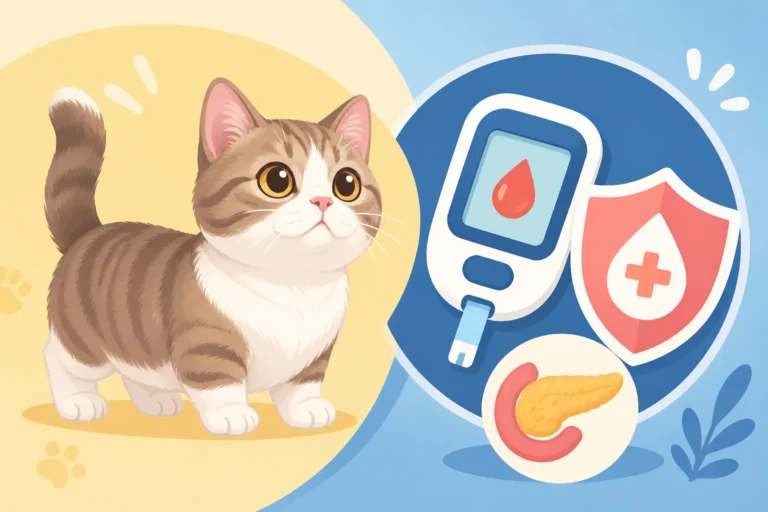
Even with the most rigorous pre-purchase screening, no one can guarantee a cat will never develop a health issue. This is where health guarantees from breeders and pet insurance come into play as crucial safety nets. A responsible breeder will typically offer a health guarantee, often for a period of one year (or sometimes longer for specific genetic conditions), against life-threatening congenital or hereditary diseases. Understand the terms of this guarantee fully: what conditions are covered, what the process is if a problem arises, and what the breeder's responsibilities are. It's a contractual agreement designed to protect both you and the kitten.
However, a health guarantee usually has limits, and it won't cover every possible illness or accident that might occur throughout your Munchkin's life. This is where pet insurance, like plans offered by Healthy Paws, becomes invaluable. Pet insurance can help manage the financial burden of unexpected veterinary expenses, from accidents to sudden illnesses and even ongoing conditions that develop later in life. It's crucial to research policies carefully to understand what is covered, what isn't, and any waiting periods or exclusions. For a Munchkin, you'll specifically want to ask Whether Pet Insurance Covers a Munchkin's Spine or other breed-specific concerns, as some policies might have exclusions for pre-existing conditions or certain hereditary traits. Investing in a good pet insurance plan early on, before any issues arise, can provide immense peace of mind and ensure you can always afford the best care for your beloved Munchkin.
Disclaimer
This article is for general informational purposes only and does not constitute professional advice. Laws, prices and regulations vary by location and change over time. Consult a qualified professional for guidance on your specific situation.