Why GCCF Refuses the Munchkin
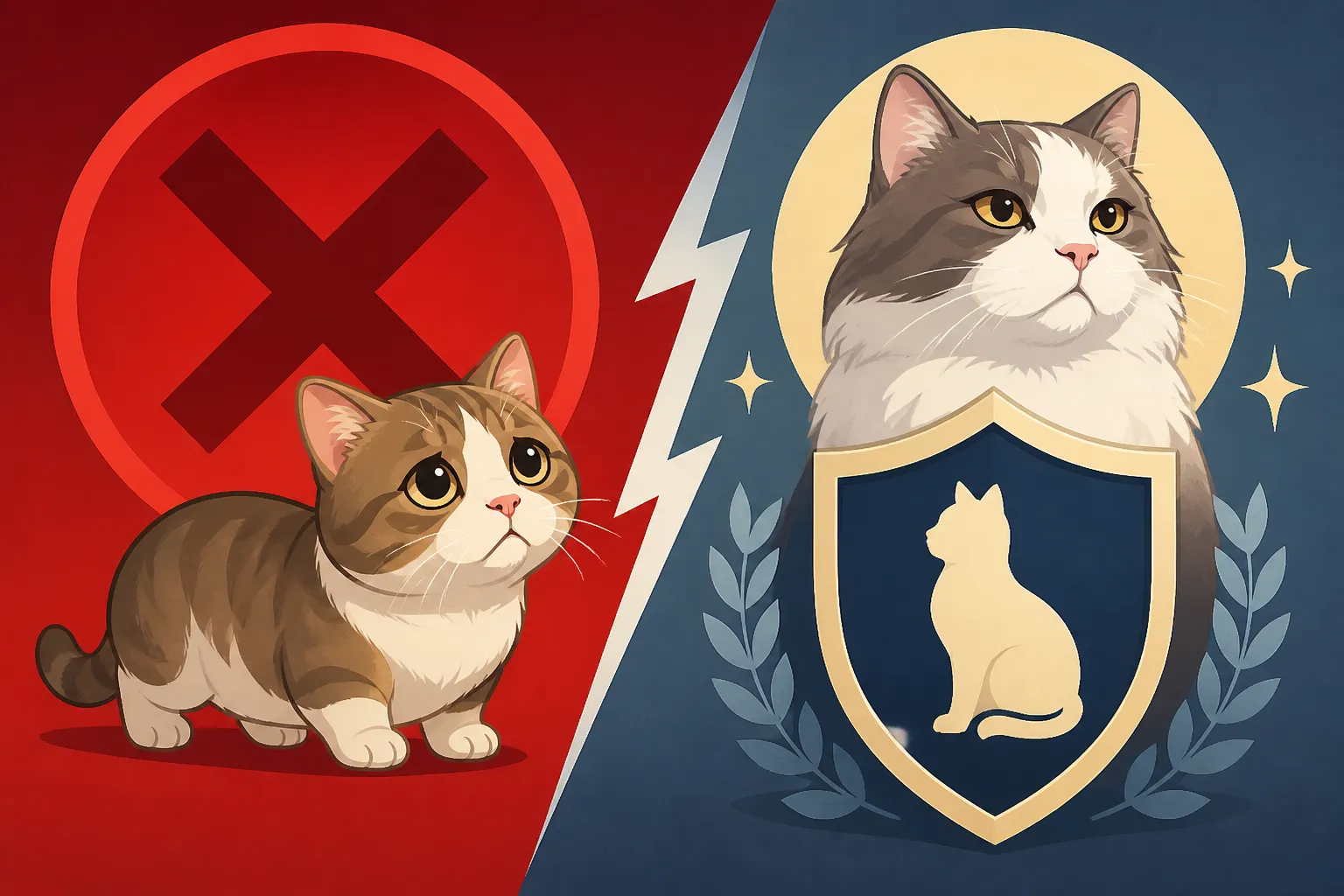
It can be incredibly confusing when you're trying to understand the world of cat breeds, especially when some major registries embrace a breed while others firmly refuse to acknowledge its existence. If you've been looking into the adorable Munchkin cat, you might have noticed that organizations like the Governing Council of the Cat Fancy (GCCF) in the UK simply won't list them. This guide aims to clear up that mystery, delving into the core reasons why the GCCF maintains its firm stance against the Munchkin breed.
The Core Concern: Welfare and Health Implications
At the heart of the GCCF's refusal to recognize the Munchkin cat lies a deep concern for the welfare and health of these unique felines. It's not about being against novelty; it's about prioritizing the inherent well-being of the animal over a distinctive appearance. The short legs that define the Munchkin are the result of a genetic mutation, and while undeniably cute, this mutation carries significant implications for their skeletal health and overall quality of life.
The Genetic Basis of Short Legs
The defining characteristic of the Munchkin is its incredibly short legs, a trait caused by a naturally occurring genetic mutation. This mutation results in a form of dwarfism known as pseudoachondroplasia, which affects the long bones of the legs. While breeders often emphasize that Munchkins are generally healthy and active, the GCCF, along with many veterinary associations, points to the potential for underlying skeletal issues directly linked to this genetic anomaly.
The gene responsible for Munchkin dwarfism is an autosomal dominant gene. This means that only one copy of the gene is needed for a cat to express the short-legged trait. However, it's also a lethal gene when present in two copies, meaning that any embryo inheriting two copies of the Munchkin gene will not survive. This inherent lethality raises significant ethical questions for many welfare-focused organizations. When you consider that breeders must always mate a short-legged Munchkin with a normal-legged cat to avoid this lethal outcome, you start to understand the complexities involved. The very genetic foundation of the breed, while producing charming short-legged cats, also carries a hidden cost in terms of non-viable embryos.
Predisposition to Spinal and Joint Issues
Beyond just the length of the legs, the Munchkin's unique skeletal structure raises concerns about its spine and joints. Two conditions, Lordosis Is the Spinal Curve the Munchkin Argument Is About and Pectus Excavatum and the Munchkin's Sunken Chest, are frequently cited by veterinary professionals and welfare organizations as potential issues more prevalent in Munchkins or exacerbated by their physiology.
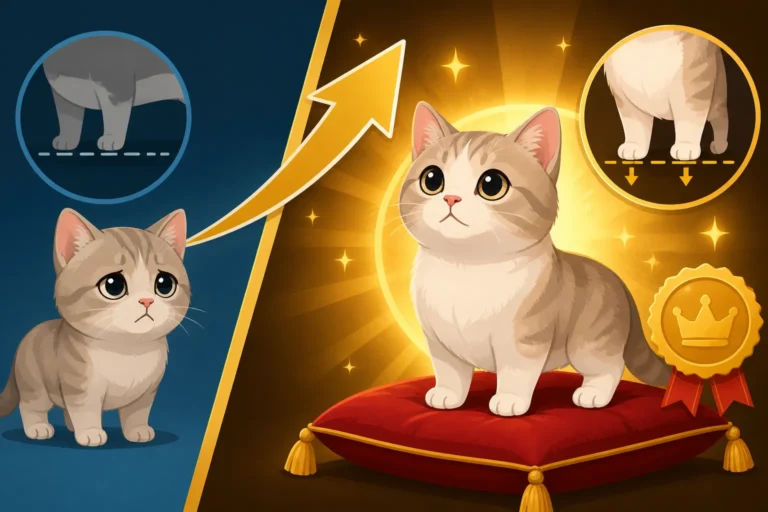
Lordosis refers to an abnormal inward curvature of the spine. In cats, particularly Munchkins, this can manifest as a dipping or sinking of the spine towards the abdomen. While not all Munchkins develop severe lordosis, the altered mechanics of their gait and the stresses placed on their unique spinal column can certainly contribute to its development. A severe case of lordosis can lead to compression of internal organs, impacting breathing and digestion, and causing chronic discomfort or pain. Imagine trying to carry a heavy load with an unnaturally curved back – that’s the kind of strain a Munchkin with lordosis might experience. Similarly, pectus excavatum, or a "sunken chest," is a congenital deformity where the sternum and ribcage grow inward. While not exclusive to Munchkins, it's a concern when considering breeds with altered skeletal structures. A sunken chest can restrict lung capacity and put pressure on the heart, leading to respiratory and cardiac issues. The argument from the GCCF's perspective is that intentionally breeding for a trait that could predispose cats to such conditions is fundamentally irresponsible. The question of Why the Frequency of Munchkin Spinal Problems Is Disputed often boils down to differing interpretations of available data and what constitutes an acceptable risk for a breed.
Mobility Limitations and Quality of Life
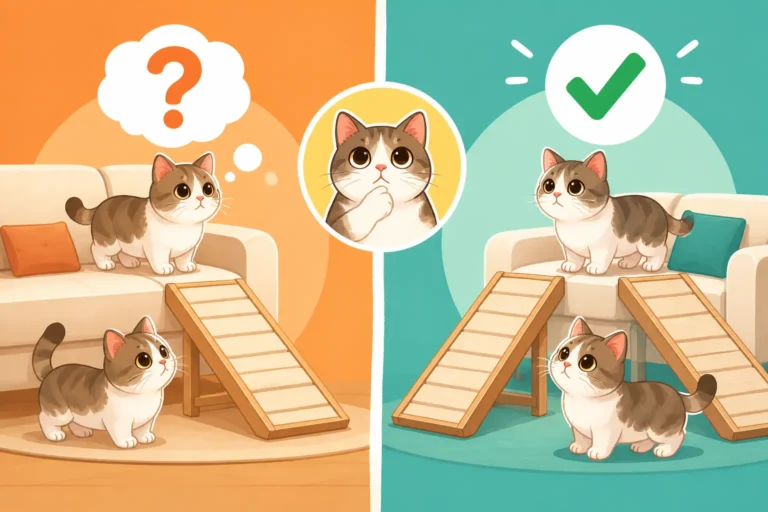
One of the most compelling arguments against recognizing the Munchkin breed from a welfare perspective revolves around their altered mobility and its impact on their natural feline behaviors. Cats are, by nature, agile climbers and jumpers. They use height for safety, observation, and play. The short legs of a Munchkin dramatically limit these natural abilities.
A Munchkin cat simply cannot jump as high as a normal-legged cat. While they are surprisingly agile on the flat, and many devise clever ways to navigate their environment, their inability to reach high shelves, windowsills, or the tops of cat trees without assistance changes their fundamental interaction with their world. This isn't just an inconvenience; it can impact their sense of security and their ability to escape perceived threats, whether from a rambunctious dog or an overzealous child. Think about the frustration of constantly wanting to reach something just out of your grasp. Furthermore, self-grooming, a crucial part of a cat's hygiene, can be significantly hampered. Many Munchkins struggle to adequately groom their hindquarters, a part of the body that normal-legged cats can easily reach. This can lead to matting, skin irritation, and even infections if not meticulously managed by their human companions. Owners might find themselves needing to provide regular "hygiene trims" or even full baths for their pets, tasks that are typically less frequent for other breeds. This also brings up the issue of why a Munchkin's spine carries a load a normal cat's does not, due to the altered biomechanics of its body.
GCCF's Stance on Genetic Health and Ethical Breeding
The GCCF has a long-standing reputation for being one of the more conservative and welfare-focused cat registries globally. Their approach to breed recognition is not merely about aesthetic appeal or popularity, but deeply rooted in principles of genetic health, ethical breeding practices, and the long-term well-being of the feline population.
Prioritizing Health Over Novelty
For the GCCF, the primary objective of any recognized breed standard is to describe a cat that can lead a full, healthy life without inherent genetic predispositions to debilitating conditions. They believe that a cat should be able to perform all the natural behaviors of its species without discomfort or difficulty stemming from its physical conformation. The Munchkin's short legs, while undeniably unique and appealing to some, are seen as a structural abnormality that potentially compromises this fundamental principle.
This focus means that breeds with extreme features, or those where a defining characteristic is directly linked to a genetic mutation that could negatively impact health, face significant hurdles to recognition. The GCCF’s rationale is that if a breed's characteristic trait introduces a welfare concern, then recognizing and thereby promoting that trait goes against their ethical mandate. It’s about setting a standard where health and functionality are paramount, rather than encouraging the breeding of animals for purely cosmetic reasons that might carry an unseen cost to the animal.
The Precedent of Other Breeds with Genetic Defects
The GCCF's stance on the Munchkin isn't an isolated decision; it aligns with their broader policy regarding breeds that carry known genetic defects or have features associated with health problems. While not always directly comparable, the philosophy behind their refusal of the Munchkin can be seen in their stringent rules or non-recognition of other breeds. They consistently assess whether a breed's defining characteristics could lead to chronic pain, reduced lifespan, or impaired natural behaviors.
Consider, for example, breeds with extreme brachycephalic (flat-faced) features in other animal groups, which often face scrutiny due to respiratory issues. The GCCF operates on the principle that the welfare of the animal should never be compromised for the sake of a fashionable or unique appearance. By refusing to register the Munchkin, they are essentially taking a stand against the normalization and propagation of a genetic mutation that they believe carries an unacceptable risk of causing welfare issues for the cats involved. This sets a clear precedent: genetic health is non-negotiable.
Avoiding the Promotion of Deleterious Mutations
A significant ethical consideration for the GCCF is whether recognizing a breed would, in effect, encourage the deliberate breeding for a genetic mutation deemed "deleterious" or harmful. The Munchkin gene, as mentioned, is lethal in its homozygous form (when a kitten inherits two copies of the short-leg gene), which means that breeders must carefully plan matings to avoid this outcome. Even in heterozygous cats (those with one copy, which are the short-legged Munchkins), the gene's expression causes a significant alteration to the skeletal structure.
For the GCCF, giving official recognition to such a breed would be seen as an endorsement of breeding for a trait that, at its core, involves a genetic anomaly with potential negative health consequences. It's not just about the individual cat, but about the precedent it sets for the entire cat fancy. They aim to prevent the selective breeding of animals for traits that, while visually striking, could reduce their overall quality of life. This philosophical position explains Why CFA Will Not Register a Munchkin as well, as many older, more conservative registries share these core ethical concerns.
The Contrast with Other Registries (e.g., TICA)
It's easy to get confused when you see the Munchkin widely recognized and championed by some organizations, particularly The International Cat Association (TICA), while others like the GCCF stand firm in their refusal. This divergence isn't just a matter of opinion; it stems from fundamentally different philosophies on breed acceptance and what constitutes a "healthy" or "ethical" breed.
Different Philosophies on Breed Acceptance
The world of cat registries is not monolithic, and different organizations have evolved with varying approaches to breed development and recognition. TICA, for instance, has historically been much more open to recognizing new breeds and breeds that arise from spontaneous mutations, often embracing them more quickly than older, more conservative organizations. Their philosophy tends to focus on the stability of the trait and the overall health and temperament of the breed, often allowing breeds to develop and prove their viability over time. This open approach has meant that What TICA Championship Status Gives a Munchkin is a clear pathway for breeders and owners within their system.
The GCCF, on the other hand, represents a more traditional and cautious approach. Their philosophy emphasizes genetic diversity, long-term health, and the avoidance of extreme physical characteristics that could impair a cat's natural function. They view their role as protectors of feline welfare, setting strict standards to prevent the propagation of traits that might lead to suffering. This contrast in philosophy is the primary reason why a breed like the Munchkin finds acceptance in one major registry but is firmly rejected by another. It highlights the ongoing debate within the cat fancy about the balance between promoting novel aesthetics and safeguarding animal welfare.
The "Natural Mutation" Argument vs. Welfare Concerns
One of the most common arguments put forth by Munchkin proponents is that the short-leg trait is a "natural mutation." Indeed, the first known Munchkins were found as stray cats, suggesting the mutation arose spontaneously in the domestic cat population. This fact is often used to counter welfare concerns, implying that because it's "natural," it must be benign or acceptable.
However, the GCCF and many veterinary professionals argue that "natural" does not automatically equate to "healthy" or "welfare-friendly." Many natural mutations occur in animal populations, but not all are beneficial or even neutral. Some can be detrimental, leading to health problems or reduced quality of life. For example, some genetic predispositions to certain cancers are "natural" but certainly not desirable. The core of the welfare concern isn't about the origin of the mutation, but its impact on the cat's anatomy and ability to live a full, unhindered life. The fact that the mutation leads to skeletal changes, mobility limitations, and a potential predisposition to spinal issues, regardless of its natural origin, is what raises red flags for the GCCF. It’s about the tangible effects on the animal, not merely where the gene originated.
Global and Local Variances in Recognition
It's also worth noting that the GCCF's stance reflects a broader trend in some parts of the world, particularly in Europe, where there's increasing scrutiny and even outright bans on the breeding of certain cat and dog breeds deemed to have "welfare-compromising" characteristics. For example, some countries have banned the breeding of cats with specific genetic conditions or extreme features due to ethical concerns.
This legislative and ethical landscape informs the decisions of organizations like the GCCF. Their refusal to recognize the Munchkin is not an isolated decision in a vacuum but part of a wider movement within animal welfare to prioritize the health and natural capabilities of animals over breed aesthetics that could cause suffering. While the Munchkin enjoys considerable popularity and recognition in countries like the United States (through TICA) and Japan, the regulatory and ethical environment in the UK and parts of Europe leads to a very different outcome. This global disparity underscores the depth of the debate and the differing cultural and ethical perspectives on what constitutes acceptable breeding practices.
Practical Implications for Owners in GCCF Territories
For prospective or current Munchkin owners in regions where the GCCF holds sway, like the UK, the organization's refusal to recognize the breed has tangible, practical implications. It's not just a bureaucratic detail; it affects everything from pedigree status to access to veterinary care and societal perception.
No Pedigree Registration or Show Opportunities
The most direct consequence of the GCCF's refusal is that Munchkin cats cannot be registered with them, nor can they participate in any GCCF-sanctioned cat shows. For owners who value official pedigree papers, lineage tracking, and the competitive world of cat showing, this is a significant roadblock. While you can still register your Munchkin with other international organizations like TICA, those papers won't hold official weight within the GCCF system.
This lack of recognition can also affect the perceived "status" or value of a Munchkin cat within a GCCF-centric pet community. While an owner's love for their cat is paramount, the absence of national breed recognition can sometimes make it harder to find local breed-specific clubs or specialized support networks that are often associated with formally recognized breeds. Furthermore, if you're planning to breed, the ethical considerations become even more pronounced in a region where the dominant registry actively discourages it.
Impact on Breeding and Ethical Considerations
For breeders operating in GCCF territories, the refusal to recognize the Munchkin poses considerable challenges. While they might choose to register their cats with TICA and adhere to TICA's standards, they will still be operating within a cultural and professional environment where the leading national body views their chosen breed with skepticism due to welfare concerns. This can lead to increased scrutiny from potential buyers, veterinarians, and animal welfare organizations.
Responsible breeders, even if not recognized by GCCF, must be acutely aware of the ethical debates surrounding the breed. They should be transparent with prospective buyers about the potential health issues, the limitations of the breed, and the differing opinions among feline registries and veterinary professionals. This means being able to show comprehensive health records for their breeding cats, discussing genetic testing results, and outlining their commitment to the welfare of their kittens. It also means potentially having to navigate public perception, which might not always be favorable when a major organization like the GCCF explicitly rejects a breed.
Seeking Reputable Breeders and Health Checks
Given the complexities and welfare concerns surrounding the Munchkin breed, finding a truly reputable breeder is paramount, especially in regions where major registries refuse recognition. You won't find GCCF-registered Munchkin breeders, so your criteria for selecting a breeder must be even more rigorous. When looking for a Munchkin, it's essential to understand What a Munchkin Breeder Should Be Able to Show You to ensure you are getting a cat from responsible lineage.
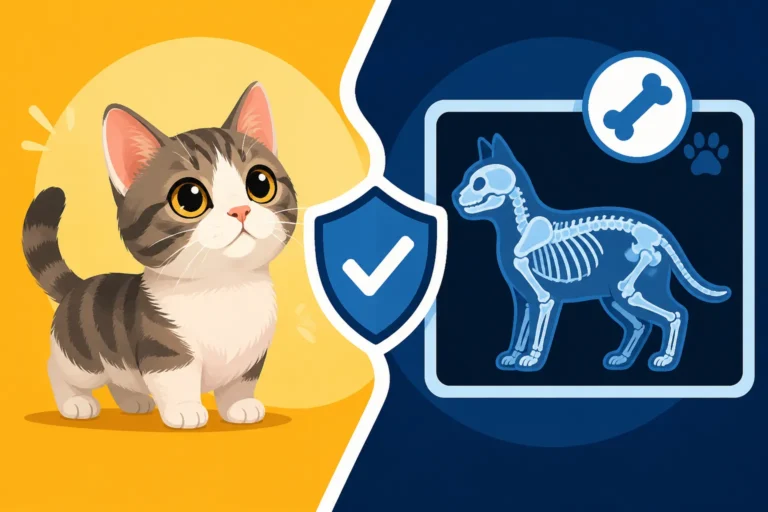
A reputable breeder, even one not recognized by GCCF, should be deeply knowledgeable about the genetics of the breed, including the implications of the short-leg gene. They should be able to provide clear documentation of veterinary health checks for both parents and kittens, specifically addressing concerns like lordosis and pectus excavatum. Don't be shy about asking detailed questions about the health history of their lines, their breeding practices, and how they ensure the welfare of their cats. A good breeder will welcome these questions.
It's also wise to research the specific health issues associated with Munchkins. For instance, knowing Which Health Problems the Munchkin Actually Has will empower you to ask informed questions. Consider asking for a vet check of the kitten's spine and chest before purchase. While pet insurance companies like Healthy Paws might offer coverage, understanding what potential exclusions or conditions might apply to a breed with known skeletal issues is crucial. Diet and joint support can help a Munchkin, but prevention through careful breeding is always the best approach. A responsible breeder will prioritize the health and temperament of their cats above all else, and be upfront about the challenges as well as the joys of owning a Munchkin.
Understanding Key Differences in Registry Stances
To help clarify the differing approaches, here's a brief comparison of GCCF and TICA regarding the Munchkin:
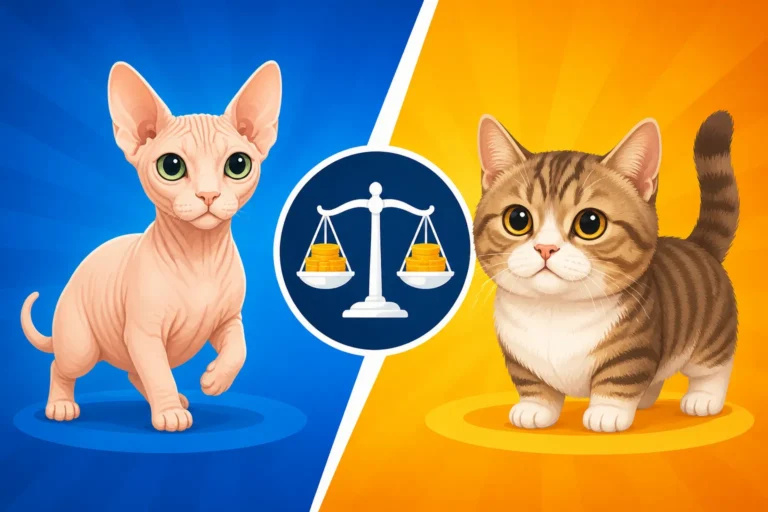
| Feature/Aspect | GCCF (Governing Council of the Cat Fancy) | TICA (The International Cat Association) |
|---|---|---|
| Munchkin Recognition | No recognition. Considered a breed with welfare-compromising characteristics. | Recognized. Has Championship status, meaning Munchkins can compete. |
| Core Philosophy | Prioritizes genetic health, natural function, and avoidance of extreme traits. | More open to novel mutations and new breeds, focusing on trait stability. |
| Welfare Stance | Views short legs as a genetic anomaly with potential for health issues (e.g., lordosis, mobility limits). | Acknowledges the mutation but emphasizes breeders ensure healthy, active cats. |
| Breeding Ethics | Discourages breeding for traits that may cause suffering or health problems. | Allows breeding with strict guidelines (e.g., must outcross to normal-legged cats). |
| Geographic Focus | Primarily UK-based, influencing UK breeders and owners. | Global reach, popular in North America and Asia. |
| Pedigree Status | No GCCF pedigree for Munchkins. | Official TICA pedigrees available for registered Munchkins. |
| Show Eligibility | Not allowed in GCCF-sanctioned shows. | Fully eligible to compete in TICA championship shows. |
This table highlights the fundamental divide that exists. The GCCF's refusal isn't about shaming owners or questioning their love for their pets, but a principled stance on what they believe constitutes ethical breeding and responsible stewardship of feline health. It asks potential owners to consider Whether a Munchkin Should Be Discouraged From Jumping is a question of health or merely convenience, and how the answers to such questions impact the cat's life. Sometimes, sadly, these disagreements lead to difficult situations, like Why a Munchkin Is Given Up When Its Owner Moves Upstairs because the home is not adapted to their physical limitations.
Disclaimer
This article is for general informational purposes only and does not constitute professional advice. Laws, prices and regulations vary by location and change over time. Consult a qualified professional for guidance on your specific situation.