Whether a Long Legged Munchkin Should Be Bred From
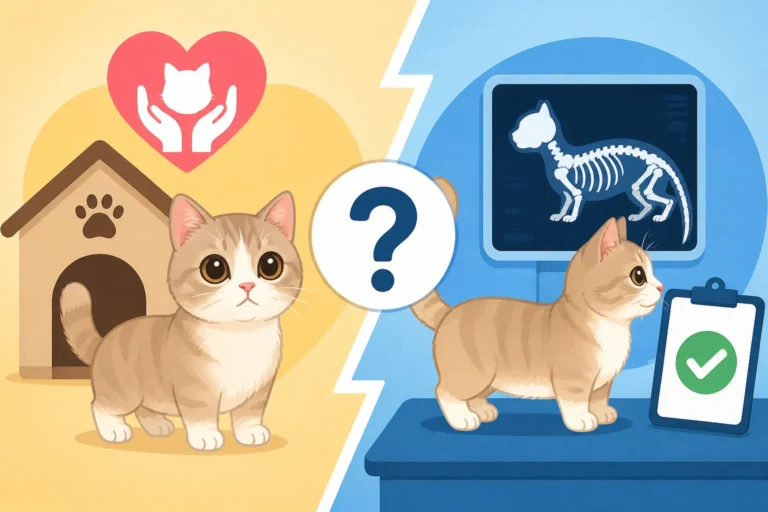
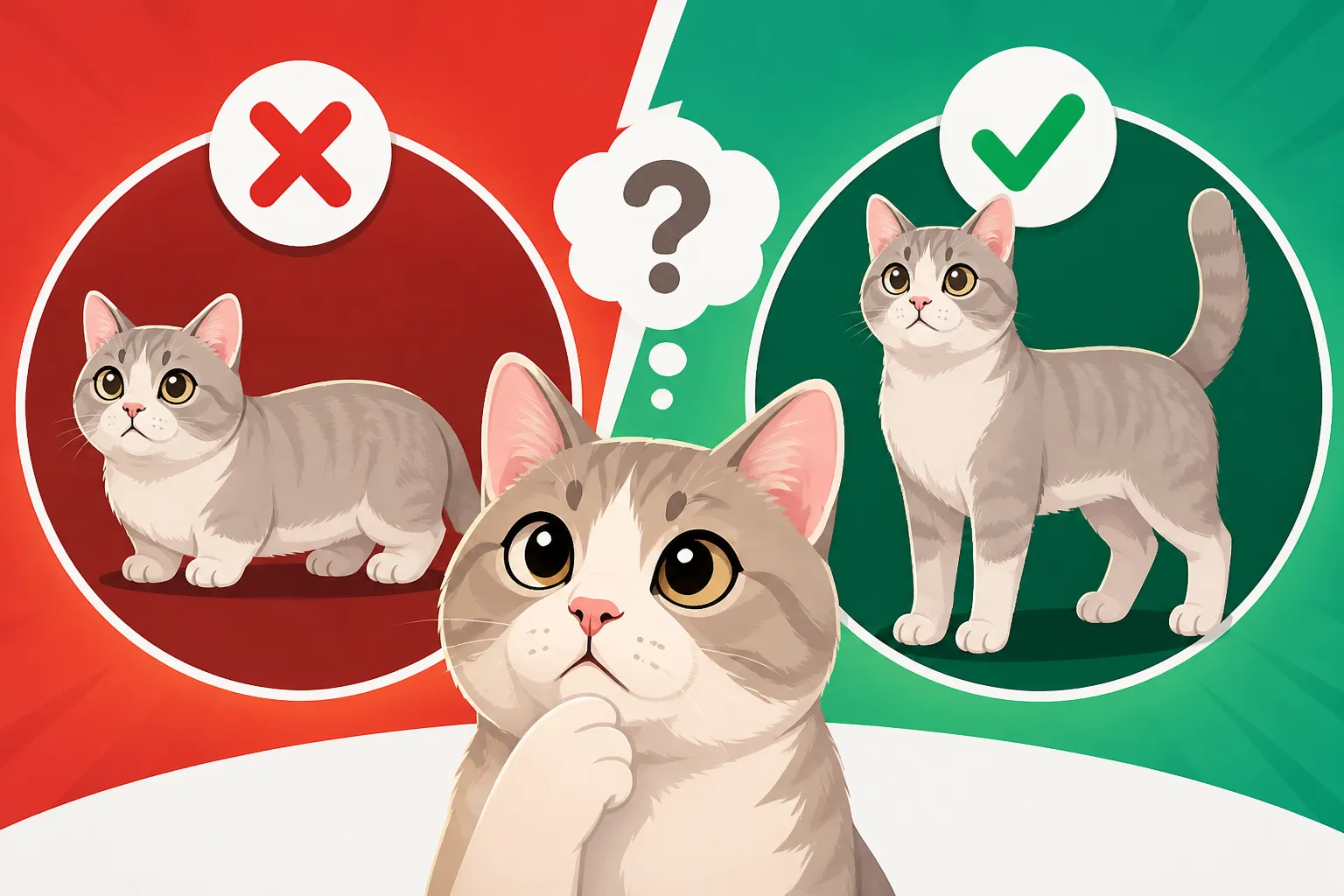
One common concern for anyone looking into Munchkin cats, or even those who already share their home with one, is the genetic reality behind those adorable short legs. It's often wondered whether a cat born from a Munchkin parent but exhibiting normal leg length still carries the unique gene, and more importantly, if it should ever be considered for breeding. This guide will delve into the genetics, ethics, and practicalities surrounding the question of breeding a long-legged Munchkin, giving you a clear understanding of this fascinating aspect of the breed.
Understanding the Genetics of Long-Legged Munchkins
The defining characteristic of a Munchkin cat – those wonderfully short legs – is all thanks to a specific genetic mutation. But understanding this mutation is key to understanding why some kittens in a litter have long legs, and what that means for their future.
The Autosomal Dominant Munchkin Gene
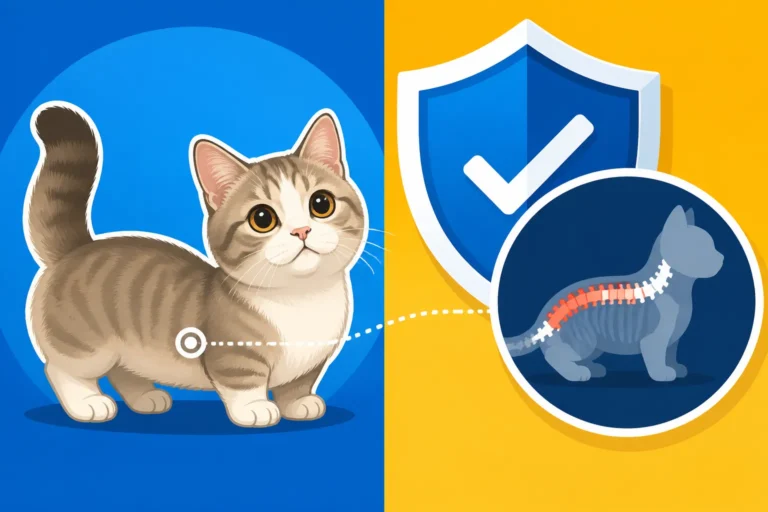
The genetic trait responsible for the Munchkin's short legs is known as an autosomal dominant gene. This scientific term might sound a bit intimidating, but it simply means two important things for Munchkin cats. First, "autosomal" means the gene isn't linked to sex, so both male and female cats can inherit it equally. Second, "dominant" means that a cat only needs to inherit one copy of this gene from one parent to display the short-legged trait. If they inherit one copy, they'll have those characteristic short legs. Why Munchkin Dwarfism Is Called Autosomal Dominant explains this in more detail, but the short version is that this single copy is enough to express the trait.
What's really crucial here is that if a cat inherits two copies of the Munchkin gene – one from each parent – the outcome is lethal. These homozygous embryos simply don't survive. This is why you will never, ever see a responsible breeder attempting to breed two short-legged Munchkins together; it's a practice that leads to tragically unviable pregnancies and is considered highly unethical. Instead, Why a Munchkin Is Always Bred to a Normal Legged Cat highlights the essential practice of breeding a short-legged Munchkin with a regular, long-legged domestic cat to ensure healthy litters.
Why a Long-Legged Kitten Appears in a Munchkin Litter
Given that the Munchkin gene is dominant, and that two copies are lethal, a short-legged Munchkin must carry only one copy of the gene. This means when a short-legged Munchkin (carrying one copy) is bred to a long-legged domestic cat (carrying zero copies), the kittens inherit a mix of possibilities. Each kitten has a 50/50 chance of inheriting the short-leg gene from the Munchkin parent. If they get the gene, they'll have short legs. If they don't get the gene, they'll have completely normal, long legs, just like their non-Munchkin parent.
This is a fundamental aspect of Munchkin breeding, and it's why Why Half a Munchkin Litter Has Normal Legs is a common and expected outcome. These long-legged kittens are not "failed" Munchkins; they are a natural, healthy part of the genetic process. They are genetically distinct from their short-legged siblings, and understanding this distinction is vital for breeders and owners alike.
Are Long-Legged Munchkins Carriers of the Dwarfism Gene?
This is a question that frequently comes up, and it's a really important one. The answer, definitively, is no. A long-legged Munchkin kitten, meaning one that was born in a litter from a short-legged Munchkin parent but does not display the short-leg trait itself, does not carry the Munchkin gene. Because the gene is autosomal dominant, if a cat possessed even one copy of the gene, it would have short legs. There's no "hidden" or "recessive" form of the Munchkin gene that a long-legged cat could carry and then pass on.
Think of it like this: you either have the dominant gene and short legs, or you don't have the dominant gene and you have long legs. There's no in-between carrier state for cats with normal leg length when it comes to the Munchkin gene. So, if a kitten has long legs, it's genetically indistinguishable from any other domestic cat regarding this specific trait. Whether a Long Legged Munchkin Carries the Gene directly addresses this, confirming that their genetic makeup for leg length is completely standard.
The Role of Long-Legged Munchkins in Breeding Programs
If a long-legged Munchkin doesn't carry the gene, what role could it possibly play in a breeding program? It turns out, an absolutely crucial one. They are not merely "byproducts" of a litter but essential components in maintaining the health and genetic diversity of the breed.
The Necessity of Outcrossing
As we discussed, breeding two short-legged Munchkins is a non-starter due to the lethal outcome for homozygous embryos. This means that every breeding involving a short-legged Munchkin must be an "outcross" – meaning it must involve a cat from outside the Munchkin breed that possesses normal leg length. This ensures that only one copy of the Munchkin gene is passed on, preventing the tragic double-copy scenario. How a Breeder Plans a Munchkin Mating is always carefully designed with this in mind.
These outcrosses typically involve healthy, registered domestic shorthairs or longhairs, or sometimes even other recognized breeds, as long as they are free from health issues that could compound with the Munchkin trait. The goal is to bring in fresh genetics, robust health, and naturally long legs to the breeding line. The long-legged kittens born from these pairings are genetically identical to their non-Munchkin outcross parent in terms of leg length genes.
Maintaining Genetic Diversity with Non-Standard Legs
One of the greatest challenges in any purebred cat or dog breed is maintaining genetic diversity. Over time, if breeders only select for specific traits within a closed gene pool, it can lead to an accumulation of genetic health problems and a weakening of the breed as a whole. This is where the long-legged Munchkin, often referred to as a "non-standard" Munchkin, becomes invaluable.
Even though these long-legged cats don't display the characteristic short legs, they carry all the other wonderful traits of their Munchkin lineage – temperament, coat quality, coloration, and overall robust health (assuming their parents were healthy). By judiciously using long-legged Munchkins in breeding programs, particularly when the genetic lines need refreshing, breeders can introduce new genetic material without introducing the short-leg gene itself. This broadens the gene pool for other traits and helps prevent inbreeding, which is a major concern in many purebred populations. Why the Munchkin Gene Pool Stays Wide is a testament to the importance of these outcrosses.
Ethical Considerations for Breeding
The question of whether to breed from a long-legged Munchkin often boils down to ethics and responsible breeding practices. While a long-legged Munchkin doesn't carry the short-leg gene, it is still a cat born from a Munchkin lineage. This means ethical considerations still apply. A responsible breeder will prioritize the health and welfare of all their cats, whether short-legged or long-legged.
For a long-legged Munchkin to be considered for a breeding program, it must first and foremost be a healthy, well-conformed cat. It should undergo the same rigorous health screenings as any other cat in a breeding program. This includes checking for common feline health issues and ensuring good temperament. A breeder shouldn't just breed a long-legged cat "because it's from a Munchkin line" but because it is an excellent example of feline health and adheres to breed standards for outcrosses. What a Munchkin Breeder Should Be Able to Show You will detail the commitment to health that defines a good breeder.
Furthermore, if a long-legged Munchkin is used as an outcross, the breeder must be transparent about its lineage. Buyers should always know the full genetic background of their kitten, regardless of whether it has short or long legs. This level of honesty is paramount in ethical breeding.
Registration and Recognition of Long-Legged Munchkins
Understanding how various cat registries view long-legged Munchkins is another important piece of the puzzle, particularly for breeders who want to ensure their cats and kittens are recognized.
TICA's Stance on Non-Standard Munchkins
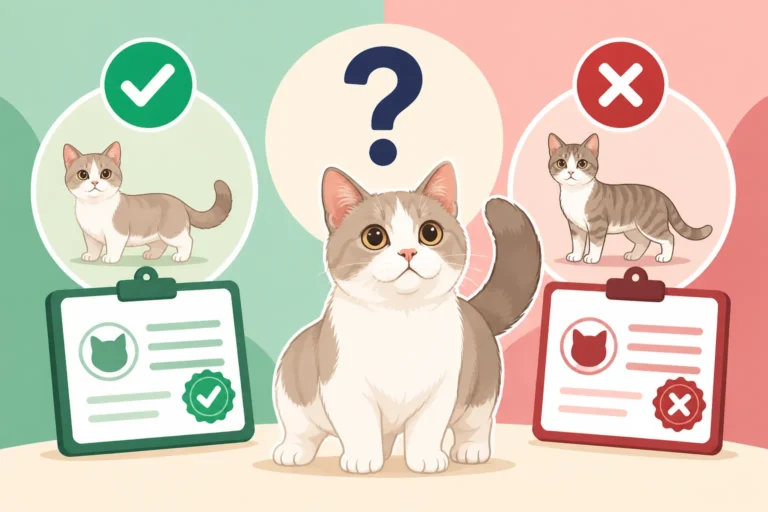
The International Cat Association (TICA) is currently the primary registry that fully recognizes the Munchkin breed, including allowing them to compete for championship status. TICA recognizes two categories of Munchkins: "Standard" Munchkins, which are the short-legged cats, and "Non-Standard" Munchkins, which are the long-legged cats born from Munchkin litters.
While only Standard Munchkins can compete in the championship rings, Non-Standard Munchkins are absolutely crucial to the TICA breeding program. They can be registered and are essential for maintaining genetic diversity and producing healthy Standard Munchkin offspring. For a TICA-registered long-legged Munchkin, its papers will clearly indicate its non-standard status, signifying its role in the breed's genetic continuity. This ensures that breeders can track their lines accurately and responsibly. Whether a Long Legged Munchkin Can Be Registered covers this aspect specifically.
Other Registries and Their Policies
Many other major cat registries around the world, such as the Cat Fanciers' Association (CFA) in the US and the Governing Council of the Cat Fancy (GCCF) in the UK, do not recognize the Munchkin breed at all, whether short-legged or long-legged. Their stance typically stems from concerns over the ethical implications of breeding for a genetic mutation that causes dwarfism and the potential health issues associated with it.
For breeders operating under these registries, a long-legged cat from a Munchkin lineage would simply be registered as a domestic shorthair or longhair, depending on its appearance. Its Munchkin parentage would not be acknowledged by the registry itself. This difference in recognition highlights the ongoing debate within the cat fancy regarding the Munchkin breed. If you're considering a cat from a breeder, always inquire about their registration practices and which organizations they work with. For instance, reputable breeders often use specific food brands like Chewy's selection of high-quality cat foods to ensure their breeding cats are in peak condition, regardless of whether they are standard or non-standard.
Responsible Breeding Practices for Long-Legged Munchkins
When it comes to any breeding animal, responsibility is the bedrock of good practice. This is especially true for long-legged Munchkins, as their role in a breeding program carries specific responsibilities.
The Importance of Health Screening and Pedigree Review
Just like any other cat destined for breeding, a long-legged Munchkin needs thorough health screening. This means comprehensive veterinary check-ups to rule out any hereditary conditions common in domestic cats, or conditions that might have appeared in their outcross lineage. Although they don't have the short-leg gene, they still inherit all other genes from their parents, including potential predispositions to other health problems. A complete blood panel is a good idea, as is screening for conditions like HCM (hypertrophic cardiomyopathy) or PKD (polycystic kidney disease) if those are prevalent in the outcross breeds used. Pet insurance providers like Healthy Paws are increasingly valuable for covering unexpected health issues in breeding cats and their offspring, emphasizing the importance of preventative care and early detection.
Furthermore, a detailed pedigree review is essential. A responsible breeder will meticulously track the health and longevity of the long-legged Munchkin's ancestors, looking for any patterns of illness or genetic issues. This due diligence ensures that only the healthiest individuals contribute to future generations, reinforcing the overall vitality of the breed's gene pool.
Ensuring Kitten Welfare
When a long-legged Munchkin is used as an outcross parent to a short-legged Munchkin, the resulting litter will contain both short-legged and long-legged kittens. What Happens to the Long Legged Munchkin Kittens is an important question for prospective buyers. These long-legged kittens, while genetically sound, are typically placed in pet homes. They often make fantastic companions, enjoying all the benefits of the Munchkin temperament without the physical considerations associated with short legs.
A responsible breeder ensures that all kittens, regardless of leg length, are raised in a clean, stimulating, and loving environment. They will be properly socialized, vaccinated, and microchipped before going to their new homes. The breeder should also provide new owners with comprehensive care instructions, health records, and support. This commitment to kitten welfare extends to ensuring these long-legged kittens find homes where they are cherished as beloved pets, not seen as lesser versions of their short-legged siblings. Many new owners find great success in setting up a kitten-friendly home with products from Chewy, from specialized litter to engaging toys that encourage healthy development.
Educating Prospective Owners
Finally, a truly responsible breeder takes on the role of educator. When selling a short-legged Munchkin kitten, they explain the genetics, the care requirements, and the specific needs of a cat with dwarfism. When selling a long-legged kitten from a Munchkin litter, they clearly explain its genetic status – that it does not carry the short-leg gene and is essentially a domestic cat with a known, traceable pedigree.
This transparency builds trust and helps prospective owners make informed decisions. It allows them to understand that even though a long-legged cat might come from a Munchkin breeding, it offers the health and mobility of a standard feline, potentially simplifying aspects of daily care that short-legged Munchkins require. For example, a long-legged cat would have an easier time navigating a home without needing special ramps or adapted furniture, though a balanced diet still benefits all cats.
In summary, a long-legged Munchkin, far from being an unwanted outcome, is a vital and healthy component of responsible Munchkin breeding programs. They don't carry the dwarfism gene, but they carry invaluable genetic diversity that keeps the Munchkin breed healthy and strong for generations to come.
Disclaimer
This article is for general informational purposes only and does not constitute professional advice. Laws, prices and regulations vary by location and change over time. Consult a qualified professional for guidance on your specific situation.