Why to Watch a Munchkin Kitten Walk in Person
Bringing home a new Munchkin kitten is incredibly exciting, filled with dreams of playful antics and adorable "prairie dog" sits. But before you commit, there's a crucial step that far too many eager prospective owners overlook: watching that tiny, short-legged fluffball walk, run, and play in person. Photos and videos, as charming as they are, simply can't capture the subtle nuances of movement that can reveal underlying health concerns unique to the breed, leaving you unprepared for potential challenges down the road. This guide will walk you through exactly why an in-person observation is non-negotiable and what specific cues to look for to ensure you're bringing home a happy, healthy kitten.
The Unique Challenges of Munchkin Mobility
Munchkin cats are undeniably captivating, but their distinguishing short legs, a result of a genetic mutation called pseudoachondroplasia, also come with specific mobility considerations. What looks cute in a still picture might tell a very different story when observed in motion. You're not just buying a cat; you're taking on a responsibility for a unique physiology.
Understanding Their Physical Differences
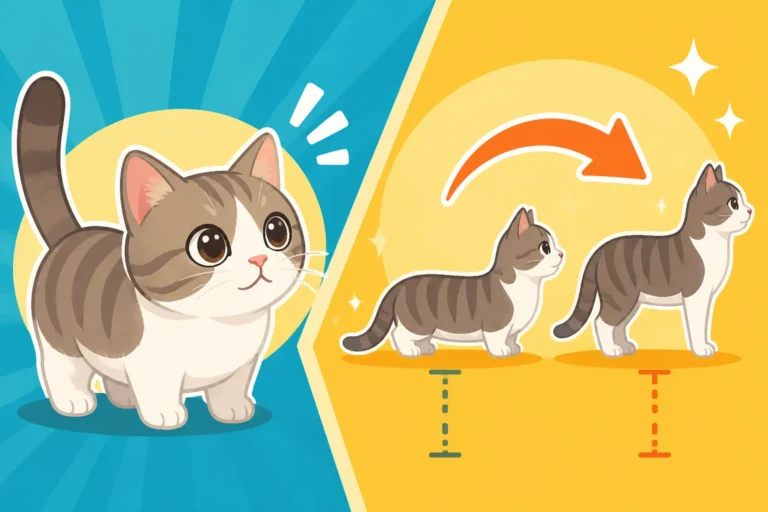
Unlike most cats, where the legs contribute significantly to their height and agility, a Munchkin's legs are considerably shorter than average, while their body length remains proportionate to that of a typical cat. This unique configuration means their center of gravity is lower, and their gait is distinct. You might be surprised to learn Why a Munchkin's Legs Are Short but Its Body Is Not. Their short stature is charming, but it fundamentally alters how they interact with their environment and how their bodies bear weight.
When you think about How Short a Munchkin's Legs Actually Are, it becomes clearer that their joints and spine are under different stresses. They can't leverage their legs in the same way a long-legged cat can to absorb impact from jumps or to stretch out their spine. This isn't to say all Munchkins are destined for problems, but it highlights why a detailed assessment of their movement is paramount.
Why a Photo Just Isn't Enough
Imagine looking at a stunning photo of a Munchkin kitten, perhaps mid-pounce, frozen in an adorable pose. It captures a moment, a static image of cuteness. But what that picture doesn't show you is the fluidity of their movement, whether they favor one leg, or if there's any stiffness in their back. A video might offer a little more insight, but even then, it can be edited, or shot from angles that obscure critical details.
You need to see the continuous flow of their gait, how they start and stop, how they navigate obstacles, and how they land after a small hop. A photo can hide a slight limp, a wobbly step, or an inability to properly extend their limbs. It's like trying to judge a dancer's skill from a single snapshot – you miss the entire performance.
The Hidden Burden on Their Joints
Due to their shortened limbs, Munchkins often experience increased stress on their weight-bearing joints, particularly the shoulders and elbows. These joints are tasked with supporting their body weight and absorbing the impact of everyday movements, often without the same leverage and shock absorption that longer limbs provide. This isn't always obvious in a young kitten, but early signs can sometimes be seen in their gait.
Over time, this continuous strain can lead to conditions like osteoarthritis appearing earlier than in other breeds. It’s particularly important to understand Why a Munchkin's Shoulders Wear First, as these are crucial for their balance and propulsion. Similarly, consider What Repeated Landing Does to a Munchkin's Elbows; even small jumps become more impactful on these vulnerable joints. Observing their movement now can give you a crucial baseline and potentially alert you to any pre-existing issues before they become chronic problems.
What to Look For When a Munchkin Walks
When you finally get to meet that kitten in person, don't just swoon over their cuteness (though that's inevitable!). Take a deep breath and become a detective of movement. Observe quietly, let them move naturally, and resist the urge to pick them up right away. You're looking for signs of health and comfort, or conversely, any indications of discomfort or abnormal development.
Observing Gait and Posture
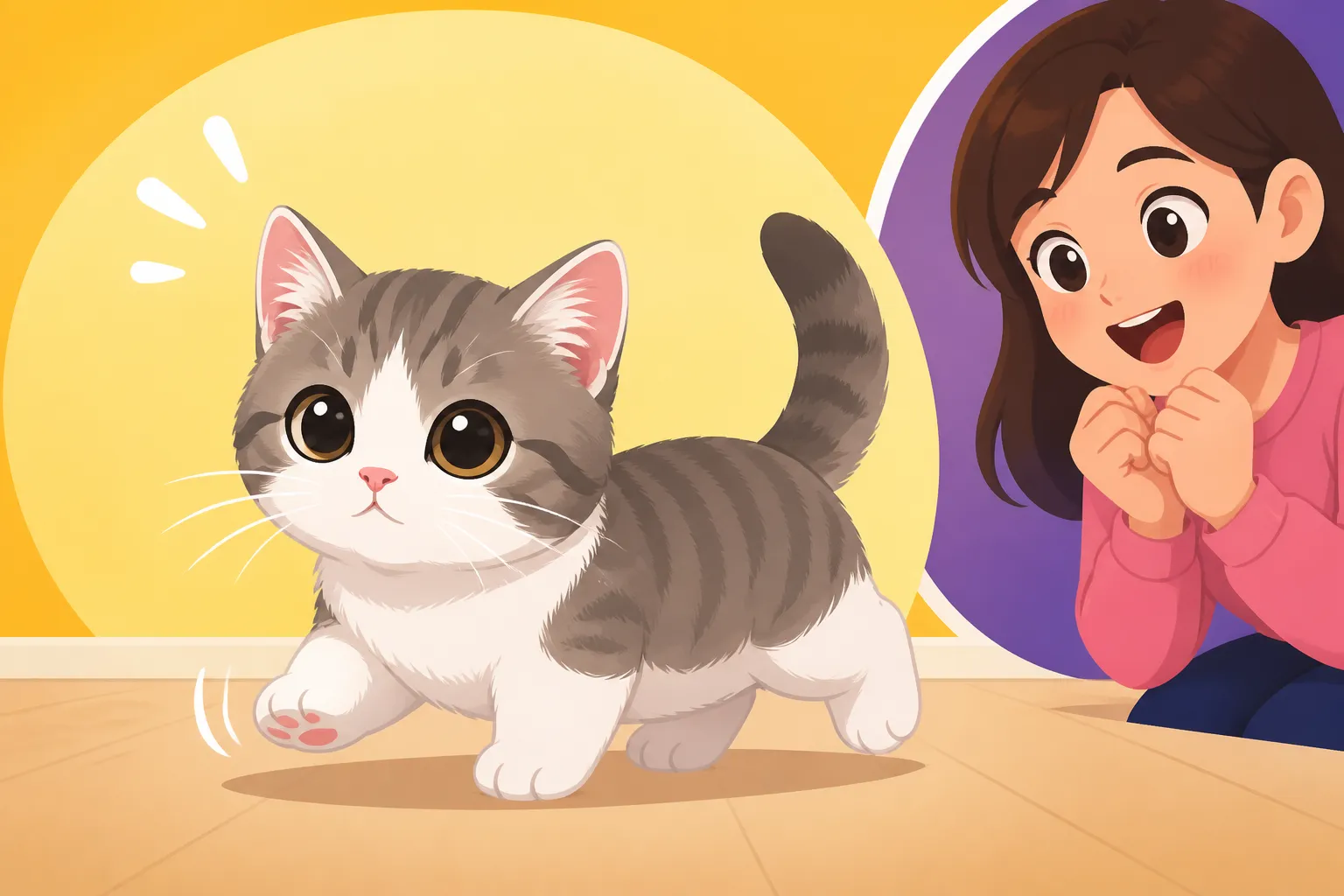
Start by simply watching them walk across the room. Is their gait smooth and even, or do they seem stiff, wobbly, or unbalanced? Look for how they carry their body – is their back level, or does it dip or arch unusually? Many describe a Munchkin's walk as "ferret-like" due to their low-slung body and quick, darting movements, which is a normal characteristic. Understanding Why a Munchkin's Walk Is Described as a Ferret's can help you differentiate between normal Munchkin movement and something truly atypical.
Pay attention to their paws. Do they place them down evenly, or do they drag a toe? Do all four legs seem to move in coordination, or does one appear out of sync or hesitant? Healthy kittens are bundles of energy, so they should move with confidence and agility appropriate for their unique structure. Any hesitation or reluctance to move suggests potential discomfort.
Assessing Flexibility and Balance
Beyond just walking, how does the kitten handle turns and minor obstacles? Can it turn corners without losing its balance? A healthy Munchkin, despite its short legs, should be quite agile. Observe How a Munchkin Changes Direction at Speed – they should be able to do so fairly gracefully, using their low center of gravity to their advantage.
Watch them as they attempt to climb onto a low cat tree platform or a cushion. How high can they jump? How do they land? What Happens When a Munchkin Misjudges a Jump is important. Do they land softly, or do they thump down heavily? Repeated awkward landings could indicate discomfort or weakness in their legs or spine. You want to see attempts at climbing and exploring, demonstrating confidence in their body.
Checking for Spinal Issues (Lordosis/Pectus Excavatum)
While a vet performs a full physical, you can still observe for visible signs of spinal conditions. One concern for Munchkins is lordosis, a severe inward curve of the spine. While usually diagnosed by a vet through palpation and X-rays, What Lordosis Actually Is in a Munchkin can sometimes be visibly apparent in severe cases as a noticeable dip in the back, especially when the kitten is standing or sitting. They might appear to have a pronounced swayback.
Another condition to be aware of is pectus excavatum, a sunken chest. While not directly a mobility issue, it can affect breathing and overall well-being. How Pectus Excavatum Affects a Munchkin's Breathing can indirectly impact their energy and willingness to move. In some cases, a severe sunken chest can also affect spinal alignment. Gently feeling their chest (with the breeder's permission) might reveal an indentation, but visual cues like labored breathing after exertion are also important. These are not always obvious, especially in playful kittens, so observation for any visible signs of discomfort or abnormal shape is crucial.
Here’s a quick checklist of what to observe:
| Movement Aspect | Healthy Signs | Warning Signs |
|---|---|---|
| Gait | Smooth, even, ferret-like, confident steps | Stiff, wobbly, limping, uneven weight distribution |
| Posture | Level back, head held naturally | Swayback (lordosis), hunched, abnormally arched back |
| Turns & Corners | Agile, maintains balance easily | Hesitant, loses balance, struggles with quick changes |
| Jumping/Climbing | Attempts small hops, lands softly, uses leverage | Avoids jumping, heavy landings, pain on landing |
| Play | Engaged, flexible, uses full range of motion | Reluctant to play, favors certain positions, stiff |
| Chest/Breathing | Normal breathing, no visible indentation | Labored breathing, visible sunken chest (pectus) |
The Breeder's Role and Your Questions
A reputable and ethical breeder understands the importance of transparency, especially with a breed like the Munchkin. They should welcome your in-person visit and encourage thorough observation of their kittens. Their practices and willingness to answer questions are just as important as the kitten's adorable appearance.
Ethical Breeding Practices
An ethical breeder prioritizes the health and well-being of their cats above all else. This means they will be completely open about the genetic background of their breeding cats, any health screenings performed, and the general temperament and movement of the kittens. They shouldn't rush you or discourage you from spending time observing the kittens playing freely. In fact, they should be proud to show you What a Munchkin Breeder Should Be Able to Show You, including health records and parentage.
They should also be breeding responsibly, ensuring that two short-legged Munchkins are never bred together, as this can lead to lethal outcomes for homozygous embryos. They will be knowledgeable about potential breed-specific issues and proactive in screening for them. If a breeder seems hesitant about an in-person visit or focuses solely on photos and deposits, it's a significant red flag.
Questions to Ask the Breeder
Beyond observing the kitten, engage the breeder in a detailed conversation. Don't be shy; you're making a long-term commitment. Ask about the parents: "Have the parents had any mobility issues or spinal problems?" "What are their energy levels like?" Inquire about the kitten's vet checks: "Has this kitten had its spine palpated by a vet?" "Were there any concerns noted about its gait or conformation during its examinations?"
It's also wise to ask about the specific environment the kittens are raised in. Are they given appropriate low-level enrichment? Are there ramps or steps to help them navigate their space? This shows you're thinking about their long-term care and understanding their unique needs.
Beyond the Walk – Observing Play and Interaction
While watching a kitten walk is critical, also take time to observe how it plays with its littermates or toys. Play is a fantastic indicator of a kitten's overall health and confidence. Is it an active participant, chasing toys and wrestling with siblings, or does it hang back, seemingly less engaged?
A healthy Munchkin kitten should be full of playful energy. Watch How Much Floor Level Play a Munchkin Needs and observe if the kitten is fulfilling that need naturally. Does it stretch? Does it twist and turn with ease? Is it able to reach toys on the floor? Reluctance to engage in play, or signs of pain during play, are important observations. A kitten that avoids certain movements or seems stiff when getting up from a nap warrants further investigation.
Long-Term Implications of Poor Mobility
Deciding to bring a Munchkin into your life is a joyful decision, but it’s one that comes with a unique set of responsibilities. Overlooking subtle mobility issues in a kitten can lead to significant challenges and heartache down the road, both for you and your beloved pet.
The Cost of Untreated Issues
If you acquire a Munchkin kitten with undiagnosed or nascent mobility issues, you could be facing substantial veterinary bills in the future. Chronic joint pain, spinal conditions, or mobility limitations often require ongoing care, including pain management, anti-inflammatory medications, and potentially even specialized therapies or surgeries. This isn't just about the financial cost; it's about the emotional toll of seeing your beloved cat in discomfort.
Understanding Why a Munchkin's Vet Year Includes Its Joints is crucial. Regular check-ups and proactive care, especially as they age, are often necessary. While pet insurance can be a lifesaver, it's important to investigate Whether Pet Insurance Covers a Munchkin's Spine before you need it. Providers like Healthy Paws offer various plans, but it’s vital to understand what's covered for breeds with known predispositions. Investing time in careful observation now can save you a world of trouble later.
Adapting Your Home for a Munchkin
Regardless of whether your Munchkin has mobility issues, their short stature means your home needs to be adapted to their needs. If they do develop problems, these adaptations become even more critical. Think about ramps for sofas and beds, ensuring they can reach their favorite spots without straining or jumping. What a Full Set of Munchkin Ramps Costs can be an eye-opener, but they are an investment in your cat's long-term comfort and health. You can find many options on sites like Chewy that cater to pets with mobility challenges.
Similarly, consider their litter box access. A standard box with high sides can be a real challenge, especially for a cat with a stiff back or sore joints. Why a Munchkin Needs a Litter Box It Can Walk Into becomes clear when you see them struggle. Providing low-entry options from the start prevents unnecessary strain and promotes good litter box habits.
Grooming and Daily Care
A Munchkin's short legs don't just affect how they move; they also impact their ability to groom themselves effectively. Cats are meticulous groomers, but a Munchkin might struggle to reach certain areas, particularly their hindquarters and parts of their back. This can be exacerbated if they develop joint pain or spinal stiffness, making it even harder to twist and contort into the necessary positions.
This means you, as their owner, will need to step in to help with grooming. Grooming the Half of a Munchkin It Cannot Reach is an essential part of their care. Regular brushing prevents mats, which can be painful and lead to skin issues. You might even need to consider regular sanitary clips, especially for long-haired Munchkins, to prevent hygiene problems around their rear end. Ensuring they receive proper nutrition can also contribute to their overall health and coat condition, making grooming easier in the long run.
Ultimately, watching a Munchkin kitten walk in person isn't just about spotting problems; it's about forming a holistic understanding of their unique physical capabilities and needs. It’s an act of responsible pet ownership that sets the foundation for a lifetime of health and happiness for your new companion.
Disclaimer
This article is for general informational purposes only and does not constitute professional advice. Laws, prices and regulations vary by location and change over time. Consult a qualified professional for guidance on your specific situation.