Which Tools a Munchkin Owner Buys to Groom Its Back Half
As a Munchkin cat owner, you quickly discover that their adorable short legs bring a few unique challenges, and grooming their back half is definitely one of them. Many owners find themselves frustrated and a bit overwhelmed, wondering how to keep their low-slung felines clean and comfortable when the cats themselves can't quite reach those tricky spots. This guide is all about equipping you with the right tools and knowledge to tackle the specific grooming needs of your beloved Munchkin's hindquarters, ensuring they stay healthy, happy, and mat-free.
The Unique Grooming Challenges of a Munchkin's Hindquarters
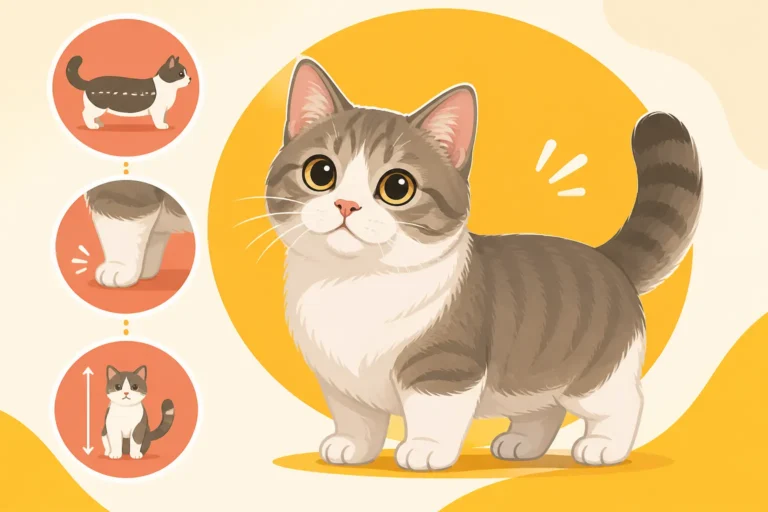
Let's be real, a Munchkin's short legs are what make them so distinctive and endearing, but they also introduce some serious hurdles when it comes to self-grooming, especially for their rear end. It's not about them being lazy or unwilling; it's simply a matter of physics and feline anatomy.
Why Reaching is a Struggle for Your Munchkin
Imagine trying to wash your own lower back if your arms were significantly shorter – that's essentially what a Munchkin experiences every day. Their standard-length body, combined with those famously short legs, means that the natural contortions required for a thorough self-cleaning session are just plain difficult, if not impossible. A long-legged cat can stretch, twist, and reach almost every inch of its body with ease, but a Munchkin often finds its legs getting in the way or simply lacking the necessary leverage to bend around to their hindquarters effectively.
This isn't just about aesthetics; it has real implications for their hygiene and comfort. We all know how meticulously cats groom themselves, and when they can't do it, it can be a source of stress for them, and certainly for us, their devoted caregivers. This physical limitation is why you'll often hear us talk about Grooming the Half of a Munchkin It Cannot Reach as a key part of their care. It’s a job we have to take on to compensate for what their unique physique prevents.
Common Problem Areas: Mats, Dingleberries, and Skin Irritation
Because self-grooming is so challenging for their back half, certain issues tend to pop up repeatedly in Munchkins. The most notorious culprits are mats and "dingleberries," or fecal matter that gets caught in the fur around their hindquarters.
- Matting: This is incredibly common, especially for long-haired Munchkins, but even short-haired ones can develop mats if neglected. The fur around their sanitary area, inner thighs, and tail base can easily become tangled, forming tight, painful knots that pull on their skin. These mats aren't just unsightly; they can hide skin infections, parasites, and cause significant discomfort. If you've ever had a mat form, you know how quickly it can turn from a small tangle into a serious problem. It’s a common reason Why a Munchkin's Hindquarters Get Matted.
- "Dingleberries" and Soiling: This is perhaps the most unpleasant, but absolutely real, problem. Due to their low stature and difficulty reaching, a Munchkin can often emerge from the litter box with remnants of feces clinging to their fur. If not promptly cleaned, this can harden, become impacted, and lead to skin irritation, foul odors, and even infections. This is particularly prevalent if their stool consistency isn't ideal, or if their litter box isn't perfectly suited to their needs.
- Skin Irritation: Constant dampness, trapped fecal matter, or tight mats can lead to dermatitis, redness, and itching in sensitive areas. This is not only painful for your cat but can also escalate to secondary bacterial or fungal infections, requiring vet intervention. You might notice your cat scooting or excessively licking, which are clear signs of discomfort in this region. This is also a major reason Why a Munchkin's Belly Fur Needs Checking.
The Importance of Regular Grooming
Given these challenges, regular, diligent grooming isn't just a nicety for a Munchkin; it's an essential part of their health and welfare. Consistent grooming helps prevent the painful and unsanitary issues we just discussed. It also allows you to bond with your cat, check for any skin abnormalities, lumps, or parasites that might otherwise go unnoticed.
Think of it as preventive maintenance. A few minutes of gentle brushing and wiping each day can save you and your cat a lot of stress, pain, and potentially expensive vet bills down the line. It's about ensuring their quality of life, allowing them to move freely and comfortably without the hindrance of matted, soiled fur. Neglecting this aspect of care can lead to serious discomfort and health problems, highlighting why proactive grooming is paramount.
Essential Tools for Everyday Munchkin Grooming
Having the right arsenal of grooming tools can make all the difference in keeping your Munchkin's back half pristine. You don't need a professional grooming salon setup, but a few key items will become your best friends.
Brushes for Different Coat Types
Just like with any cat, the type of brush you choose depends largely on your Munchkin's coat length and density. However, because they can't self-groom effectively, the goal is often more about preventing mats and keeping things tidy rather than just shedding control.
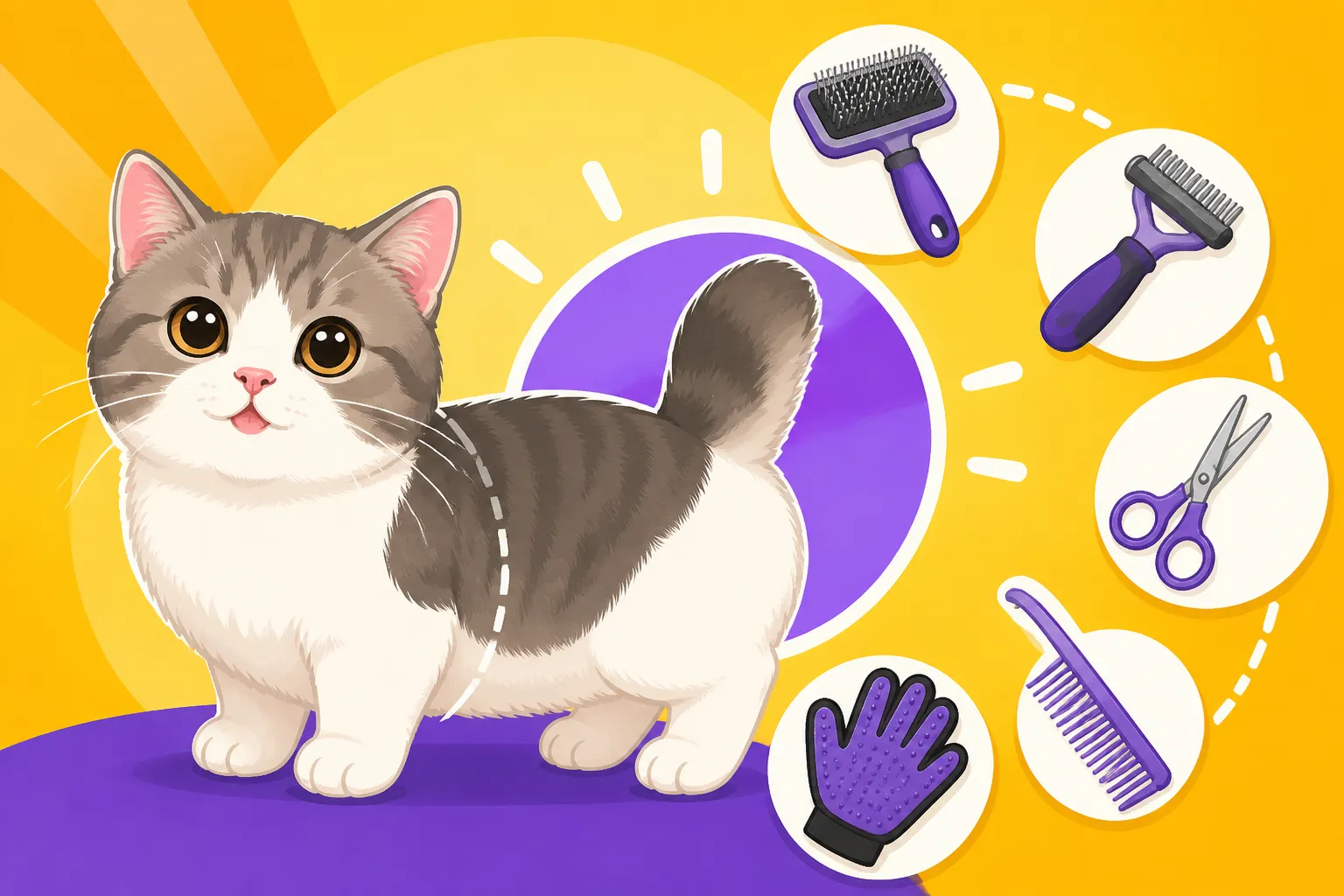
- Slicker Brushes: These are fantastic for both short- and long-haired Munchkins. They have fine, short wires packed closely together, excellent for removing loose hair, detangling minor knots, and smoothing the coat. Use a slicker brush gently, working in small sections, particularly around the hindquarters, inner thighs, and under the tail. Regular use can significantly reduce the build-up that leads to mats. I usually aim for a few passes every day, especially on my longer-haired Munchkin, to catch those shed hairs before they have a chance to clump.
- De-shedding Tools (e.g., Furminator-style brushes): While not for daily use, a de-shedding tool can be incredibly effective during shedding seasons for both short and long-haired Munchkins. These tools reach deep into the undercoat to remove loose hair without cutting the topcoat. However, they must be used sparingly and carefully, as overuse can irritate the skin. They are particularly useful around the rump where the fur can be quite dense and prone to trapping debris. Remember, How Often to Brush a Munchkin's Back will depend on their coat, but consistency is key.
- Rubber Curry Brushes: For short-haired Munchkins, a rubber curry brush can be a gentle way to loosen dead hair and stimulate the skin. It also provides a nice massage, which many cats enjoy, making grooming a positive experience. It won't tackle deep mats, but it's great for daily maintenance and blood circulation.
Combs for Detangling and Mat Prevention
Combs are your secret weapon against mats. They allow you to get right down to the skin and identify tangles before they become major problems.
- Wide-toothed Combs: Start with a wide-toothed comb for general detangling and to work through any larger, looser knots in the fur around the hindquarters. This helps to separate the strands gently before you move to finer tools. They're especially good for the initial pass on a long-haired Munchkin's fluffy britches.
- Fine-toothed or Flea Combs: Once you've gone through with a wider comb, a fine-toothed metal comb is invaluable for catching smaller tangles and checking for any trapped debris or even fleas around the sanitary area. This comb also helps ensure that the fur is smooth and free from any sticky residue. When you’re trying to How to Groom a Munchkin's Hindquarters, this tool is indispensable for that final, detailed check. Many owners find a good selection of these and other essentials readily available from retailers like Chewy, making it easy to stock up on different comb sizes and styles.
Wipes and Sprays for Quick Clean-Ups
Sometimes, prevention isn't enough, or you need a quick fix between deeper grooming sessions. This is where wipes and sprays come in handy.
- Pet-Safe Grooming Wipes: These are a lifesaver for quickly cleaning up after litter box mishaps, particularly around the anus and inner thighs. Choose unscented, hypoallergenic wipes specifically designed for pets to avoid skin irritation. Keep them by the litter box for immediate use. A quick wipe can prevent a small mess from becoming a hardened "dingleberry" that's much harder and more uncomfortable to remove later. It's often the easiest way to How to Clean a Munchkin's Rear without a full bath.
- Deodorizing/Conditioning Sprays: A light mist of a pet-safe deodorizing or conditioning spray can help keep the fur fresh, soft, and less prone to static, which can contribute to tangles. Use sparingly, especially around the back half, and ensure it's safe for cats to lick. Some sprays also contain detangling agents, which can be useful when working through particularly stubborn areas.
- Waterless Shampoo: For localized dirty spots that need more than a wipe but don't warrant a full bath, waterless shampoo can be a good option. You apply it to the soiled area, massage it in, and then towel dry or brush it out. It's a quick way to freshen up the fur without the stress of a full bath, especially if your Munchkin is not a fan of water.
Specialized Tools for Tricky Situations
While brushes and combs are great for daily maintenance, there will be times when you need more specialized tools to handle specific challenges like severe matting or hygiene trims.
Safe Trimming with Clippers and Scissors
Sometimes, you need to physically remove fur to prevent or resolve hygiene issues. This is where clippers and scissors become necessary.
- Small, Blunt-Nosed Scissors: For very small, isolated mats or dingleberries that are close to the skin, blunt-nosed grooming scissors offer precision and safety. Always place a comb between the mat and the skin, or pull the skin taut away from the mat, to prevent accidentally snipping your cat. This is particularly important around the delicate skin of the sanitary area. Use these for quick touch-ups or to carefully cut away hardened fecal matter.
- Pet Clippers (Cordless is best): For sanitary clips or more extensive mat removal, quiet, cordless pet clippers are invaluable. A sanitary clip involves carefully trimming the fur around the anus and inner thighs very short, creating a "landing strip" that prevents feces from sticking and reduces matting. This makes it far easier to keep the area clean. It's often called for when you need to provide a thorough sanitary clip (Whether a Munchkin Needs a Sanitary Clip). Start with a small, quiet clipper with a low-grade blade (like a #10 or #30) and go slowly, always with a guard if you're not experienced. The key is to take your time, keep the blade flat against the skin, and move with the natural contours of your cat's body.
- Paw Pad Trimmers: While not strictly for the back half, keeping the fur on your Munchkin's paw pads trimmed can improve their grip and prevent tracked litter. Many pet clippers come with a smaller head suitable for this, or you can find dedicated paw pad trimmers. This indirectly helps overall hygiene and comfort.
Addressing Mats and Tangles
When mats are more than just surface tangles, you'll need tools designed to carefully break them apart.
- Dematting Tools/Rakes: These tools have sharp, inwardly curved blades that can cut through mats without pulling excessively on the surrounding fur. They should be used with extreme caution and only on dry, clean fur. Work slowly, starting from the edge of the mat and working your way in. Never try to force a dematting tool through a large, dense mat; it will be painful for your cat. Instead, use a "scoring" technique, making small cuts into the mat to break it up. Remember, patience is crucial here to avoid causing your cat distress or injury.
- Mat Splitters: Similar to dematting rakes, mat splitters are designed to slice through mats. They are often thin blades that you can work into the mat to carefully cut it into smaller, more manageable sections, making it easier to comb out later. Again, extreme care is needed to protect your cat's skin. If a mat is very tight and close to the skin, it's always safer to consult a professional groomer or your vet, as improper removal can cause severe skin trauma.
Litter Box Hygiene Helpers
Beyond just the grooming tools for the cat, having the right setup around their litter box can significantly reduce the amount of "back half" grooming you need to do.
- Low-Entry Litter Boxes: This is perhaps one of the most crucial "tools" for preventing soiling. Munchkins, with their short legs, often struggle to comfortably step into high-sided litter boxes. This can lead to them perching precariously or even eliminating partially outside the box. A litter box with a very low entry point allows them to walk in and out with ease, ensuring they can position themselves properly for elimination, thus reducing the chance of soiling their fur. Many senior cat litter boxes are perfect for Munchkins for this reason.
- Appropriate Litter Type: Consider the type of litter you use. Fine, dusty litters can cling to a Munchkin's low-slung belly and back half more easily. A low-dust, medium-texture clumping litter might be a better choice. Some owners even use softer, pellet-style litters to minimize clinging. This plays a direct role in How Much Litter a Low Entry Munchkin Box Takes and how clean your cat stays.
- Litter Box Mats: Placing a litter trapping mat outside the low-entry box can help catch any litter that clings to their fur or paws as they exit, reducing the amount tracked through the house and potentially into their coat.
- Dietary Considerations: While not a grooming tool, a high-quality diet that promotes healthy digestion and firm, consistent stools can dramatically reduce the incidence of dingleberries. Loose or soft stools are far more likely to get trapped in fur. A diet based on fresh, whole ingredients can sometimes contribute to better digestive health, indirectly making your grooming tasks easier by improving stool consistency. Always discuss dietary changes with your vet to ensure they're appropriate for your cat's specific needs.
Beyond the Tools: Creating a Positive Grooming Experience
Having the right tools is only half the battle. How you approach grooming your Munchkin, and the environment you create, is just as important for a successful and stress-free experience for both of you.
Gentle Handling and Positioning
A Munchkin's unique body structure means you need to be extra mindful of how you handle them during grooming, especially their spine and joints. Why a Munchkin's Spine Carries a Load a Normal Cat's Does Not is a significant consideration; you want to avoid putting undue pressure on their back.
- Stable Surface: Always groom your Munchkin on a stable, non-slip surface, like a bathmat on the floor or a low grooming table with a rubber mat. This prevents them from slipping and allows them to feel secure.
- Support Their Body: When you need to lift or adjust your Munchkin, always support their entire body, especially their chest and hindquarters. Avoid letting their short legs dangle or putting pressure on their abdomen.
- Gentle Restraint: Some cats tolerate grooming better with gentle restraint. A soft blanket or a grooming harness can help keep them calm and in place. Never use force; if your cat is struggling intensely, take a break and try again later.
- Positioning for Access: To access their hindquarters, you might find it easiest to have your Munchkin lying on their side in your lap, or gently elevate their hind end slightly while they are lying on their belly. Another method is to have them stand on a low surface and gently lift their tail to expose the sanitary area. The goal is to provide easy access without making your cat feel uncomfortable or unstable. Learning How to Reach Under a Munchkin's Legs takes practice and patience.
Reward Systems and Positive Reinforcement
Grooming should be a positive experience, not a wrestling match. Positive reinforcement is key to making your Munchkin tolerant, and even appreciative, of their grooming sessions.
- Start Early: If you have a Munchkin kitten, start handling and gentle grooming from a young age. This helps them get accustomed to the sensation and the routine.
- Short, Frequent Sessions: Instead of one long, arduous session, aim for short, frequent grooming bursts. A few minutes every day is far more effective and less stressful than trying to tackle a big mess once a week.
- Treats and Praise: Lavish your Munchkin with treats and verbal praise during and immediately after grooming. Associate the grooming tools with good things. A special treat they only get during grooming can be a powerful motivator. This is where tasty and healthy treats made with quality ingredients come in handy.
- Calm Environment: Choose a quiet time and place free from distractions. Play some calming music or simply keep the atmosphere serene. Your cat will pick up on your energy, so stay calm and patient.
When to Call a Professional
Sometimes, despite your best efforts, you might encounter situations that are beyond your comfort or skill level. That's perfectly normal, and knowing when to call in a professional is a sign of responsible pet ownership.
- Severe Matting: If your Munchkin has developed large, tight, or painful mats, especially close to the skin or in sensitive areas, do not attempt to cut them out yourself. It's incredibly easy to accidentally cut the skin, leading to serious injury and a trip to the emergency vet. A professional groomer has the tools and expertise to safely remove mats, often requiring sedation for severe cases to minimize stress and pain.
- Aggressive Behavior: If your Munchkin becomes overly aggressive, hissing, biting, or scratching during grooming attempts, it's best to stop and consult a professional. They may have underlying pain, fear, or a behavioral issue that a professional can help address.
- Regular Sanitary Clips: Many owners opt to have a professional groomer perform routine sanitary clips. Groomers can do a quick, efficient job that keeps the area tidy without risking injury. This is particularly helpful for long-haired Munchkins or those prone to frequent soiling.
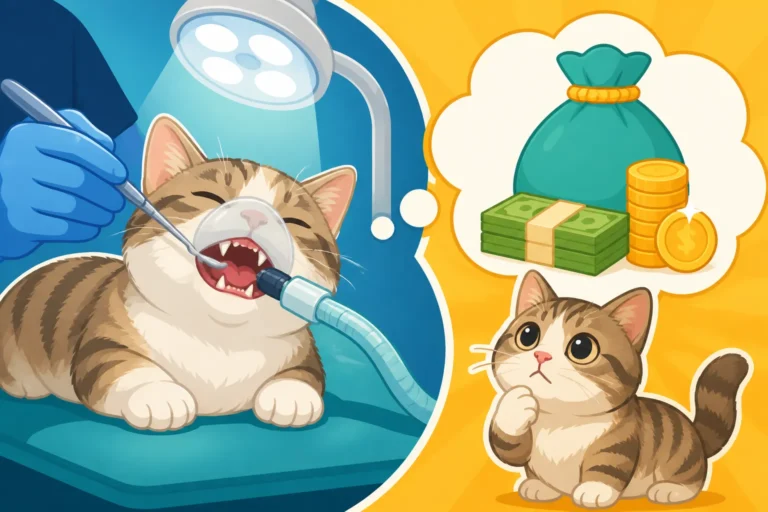
- Overall Health Check: Regular vet check-ups are always crucial. While pet insurance like Healthy Paws typically doesn't cover routine grooming costs, it can be a lifesaver if a grooming-related issue, like a severe skin infection under a mat, escalates and requires medical treatment or even surgery. Your vet can also provide advice on specific grooming challenges if your Munchkin has an underlying health condition that impacts their mobility or skin health. Don’t forget that it’s also important to consider How a Vet Assesses a Munchkin's Leg Conformation and What a Munchkin Breeder Should Be Able to Show You when looking for a cat, as these can influence future grooming needs and potential health issues.
Here's a quick overview of essential grooming tools and their uses:
| Tool Category | Specific Tool | Primary Use | Munchkin-Specific Benefit |
|---|---|---|---|
| Brushes | Slicker Brush | Removing loose hair, detangling minor knots | Reduces matting where self-grooming is difficult. |
| De-shedding Tool | Deep undercoat hair removal | Prevents dense fur build-up prone to trapping debris. | |
| Rubber Curry Brush | Loosening dead hair, stimulating skin | Gentle daily maintenance for short coats, enjoyable massage. | |
| Combs | Wide-toothed Comb | Initial detangling, separating fur | Works through larger tangles on hindquarters without pulling. |
| Fine-toothed Comb | Catching small tangles, checking for debris/fleas | Essential for detailed hygiene checks around the sanitary area. | |
| Clean-Up Aids | Pet-safe Grooming Wipes | Quick clean-ups after litter box, minor soiling | Prevents "dingleberries" and skin irritation in low-slung cats. |
| Waterless Shampoo | Localized cleaning without a full bath | Freshens fur in hard-to-reach areas without bathing stress. | |
| Specialized Tools | Blunt-nosed Scissors | Trimming small mats, removing dingleberries | Safe for precise work in sensitive areas. |
| Pet Clippers | Sanitary clips, extensive mat removal | Creates a clean area to prevent soiling and matting. | |
| Dematting Tool | Breaking up severe mats | Helps manage large tangles when used with extreme caution. | |
| Litter Box Support | Low-Entry Litter Box | Easy access for elimination | Reduces soiling of fur by allowing proper positioning. |
| Litter Trapping Mat | Catches litter from paws and fur | Minimizes tracking and keeps the back half cleaner. |
Grooming your Munchkin's back half might seem like a chore at first, but with the right tools, a gentle approach, and plenty of patience, it becomes a routine that ensures your unique cat stays healthy, comfortable, and looking their best. It's a testament to your love and commitment to their well-being.
Disclaimer
This article is for general informational purposes only and does not constitute professional advice. Laws, prices and regulations vary by location and change over time. Consult a qualified professional for guidance on your specific situation.