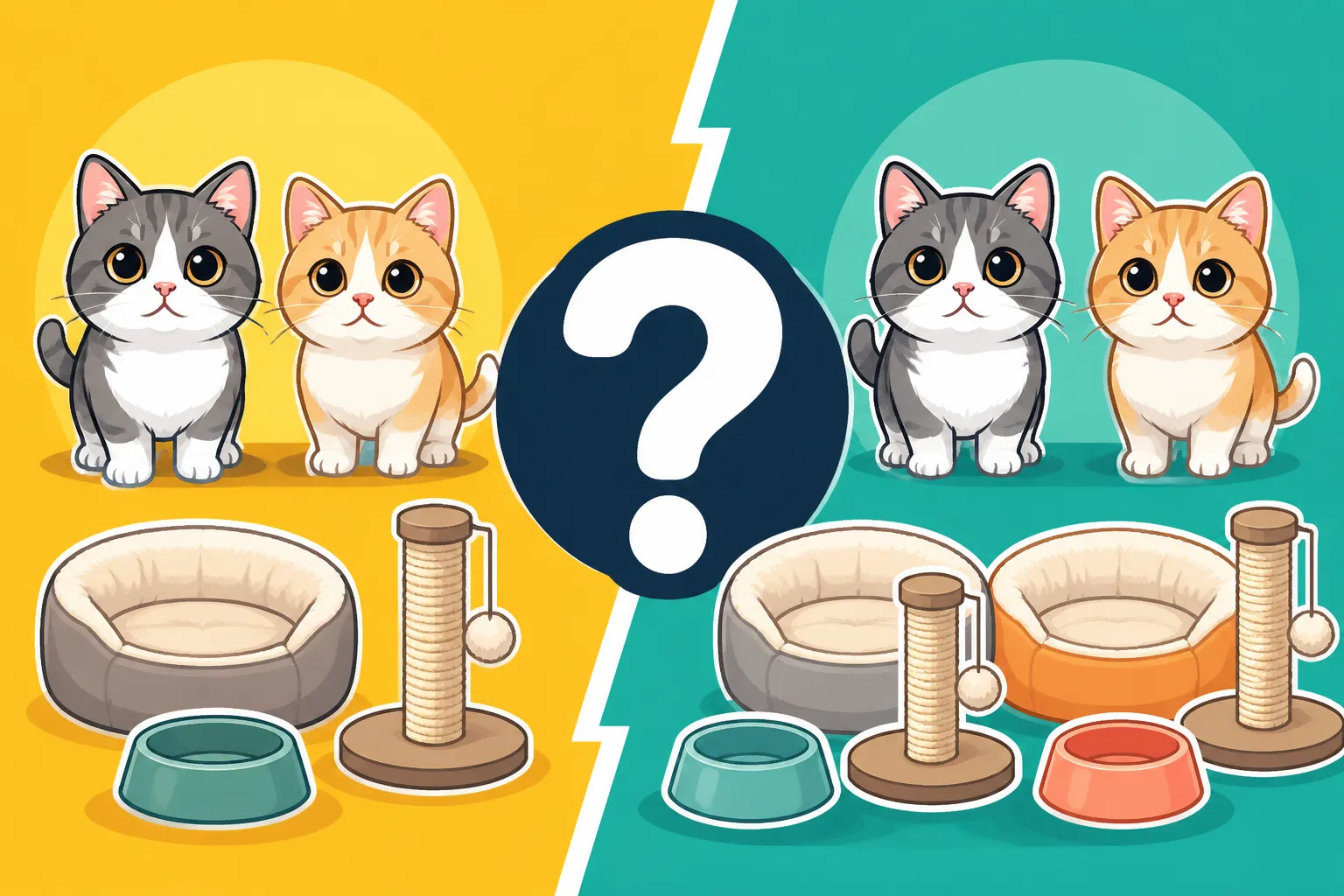
Whether Two Munchkins Need Two Sets of Equipment
Bringing a second Munchkin into your home is an exciting thought, filled with visions of double the purrs and playful antics! But as any seasoned cat parent knows, expanding your feline family often means expanding your pet supply inventory. When it comes to our wonderfully unique short-legged friends, the question isn't always simple, "Do I need two of everything?" but rather, "What specialized equipment do I need, and how does having two Munchkins impact that?" This guide will walk you through the specifics of setting up a multi-Munchkin household, focusing on where shared resources work and where individual items are non-negotiable for their comfort and health.
Understanding the Unique Needs of a Munchkin Cat
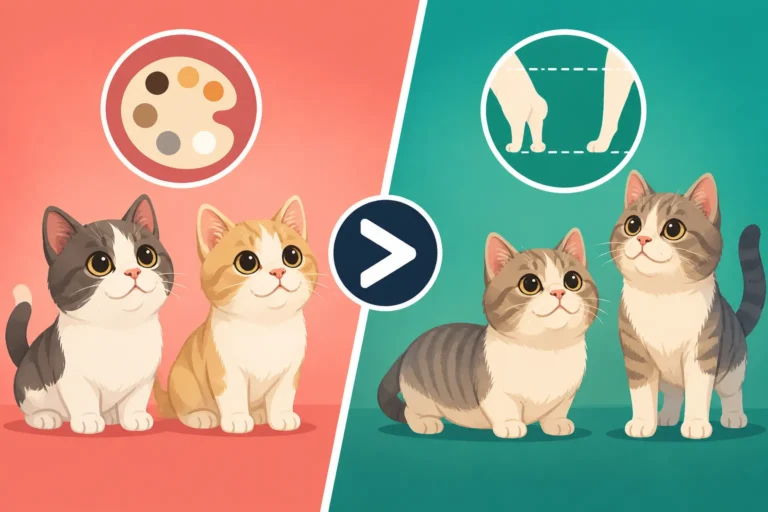
Before we dive into doubling up on supplies, let's take a quick moment to remember what makes a Munchkin's needs a little different from a standard-legged cat. Their defining characteristic, those adorable short legs, means they experience the world closer to the ground. This impacts everything from how they navigate your home to how they groom themselves. They can't jump as high, reaching things is more of a challenge, and certain movements can put more strain on their unique skeletal structure.
For instance, their spine, while generally a normal length, carries a load that a normal cat's does not, especially if they are overweight. This is why considerations like easy access and weight management are paramount. Why a Munchkin's Spine Carries a Load a Normal Cat's Does Not So, when you're thinking about adding a second Munchkin, you're not just duplicating equipment; you're often duplicating the need for specialized equipment that caters to these particular physical traits. It's about ensuring both cats can live comfortably, safely, and without undue strain on their bodies.
Litter Box Logistics for Two Munchkins
When it comes to litter boxes, the general rule of thumb for any multi-cat household is to have one box per cat, plus one extra. So, for two Munchkins, that would ideally mean three litter boxes. This isn't just about giving them options; it's about hygiene, preventing territorial disputes, and ensuring easy access at all times. For Munchkins specifically, the type of litter box is even more critical.
The Importance of Low-Entry Litter Boxes
Munchkins, with their short legs, simply cannot navigate high-sided litter boxes without strain. Imagine trying to step over a wall that's nearly as tall as your hip every time you need to use the restroom – it's uncomfortable, impractical, and over time, could lead to your cat avoiding the box altogether. This is where low-entry litter boxes become essential. They allow your Munchkins to simply walk in and out, reducing stress on their joints and spine.
If you have two Munchkins, you absolutely need all of your litter boxes to be low-entry. You wouldn't want one cat to have easy access and the other to struggle. Think about placement, too. Having multiple boxes spread throughout your home, especially on different levels if you have them (though a single-story home is often ideal for Munchkins), means neither cat has to travel far or perform difficult maneuvers to reach a suitable spot. A great option is a senior cat litter box, as these are specifically designed with lower entrances for ease of access, which works perfectly for our short-legged friends. Which Litter Box a Munchkin Can Actually Enter
Avoiding Shared High-Sided Boxes
While it might seem tempting to try and get away with fewer boxes, or even standard high-sided ones if you think your Munchkins are "good jumpers," please reconsider. A Munchkin's natural inclination to jump may be hindered by their physique, and repeated attempts to clear a high-sided box can lead to joint pain or even injury over time. Forcing them to jump into a high-sided box could also lead to accidents outside the box if it becomes too difficult or uncomfortable.
Moreover, if one Munchkin is larger or more dominant, they might claim the easier-to-access box, leaving the other to struggle with a less ideal option. This can create stress and resentment between your feline companions. Investing in enough appropriate litter boxes from the start means a cleaner home and happier cats. You can find excellent low-entry options from retailers like Chewy, ensuring you have plenty of choices to suit your home and your cats' preferences.
Dining and Hydration: Bowls for Two
Every cat needs its own food bowl, and often its own water bowl. While some cats might tolerate sharing, it's generally better to provide individual spaces for eating and drinking to prevent resource guarding, ensure both cats are getting enough food, and maintain hygiene. For Munchkins, the type of bowl matters just as much as the number.
Raised Bowls for Spinal Comfort
Munchkins tend to eat and drink with their heads lowered close to the ground, which can put a strain on their neck and spine over time. Raised food and water bowls are a game-changer for these cats. By elevating the bowls, you allow them to eat and drink in a more natural, comfortable posture, reducing the need to bend their neck excessively. This is particularly important for cats that might already be predisposed to spinal issues like lordosis. What Lordosis Actually Is in a Munchkin
If you have two Munchkins, you'll need two sets of raised bowls. It's not a shared luxury; it's a necessary ergonomic adjustment for each cat. Place these bowls in separate, quiet areas if possible, especially if one cat tends to eat faster or is prone to guarding their food. This ensures both cats feel secure and can take their time enjoying their meals without competition. You might even consider specialized pet feeders, some of which are designed with adjustable heights, allowing you to fine-tune the perfect eating position for each of your unique Munchkins.
Fresh Water and Multiple Stations
Just like with food, providing multiple water stations is a great idea for two Munchkins. While a large water fountain might serve both, having several bowls scattered around the house encourages hydration, especially if one cat prefers still water and the other likes a flowing source. Ensure these are also raised or easily accessible without extensive stretching. Some cats are very particular about their water sources, and having options can lead to better overall health.
Think about a common scenario: one Munchkin is napping upstairs, and the other is playing downstairs. Having a water bowl in each area means they don't have to navigate stairs (which can be hard on them) just for a drink. This simple consideration can make a big difference in their daily comfort and well-being. Keeping water bowls clean is also paramount, so having multiple bowls makes it easier to rotate and clean them regularly.
Ramps and Steps: Essential Mobility Aids
This is perhaps the most crucial area where the "two sets of equipment" question gets nuanced. Ramps and steps aren't just for one Munchkin; they're for the house. But having two Munchkins might mean you need more ramps and steps, or different configurations, to accommodate their simultaneous access needs.
Outfitting Your Home for Easy Access
Munchkins cannot jump onto high furniture like sofas, beds, or windowsills without significant effort or risk of injury. Therefore, ramps and steps become indispensable. They are not luxuries; they are fundamental pieces of equipment that allow your Munchkins to participate fully in home life without straining their delicate joints and spines. Ramps and Steps Are Munchkin Equipment, Not Luxuries
For two Munchkins, you'll need to assess every piece of furniture they might want to access. If you have a sofa and a bed, you'll likely need a ramp or set of steps for each of those items. If both Munchkins frequently use the same sofa, one ramp might suffice, but if they tend to seek out different napping spots simultaneously, then you'll need to ensure both can get to their preferred cozy corner. Think about it from their perspective: if one cat is on the sofa and the other wants to join, but the ramp is occupied, how does the second cat get up? They might try a risky jump, or simply give up and feel excluded.
The Importance of Safe Ascent and Descent
Ramps should have a gentle slope and a non-slip surface to ensure safe ascent and descent. Steps should be wide enough and have a low rise to make climbing easy. Consider your Munchkins' personalities; some might prefer a ramp, others steps. Having both options available in different parts of the house can cater to individual preferences.
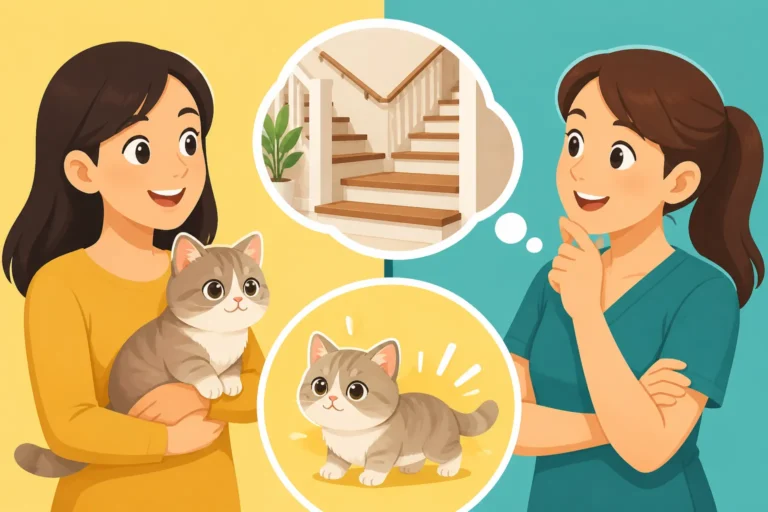
If your home has stairs, it's generally advised to limit a Munchkin's repeated use of them due to the strain on their joints. Why a Munchkin Should Not Use Stairs Repeatedly If you have a multi-story home, you might need to create completely separate, fully equipped zones on each floor, or invest in a ramp system that allows safe passage between levels, though this is often more complex. A safer alternative is to focus their main living areas on one floor or provide easy access points throughout the home to minimize jumping. When planning for two, double-check that every favorite hangout spot is easily reachable for both cats, even if they want to access it at the same time.
Grooming Tools: One Set, Double the Work
Munchkins, especially long-haired varieties, often struggle to groom certain parts of their body due to their short legs, particularly their hindquarters and belly. This means you become their primary groomer for these hard-to-reach spots.
Essential Grooming Kit
For two Munchkins, you generally only need one set of grooming tools: a soft brush, a comb (specific to hair length), nail clippers, and perhaps some pet-safe wipes for quick clean-ups. However, the frequency and effort of grooming will double. What one long-haired Munchkin needed in weekly brushing for its hindquarters, two will need twice as much attention.
Regular grooming is crucial to prevent matting, especially around their rear end where they might not be able to clean themselves thoroughly after using the litter box. Why a Munchkin's Hindquarters Get Matted Matted fur isn't just unsightly; it can be painful, pull on their skin, and even lead to skin infections. You might find yourself needing to schedule regular appointments with a professional groomer for hygiene trims, particularly if you have long-haired Munchkins. Even with a shorthaired Munchkin, regular checks of their belly fur and hindquarters are a must.
Making Grooming a Positive Experience
Start grooming early with both your Munchkin kittens to get them accustomed to the routine. Make it a positive experience with gentle strokes and treats. Since you'll be doing a lot of their grooming for them, this bond is important. Consider special brushes that are easy on their sensitive skin. You can find a wide array of grooming tools and supplies at pet stores like Chewy, making it easy to keep both your short-legged companions looking and feeling their best.
Carriers and Toys: Definitely Two
Some items are unequivocally individual, regardless of breed. Carriers and a variety of toys fall into this category.
Carriers: Safety and Comfort for Each Cat
Every cat needs its own carrier. For two Munchkins, this means two carriers. Trying to squeeze two cats, even small ones, into a single carrier can be stressful and unsafe, especially for a breed with delicate spines. Accidents happen, and if you need to rush one Munchkin to the vet, you don't want to be fumbling for a second carrier or stressing out an already anxious cat by forcing them into a shared space.
Look for carriers that are easy for your Munchkins to walk into, with front or top-loading options. This minimizes the need for you to contort them to get them inside, which is better for their back. Which Carrier a Munchkin Can Walk Into Itself Ensure the carrier is well-ventilated and large enough for them to stand, turn around, and lie down comfortably.
Toys: Individual Fun and Enrichment
While they might share toys, providing a diverse selection for two Munchkins is crucial for their individual enrichment and to prevent boredom. Munchkins love to play, and their play often happens at floor level. How Much Floor Level Play a Munchkin Needs Wand toys, small balls, crinkle toys, and puzzle feeders that they can interact with from a low height are perfect.
Having a variety of toys means they each have options, reducing potential conflict over a favorite item. If one cat is particularly possessive of a toy, having another identical or similar toy can solve the problem. Remember, Munchkins love to chase and "hunt" on the flat, so interactive toys that engage them at their height are ideal. You can also get creative with homemade toys or enrichment activities that leverage their low center of gravity and curiosity.
The Financial Side: Budgeting for Double the Munchkin Care
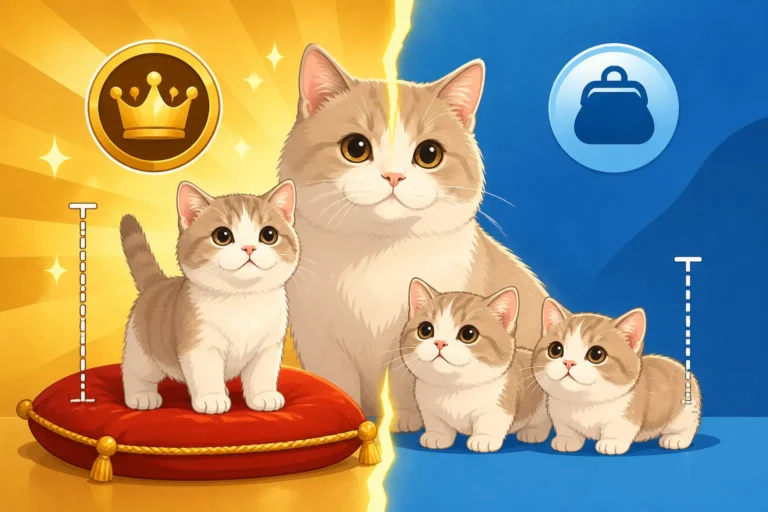
Let's be realistic: two Munchkins mean double the ongoing costs for food, litter, and veterinary care. While some equipment might be a one-time purchase, the consumables and services are not.
Food and Supplements
Munchkins don't necessarily eat more than a normal-legged cat, but they do have specific dietary needs to maintain a healthy weight and support joint health. Why Weight Control Is the Whole Munchkin Care Plan You'll be buying twice the amount of high-quality cat food. If your vet recommends joint supplements as a proactive measure, you'll be purchasing these for both cats.
Veterinary Care and Insurance
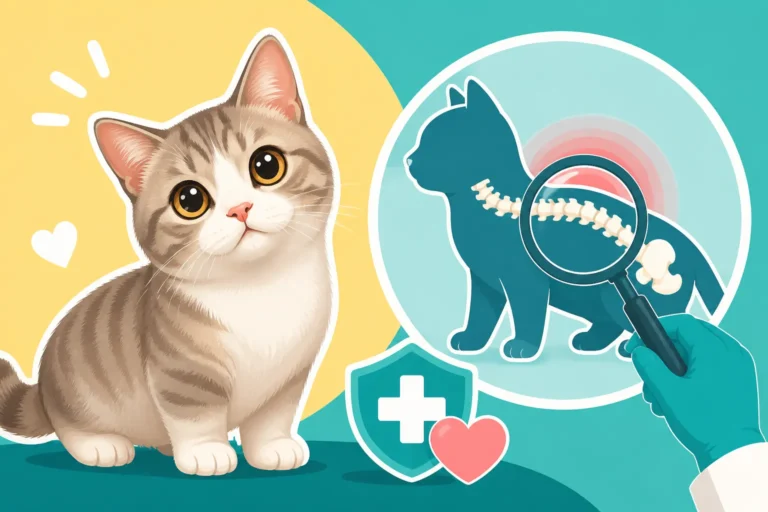
Each Munchkin will need its own routine vet check-ups, vaccinations, and any potential treatments for age-related conditions or specific breed concerns like lordosis or pectus excavatum, should they arise (see How Early a Munchkin's Chest Should Be Checked). This is where pet insurance becomes a wise investment. Companies like Healthy Paws offer comprehensive coverage that can help mitigate the costs of unexpected illnesses or injuries for both of your feline friends. It's always best to get insurance early, before any pre-existing conditions are noted. Budgeting for two sets of annual exams, dental cleanings, and potential specialist visits is a must.
Adapted Home Costs
While ramps and steps are often a one-time investment per piece of furniture, you might find yourself wanting to buy more as your cats age or as you rearrange your home. Think about durable, easy-to-clean materials for their equipment. What works for a young, agile Munchkin might not be suitable for an older cat with some stiffness. What an Old Munchkin Stops Being Able to Do
| Equipment Type | Number for Two Munchkins (Recommended) | Key Considerations for Munchkins |
|---|---|---|
| Litter Boxes | 3 (1 per cat + 1 extra) | Must be low-entry; consider senior cat boxes |
| Food Bowls | 2 | Must be raised to prevent neck/spinal strain; separate preferred |
| Water Bowls/Fountains | 2-3 (multiple stations) | Must be raised or easily accessible; encourages hydration |
| Ramps/Steps | 1-2 per piece of furniture | Gentle slope, non-slip, low rise; ensure simultaneous access |
| Carriers | 2 | Front/top loading, well-ventilated, spacious enough for individual comfort |
| Grooming Tools | 1 set (but double the usage) | Brushes/combs appropriate for coat length; hygiene clips may be needed |
| Toys | Many (diverse selection) | Floor-level play focus; wand toys, small balls, puzzle feeders |
| Beds/Sleeping Spots | 2+ | Floor-level or easily accessible via ramp/steps; individual comfort |
| Scratching Posts | 2+ | Horizontal scratchers or low vertical posts are preferred |
This table provides a quick overview, but remember, the specifics depend on your cats' individual personalities and your home layout.
Conclusion: Planning for a Harmonious Multi-Munchkin Home
Bringing two Munchkins into your life is a joyful experience, and with careful planning, you can ensure both cats thrive. While some equipment can be shared, the general rule is that anything related to their unique physical needs – particularly accessibility and comfort – should be doubled up or multiplied to prevent competition, stress, and potential health issues.
Focus on providing ample low-entry litter boxes, raised food and water stations, and a comprehensive network of ramps and steps throughout your home. Equip yourself with the necessary grooming tools and prepare for the ongoing commitment of regular grooming for their hard-to-reach areas. And always remember the importance of individual carriers and a wide array of toys for their enrichment. By prioritizing their specialized requirements, you'll create a harmonious, healthy, and happy home for your adorable short-legged companions.
Disclaimer
This article is for general informational purposes only and does not constitute professional advice. Laws, prices and regulations vary by location and change over time. Consult a qualified professional for guidance on your specific situation.