Why a Boarding Cattery Needs Warning About a Munchkin
Leaving your beloved Munchkin cat at a boarding cattery can feel incredibly stressful, especially when you know they have unique needs that differ from the average feline guest. It’s not just about finding a place that will feed them and clean their litter box; it’s about ensuring their safety, comfort, and well-being in an environment that might not be designed with their short legs and particular physical quirks in mind. This guide will walk you through precisely why it's absolutely vital to give any prospective cattery a comprehensive heads-up about your Munchkin, outlining the specific considerations that will make all the difference to their stay.
Understanding Your Munchkin's Unique Physical Needs
When we talk about a Munchkin cat, we're talking about a feline friend whose defining characteristic — their short legs — impacts almost every aspect of their physical interaction with the world. This isn't just a cute aesthetic; it's a foundational difference that necessitates a tailored approach to their care, especially in a new and unfamiliar environment like a cattery. A cattery accustomed to standard-legged cats might inadvertently place your Munchkin at risk if they don't understand these fundamental differences.
The Mobility Challenges of Short Legs
Think about a standard cat's agility: leaping onto counters, scaling cat trees with ease, and gracefully jumping down from heights. A Munchkin, bless their heart, simply cannot do most of that. Their short legs, a result of a genetic mutation, mean that their range of motion and jumping capabilities are significantly limited. What might be a simple hop for another cat is an impossible feat for a Munchkin. They might try to jump onto a perch that’s too high, misjudging the distance, or strain themselves trying to navigate steps that are too steep or far apart. This isn't just about inconvenience; it's about potential injury. A cattery needs to understand that any elevated sleeping spots, food ledges, or escape routes in their enclosures must be easily accessible at floor level or via gentle ramps. They might be surprisingly fast on the flat, but vertical challenges are a whole different ballgame. How Many Inches a Munchkin Can Jump is far less than you'd imagine.
Consider a scenario where the only sleeping shelf in a cattery suite is eighteen inches off the ground. For a regular cat, that's nothing. For a Munchkin, that’s a constant source of frustration and potentially painful attempts. They might feel vulnerable if they can't reach a higher vantage point, or they might try to jump repeatedly, putting undue strain on their joints and spine. This constant effort or feeling of insecurity can lead to stress, which in turn can manifest as behavioral issues or even impact their immune system. The cattery staff needs to be aware that your Munchkin isn't being "lazy" if they stay on the floor; they're simply physically unable to do otherwise.
Spinal Health and the Risk of Lordosis
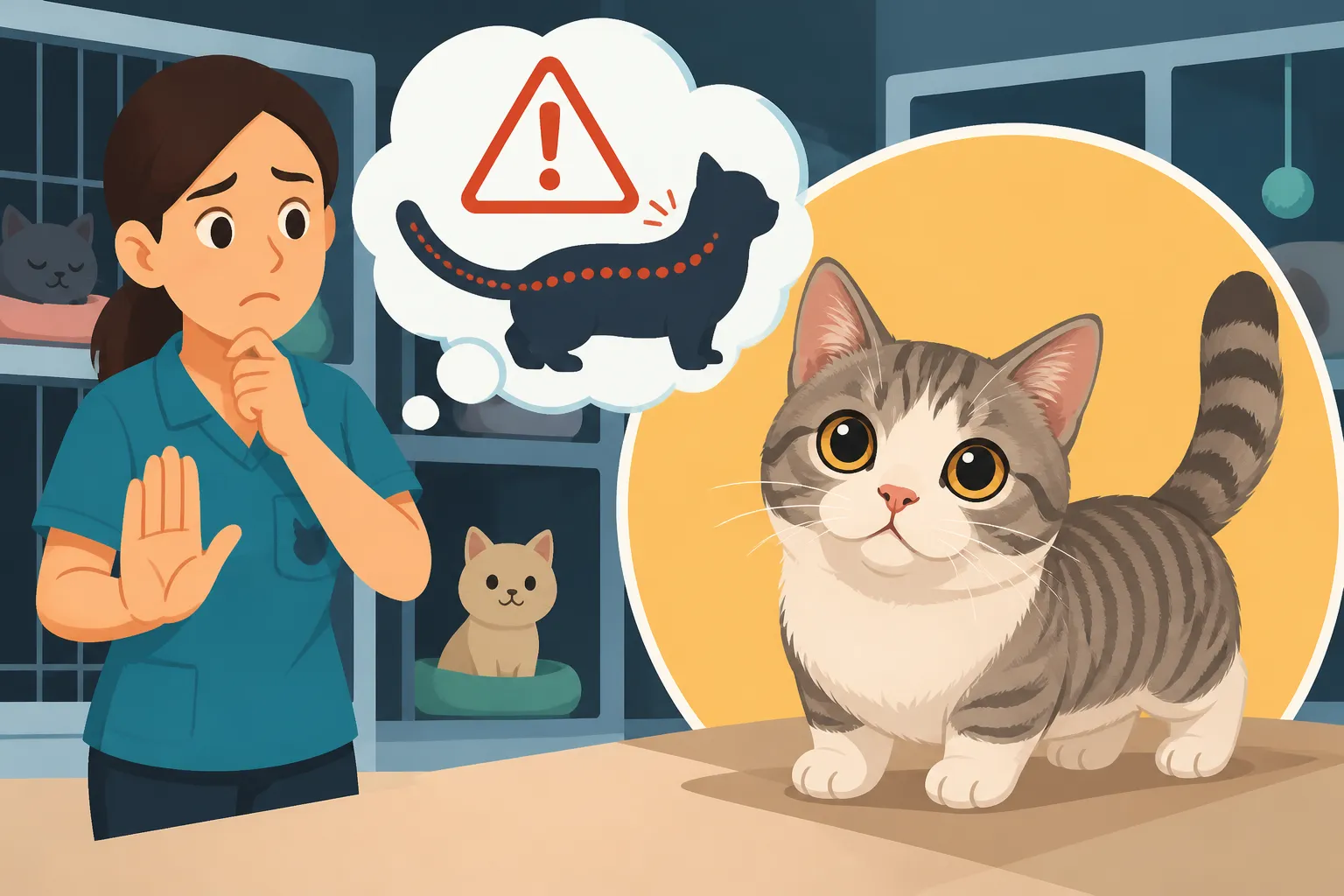
Beyond their leg length, Munchkins can sometimes be predisposed to certain spinal conditions, the most concerning of which is lordosis. Lordosis is a spinal curvature that can range from mild to severe, causing the spine to dip downwards and potentially compress internal organs. While not all Munchkins suffer from this, and responsible breeders work to minimize its occurrence, the possibility is always there. A cattery employee, unaware of this risk, might handle a Munchkin in a way that exacerbates an existing, perhaps undiagnosed, mild lordosis. Lifting them incorrectly, allowing them to fall from even small heights, or encouraging vigorous play that involves twisting or sudden movements could be detrimental. Lordosis Is the Spinal Curve the Munchkin Argument Is About and it's a serious concern for owners.
Imagine a cattery staff member scooping up your Munchkin by placing their hands under the cat's armpits, leaving their hindquarters dangling. For a cat with a healthy, strong spine, this might be uncomfortable but not necessarily harmful. For a Munchkin with even a slight predisposition to lordosis, this could put significant strain on their already vulnerable spine. Similarly, another condition, pectus excavatum, or a "sunken chest," can affect some Munchkins. While less directly impacted by handling, severe cases can affect breathing, and rough play or accidental impacts could certainly be a concern. Pectus Excavatum and the Munchkin's Sunken Chest is another anatomical consideration. Any cattery caring for your Munchkin must be instructed on how to properly support their entire body when lifting and handling them, ensuring their spine remains straight and supported.
Grooming Challenges for Their Undercarriage
One of the less obvious but equally important considerations for a Munchkin is their ability to self-groom. Because of their short legs and flexible spines, many Munchkins struggle to reach and properly clean their hindquarters, the area around their anus, and their lower belly. This isn't a sign of poor hygiene on the cat's part; it's a physical limitation. As a result, these areas can become matted, especially in long-haired Munchkins, or soiled after using the litter box. Grooming the Half of a Munchkin It Cannot Reach is often a task for the owner.
Think about the consequences if a cattery isn't vigilant. Soiled fur can lead to skin irritation, infections, and discomfort. Mats can pull on the skin, causing pain and making the cat reluctant to move. If your Munchkin typically requires a "sanitary clip" or regular wiping, the cattery needs to be explicitly aware of this. They should know what tools to use (or not use) and how gently to perform these tasks, as a stressed cat might lash out if they're handled roughly in sensitive areas. Furthermore, a low-bellied cat is more prone to tracking litter out of their box and potentially collecting it on their fur, so litter type and box access are critical.
Adapting the Cattery Environment for Safety and Comfort
Knowing your Munchkin's specific needs means you can advocate for an environment that actively mitigates risks and enhances their stay. A truly pet-friendly cattery won't just say they "can handle" a Munchkin; they'll be eager to discuss and implement specific adaptations. If they're not, that's a red flag.
Essential Modifications for Play and Rest
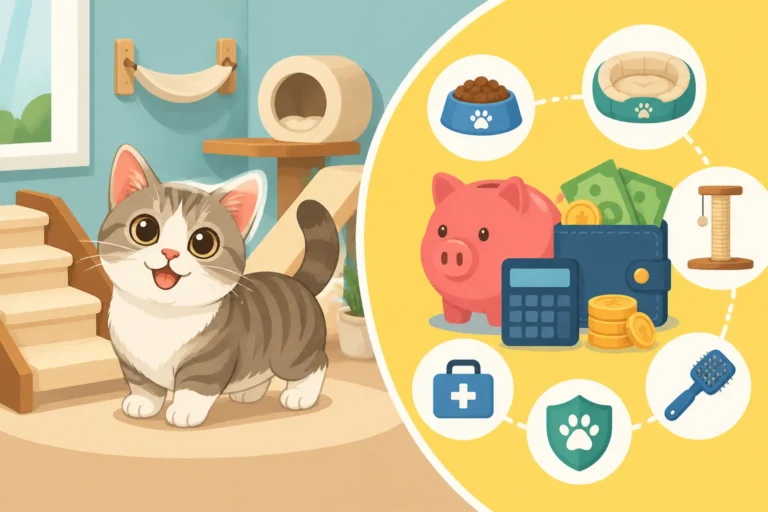
For a Munchkin, the standard cattery setup often falls short. Their enclosures need to be designed with their unique mobility in mind. This means rethinking elevated platforms and focusing on floor-level amenities. Instead of high ledges, secure, low-to-the-ground platforms or custom-built steps are essential for them to reach any raised areas safely. Even better, a suite that primarily offers safe, ground-level comfort with easy access to all necessities is ideal. Ramps and Steps Are Munchkin Equipment, Not Luxuries – they are a necessity.
Consider the basic essentials: food, water, and the litter box. For a standard cat, bowls might be on a low stand or directly on the floor. For a Munchkin, they should always be at a comfortable height that doesn't require stretching or bending their neck excessively, but also not so low that they are constantly crouching. Raised bowls can alleviate strain on their shoulders and neck. More importantly, the litter box is a crucial piece of equipment. A traditional litter box with high sides is an insurmountable obstacle for many Munchkins. They need a low-entry litter box that they can simply walk into without having to jump or strain. If the cattery only has high-sided boxes, your Munchkin might refuse to use it, leading to accidents and stress. Chewy offers a wide variety of low-entry litter boxes and ramps that are perfect for Munchkins, and discussing these options with your cattery, or even providing your own, is a smart move.
Preventing Falls and Injuries
Falls are a major concern for Munchkins. While a short fall might seem innocuous to a standard cat, for a Munchkin with potentially vulnerable joints and spine, even a small drop can lead to serious injury. This means any cat trees or climbing structures within their cattery enclosure must be carefully evaluated. Platforms should be close-set, secure, and offer clear, easy routes up and down, preferably with ramps rather than sheer drops. How a Munchkin Uses Furniture as a Staircase naturally, but in a new place, they need explicit, safe options.
A cattery that allows communal playtime needs even greater scrutiny. A Munchkin cannot quickly escape a boisterous playmate by climbing a cat tree or jumping onto a high shelf. They are inherently more vulnerable in social situations where quick vertical evasion is not an option. If your Munchkin is going to interact with other cats, the cattery must ensure constant, attentive supervision and a setup that allows for easy, ground-level retreat and hiding spots. Preventing accidental falls from furniture, window sills, or even human hands is paramount. You need to know that staff are trained to lift your Munchkin with full body support and are aware of the fragility of their unique physiology.
The Importance of Communication and Cattery Selection
Choosing the right cattery and establishing clear communication are perhaps the most critical steps in ensuring your Munchkin's safe and happy stay. Don't assume anything; ask every question that comes to mind, and be prepared to educate the staff.
What to Discuss Before Booking
Before you even consider booking, you need to have an in-depth conversation with the cattery manager or the primary caregiver who will be looking after your cat. Ask about their experience with short-legged breeds specifically. Have they cared for Munchkins before? If not, are they willing to learn and adapt? Be direct and ask about their facility's setup:
- Enclosure Accessibility: Are there low-entry litter boxes readily available? Are all resting places and food stations at ground level or equipped with ramps?
- Emergency Protocols: What is their plan if your Munchkin has a fall or shows signs of discomfort or pain? Which veterinary clinic do they use, and is it equipped to handle potential orthopedic or spinal concerns? Having pet insurance like Healthy Paws can provide immense peace of mind in such emergencies, ensuring that your cat gets immediate, comprehensive care without financial hesitation.
- Staff Training: Are their staff trained in proper handling techniques for short-legged cats, ensuring full spinal support when lifting?
- Playtime & Interaction: How do they manage playtime, especially if other cats are present? Do they have quiet, secure spaces for cats who prefer solitude or are more vulnerable?
- Monitoring: How often do they check on their guests, and what specific behaviors will they monitor for in a Munchkin that might indicate stress or discomfort? Why a Withdrawn Munchkin Should See a Vet is important for any cat, but especially one with unique physical traits.
This isn't about being demanding; it's about being a responsible pet parent. A good cattery will appreciate your thoroughness and be transparent about their capabilities.
Providing a Detailed Care Plan
Beyond verbal discussions, always provide a written, detailed care plan for your Munchkin. This document should cover everything from their dietary needs to their grooming routine and specific quirks.
Your Munchkin's Personalized Care Plan Should Include:
| Category | Details to Include | Why It Matters for a Munchkin |
|---|---|---|
| Diet | Specific food brand, portion size (weighed!), feeding schedule, any supplements (e.g., joint support), allergies. | Why Weight Control Is the Whole Munchkin Care Plan; excess weight burdens joints and spine. |
| Litter Box | Type of litter preferred, need for low-entry box, frequency of cleaning. | Prevents accidents outside the box and minimizes tracking litter on their low belly. |
| Grooming | How often to brush, specific areas (hindquarters, belly), need for wiping after litter box, warnings about matting. | Prevents matting, skin irritation, and ensures hygiene in areas they can't reach. |
| Medication | Name, dosage, frequency, method of administration. | Crucial for ongoing health, especially for older Munchkins or those with known conditions. |
| Play & Exercise | Preferred toys (floor-level), how to encourage play without excessive jumping, how often they like interaction. | Ensures mental and physical enrichment without risking injury. |
| Handling | Strict instructions on how to lift (full body support), areas to avoid touching, signs of discomfort when handled. | Protects their spine and joints, preventing accidental strain or pain. |
| Emergency Contacts | Your vet's info, emergency contact person, pet insurance details. | Expedites care in an emergency; ensures seamless communication. |
| Behavioral Notes | Any anxieties (e.g., loud noises), how they react to strangers, social preferences (shy vs. outgoing). | Helps staff understand and cater to their emotional needs, reducing stress. |
This document acts as a comprehensive reference for the cattery staff, minimizing misunderstandings and ensuring your Munchkin receives consistent, appropriate care. If your Munchkin is on a specialized diet for joint health or weight management, mentioning it could also be relevant in discussing their nutritional needs.
Behavioral Considerations and Social Dynamics
Munchkins are often described as playful, curious, and incredibly affectionate cats, but their physical limitations can profoundly impact their behavior and interactions, especially in a new setting with other animals.
Social Interactions with Other Cats
In a communal cattery environment, a Munchkin can be at a distinct disadvantage. While many cats will respect boundaries, some more boisterous or dominant felines might inadvertently intimidate or even bully a Munchkin. Because Munchkins cannot easily jump to high perches or scale walls to escape a confrontation, they lack the natural escape routes that standard cats possess. This can lead to increased stress, anxiety, and a feeling of vulnerability. Why a Munchkin Cannot Get Away From a Dog in a home setting translates directly to being unable to escape other dominant cats in a cattery.
A cattery must understand this dynamic. If they allow cats to mingle, they need to implement strict supervision and provide ample ground-level hiding spots or separate enclosures for Munchkins. Even a friendly chase can turn dangerous if your Munchkin tries to leap over an obstacle and misjudges it, or if they are cornered. Discussing your Munchkin's temperament – whether they are shy, outgoing, or prefer their own company – is crucial. For many Munchkins, individual suites with plenty of floor-level enrichment and human interaction are far preferable to a communal setting.
Monitoring for Stress and Changes
Cats, by nature, are creatures of habit, and being in an unfamiliar environment can be stressful for any feline. For a Munchkin, whose physical capabilities are already constrained, this stress can be amplified. A good cattery should be trained to recognize subtle signs of stress or discomfort. This includes changes in appetite, litter box habits, vocalization, hiding more than usual, or a reluctance to move.
For a Munchkin, specifically, watch for:
- Reduced mobility: Are they moving less than usual, or showing hesitation before attempting small movements? This could indicate pain or discomfort in their legs or spine.
- Changes in posture: Are they sitting or lying in unusual positions? Are they doing the "prairie dog sit" less often, or is it painful for them?
- Grooming neglect: Are they neglecting their hindquarters or belly? This could be a sign of discomfort or increased stress impacting their self-care routine.
- Litter box avoidance: If they suddenly start having accidents, it might not just be stress; it could be that the litter box setup is difficult for them.
Regular updates from the cattery, including photos or videos, can provide peace of mind. A cattery that understands Munchkins will proactively communicate any concerns and be vigilant in monitoring these specific indicators, ensuring that your unique little friend has the safest and most comfortable stay possible while you're away.
Disclaimer
This article is for general informational purposes only and does not constitute professional advice. Laws, prices and regulations vary by location and change over time. Consult a qualified professional for guidance on your specific situation.