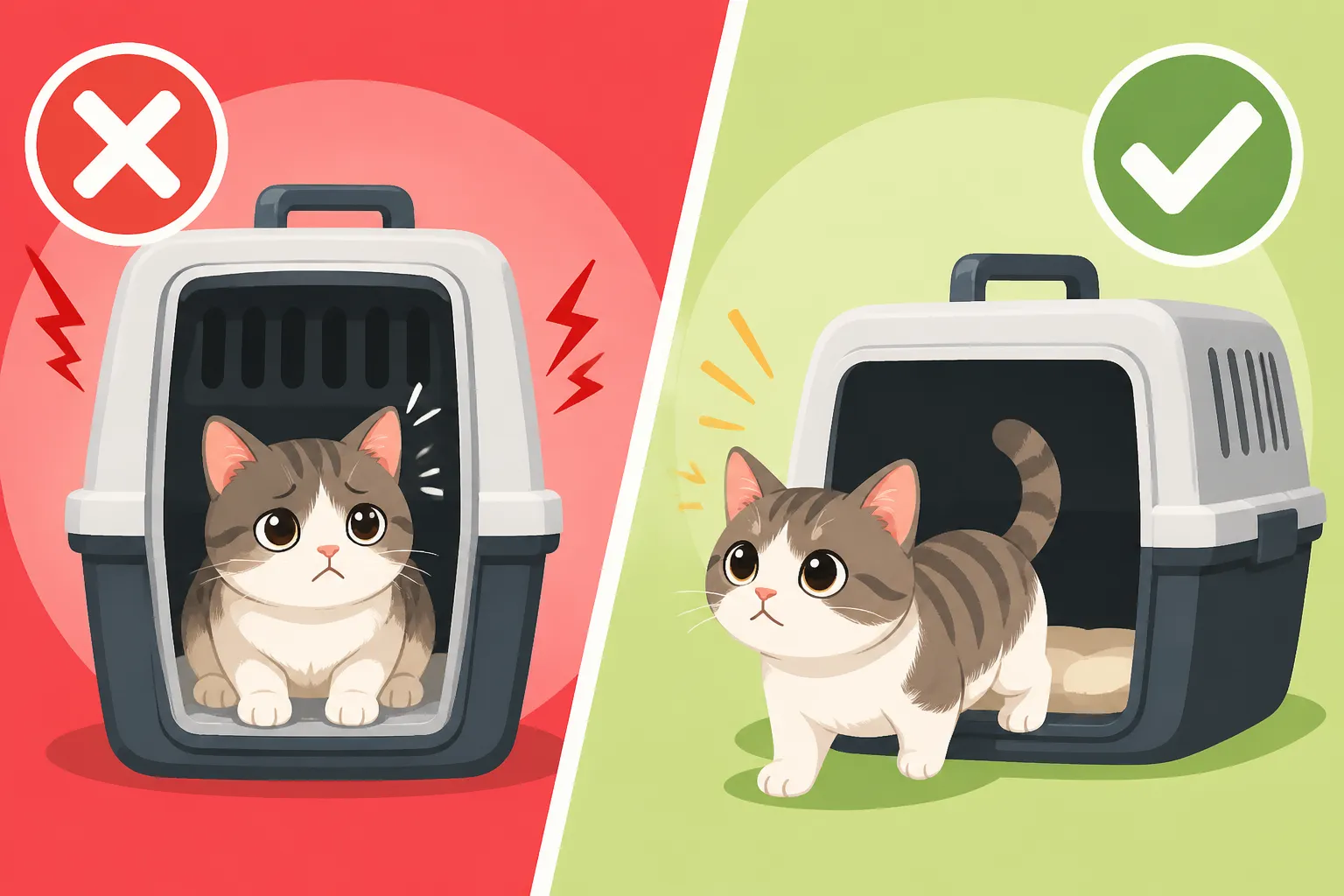
Why a Munchkin’s Carrier Needs a Low Opening
It’s a universally frustrating experience for cat parents: the struggle to get our beloved felines into their carriers, especially when a vet visit looms. For us Munchkin cat owners, this familiar wrestling match takes on an entirely different dimension, becoming not just a battle of wills but a genuine physical challenge for our short-legged companions. Your Munchkin's carrier isn't just a box; it's a vital piece of equipment that needs to accommodate their unique physical structure. This guide will dive deep into why a low opening is paramount for a Munchkin cat carrier, ensuring comfort, safety, and a significantly less stressful experience for both you and your furry friend.
The Unique Mobility Challenges of a Munchkin Cat
Understanding why a low opening is so crucial for a Munchkin means understanding their unique physical makeup. These little dynamos are built differently from your average long-legged cat, and that difference profoundly impacts their mobility, especially when it comes to navigating vertical spaces like the lip of a carrier.
Understanding the Short Legged Stance
Munchkin cats are famous for their endearing, low-slung profiles, which come from their naturally short legs. It's a genetic trait known as pseudoachondroplasia. While their legs are distinctively short, it's important to remember that their body length and spine are typically normal for a cat of their size. This creates a very low center of gravity, which actually makes them incredibly agile on flat ground, allowing them to zip around corners with surprising speed. However, this same unique conformation presents significant limitations when any kind of vertical movement is required.
Imagine trying to climb a curb that's half your height. That's a bit like what a Munchkin faces when confronted with even a modest step up. Their short limbs mean they lack the leverage and spring power of their long-legged cousins. Every inch they need to gain vertically requires a disproportionate amount of effort. They can't simply step over a high lip with ease; it becomes a deliberate, sometimes strenuous, climb or a small, potentially risky jump. This isn't just inconvenient; it's a fundamental aspect of their movement, and one that must be considered in everything from their furniture to their carriers. For more on their build, check out Why a Munchkin's Legs Are Short but Its Body Is Not.
The Strain of Jumping and Climbing
While Munchkins are incredibly resilient and often display boundless energy, their unique anatomy means that repeated or forceful jumping and climbing can put undue strain on their musculoskeletal system. Their short legs absorb impacts differently, and their normal-length spine has to bear the brunt of any awkward landings. This isn't to say a Munchkin can't jump – they absolutely can, often in a series of smaller, strategic hops to reach higher surfaces – but every jump carries a higher risk of stress or injury compared to a standard cat.
Consider the force involved when a cat lands from a jump. For a Munchkin, whose front legs are shorter and often appear slightly bowed, the shoulders and elbows bear a significant portion of this impact. Over time, or with a sudden misstep, this can lead to discomfort or accelerate the onset of joint issues like osteoarthritis. Their spine, while typically normal in length, is not designed for the compression that can occur from repeated forceful upward movements or jarring landings. Conditions like lordosis (an excessive inward curve of the spine) or pectus excavatum (a sunken chest) are sometimes discussed in relation to the breed, making spinal health an even greater concern. Any situation that forces a Munchkin into an uncomfortable or strenuous jump, like entering a carrier with a high lip, is an unnecessary risk that we, as responsible owners, should strive to avoid. It’s worth understanding Why a Munchkin's Spine Carries a Load a Normal Cat's Does Not and How a Munchkin's Elbows Take the Landing.
Why Traditional Top-Loading and Front-Loading Carriers Fall Short
When you pick up a standard cat carrier, you might not think twice about its entry points. But for a Munchkin cat, these conventional designs often become literal barriers, turning what should be a simple entry into a stressful ordeal.
The Struggle with Top-Loading Carriers
Top-loading carriers, while often lauded for keeping cats from "backing out," present a unique set of challenges for Munchkins. Imagine trying to lower your cat, perhaps a bit squirmy and anxious already, into a relatively narrow opening from above. For a long-legged cat, this might be a quick, controlled descent. For a Munchkin, it's an awkward, almost undignified experience.
When you try to lower them, they naturally brace their short legs, attempting to gain purchase on the sides or bottom of the carrier to resist. This can lead to them twisting their back, straining their shoulders, or even slipping. The lack of control during this process can be frightening for the cat, associating the carrier with an unpleasant, forceful experience. It's not uncommon for a Munchkin to become agitated, scratching or struggling, making the task not only difficult for them but potentially dangerous for you. Trying to guide a Munchkin into a carrier from above can feel like dropping a small, resistant sack of potatoes into a bucket – neither elegant nor comfortable for anyone involved. This struggle can compound their anxiety about leaving the house, especially for vet visits.
The Barrier of High Front Openings
Many traditional carriers feature a front-loading door, which seems more intuitive since cats walk forward. However, the critical detail here is the height of the lip or threshold. Standard carriers are designed with enough clearance for a long-legged cat to step over with minimal effort. For a Munchkin, that seemingly small step can be a formidable obstacle.
A typical front door on a carrier can have a lip that's several inches high. To a Munchkin, this isn't a step; it's a climb. They have to exert significant effort to lift their body over it, often leading to them scraping their belly, or worse, misjudging the height and falling or twisting a leg. This isn't just about physical difficulty; it's also about psychological intimidation. If a Munchkin perceives the entry as too high or too difficult, they're far more likely to resist. They might paw at the opening, circle it, or even try to squeeze under it, rather than attempting the uncomfortable climb. This resistance makes the whole process stressful, not just at home, but also when they need to re-enter the carrier at the vet's office. The goal is to make the carrier feel as accessible and non-threatening as possible, and a high front lip actively works against that goal.
The Benefits of a Low-Entry or Top-Opening Carrier for Munchkins
Fortunately, thoughtful carrier design can make a world of difference for our short-legged friends. When we prioritize accessibility, we pave the way for smoother transitions and happier travel experiences.
Ease of Entry with a Low Opening
The most significant benefit of a carrier with a truly low or ground-level opening is the sheer reduction in physical strain and psychological stress for your Munchkin. Instead of being forced to jump or be awkwardly lowered, they can simply walk in. Imagine a carrier with a door that unzips or swings open right down to the floor, or one that features a built-in ramp or a very shallow, gradual step. This eliminates the need for any strenuous lifting or jumping, protecting their delicate joints and spine.
When a Munchkin can walk into their carrier on their own terms, it immediately transforms the experience. They feel more in control, less threatened, and the carrier becomes a less intimidating space. This ease of entry is particularly invaluable for regular vet visits, where reducing stress is paramount. A calm cat is easier for a vet to examine, and a less stressed cat experiences less anxiety overall. It also means you, as the owner, aren't wrestling with a distressed animal, reducing the risk of scratches or bites. Look for carriers that boast a "walk-in" feature or a very minimal threshold. Many pet supply stores, like Chewy, offer a wide variety of carrier designs, so you can often find options specifically addressing these accessibility needs. The principle is similar to finding a How Low a Munchkin Litter Box Entry Should Be – make it easy for them to access.
Top-Opening for Less Stressful Placement
While a low front entry is ideal, a carrier with a full top-opening is another fantastic option, especially for cats who are particularly resistant to any form of "walk-in" or who might need a bit more coaxing. Unlike the narrow opening of some top-loaders, a carrier that unzips or flips open almost entirely from the top allows you to gently place your Munchkin inside without forcing them.
This method provides excellent control and reduces the cat's ability to brace or struggle against being put in. You can carefully lift them, supporting their entire body, and gently lower them into the carrier. This avoids any awkward twists or uncomfortable physical manipulation that can occur with front-entry or narrow top-entry carriers. It's often the preferred method for highly anxious cats or those with any pre-existing joint issues, as it minimizes physical strain during placement. This approach makes the experience far more reassuring for your Munchkin and less of a battle for you. Learning How to Lift a Munchkin Correctly is key here, ensuring you support their back and hindquarters.
Considering Material and Design for Comfort
Beyond the opening mechanism, other carrier features contribute significantly to a Munchkin's comfort and safety. Stability is crucial: a flimsy or wobbly carrier can be disorienting and frightening, especially during transport. Look for carriers with a solid, rigid bottom that won't sag or shift. Good ventilation, often achieved through mesh panels, is vital to prevent overheating and ensure fresh air circulation, reducing claustrophobia.
Soft, washable bedding inside the carrier can make it a much more inviting space. A familiar blanket or a small, soft bed can provide comfort and security, absorbing some of the bumps and vibrations during travel. Some carriers also come with an internal leash clip, which can be useful for keeping a particularly Houdini-prone Munchkin secure once inside, though it should never be used to pull them in. For long-haired Munchkins, avoid any rough mesh or sharp edges that could snag their fur. Investing in a high-quality, comfortable carrier is an investment in your Munchkin's long-term well-being and a less stressful experience for both of you. While not directly related to carrier features, good care for their joints (which a suitable carrier helps with) might be something your pet insurance, like Healthy Paws, would cover if problems arise from accidents.
Practical Tips for Choosing and Using a Munchkin-Friendly Carrier
Choosing the right carrier is just the first step. Learning how to introduce it and use it effectively will cement its role as a safe, low-stress space for your Munchkin.
What to Look for in a Carrier's Opening
When you're shopping for a Munchkin carrier, don't just glance at the overall design. Zoom in on those openings! Here’s what you should specifically look for:
- Low Threshold Front Entry: Ideally, the front opening should have a lip that is as close to the ground as possible – think one or two inches at most. Some excellent designs feature a zipper that goes almost all the way down, allowing the entire front panel to swing open like a door, creating a ramp-like entrance. This is often the easiest for a Munchkin to walk into independently.
- Full Top-Opening Access: If a low front entry isn't available or preferred, opt for a carrier where the entire top unzips or opens wide. This allows you to place your Munchkin gently inside, supporting their body, rather than trying to stuff them through a small opening.
- Door Size and Clearance: Regardless of whether it's front or top opening, ensure the actual opening is wide and tall enough for your Munchkin to pass through or be placed without having to contort their body. A cramped opening will only increase their stress.
- Rigid vs. Soft-Sided: Rigid plastic carriers can be very sturdy and easy to clean, often coming with front or top-loading options. Soft-sided carriers, on the other hand, can be lighter and more flexible, with many offering expansive zip-down fronts or tops. Just ensure a soft-sided carrier has a firm bottom and good structural integrity so it doesn't collapse on your cat. Many reputable online retailers, such as Chewy, provide detailed product descriptions and customer reviews, often with photos, that can help you gauge the suitability of a carrier's opening for a Munchkin.
Acclimating Your Munchkin to Its Carrier
Even the most perfectly designed carrier won't be a stress-free zone if your cat only sees it when it’s time for a scary vet trip. The key is desensitization and positive association. Start early and make the carrier a normal part of their environment.
- Leave it Out: Don't hide the carrier away in a closet. Keep it out in a common area of your home, with the door open. Let them explore it on their own terms.
- Make it Comfy: Place a soft blanket, a favorite toy, or even a piece of your clothing inside. The goal is to make it an inviting den, not a prison cell.
- Treats and Play: Start scattering high-value treats (like freeze-dried chicken or a small dollop of a salmon-flavored soft treat) near and then inside the carrier. Play with wand toys around the entrance, enticing them to step in voluntarily.
- Feed Meals Inside: For highly food-motivated cats, try feeding them their meals just inside the carrier. This creates a strong positive association with food and a safe space.
- Pheromone Sprays: Consider using a feline-calming pheromone spray inside the carrier about 15-20 minutes before you need to use it. This can help reduce anxiety.
- Short, Happy Trips: Once they're comfortable going in and out, try closing the door for very brief periods, then opening it and offering a treat. Gradually increase the time the door is closed, then try short trips around the house, then to the car. The idea is to build confidence slowly. This process is similar to general How to Get a Munchkin Used to Being Handled – gentle, positive reinforcement is key.
Travel Considerations and Safety
Once your Munchkin is comfortable with their low-entry carrier, a few more tips will ensure their actual travel experiences are as smooth and safe as possible.
- Secure the Carrier: In a car, always secure the carrier with a seatbelt or place it on the floor behind a seat. An unsecured carrier can tumble, causing injury and extreme stress to your cat. Never place it on an elevated surface that could shift or fall.
- Minimize Movement: While driving, try to minimize sudden stops or sharp turns. Drive smoothly to keep the carrier stable.
- Comfort Items: Continue to use familiar bedding and toys inside the carrier during travel. A light blanket draped over part of the carrier can provide a sense of security and reduce visual stimuli that might cause anxiety.
- Avoid Feeding Right Before Travel: A full stomach might lead to motion sickness. Offer a small meal a few hours before, but avoid large meals immediately prior to travel.
- Consider a Portable Water Bowl: For longer trips, a small, spill-proof water bowl or a licker bottle attached to the carrier can be useful.
- Stay Calm Yourself: Cats are incredibly perceptive. If you're stressed and anxious about getting them into the carrier, they will pick up on that. Maintain a calm, reassuring demeanor throughout the process. Your peaceful presence can be the best calming influence. Remember, the journey can be stressful, and ensuring your Munchkin feels safe inside the carrier is paramount for their overall well-being, especially considering factors like Whether a Munchkin Is a Normal Anesthetic Risk for vet visits.
| Carrier Type | Entry/Exit for Munchkins | Pros for Munchkins | Cons for Munchkins |
|---|---|---|---|
| Traditional Top-Loader | Narrow top opening, requires lowering cat from above. | Cat cannot back out. | Difficult and stressful placement, potential for spinal twist/strain. |
| Traditional Front-Loader | Front door with a high lip/threshold (typically 4+ inches). | Cat theoretically walks forward. | High lip is a significant barrier, requires a jump/climb, scrapes belly. |
| Low-Entry Front-Loader | Front door unzips/swings open almost to the ground. | Cat can walk in easily, minimal physical strain, less stress. | Can be harder to find than traditional models. |
| Full Top-Opening Carrier | Entire top unzips, allowing wide access for placement. | Allows gentle, controlled placement, good for anxious/resistant cats. | May not allow independent entry, can be heavier if rigid. |
Ultimately, investing in a carrier designed with your Munchkin's unique needs in mind isn't just about convenience; it's about providing a safe, comfortable, and respectful way for them to travel. It reduces stress, prevents potential injuries, and strengthens the bond of trust you share with your special little cat. Just like providing Ramps and Steps Are Munchkin Equipment, Not Luxuries around the house, the right carrier is an essential piece of equipment for their quality of life.
Disclaimer
This article is for general informational purposes only and does not constitute professional advice. Laws, prices and regulations vary by location and change over time. Consult a qualified professional for guidance on your specific situation.