Why a Munchkin Costs More in Japan Than America
It can be incredibly confusing and even a bit frustrating when you're looking into bringing a Munchkin cat into your life, only to find vastly different price tags depending on where you look on the globe. Specifically, many aspiring owners notice a significant price disparity between Munchkin kittens sold in Japan and those in America. This guide is here to unravel those differences, explaining the unique blend of cultural, economic, and logistical factors that contribute to why a Munchkin might carry a higher price tag in the Land of the Rising Sun.
The Cultural Landscape and Demand for Pedigree Cats in Japan
Japan has a deeply ingrained cultural appreciation for pets, especially cats, often viewing them as integral family members. This cultural reverence, combined with specific societal trends, creates a unique market dynamic for pedigree breeds like the Munchkin, driving up demand and, consequently, prices.
Pets as Status Symbols and Companionship in Urban Environments
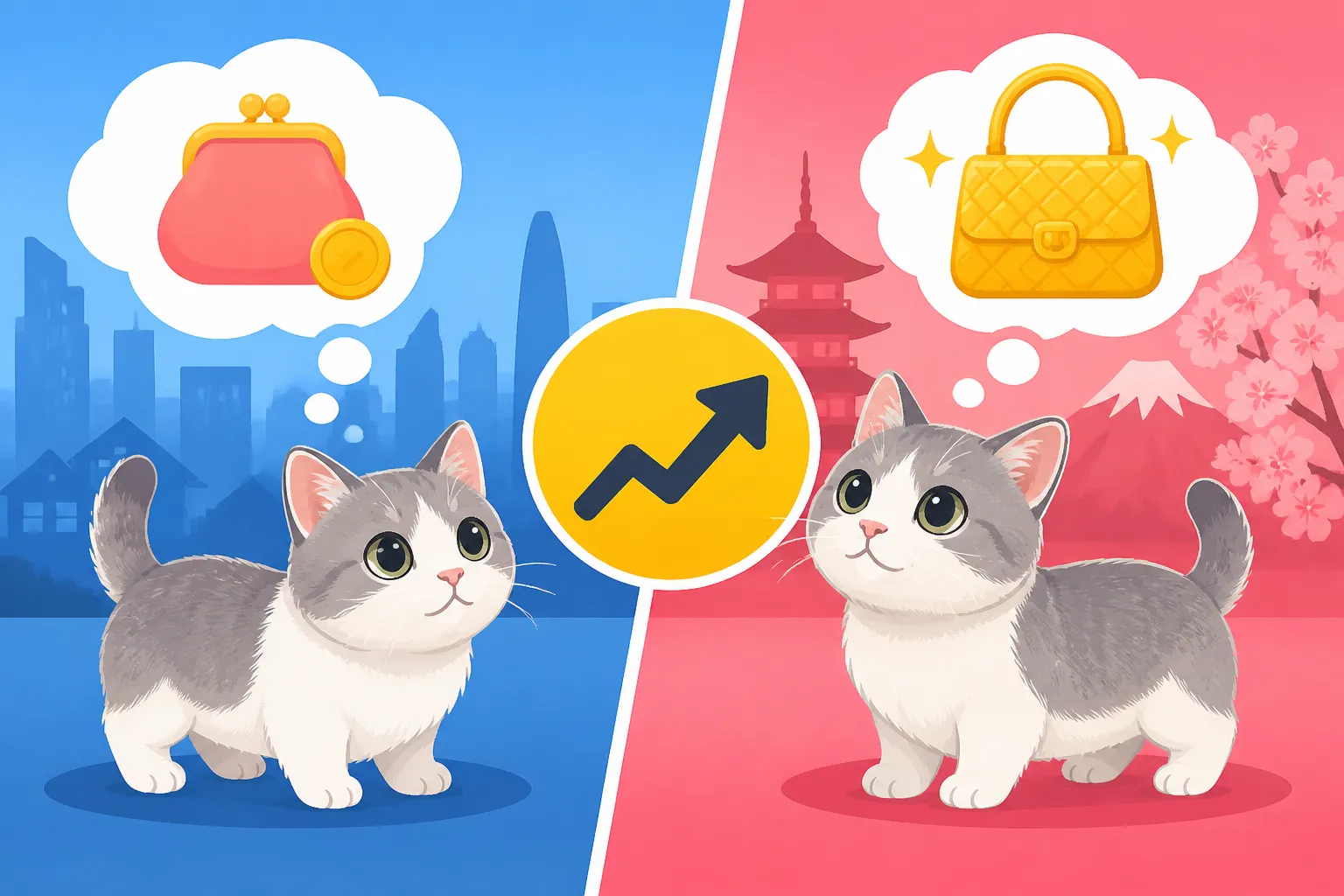
In Japan's densely populated urban centers, living spaces can be quite compact. This often means that larger, outdoor-oriented pets might not be practical. Smaller, indoor-friendly breeds like the Munchkin, with their endearing short legs and often playful, affectionate personalities, fit perfectly into this lifestyle. They offer companionship without demanding extensive outdoor access, making them incredibly desirable for city dwellers. Beyond just companionship, owning a rare or unique pedigree cat can also carry a certain social cachet, much like owning a designer handbag or a luxury car. This isn't just about showing off; it's about investing in a beloved member of the family that brings joy and reflects a certain aesthetic. The compact size and distinct look of the Munchkin make it a perfect fit for this demographic, leading to very high demand.
The Role of Pet Cafes and Media in Popularizing Breeds
Anyone who's been to Japan knows about the thriving pet cafe culture. Cat cafes, in particular, are incredibly popular, offering city residents a chance to interact with various breeds they might not be able to keep at home. These cafes often feature unique and visually appealing cats, and Munchkins, with their unmistakable appearance, are frequently among them. This exposure through popular media and accessible public spaces significantly boosts public awareness and desirability. When people see these adorable cats up close, their desire to own one can skyrocket. This widespread exposure translates directly into higher demand in the pet market, creating a competitive environment for buyers and allowing breeders to command higher prices. It’s a powerful form of soft marketing that constantly reinforces the breed's appeal.
Breeding Practices and Regulatory Frameworks
The way cats are bred, the standards breeders adhere to, and the governmental regulations in place all play a monumental role in the final cost of a Munchkin. Japan often has different regulatory environments and consumer expectations that contribute to higher overhead for breeders, which naturally passes on to the buyer.
Strict Breeding Standards and Ethical Considerations
In Japan, there's a strong emphasis on responsible breeding practices, often including extensive health screenings and adherence to breed standards set by local associations. While the Munchkin breed itself is a subject of debate in some parts of the world due to its genetic mutation, breeders operating within strict ethical guidelines in Japan often invest heavily in ensuring the health and well-being of their breeding stock and kittens. This can involve genetic testing for common feline diseases, regular veterinary check-ups for parents and offspring, and providing optimal nutrition and living conditions. For example, a reputable breeder will always perform thorough health checks and may provide documentation like those mentioned in What a Munchkin Breeder Should Be Able to Show You. These meticulous practices, while crucial for healthy kittens, add to the breeder's operational costs. Buyers are often willing to pay a premium for a kitten from a breeder who can demonstrate such commitment to animal welfare and health, seeking assurance that their new companion will be as healthy as possible.
Governmental Regulations and Import Restrictions
Japan has relatively stringent regulations concerning animal welfare and the importation of animals. These regulations are designed to prevent the spread of diseases and ensure animals entering the country meet specific health standards. For breeders who might import breeding stock, or for individuals importing a Munchkin directly, these rules translate into significant costs. There are often extensive quarantine periods, comprehensive veterinary examinations, vaccinations, microchipping, and required documentation from both the origin country and Japan. Each step in this process adds administrative fees, veterinary charges, and logistical expenses. This is a stark contrast to places where rules might be more relaxed, or where domestic breeding means less reliance on international transport. The layers of bureaucracy and health requirements act as a natural barrier, limiting the supply of Munchkins, particularly those from international bloodlines, further driving up local prices.
Importation Logistics and Associated Costs
Even if a Munchkin kitten originates from another country, the mere act of bringing it into Japan carries a hefty price tag due to complex logistics and diverse fee structures. These costs are often absorbed by the breeder or passed directly to the consumer, making the final price significantly higher than in the country of origin.
Air Travel, Quarantine, and Veterinary Fees
Transporting a live animal, especially a fragile kitten, across international borders is far from a simple task. Airfare for pets is typically expensive, often involving specialized cargo services that ensure the animal's comfort and safety throughout the journey. Beyond the flight itself, Japan mandates strict quarantine procedures for imported animals to prevent the introduction of foreign diseases. This can involve weeks or even months in a designated facility, incurring daily boarding fees, veterinary observation costs, and sometimes additional tests. Think about how detailed a vet check needs to be, as explored in What a Munchkin Kitten's First Exam Should Cover. Before travel, the kitten will require a series of vaccinations, parasite treatments, and health certificates, all validated by official veterinarians and government agencies, each with its own fee. These cumulative charges for safe passage, mandatory quarantine, and comprehensive health protocols can easily run into thousands of dollars, making a substantial impact on the final selling price in Japan.
Customs Duties, Brokerage, and Exchange Rates
The financial aspects of international pet transport extend beyond just physical care and movement. Importing goods, even live animals, often involves customs duties and taxes levied by the Japanese government. These fees can vary, but they represent an unavoidable additional cost. Furthermore, navigating complex international regulations and paperwork often requires the services of specialized pet relocation agencies or customs brokers. These professionals charge for their expertise, ensuring all legal requirements are met and the process runs smoothly, but their fees add another layer to the overall expense. Finally, fluctuating exchange rates between currencies can also play a role. If the Japanese Yen is weaker against the currency of the Munchkin's origin country, the cost in Yen will naturally be higher. All these financial intricacies combine to create a significant economic hurdle that contributes to the elevated price of Munchkins in Japan.
Here's a quick comparison of factors influencing Munchkin prices in America vs. Japan:
| Factor | Impact in America | Impact in Japan |
|---|---|---|
| Cultural Demand | Moderate to High, depending on region | Very High, significant status symbol/companionship value |
| Urban Living | Less of a universal driver, more suburban homes | Major driver due to compact city living, favors smaller breeds |
| Pet Cafes/Media Influence | Present but less pervasive | Strong influence, widespread exposure boosts demand |
| Breeding Regulations | Varies by state/breeder, TICA recognized | Often stricter welfare standards, emphasis on health checks |
| Import Restrictions | Fewer for domestic breeds, easier cross-state transport | Stringent quarantine, extensive health documentation, higher fees |
| Logistical Costs | Lower for domestic sales, simple transport | High due to international air travel, quarantine, customs, brokerage |
| Exchange Rates | Relevant for international imports, less for domestic sales | Significant for international imports |
| Ethical Debate/Recognition | TICA-recognized, but some welfare concerns debated | Recognized by some local associations, similar welfare debates exist |
The Premium on Exotic and Unique Breeds in Niche Markets
The Munchkin is often considered an exotic or unique breed, especially outside its country of origin, America. This perception, coupled with specific market dynamics, allows for a premium pricing strategy, particularly in markets that value rarity and distinctiveness.
Market Dynamics for Rare or Distinctive Pets
In any market, rarity and distinctiveness often command a higher price. The Munchkin, with its undeniably unique short stature, stands out from other cat breeds. While it is a well-established breed in the US, its global presence is still growing, making it somewhat "exotic" in certain regions like Japan. This perception of uniqueness means that breeders and sellers can price them at a premium because there's a specific demand for something out of the ordinary. People are willing to pay more for a pet that turns heads and sparks conversation, seeing it as an investment in a living piece of art or a special family member. This phenomenon isn't exclusive to cats; it's seen across various niche markets for desirable, distinctive products. Consider how the breed's very origin story, documented in The Munchkin Started Under a Truck in Louisiana in 1983, highlights its unique beginning.
Breeder Reputation and Limited Supply
A significant factor in the price of Munchkins, particularly those at the higher end, is the reputation of the breeder. In Japan, as in many places, breeders who consistently produce healthy, well-socialized kittens with excellent temperaments and who adhere to high ethical standards can command higher prices. These breeders often have long waiting lists and are seen as a safer, more reliable source for a beloved pet. They invest years in their lines, genetic testing, and optimal care, which is reflected in their pricing. Furthermore, the overall supply of Munchkins in Japan might be more limited compared to countries like the United States where the breed originated and has a larger established breeding population. Fewer breeders, combined with the aforementioned high demand, naturally lead to higher prices. Owners looking for specific traits or pedigrees often find themselves navigating these premium markets. This is particularly true if the kitten is considered a "show quality" or "standard" Munchkin, as discussed in What a Standard Munchkin Is, which will always cost more.
Cost of Specialized Care and Products for Munchkins
While not a direct upfront cost of the kitten itself, the ongoing care for a Munchkin can also contribute to the perception of its value and willingness of owners to pay a premium. Munchkins, due to their unique physique, sometimes require specialized products or considerations for their comfort and health. For instance, they might benefit from low-entry litter boxes to accommodate their short legs, or ramps and steps to safely access furniture without strenuous jumping that could impact their spine. This proactive approach to their physical needs is part of responsible ownership, as detailed in Ramps and Steps Are Munchkin Equipment, Not Luxuries. Owners in Japan, often highly dedicated to their pets' well-being, are likely to invest in these items, adding to the overall cost of ownership. This can include high-quality, joint-supporting foods or specific grooming tools to help maintain areas they can't easily reach. This commitment to specialized care, while not unique to Japan, certainly plays into the value proposition of owning a Munchkin. For instance, pet insurance from providers like Healthy Paws can be a consideration for managing potential health costs over their lifespan, though plans and coverage will vary.
The Long-Term Financial Commitment of Munchkin Ownership
Understanding the upfront purchase price is just the beginning; the true cost of a Munchkin, particularly in a country like Japan with its specific economic conditions, extends throughout the cat's entire lifespan. This holistic view of expenses further explains why initial prices might seem high.
Ongoing Veterinary Care and Preventative Health
All cats require regular veterinary care, but for Munchkins, there are sometimes specific considerations related to their unique physiology. While it's important to remember that not all Munchkins develop health issues, their shorter legs mean their spine and joints can experience different stresses than those of a long-legged cat. Regular check-ups that include monitoring for conditions like lordosis or pectus excavatum, as well as general joint health, are crucial. Understanding Why a Munchkin's Spine Carries a Load a Normal Cat's Does Not is key here. These preventative measures, routine vaccinations, and potential specialized screenings or X-rays as they age, can contribute to higher ongoing vet bills. In Japan, the cost of veterinary services can be quite high, aligning with the country's generally elevated cost of living. This long-term health investment is a reality for any responsible Munchkin owner, adding to the overall financial commitment.
Specialized Equipment and Home Adaptations
Living with a Munchkin often means making certain adaptations to your home to ensure their safety and accessibility. Since they can't jump as high as other cats, they'll need ramps or steps to reach sofas, beds, or windowsills they might otherwise enjoy. This isn't just about convenience; it's about preventing injury and enriching their environment. As explored in What Keeping a Munchkin's House Adapted Costs Yearly, these items, whether purchased or custom-made, represent an additional investment. You might also consider lower-sided litter boxes or raised food bowls to alleviate strain on their neck and back. Furthermore, an overweight Munchkin is in real trouble, as detailed in Why Weight Is More Dangerous on a Munchkin, meaning owners often invest in specialized diets and weight management tools. These necessary modifications, combined with the general cost of pet supplies in Japan (which can be pricier due to import duties or premium branding), contribute to a higher overall cost of ownership. Companies like Chewy, though primarily US-based, highlight the variety of specialized products available for cats with unique needs, emphasizing that these items are an essential part of responsible pet care.
Disclaimer
This article is for general informational purposes only and does not constitute professional advice. Laws, prices and regulations vary by location and change over time. Consult a qualified professional for guidance on your specific situation.