Why a Munchkin Cannot Reach a Windowsill
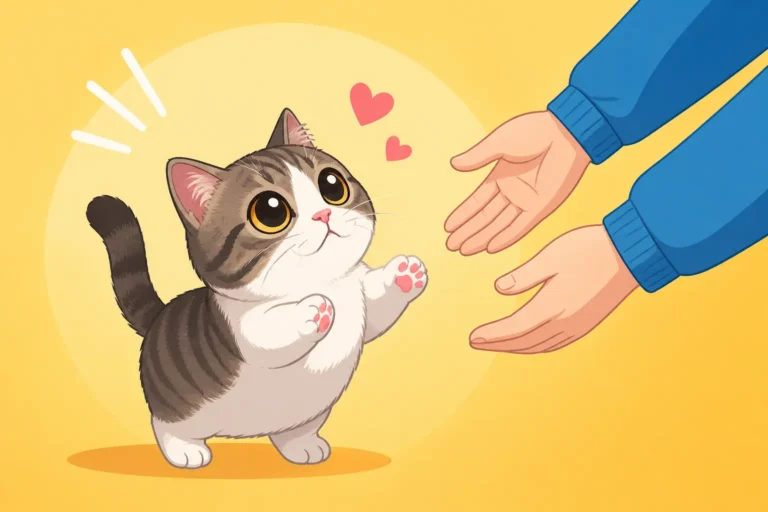
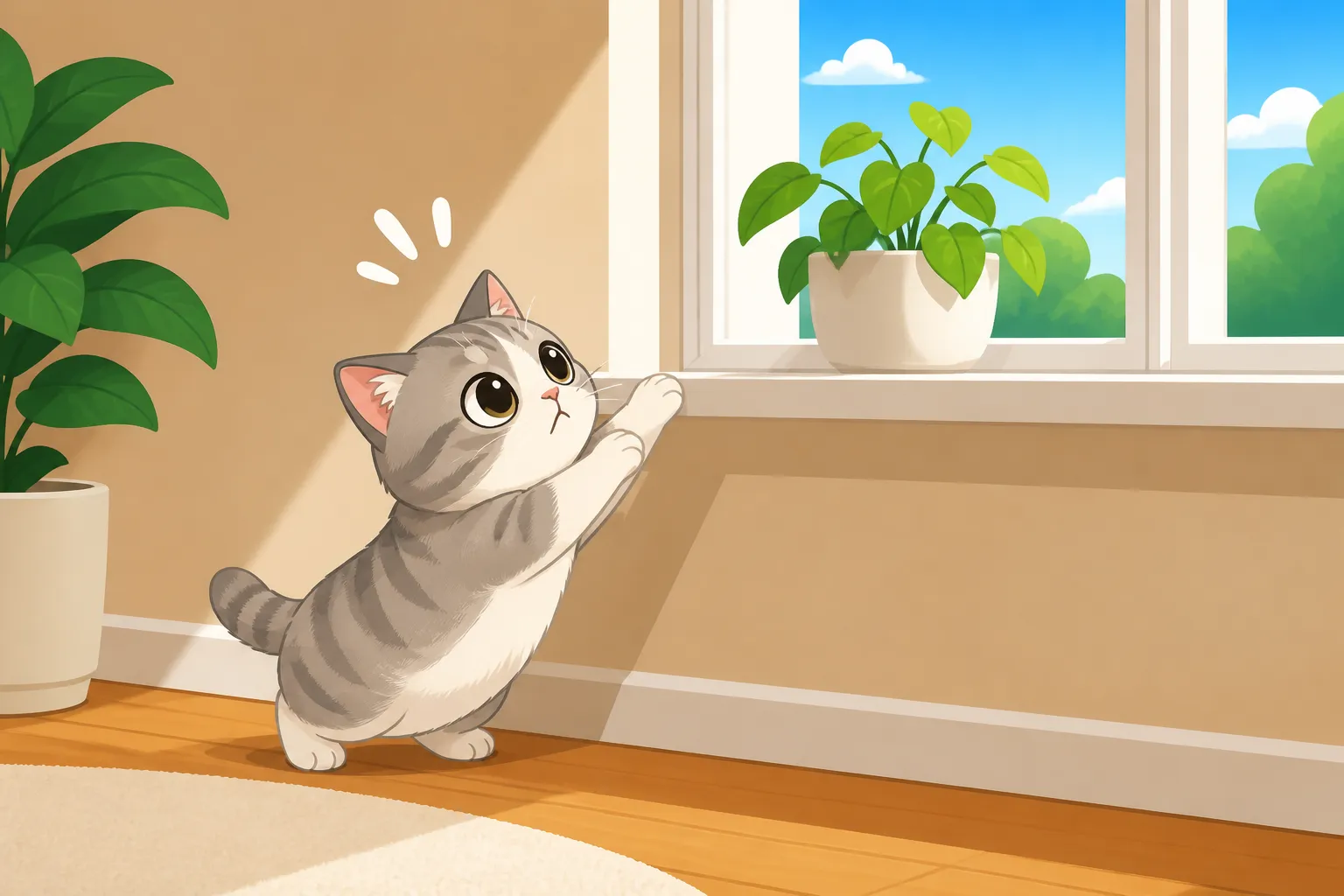
It’s a common sight for Munchkin cat parents: your sweet, short-legged companion stands at the base of a window, paws reaching, eyes fixed longingly on the birds flitting outside, yet they just can’t quite make that leap. This isn't just a quirky habit; it's a fundamental physical reality for these unique felines. This guide will explore exactly why your Munchkin finds high places like windowsills a challenge and how you can help them enjoy those coveted views safely.
The Unique Physical Realities of a Munchkin
Understanding why your Munchkin cat struggles to reach a windowsill starts with appreciating their unique physiology. Unlike most cats, who are built for incredible athletic feats of jumping and climbing, Munchkins possess a distinct genetic trait that alters their skeletal structure, specifically their legs.
Understanding Their Short Stature
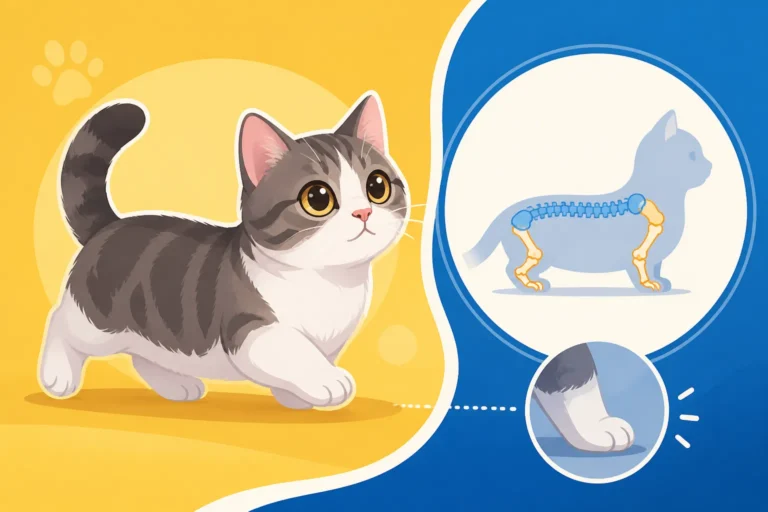
The defining characteristic of a Munchkin cat is its incredibly short legs, a result of a naturally occurring genetic mutation for pseudoachondroplasia. This isn't a condition that causes pain or discomfort in itself, but it fundamentally changes how their bodies interact with the world. Think of it this way: most cats have long, spring-loaded limbs that act like powerful levers, allowing them to coil, spring, and propel themselves upwards with impressive force. A Munchkin, however, doesn't have that same leverage. Their short legs mean that the distance from the ground to their body is significantly reduced, limiting the stretch and power needed for a high jump. It's like trying to launch a powerful spring when it's already mostly compressed. This genetic trait is why the breed exists, and it’s why their physical abilities differ so much from their long-legged cousins.
The Disproportionate Body
What often surprises people is that while a Munchkin's legs are short, the rest of their body — their torso, spine, and overall length – is quite normal for a domestic cat. This creates a visually distinctive profile: a regular-sized cat body carried on unusually short legs. This disproportion is key to understanding their vertical limitations. While their body might be the same length as a cat capable of scaling a bookshelf, their actual reach and jump height are dictated by those stubby limbs. Imagine a standard-sized car trying to navigate off-road terrain with extremely small wheels; the body size is fine, but the wheels limit its capability. This is why you might see a Munchkin stretching their full body length upwards, appearing to strain, but still coming up short of a simple ledge. The problem isn't their desire or strength in their core; it's the sheer mechanics of their leg length. Why a Munchkin's Legs Are Short but Its Body Is Not is a concept crucial to grasping their physical makeup.
How Their Legs Limit Vertical Movement
A normal cat’s long, powerful hind legs are like pistons, storing and releasing energy to launch their body upwards. They can extend fully, allowing for a deep crouch before exploding into a jump. This full extension and contraction are what generate the impressive vertical height we associate with feline agility. For a Munchkin, that full extension simply isn't there. Their shorter leg bones mean they have a smaller range of motion when preparing for a jump. They can still spring, and indeed, they are surprisingly agile horizontally, often described as having a ferret-like gait, but their vertical thrust is severely compromised. How Short a Munchkin's Legs Actually Are directly dictates this limitation. A windowsill that might be a casual hop for a domestic shorthair becomes an insurmountable wall for a Munchkin. It’s not a lack of effort on their part; it’s a physical boundary set by their unique bone structure.
The Mechanics of a Cat's Jump vs. a Munchkin's Limitations
To truly understand why a windowsill is such a challenge, let's dive a little deeper into the biomechanics of how cats jump and where the Munchkin's design deviates from the typical feline athlete.
The Power of Normal Cat Legs
When you watch a long-legged cat prepare for a jump, it's a symphony of coordinated muscle and bone. They crouch low, their powerful hind legs bending deeply to load the muscles like springs. The spine flexes, the tail acts as a counter-balance, and then, with an explosive push, they extend their legs rapidly, transferring immense force into the ground. This propels their body upwards, often reaching incredible heights relative to their size. Their long legs provide the necessary leverage and distance for this powerful push-off. It’s a testament to millions of years of evolution, perfecting the hunter’s leap. They can easily clear obstacles, reach high shelves, and, yes, effortlessly hop onto a standard windowsill to survey their kingdom.
Where the Munchkin's Jump Falls Short
Now, compare that to a Munchkin. While they possess the same instincts and desire to reach high places, their physical tools are different. When a Munchkin crouches, their legs can't bend as deeply or extend as far. This immediately limits the amount of force they can generate for a vertical leap. Think of it like trying to shoot a basketball without fully bending your knees – you might get some air, but not nearly as much as if you had full range of motion. How Many Inches a Munchkin Can Jump is significantly less than a cat with standard leg length. They can try to compensate by launching themselves more horizontally, using objects as intermediate steps, or scrabbling their way up, but a direct vertical ascent to a significant height is largely out of reach. This isn't for lack of trying; it's simply a matter of physics.
The Physics of Reaching a Windowsill
Most standard windowsills are about 25 to 35 inches (60-90 cm) off the floor. For a typical cat, this is well within their jumping capability, often cleared with a single, fluid motion. For a Munchkin, however, this height is often twice their standing height, or even more. They simply cannot generate the necessary upward force to overcome gravity and reach that elevation in one go.
Let's illustrate with a simple comparison:
| Feature | Standard Cat | Munchkin Cat |
|---|---|---|
| Leg Length | Long, highly flexible | Short, limited extension |
| Crouch Depth | Deep, powerful muscle loading | Shallow, less potential energy |
| Jump Height | Easily 4-6 feet (1.2-1.8m) or more | Typically 1-2 feet (0.3-0.6m) with effort |
| Windowsill Access | Direct hop, effortless | Requires multiple steps or aids, often impossible directly |
This table clearly shows the stark difference. While a Munchkin might manage to jump onto a low chair (which might be around 15-18 inches), a typical windowsill is a completely different ballgame. It’s the same reason Why a Munchkin Cannot Make the Kitchen Counter; the height simply exceeds their physical capabilities. Without assistance, a windowsill remains a frustratingly out-of-reach destination.
Practical Implications for Munchkin Owners
As a Munchkin owner, witnessing your cat's longing gazes at the unreachable world outside can be a little heartbreaking. But don't despair! Understanding their limitations allows us to create a home environment that caters to their needs and allows them to enjoy all the perks of cat life, including bird-watching.
The Frustration of an Inaccessible View
It’s natural to feel a pang of sadness when you see your curious Munchkin straining to reach a sunny perch or a prime bird-watching spot. They have the same innate desires as any other cat – the need to survey their territory, bask in warm sunbeams, and be mentally stimulated by the outside world. When these simple pleasures are denied due to their physical limitations, it's not only frustrating for them but also for us as their caregivers. We want them to be happy, enriched, and to experience all the joys of being a cat. This frustration often leads owners to seek solutions, realizing that the "normal" cat setup just won't cut it for their special friend.
Creating Accessible Window Perches
The good news is that there are many ways to bridge the height gap between your Munchkin and their desired windowsill. The key is to think horizontally and create a gentle ascent.
- Ramps: Ramps are often the easiest and most joint-friendly solution. A well-constructed ramp with a gentle incline can lead directly from the floor up to the windowsill. Look for ramps designed for pets, perhaps those made for small dogs or older animals. Amazon offers a wide selection of these, often with carpeted surfaces for good grip. The angle is critical; if it's too steep, your Munchkin might struggle or even refuse to use it.
- Pet Steps: If space is an issue or you prefer a more structured ascent, pet steps are another excellent option. These are essentially small, wide staircases with low rises, making them easy for short-legged cats to navigate. Again, consider options available from retailers like Amazon, ensuring the steps are sturdy and have a non-slip surface. The number of steps will depend on the height of your windowsill, but aim for comfortable, short risers.
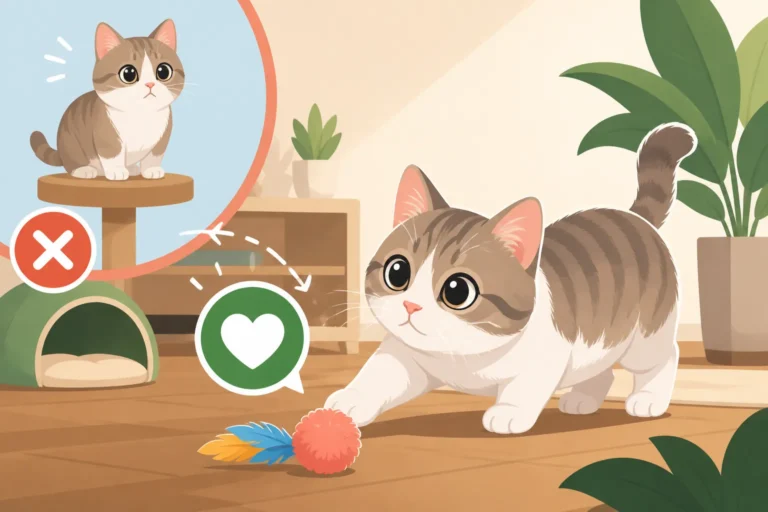
- Low-Set Cat Perches/Beds: Sometimes, the simplest solution is a low-profile cat bed or shelf positioned just below the windowsill. Your Munchkin might be able to jump onto this lower platform and then step onto the sill. This two-stage approach reduces the vertical leap required. You can even combine this with a ramp leading up to the lower perch. How to Get a Munchkin Up to a Window Safely is all about these thoughtful adaptations.
Rethinking Vertical Space in Your Home
Beyond just the windowsill, caring for a Munchkin means adopting a broader perspective on how your home's vertical spaces are utilized. Ramps and Steps Are Munchkin Equipment, Not Luxuries – they are essential tools for a full and happy life. Consider every elevated surface your cat might want to access, from the sofa to your bed, and strategically place ramps, steps, or even low-level furniture pieces to create a 'staircase' of sorts. This not only prevents frustration but also protects their joints from repeated high-impact jumps downwards, which can put undue strain on their shoulders and elbows. Thinking about the world from your Munchkin's ankle-high perspective will guide you in making your home a truly accessible haven. How to Rearrange a Room So a Munchkin Can Climb offers more comprehensive advice on this topic.
Beyond the Windowsill: Other Vertical Challenges
The windowsill is just one example of a height challenge for a Munchkin. Their short stature impacts their ability to navigate many common household items, necessitating a thoughtful approach to home enrichment and safety.
Sofa, Bed, and Counter Struggles
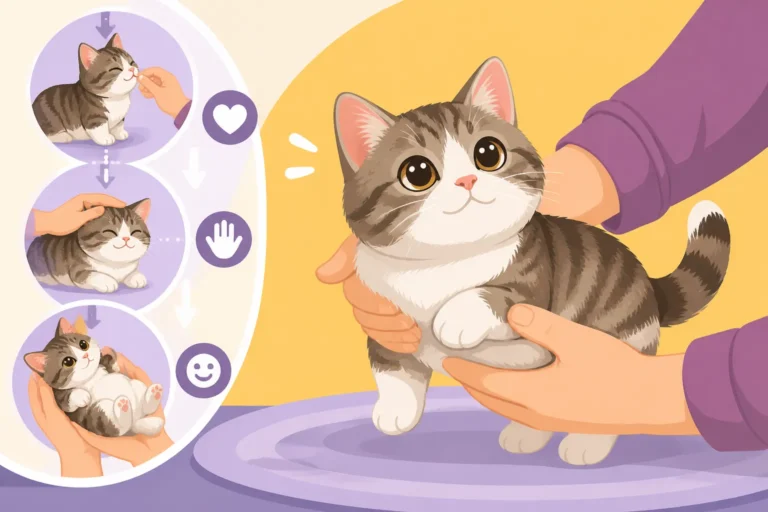
It's not just windowsills that pose a challenge. Imagine your Munchkin trying to cuddle up on the sofa with you, or join you on the bed for a nap. These everyday comforts, effortlessly reached by most cats, often require considerable effort or assistance for a Munchkin. While some might manage a clumsy jump onto a lower sofa, repeated attempts, especially down from these heights, can be detrimental. Each landing sends a shock through their joints, particularly their front legs, which bear the brunt of the impact. Over time, this repetitive stress can contribute to discomfort or accelerate wear and tear. Why a Munchkin's Shoulders Wear First is directly related to these types of impacts. The kitchen counter, as mentioned before, is usually completely out of reach. Ensuring ramps or steps are available for favorite sleeping spots and encouraging their use helps them feel included without risking injury.
Cat Trees and Climbing Structures
A standard, tall cat tree, with widely spaced platforms, is essentially a monument to feline frustration for a Munchkin. They simply cannot make the large vertical jumps between levels. This doesn't mean they can't enjoy vertical enrichment, it just means you need to choose or adapt structures specifically for their needs. Look for cat trees with:
- Closely spaced platforms: The ideal distance between platforms should be no more than 8-12 inches (20-30 cm) to allow for easy climbing, often more like stepping than jumping.
- Ramps or gentle inclines: Some Munchkin-friendly cat trees incorporate ramps instead of direct jumps, making ascent much easier.
- Sturdy, wide platforms: Ensure each level is stable and wide enough for your Munchkin to feel secure, reducing the risk of falls.
Which Cat Tree Layout Suits a Munchkin and How Far Apart a Munchkin's Platforms Should Be are key considerations when selecting or modifying these essential enrichment items. You might even consider building your own custom structure with gentle slopes and plenty of secure ledges, turning an Amazon bought basic tree into a Munchkin paradise.
The Need for Safe Landing Zones
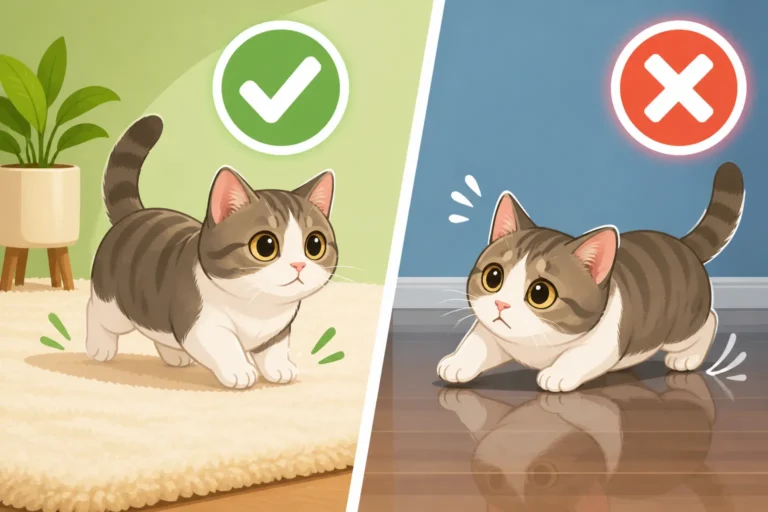
Even with ramps and steps in place, there will be times when your Munchkin might misjudge a leap or simply decide to jump down from a lower height. For this reason, it's incredibly important to create safe landing zones around frequently used elevated spots. Place soft rugs, pet beds, or dense foam mats at the base of sofas, beds, or any accessible low platforms. This padding absorbs some of the impact, reducing stress on their joints, especially on their delicate elbows and shoulders. Why a Munchkin Should Not Be Jumping Down Repeatedly cannot be stressed enough; every little bit of cushioning helps mitigate the long-term effects. By being proactive and thinking about their journey both up and down, you can ensure your Munchkin enjoys exploring their world with maximum safety and comfort.
Disclaimer
This article is for general informational purposes only and does not constitute professional advice. Laws, prices and regulations vary by location and change over time. Consult a qualified professional for guidance on your specific situation.