Why a Munchkin Slips on Laminate
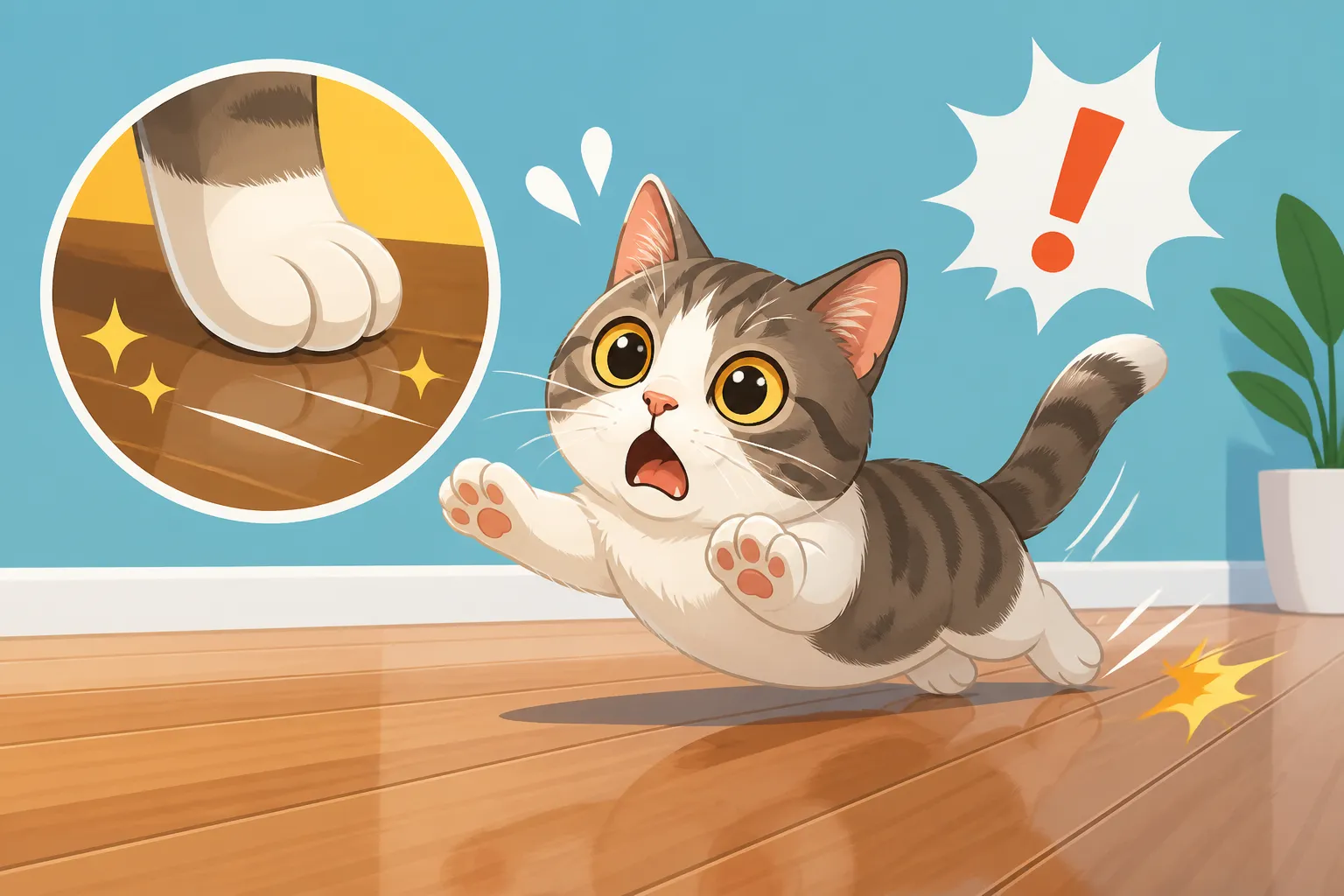
It's incredibly frustrating, and often quite alarming, to watch your beloved Munchkin cat slip and slide across laminate or hardwood floors. You just want them to be safe and comfortable in their own home, but those sleek surfaces seem to turn into an ice rink for their little legs. This guide will dive deep into why Munchkins often struggle with slippery floors and, more importantly, offer practical, empathetic solutions to help your tiny-legged friend navigate their world with confidence and grace.
The Unique Biomechanics of a Munchkin's Gait
Understanding why your Munchkin slips starts with appreciating their unique physical structure. These aren't just small cats; they have a specific genetic mutation that affects their limb development, leading to their characteristic short legs. This difference fundamentally changes how they interact with their environment, especially smooth surfaces.
Short Legs and a Low Center of Gravity
Think about a standard cat—their longer legs provide leverage and a wider range of motion, allowing for powerful pushes and agile landings. A Munchkin, however, operates with significantly shorter limbs. Their legs are proportionally shorter compared to their body length, which remains quite normal. This means their center of gravity is lower, making them incredibly stable on level ground and surprisingly quick in a straight line, almost like a ferret. However, this same low stance changes the mechanics of their stride. Their steps are naturally shorter, and their paws spend less time pushing forward with the full force and angle a longer leg would allow. When they try to accelerate or change direction on a slippery surface, that lack of strong, extended push means their paws can't get the necessary purchase. It's like trying to push off on ice with very short skis—you just don't have the length to grip effectively. This is a critical aspect of Why a Munchkin's Legs Are Short but Its Body Is Not, as their overall body mechanics are adapted around these unique limbs.
Paw Pad Surface Area and Grip
Consider how a cat's paw normally functions. Their paw pads are designed for traction, with soft, slightly textured surfaces that grip. Their claws provide additional grip, especially when climbing or digging into softer terrain. On a normal-legged cat, when they push off, their paws splay slightly, and their claws can subtly engage with microscopic imperfections in a surface or sink into carpet fibers, providing essential friction. For a Munchkin, the angle at which their shorter legs position their paws against the ground can be different. Their front legs might even have a slight bow, which, while not necessarily a defect, can influence how their paw lands and pushes off. On a very smooth surface like laminate, there are no "imperfections" for their claws to catch, and the paw pads simply slide. The minimal, quick steps they take mean less time for their pads to generate friction, and any slight angle change in their gait, which would normally be corrected by immediate claw engagement or a longer stride, instead results in a slip. This constant minor slippage isn't just annoying; it puts undue strain on their joints as they constantly brace themselves.
Why Laminate Flooring Poses a Challenge
It's not just the Munchkin's unique physiology; it's also the specific characteristics of modern flooring materials that create this slippery predicament. Laminate, while beautiful and easy to clean for us humans, can be a real hazard for our feline friends with shorter legs.
The Smooth, Non-Porous Nature of Laminate
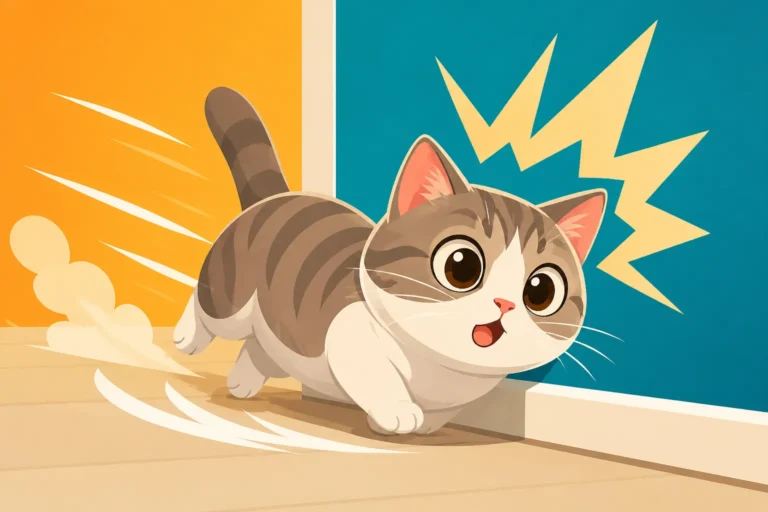
Laminate flooring is designed to be sleek, durable, and easy to maintain. It's often made with a hard, synthetic surface layer that mimics wood or tile but lacks the natural texture and porosity that might offer some grip. Unlike carpet, which provides countless fibers for paws and claws to sink into, or even older hardwood floors that might have subtle grains and imperfections, laminate presents an almost perfectly smooth plane. This means the coefficient of friction—the force that resists motion between two surfaces—is significantly lower. For a Munchkin, whose short, quick steps and lower body necessitate optimal grip to maintain momentum and change direction, this lack of friction is a major impediment. They can't dig in, they can't effectively push off, and sudden movements, like chasing a toy or darting away from a perceived threat, become perilous skids. This isn't just an inconvenience; it can truly inhibit their natural desire to play and explore freely within their own home.
Impact on Spinal and Joint Health
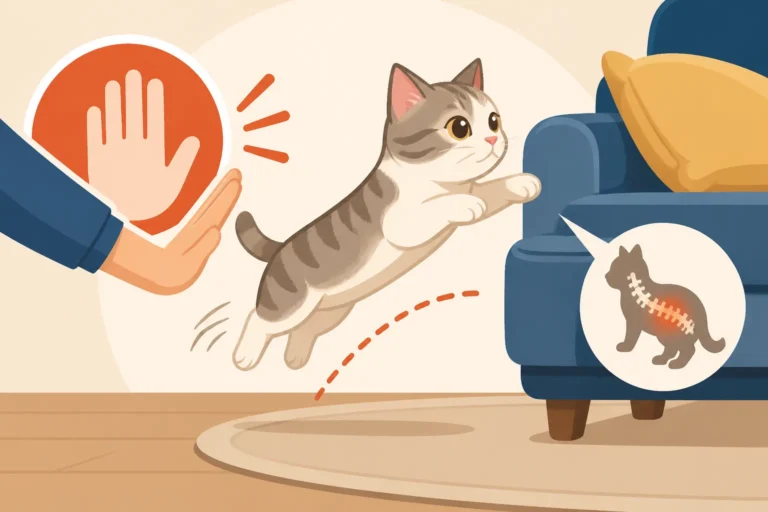
Beyond the immediate slips and falls, a perpetually slippery environment can have long-term consequences for a Munchkin's delicate musculoskeletal system. Their spine, while normal in length, carries a unique load due to their short legs, making conditions like lordosis (an inward curvature of the spine) a concern. Constantly bracing themselves, tensing their muscles to avoid slipping, or recovering from small skids puts repetitive stress on their back and joints. Imagine trying to walk across a polished floor all day, every day—your muscles would be constantly tense, and your joints would ache. For a Munchkin, this is their reality on laminate. This sustained effort can accelerate the onset of conditions like arthritis, particularly in their shoulders and elbows, which take the brunt of their movements and landings. It's important to remember Why a Munchkin's Spine Carries a Load a Normal Cat's Does Not, as any additional stress from an unsuitable environment can exacerbate potential issues. Owners should be mindful of How Arthritis Shows in a Munchkin's Front Legs, as early signs might be subtle changes in their gait or reluctance to move as freely.
Practical Solutions for a Slip-Free Munchkin Home
The good news is that you don't have to rip out all your beautiful laminate floors! With some thoughtful adjustments and a little creative thinking, you can transform your home into a safe and accessible haven for your Munchkin, allowing them to play, explore, and relax without fear of slipping.
Strategic Placement of Rugs and Runners
This is perhaps the most impactful and easiest change you can make. Soften those slippery surfaces with plenty of rugs, runners, and mats. Think about where your Munchkin spends most of their time: their favorite napping spots, the path to their litter box, the route to their food and water bowls, and any areas where they like to play. Place non-slip backed rugs in these key zones. You don't want the rug itself to become a slipping hazard! Look for options on platforms like Amazon that specifically advertise non-slip features or invest in rug pads that go underneath. Runners are fantastic for hallways and open floor plans, creating continuous, grippy pathways. Scatter smaller mats near furniture, so they have a safe landing spot if they do attempt a small jump onto a chair, or a firm place to push off if they want to climb. Whether Rugs Help a Munchkin Move Around is a resounding yes—they are truly essential. Consider wool or tightly woven synthetic rugs, which offer good traction without being too plush, which could also impede their short legs.
Providing Appropriate Furniture and Access
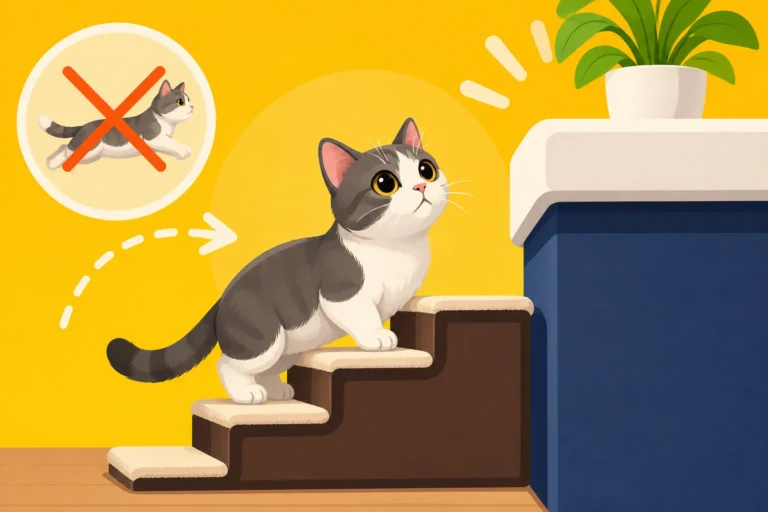
Munchkins are clever and determined, and they will find ways to get where they want to go. Our job is to make those journeys safe and easy, rather than encouraging risky jumps. This means providing ramps and steps wherever there's a height difference. If your Munchkin loves to snuggle on the sofa or bed, provide a pet ramp or a set of sturdy pet stairs with a gentle incline and a non-slip surface. These should be placed so they lead directly onto the furniture without creating a gap that requires a jump. Think about window perches too; many cats love to look outside, and a ramp or a series of well-placed, low shelves can give your Munchkin access without dangerous leaps. You can find a wide variety of these adaptive aids, often with carpeted or ribbed surfaces for extra grip, on sites like Amazon. Learning How to Set Up Ramps Around a Munchkin's House can make a huge difference in their daily mobility and overall joint health. Don't forget that even small differences in height can be a challenge; even a low footstool or ottoman can be a helpful intermediate step for a determined Munchkin. It’s also important to remember How to Get a Munchkin Up to a Window Safely so they don't strain themselves.
Maintaining Paw Health and Grooming
While rugs and ramps address the environment, maintaining your Munchkin's paw health directly impacts their ability to grip. Regularly trimming your cat's claws is crucial. If their claws get too long, they can't retract fully, meaning they'll click on hard surfaces and actually reduce the natural grip of the paw pads. Long claws can also get caught, leading to injuries. Using cat-specific clippers, carefully trim just the very tip, avoiding the quick. If you're unsure, ask your vet or a professional groomer for a demonstration. This is part of Trimming a Munchkin's Claws Without Twisting Its Legs, as careful handling is always key. Some owners also find paw balms or waxes helpful. These products, typically made with natural ingredients, can moisturize paw pads and add a slight tacky feel, potentially improving traction on smooth surfaces. Apply them sparingly and ensure they are pet-safe.
Creating a Holistic Safe Environment
Beyond addressing the immediate slipping issue, thinking holistically about your Munchkin's home environment will contribute to their long-term health and happiness. It’s about more than just preventing falls; it’s about enabling them to live a full, enriching life despite their unique physical attributes.
Low-Entry Litter Boxes and Feeding Stations
Easy access to essential resources is paramount for a Munchkin. Imagine having short legs and needing to hoist yourself over a high lip just to get to the bathroom. Many standard litter boxes have high sides that can be a real struggle for a Munchkin to enter and exit gracefully, especially if they’re on a slippery floor. This can lead to accidents outside the box or, worse, them holding it in and developing urinary issues. Opt for low-entry litter boxes, or even consider modifying a standard storage bin by cutting a low entrance. Similarly, their food and water bowls should be easily accessible without requiring them to stretch or crouch uncomfortably. Raised bowls are often recommended for cats to ease strain on their necks and shoulders, but for a Munchkin, ensure that the raised height is still easily reachable without them having to stand on their hind legs or strain upwards. Why a Munchkin Needs a Litter Box It Can Walk Into is a simple but vital aspect of their daily comfort and hygiene, and considering How High a Munchkin's Food Bowl Should Sit can make meal times much more pleasant.
Regular Vet Check-ups and Monitoring
Even with the best adaptations, regular veterinary check-ups are non-negotiable for a Munchkin. Their unique conformation means they are more prone to certain musculoskeletal issues, and a slippery environment can exacerbate these. During their annual visits, discuss your concerns about their mobility and gait with your vet. They can check for early signs of arthritis, especially in the shoulders and elbows, and assess their spinal health. Why a Munchkin's Annual Visit Includes Its Gait is specifically important, as observing how they walk and move can reveal subtle problems. Your vet might recommend supplements for joint health or suggest specific exercises to maintain muscle strength and flexibility. Pay close attention to any changes in your Munchkin's behavior—a reluctance to play, changes in how they climb or descend, or any signs of stiffness could indicate discomfort or pain, and warrant an immediate vet visit. Sometimes, even filming your Munchkin moving around at home can be incredibly helpful for your vet to accurately assess them, as discussed in How a Vet Watches a Munchkin Walk.
By creating a thoughtfully adapted home, you're not just preventing slips; you're investing in your Munchkin's comfort, confidence, and long-term well-being.
Disclaimer
This article is for general informational purposes only and does not constitute professional advice. Laws, prices and regulations vary by location and change over time. Consult a qualified professional for guidance on your specific situation.