How a Vet Watches a Munchkin Walk
It can be really worrying when you have a Munchkin cat, and you're constantly looking for signs that their unique build might be causing them discomfort or affecting their movement. Understanding exactly what a veterinarian looks for during a physical exam, particularly when observing your Munchkin's walk, can help you feel more informed and prepared to advocate for your beloved short-legged companion. This guide will walk you through the specifics of how a vet meticulously assesses a Munchkin's gait, from overall movement patterns to subtle indicators of potential health concerns.
The Initial Visual Assessment: More Than Just a Walk in the Park
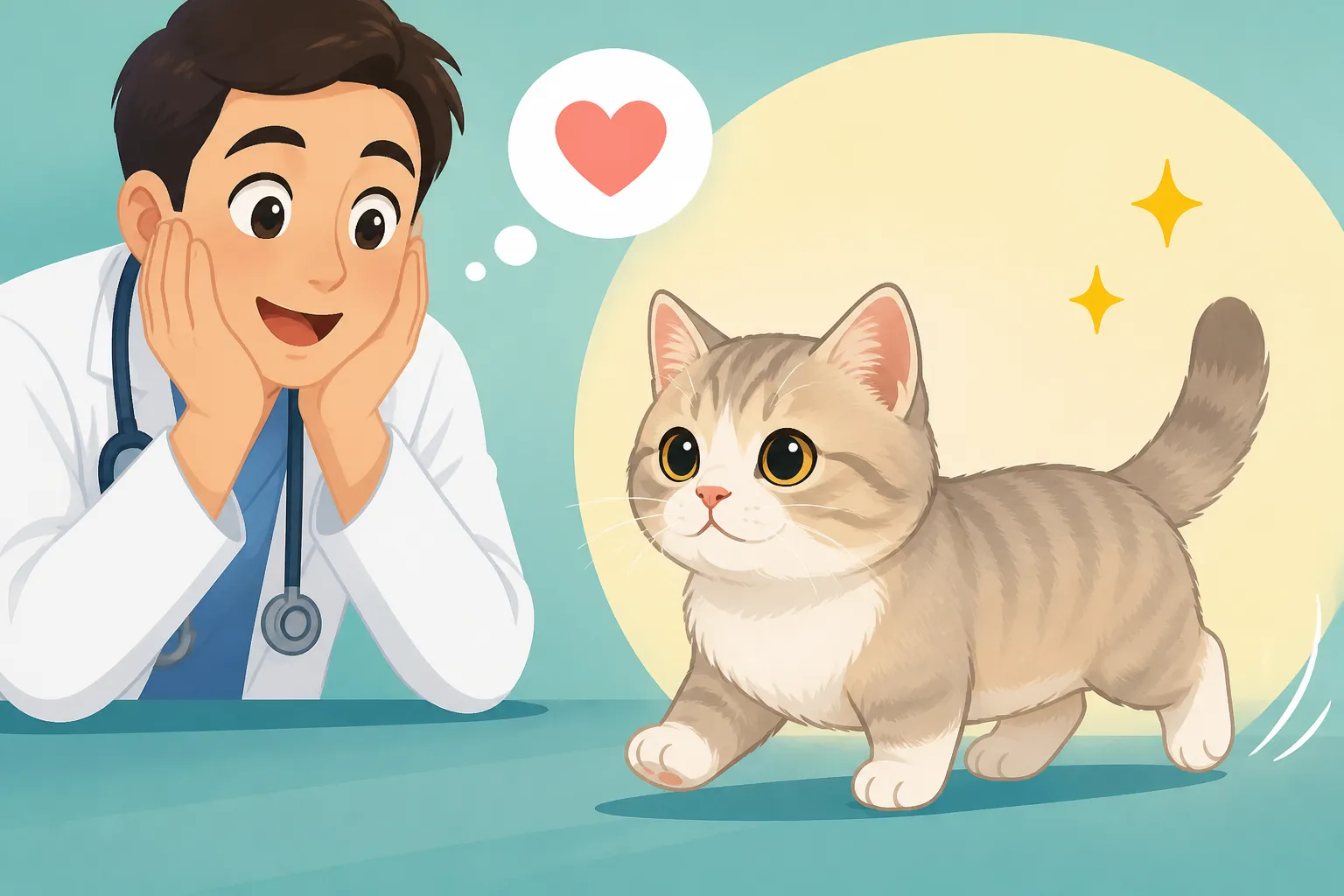
When you bring your Munchkin in for a check-up, especially if you've expressed concerns about their mobility, the vet isn't just going to glance at them. They'll be observing with a very keen eye, often even before they lay a hand on your cat. This initial visual assessment is crucial for getting a baseline understanding of your Munchkin's natural movement and how they carry themselves. It's about seeing the whole picture before zooming in on the details.
Observing the Overall Gait and Movement
The first thing a vet typically looks for is the overall impression of your Munchkin's movement. They want to see how fluid and effortless your cat's walk appears. Is there any hesitation? Do they seem reluctant to move, or do they glide across the examination room with purpose? A healthy Munchkin, despite their short legs, should move freely and with a surprising amount of speed and agility on level ground. The vet will note their stride length – which will naturally be shorter than a long-legged cat – but also look for consistency in that stride. Are all four legs moving in a coordinated rhythm, or does one leg seem to lag or take shorter steps? Unevenness in gait can be an early red flag.
They'll also pay attention to how your Munchkin navigates obstacles, even small ones like the leg of a chair or a towel on the floor. Do they step over them easily, or do they appear to struggle or alter their usual movement significantly? Sometimes, a cat might try to compensate for discomfort by changing its natural walking style, leaning more heavily on one side, or shifting its weight in an unusual way. A vet's trained eye can pick up on these subtle compensations that might go unnoticed by an owner, even a very observant one. It's truly a dance they're watching, looking for any missed steps or awkward turns.
Analyzing Posture and Stance
Beyond just the movement, a vet will pay close attention to your Munchkin's posture, both when standing still and when in motion. When standing, do they hold their head and tail in a relaxed, natural position? Or do they seem hunched, stiff, or appear to be trying to alleviate pressure on a particular area? Their back line is particularly important to observe. In a Munchkin, because of their unique skeletal structure, there's always a watchful eye on their spine. The vet will be looking for any exaggerated dips or arches, or an appearance that suggests discomfort in the trunk or shoulders. Why a Munchkin's Spine Carries a Load a Normal Cat's Does Not is a relevant read here, as it explains the unique stresses.
During the walk, the vet will observe how your Munchkin carries their head and neck. Do they keep their head low, or is it held in a more typical cat posture? A lowered head might indicate neck or shoulder pain, making it uncomfortable to lift. Similarly, how they carry their weight is vital. Are they distributing it evenly across all four paws, or do they shift their weight forward or backward, or favor one side? This could be an indicator of pain in the front or hindquarters. Even the way their paws land and lift from the ground can tell a story, indicating potential issues with their toes, pads, or lower leg joints.
Noticing the "Ferret-Like" Trot
One of the most distinctive characteristics of a Munchkin's movement is often described as a "ferret-like" trot or waddle. This isn't necessarily a sign of a problem; it's just how their short legs necessitate a different kind of locomotion. When observing this, the vet is looking for how pronounced it is and whether it appears healthy and natural for that particular Munchkin. It’s more of a scurry, quick and low to the ground, rather than the high-stepping grace of a long-legged cat. Why a Munchkin's Gait Looks Different provides more insight into this unique movement.
The vet will observe the coordination of this movement. Do the front and back legs work together smoothly, creating that characteristic low-slung, energetic scurry? Or does it look awkward, stiff, or uncoordinated? They're also assessing the degree of lateral movement, or sway, in the body. While a slight sway can be normal with their short legs, an excessive or wobbly sway might suggest muscle weakness, joint instability, or discomfort. They might encourage your cat to move a little faster or turn corners to see how this unique gait holds up under different conditions.
Detailed Examination of Leg and Spine Conformation
Once the initial visual assessment is done, the vet will usually move on to a more hands-on and detailed examination of the Munchkin's physical structure, always relating it back to what they observed during the walk. This involves palpation, gentle manipulation, and specific checks to pinpoint any areas of concern that the gait suggested.
Focusing on the Front and Hind Legs
The vet will carefully examine each of your Munchkin's legs, starting with the front legs, which often bear a significant burden due to their short stature and the way cats land. They'll look for any visual abnormalities like bowing that goes beyond the breed standard, swelling around joints, or muscle asymmetry. Then, they'll gently feel along the bones and joints, checking for heat, tenderness, or crepitus (a crackling sound or sensation that can indicate joint issues). They'll also assess the range of motion in the shoulders, elbows, and wrists, noting any stiffness or pain response. How a Vet Assesses a Munchkin's Leg Conformation details this further.
The hind legs will receive similar scrutiny. While Munchkin dwarfism primarily affects the long bones of the front legs, the hind legs are still crucial for propulsion and balance. The vet will check the hips, knees, and hocks, looking for signs of hip dysplasia, patellar luxation (kneecap displacement), or any discomfort. They'll gently flex and extend these joints, again noting any restrictions, pain, or grinding sensations. The goal is to ensure that while the legs are short, they are functionally sound and not causing any undue stress or pain to your cat. The vet might even hold your cat up slightly to observe how they bear weight on each individual limb.
Spinal Flexion and Extension
The spine is a critical area of focus for any Munchkin cat, and a vet will meticulously examine it. They'll gently run their hands along your Munchkin's entire spine, from the neck down to the tail. They're feeling for any areas of tenderness, stiffness, or abnormal curvature. They'll encourage your cat to stretch and move in ways that demonstrate the flexibility of their spine, observing how easily they can arch their back or stretch out. They'll be looking specifically for conditions like lordosis, which is an excessive inward curvature of the spine. Lordosis Is the Spinal Curve the Munchkin Argument Is About is a must-read if you have concerns about this.
During the walk, the vet will have noted how the spine moves in conjunction with the legs. Does it seem rigid, or does it flex and extend naturally with each step? Any reluctance to turn, twist, or stretch could indicate spinal discomfort. They might gently press on different points along the spine to elicit a pain response, which can help them localize any problem areas. This part of the examination is particularly sensitive, as spinal issues can have significant impacts on a cat's comfort and quality of life.
Checking for Signs of Pain or Discomfort
Throughout the entire process, from the moment your Munchkin walks into the room until the detailed palpation, the vet is constantly alert for any subtle signs of pain or discomfort. Cats are notoriously good at hiding pain, so a vet needs to be highly observant. These signs might include:
- Vocalizations: Hissing, growling, or even a soft whimper when a certain area is touched.
- Behavioral changes: Increased irritability, reluctance to be handled, or trying to bite or scratch.
- Facial expressions: Squinting, flattened ears, or a tense mouth.
- Body language: Trembling, panting, or excessively licking a painful area.
- Guarding: Pulling away or tensing muscles when an area is approached or touched.
Even a slight flinch or a change in breathing pattern can be a significant indicator. The vet will use a gentle, calm approach to minimize stress, allowing them to better interpret these subtle cues. They might ask you, the owner, if you’ve noticed your cat being Whether a Munchkin Is in Pain From Its Legs at home, as you often pick up on small changes first.
The Role of Specific Health Concerns in Gait Assessment
When a vet is watching a Munchkin walk, they are not just looking for general abnormalities; they are often specifically assessing for conditions that are known to be more prevalent or require careful monitoring in the breed due to their genetic mutation. This targeted approach allows for early detection and management.
Lordosis and Its Impact on Mobility
Lordosis, as mentioned earlier, is a condition where there is an excessive inward curve of the lumbar spine (lower back). While not exclusive to Munchkins, it's a concern that vets are particularly vigilant about in this breed. When a vet observes a Munchkin with lordosis walking, they will be looking for a very distinct gait. The cat may appear to have a "swayback" appearance, with the belly almost dragging the ground. What Lordosis Actually Is in a Munchkin can give you a clearer picture.
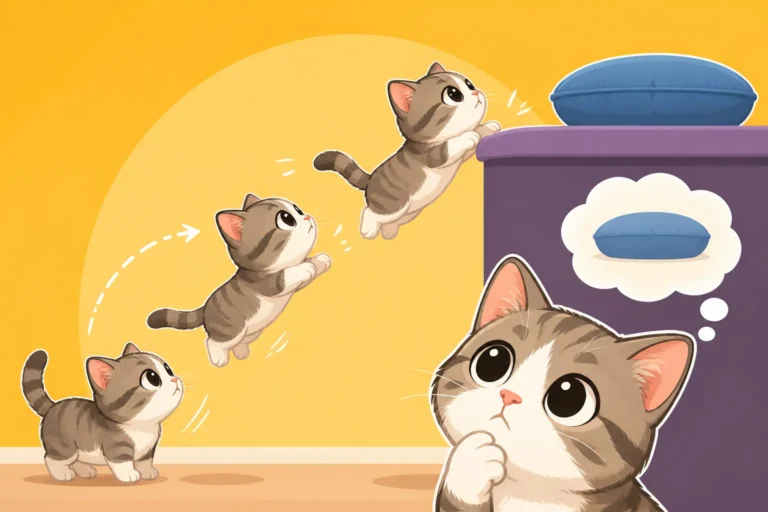
The impact on mobility can be significant. A severe lordosis can limit the flexibility of the spine, making it harder for the cat to extend its hind legs fully, affecting its ability to run, jump, or even climb safely on modified furniture. The vet will look for a stiff, unyielding back, and potentially a more laborious movement of the hindquarters. In severe cases, the spinal curvature can even compress internal organs, leading to other health issues, which would also manifest in a general lack of energy or discomfort during movement. The vet will also assess How Early Lordosis Shows in a Munchkin Kitten if it's a very young cat.
Pectus Excavatum and Breathing Influence
Pectus excavatum, also known as a sunken or funnel chest, is another condition that can occur in Munchkins and can indirectly affect their gait. While it primarily impacts the respiratory and cardiovascular systems, its presence can influence how a cat moves, especially during periods of activity. A vet will feel your Munchkin's chest for any indentation or abnormal shape, which can range from mild to severe. How Pectus Excavatum Affects a Munchkin's Breathing explains the implications.
If a Munchkin has pectus excavatum, their lung capacity might be reduced, or their heart might be under more strain. This could mean they tire more quickly during walks or play, show signs of breathlessness (panting, open-mouth breathing), or have a reduced stamina compared to a healthy cat. When observing their walk, the vet might notice if the cat has a shorter play session, if they hesitate to exert themselves, or if their breathing becomes labored more quickly. While not a direct gait issue, it's a crucial consideration because it limits the cat's ability to move comfortably and energetically.
Early Arthritis Indicators
Given their unique skeletal structure and the pressure on their joints, especially the shoulders and elbows from navigating the world at a lower height, Munchkins can be prone to developing osteoarthritis earlier than some other breeds. A vet will be specifically looking for early indicators of arthritis during the gait assessment. This might include a subtle stiffness, especially after resting, a reluctance to fully extend their limbs, or a slightly "choppy" or shorter stride. How Arthritis Shows in a Munchkin's Front Legs delves deeper into these specific signs.
They'll pay close attention to how your Munchkin uses its front legs, as these often take the brunt of impacts from jumping (even small ones) or supporting their body weight. Why a Munchkin's Shoulders Wear First is a key factor here. The vet might ask you if you've noticed your cat having trouble with stairs they once managed, or if they seem less enthusiastic about playing than before. These subtle changes in activity level and movement are often the first signs that joint discomfort is starting to set in. Regular check-ups with a vet who is experienced with the breed are essential for monitoring these changes.
What Owners Can Do to Help the Vet (and Their Munchkin)
As a Munchkin owner, you are your cat's primary advocate and the person who spends the most time observing their daily life. Your insights are invaluable to the veterinarian. By preparing for the vet visit and being proactive in observing your cat at home, you can provide crucial information that helps the vet make the most accurate assessment of your Munchkin's gait and overall health.
Preparing for the Vet Visit
Before your appointment, take some time to observe your Munchkin's movement closely. Pay attention to their typical walking style, how they navigate furniture, and whether you notice any changes in their enthusiasm for play or their ability to reach favorite spots. Make a mental note, or even better, jot down a few bullet points:
- Specific concerns: Is there a particular leg or area of the body that seems to bother them?
- Timing: Do they seem stiffer in the morning, or after a long nap?
- Activity level: Have they been less playful, or more withdrawn?
- Habits: Have they stopped using a favorite ramp or chair?
Being able to articulate these observations clearly to your vet can direct their examination and help them focus on areas that might be causing subtle problems. Remember, you live with your cat every day, and your observations provide a continuous narrative that a single vet visit can't fully capture. Don't underestimate the power of your keen eye and loving attention.
Filming Your Munchkin at Home
One of the most powerful tools you can offer your vet is video footage of your Munchkin moving naturally in their home environment. Cats often behave differently at the vet's office – they can be stressed, shy, or even try to hide any discomfort. A video allows the vet to see your cat's normal gait, their attempts to jump, how they use their ramps or steps, and any subtle lameness or stiffness that might not be apparent during a short clinic visit. Whether a Munchkin Should Be Filmed Walking for the Vet is a helpful resource on this topic.
Try to capture your Munchkin walking on different surfaces (carpet, hardwood), turning corners, standing, and engaging in play. Include moments where they might stretch or use a ramp. Multiple short clips are often more useful than one long, shaky video. Ensure the lighting is good, and you have a clear view of their legs and spine. This kind of evidence can be incredibly persuasive and informative, providing the vet with context that might otherwise be missed. It helps bridge the gap between their examination and your everyday observations.
Ongoing Monitoring and Support
Caring for a Munchkin is an ongoing journey of observation and adaptation. After your vet visit, continue to monitor your cat's movement and overall well-being. If your vet has made recommendations, such as dietary changes or joint supplements, ensure you follow them diligently. Remember, Why an Overweight Munchkin Is in Real Trouble is not just about general health, but directly impacts their delicate joints and spine.
Regular weighing, feeling their ribs for body condition, and watching their gait during daily play are all crucial elements of long-term care. If you notice any new changes, don't hesitate to contact your vet. Early intervention is key for managing conditions like arthritis or lordosis, which can progress over time. Providing a safe, accessible environment with ramps, steps, and appropriate litter boxes further supports their mobility and overall quality of life. Your commitment to consistent observation and proactive care is the best way to ensure your Munchkin cat can live a comfortable, happy life.
Disclaimer
This article is for general informational purposes only and does not constitute professional advice. Laws, prices and regulations vary by location and change over time. Consult a qualified professional for guidance on your specific situation.