How Much Floor Level Play a Munchkin Needs
Many Munchkin cat owners worry about whether their short-legged companions are getting enough exercise and mental stimulation. It's a valid concern, because let's be honest, they don't exactly scale the drapes like a typical domestic cat! The truth is, while their vertical world might be limited, their need for play and engagement at ground level is just as vital as any other feline. This guide is here to dive deep into exactly how much floor-level play a Munchkin truly thrives on, offering practical advice to keep your adorable low-rider happy, healthy, and thoroughly entertained.
The Unique Play Style of a Munchkin Cat
It's easy to look at a Munchkin and assume their short legs limit their ability to play. But really, it just means their play happens differently. Instead of vertical leaps, you'll see horizontal dashes, quick turns, and an incredible ability to navigate their world from a lower vantage point. Understanding this unique style is the first step to providing them with the best enrichment.
Why Floor Level is Their Natural Habitat
Imagine a tall cat's world. It's full of high perches, bookshelves, and countertop adventures. For a Munchkin, that world is largely out of reach. Their short stature means that the floor isn't just one place to play; it's their primary playground, their hunting ground, and their main stage for all their antics. They are masters of the flatland, adapting their movements to make the most of what they've got.
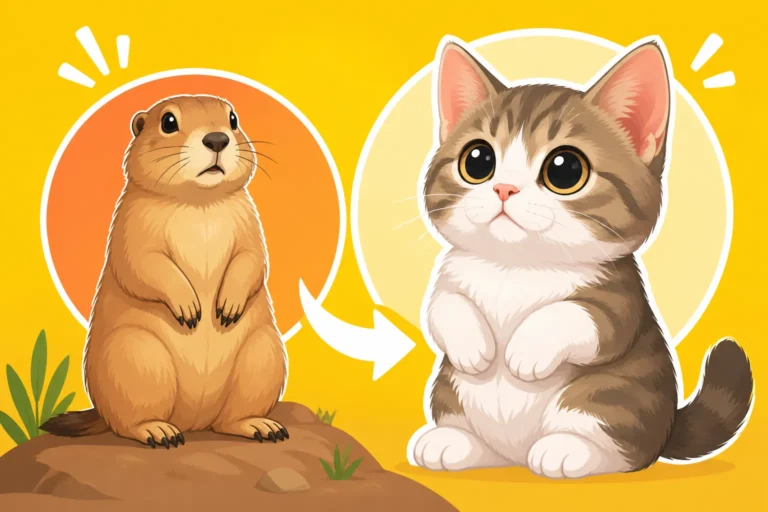
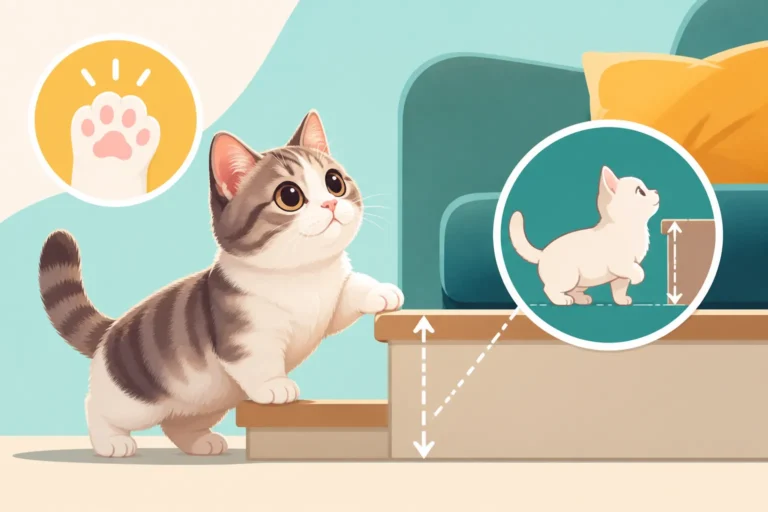
Think about it: where a long-legged cat might spring onto a bed in one graceful bound, a Munchkin might use a series of smaller jumps, or better yet, find a ramp or steps you've thoughtfully provided. Their perspective is literally inches from the ground, which makes things like dust bunnies and stray crumbs much more exciting targets. This constant interaction with the floor means their entire approach to play is grounded, making floor-level engagement not just a preference, but a necessity for their physical and mental well-being. It's important to remember that A Munchkin Is a Normal Cat That Cannot Reach the same places as a standard cat, so their play environment needs to be designed with this in mind.
Beyond Just Running: The Ground Game
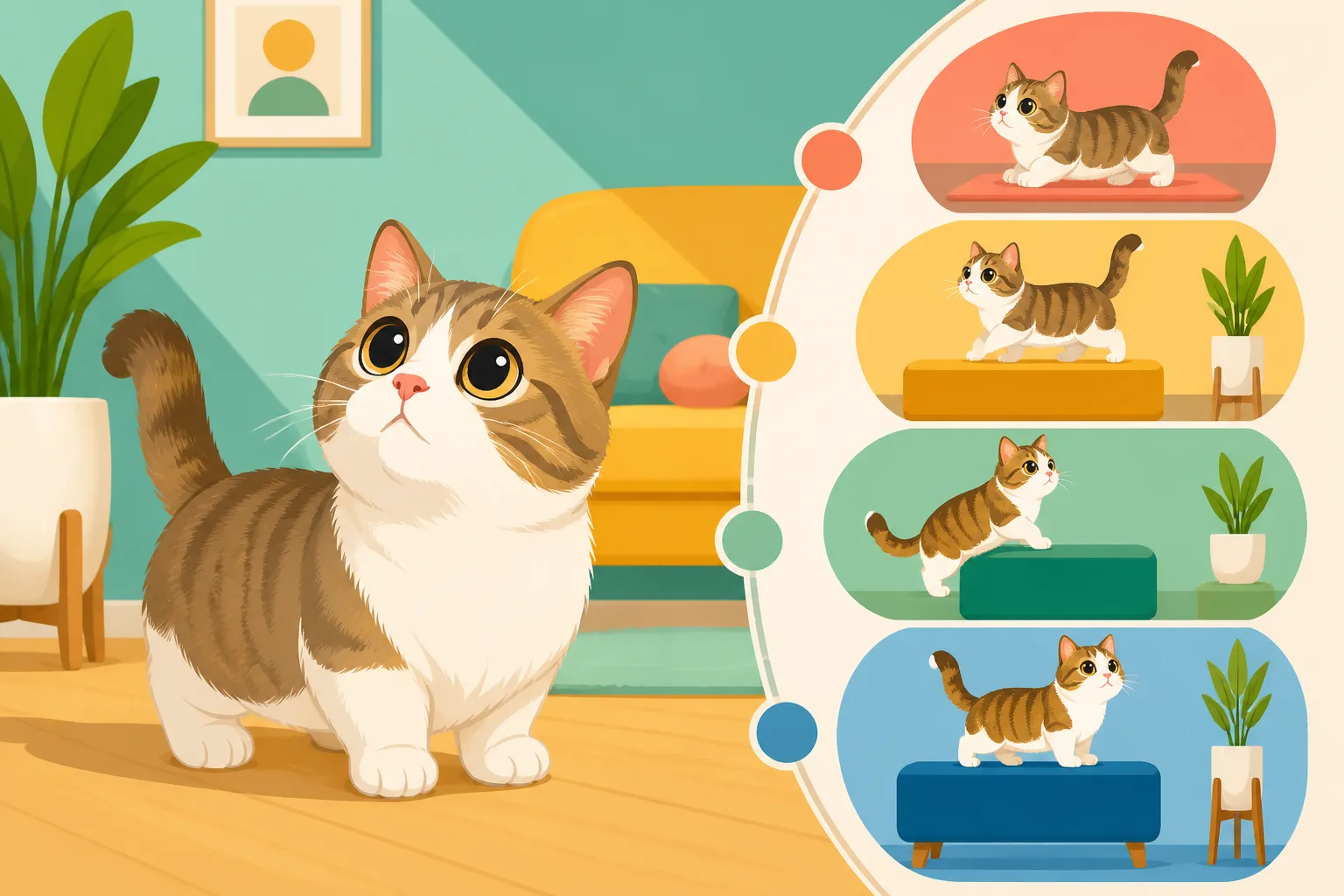
When we talk about floor-level play, it’s not just about letting them run around in circles. Munchkins excel at a specific kind of ground game. They are incredibly agile horizontally, often surprising new owners with their speed and ability to change direction on a dime. You’ll see them flatten themselves out, belly almost touching the floor, as they stalk a toy. Their pounces are often low and precise, utilizing their compact form to strike with surprising force.
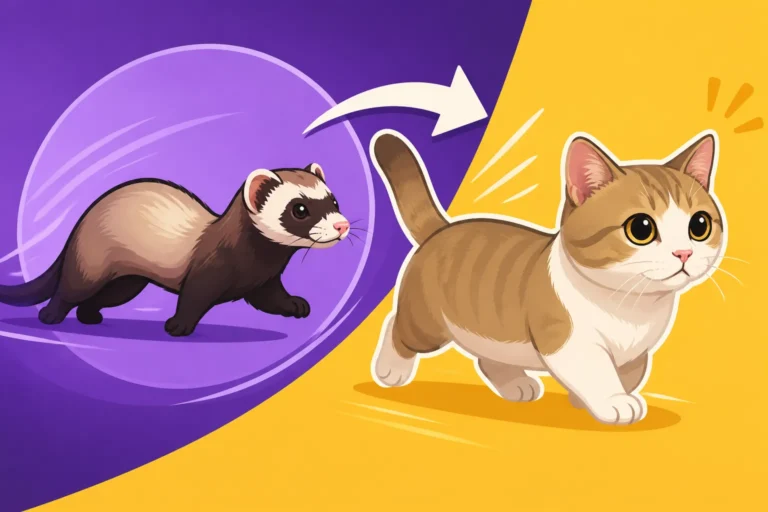
This low-slung body allows them to corner with an impressive efficiency, reminiscent of a ferret darting through tunnels. Why a Munchkin Moves Like a Ferret is often described by their quick, serpentine movements, and this is perfectly showcased during play. They love games of chase, especially when a toy is pulled along the floor, mimicking prey scuttling away. Feather wands, laser pointers (used responsibly and always ending with a tangible toy), and crinkle balls become their ultimate adversaries, engaging their natural hunting instincts in a way that’s perfectly suited to their physical build.
How Their Physical Limits Shape Play Needs
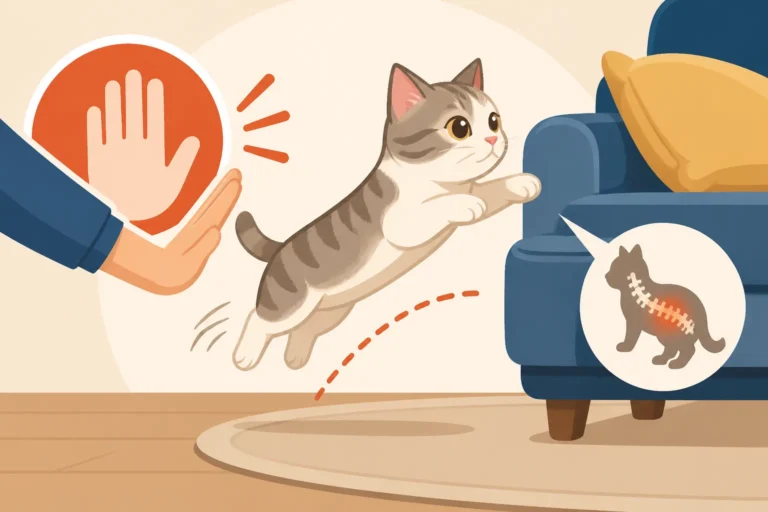
While their agility on the flat is impressive, it's crucial to acknowledge their limitations. Jumping high isn't their forte, and while some determined Munchkins might surprise you with a mid-height leap, repeated high jumps can be hard on their joints and spine over time. How High a Munchkin Can Actually Jump is often much less than you'd expect from a regular cat, meaning those high shelves or tall cat trees are simply not viable play spaces for them.
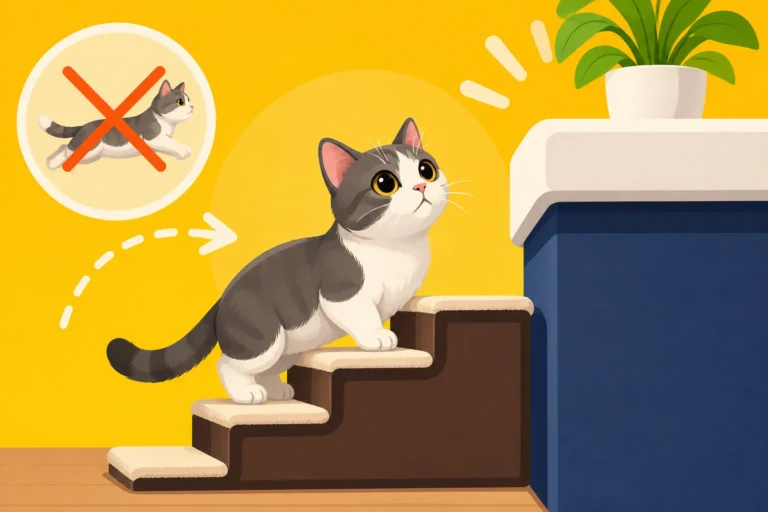
This means their play needs to be focused on activities that don't involve excessive vertical strain. Tunnels, low-level scratching posts, and toys that roll or slide are perfect. When considering play furniture, think horizontally rather than vertically. Instead of a towering cat tree, consider multi-level structures with ramps or wide, shallow steps. Providing these accessible play structures means they can engage more independently and safely, without constantly relying on you to lift them or risking injury by attempting jumps beyond their capability.
Quantifying Floor Level Play: How Much is Enough?
So, you understand how they play, but how much time should you actually be dedicating to it? There's no single magic number, but understanding the principles of duration, frequency, and type of play will help you create a routine that truly benefits your Munchkin.
Daily Play Sessions: Frequency and Duration
For optimal physical and mental health, aim for at least 2-3 dedicated interactive play sessions per day, each lasting approximately 10-15 minutes. It’s often better to have more frequent, shorter sessions than one marathon play session, especially for a Munchkin whose stamina might be slightly different due to their physical structure. These bursts of activity mimic a cat's natural hunting cycle: stalk, pounce, rest, repeat.
Think about timing these sessions around their natural energy peaks – often in the morning, early evening, and perhaps before bed. A good play session before a meal can also satisfy their "hunt-eat-groom-sleep" cycle beautifully. Regular, consistent play not only helps them burn energy but also keeps their muscles toned and joints mobile. And let's be honest, it helps keep those adorable little bellies from getting too round, which is particularly vital because How Much Floor Play Keeps a Munchkin's Weight Down is directly tied to their overall well-being. Keeping them active prevents excess weight from putting undue strain on their unique skeletal structure.
The Importance of Interactive Play
While independent play is great, interactive play with you is paramount. This is where you become part of the "hunt," strengthening your bond and ensuring they get targeted engagement. Wand toys with feathers, ribbons, or small stuffed animals on the end are fantastic because you can control the movement, keeping it low to the ground and mimicking real prey. Dragging it just out of reach, then letting them "catch" it, is incredibly satisfying for them.
Laser pointers can be used, but always make sure to end the session by directing the laser onto a physical toy they can capture and "kill" to avoid frustration. Otherwise, they're left with no actual reward for their hunting efforts. Consider rotating toys to keep things fresh and exciting. You can find a huge variety of engaging, floor-level-friendly toys on platforms like Amazon, from crinkle balls to plush mice they can bat around. Think about toys that are light, easy to bat, and don't roll too far under furniture they can't reach. Finding Which Wand Toys Suit a Munchkin's Reach is key – look for ones with longer wands and easily detachable prey for a successful "kill."
Independent Play and Enrichment
Beyond your active involvement, providing opportunities for independent play and mental enrichment is crucial. Puzzle feeders are excellent for this, encouraging them to "work" for their food and engaging their minds. Look for puzzle feeders designed for cats that allow easy access without requiring high dexterity or difficult climbing. Many options are available on Amazon that sit flush on the floor and have large openings for their paws.
Scatter feeding small portions of kibble around a room can also turn mealtime into a fun treasure hunt, encouraging natural foraging behavior. Soft, lightweight balls, crinkle toys, and small kickers are perfect for solo play as they can bat them around the floor without needing to jump. Creating accessible "hide-and-seek" spots with open paper bags (handles removed for safety) or small cardboard boxes at floor level provides endless entertainment. For more ideas, read up on How to Set Up Floor Level Enrichment for a Munchkin to ensure their environment is constantly stimulating.
Adapting Your Home for Optimal Floor Play
Creating an environment that caters to a Munchkin's specific needs for floor-level play is less about redesigning your entire home and more about thoughtful modifications. It's about seeing the world from their perspective.
Creating a Munchkin-Friendly Play Zone
Your home should ideally offer clear, open pathways where your Munchkin can zoom and chase without obstacles. Think of it as a low-level race track. While rugs can provide excellent traction for their quick turns, avoid overly deep pile carpets that can make movement more challenging for their short legs. Hard floors are great, but consider placing anti-slip mats or smaller rugs in key play areas to prevent slipping, especially during energetic sprints.
Consider dedicating certain areas as "play zones" where toys are readily available. This doesn't mean a cluttered mess; rather, having a basket of suitable toys that they can easily access and select from can encourage spontaneous play. Even if your home has multiple levels, try to ensure at least one main living area is completely accessible and optimized for their unique play style. For those with multi-story homes, Making One Room Reachable for a Munchkin All Day can be a game-changer, ensuring they have a safe and stimulating space even when you're not directly supervising.
Accessible Toys and Play Structures
The key to suitable play structures for a Munchkin is accessibility. Forget the towering, multi-level cat condos that require Olympic-level leaping. Instead, think horizontally and with ramps. Low-level cat trees with wide, shallow steps or gentle ramps are perfect. Tunnels are a huge hit – they can dart through them, ambush toys, and feel secure in enclosed spaces. Look for durable, collapsible tunnels available on Amazon.
Scratching posts should be horizontal or low-angle vertical ones that they can stretch up to without straining. A tall, upright post won't be as effective for a Munchkin. Which Scratching Post a Munchkin Can Use will generally be one that's designed to be used horizontally or on a slight incline, allowing them to stretch their front paws and claws without needing to stand on their hind legs or jump. When choosing toys, prioritize lightweight items they can bat, carry, and pounce on without difficulty. Small, soft balls, crinkle toys, and plush mice are usually winners.
Monitoring and Adjusting Play as They Age
Just like humans, a Munchkin's play needs will evolve as they grow older. A kitten will be a whirlwind of boundless energy, while a senior cat might prefer shorter, gentler play sessions. It's important to be observant. Watch for signs of fatigue, such as panting, resting more frequently, or a general reluctance to engage. If your Munchkin starts avoiding certain types of play or seems stiff afterward, it might be time to adjust the intensity or duration.
As they become senior, usually around eight years old, you might notice them slowing down. Their joints might not be as flexible, and their stamina could decrease. At this stage, focus on softer play, puzzle feeders, and gentle interaction. Ensure their environment is even more accessible, with ramps to all their favorite lounging spots. Understanding How a Munchkin's Play Changes After Eight is crucial for maintaining their quality of life, allowing you to adapt their routine to keep them comfortable and happy into their golden years.
The Benefits of Adequate Floor Level Play
Providing your Munchkin with consistent, appropriate floor-level play isn't just about entertainment; it's a cornerstone of their overall health and happiness. The ripple effects touch every aspect of their well-being.
Physical Health and Weight Management
One of the most significant benefits of regular play is its impact on physical health. Munchkins, with their unique structure, can be particularly susceptible to weight gain if not properly exercised. Excess weight puts additional strain on their short legs and spine, potentially leading to discomfort and other health issues. This is why Why Weight Control Is the Whole Munchkin Care Plan is so critical.
Consistent play helps to maintain a healthy weight by burning calories and building lean muscle mass. It keeps their joints flexible, strengthens their core muscles (which are vital for spinal support), and improves overall cardiovascular health. Active play is their primary form of exercise, and without it, they risk becoming sedentary, which can pave the way for a host of preventable health problems.
Mental Stimulation and Behavioral Health
Beyond the physical, play is incredibly important for a Munchkin's mental and behavioral health. Cats are natural predators, and play allows them to express these innate hunting instincts in a safe, appropriate way. A bored Munchkin, like any bored cat, can become destructive, anxious, or even withdrawn. They might start engaging in undesirable behaviors like excessive scratching of furniture, inappropriate urination, or vocalizing due to pent-up energy.
Regular, stimulating play sessions provide an outlet for their energy and intelligence, preventing boredom and frustration. When they "catch" a toy, it provides a sense of accomplishment and satisfaction, boosting their confidence and overall happiness. It also helps to prevent common behavioral issues by channeling their natural drives constructively.
Strengthening the Bond
Finally, shared play time is an incredible way to deepen the bond you have with your Munchkin. When you engage with them, you're not just providing exercise; you're building trust, communicating, and showing them affection in a way they understand. They learn to associate you with positive, exciting experiences, which enhances your relationship.
Through play, you also learn to understand your Munchkin's unique personality, their favorite toys, and their individual play style. You'll recognize their happy chirps and purrs, their intense focus, and their triumphant "kills." This mutual understanding and connection are invaluable, making them feel secure, loved, and truly a part of your family. It's a win-win for everyone involved.
Daily Play Guide for Your Munchkin Cat
| Activity Type | Recommended Frequency | Duration Per Session | Key Benefits |
|---|---|---|---|
| Interactive Play | 2-3 times daily | 10-15 minutes | Physical exercise, mental stimulation, strengthens owner-cat bond, hunting instinct fulfillment |
| Independent Play | Throughout the day (self-directed) | Variable | Reduces boredom, mental enrichment, muscle maintenance, healthy activity |
| Puzzle Feeders | 1-2 times daily | Variable | Mental stimulation, slows eating, prevents boredom, foraging behavior |
| Grooming Play | 1 time daily | 5 minutes | Promotes self-grooming behavior, gentle interaction, joint flexibility |
Ultimately, providing adequate floor-level play for your Munchkin isn't just an optional extra; it's a fundamental part of responsible ownership. By understanding their unique physical needs, dedicating consistent time to interactive play, providing enriching independent activities, and adapting your home environment, you're ensuring your adorable short-legged friend lives a full, healthy, and incredibly happy life right there on the ground where they belong.
Disclaimer
This article is for general informational purposes only and does not constitute professional advice. Laws, prices and regulations vary by location and change over time. Consult a qualified professional for guidance on your specific situation.